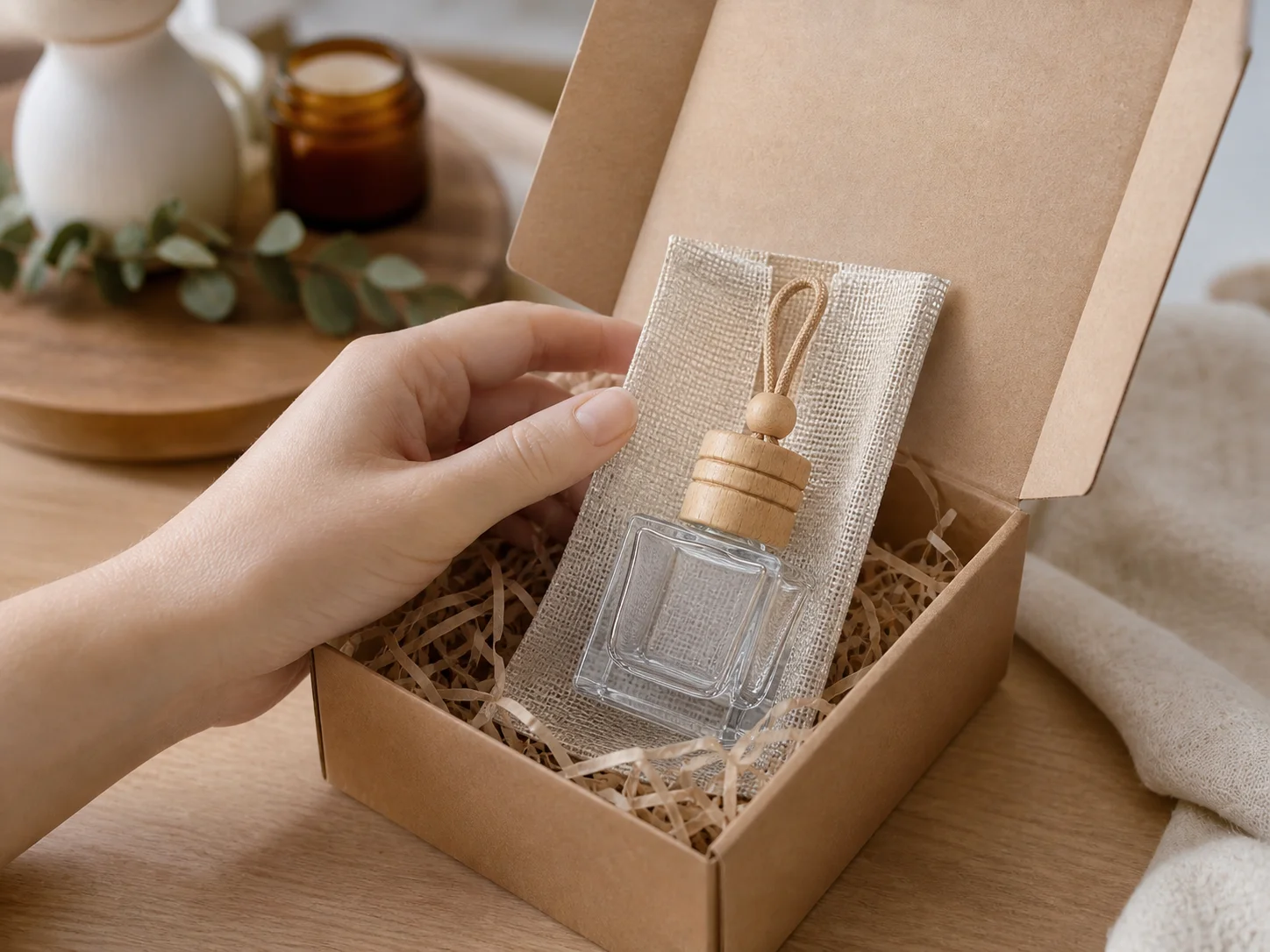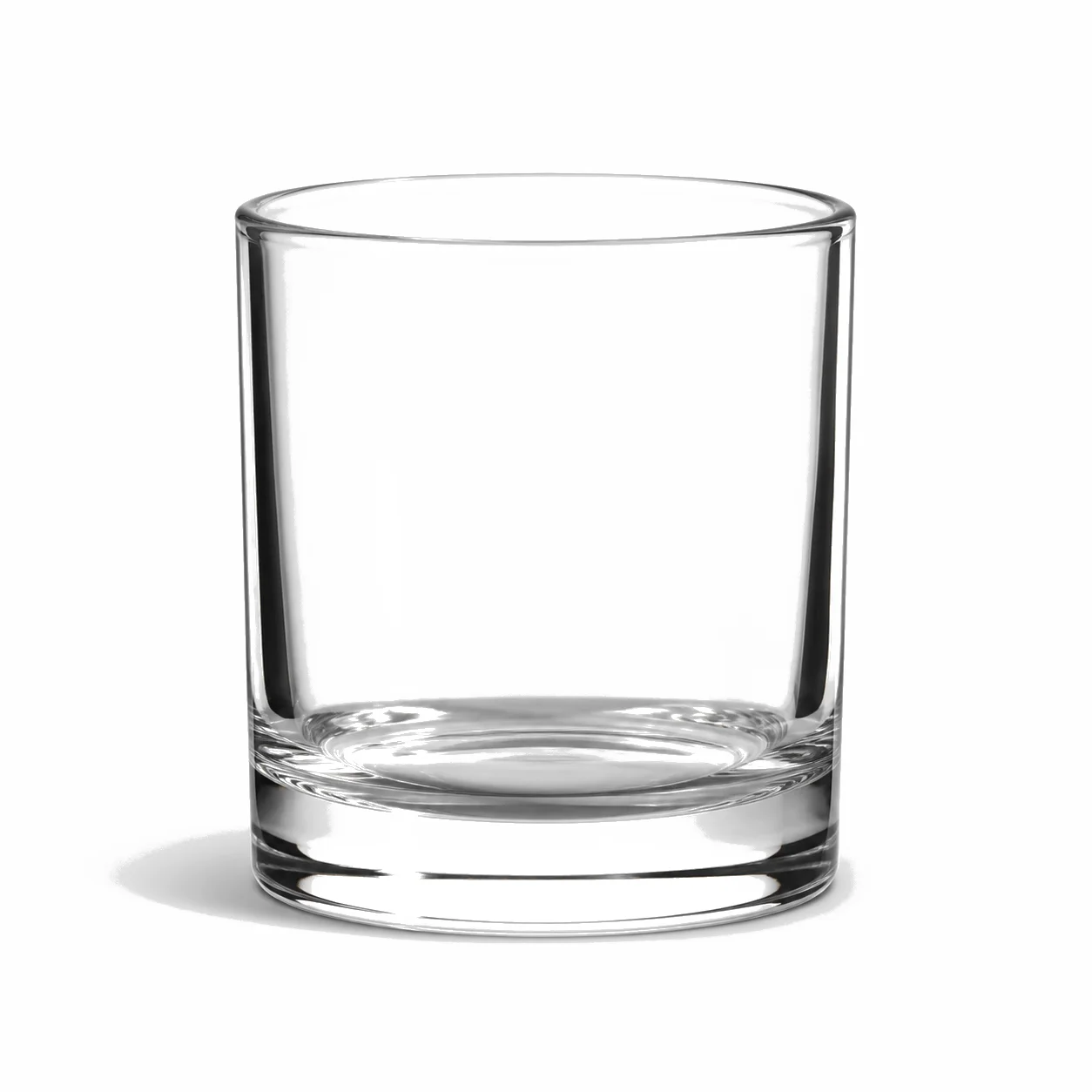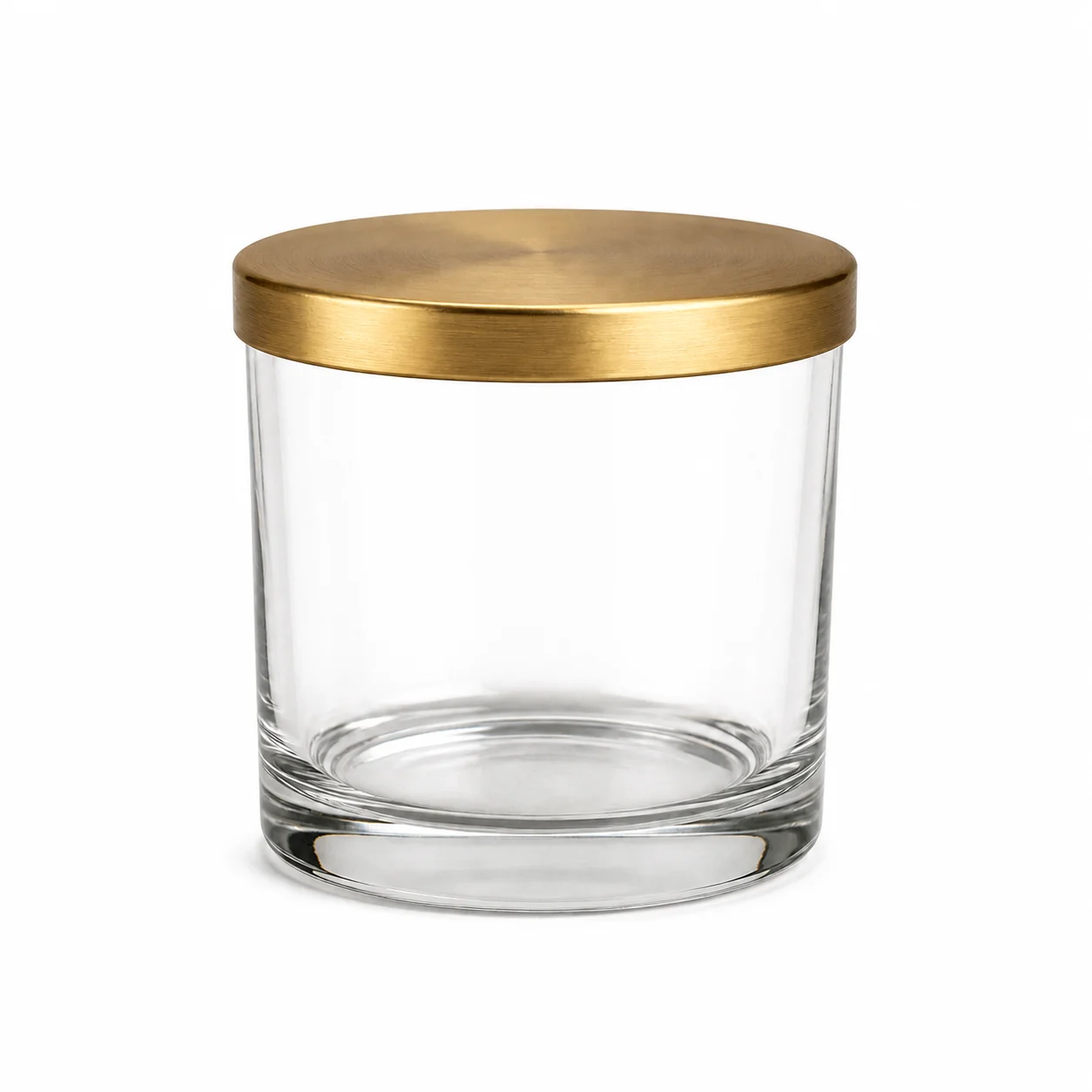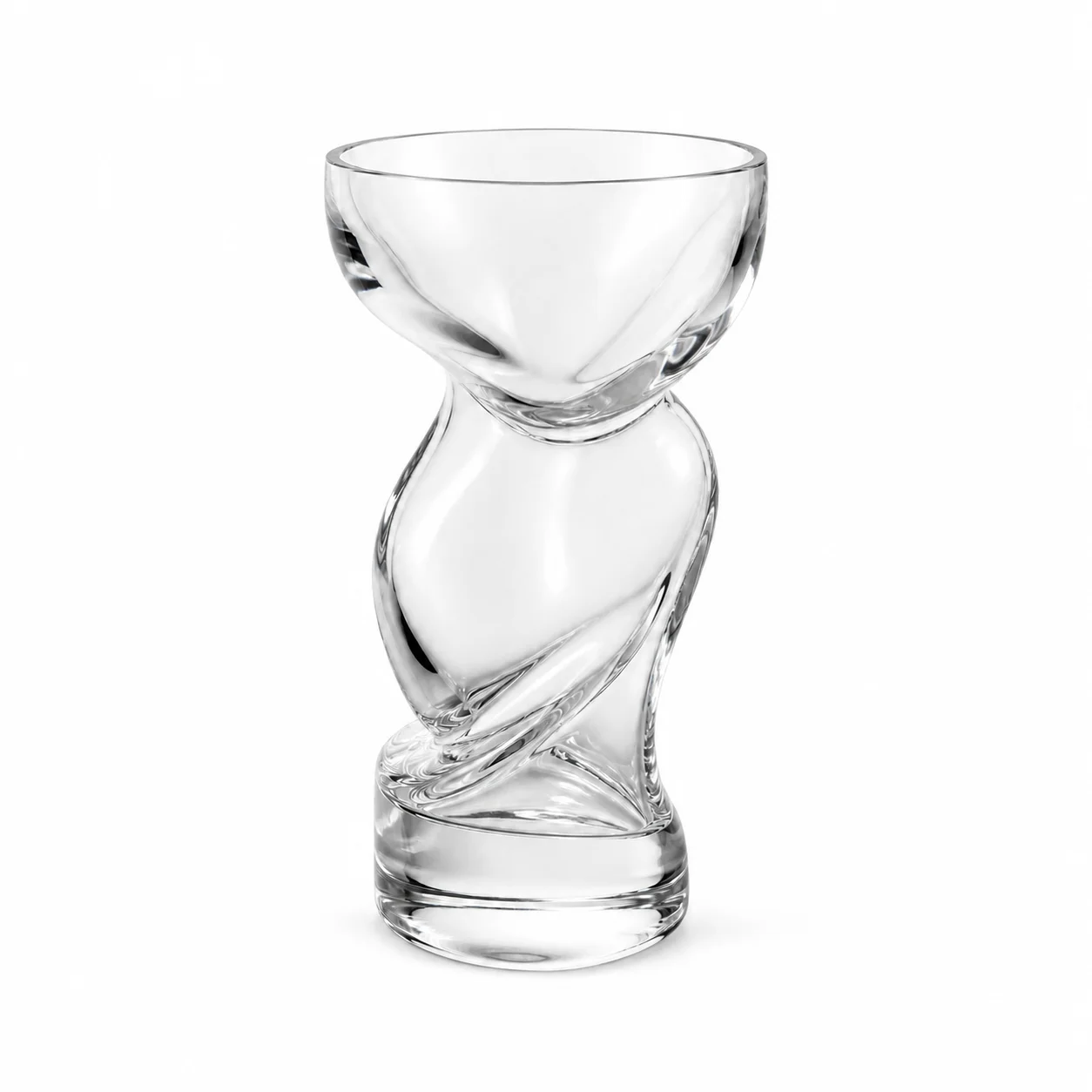
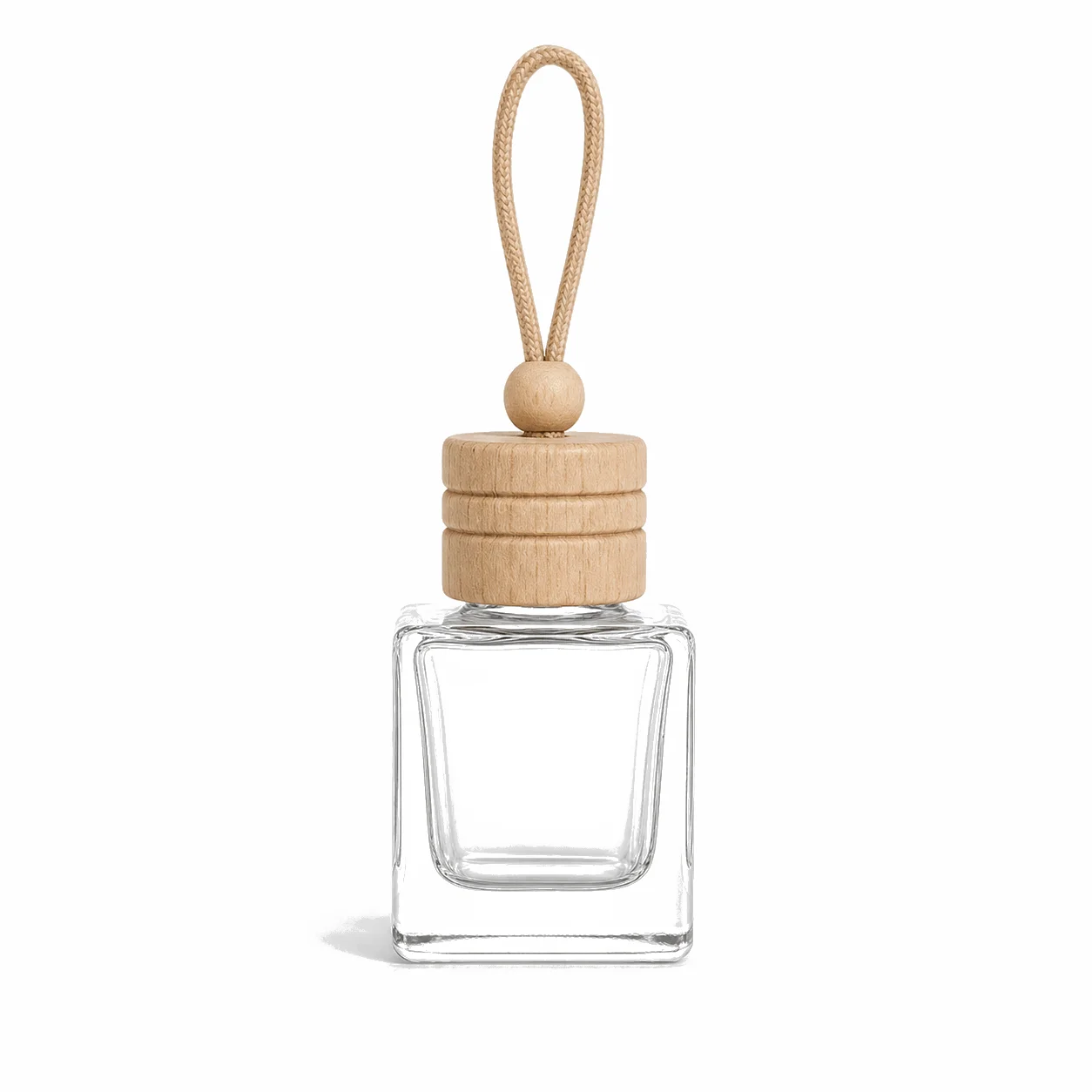
Very small clear bottle with a narrow neck and a decorative cap, shown without a clip
Shown configuration · bottle with cap / oil, wick, vent clip and label not shown

Automotive fragrance

Car Diffuser Bottle

A small diffuser bottle for a car, which is the harshest environment any fragrance pack faces: heat, vibration, and a customer who will leave it on its side.

Cabin heat well above ambientVibration is constantLeak resistance is the product
Stock status
In stock
Lead time
2–3 weeks
FOB price / pc
$0.30 - $0.65
MOQ
10,000 pcs

Final availability, dimensions, materials, assembled components and commercial terms are confirmed against the selected drawing and approved sample.

Parked cars get hot

Cabin temperatures far exceed a room

It will end up on its side

Design for the failure, not against it

Tiny fill, high visibility

Every milliliter is on display

Car Diffuser Bottle profile

The only fragrance pack that spends its summer in an oven that vibrates.

Cabin heat, vibration & leak consequences

Five requirements imposed by a parked car.

A car diffuser hangs from a mirror or clips to a vent, in a cabin that reaches temperatures no room ever sees, while the vehicle vibrates continuously. The oil is usually neat or lightly diluted, and the consequence of a leak is a permanently marked interior. Every part of the specification follows from those three facts.

01

Heat drives pressure and accelerates loss

A closed car in summer reaches temperatures far above any room, and a sealed bottle of volatile oil inside it builds internal pressure while its contents evaporate faster than they would anywhere else. Closure fit is therefore tested hot rather than at bench temperature, because that is where the leak that damages an interior begins.

02

Vibration works at every joint continuously

A vent clip transmits engine and road vibration directly into the bottle and its closure, hour after hour. A cap that stays tight on a shelf can back off over weeks of driving, and a wick or fitment held by interference can migrate. Vibration testing, or simply a month in a car, finds what a static check never will.

03

Assume it will be laid down

Bottles fall off mirrors, clips break, and customers put the diffuser in a door pocket or a cupholder. The realistic design question is not whether it will lie on its side but what happens when it does, which argues for a closure and wick arrangement that resists leaking in any orientation rather than one that relies on gravity.

04

The consequence of failure is disproportionate

Neat fragrance oil on a dashboard, a leather seat or a plastic trim panel can leave a permanent mark, and the cost of that far exceeds the product. It is why this category justifies tighter closure specification, smaller fills and more conservative material choices than a home fragrance product of the same value would.

05

Small volumes make presentation carry the price

Fills are typically a few milliliters, so the glass, the cap and the hanging hardware are most of what the customer is paying for. Faceted glass, metallic caps and a considered clip do more for perceived value here than in any other fragrance format, precisely because there is so little liquid to look at.

06

Sunlight through a windscreen is a harsher light test than any shelf

A car interior reaches temperatures and light levels no retail display comes near, and it does so daily for the whole life of the product. Any color, label or fragrance stability claim on this format should be tested under that condition rather than under ambient storage.
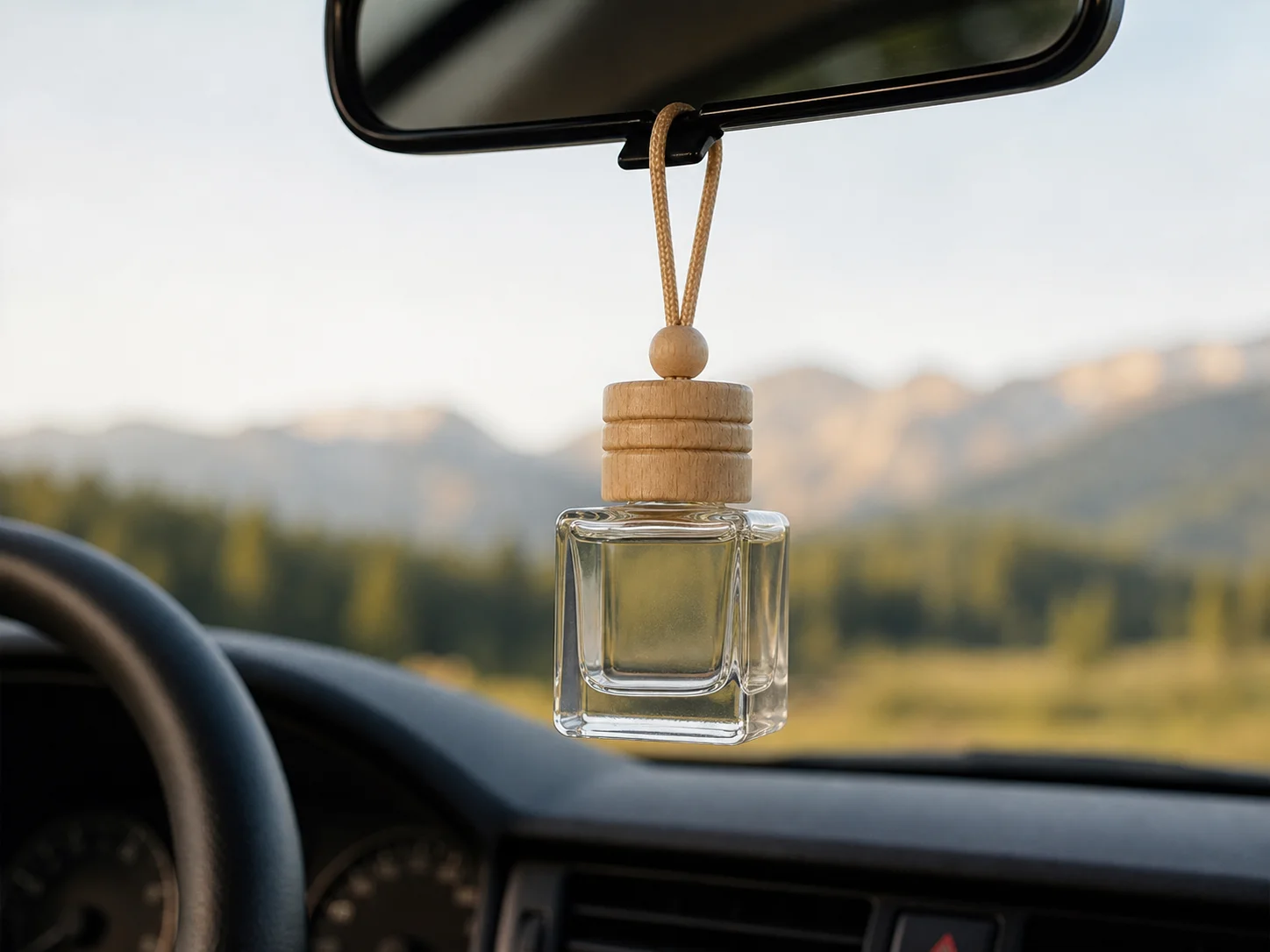
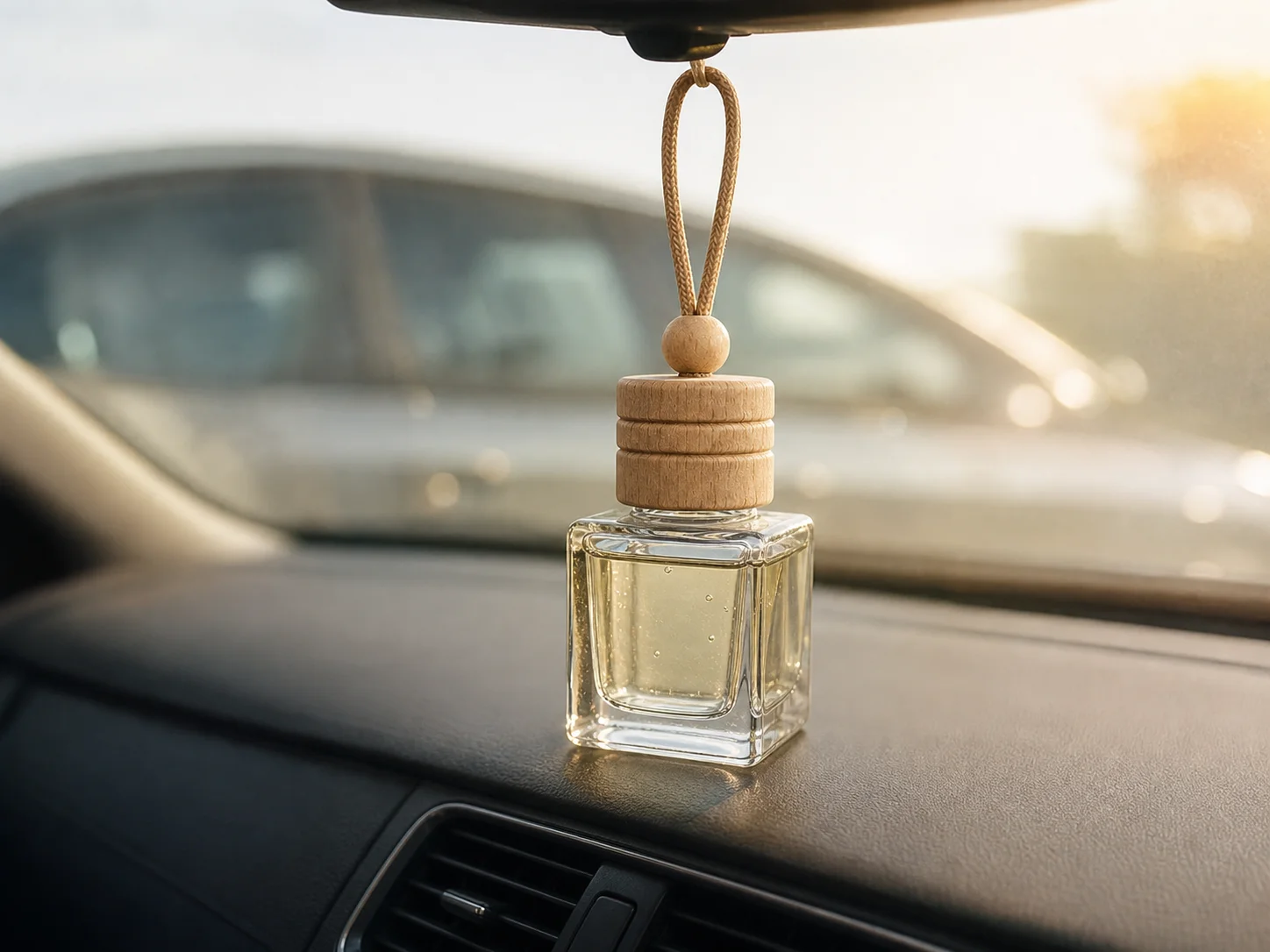
Application guide

This bottle hangs in a moving car in full sun.

A car diffuser lives somewhere no other fragrance pack goes: swinging from a mirror, baked behind glass in summer and thrown about on every corner. Those conditions set the entire specification. These are development directions confirmed in real vehicle conditions.

Car Diffuser Bottle used for diffusers hung from a rear-view mirror in a in-car fragrance setting

In-car fragrance

Diffusers hung from a rear-view mirror

For a bottle that swings continuously while the car is moving and gets knocked whenever someone reaches past it. The loop, the cap and the seal between them take that motion constantly, so leak resistance under sustained movement is the first thing to establish, not the last.

  • Test sealing under sustained motion
  • Confirm the loop holds the filled weight
  • Check the cap against knocking loose
Car Diffuser Bottle used for summer temperatures behind glass in a heat and sunlight setting

Heat and sunlight

Summer temperatures behind glass

A parked car in summer reaches temperatures far above any shelf, and the liquid expands, the fragrance degrades and any plastic component softens. Establishing how the filled bottle behaves at those temperatures matters more here than in any other home-fragrance format.

  • Test the filled bottle at high heat
  • Check fragrance stability in sunlight
  • Confirm no expansion leakage
Car Diffuser Bottle used for impulse gifts and accessory ranges in a gifting setting

Gifting

Impulse gifts and accessory ranges

Car diffusers sell as small gifts and accessory add-ons, often hung straight from the packaging onto a mirror without instructions being read. That argues for a configuration a customer cannot easily assemble wrongly, and for the essential guidance to sit where it will be seen.

  • Make correct assembly hard to get wrong
  • Put guidance where it will be seen
  • Design the pack for impulse display

Applications describe presentation directions. Hanging, leakage, diffusion, heat, safety and distribution outcomes are confirmed for the selected program.

Common questions

Car Diffuser Bottle questions

A hot, vibrating environment with an expensive interior underneath it.

Does vibration really loosen closures?

Over weeks, yes. A vent clip transmits engine and road vibration straight into the bottle and its cap, continuously. A closure that stays tight on a shelf can back off in a month of driving, and a wick or fitment held by interference can migrate. A bench vibration test, or simply a month in a car, finds it.

Should we design for the bottle being on its side?

Yes, because it will be. Bottles fall off mirrors, clips break, and customers put diffusers in door pockets and cupholders. The useful question is what happens when it lies down, which argues for a closure and wick arrangement that resists leaking in any orientation rather than one relying on the bottle staying upright.

Why is this category so conservative about materials?

Because the consequence of a leak is out of proportion to the product. Neat fragrance oil on a dashboard, leather seat or trim panel can leave a permanent mark that costs many times the price of the diffuser. That justifies tighter closures, smaller fills and more cautious material choices than an equivalent home fragrance product.

Why do these bottles look so decorative?

Because the fill is only a few milliliters, so the glass, cap and hanging hardware are most of what the customer is paying for. Decoration does more for perceived value here than in any other fragrance format.

Is a windscreen a harsher light test than a shelf?

Considerably. A car interior gives direct sun through glass with heat on top of it, which degrades fragrance and colorants faster than any retail lighting. Run light stability against that condition rather than a standard shelf test.

Next step

Send us the Car Diffuser Bottle brief.

Tell us the product, fill volume, closure preference and destination market. We will come back with the matching drawings, available configurations and a sample plan before anything is quoted.

  • 01Send the briefProduct, volume, closure and market
  • 02Get the optionsMatching drawings and configurations
  • 03Approve the sampleConfirm the pack before production