
Second life, label release & wax removal
Six requirements that come from what happens after the candle.
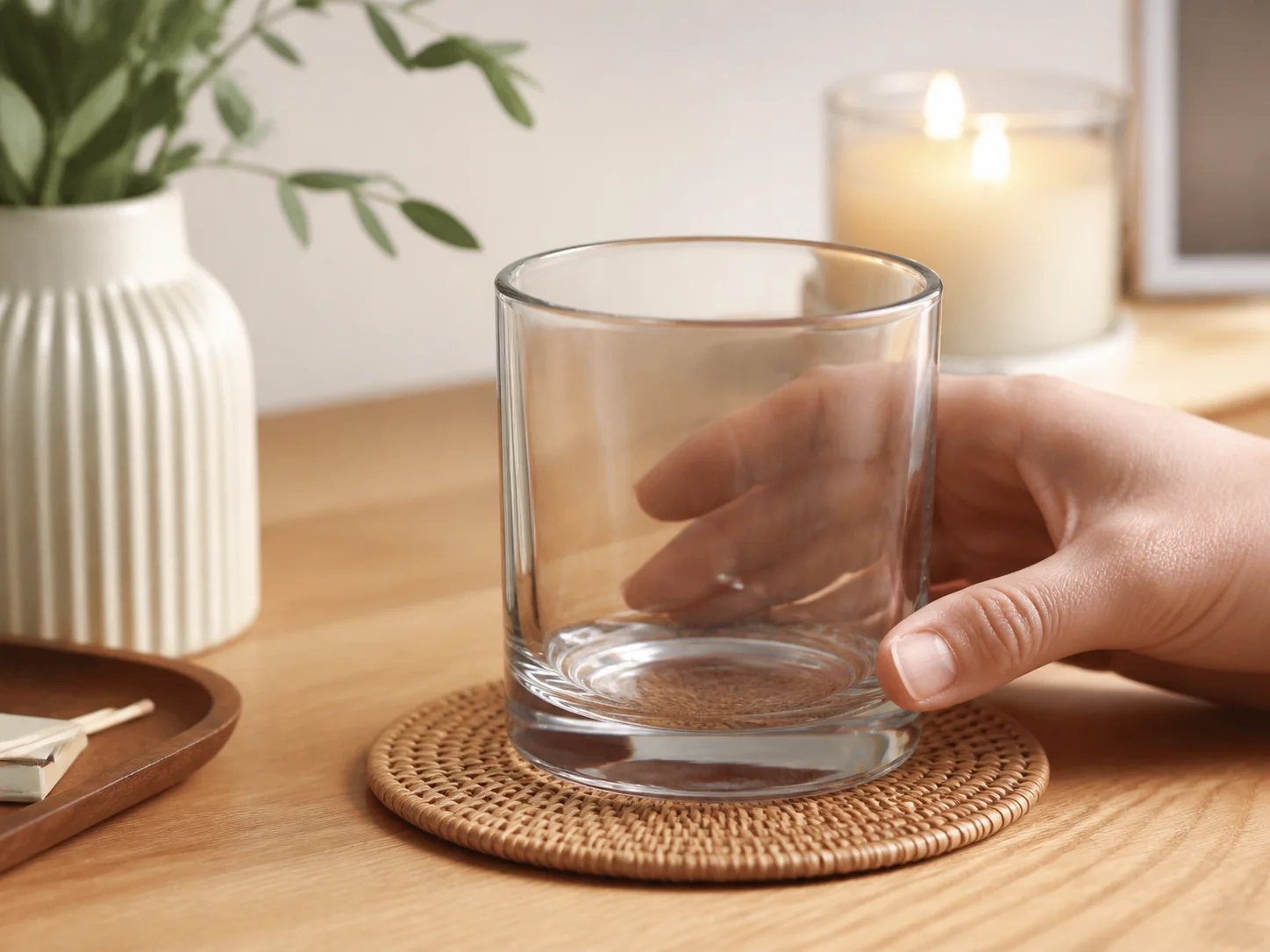
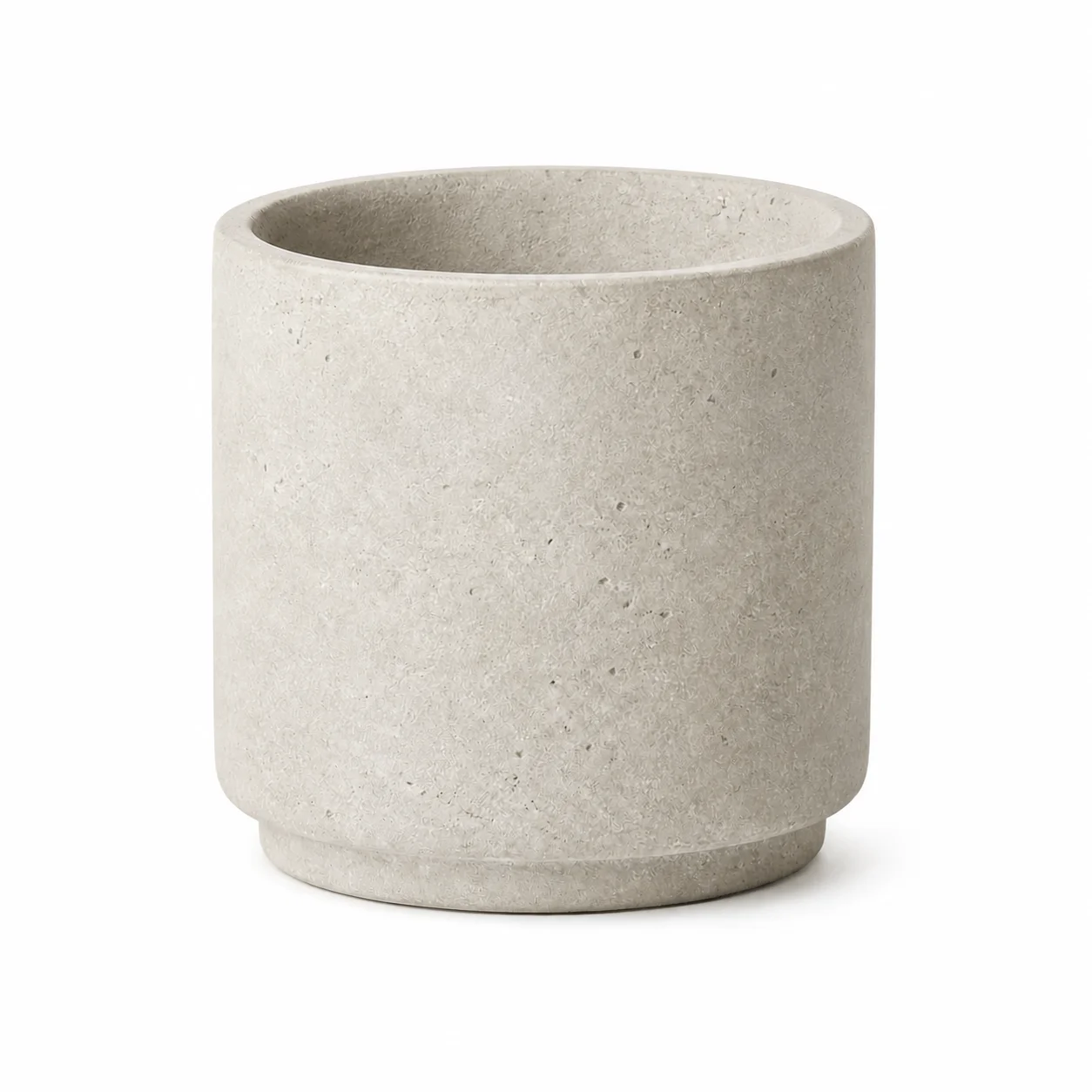
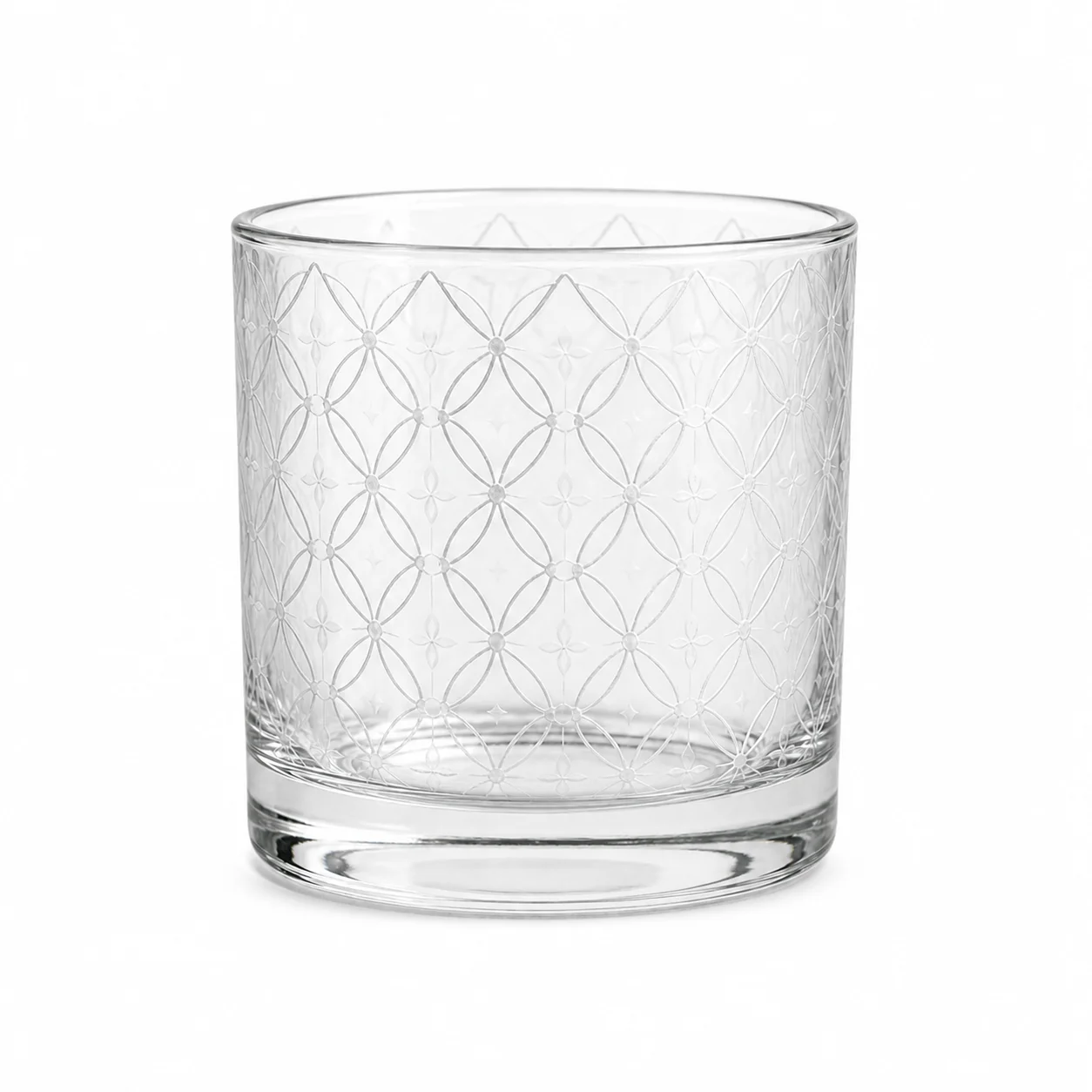
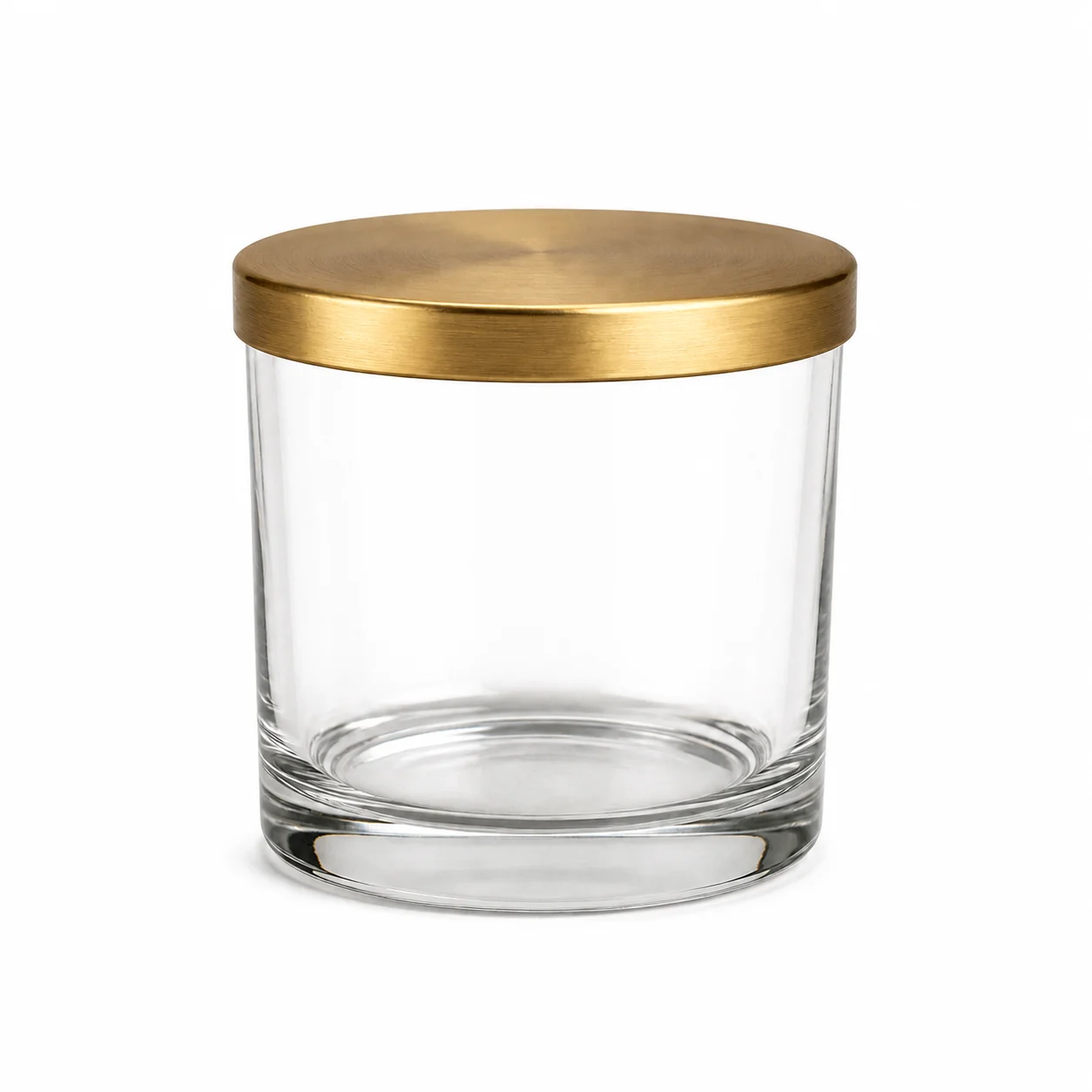
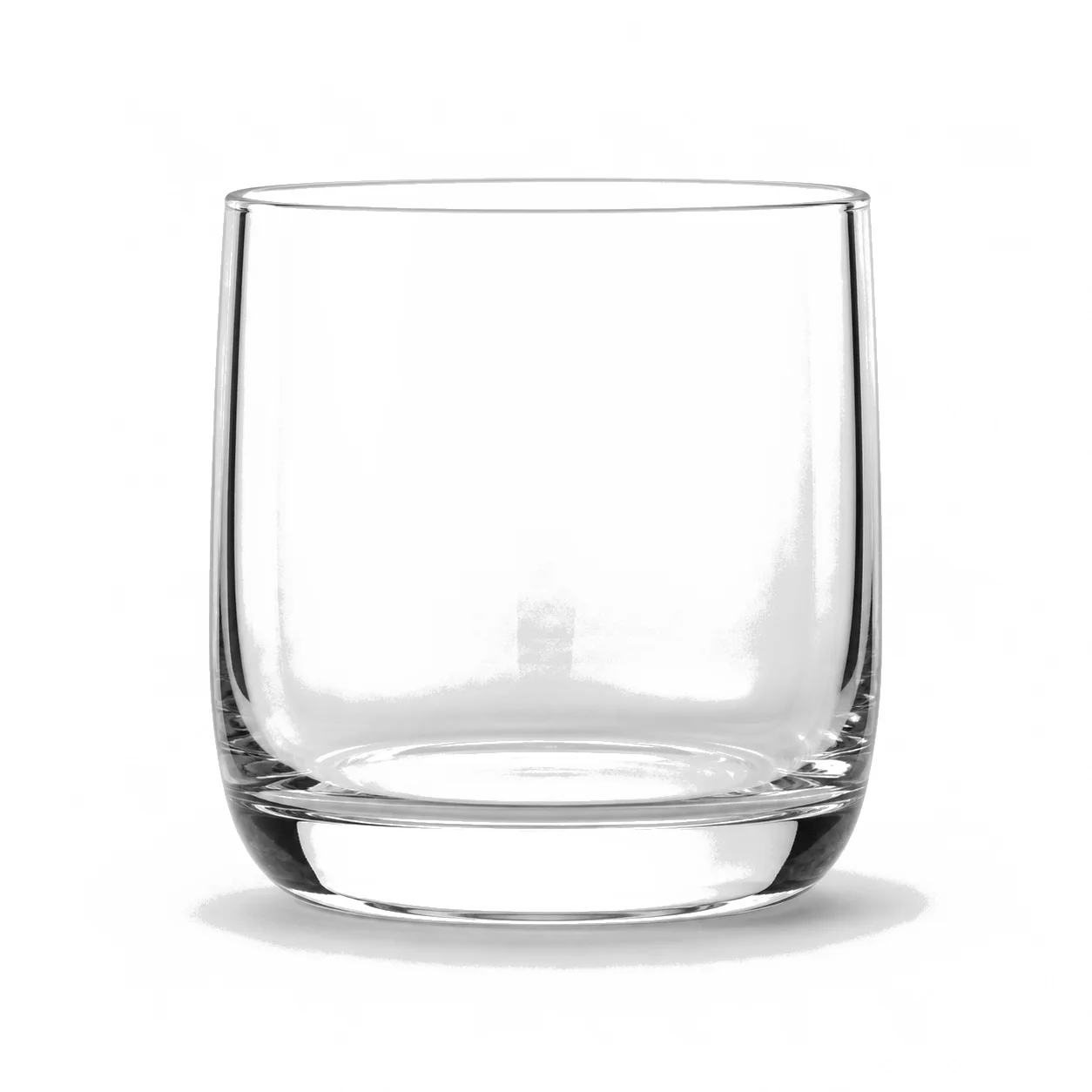
A refillable candle is sold partly on what the glass becomes afterwards: a tumbler, a brush pot, a planter. That changes the specification in ways that have nothing to do with burning. The glass has to look finished without decoration, the label has to release without residue, and the customer has to be able to get old wax out without cracking it.
It has to look like an object, not like packaging
Once the label is off, the vessel is on show with nothing to hide behind. Mold seams, base marks and any distortion that a labeled candle conceals become the product's appearance. That pushes the specification toward better glass distribution and a cleaner base finish than a single-use candle would justify.
Label release is a specification, not an afterthought
A permanent adhesive that leaves a gray film ruins the second life and the goodwill with it. Removable or clean-release adhesives, or a printed decoration that is meant to stay, are the two honest answers. Testing release after months of storage and a full burn is the check that matters, since heat ages adhesive faster than shelf time does.
Customers will use hot water and freezers
The two common wax removal methods are pouring in boiling water and putting the vessel in a freezer, and both apply thermal shock to glass that has already been heat cycled by burning. Recommending a method on the pack, and specifying glass that tolerates it, converts an unpredictable risk into a controlled one.
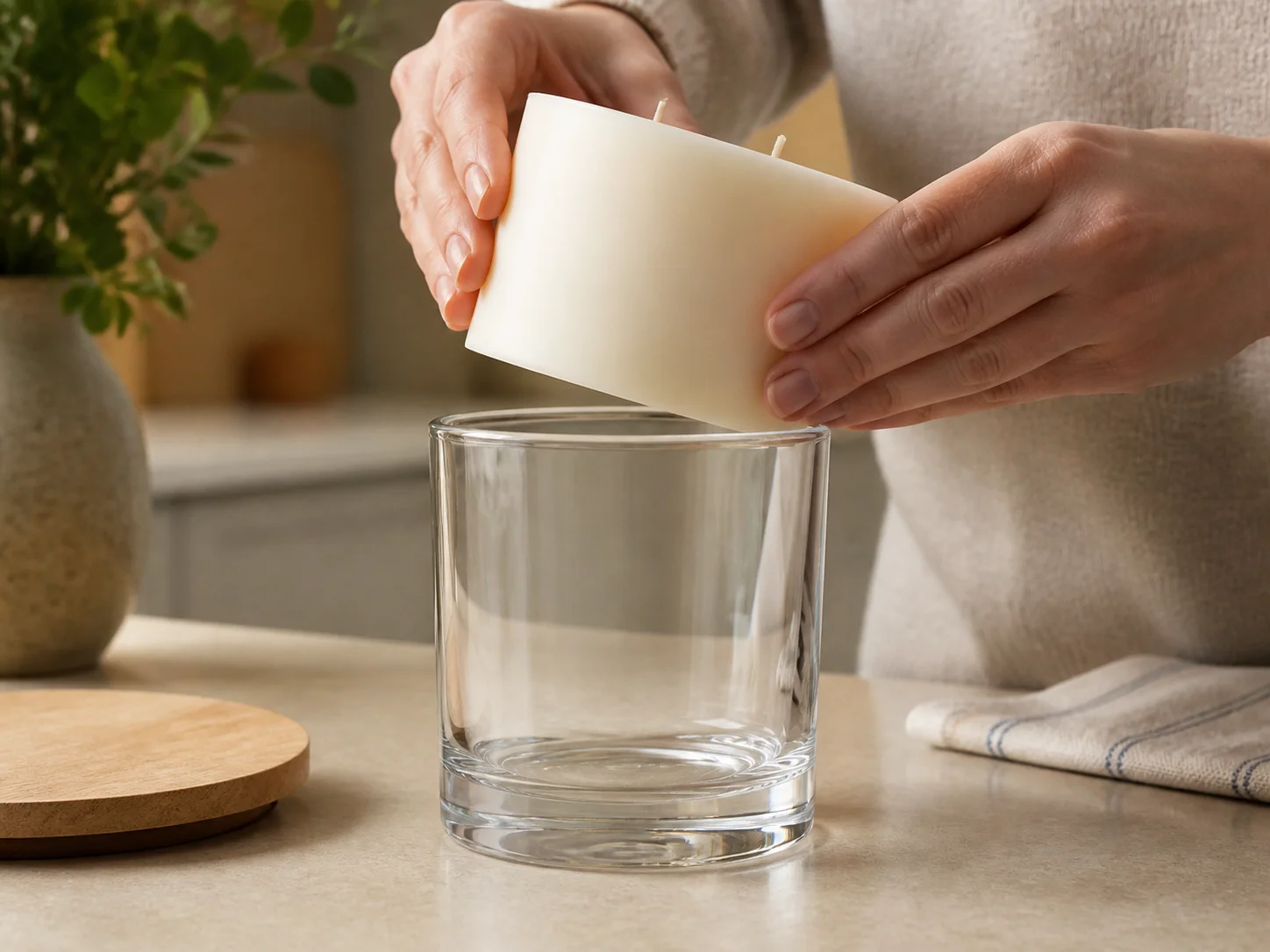
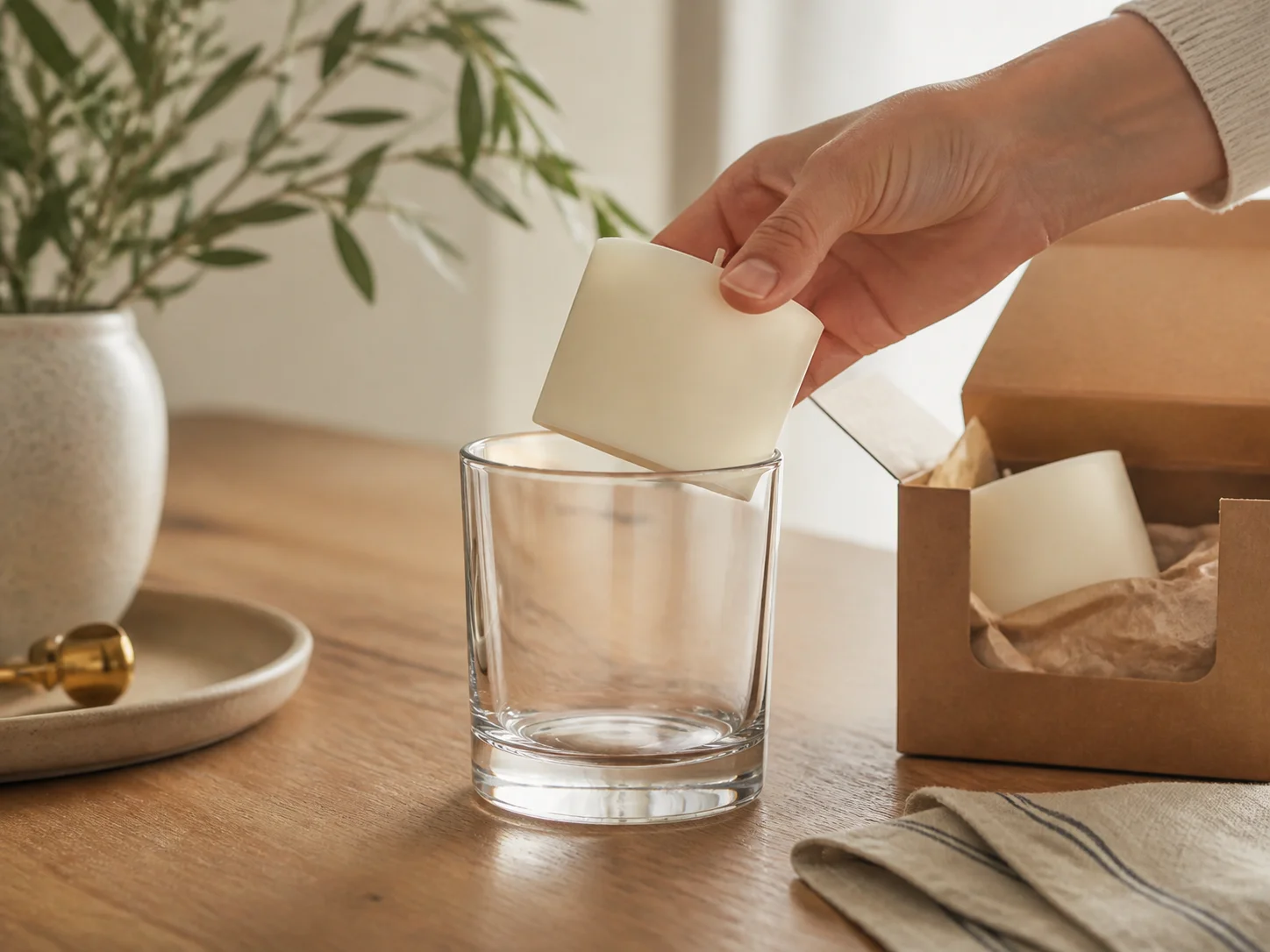
A refill needs the wick to be fixed again
If the brand sells refills, someone has to center and secure a new wick. A base that a wick sticker adheres to reliably, and a mouth wide enough for a wick bar to sit across, are small features that make the difference between a refill that works and one that produces an off-center candle nobody enjoys.
The second life should be plausible, not aspirational
Marketing a candle vessel as a drinking glass only works if the rim is comfortable and the capacity sensible; as a planter only if there is a drainage plan. Choosing a specific, credible second use and designing the rim, capacity and base for it is considerably more persuasive than a general claim about reusability.
A refill program only works if the vessel is still available in three years
Customers who keep a vessel expect to buy refills for it, and a shape that is discontinued turns a sustainability claim into an annoyance. Committing to a form long enough to support the refills is part of the product decision rather than a marketing one.