Rim finishing, credible capacity & realistic reuse
Six things that make the second life real rather than aspirational.
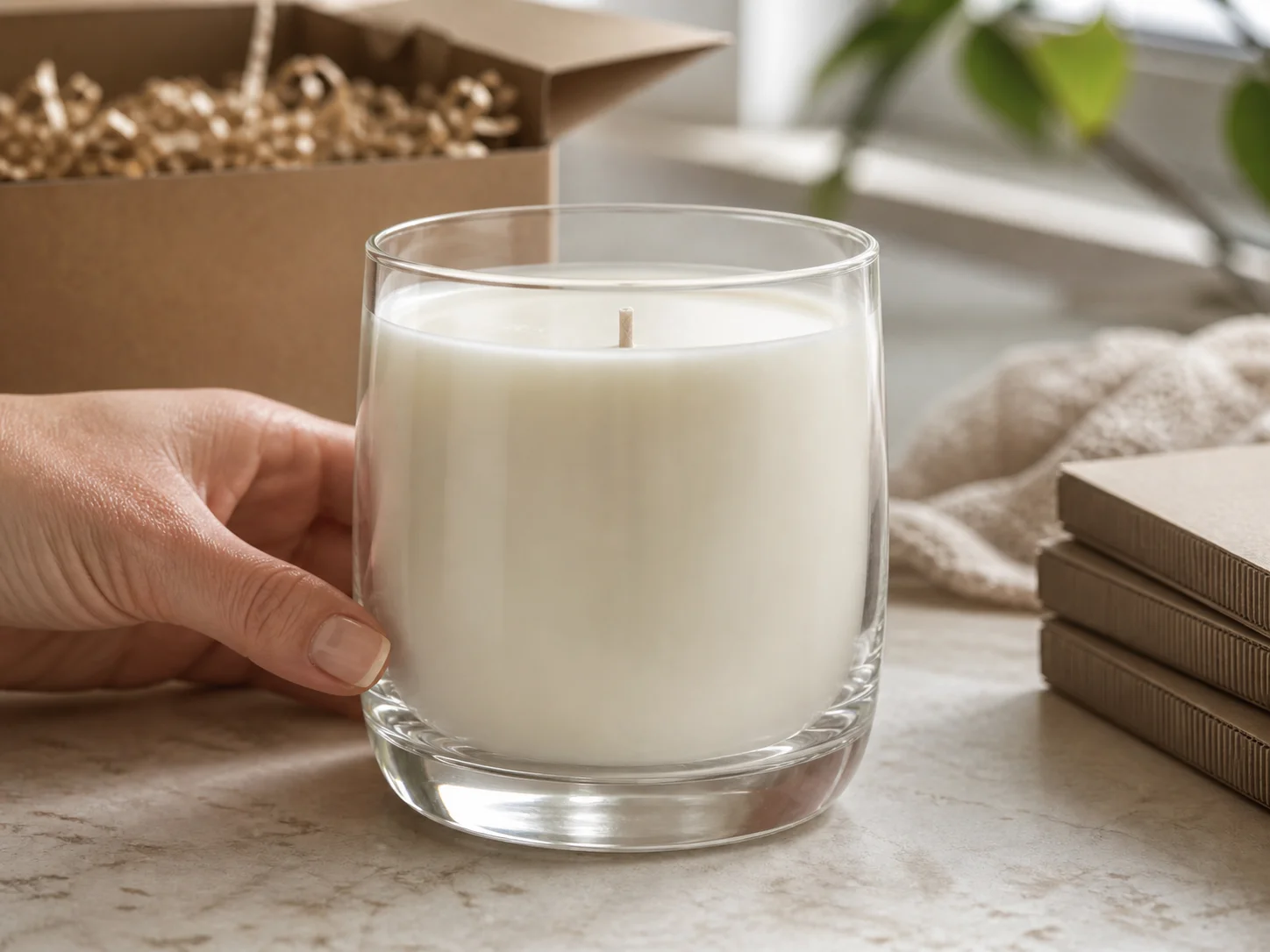
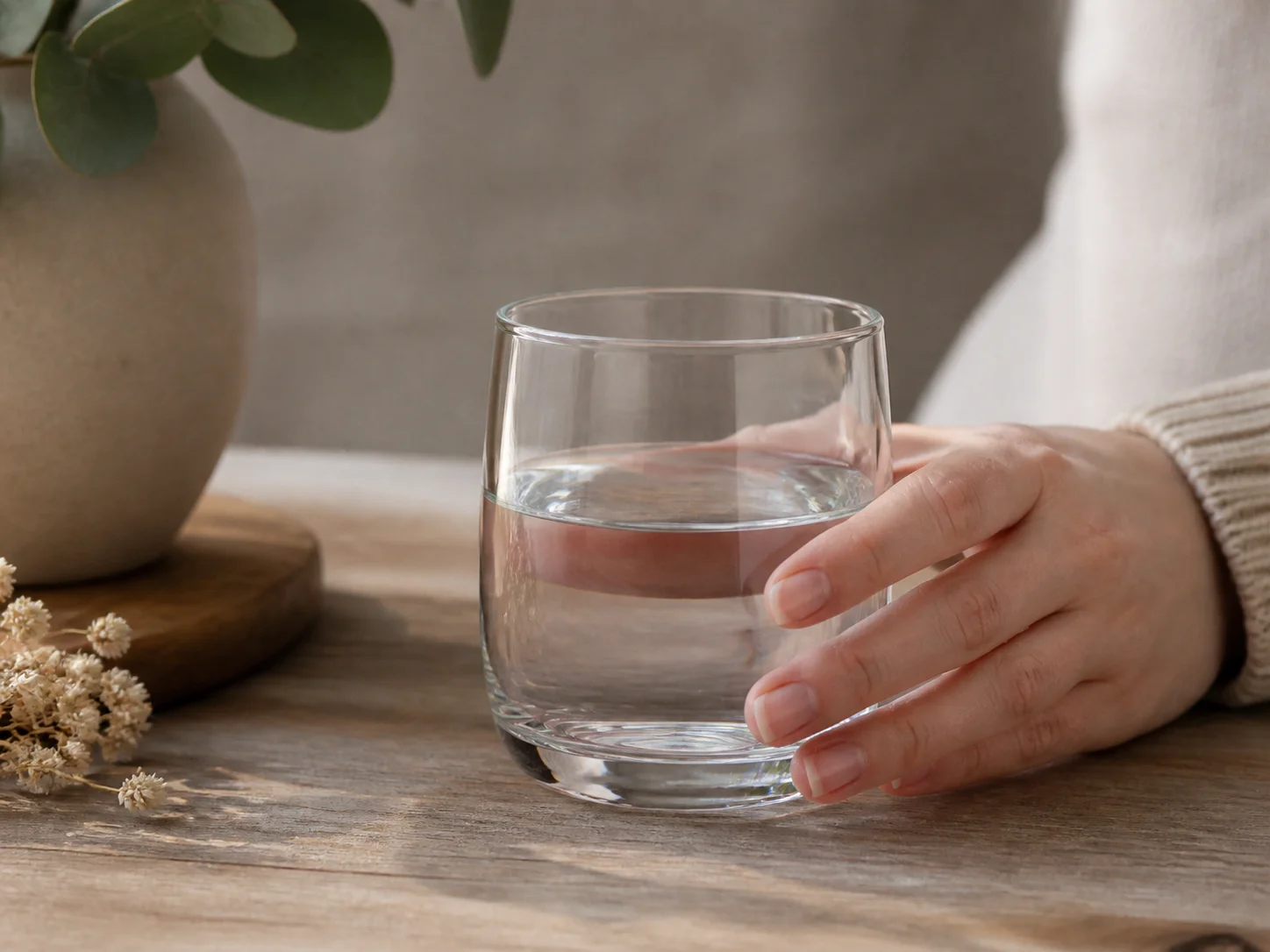
Selling a candle on becoming a drinking glass sets a testable promise, and it is usually broken by the rim. A candle vessel needs a rim that seats a lid and survives a carton; a drinking glass needs one that is comfortable against a lip. Meeting both is a specific manufacturing decision rather than a marketing claim.
A drinking rim is fire-polished or rolled, and it costs more
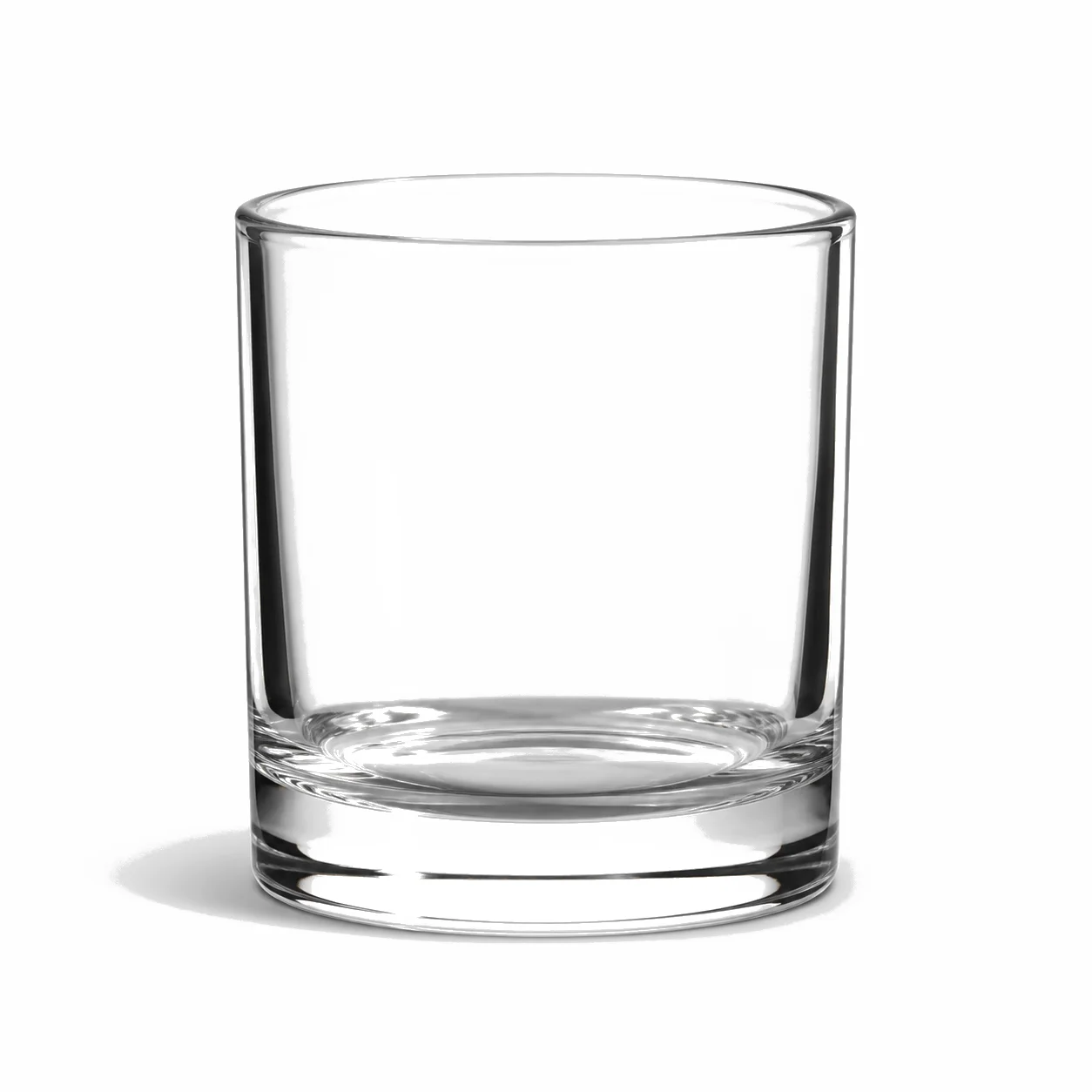
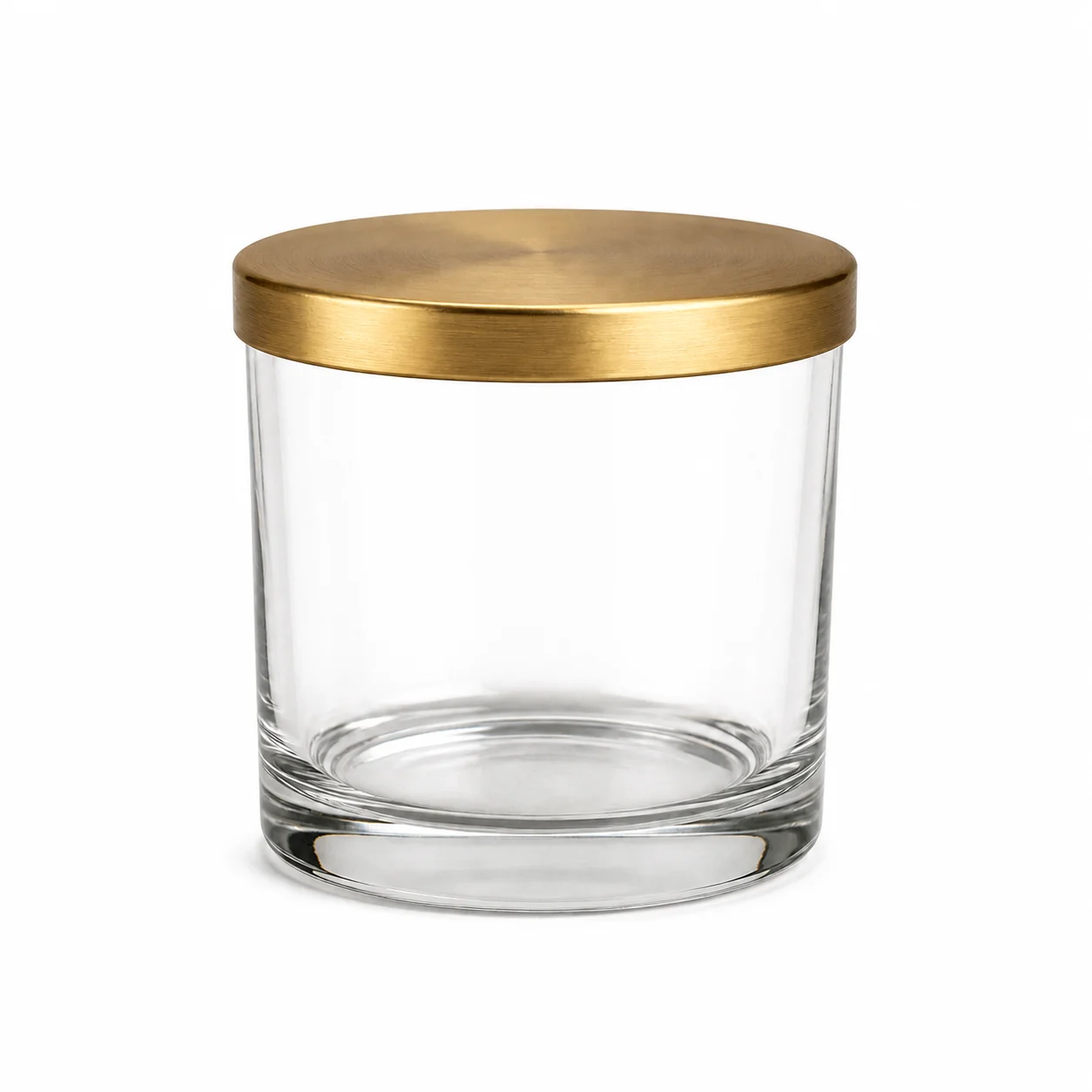
Candle vessels are usually finished with a flat land for a lid. A drinking rim is fire-polished or rolled to a smooth radius so nothing sharp meets the lip. That is an extra operation and it changes the lid options, so a vessel sold as convertible has to commit to the drinking rim from the start rather than adding the claim later.
The capacity has to be plausible as a glass
A candle sized for a burn time may hold a volume nobody would use as a tumbler. Around 200 to 350 mL reads as a sensible glass; much smaller reads as a shot measure and much larger as a vase. Choosing the fill to satisfy both uses usually means accepting a burn time that was set by the drinking capacity.
The customer has to be able to clean it
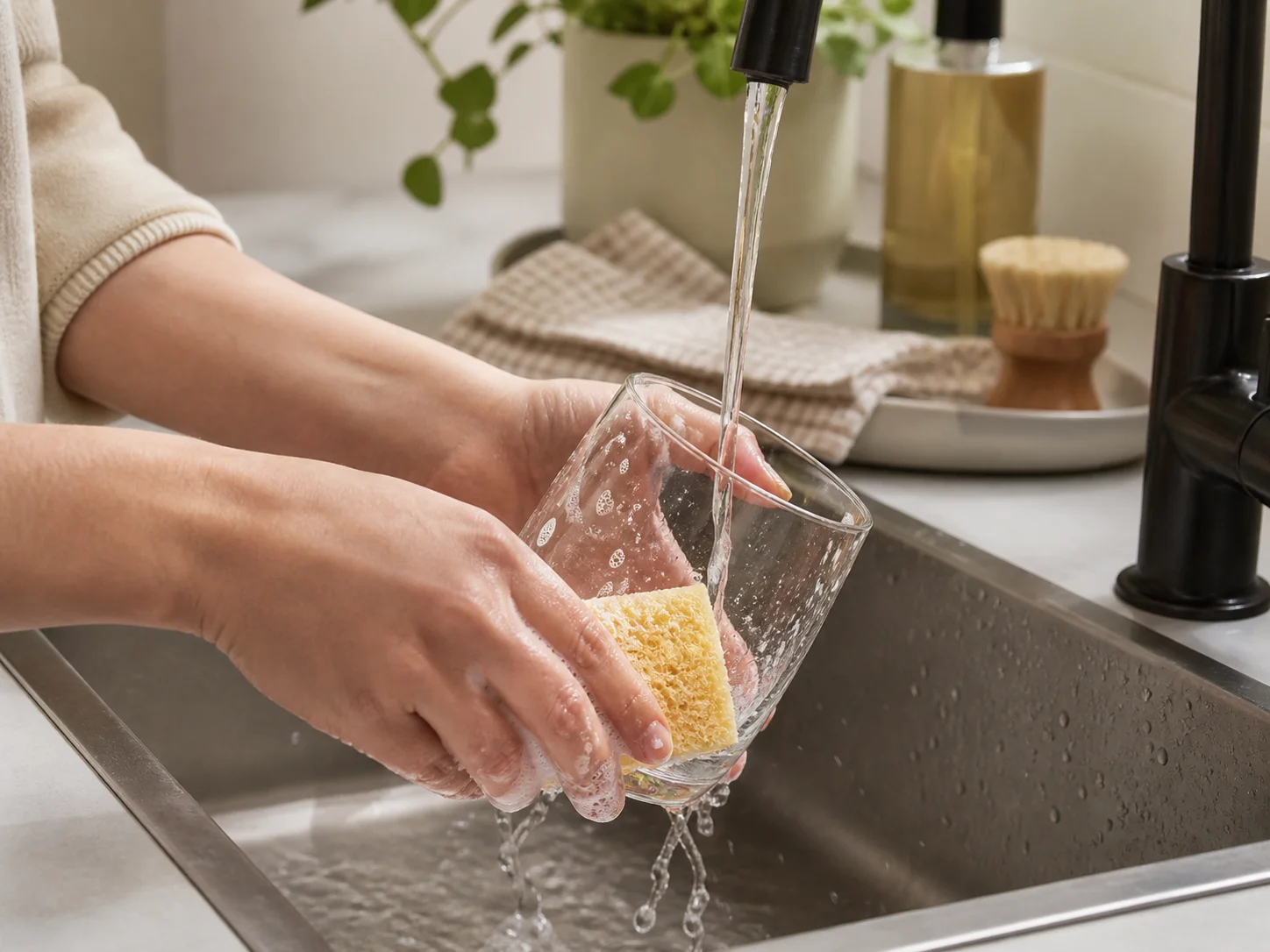
A convertible vessel is only converted if the wax comes out without a fight. Pouring boiling water in and freezing are the two methods customers use, and both apply thermal shock to already heat-cycled glass. Recommending one, and specifying glass that tolerates it, is what makes the difference between a promise and a broken glass.
Labels must leave nothing behind
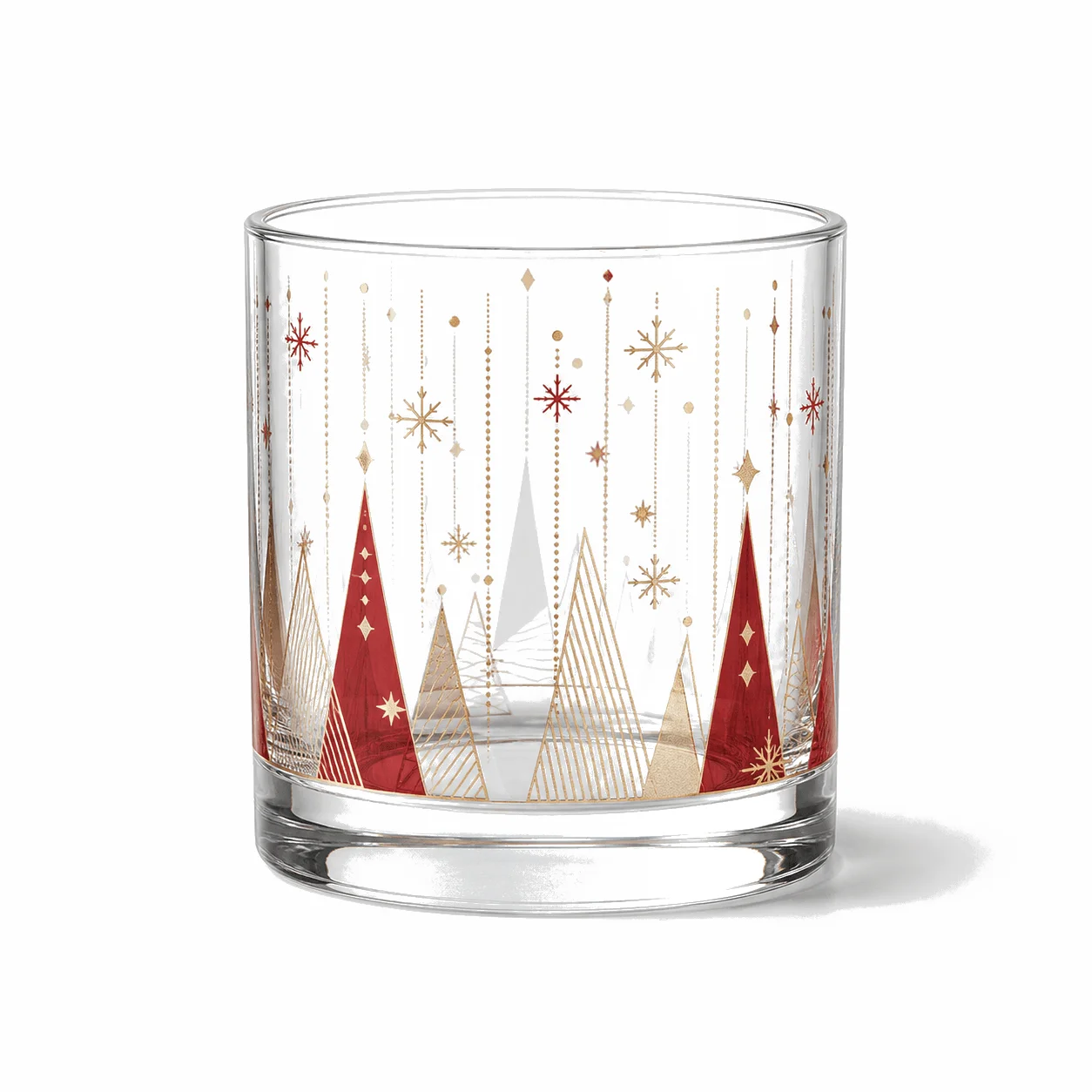
A drinking glass with adhesive residue is not a drinking glass. Clean-release adhesive, tested after storage and a full burn rather than fresh, is a requirement of the format rather than a refinement. Printed decoration meant to survive is the alternative, and it has to be a decoration someone would want on a glass.
Say what it becomes, and design for that
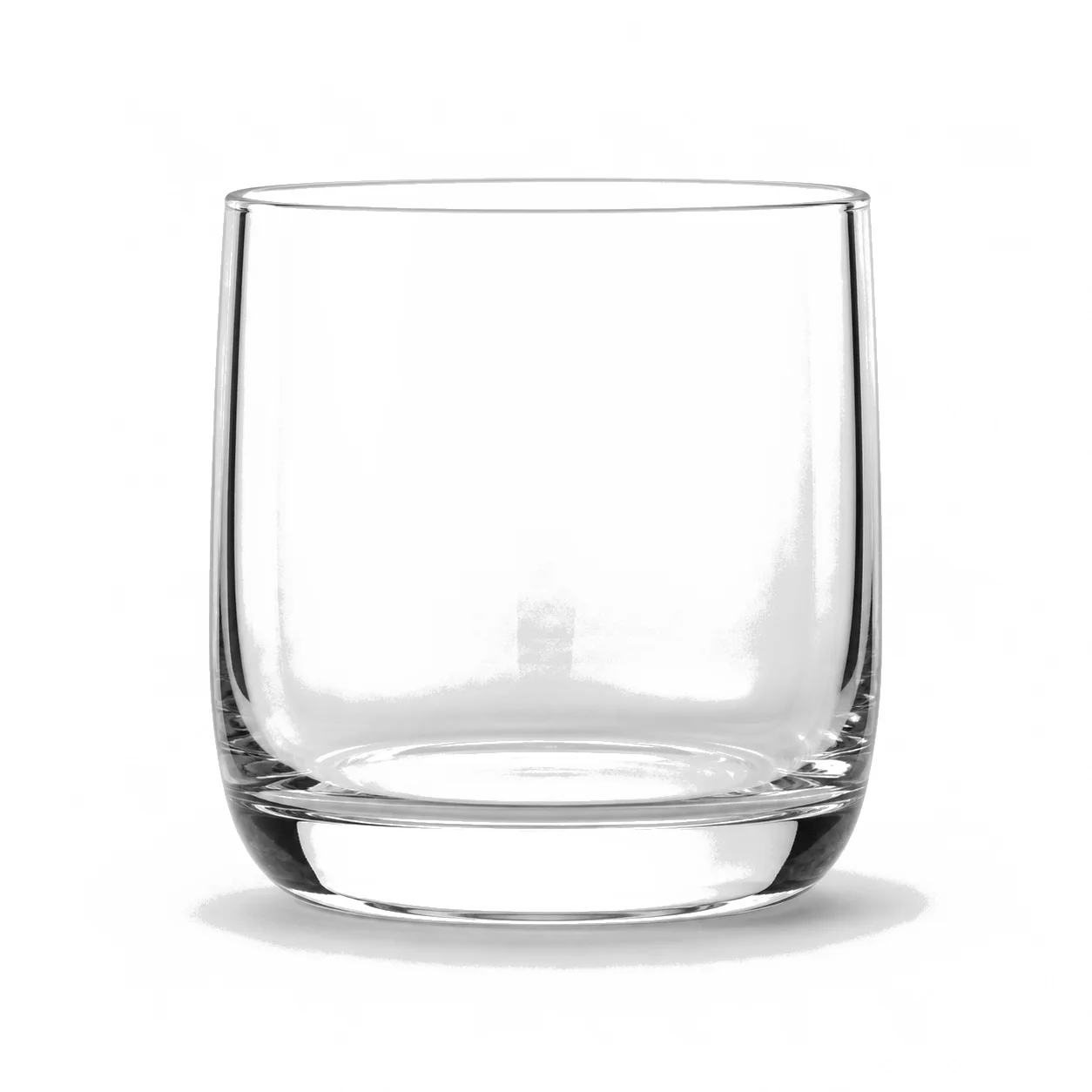
A general reusability claim persuades nobody. Naming the second use — a water glass, a whisky tumbler, a candle holder — lets rim, capacity, base weight and decoration all be chosen for it, and gives the customer a reason to keep the vessel rather than a vague suggestion that they could.
Anything that made it a candle has to be safe to drink from afterwards
Wick stickers, adhesive residue, coatings and printed decoration all end up in the hands of someone using the jar as a glass. Choosing materials and decoration on that basis from the start is the point of the format, and it rules out several finishes that would otherwise be attractive.