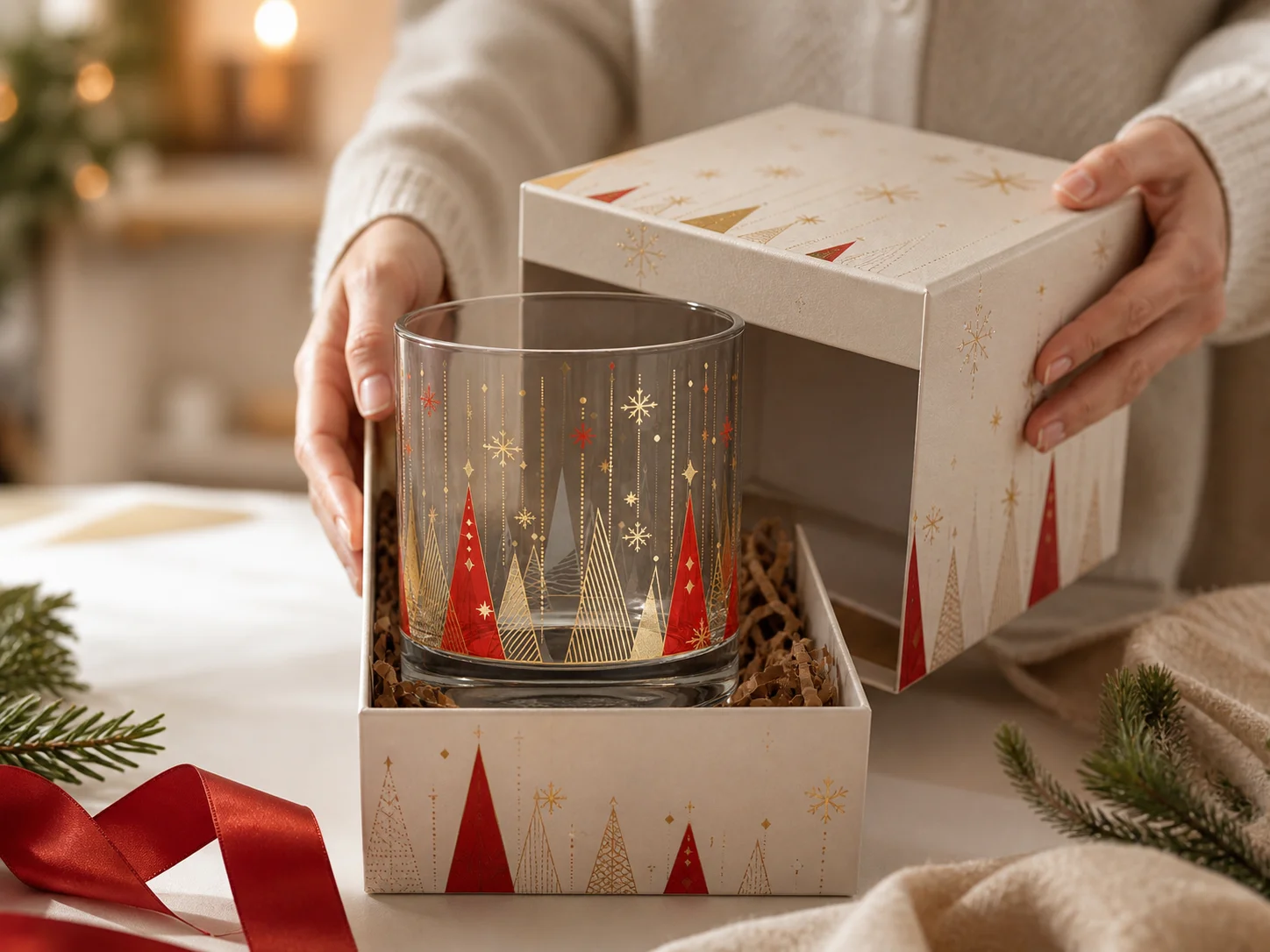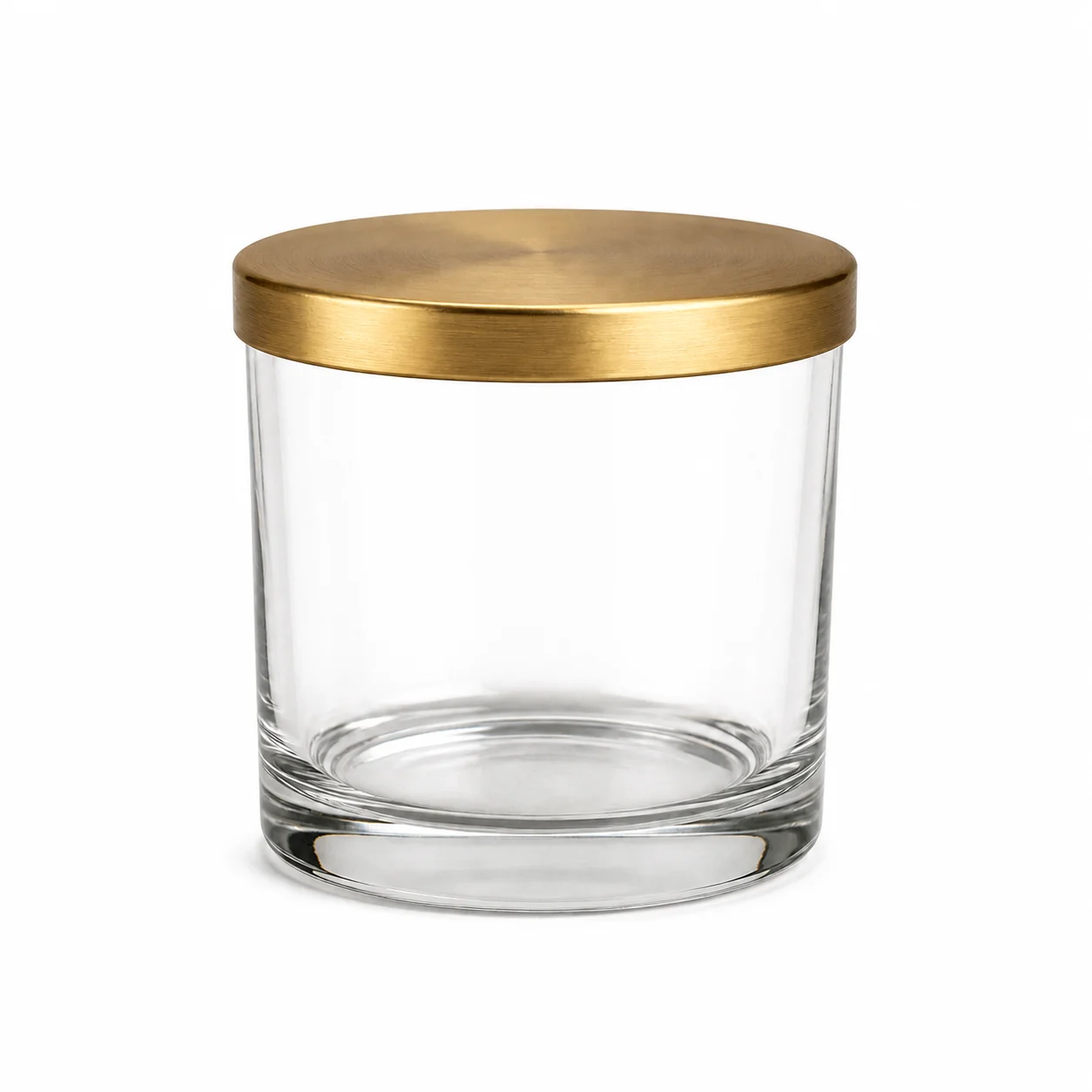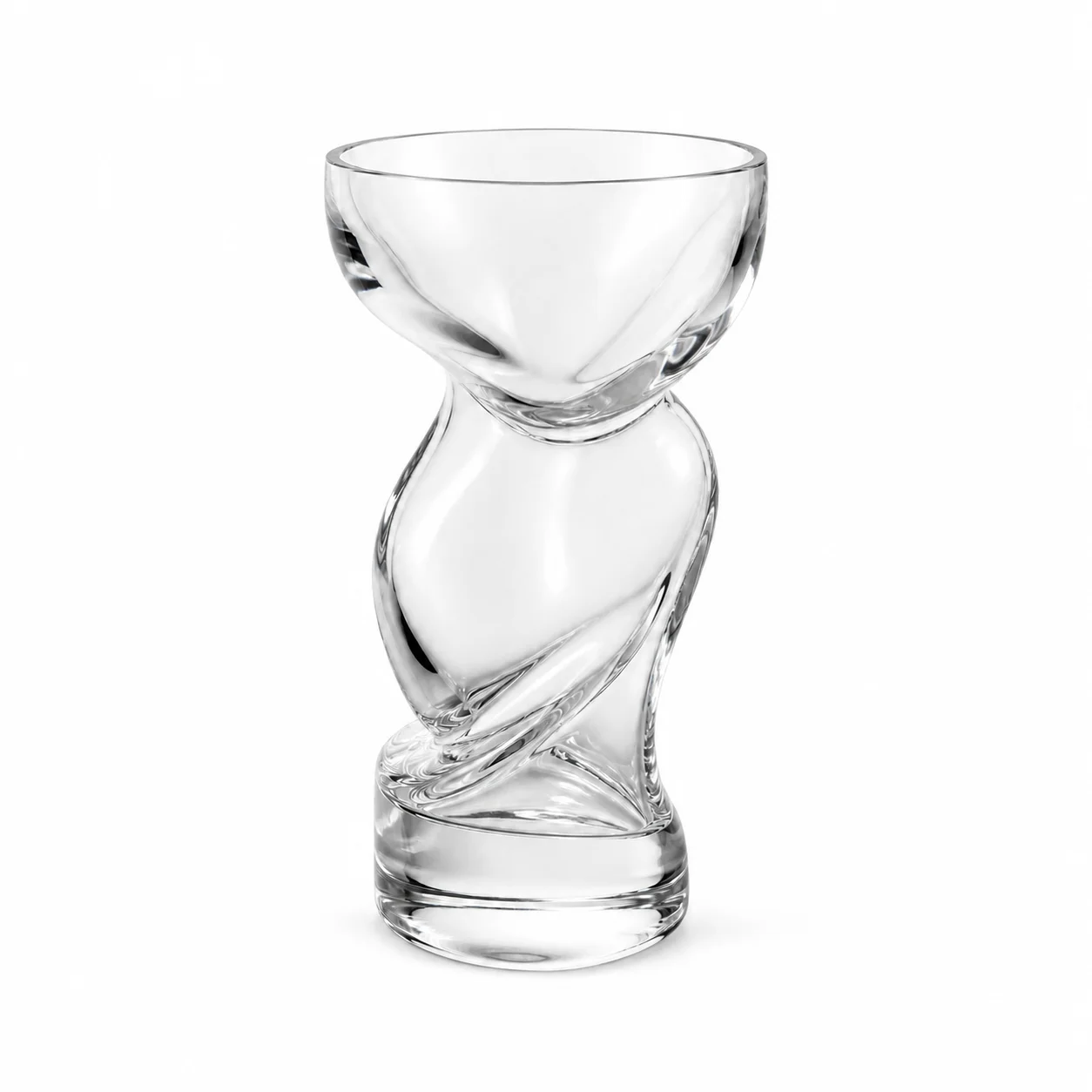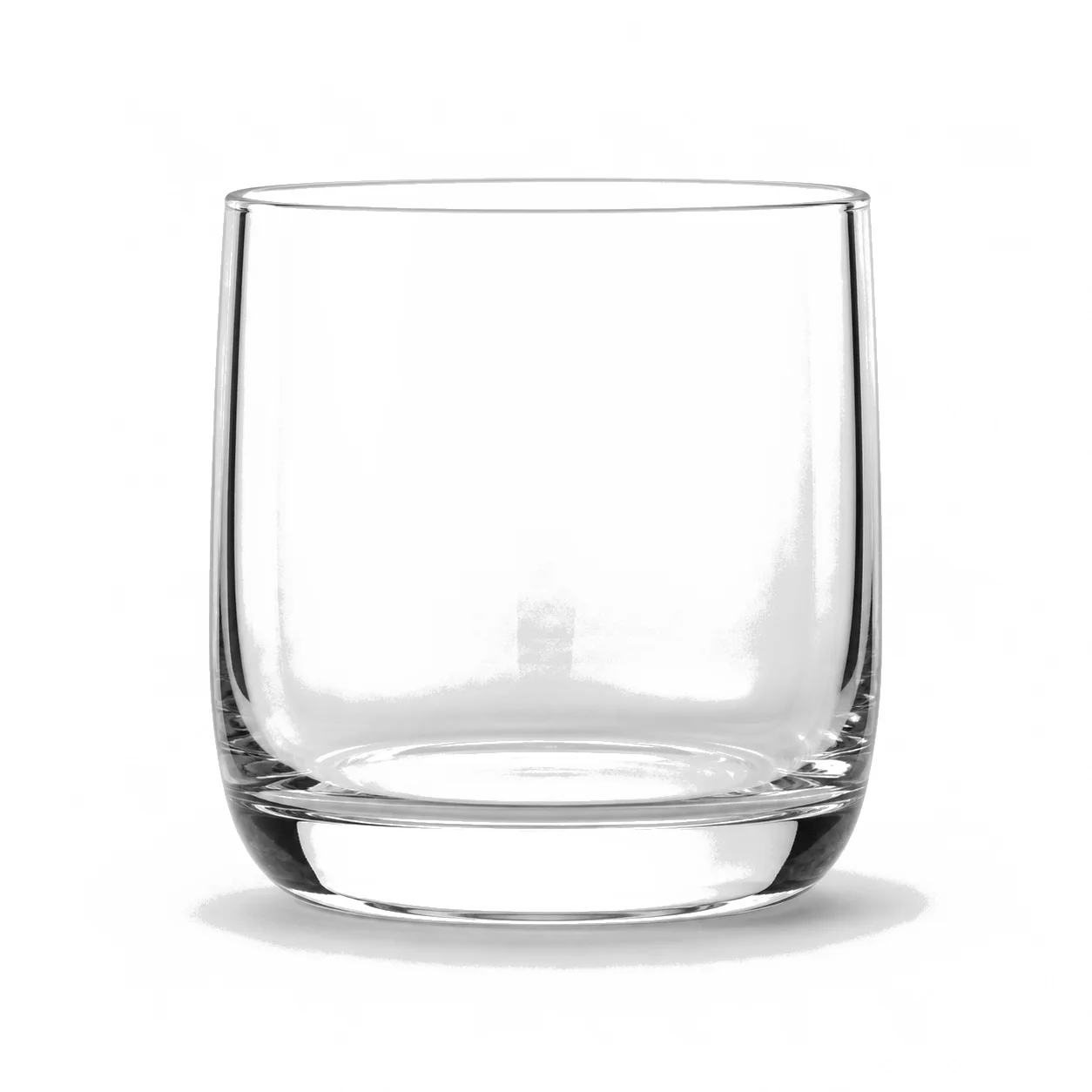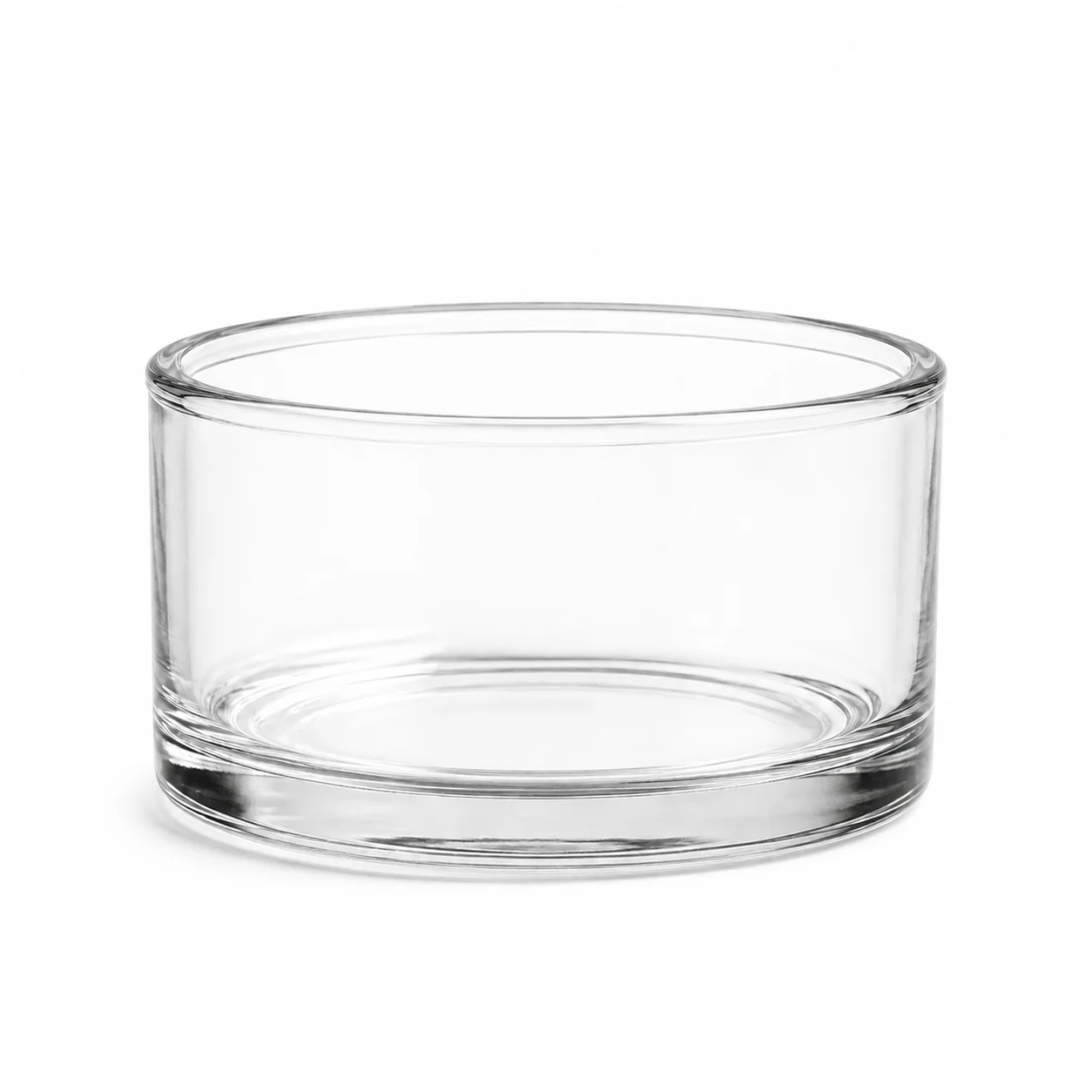
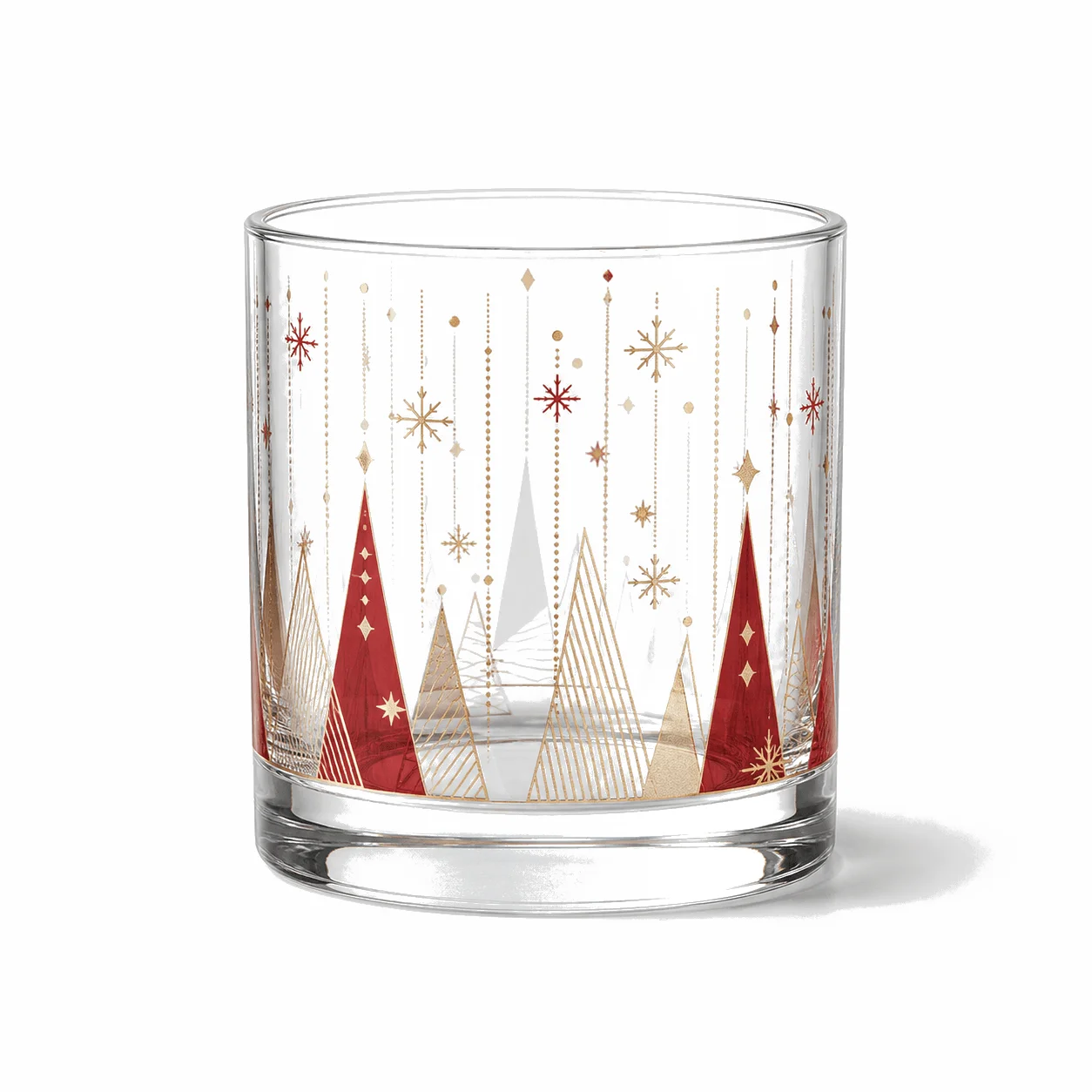
Clear candle vessel with a decorated wall and a plain rim, shown empty
Shown configuration · empty vessel / wax, wick, lid, artwork and label not shown

Seasonal & licensed candle vessels

Holiday / IP Collab Vessel

A vessel for a seasonal or licensed candle, where the schedule is fixed by a selling window and the artwork is approved by somebody outside your company.

Immovable on-shelf dateExternal artwork approvalSells out or marks down
Stock status
In stock
Lead time
2–3 weeks
FOB price / pc
$0.20 - $0.45
MOQ
3,000 pcs

Final availability, dimensions, materials, assembled components and commercial terms are confirmed against the selected drawing and approved sample.

The date does not move

Everything else is a variable

Approvals are external

Licensor sign-off sits in the critical path

Overs are worthless

Unsold seasonal stock has no second window

Seasonal & Licensed Vessel profile

A packaging project where the deadline is real and the artwork is not yours.

Fixed windows, external approvals & inventory risk

Five decisions that follow from a deadline you cannot negotiate.

Seasonal and licensed candles are ordinary vessels running against extraordinary constraints. The date the product has to be on a shelf cannot move, the decoration has to pass approvals outside your control, and anything unsold at the end of the window has no second life. Those three facts should shape every choice, including the glass.

01

Choose a stock vessel and spend the time on decoration

Custom glass carries mold lead times and first-article risk that a fixed on-shelf date cannot absorb. Running a seasonal program on an existing vessel and putting all the distinctiveness into decoration, lid and carton keeps the long-lead item out of the critical path. Custom glass belongs in programs that recur, not in one that has a single window.

02

Licensor approval is a lead time, not a formality

Licensed artwork typically needs review at concept, at proof and on a physical sample, and each round takes as long as the licensor takes. Building those rounds into the schedule with realistic durations, rather than assuming approval, is what separates programs that ship in time from those that air-freight at the end.

03

Decoration route follows the volume and the window

Screen printing and labels can be turned around quickly; molded features and sprayed coatings with color matching cannot. For a short window at moderate volume, a printed label or sleeve carries the artwork with the least schedule risk, and it is also the easiest thing to change if a licensor rejects a proof late in the process.

04

Unsold seasonal stock is a write-off, so quantities are conservative

A candle branded for one holiday or one collaboration cannot be sold afterwards at full price, and often cannot be sold at all. That argues for ordering to a confident number and holding a repeat capability rather than committing to an optimistic forecast, and it makes the reorder lead time as important as the first-order price.

05

Plain glass plus removable decoration protects the residual

Where the vessel itself is undecorated and the seasonal identity is carried by a label, a sleeve or a carton, unsold units can be stripped and re-dressed for the next program. That single decision converts a total write-off into a stock transfer, and it is the strongest practical argument for keeping permanent decoration off a seasonal vessel.

06

The window is fixed, so the schedule runs backwards from the shelf date

A seasonal pack that arrives in January is worthless, which makes lead time the governing constraint rather than cost. Every decision on decoration, licensor approval and freight is taken against that date, and the format is chosen for what can be delivered rather than for what would be ideal.

Application guide

A dated campaign candle has one shot at the shelf.

Seasonal and licensed candles have to be designed, approved, decorated and delivered against a date nobody can move. Artwork rights and production lead times, not design, are what usually decide whether they make it. These are development directions confirmed against the license and the calendar.

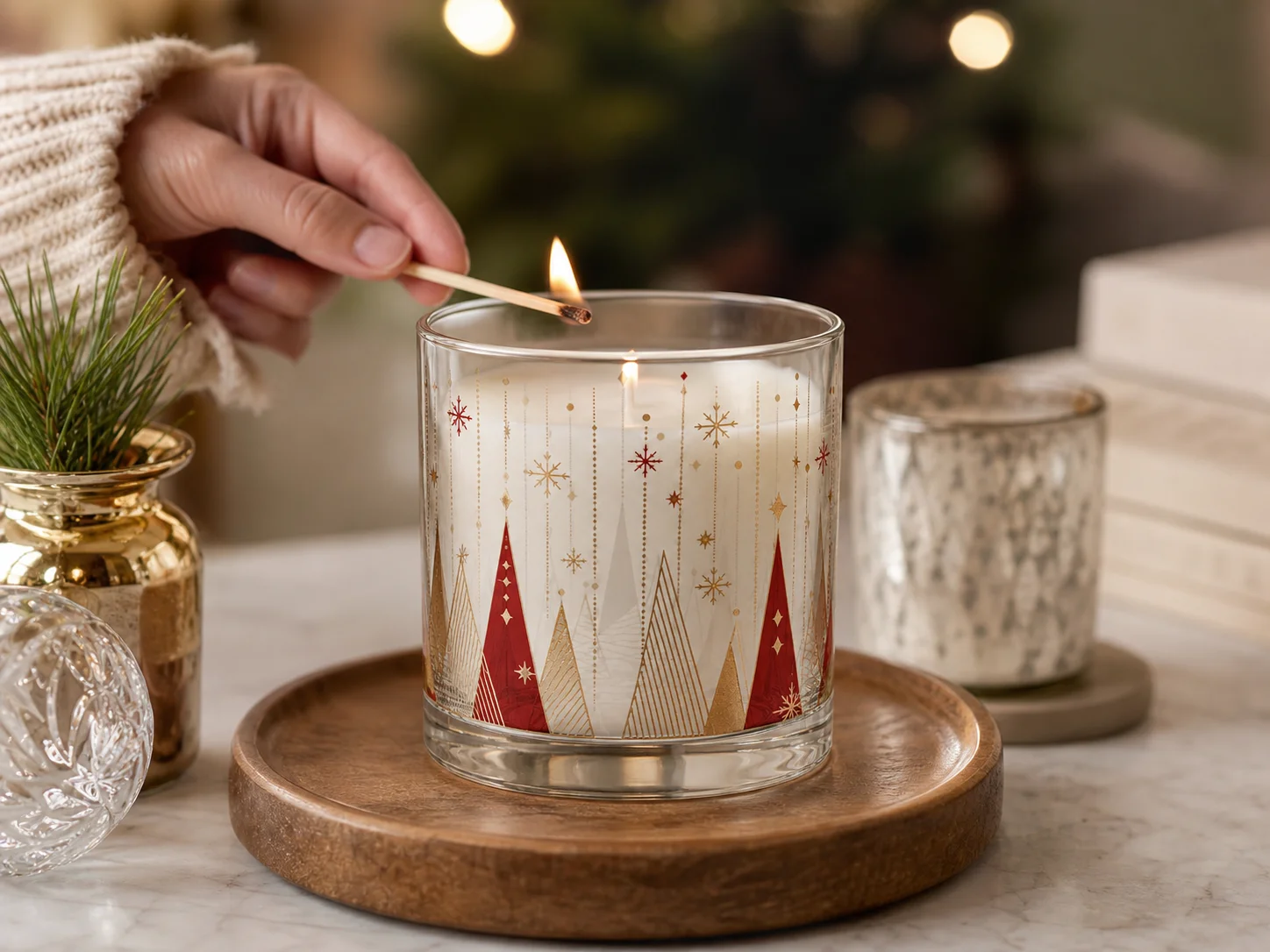
Holiday / IP Collab Vessel used for christmas and holiday candles in a seasonal ranges setting

Seasonal ranges

Christmas and holiday candles

For candles a shopper picks up in November as a gift, competing against a wall of similar products for six weeks before becoming unsellable. Red-and-gold decoration signals the occasion instantly, and the entire production schedule has to work backward from the date the shelf is set.

  • Work backward from the shelf date
  • Confirm decoration capacity in peak season
  • Plan the sell-through window
Holiday / IP Collab Vessel used for partner and character editions in a licensed collaborations setting

Licensed collaborations

Partner and character editions

Where artwork belongs to someone else, every file goes through an approval loop outside the packaging team, and colors and placement are frequently specified by a partner brand guide. Building those rounds into the timeline prevents a launch that slips because approval arrived late.

  • Build partner approval into the timeline
  • Match the partner color standard
  • Confirm the permitted use scope
Holiday / IP Collab Vessel used for boxed sets for the giving season in a gift campaigns setting

Gift campaigns

Boxed sets for the giving season

Campaign candles are bought to be given, so the carton is as much a part of the product as the vessel and often the only thing seen before purchase. Decoration on both has to be developed together, and print color has to match across two different substrates.

  • Match color across glass and carton
  • Design vessel and box together
  • Approve the pair as one

Applications describe program directions. License rights, decoration process, color performance, durability, burning, safety and distribution outcomes are confirmed for the selected program.

Common questions

Seasonal & Licensed Vessel questions

The deadline is real and the artwork belongs to somebody else.

Should we tool custom glass for a seasonal program?

Usually not. Mold lead times and first-article risk are hard to absorb when the on-shelf date cannot move. Running the program on an existing vessel and putting the distinctiveness into decoration, lid and carton keeps the long-lead item off the critical path. Custom glass belongs in a program that recurs, not one with a single window.

Which decoration route carries the least schedule risk?

Printed labels and shrink sleeves. They turn round quickly and are the easiest thing to change if a licensor rejects a proof late. Molded features and color-matched sprayed coatings are slower and less forgiving, and they commit you before the approval that matters most has actually been given.

Can we protect ourselves against unsold stock?

Largely, by keeping the glass undecorated and carrying the seasonal identity on a label, a sleeve or a carton. Unsold units can then be stripped and re-dressed for the next program, which converts a write-off into a stock transfer. It is the strongest practical reason to avoid permanent decoration on a seasonal vessel.

How should the schedule be built?

Backwards from the shelf date, because that date will not move. A seasonal window is fixed, so licensor approval, decoration lead time and shipping all have to be laid out in reverse from it — and the decoration route chosen for the time that remains.

Next step

Send us the Holiday / IP Collab Vessel brief.

Tell us the product, fill volume, closure preference and destination market. We will come back with the matching drawings, available configurations and a sample plan before anything is quoted.

  • 01Send the briefProduct, volume, closure and market
  • 02Get the optionsMatching drawings and configurations
  • 03Approve the sampleConfirm the pack before production