
Pouring, closure security & refill economics
Six things a refill has to do that a display bottle does not.
A refill exists to move liquid into a diffuser the customer already has. It is opened once, poured, and discarded or recycled. That reframes everything: the glass can be plain, the closure has to be genuinely tight, the neck has to pour without spilling onto furniture, and the fill volume should match a full vessel rather than a round number.
It has to pour cleanly into a narrow neck
The customer is transferring a solvent-based liquid into a diffuser bottle with a deliberately small opening, usually over a table. A neck that drips, or a bottle with no defined pouring edge, puts fragrance oil onto furniture it can mark. A pouring lip or a supplied funnel turns the most complained-about moment into a non-event.
Closure security matters more than on the display bottle
A display diffuser is opened once and left; a refill travels through distribution full of an alcohol or glycol ether base and is handled by a courier who does not know what is inside. Closure and liner are chosen for transit rather than for appearance, and a tamper feature tells the customer the bottle arrived intact.
Match the fill to the vessel, not to a round number
A refill that leaves an awkward remainder, or that does not quite fill the diffuser, undermines the whole proposition. Sizing the refill to exactly fill the vessel it serves is a small decision that customers notice immediately, and it also makes the value comparison against a new diffuser straightforward rather than confusing.
Reeds are consumable and belong in the refill
Rattan reeds clog with dust and residue and lose their draw over months, so a refill without new reeds delivers a fraction of the throw the customer expects. Including a set costs little and prevents a complaint that reads as a weak fragrance rather than as tired reeds, which is where it usually gets misdiagnosed.
Plain glass is the right answer here
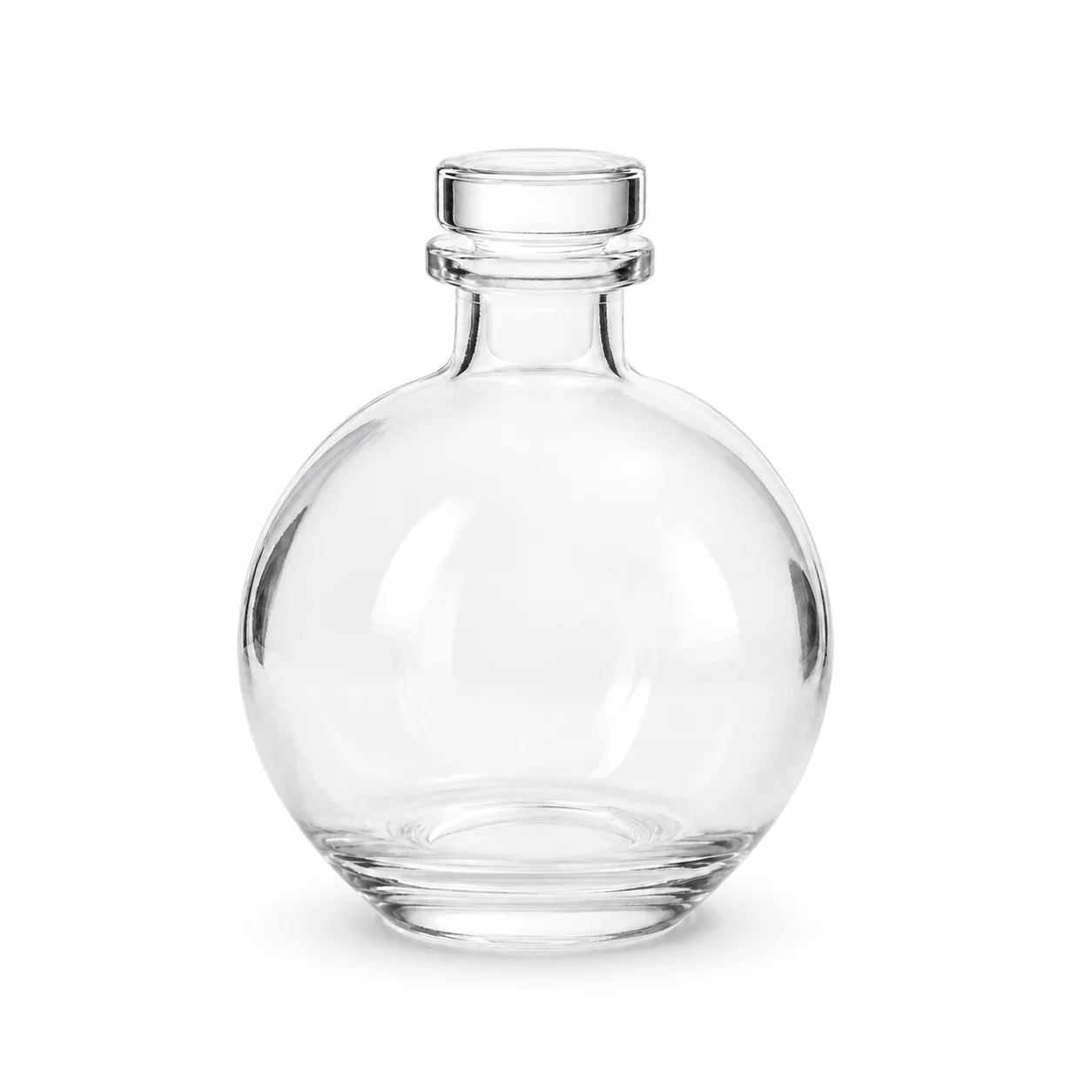
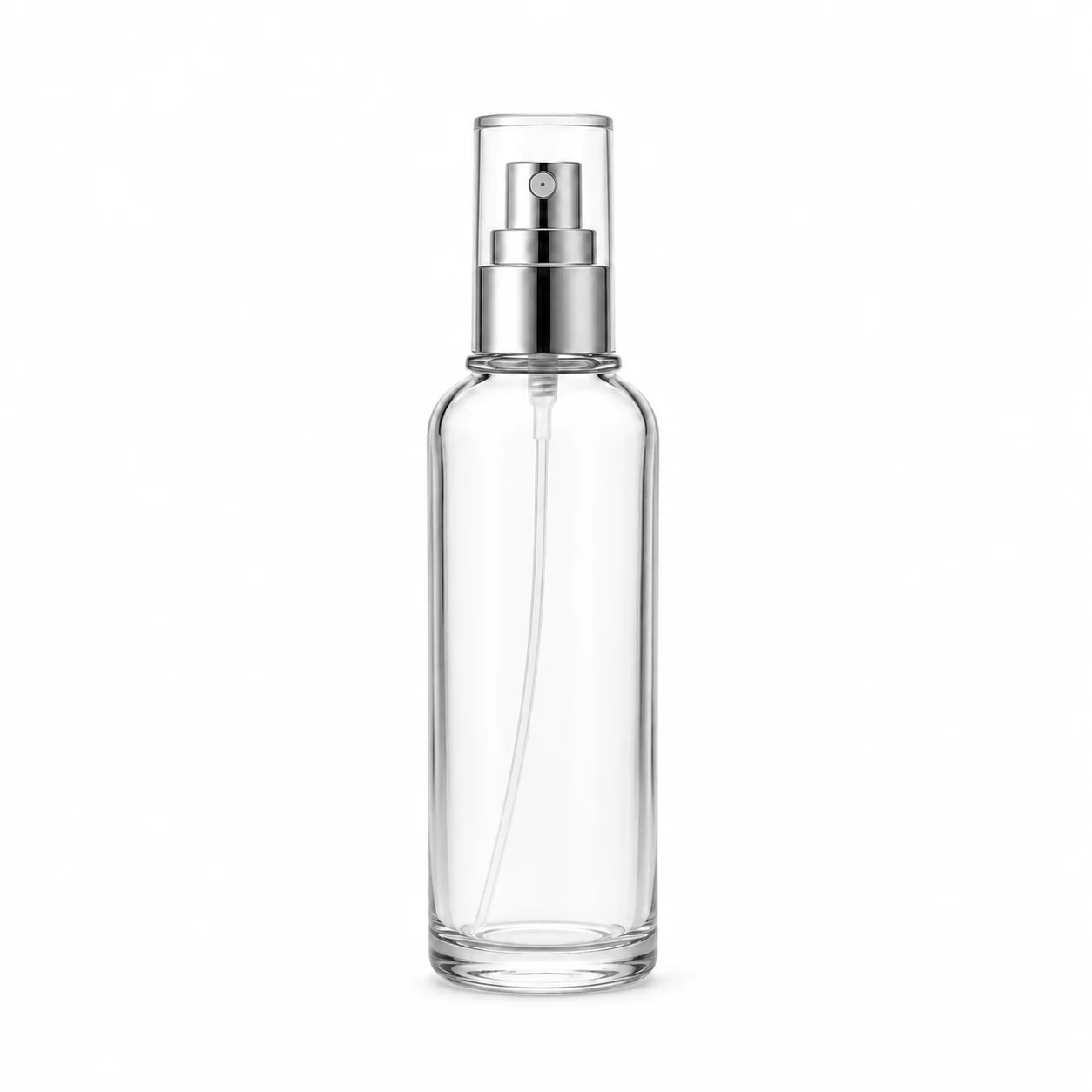
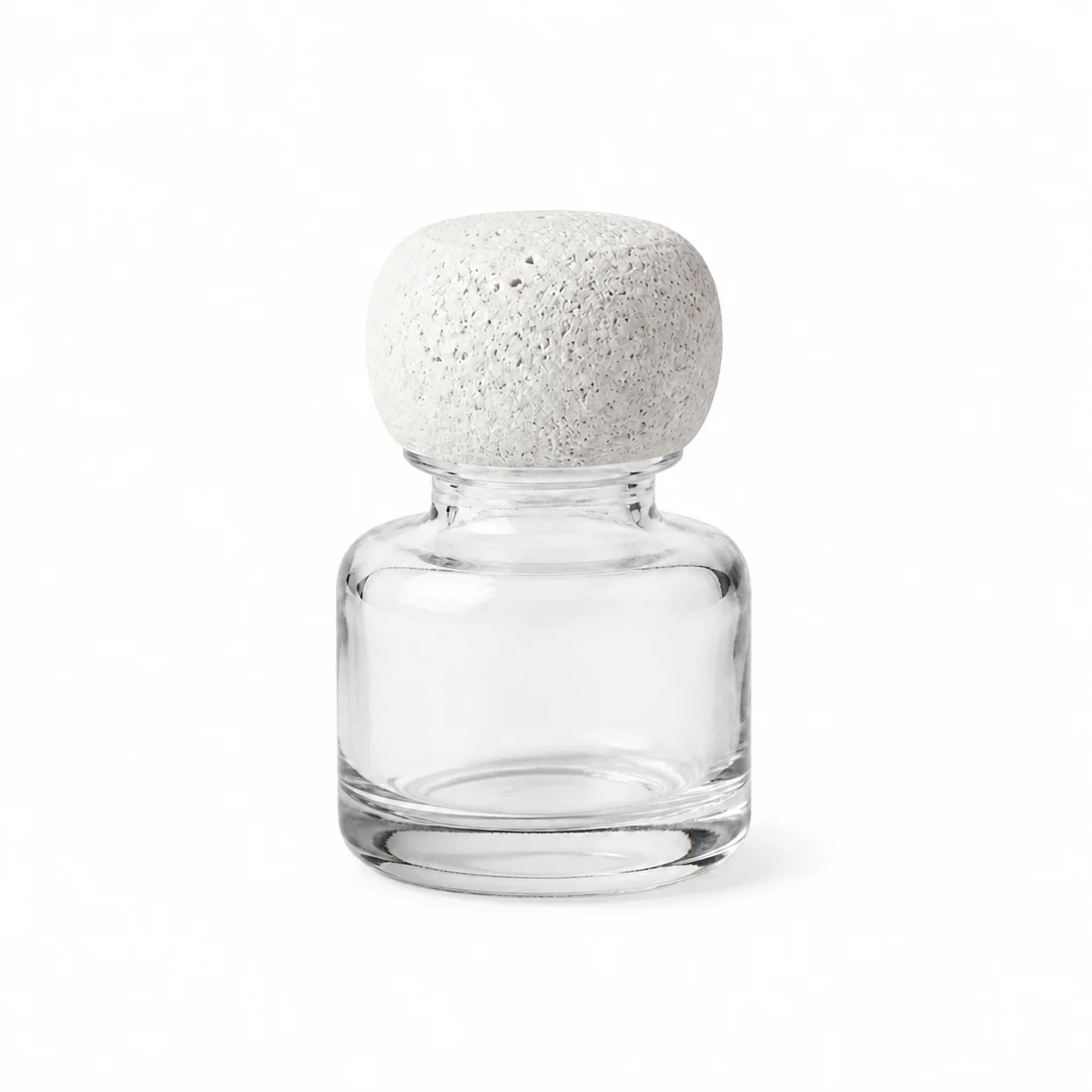
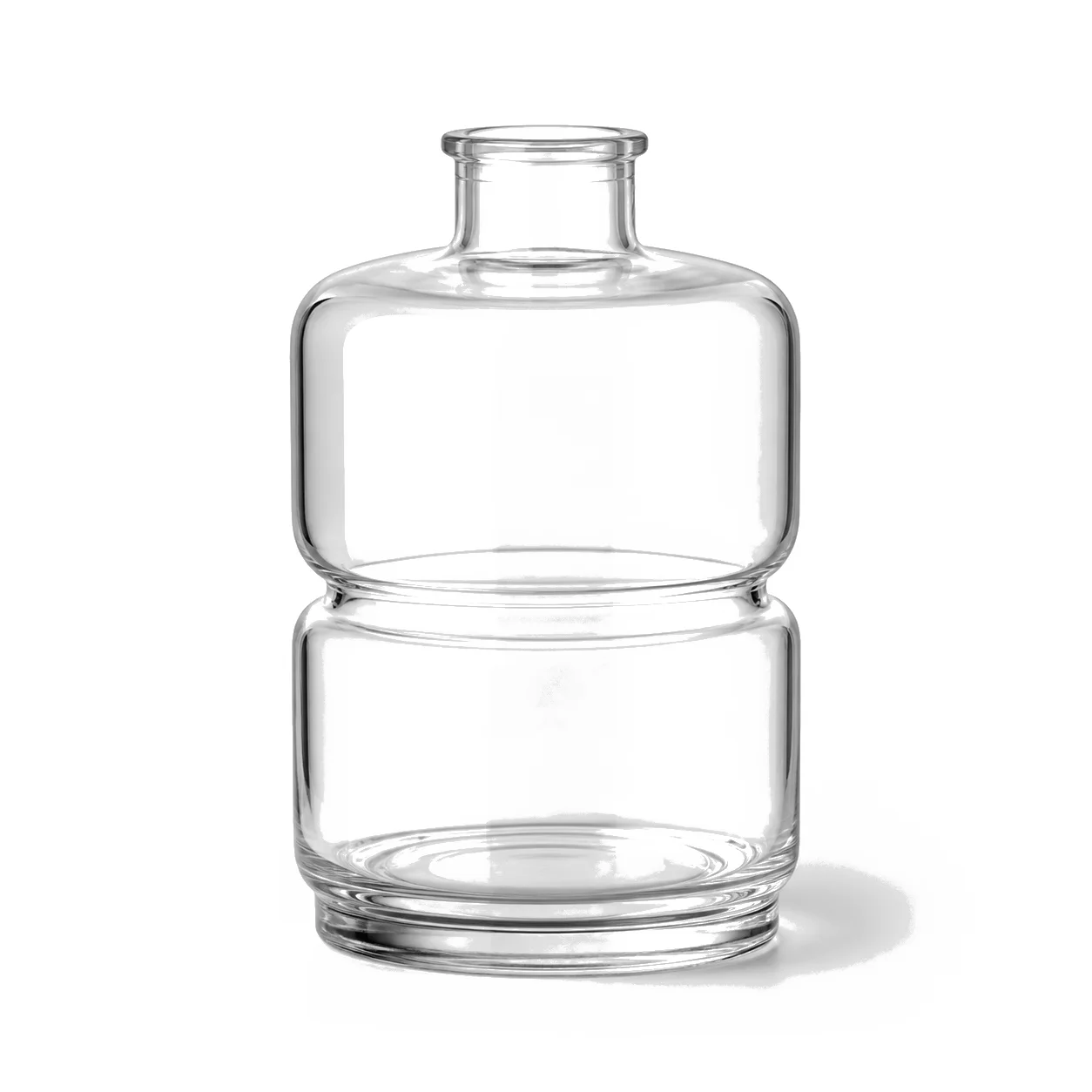
Because the bottle is decanted and discarded, spending on frosting, coating or a heavy base transfers no value to the customer. That money is better spent on the closure, the funnel and the reeds. It is one of the few places in a fragrance range where the honest recommendation is a cheaper container.
A refill is bought on price per milliliter, and the pack should show it
Customers comparing refills work in cost per fill, so the labeled volume needs to relate cleanly to the vessel it serves rather than landing on an awkward fraction. Matching the refill to one or two complete fills makes the arithmetic visible and the repeat purchase easy.