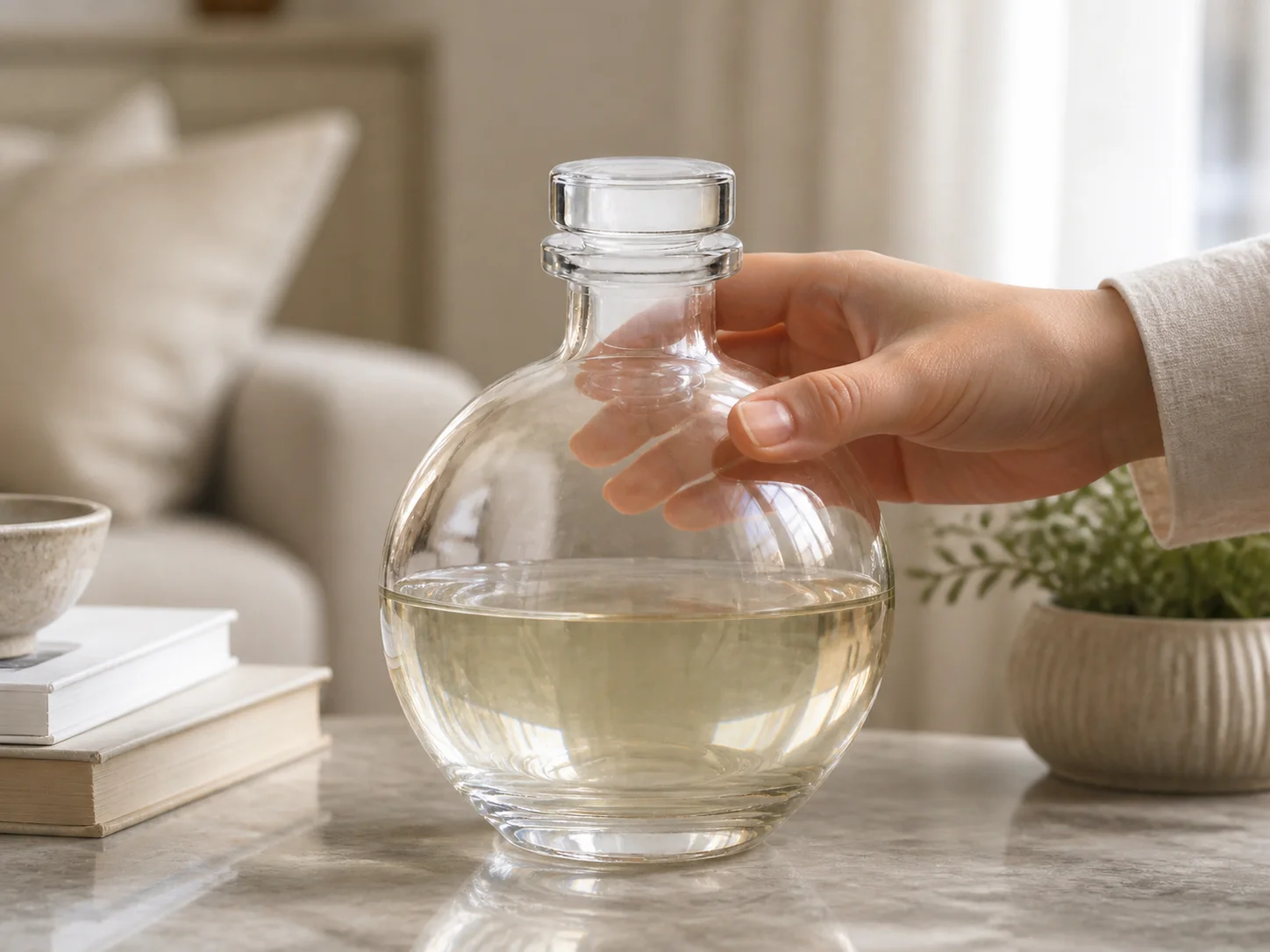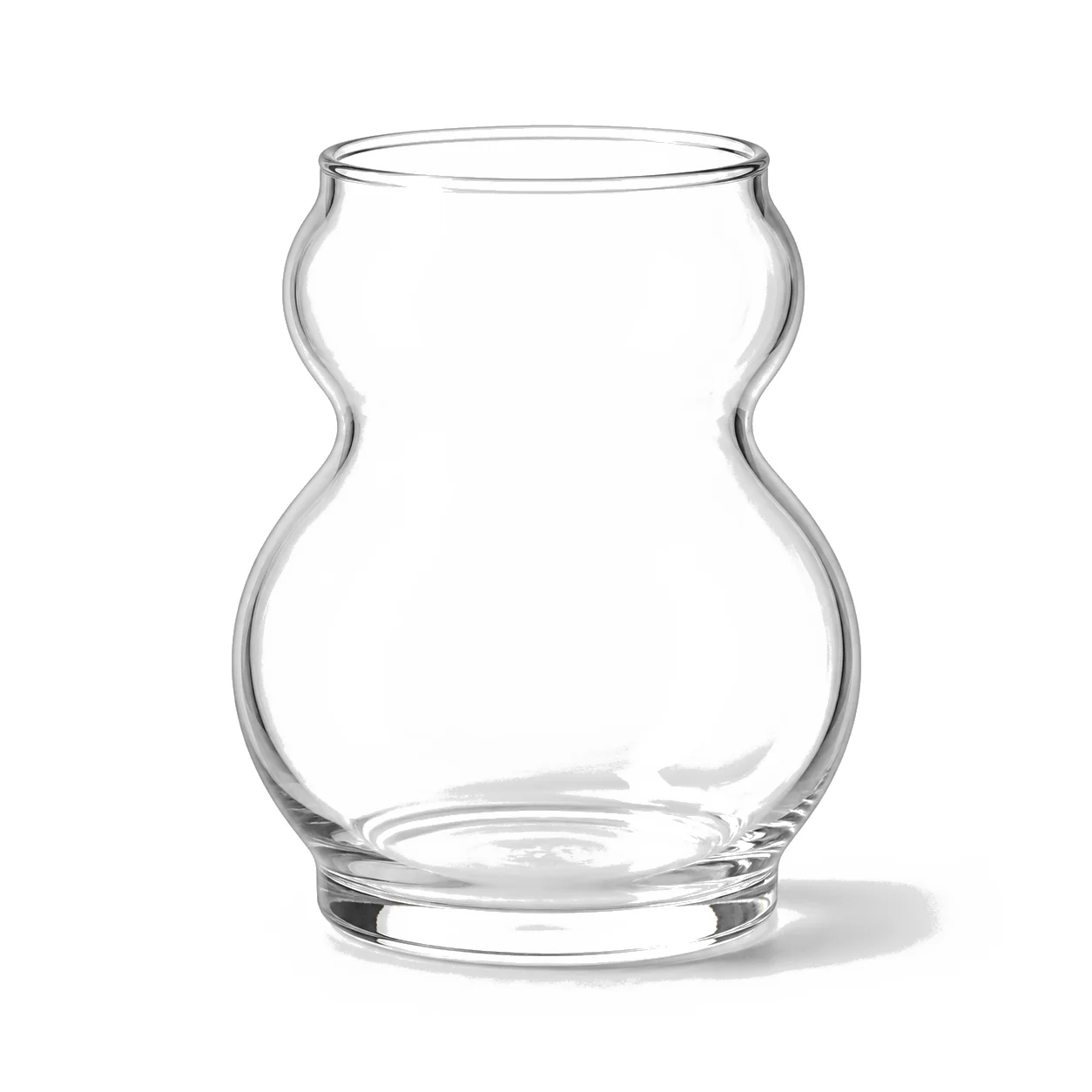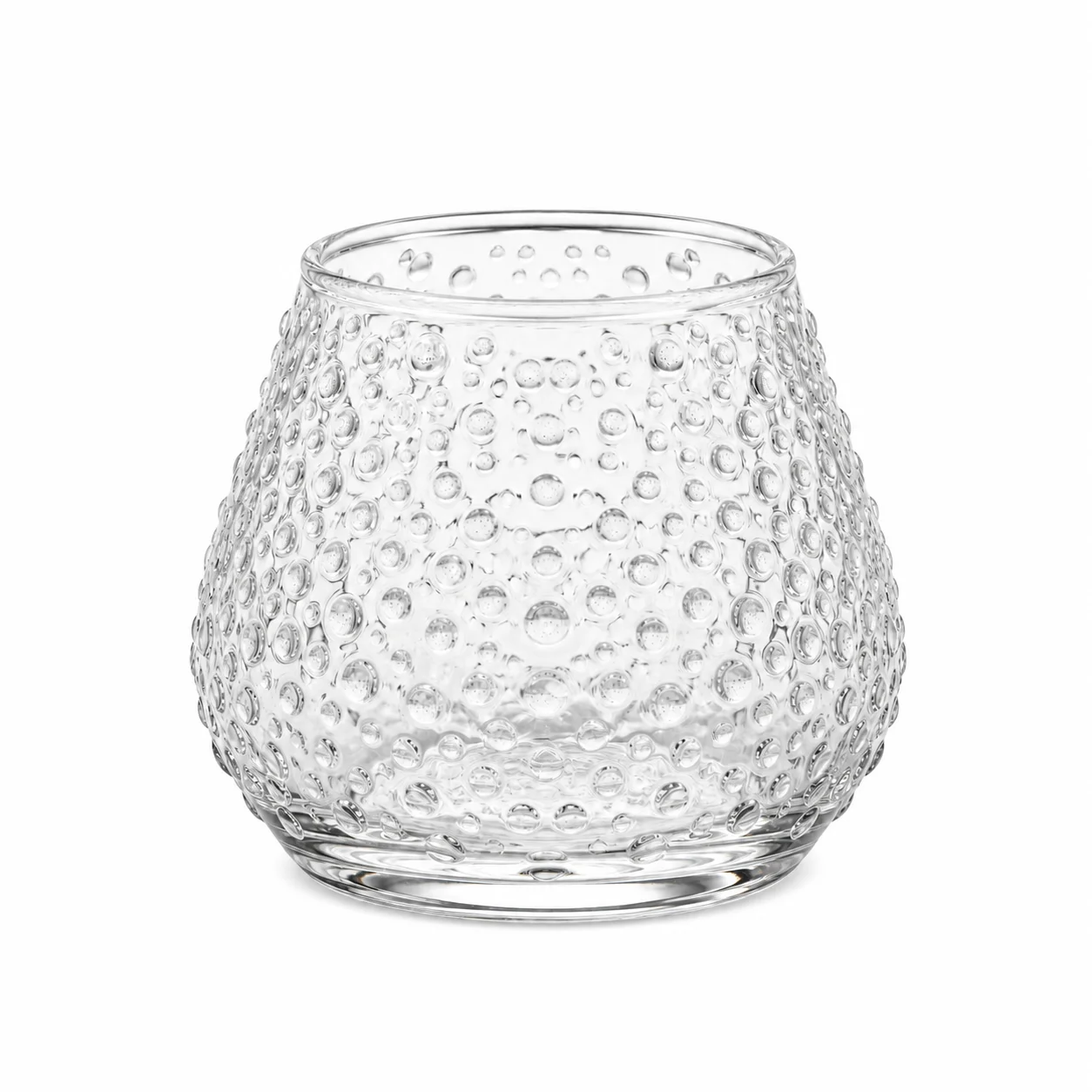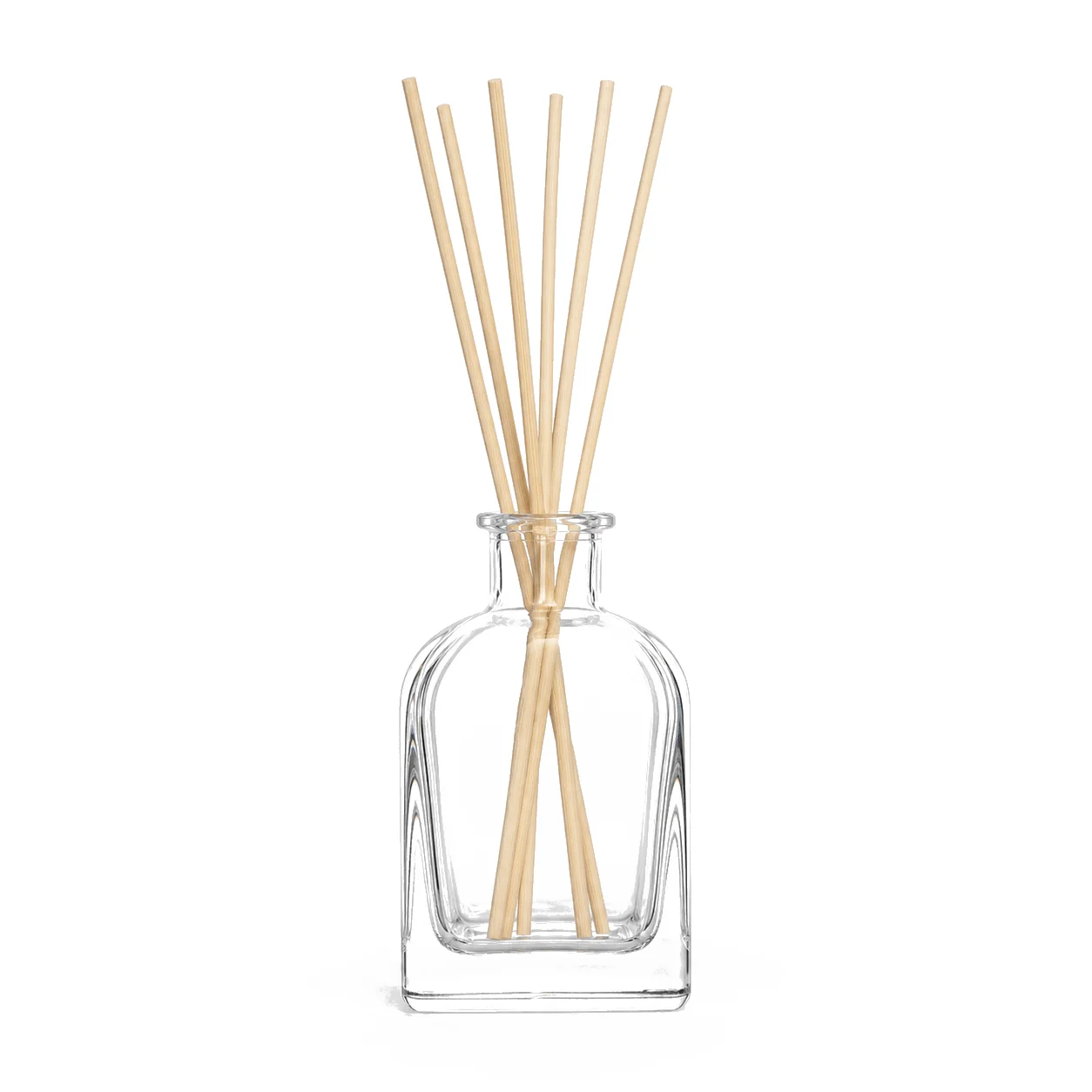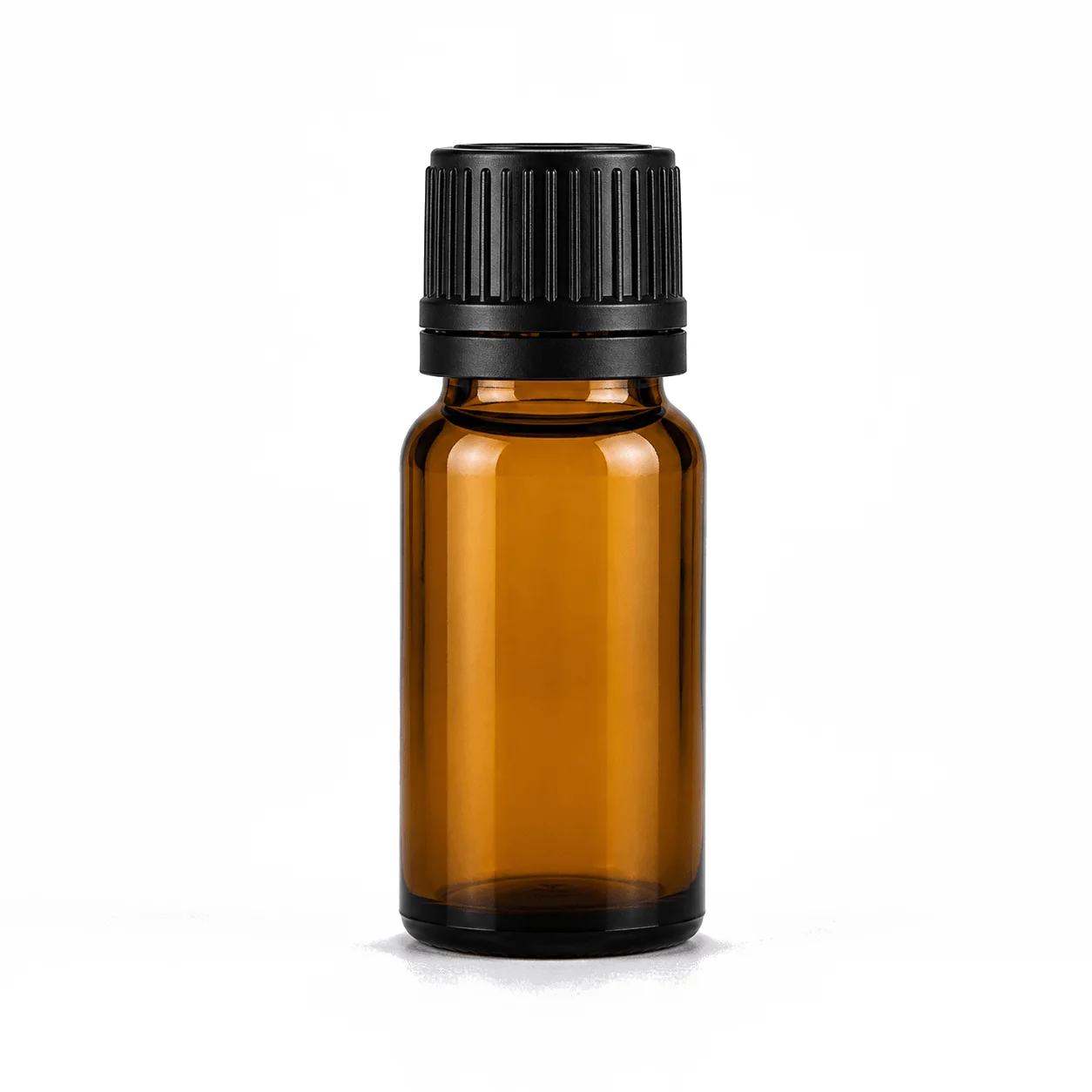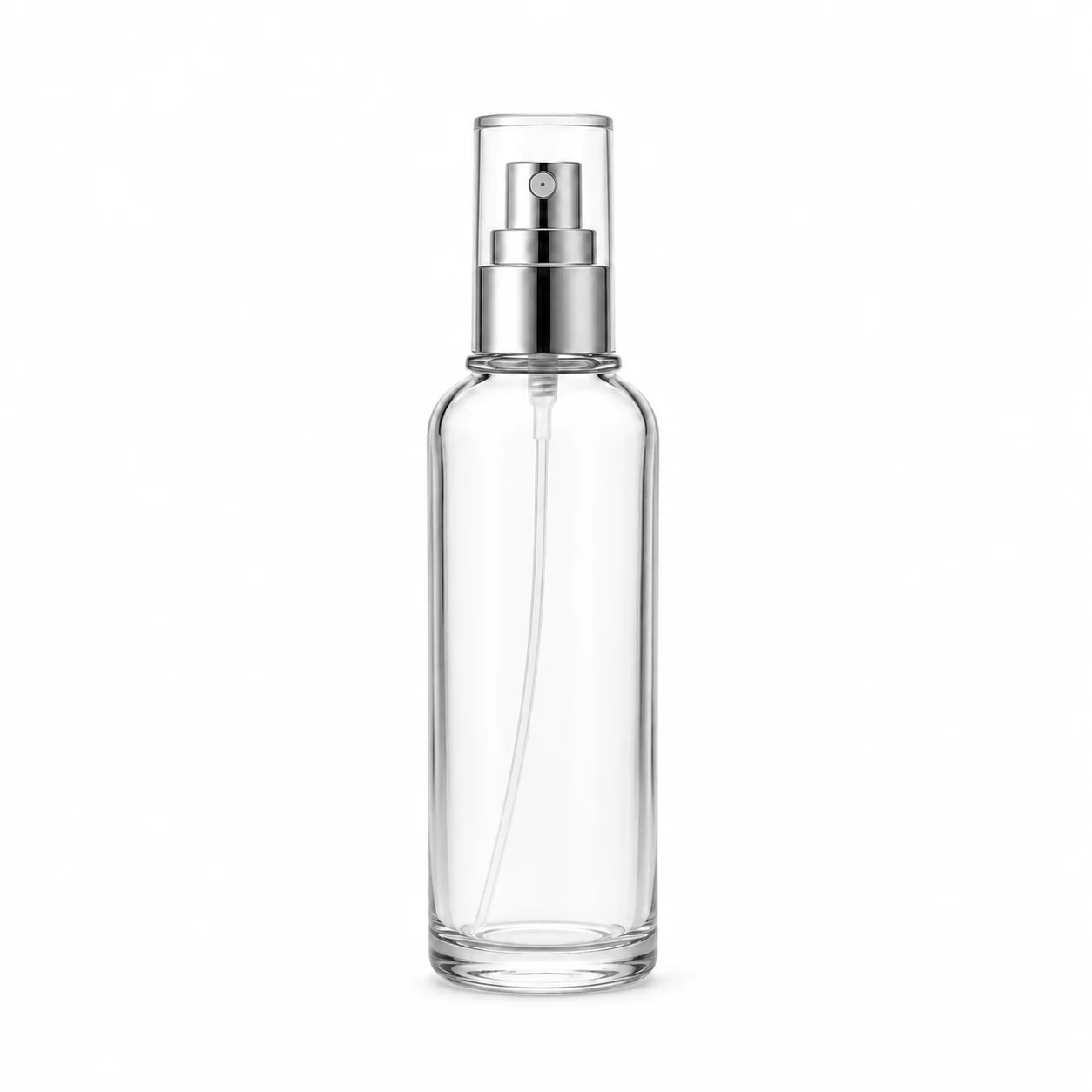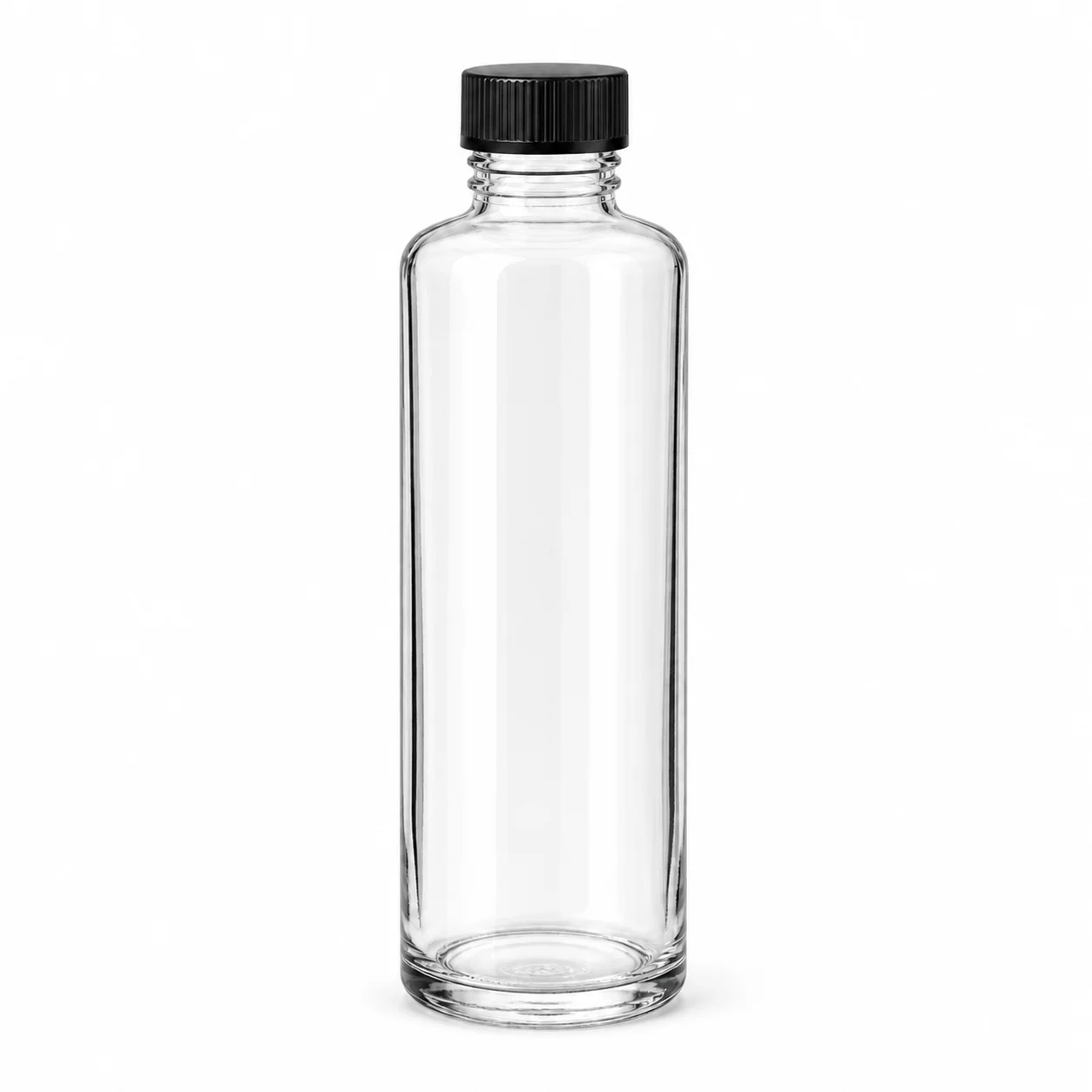
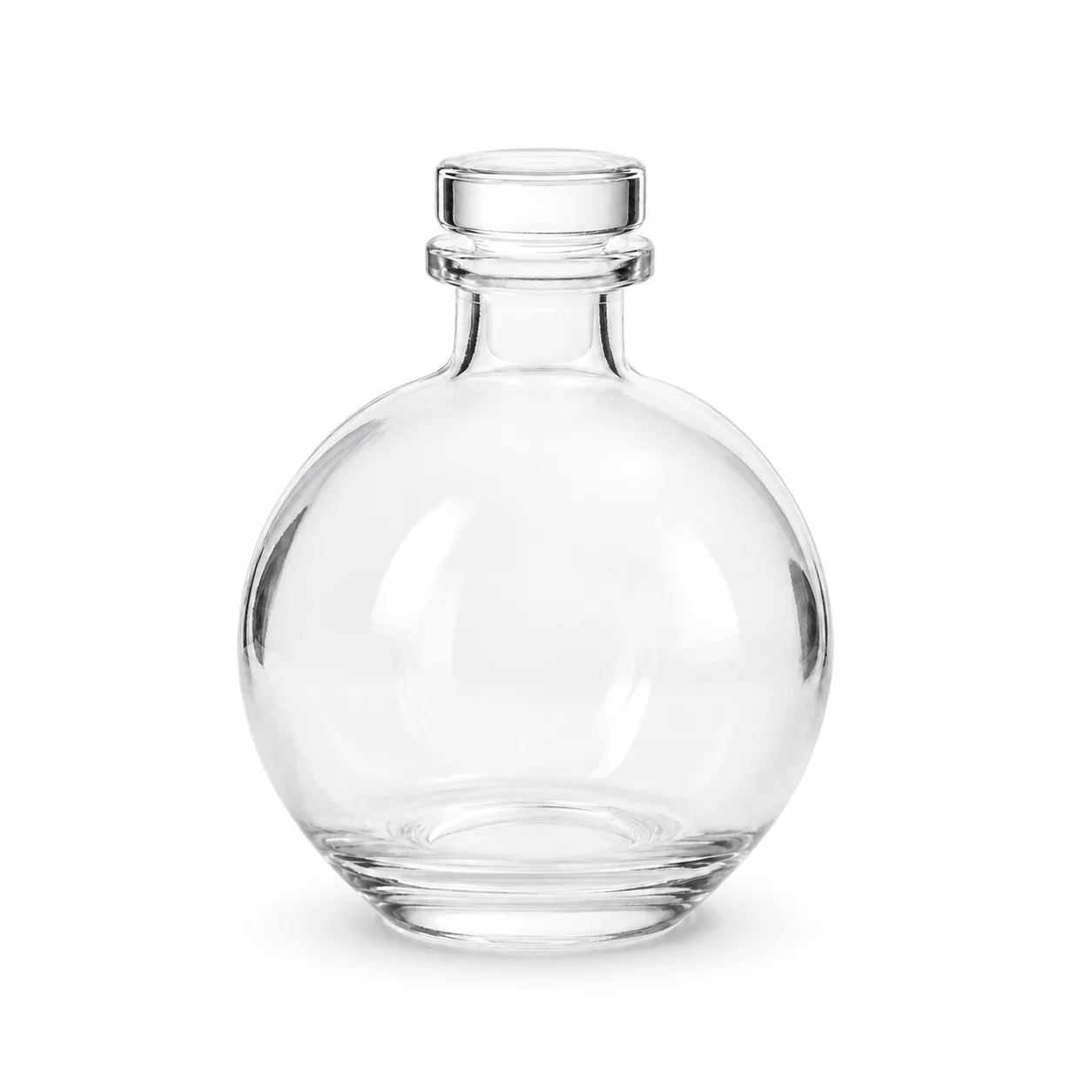
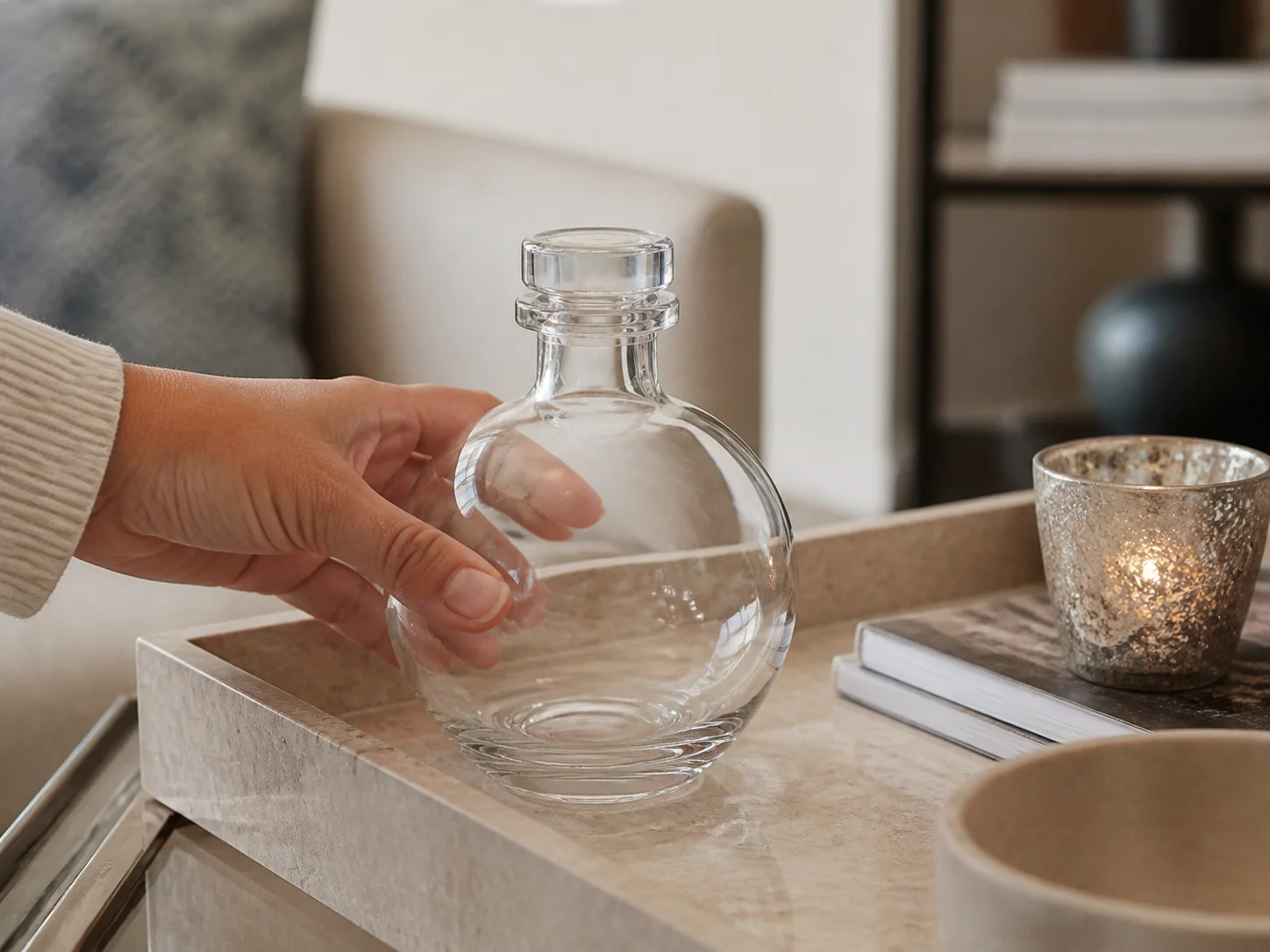
Small clear bottle with a narrow neck and a plain closure, shown without a device
Shown configuration · bottle with closure / oil, device, wick assembly and label not shown

Flameless home fragrance

Flameless Diffuser Bottle

A bottle for an electric or ultrasonic diffuser, where the container feeds a device rather than working on its own and the neck has to match that device exactly.

Feeds a deviceNeck matched to the unitWater-based or neat oil
Stock status
In stock
Lead time
2–3 weeks
FOB price / pc
$0.95 - $1.25
MOQ
5,000 pcs

Final availability, dimensions, materials, assembled components and commercial terms are confirmed against the selected drawing and approved sample.

Interface before aesthetics

Neck and height set by the unit

Two liquid types

Neat oil or water-dispersible blends

Refill economics

Bottle sells against the device it fits

Flameless Diffuser Bottle profile

The bottle is a cartridge for somebody else's machine.

Device interface, formulation type & refill strategy

Five things the device decides for you.

Electric and ultrasonic diffusers draw fragrance from a bottle that screws or clips into the unit. That makes the neck format, the bottle height and the way the liquid reaches the mechanism the primary specification, and it makes the appearance of the glass secondary — because most of it is inside a housing.

01

The device fixes the neck and the envelope

A diffuser accepts a bottle of defined thread or clip format and a maximum height and diameter, and anything outside that does not fit its housing. Fill volume has to be achieved inside that envelope. Designing the bottle first and then looking for a compatible unit is the reverse of how these programs actually work.

02

Neat oil and water-based blends are different products

Nebulizing diffusers draw undiluted essential oil and atomize it directly; ultrasonic units disperse a water-based mixture. The formulations, the fill volumes and the material compatibility questions differ completely, and a bottle specified for one is rarely appropriate for the other even when the neck happens to match.

03

Neat essential oils attack the wrong closures

Undiluted oils are aggressive to many liner materials and to some plastics, and a bottle sold as a device refill sits closed for months before use. PTFE-faced liners and compatible closure resins are the safe specification, and a liner chosen for a water-based blend can fail quickly on the neat version of the same fragrance.

04

Residual volume is a customer-visible cost

A pickup tube or a wick reaches a fixed depth, so anything below it stays in the bottle. On a small, expensive fragrance refill that residual is noticed and resented. Base geometry and how the device draws from the bottle are one problem, and it is settled by running a bottle to exhaustion in the actual unit.

05

The refill is the business, and the bottle carries it

Devices are usually sold near cost to establish a refill stream, so the bottle is the recurring revenue and the recurring cost. That makes unit price, pack format and how easily a customer identifies the right refill more commercially important than the glass itself, and it is why identification and shelf presence get so much attention.

06

Ultrasonic units atomize water, and hard water leaves scale on the bottle too

Mineral deposit builds on every wetted surface, including the inside of the reservoir bottle, and it clouds glass permanently. Telling customers to use filtered water, and choosing a neck wide enough to allow descaling, is the difference between a product that looks new after a year and one that does not.

Application guide

No flame means it works while nobody is watching.

A flameless diffuser runs continuously in rooms where a candle could never be left, which is exactly why households buy them. Everything follows from its being unattended. These are development directions confirmed with the actual liquid.

Flameless Diffuser Bottle used for bedrooms, hallways and homes with pets in a unattended fragrance setting

Unattended fragrance

Bedrooms, hallways and homes with pets

For rooms a customer wants scented without an open flame nearby, including bedrooms, nurseries and homes with animals or children. Because the bottle sits untouched for weeks, the stopper has to hold against evaporation and knocks without anyone checking on it.

  • Confirm the stopper holds for weeks
  • Test resistance to being knocked
  • Review evaporation when idle
Flameless Diffuser Bottle used for diffusers that never get put away in a display setting

Display

Diffusers that never get put away

Unlike a candle that is put away, a diffuser stays out continuously, so it is chosen partly as an ornament. The spherical form has no front or back and reads the same from any angle, which suits a hall table or a shelf seen from several directions.

  • Confirm it reads well from all angles
  • Judge the object at half fill
  • Match the form to a permanent position
Flameless Diffuser Bottle used for liquid that must last months in a fragrance life setting

Fragrance life

Liquid that must last months

Customers expect a diffuser to scent a room for eight to twelve weeks, which puts the liquid volume, the diffusion component and the room size in direct relation. Setting that expectation honestly on pack avoids the most common complaint in the category.

  • Relate volume to room size
  • State a realistic duration
  • Test the scent late in its life

Applications describe program directions. Evaporation, diffusion, duration, leakage, safety and distribution outcomes are confirmed for the selected program.

Common questions

Flameless Diffuser Bottle questions

The device sets the brief, and the refill carries the business.

Can we design the bottle and then find a device?

It is the wrong order. A diffuser accepts a defined thread or clip format and a maximum height and diameter, and a bottle outside that envelope does not fit the housing. Fill volume has to be achieved inside those dimensions, so the device specification comes first and the bottle follows it rather than the reverse.

Is a bottle for a nebulizer the same as one for an ultrasonic unit?

Rarely. Nebulizing diffusers draw undiluted essential oil and atomize it directly; ultrasonic units disperse a water-based mixture. Formulation, fill volume and material compatibility all differ, so a bottle specified for one is usually inappropriate for the other even when the neck format happens to be identical.

Why do customers complain about the last of the oil?

Residual volume. The pickup tube or wick reaches a fixed depth, so whatever sits below it stays in the bottle, and on a small expensive refill that is noticed. Base geometry and the device's draw are one problem rather than two, and it is settled by running a bottle to exhaustion in the actual unit.

Why does refill identification matter so much?

Because devices are usually sold near cost to establish a refill stream, so the bottle is both the recurring revenue and the recurring cost. A customer who cannot quickly identify the right refill buys a competitor's or gives up. That makes shelf identification a commercial specification rather than a design preference.

Does hard water affect the bottle?

On an ultrasonic unit, yes. Those devices atomize water, and scale from hard water builds on the device and on the bottle that feeds it. It shows first as a dulled interior and it is a support question worth answering on the pack rather than in complaints.

Next step

Send us the Flameless Diffuser Bottle brief.

Tell us the product, fill volume, closure preference and destination market. We will come back with the matching drawings, available configurations and a sample plan before anything is quoted.

  • 01Send the briefProduct, volume, closure and market
  • 02Get the optionsMatching drawings and configurations
  • 03Approve the sampleConfirm the pack before production