Liquid fuel, wick assemblies & stability
Six ways an oil lamp differs from a candle in the same glass.
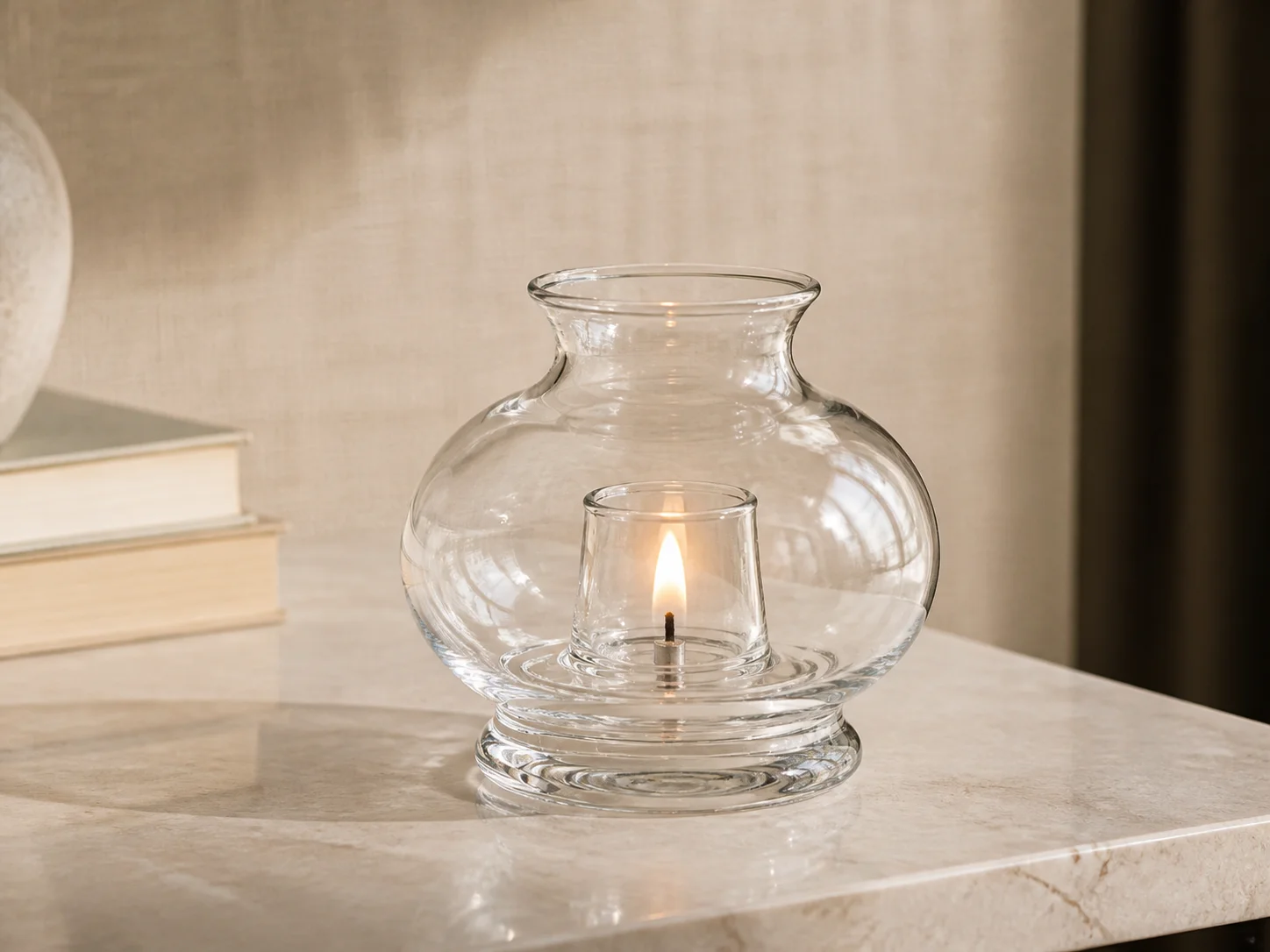
A candle carries its fuel as a solid that is only liquid near the flame. An oil lamp holds a reservoir of liquid fuel at room temperature, drawn up a wick by capillary action. That difference means a tipped lamp releases its whole fuel load, so closure, neck fit and stability are handled far more conservatively than on any candle vessel.
The whole fuel load is mobile at all times
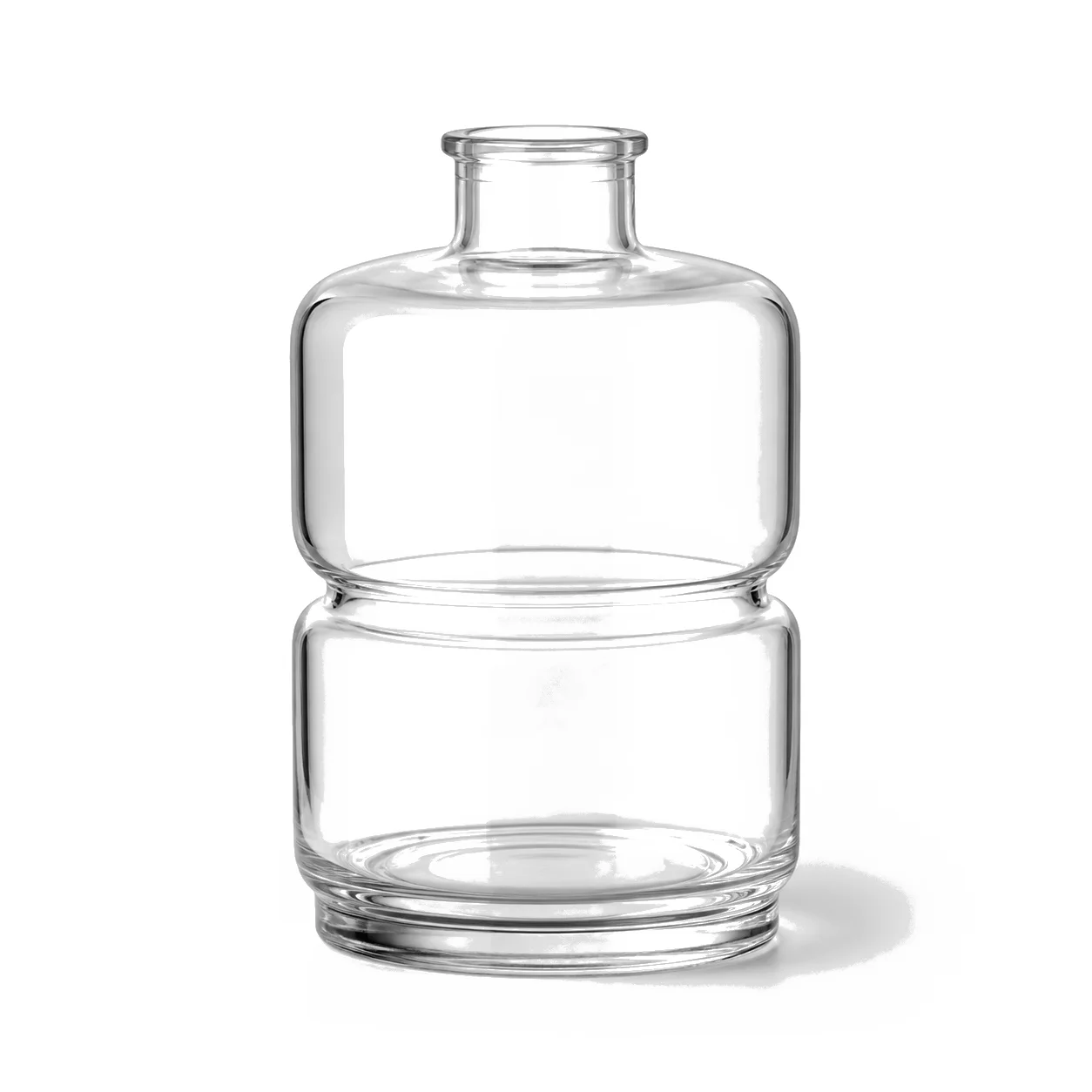
Knock over a candle and a little liquid wax leaves the pool. Knock over an oil lamp and the entire reservoir can run out, next to a flame. That single difference is why lamp vessels are specified with wide, heavy bases, why the wick holder has to seat firmly, and why the format deserves more conservative treatment than its appearance suggests.
The neck is an interface, not a rim
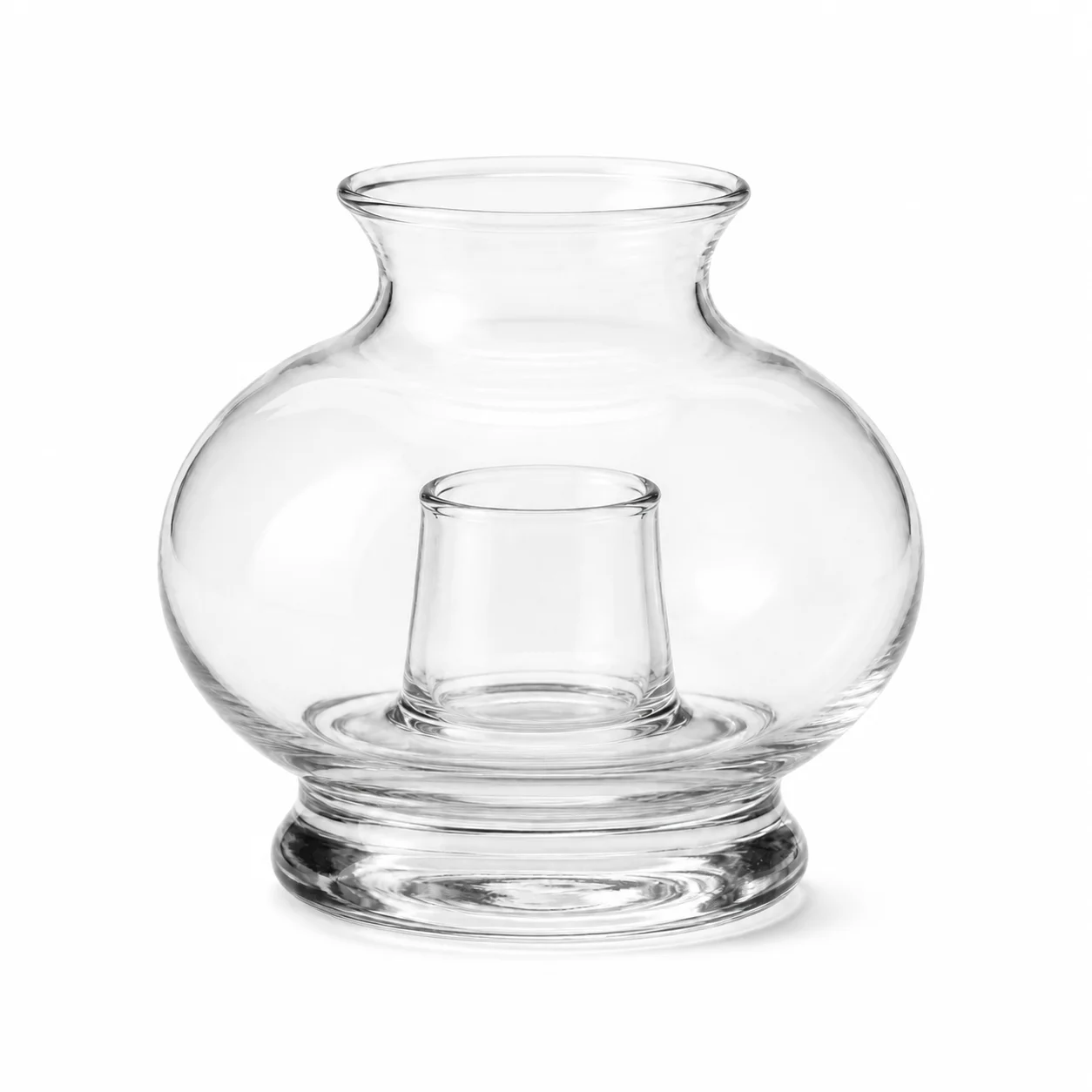
A wick holder — a metal or ceramic collar carrying the wick and closing the reservoir — sits in or on the neck. Its diameter and the way it is retained are the defining dimensions of the vessel, and a holder that merely rests in place rather than threading or clamping is the difference between a lamp and a spill waiting for a knock.
Fuel choice is an indoor air quality decision
Refined liquid paraffin lamp oils burn with little odor or soot, while less refined fuels smoke and smell. The vessel does not control that, but the product it is sold with does, and a decorative lamp filled with the wrong fuel produces a sooted glass and a complaint that arrives at the packaging supplier first.
Capillary rise limits how tall the lamp can be
The wick has to lift fuel from the reservoir to the flame by capillary action alone, and there is a practical height beyond which it cannot keep up, especially as the level falls. That places a real limit on vessel proportions, and a tall decorative lamp can burn beautifully when full and starve when half empty.
Sealing matters between uses, not just during them
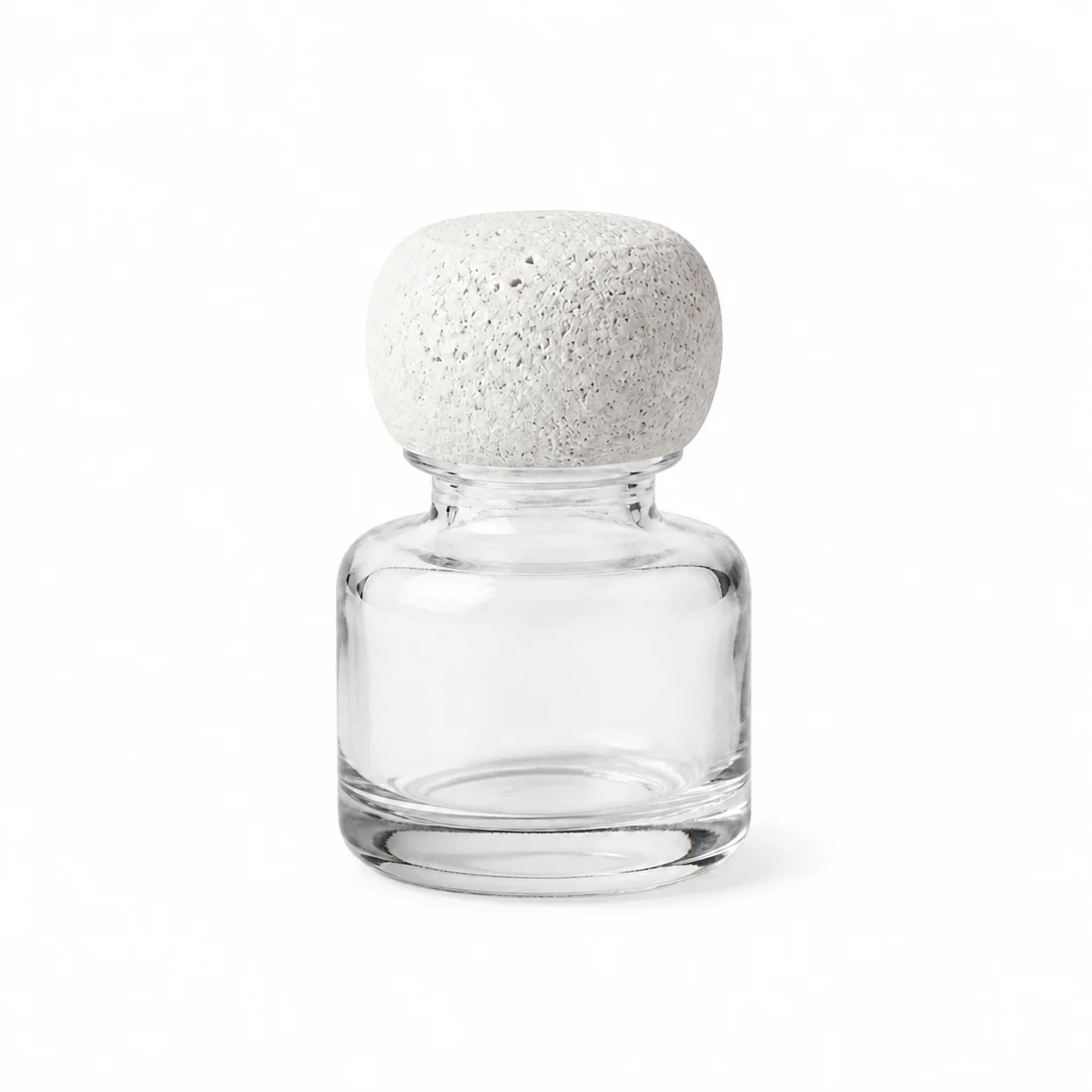
Lamp oil evaporates and its vapor is flammable, so a lamp stored full with an open wick loses fuel and fills a cupboard with vapor. A cap or snuffer that closes the wick opening between uses is part of the product rather than an accessory, and its absence is the reason many decorative lamps are sold empty.
The reservoir has to be filled without wetting the outside
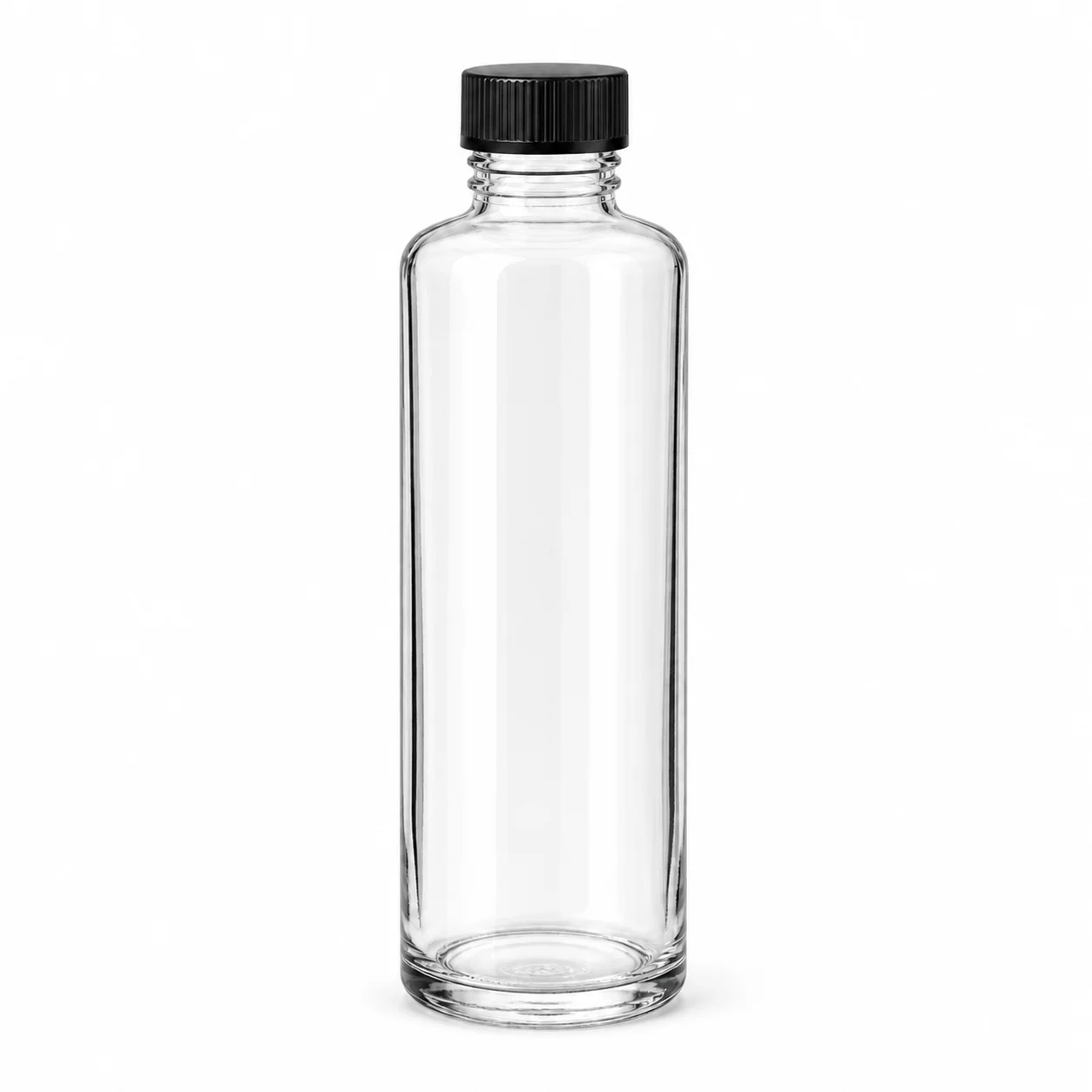
Fuel spilled on the outer wall burns where it was never meant to, so the neck geometry has to admit a bottle or funnel cleanly and shed drips back inside. It is a filling detail with a direct safety consequence, and it is judged by filling a real unit rather than by looking at a drawing.