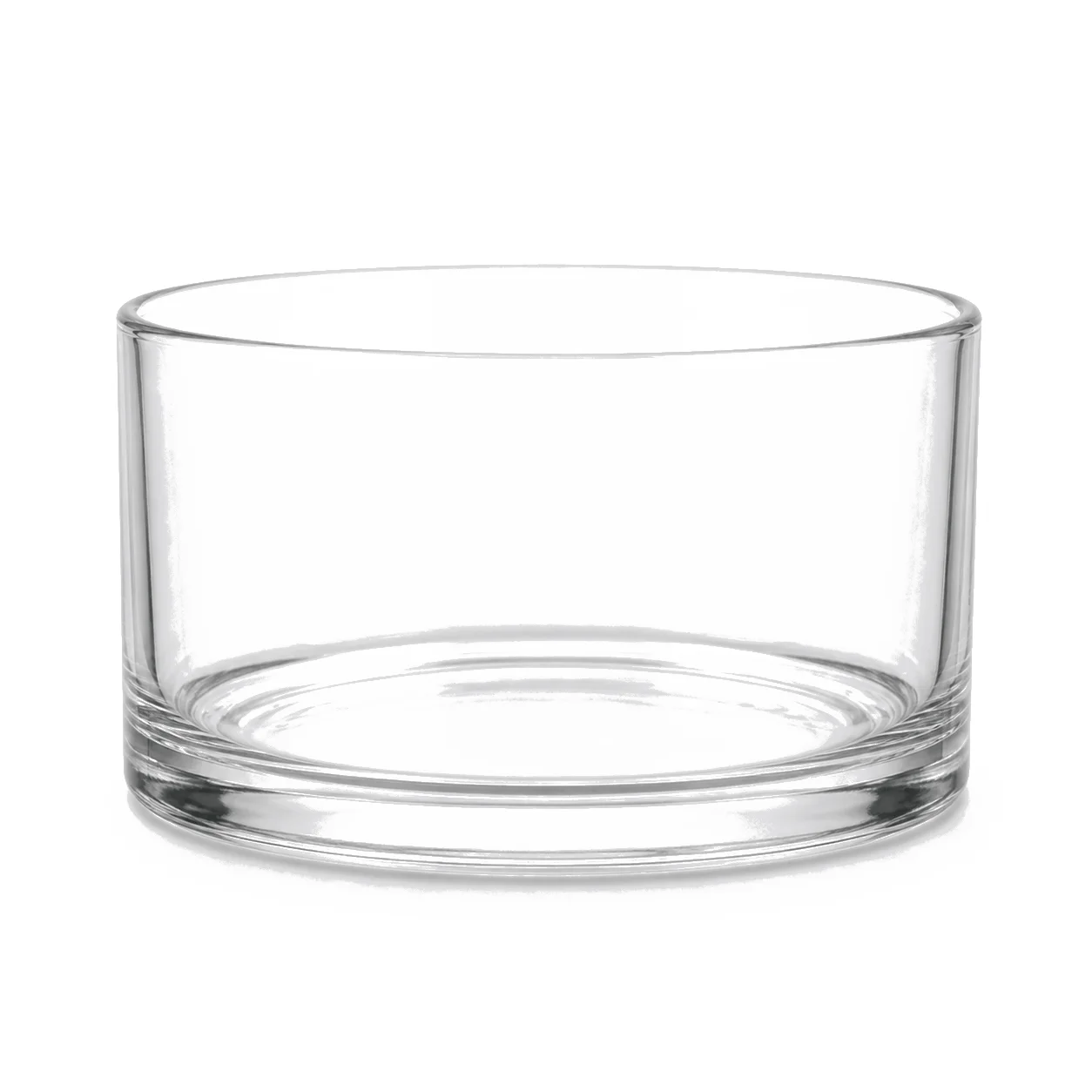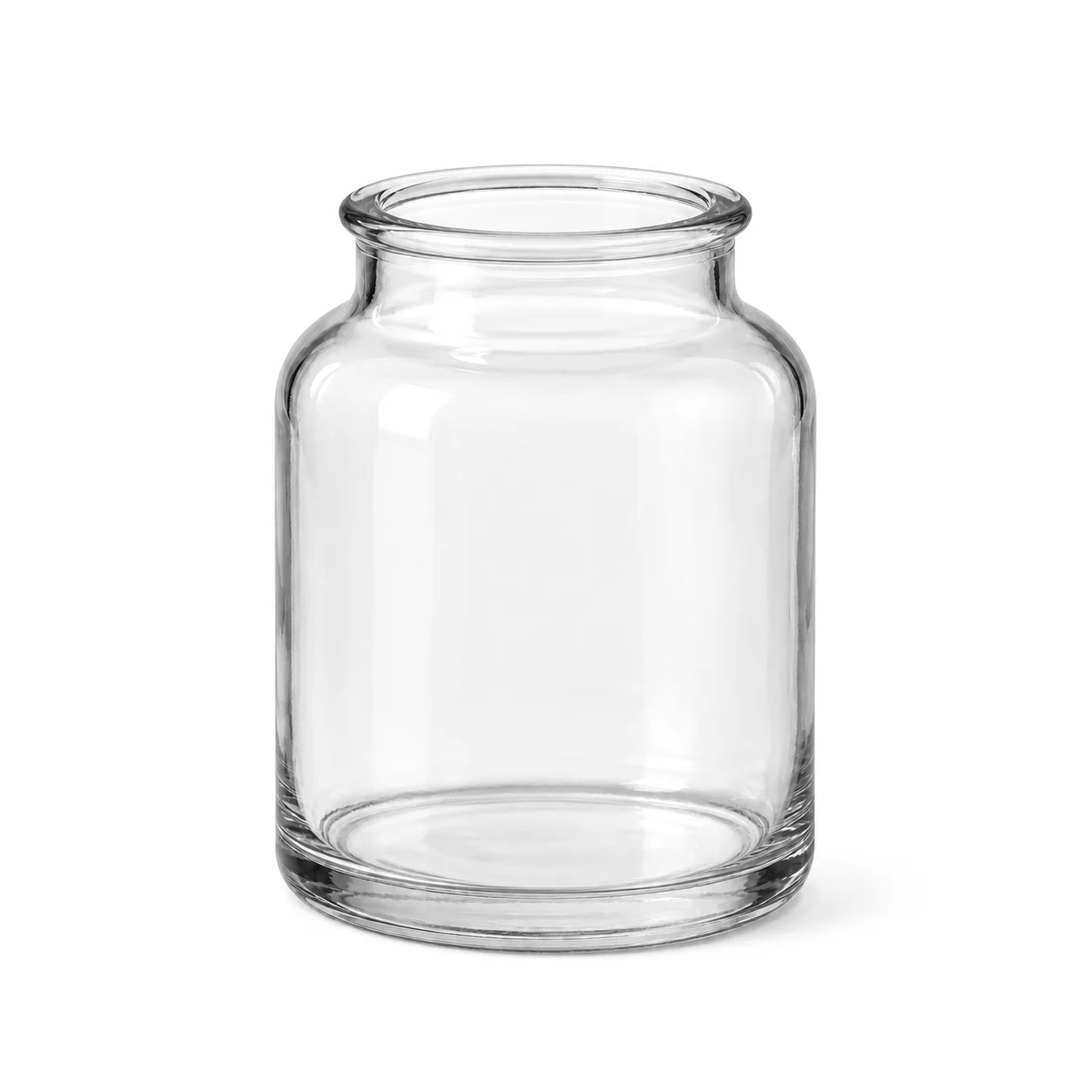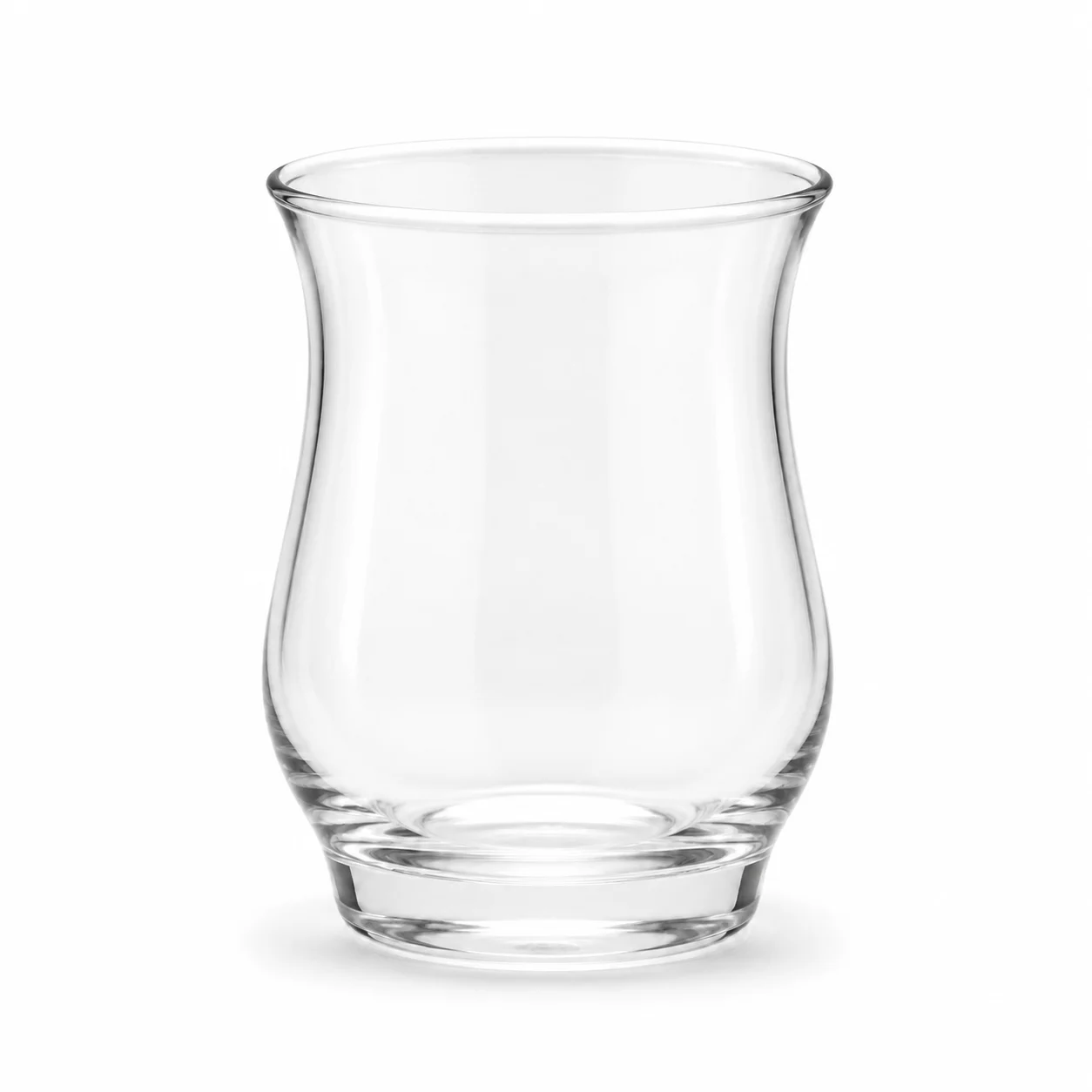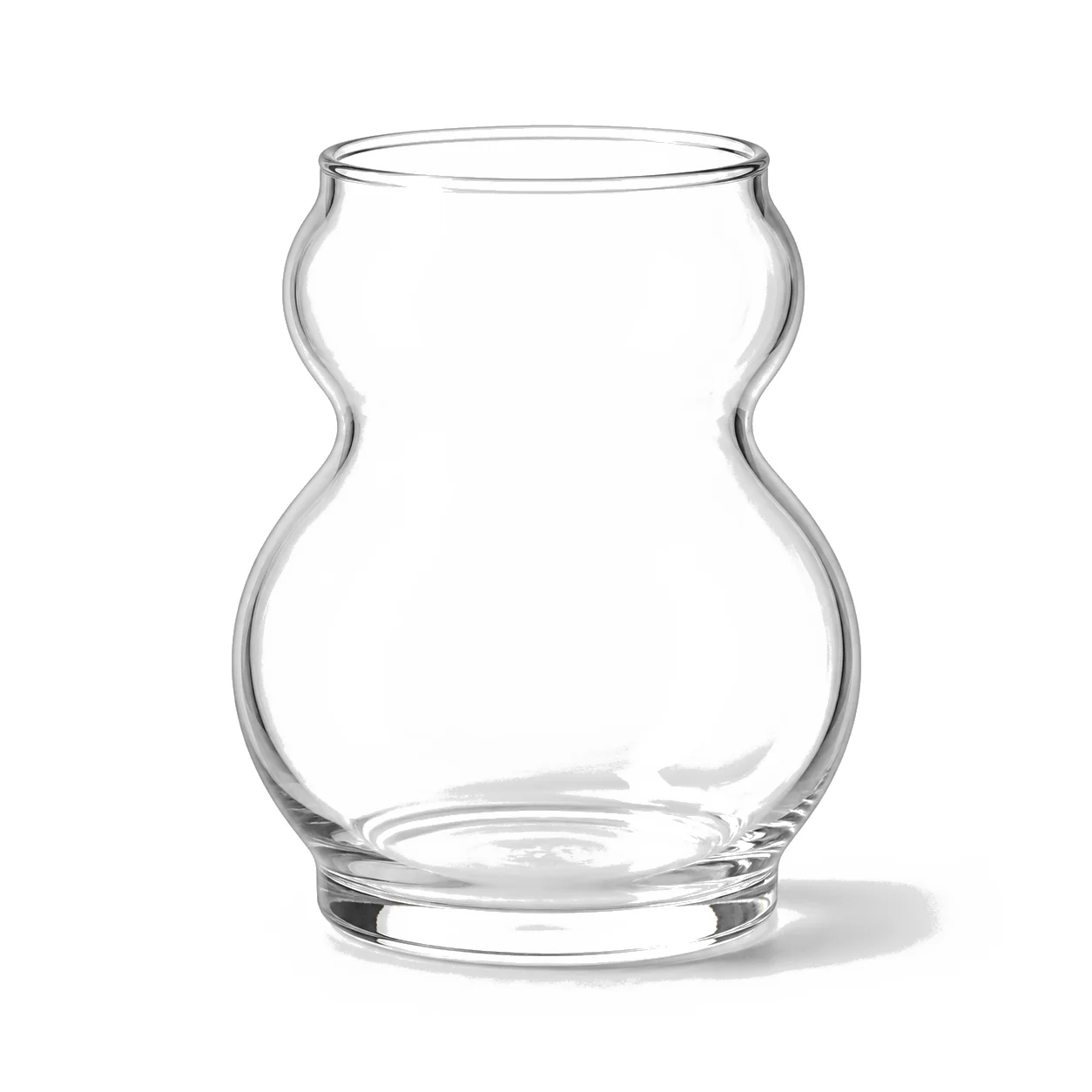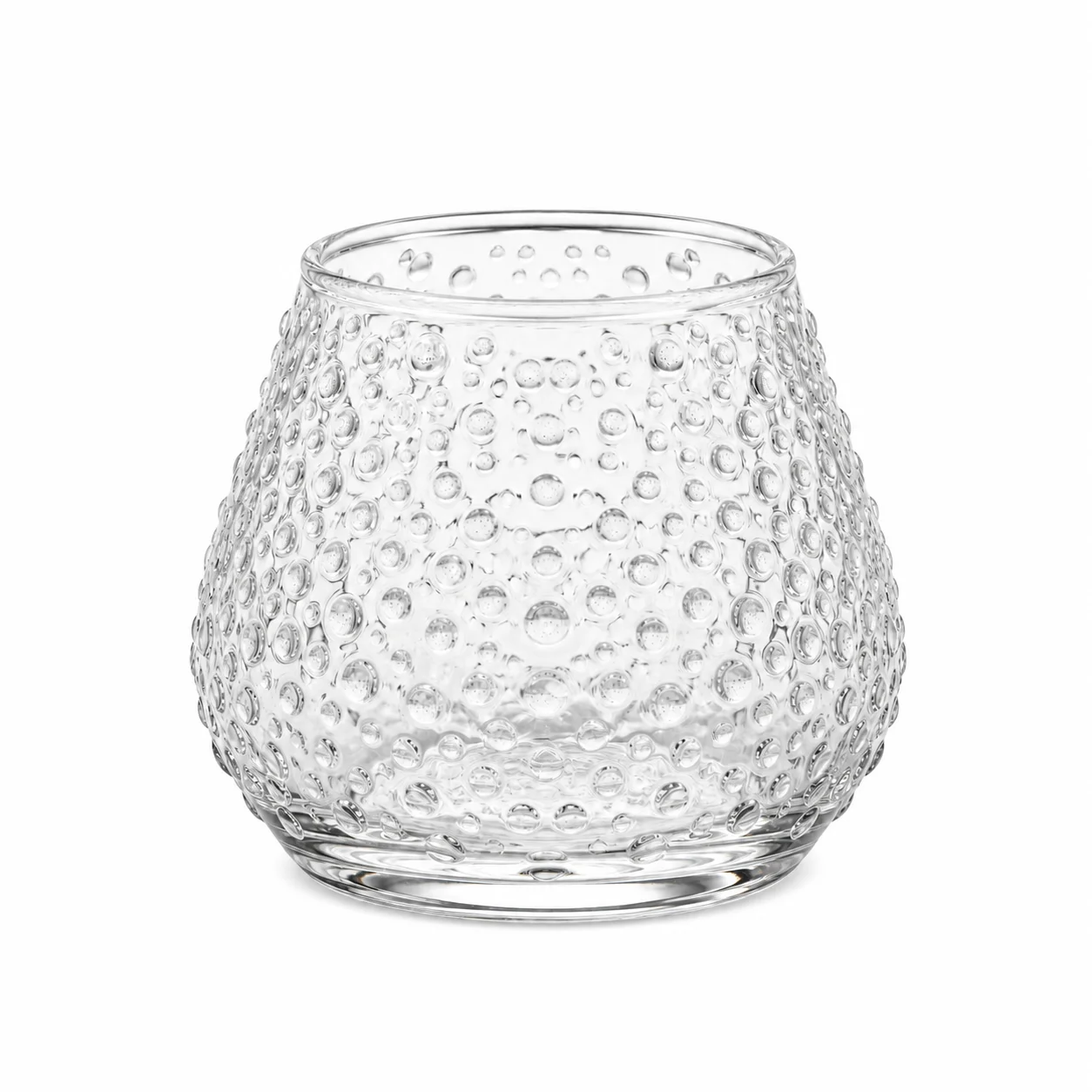
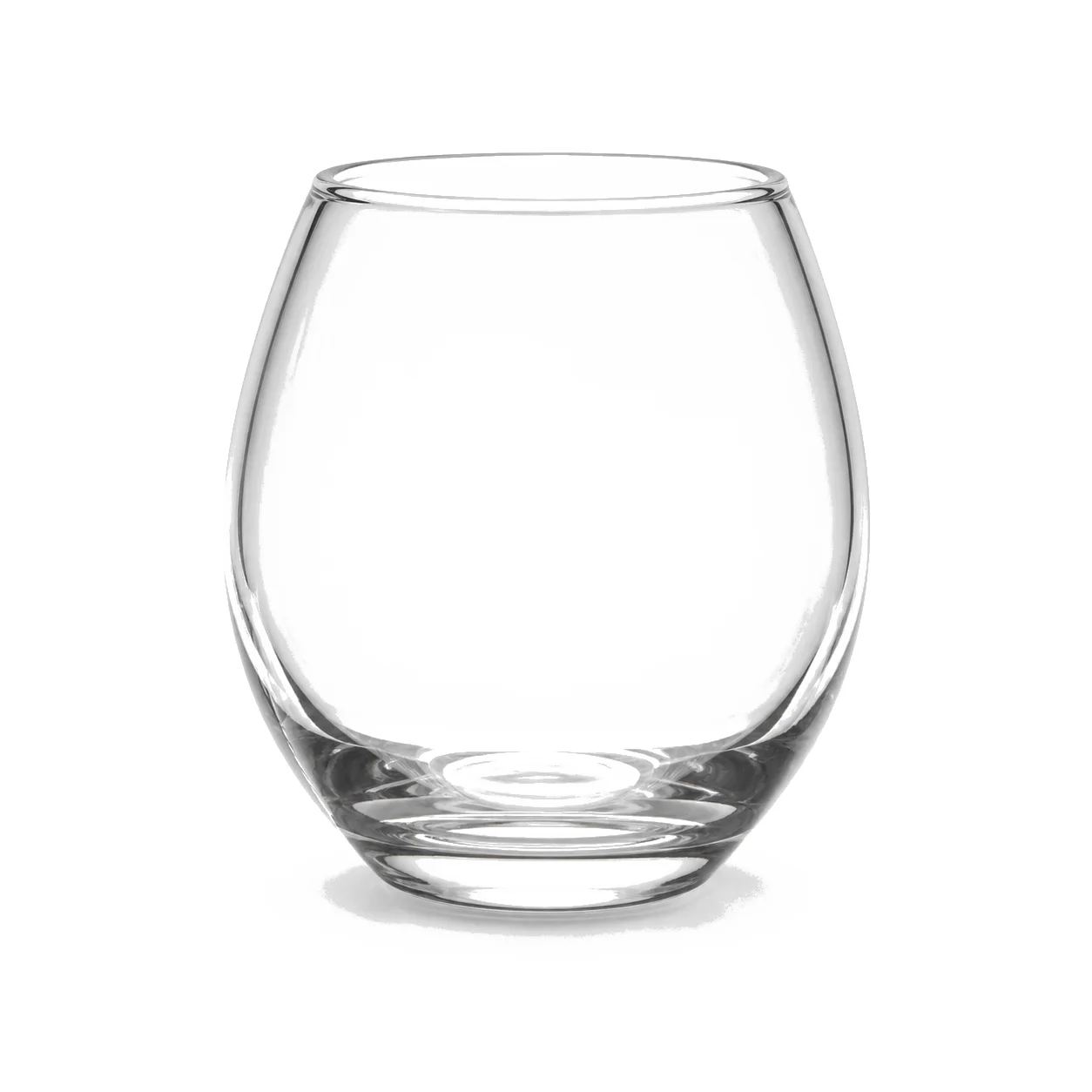
Rounded egg-form glass vessel with an opening at the top and a curved base
Shown configuration · empty vessel / wax, wick, stand and label not shown

Candle vessels

Egg-shaped Candle Vessel

An egg-form candle vessel with a curved base and a mouth cut into the widest part of the shell, which gives an unusual pour, an unusual burn and no flat foot.

Curved base needs supportMouth cut into a curveWidest point is mid-height
Stock status
In stock
Lead time
2–3 weeks
FOB price / pc
$0.75 - $1.10
MOQ
5,000 pcs

Final availability, dimensions, materials, assembled components and commercial terms are confirmed against the selected drawing and approved sample.

It may not stand alone

A flat is ground or a stand supplied

Curved wall, curved pool

Melt surface changes shape as it descends

Nothing is parallel

Labels and lids both need thought

Egg-shaped Candle Vessel profile

A vessel with no straight lines anywhere, including where it meets the table.

Standing, curved-pool behavior & flat surfaces

Five consequences of a shape with no flat anywhere.

An egg form has a continuously curving wall, its widest diameter around the middle and a base that is part of the same curve. That produces a distinctive object and three practical problems at once: how it stands, how the melt pool behaves as it moves through a changing diameter, and where a label or lid can possibly sit.

01

It has to be given somewhere to stand

A true egg form does not stand, so either a flat is ground onto the base, the mold gives it a small foot, or the product is supplied with a stand or ring. Each option changes the look and the cost, and a design that leaves the question open produces a beautiful sample and an unsellable product.

02

The melt pool changes shape as well as size

In a cylinder the pool is a constant circle. In an egg it widens toward the middle and then contracts, so the flame is heating a surface whose diameter changes throughout the burn. Wick sizing therefore aims at the widest section, and both the early and late thirds of the burn are inspected rather than the middle.

03

The mouth is a cut through a curve

Because the opening is formed across a curved surface, its rim is not a simple flat land. That makes lids awkward, filling nozzles harder to position and the rim itself a place where chips are more likely. Most egg vessels are sold unlidded for exactly this reason, and the rim finish deserves more attention than usual.

04

Labels have to be small, curved or absent

There is no flat panel anywhere on the vessel, so a conventional pressure-sensitive label wrinkles in two directions at once. The workable answers are a small label sized to a low-curvature zone, a conforming shrink sleeve, a hanging tag, or moving the branding to the carton. Choosing early avoids a compromise on the shelf.

05

The form is the reason, and it should carry the cost

An egg vessel is bought because it is an object rather than a container, and everything above is a cost of that decision. Where the shape genuinely differentiates a product, those costs are worth paying; where it is chosen because it looked good in a mood board, they usually are not. It is a decision worth making explicitly.

06

A continuous curve shows every mold mark

There is no feature anywhere on this form to hide a seam or a witness line, so mold finish and process control carry the whole appearance. That makes a plain shape more demanding to produce well than a patterned one, and it is where the cost of this format actually sits.
Application guide

An egg has no flat face to put a label on.

The continuously curving body is the point of this vessel and also its main constraint: nothing about it is flat, including where a customer might expect information to sit. These are development directions confirmed by burn testing.

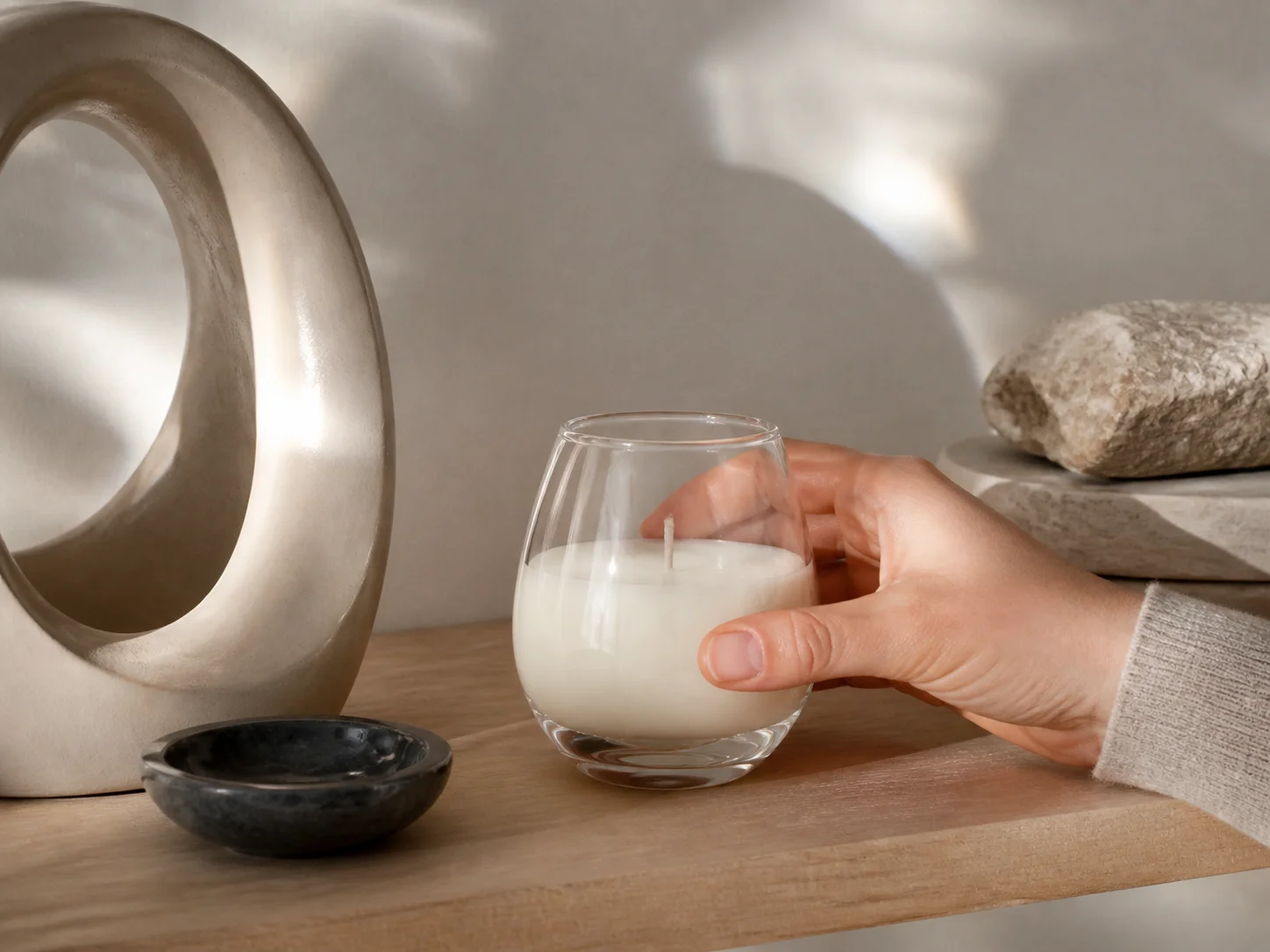
Egg-shaped Candle Vessel used for candles displayed as small objects in a sculptural pieces setting

Sculptural pieces

Candles displayed as small objects

For candles bought by people who arrange things on shelves, where the rounded form sits among ceramics and stones rather than among other candles. The curve reflects light continuously instead of breaking it into planes, giving a softer presence that works unlit as well as burning.

  • Judge the form unlit on a shelf
  • Confirm the curve is free of flat spots
  • Review light across the whole body
Egg-shaped Candle Vessel used for a candle lit for an hour at a time in a short evening burns setting

Short evening burns

A candle lit for an hour at a time

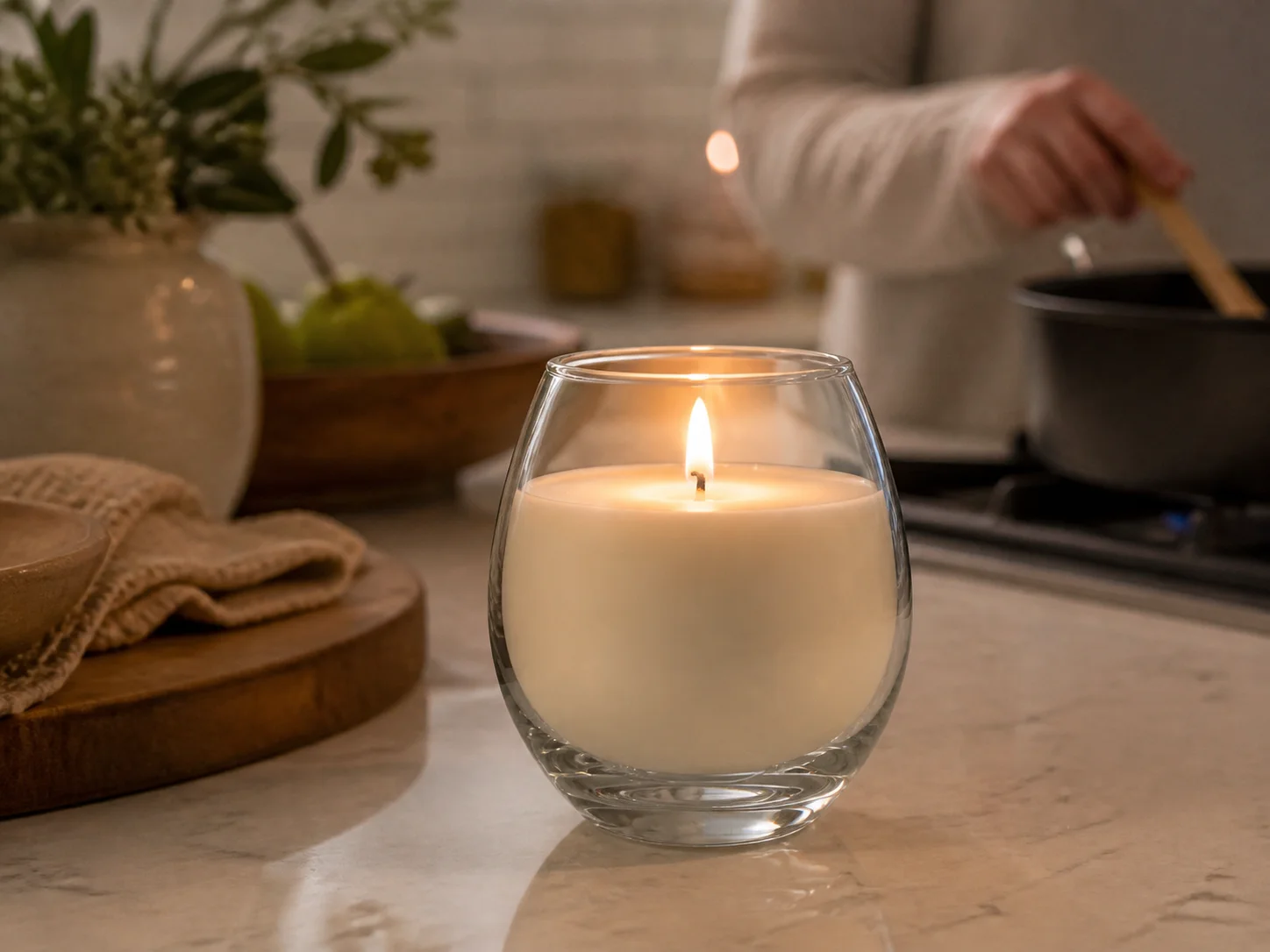
For owners who light an egg vessel while they cook and put it out after dinner, so the pool never gets long to spread. The widest point sits mid-body, which means a wick judged there can tunnel in the first week and run hot in the last, and only a full burn-down shows both.

  • Burn to the base, not to a set time
  • Track the pool through the widest point
  • Watch base temperature near the end
Egg-shaped Candle Vessel used for a tag instead of a front label in a gift wrapping setting

Gift wrapping

A tag instead of a front label

For candles bought as presents, where the buyer wants the scent named somewhere the recipient will find it. Glass curved in every direction creases a conventional label, so these ranges live on hang tags, base labels or direct print, and which one is chosen before anybody draws a front-of-pack.

  • Choose base label, tag or direct print
  • Test any label for creasing
  • Fix the route before artwork starts

Wax, fragrance, wick, fill, burning, safety and distribution requirements are confirmed for the selected program.

Common questions

Egg-shaped Candle Vessel questions

No flat surface anywhere creates three separate problems.

How does it stand up?

It has to be given a way. Either a flat is ground onto the base, the mold provides a small foot, or the product ships with a stand or ring. Each changes the appearance and the cost, and leaving the question open produces a beautiful sample and a product that cannot be put on a shelf.

How do we wick a shape whose diameter changes?

To the widest section, and then inspect both the early and late thirds of the burn. In a cylinder the melt pool is a constant circle; in an egg it widens toward the middle and contracts again, so the flame heats a surface whose diameter changes continuously. The middle of the burn is the least informative part.

Why are these usually sold without a lid?

Because the mouth is a cut through a curved surface rather than a flat land, so a lid has nothing simple to seat on. It also makes filling nozzle positioning harder and raises the chance of rim chips. Rim finish therefore deserves more attention here than on a vessel with a conventional flat land.

Is the shape worth the trouble?

When it genuinely differentiates the product, yes — an egg vessel is bought as an object rather than as a container, and the standing, lidding and labeling costs are the price of that. When the shape was chosen from a mood board rather than a positioning decision, those costs usually outweigh what it returns.

What does a continuous curve reveal?

Every mold mark. There is no edge or facet to interrupt the surface, so seams, ripples and thickness variation all read clearly on an unbroken curve. The mold finish standard has to be tighter here than on a decorated vessel.

Next step

Send us the Egg-shaped Candle Vessel brief.

Tell us the product, fill volume, closure preference and destination market. We will come back with the matching drawings, available configurations and a sample plan before anything is quoted.

  • 01Send the briefProduct, volume, closure and market
  • 02Get the optionsMatching drawings and configurations
  • 03Approve the sampleConfirm the pack before production