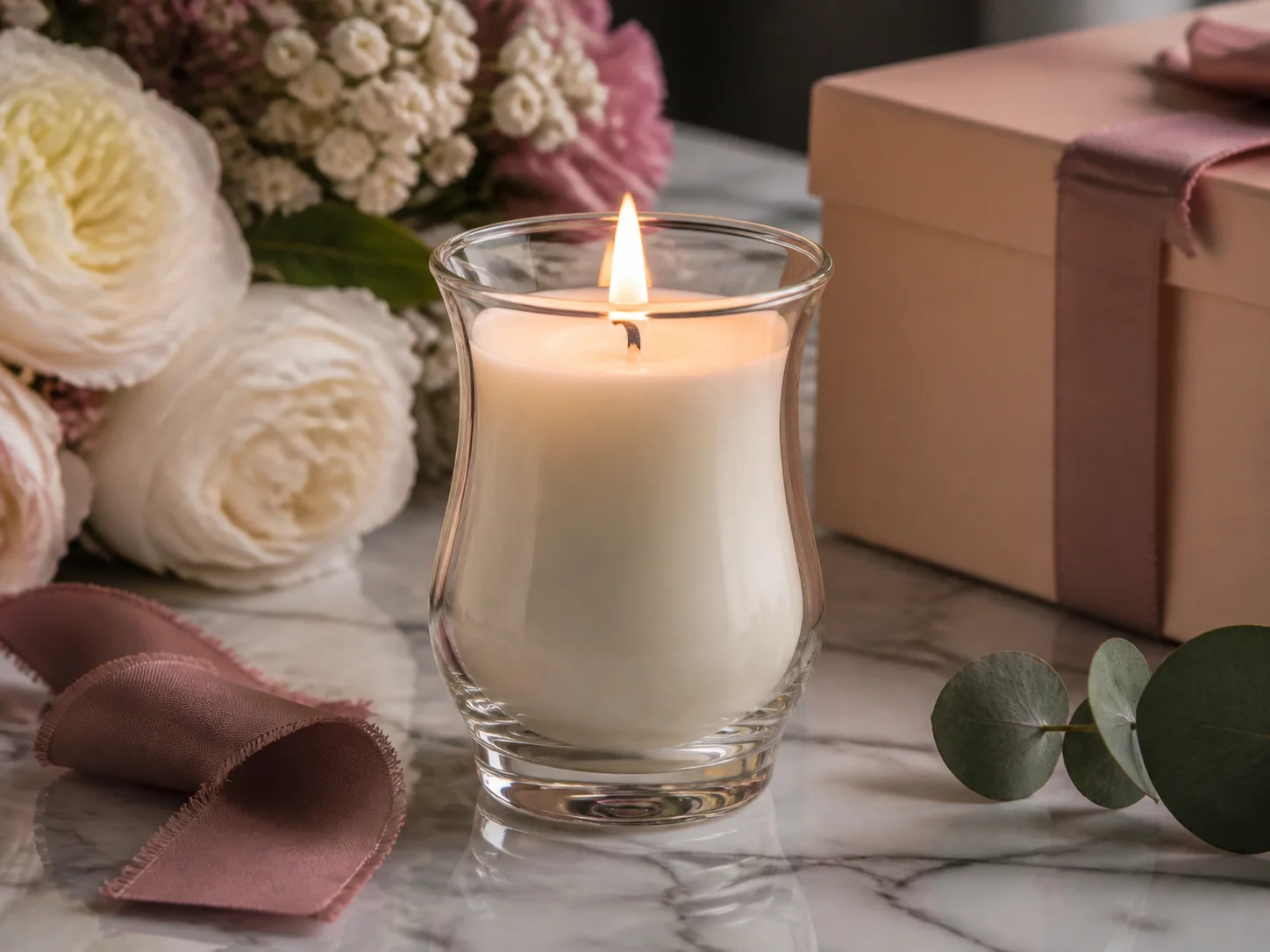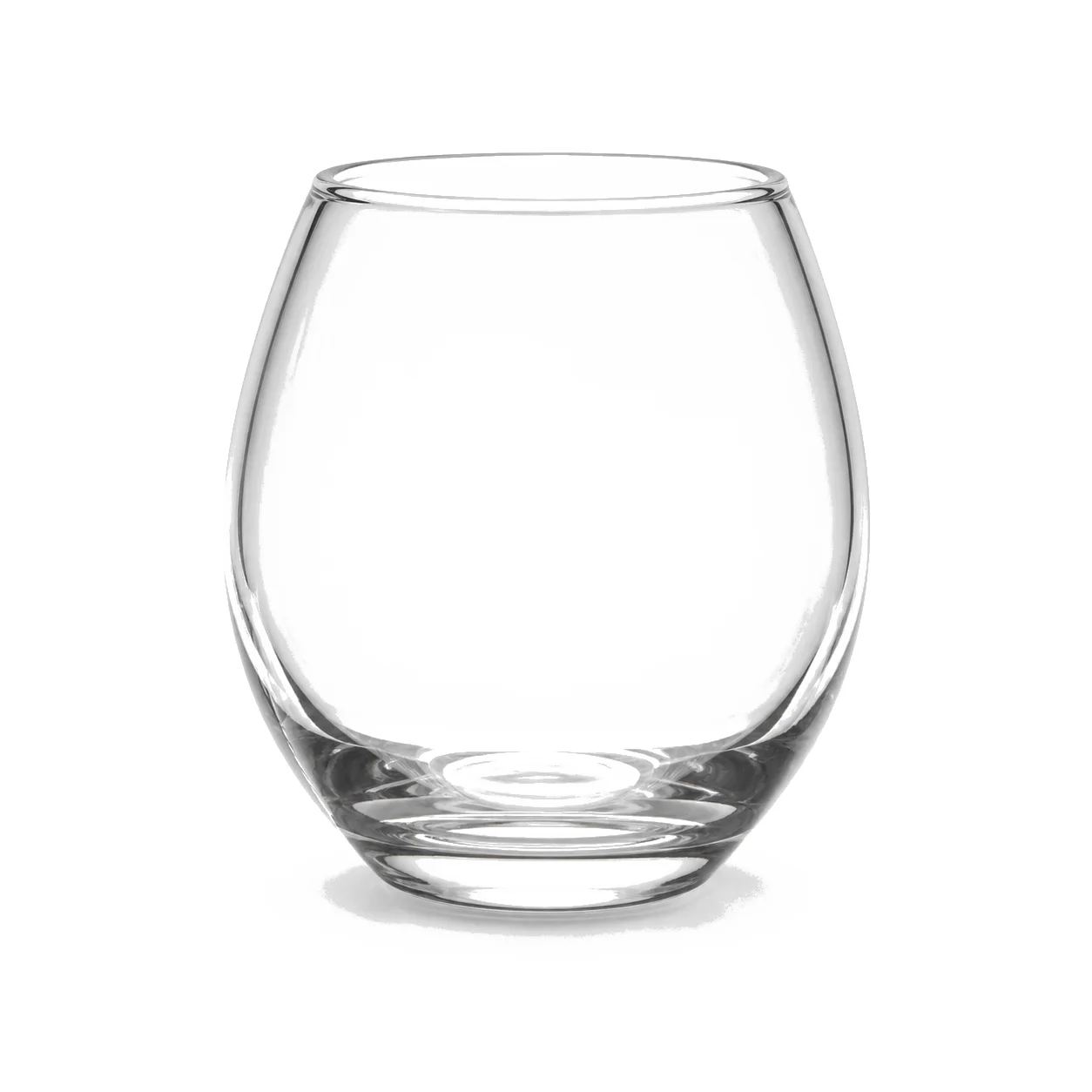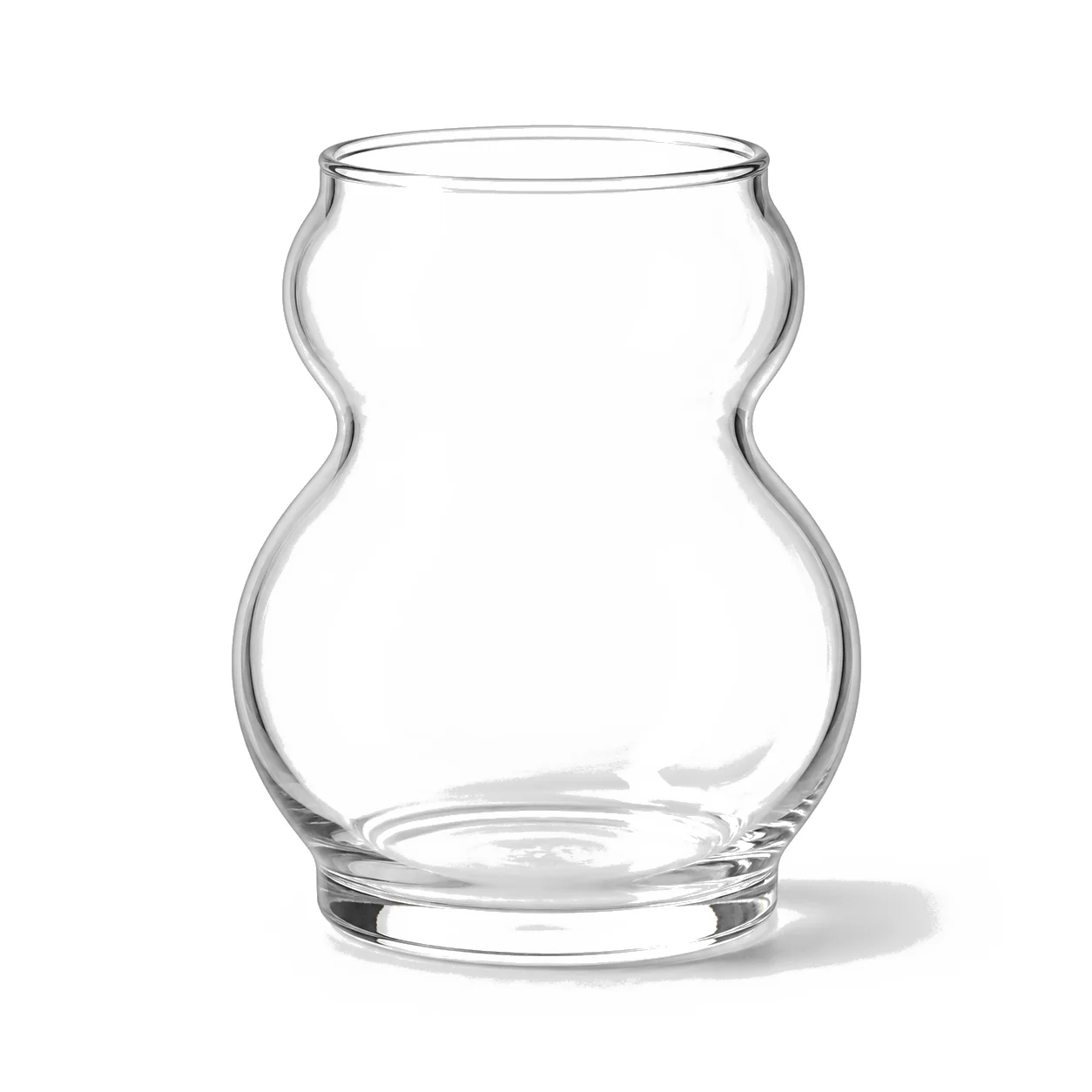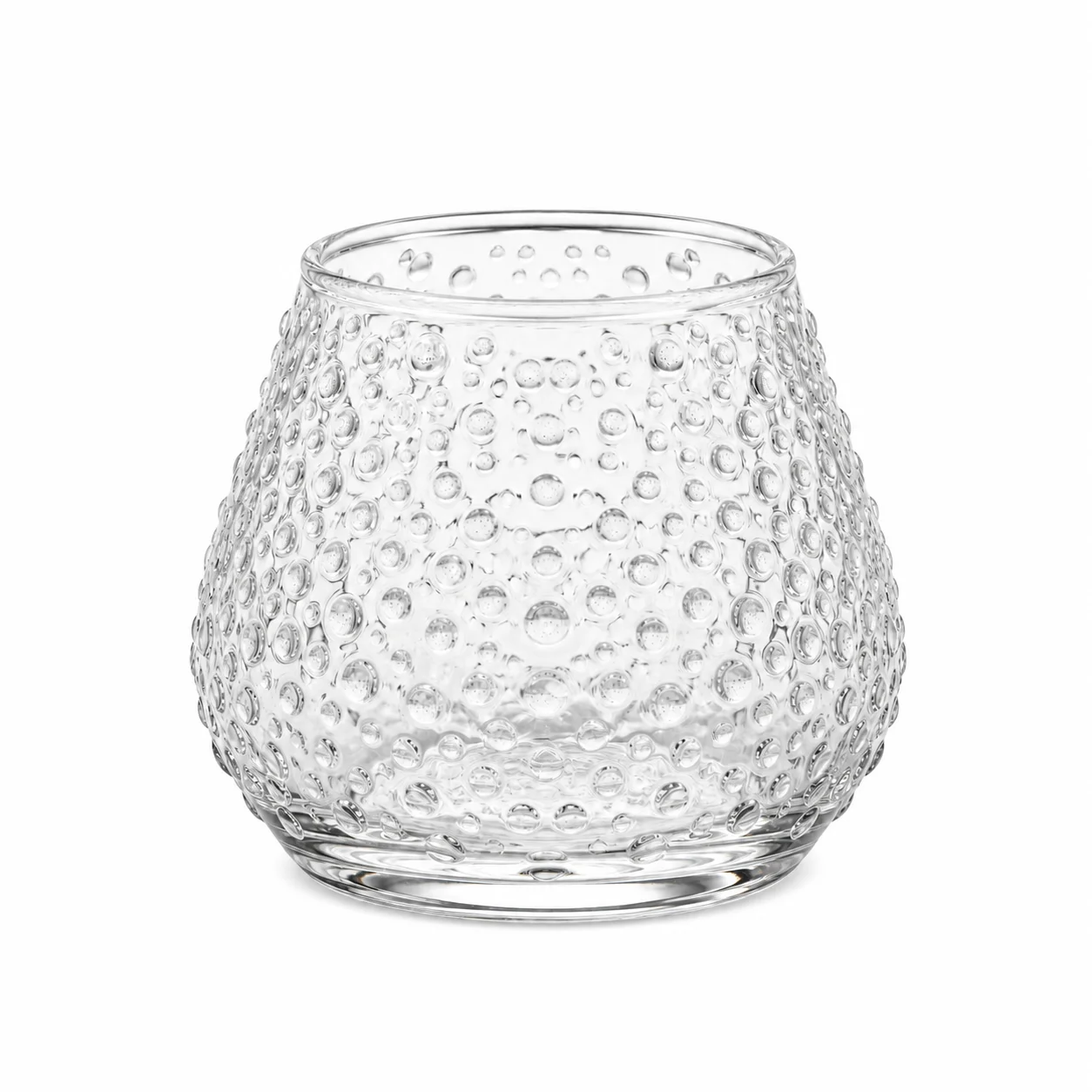
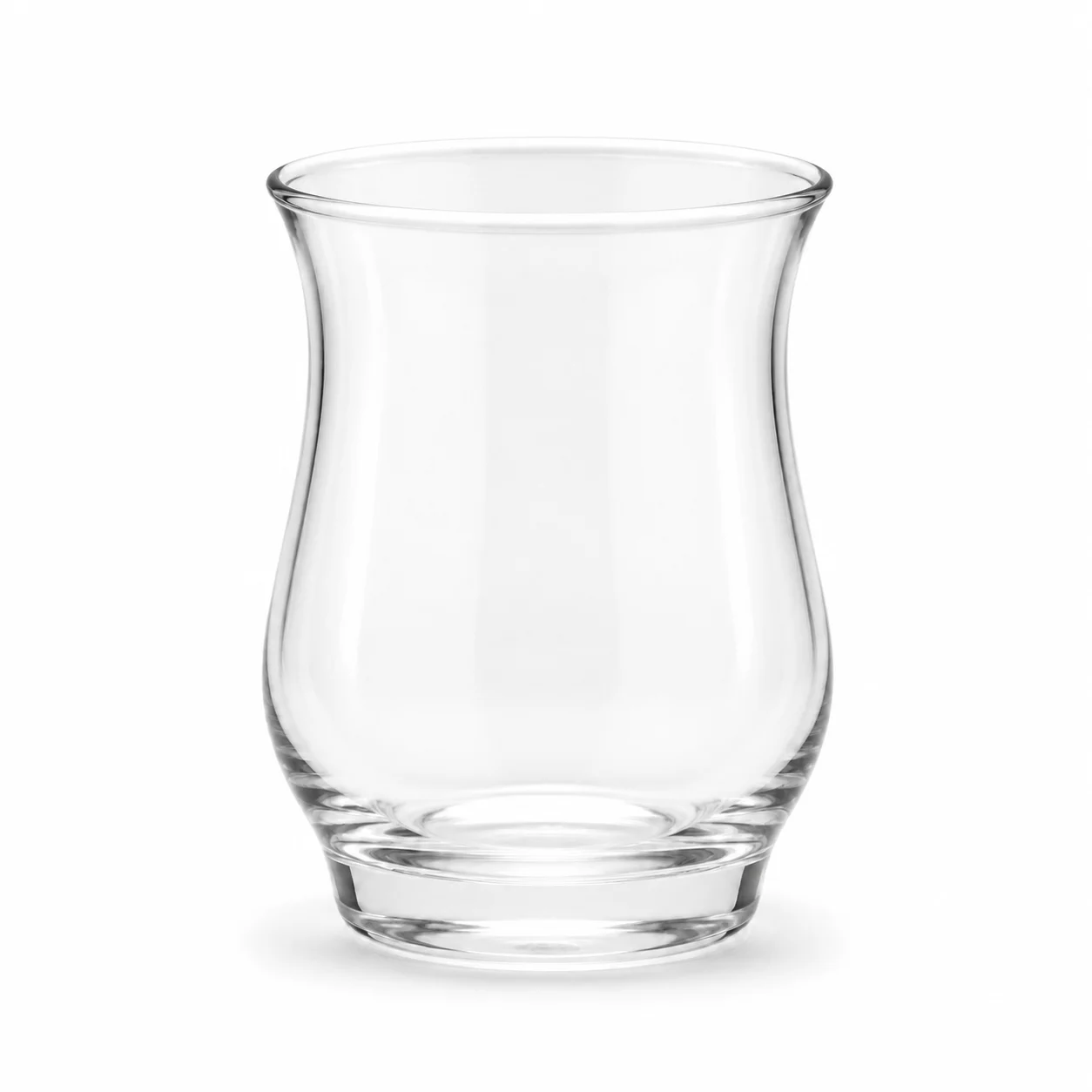
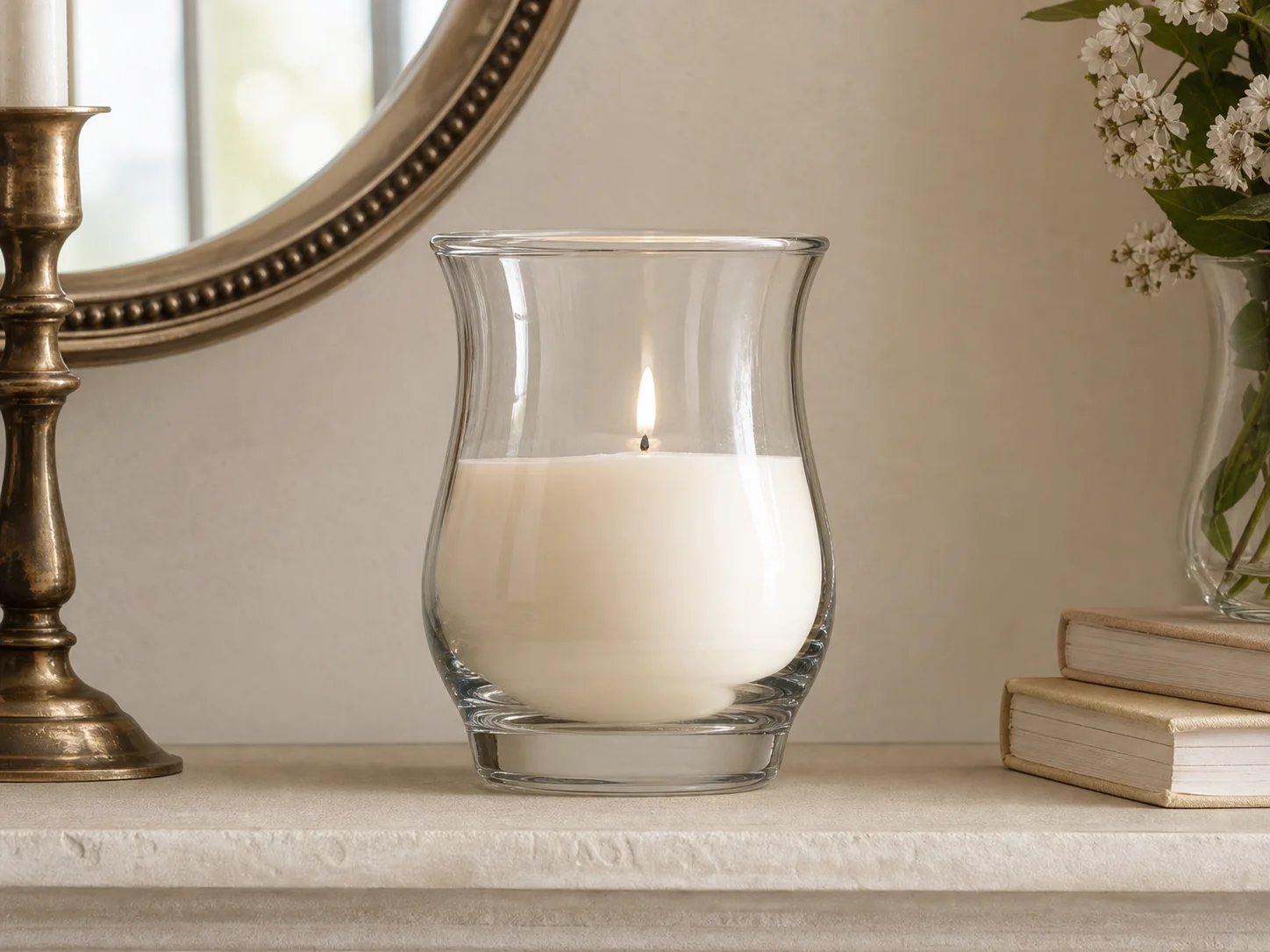
Clear candle jar with a narrow base flaring outward to a wide open rim
Shown configuration · empty jar / wax, wick, lid and label not shown

Candle vessels

Tulip Candle Jar

A tulip candle jar that flares outward toward the rim, so the melt pool starts narrow and widens as the candle burns down — the reverse of a tapered vessel.

Flares toward the rimPool narrows as it descendsOpen mouth aids throw
Stock status
In stock
Lead time
2–3 weeks
FOB price / pc
$0.70 - $1.00
MOQ
3,000 pcs

Final availability, dimensions, materials, assembled components and commercial terms are confirmed against the selected drawing and approved sample.

Wide mouth, strong throw

Large open surface at the top

Base is the limiting diameter

Wick sized where the pool ends

Flare needs a stable foot

Weight moves outward and upward

Tulip Candle Jar profile

A vessel that gets easier to burn as it empties, not harder.

Reverse taper, throw over time & stability

Five consequences of flaring a candle vessel outward.

A tulip flares outward toward the rim, which means the melt pool is at its widest when the candle is new and narrows steadily as it burns down. That is the opposite of a tapered jar, and it changes both the wicking strategy and the way fragrance throw behaves over the life of the candle.

01

The first burn is the hardest one

With the widest diameter at the top, a wick that cannot reach the wall on the first burn tunnels immediately and never recovers. As the pool descends into narrower glass, the same wick becomes progressively more than sufficient. Wick sizing therefore targets the rim, and the end of the burn is checked for excessive glass temperature.

02

Fragrance throw declines as the candle empties

Throw scales with the exposed melt surface, and in a tulip that surface shrinks continuously. A candle that fills a room when new can seem quiet when half gone, without anything being wrong with it. Setting that expectation, or accepting it as a characteristic of the shape, is more honest than chasing it with fragrance load.

03

The flame is well supplied with air

A wide, open mouth gives good circulation to the flame throughout the burn, which is the opposite problem from a bellied or narrow-necked vessel. That makes tulips forgiving of larger wicks and suits waxes and fragrance loads that would smoke in a restricted vessel, and it is a genuine technical advantage of the shape.

04

Stability needs attention at the base

Flaring outward moves mass away from the center line and upward, so the footprint is the narrowest part of the vessel while the weight sits above it. A heavier base or a wider foot compensates, and filled tipping tests on a slightly inclined surface are worth doing before the format is committed.

05

Lids are difficult and often omitted

A wide flared rim needs a correspondingly large lid, which costs more, weighs more and looks out of proportion on a small candle. Many tulip candles are therefore sold unlidded, and the fragrance retention that a lid would have provided during storage has to be found elsewhere — usually in a sealed carton or a wrap.

06

The flare makes the jar hard to pack and easy to chip

An outward-turning rim is the widest and thinnest part of the vessel and it sits proud of everything else in the carton. Dividers that support the rim rather than the body, and a carton sized to the flare, are what keep the breakage rate reasonable.
Application guide

A flared rim carries the flame above the glass.

The tulip profile narrows at the waist and opens at the top, which lifts the flame clear of the rim and gives the vessel a floral silhouette. Both consequences matter, and the second one affects safety. These are development directions confirmed by burn testing.

Tulip Candle Jar used for sculptural pieces for a mantel or table in a decorative candles setting

Decorative candles

Sculptural pieces for a mantel or table

For candles displayed as objects, where the flared rim and drawn waist give a form closer to a vase than a container. Customers place these somewhere visible and often keep them afterward as small vases, so the rim finish and how the profile catches light deserve real attention.

  • Finish the rim for a visible piece
  • Review light along the waist
  • Consider vase reuse afterward
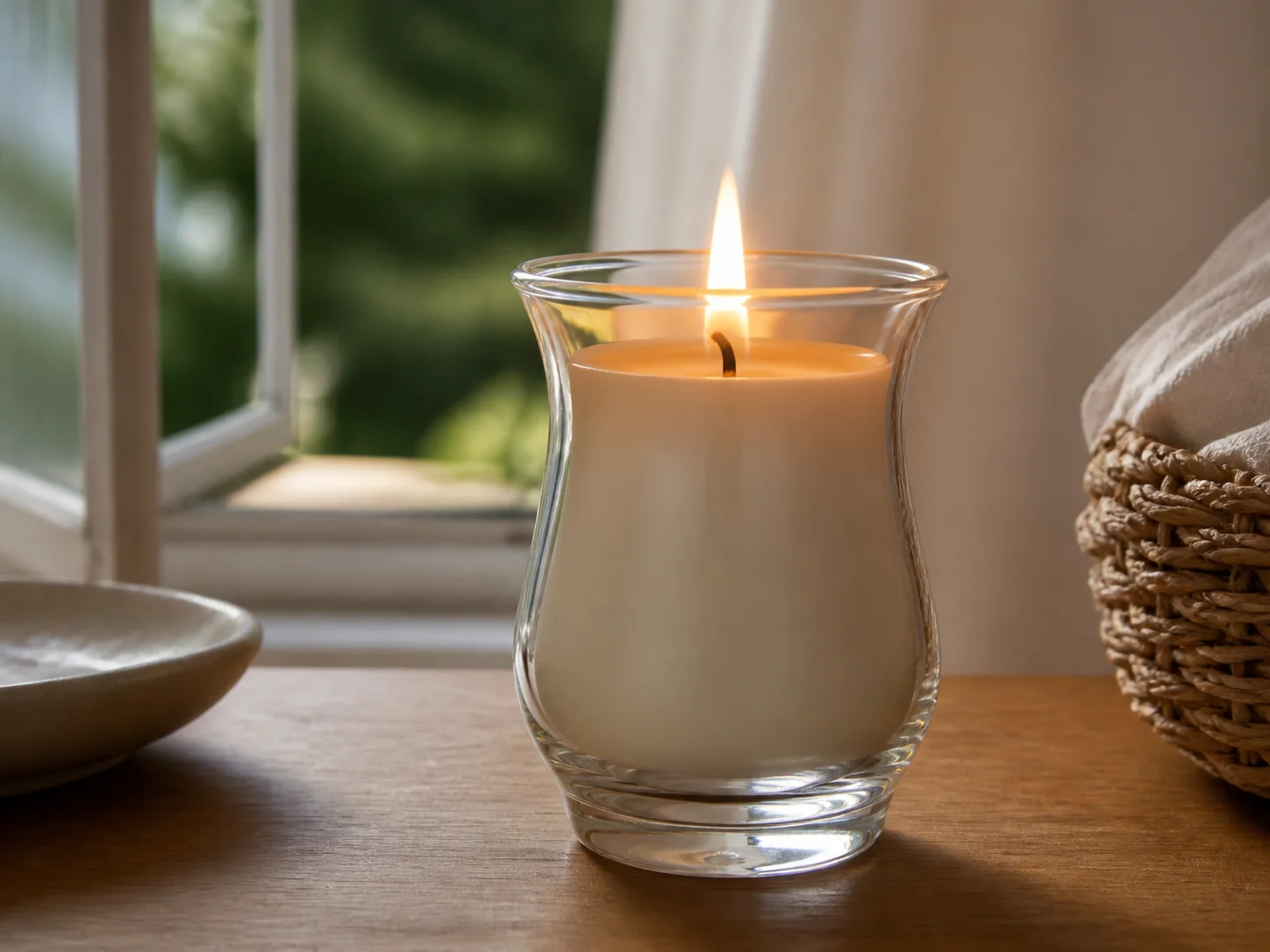
Tulip Candle Jar used for a flame that sits high in the glass in a open windows setting

Open windows

A flame that sits high in the glass

For candles lit in rooms with a window open or a fan running, where the widened mouth leaves the flame far less sheltered than a straight cylinder would. How high the flame stands, how the pool behaves at the narrow waist and how warm the rim gets are all settled on the finished candle, not the empty jar.

  • Check flame height against the rim
  • Watch the pool at the narrow waist
  • Measure rim temperature when burning
Tulip Candle Jar used for floral ranges and seasonal sets in a collections setting

Collections

Floral ranges and seasonal sets

Tulip profiles anchor ranges built on floral fragrance, where the vessel shape and the scent family reinforce each other. Sold in pairs or trios for a table, they need consistent proportions across sizes so the group reads as a designed set rather than as separate purchases.

  • Hold proportions across the sizes
  • Pair the form with floral fragrance
  • Review the set grouped on a table

Wax, fragrance, wick, fill, burning, safety and distribution requirements are confirmed for the selected program.

Common questions

Tulip Candle Jar questions

A flare reverses the usual wicking problem.

Where should we size the wick?

To the rim, because the first burn is the demanding one. With the widest diameter at the top, a wick that cannot reach the wall initially tunnels immediately and never recovers. As the pool descends into narrower glass the same wick becomes more than sufficient, so the end of the burn is checked for glass temperature rather than for reach.

Why does the scent seem to fade?

Because throw scales with the exposed melt surface and in a tulip that surface shrinks continuously as the candle burns down. A candle that fills a room when new can seem quiet when half gone with nothing wrong. It is more honest to describe that as a property of the shape than to chase it with fragrance load.

Are tulips less stable?

They need attention at the base, because flaring moves mass outward and upward while the footprint is the narrowest part of the vessel. A heavier base or wider foot compensates. Filled tipping tests on a slightly inclined surface are worth doing before committing, since the silhouette does not make the issue obvious.

Why do tulip jars chip so easily?

The flare takes the impact. A rim wider than the body means the most exposed part of the jar is also the thinnest and the first thing to meet a neighboring jar or a carton wall. Pack them so the flares never touch and check the rim after transit trials.

Next step

Send us the Tulip Candle Jar brief.

Tell us the product, fill volume, closure preference and destination market. We will come back with the matching drawings, available configurations and a sample plan before anything is quoted.

  • 01Send the briefProduct, volume, closure and market
  • 02Get the optionsMatching drawings and configurations
  • 03Approve the sampleConfirm the pack before production