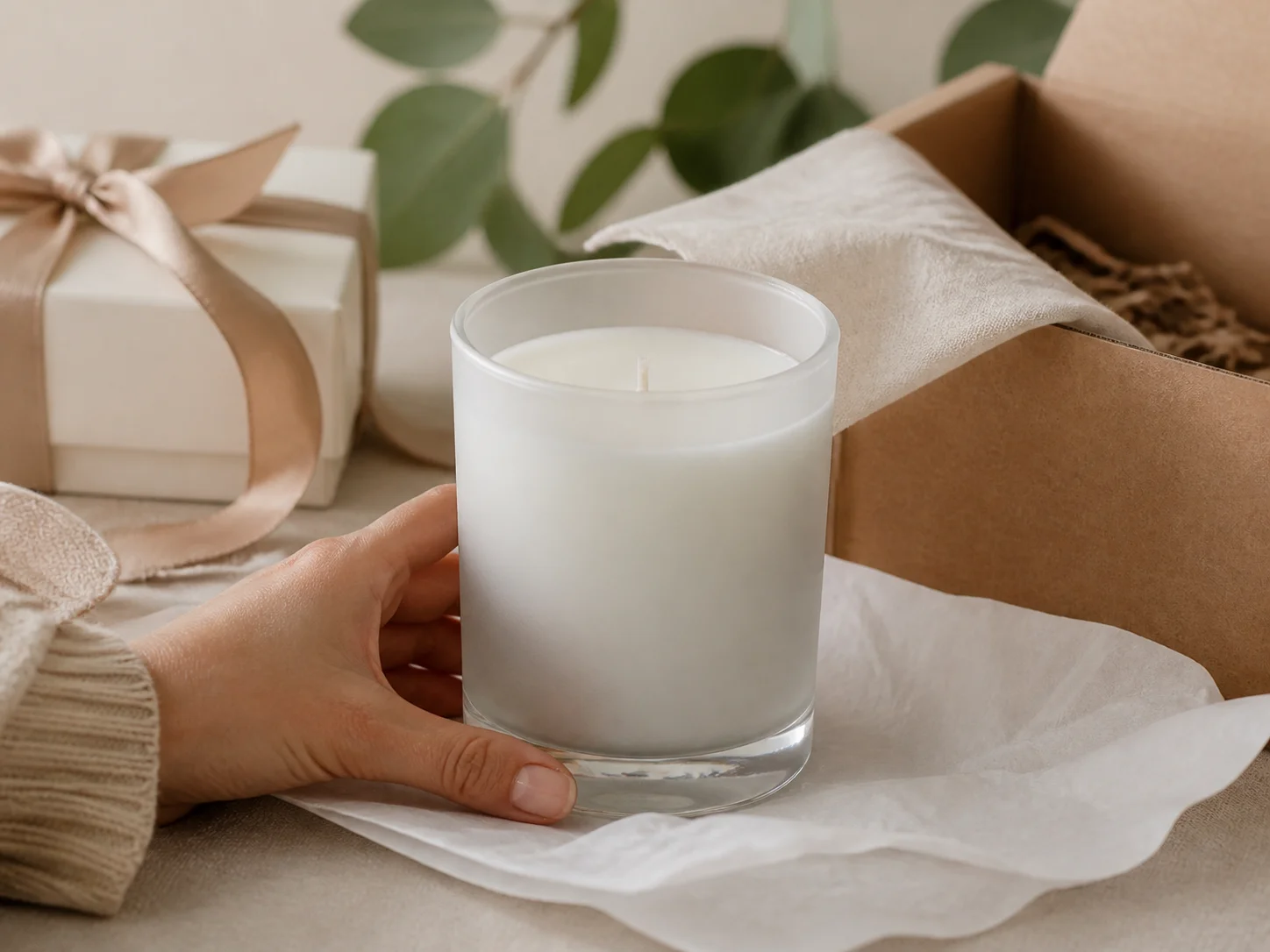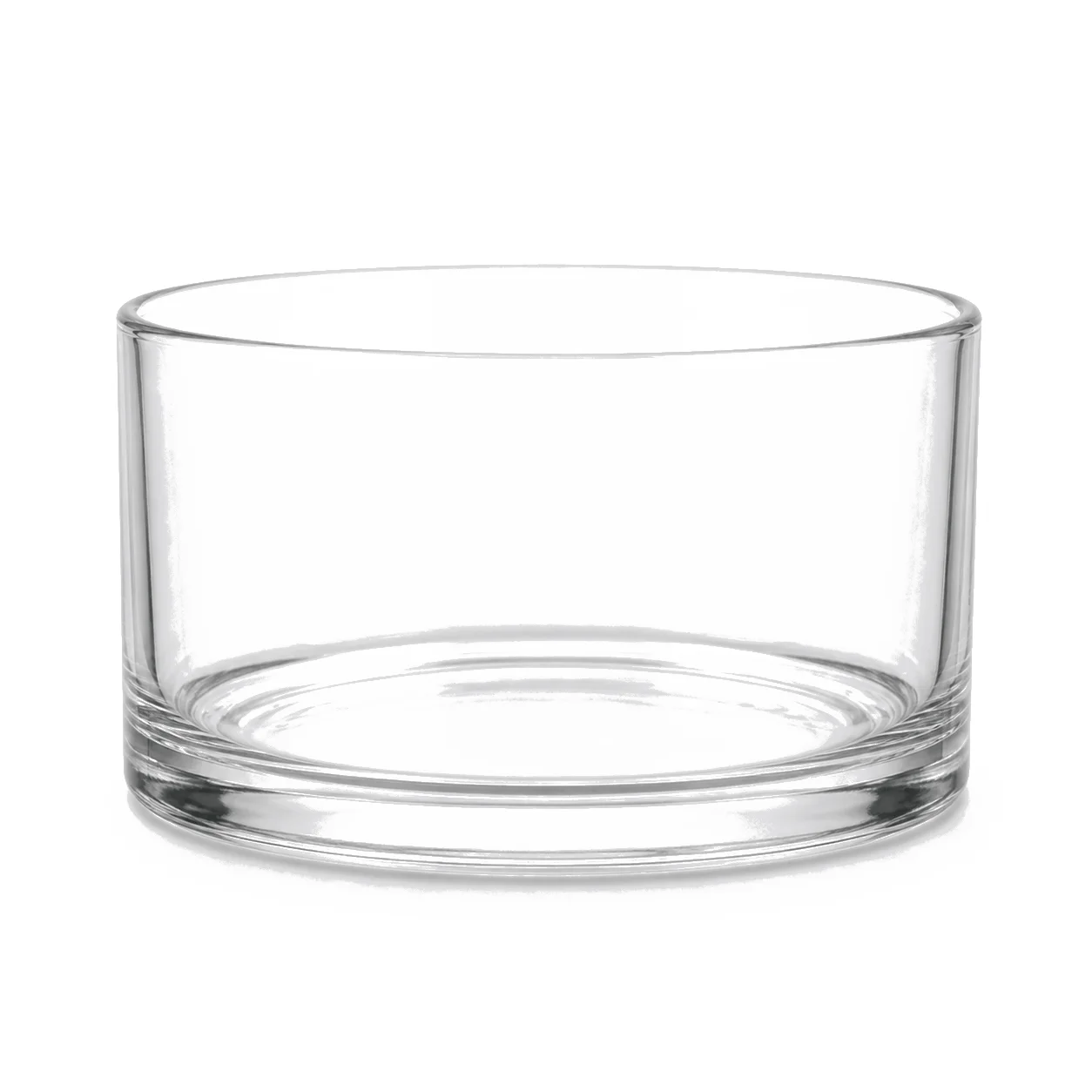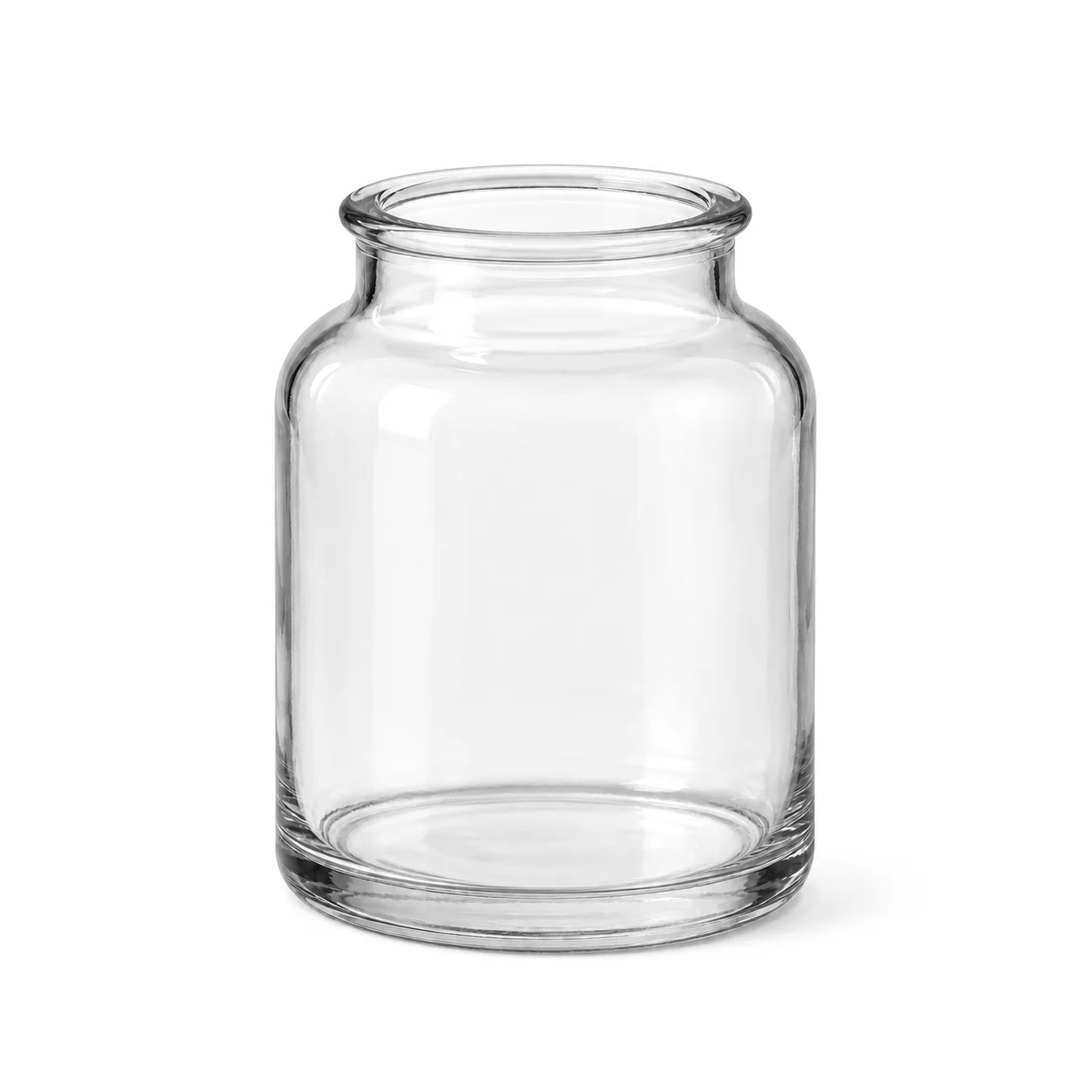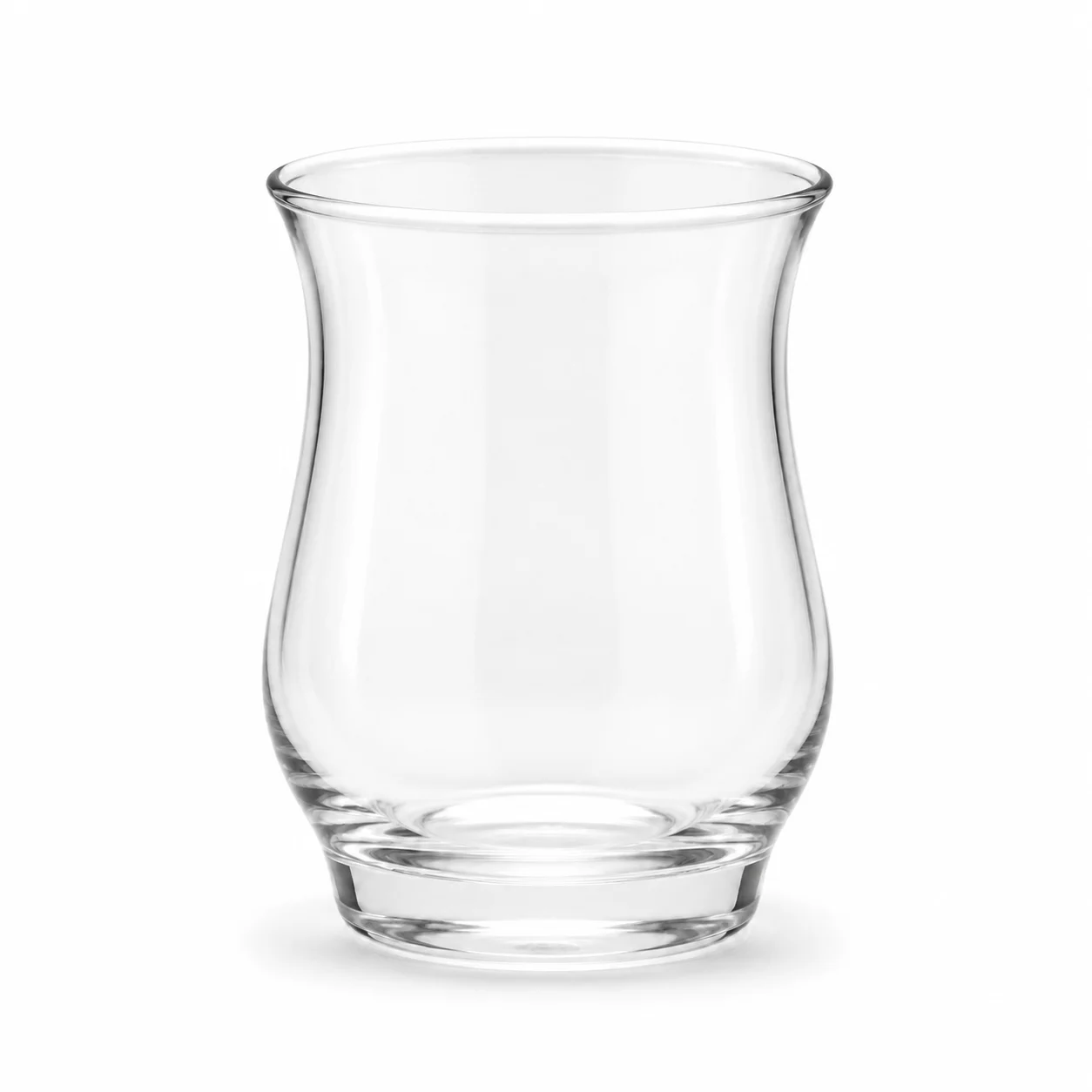
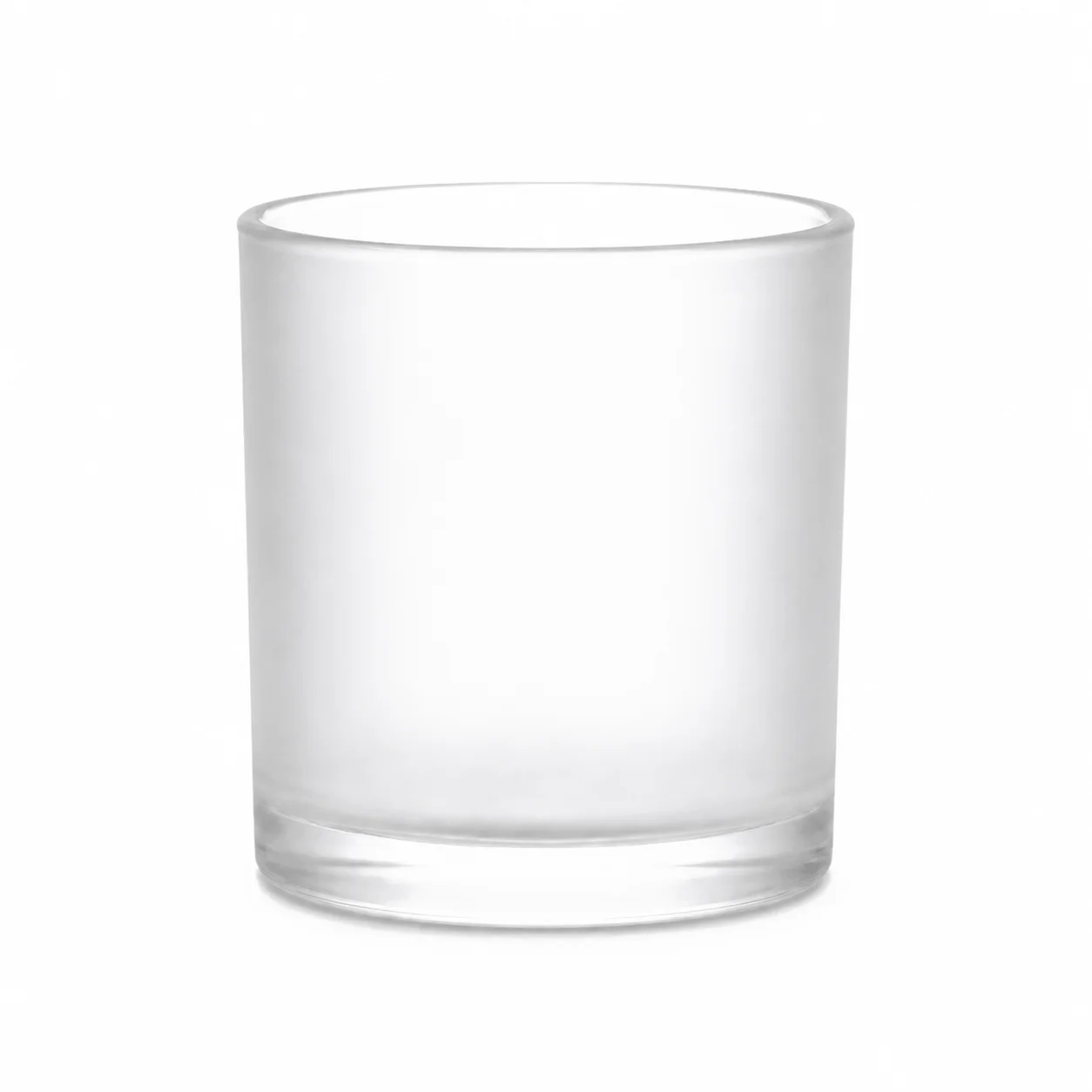
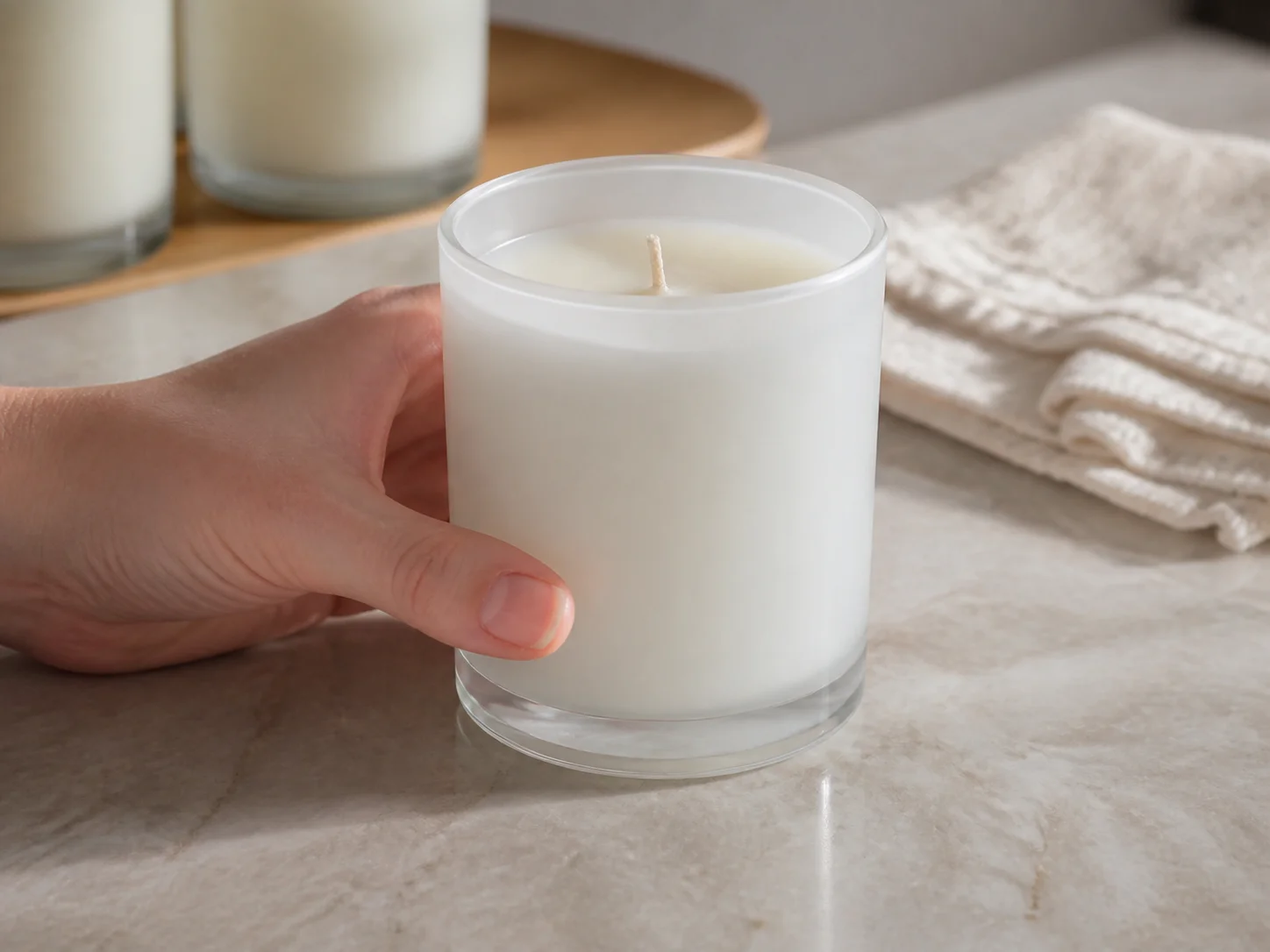
Cylindrical candle jar with a uniform white frosted surface and a plain rim
Shown configuration · empty jar / wax, wick, lid and label not shown

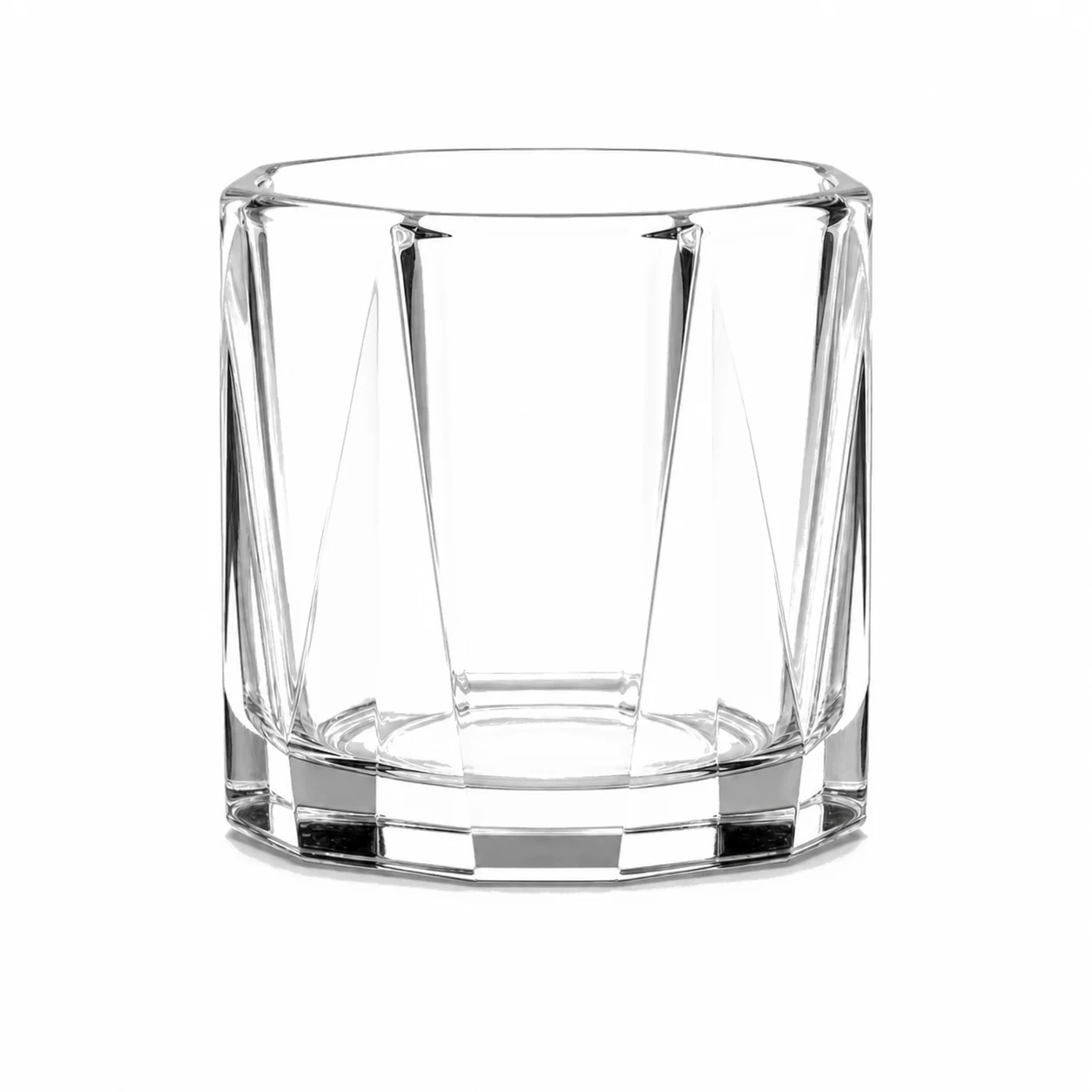
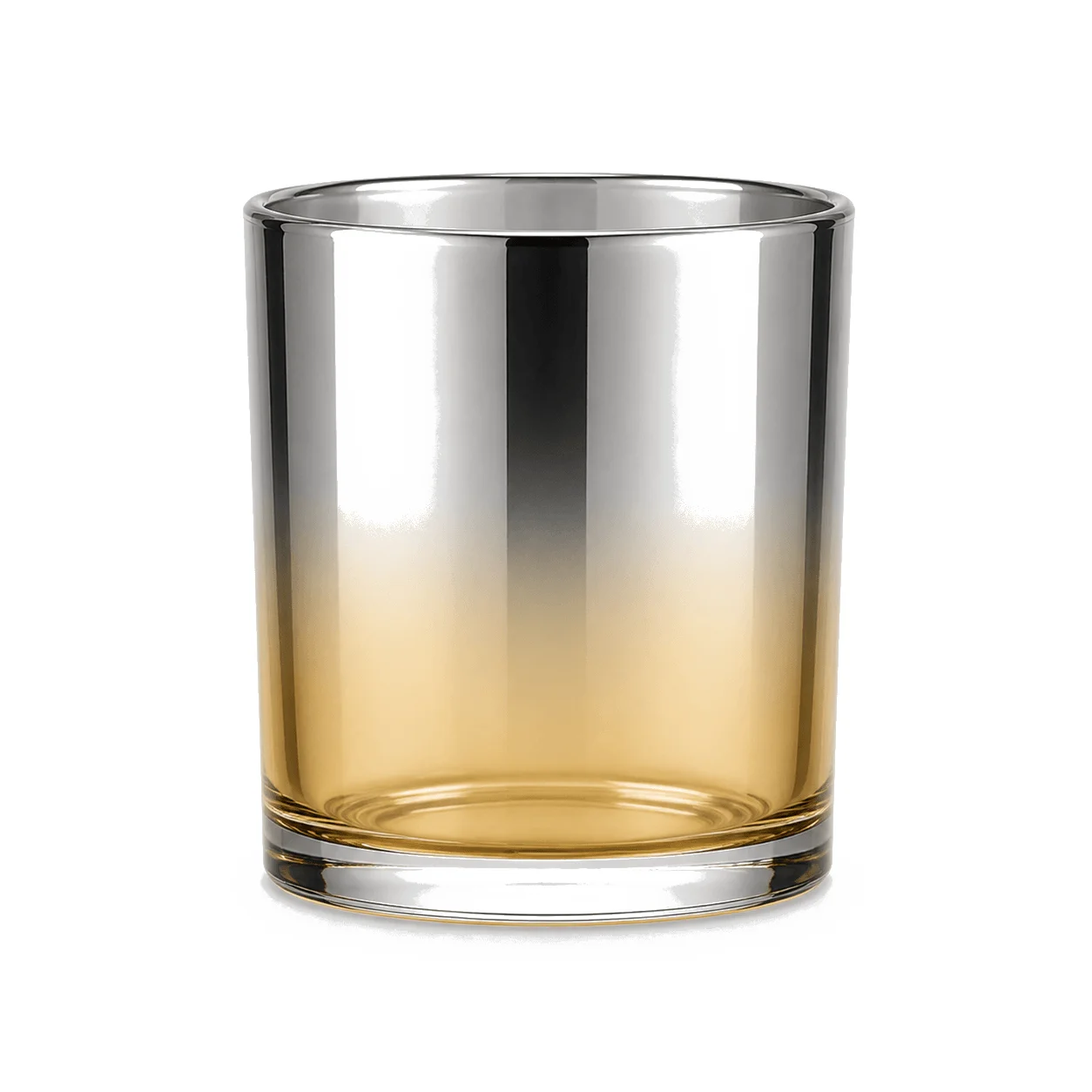
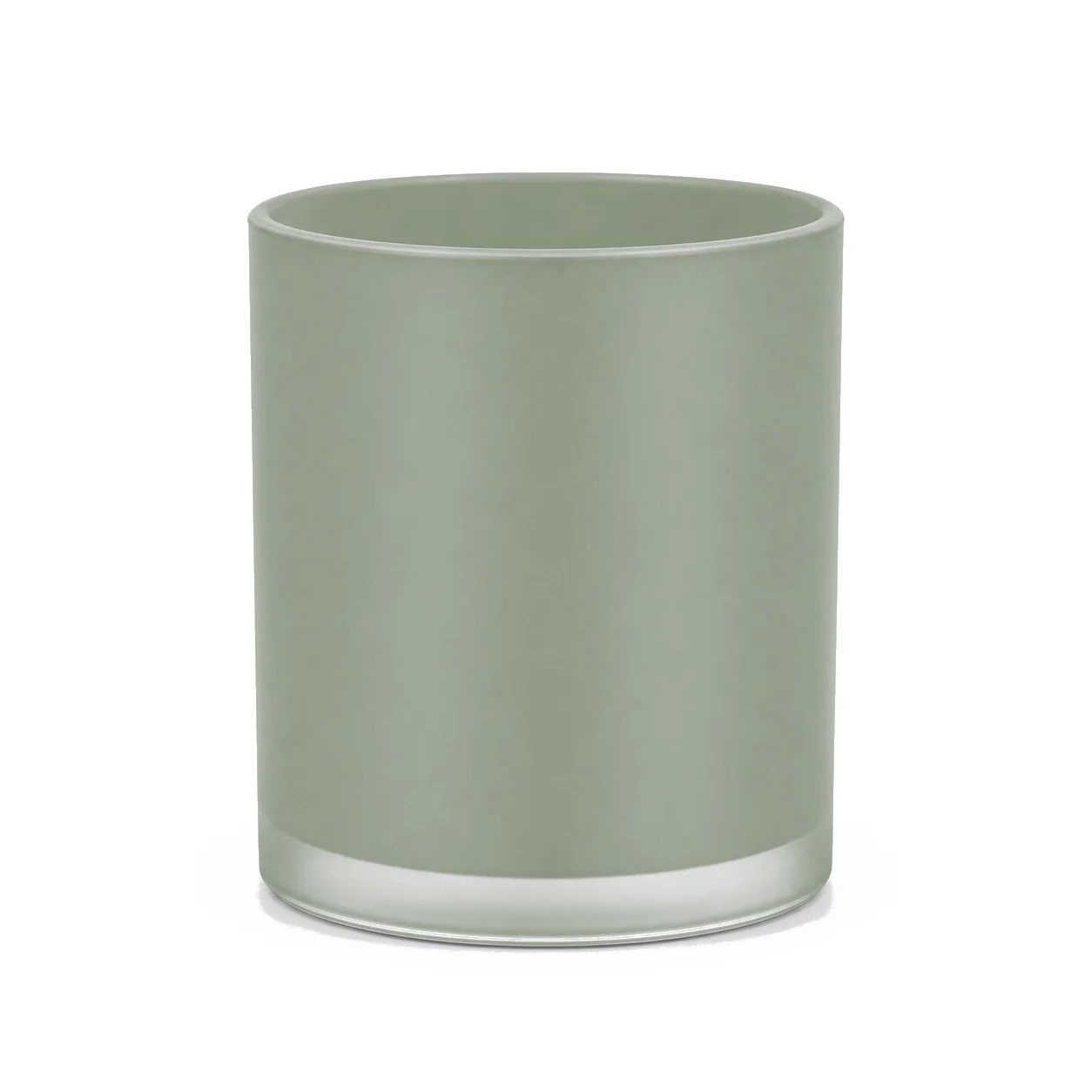
Decorated candle vessels

Frosted Candle Jar

A frosted candle jar, produced either by acid etching the glass itself or by a sprayed coating, with very different consequences once a flame is burning inside it.

Etched or sprayed frostCoatings must survive heatGlow changes with method
Stock status
In stock
Lead time
2–3 weeks
FOB price / pc
$0.55 - $0.95
MOQ
5,000 pcs

Final availability, dimensions, materials, assembled components and commercial terms are confirmed against the selected drawing and approved sample.

Two processes, one look

Etch is permanent, spray is a layer

Heat tests the coating

Adhesion is checked while burning

Light diffuses differently

Etch glows evenly, spray can mottle

Frosted Candle Jar profile

Two ways to make glass look the same, and only one of them is still glass.

Etching versus coating, thermal behavior & appearance

Five differences that only appear once the candle is lit.

Frosting can be an acid etch that removes a microscopic layer of the glass surface, or a sprayed coating applied over it. In a cold container the difference barely matters. In a candle it decides whether the finish can discolor, blister or lift when the wall reaches working temperature, and whether the lit candle glows evenly or in patches.

01

Etching modifies the glass; spraying adds a material

An acid etch removes a thin surface layer and leaves a diffusing texture in the glass itself, so there is nothing to peel and nothing to change color. A sprayed coating is a separate polymer or ceramic layer whose behavior at temperature has to be established. That distinction is the whole basis of choosing between them for a candle.

02

The coating is tested on a burning candle, not in an oven

A finish that survives an oven soak can still fail against a candle, because a burning vessel has a gradient — hot at the wax line, cooler above and below — and the finish has to tolerate the boundary as well as the peak. Fire safety work for candles includes coatings among the things assessed, and the honest test is a full burn.

03

Frost changes how the flame reads

An etched wall diffuses the flame into an even glow, which is much of why frosted candles sell. A sprayed coating diffuses differently, and any variation in film thickness shows as brightness variation when lit — mottling that is invisible on the shelf and obvious in a dark room, which is where the customer actually looks at it.

04

Fingerprints behave differently on the two finishes

Etched surfaces are microscopically rough and hold oil from handling, which shows as darker patches until it is cleaned. Sprayed coatings are usually smoother and hide it better but scuff more easily in transit. Neither is superior; the choice follows whether the candle is handled in a store or shipped in a printed carton.

05

Decoration order affects what can be printed

Screen printing or a metallic band applied over an etch adheres to a rough surface and usually holds well; applied over a sprayed coating it depends on the coating's own adhesion, so the whole stack can lift together. Where a design combines frosting and print, the sequence and compatibility are agreed before artwork is finalized.

06

Frosting hides fill level, which changes how the customer judges value

A clear jar shows exactly how much wax was poured; a frosted one does not. That removes a comparison customers make on the shelf and shifts the burden onto the stated fill weight, which is worth putting somewhere legible rather than only in the small print.
Application guide

Frosting turns the whole vessel into a lampshade.

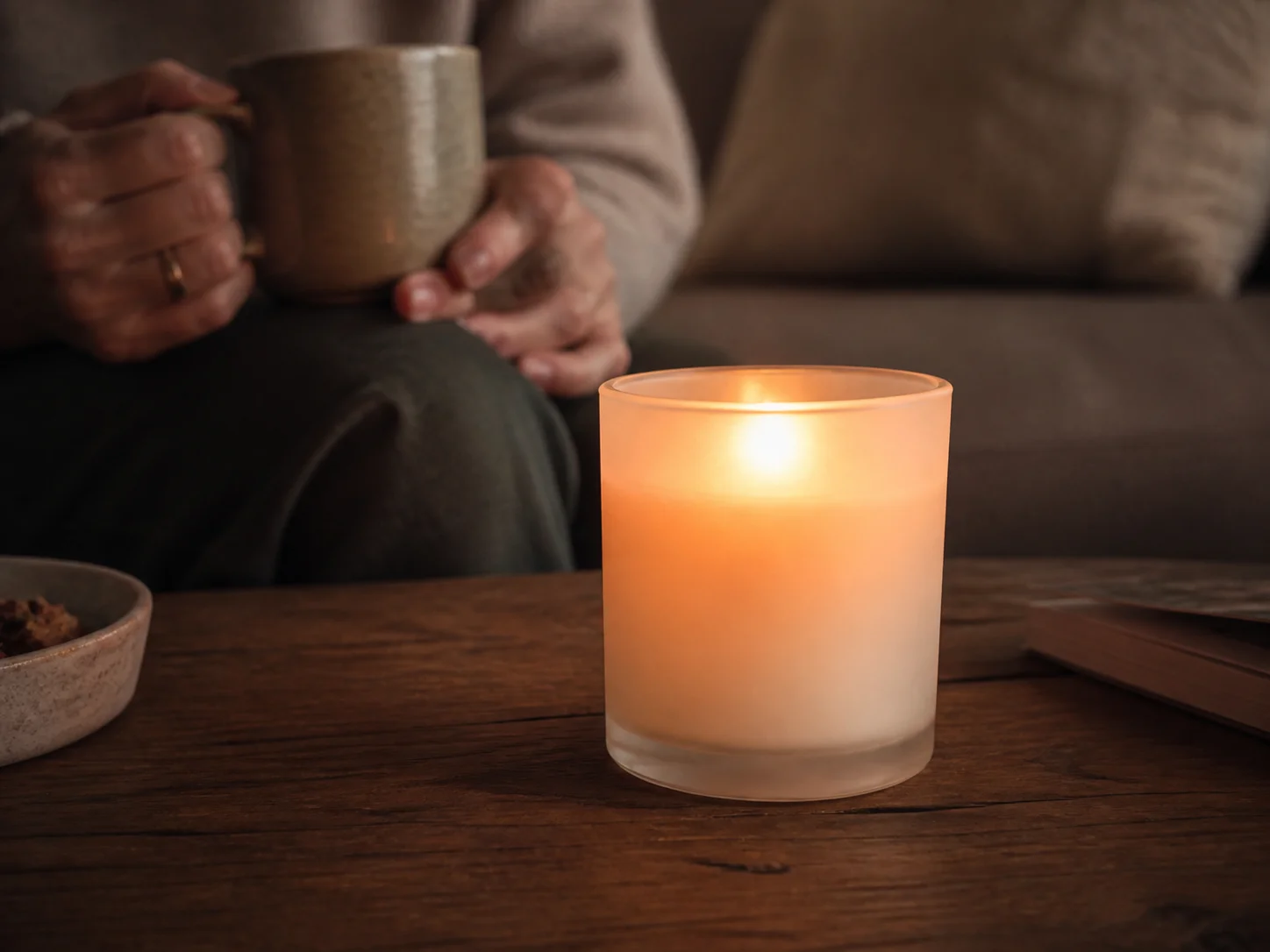
An etched surface scatters the flame instead of transmitting it, so a frosted candle glows across its full height rather than throwing a point of light. That is the reason to choose it, and it only shows once the candle is lit. These are development directions confirmed by burn testing.

Frosted Candle Jar used for candles lit for atmosphere in a ambient light setting

Ambient light

Candles lit for atmosphere

For a candle whose job is to soften a room in the evening rather than to be looked at directly. The frosted wall diffuses the flame so the entire vessel glows, and that effect is what the customer is buying, so judge it lit in a dim room rather than as a cold sample on a bench.

  • Assess the glow lit, in a dim room
  • Confirm the etch is even all round
  • Check the flame is not visible as a point
Frosted Candle Jar used for hiding the imperfections clear glass shows in a concealing the wax setting

Concealing the wax

Hiding the imperfections clear glass shows

Frosting obscures the wet spots, frosting marks and shrinkage lines that appear where wax pulls away from clear glass, which widens the range of waxes and pour temperatures a program can use. That tolerance is a practical production benefit as much as a visual one.

  • Confirm which wax defects are hidden
  • Widen the pour temperature window
  • Compare against a clear control
Frosted Candle Jar used for neutral collections and gifting in a soft ranges setting

Soft ranges

Neutral collections and gifting

Soft white frosting suits ranges built on calm, neutral positioning and photographs well against pale props, which matters where most discovery happens on a screen. Because etched surfaces mark with fingerprints and oils, handling on a counter deserves checking before the finish is fixed.

  • Check fingerprint marking on etch
  • Photograph a sample before approval
  • Match the finish to a neutral range

Surface process, wax, fragrance, wick, fill, burning, safety and distribution requirements are confirmed for the selected program.

Common questions

Frosted Candle Jar questions

Etched or sprayed is the decision. These questions are what follows from it.

Is etched frosting better than sprayed?

For a candle, usually. An acid etch removes a thin layer of the glass and leaves a diffusing texture in the glass itself, so there is nothing to peel or discolor. A sprayed coating is a separate layer whose behavior at candle temperatures has to be established. Sprayed frost can still be right where color or cost decides it.

How should a coating be tested?

By burning a filled candle to the base, not by soaking a jar in an oven. A burning vessel has a gradient — hottest at the wax line, cooler above and below — and the finish has to tolerate that boundary as well as the peak temperature. Fire safety work for candles includes coatings among the things assessed for good reason.

Why do our frosted candles look patchy when lit?

Film thickness variation in a sprayed coating. Any unevenness shows as brightness variation once there is a flame behind it, and that is invisible on a lit shop shelf and obvious in a dark room, which is where the customer looks at it. An etched wall diffuses evenly because there is no film to vary.

Which finish handles better in retail?

It depends on where the handling happens. Etched surfaces are microscopically rough and hold oil from fingers, showing darker patches until cleaned. Sprayed coatings are smoother and hide fingerprints but scuff more in transit. Choose by whether the candle is picked up in a store or shipped inside a printed carton.

What does frosting cost us in how the product is judged?

The fill level. A frosted jar hides how much wax is left, so a customer cannot see value at the point of sale or judge when to replace it. That is a positioning choice rather than a defect, but it should be made knowingly.

Next step

Send us the Frosted Candle Jar brief.

Tell us the product, fill volume, closure preference and destination market. We will come back with the matching drawings, available configurations and a sample plan before anything is quoted.

  • 01Send the briefProduct, volume, closure and market
  • 02Get the optionsMatching drawings and configurations
  • 03Approve the sampleConfirm the pack before production