Color control, matte surfaces & coating durability
Six things to settle before a sprayed color goes into a range.
Spraying color onto glass gives a brand exact control of a shade that pot-colored glass cannot, at a per-unit cost that continues forever. The three things that decide whether it works are how closely the color can be matched and held between batches, how the matte surface behaves in handling, and whether the coating survives a burning candle.
Color matching is agreed on glass, not on paper
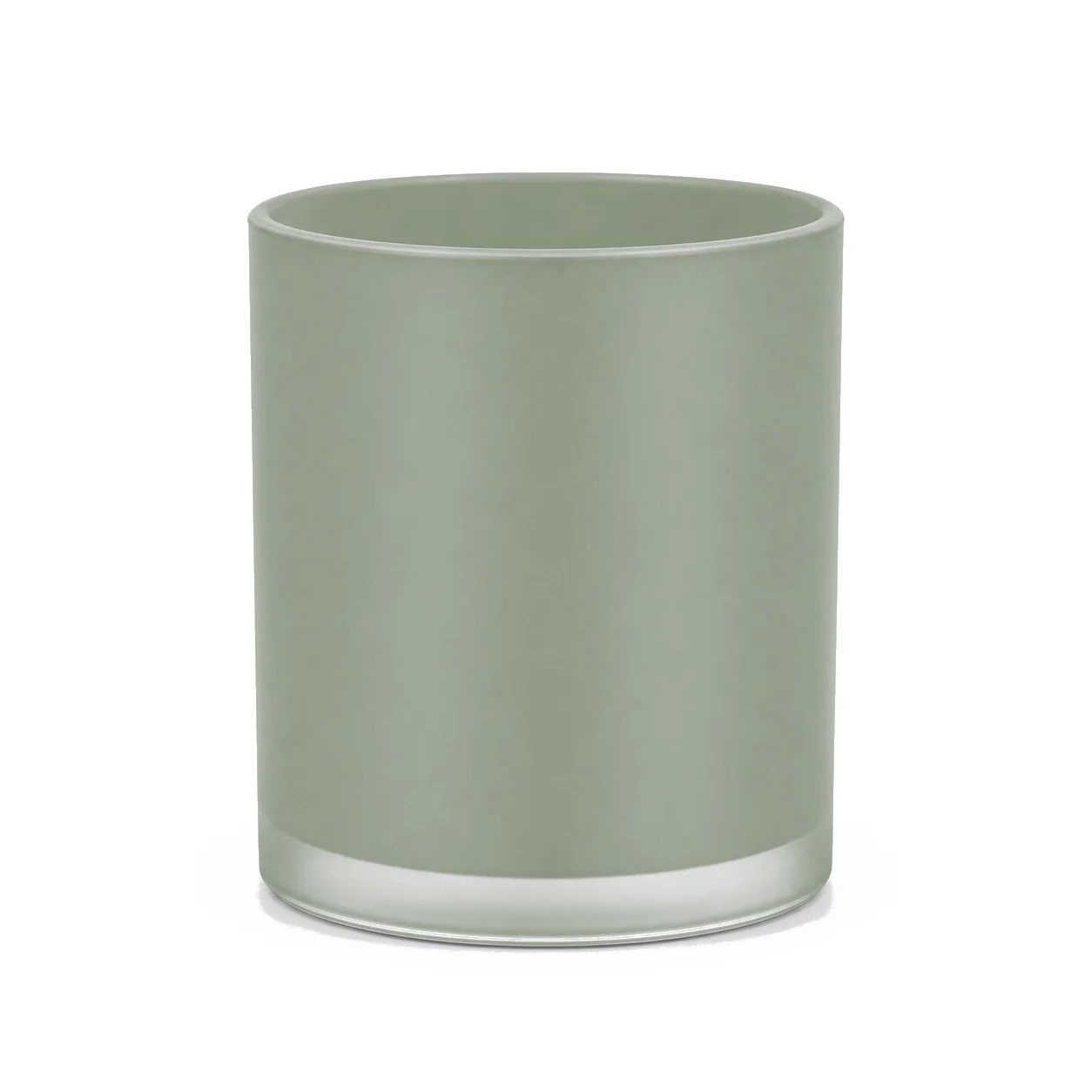
A shade approved from a printed swatch or a screen looks different sprayed onto curved glass with a light source behind it. Approval samples are sprayed jars, viewed under the lighting the product will sell in, and a tolerance is agreed as a pair of limit samples. Anything less produces a dispute at the first production run.
Matte and gloss age in opposite ways
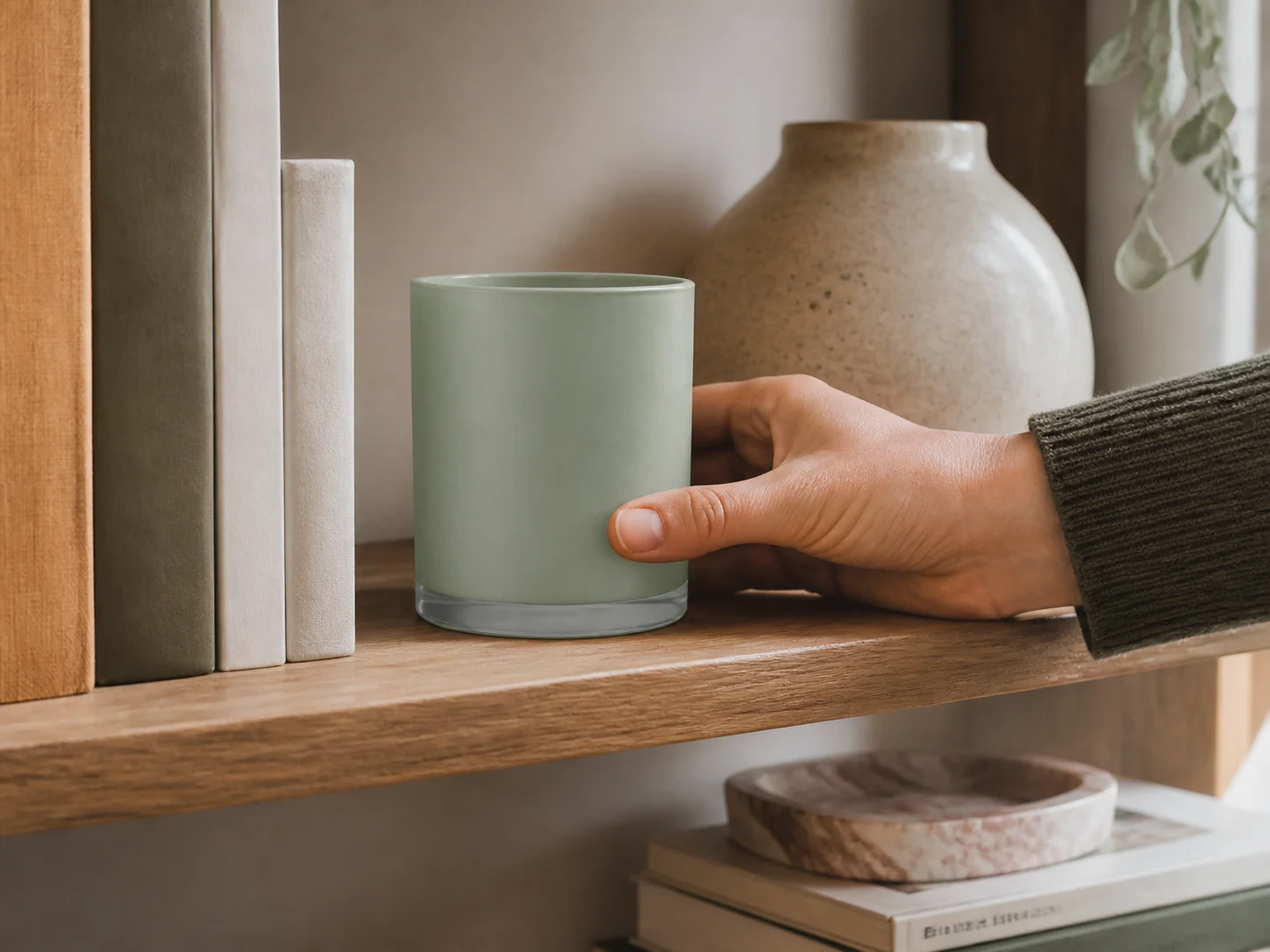
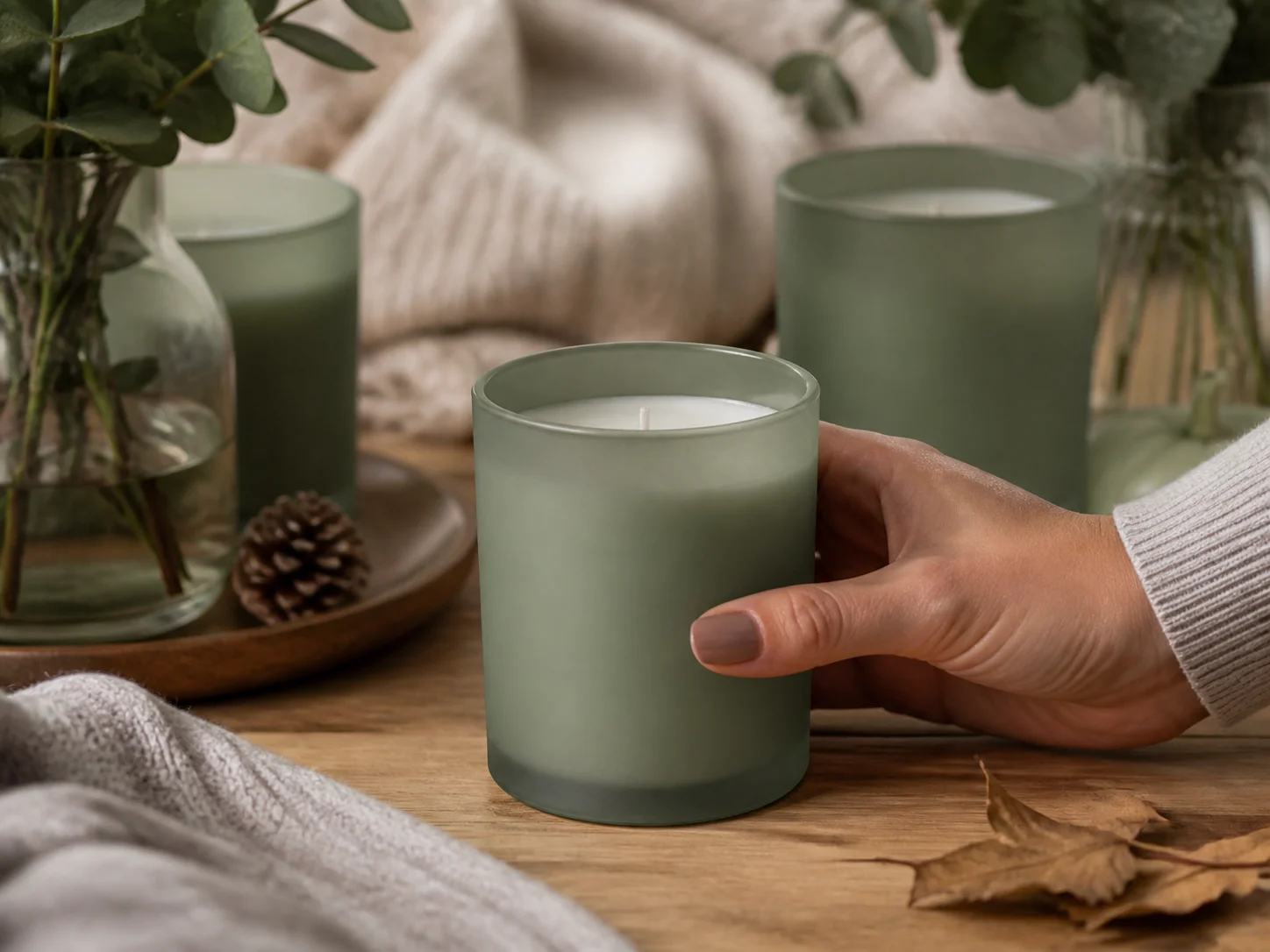
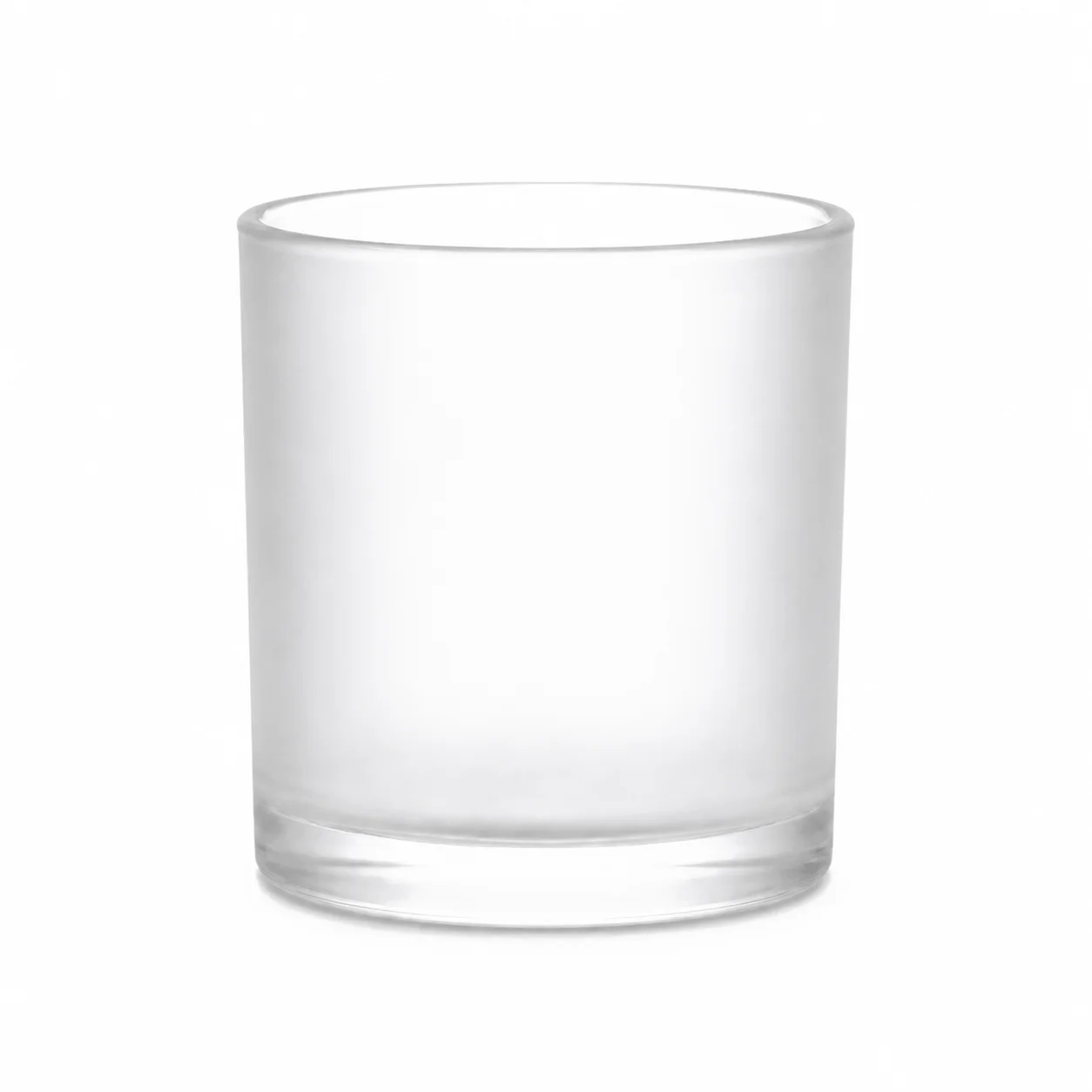
A matte surface hides fingerprints and scatters light attractively, and it scuffs to a shinier mark that is very visible. Gloss shows prints and hides scuffs. Neither is more durable in general, so the choice follows whether the jars are handled bare in a store or shipped in printed cartons and unboxed at home.
Coverage is where cheap spraying shows
Thin or uneven coverage reveals itself as translucency at the shoulder and around the base radius, exactly where the film has to stretch over a curve. Holding a sprayed jar against a bright light shows it immediately, and it is a five-second incoming check that catches a batch before it reaches a filling line.
Opacity removes the fill level and changes the product
A customer cannot see how much wax is left, which changes how the candle is used and how its end of life is judged. Some brands turn that into a feature with a stated burn time; others leave a clear window or an uncoated base. Deciding consciously is better than discovering the complaint after launch.
The coating is tested by burning, at the wax line
A sprayed film has to hold at the temperature the glass reaches while the melt pool passes it, and that boundary travels down the jar over the burn. Candle fire safety work includes coatings among the things assessed. Burning filled samples to the base and inspecting the finish is the only test that reflects real use.
Matte hides fingerprints and shows abrasion
The opposite trade to a gloss finish: a matte surface conceals the marks that handling leaves but takes a permanent shine where it rubs against a shelf or another jar. Packing and shelf placement matter more on this finish than on any other in the range.