Canning glass, shoulder geometry & threaded finishes
Six things to check before using a preserve jar as a candle.
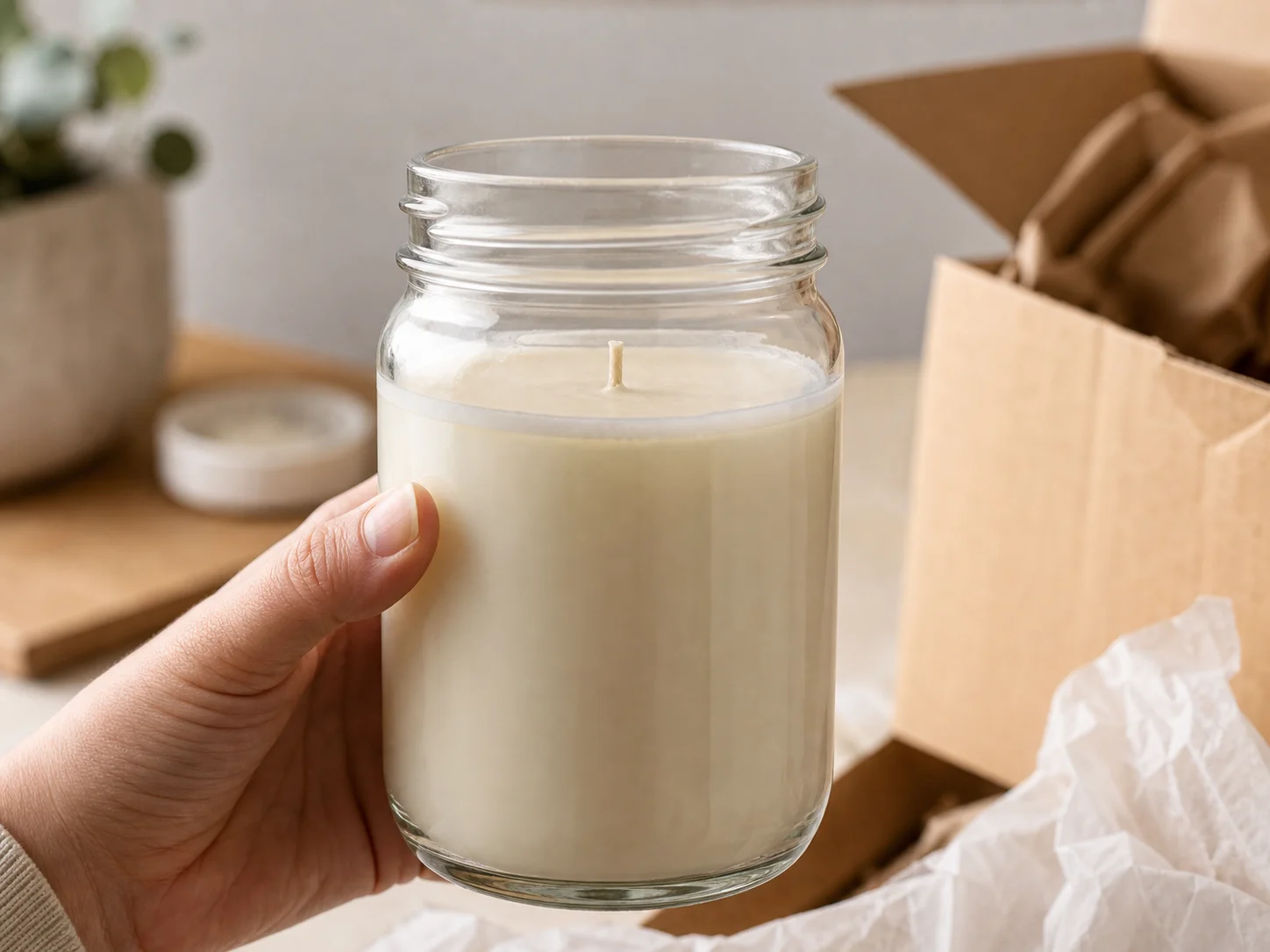
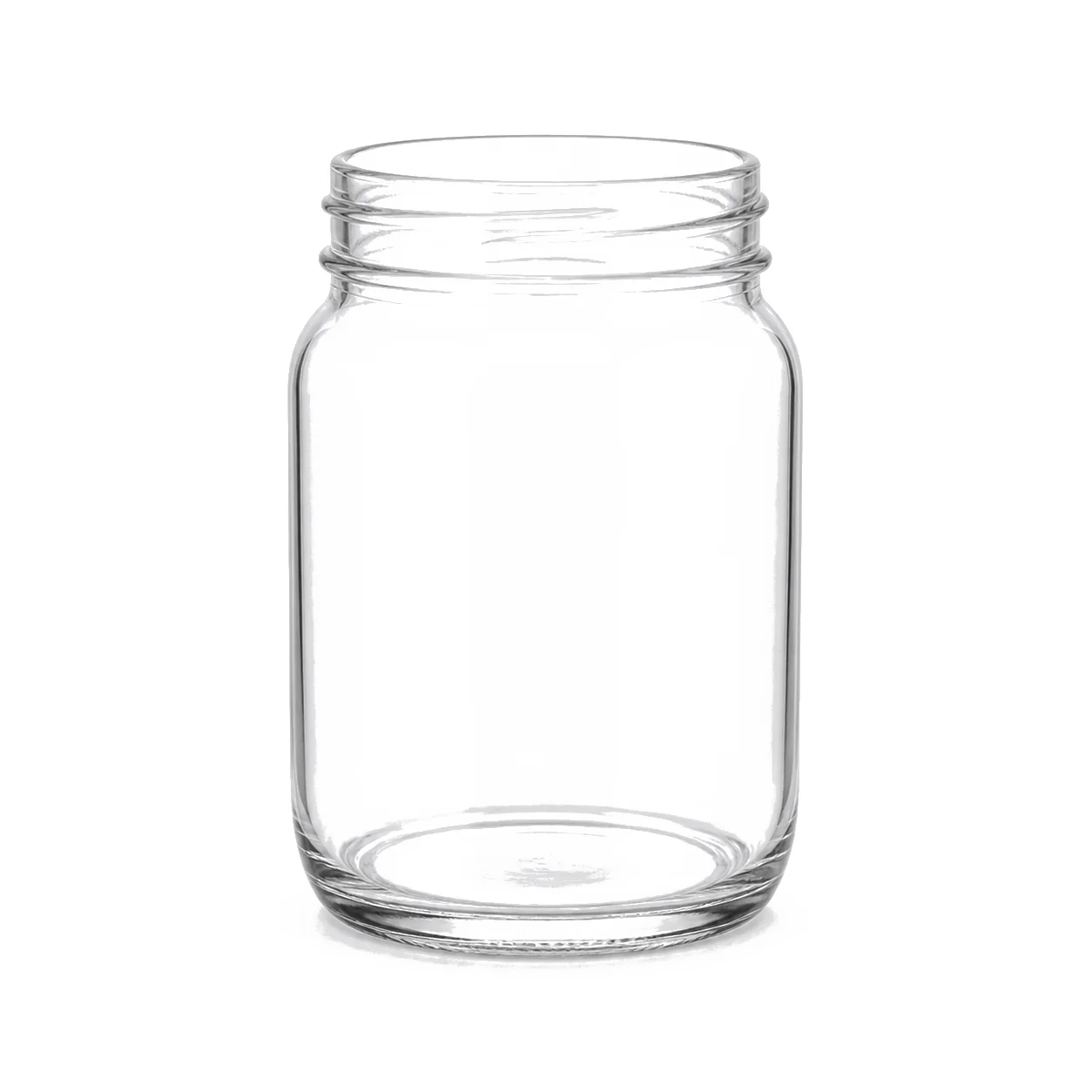
Mason jars became candle vessels because they are cheap, familiar and take a screw lid, which lets a maker ship a sealed candle without a separate closure program. What comes with them is a shoulder the melt pool struggles to clear, a threaded rim that complicates lids and labels, and a glass specification written for a completely different duty.
Confirm what the glass was made for
Candle containers have their own specification covering annealing, thermal shock and residual stress, and a jar produced to a canning specification is made for a different set of conditions. Both may be perfectly good glass; they are not the same qualification. The question to put to a supplier is which specification this jar was produced to.
The shoulder decides the fill line
A mason jar narrows above the body, and wax poured into that shoulder sits where the flame cannot reach it. Filling to just below the shoulder is the standard answer, which gives away capacity but produces a candle that burns clean. Filling to the thread and hoping is the reason so many mason candles leave a wax ring.
A threaded rim was made for a lid, not for a label
The thread is genuinely useful — a screw lid gives a sealed pack for scent retention and shipping without any separate closure development. It is also an awkward upper boundary for a label, and any decoration has to stop cleanly below it. Designing the label to the shoulder rather than the rim is what makes these candles look intentional.
The lid is a sealing lid, not a candle lid
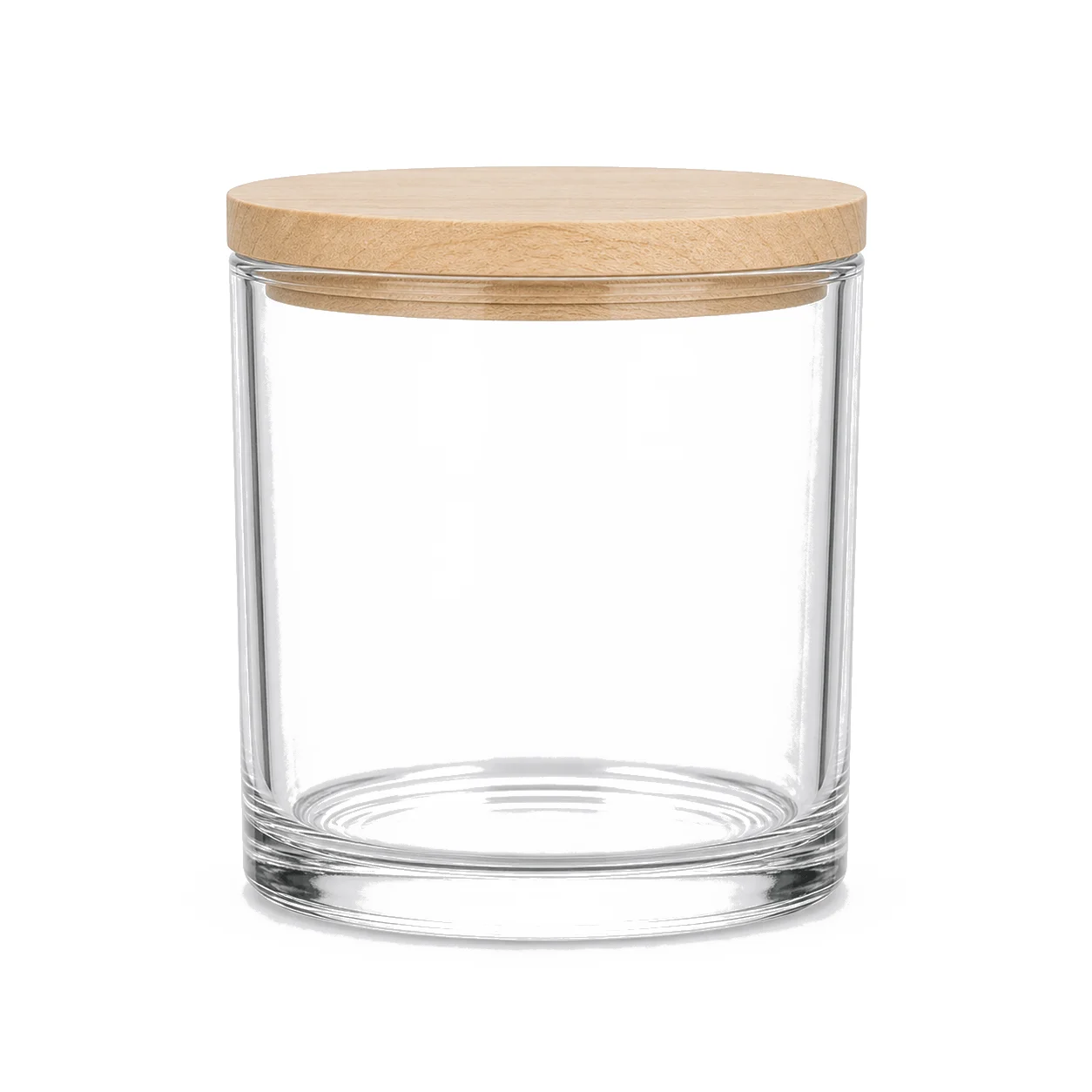
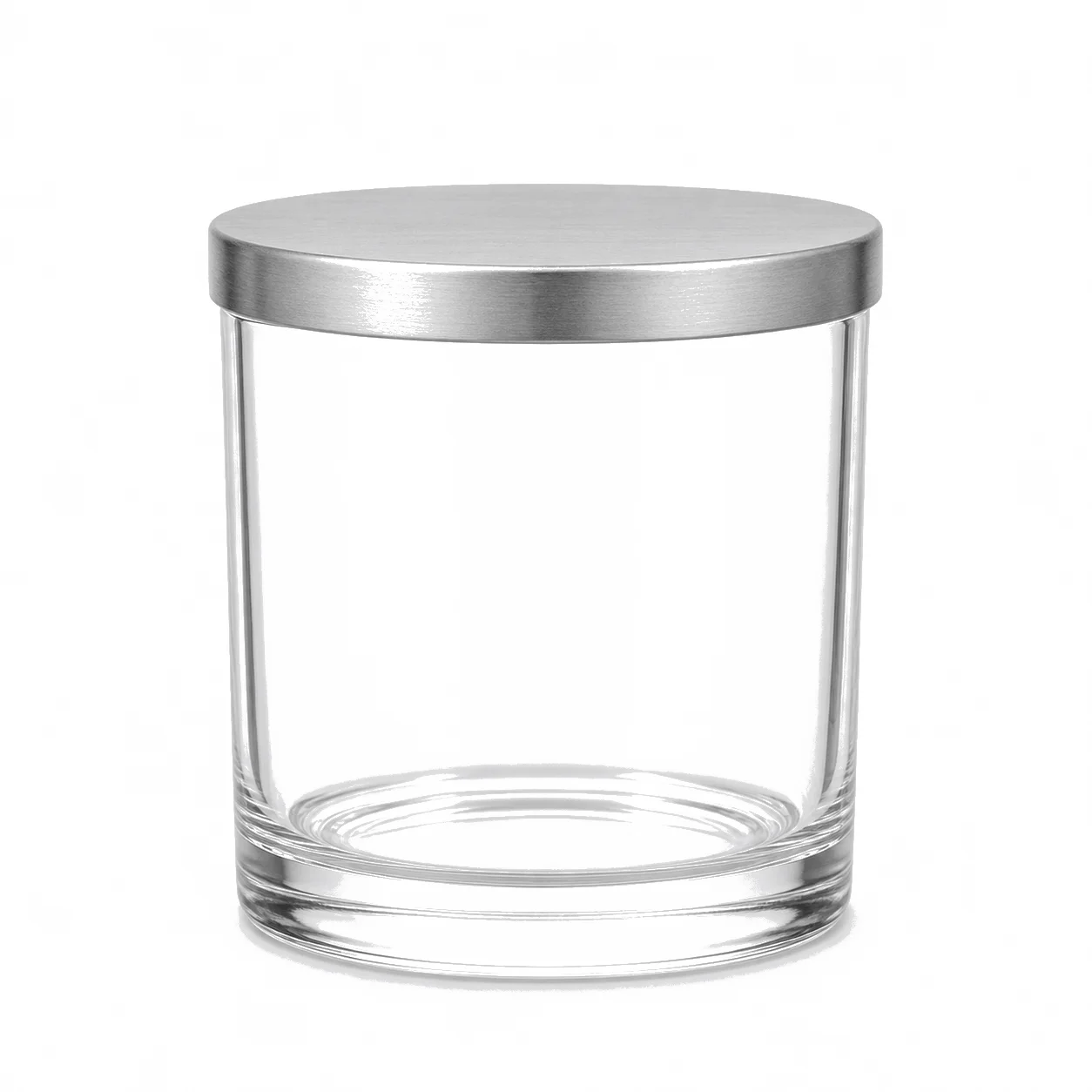
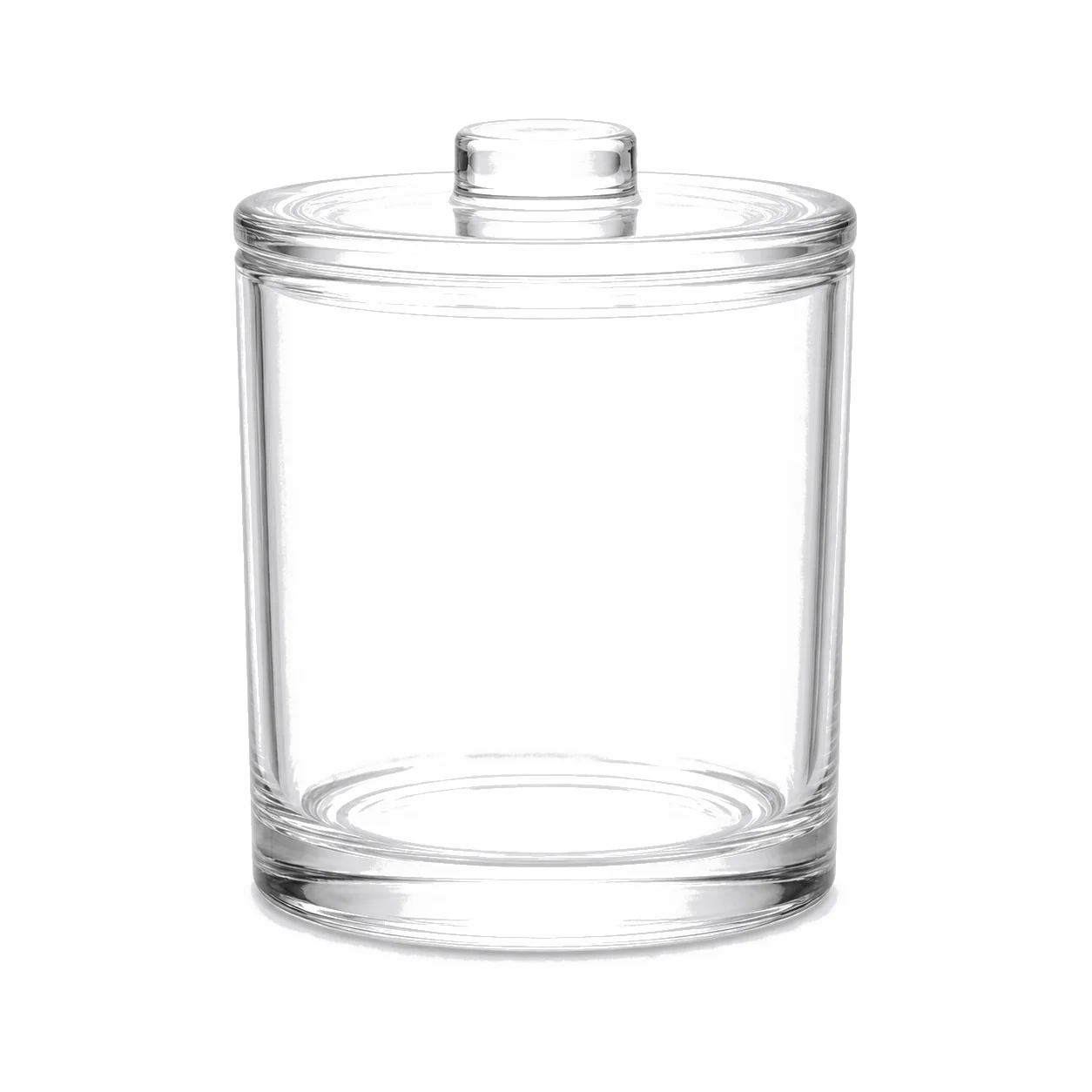
Two-piece canning lids seal against a rim with a compound designed for vacuum preserving, and they are not made to be opened and closed daily or to look good doing it. Most candle programs move to a single-piece lined lid or a decorative alternative, and doing that from the start avoids shipping a candle with a rusting flat.
The familiarity is the reason and it cuts both ways
A mason jar is instantly readable as homemade, rustic and generous, which is exactly what many candle brands want. It is also the most common candle vessel in existence, so it does nothing to distinguish one brand from another, and decoration has to carry all of it.
The embossed measurement marks stay visible through wax and read oddly
Jars made for preserving carry volume graduations that were never intended to sit behind a candle, and customers notice them. Either they become part of the intended look or a plain-walled equivalent is specified, but they should not be a surprise at first sample.