Cup fit, thermal path & reuse
Six ways a holder differs from a poured candle vessel.
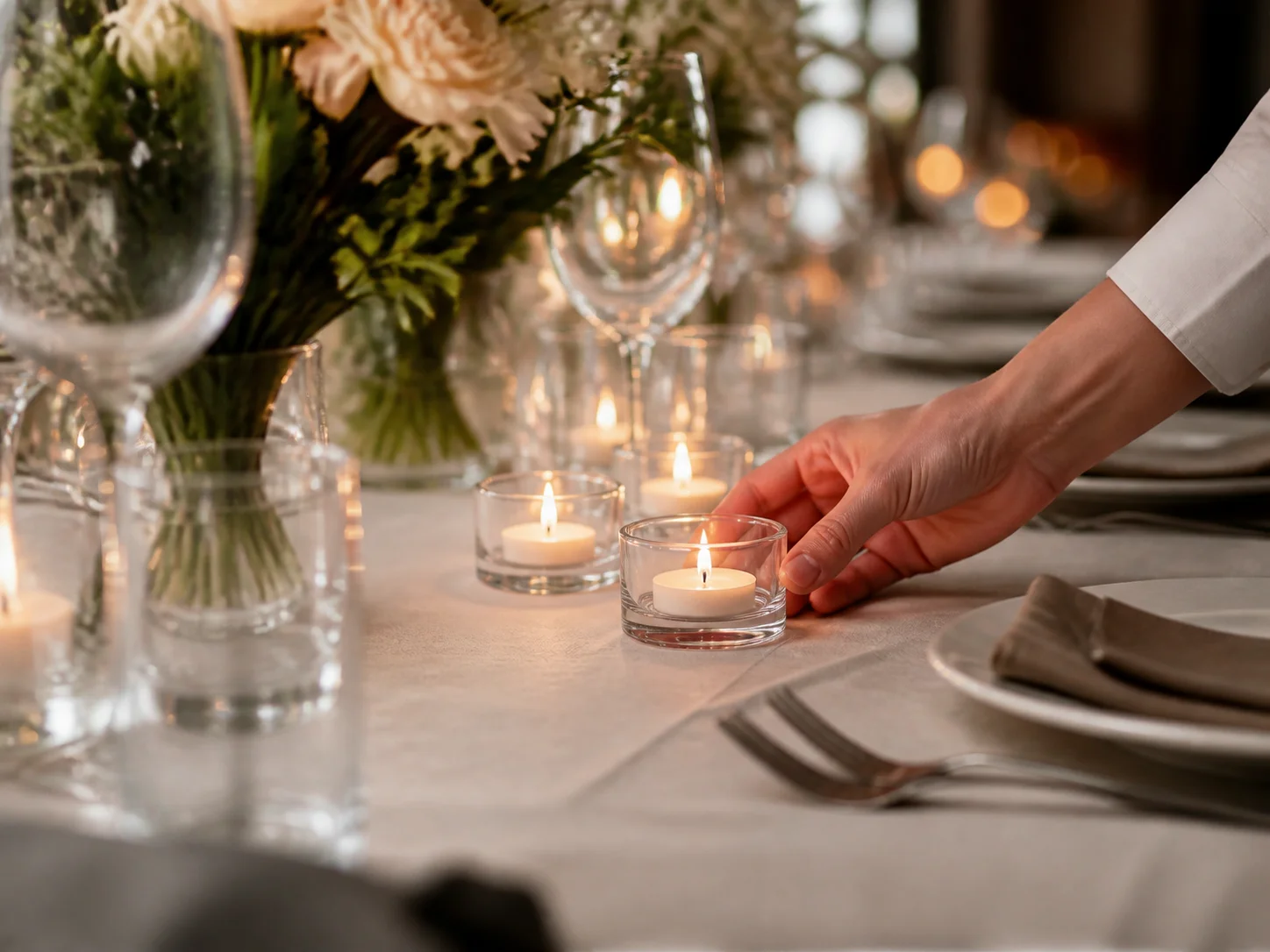
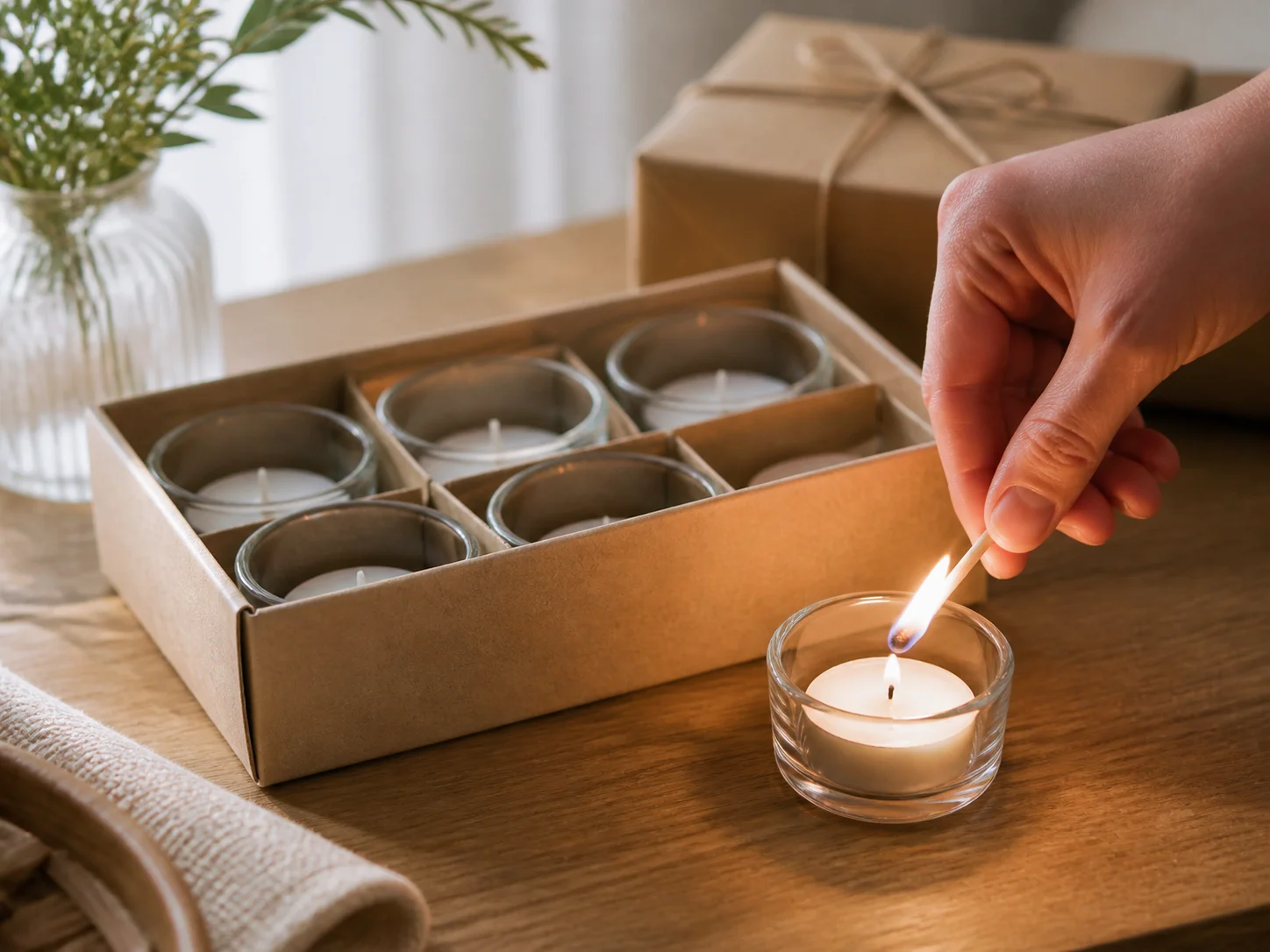
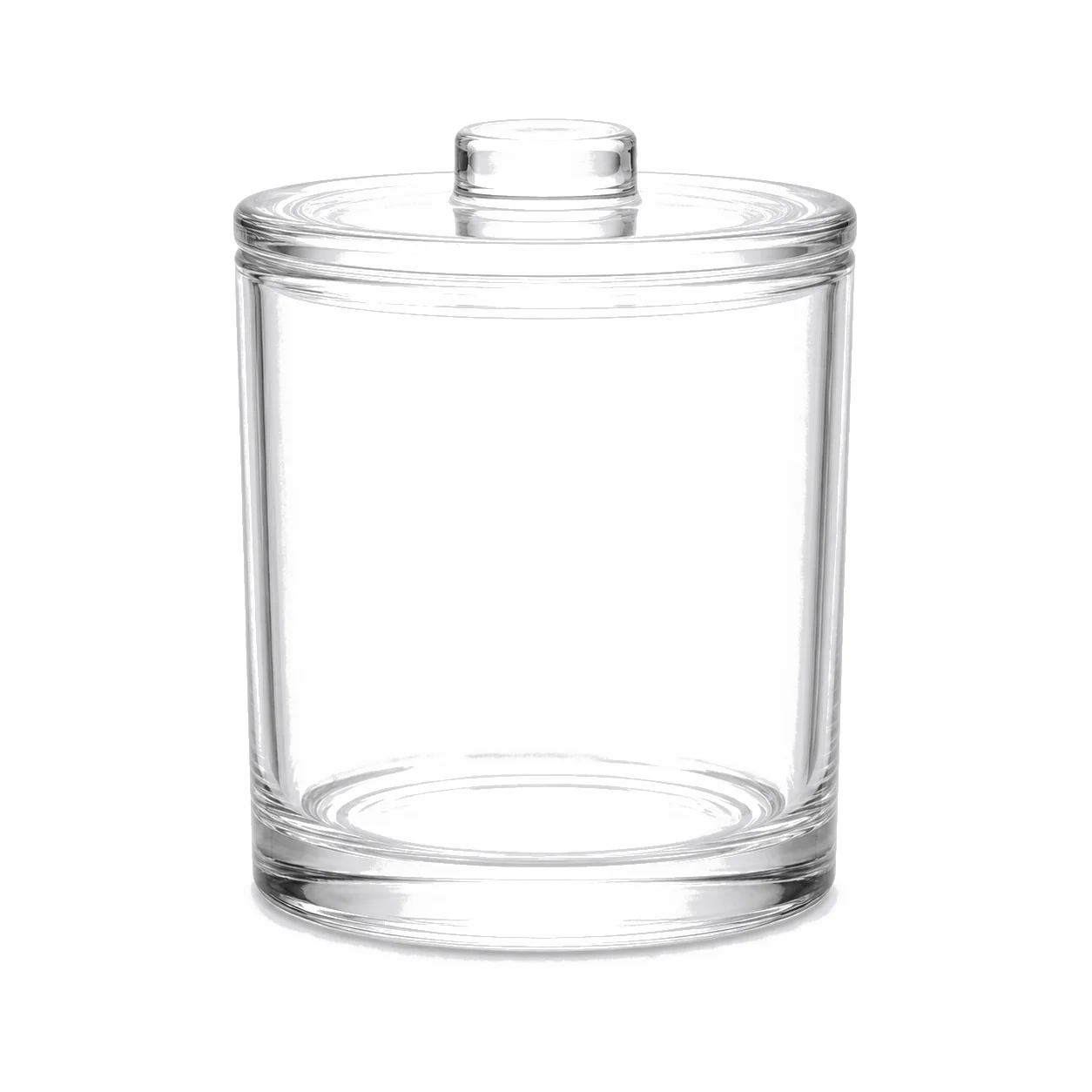
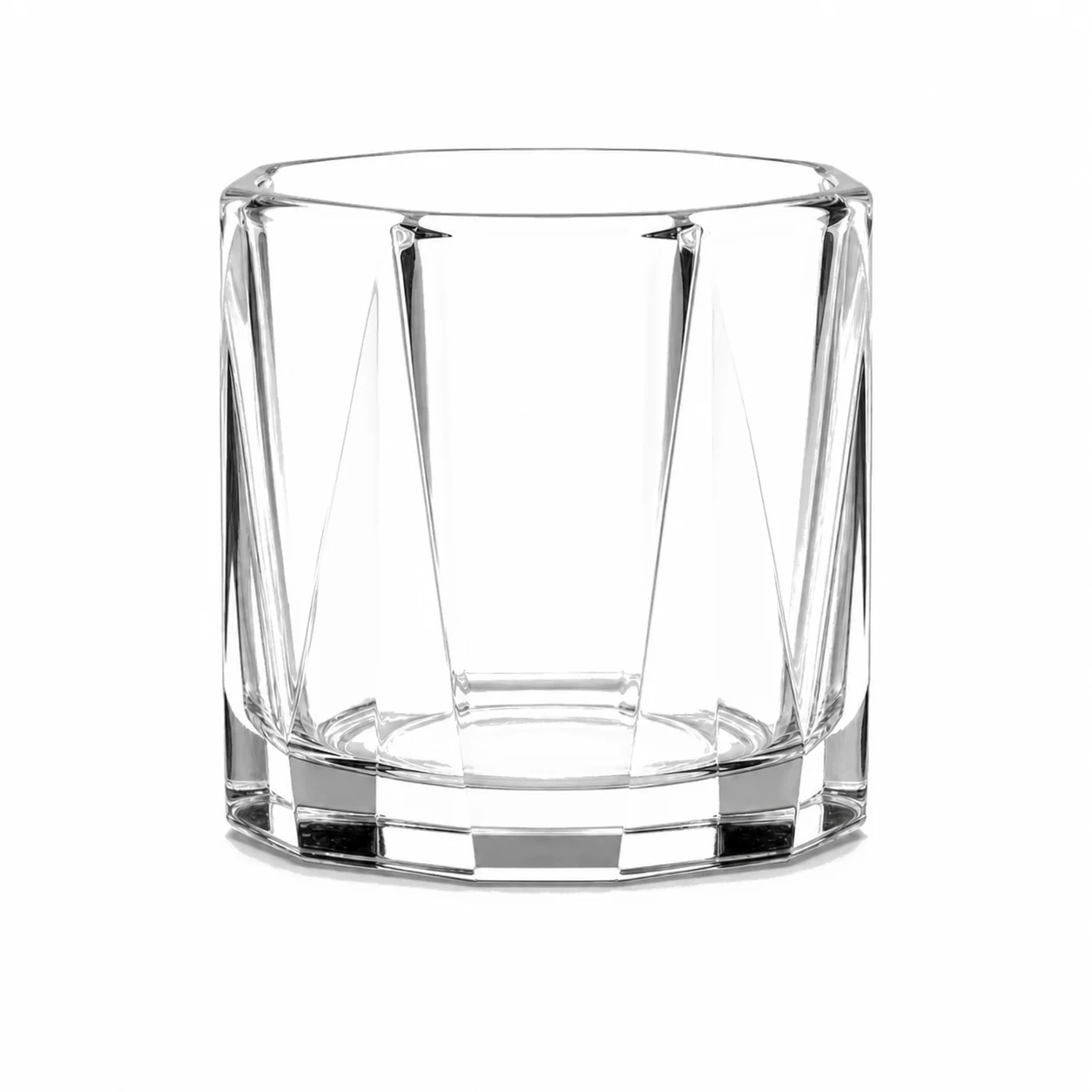
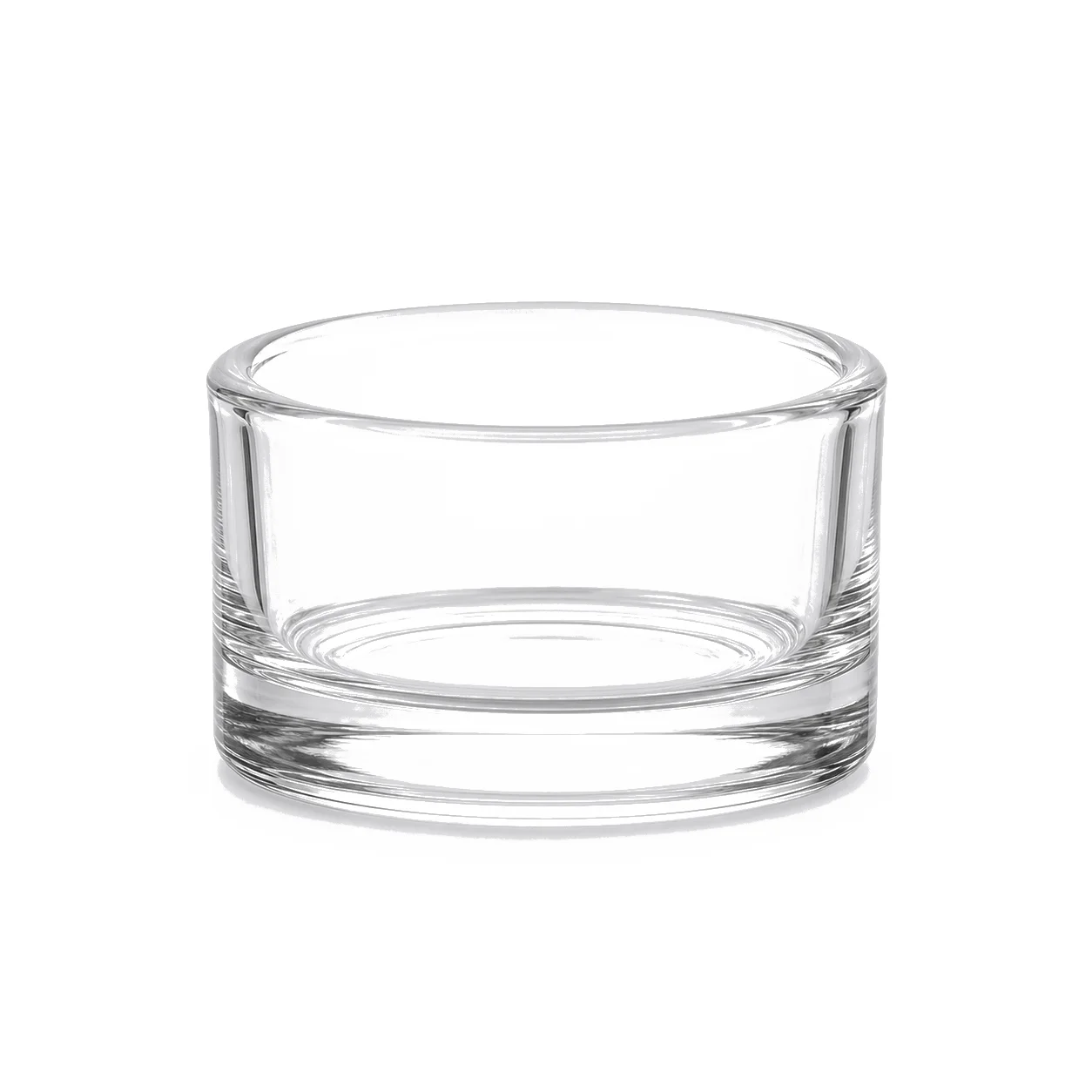
A tealight holder never has wax poured into it. A self-contained candle in a metal or polycarbonate cup is dropped in, burns, and is replaced. The glass supplies appearance and a barrier between the flame and the room, and its critical dimensions are the recess that accepts the cup and the wall that has to tolerate a nearby flame.
The recess is dimensioned to a standard cup
Tealights are made to a widely used cup diameter and height, so a holder either accepts them or is useless. A recess a millimeter too tight will not take a cup with a slightly flared rim; one too loose lets the cup slide and tilt. Checking against cups from more than one source is the sensible precaution.
The heat path is different from a poured candle
In a candle jar the wax touches the glass and the glass heats through the melt pool. In a holder the flame sits inside a metal cup with an air gap, so the glass is heated by radiation and convection rather than by conduction through wax. The result is a different temperature distribution, generally gentler but concentrated higher up.
The rim above the flame is the hottest region
Because the flame sits at the top of a shallow cup, the hottest part of a holder is usually the wall just above the flame rather than the base. Decorative coatings and any printing therefore need to be assessed at that height, which is the opposite of where you would look on a poured candle.
It is bought once and used for years
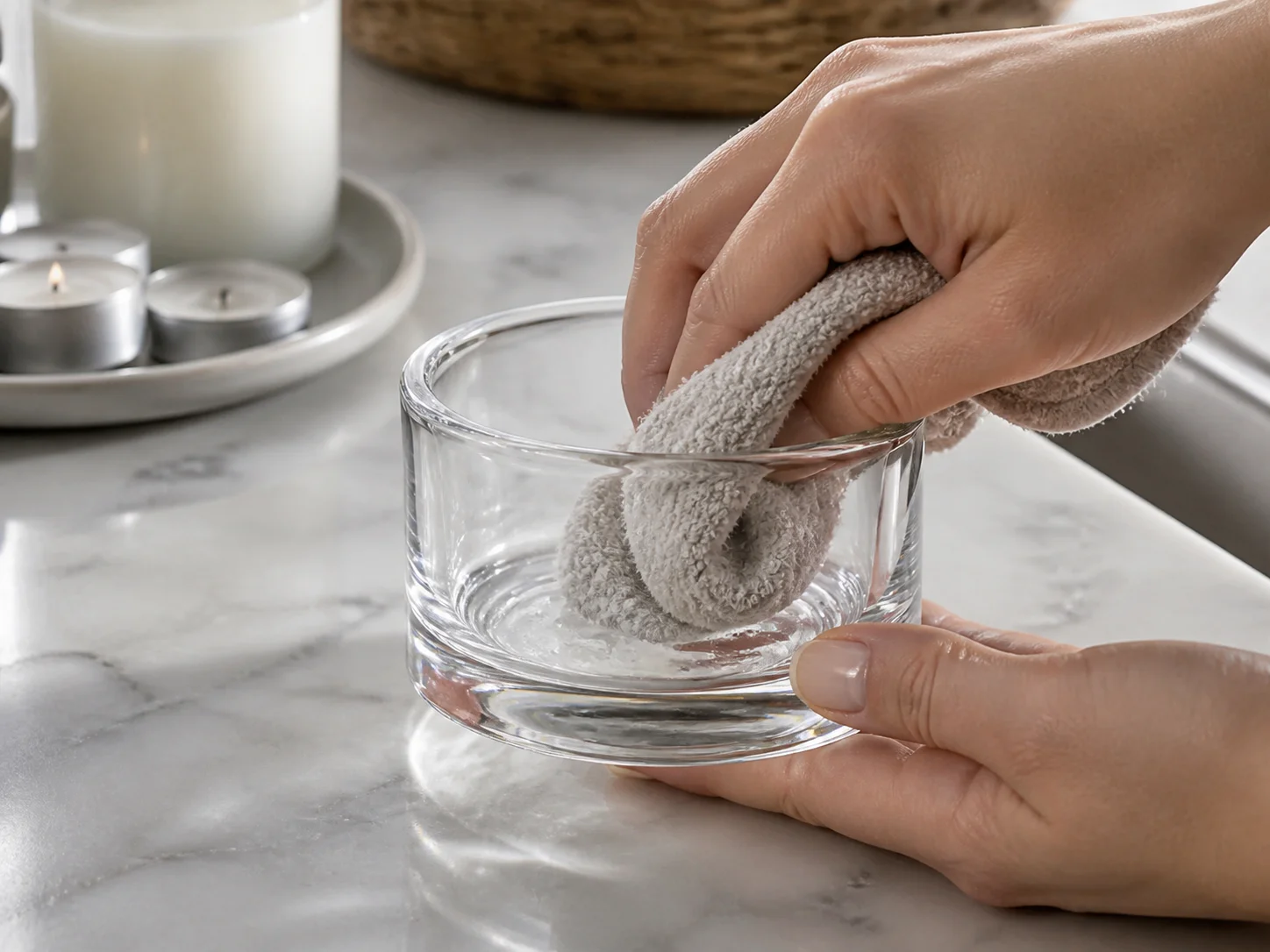
A holder is an object rather than a consumable, so it is judged on how it looks after a hundred tealights: soot marks, cleaning resistance and whether a coating has dulled. That reframes the finish decision entirely, because a coating that survives one candle is irrelevant if it cannot survive being scrubbed twice a month.
Spent cups have to come out easily
The customer removes a hot or recently hot metal cup, usually with fingers, from a recess that is often barely larger than the cup. Relief slots, a slightly tapered recess or a lip that lets the cup be tipped out prevent a small burn hazard and a great deal of frustration with a fingernail.
Colored or coated glass changes what the light does, and that is the whole product
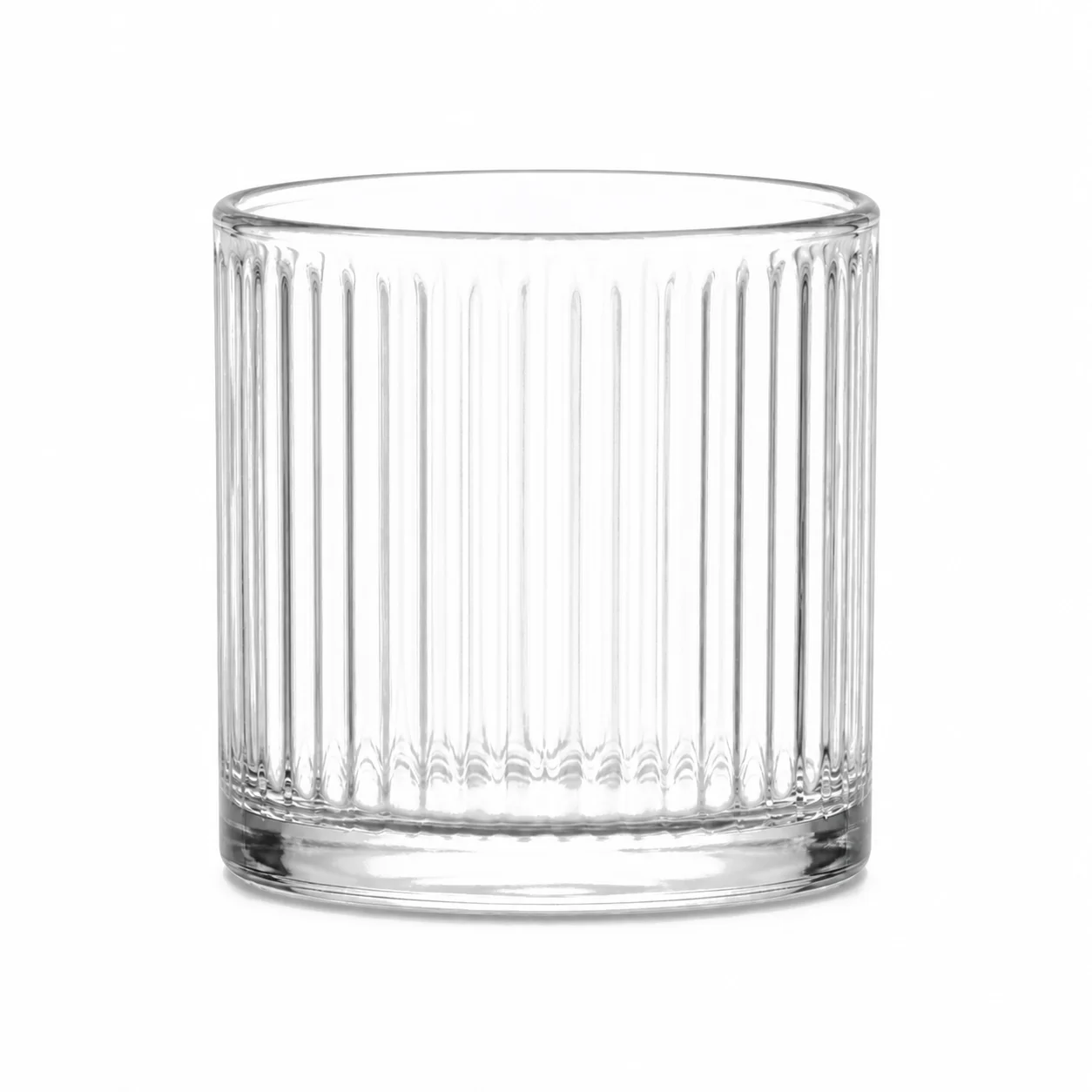
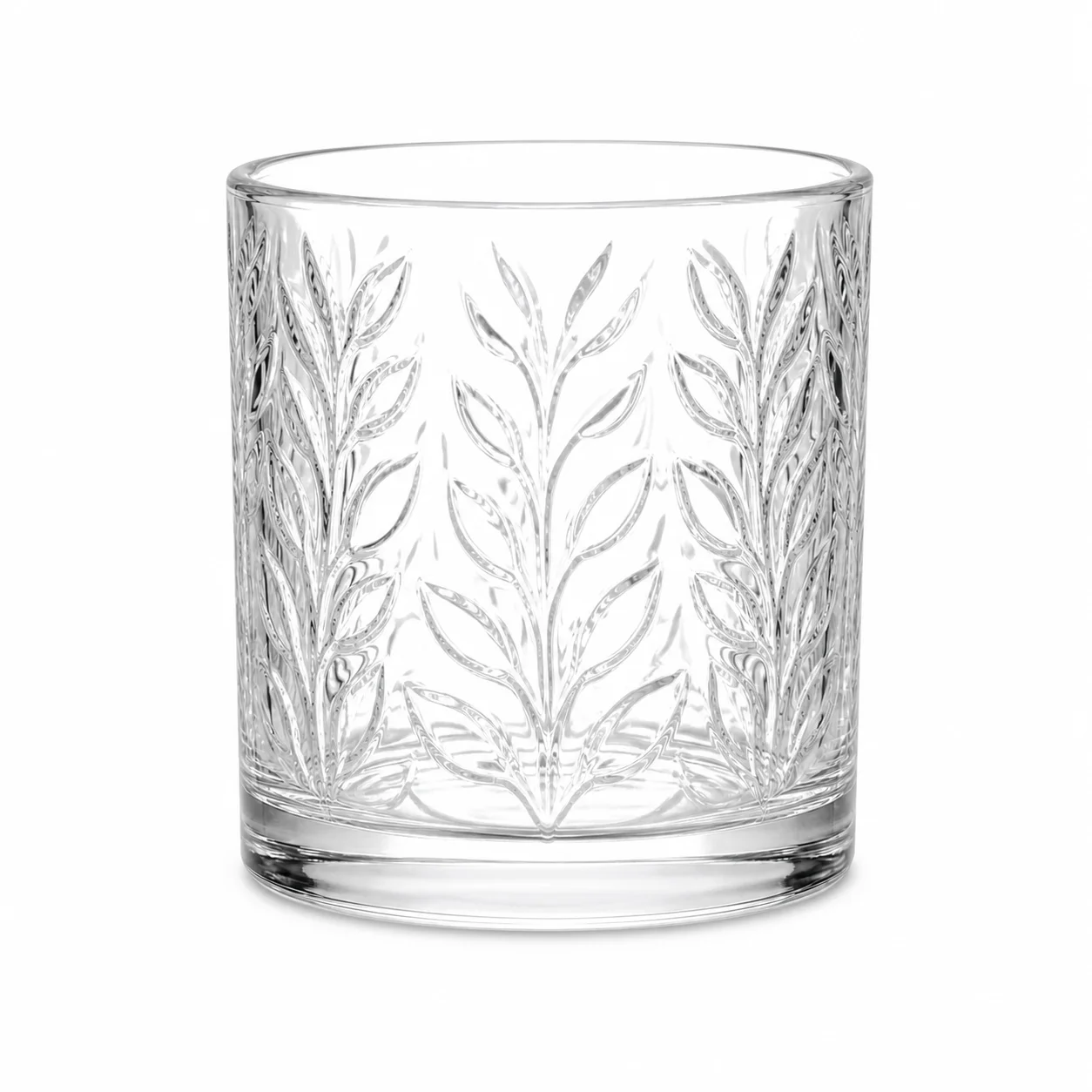
With no wax to light from within, everything a tealight holder does visually comes from how its glass treats a small flame behind it. Tint depth, surface texture and wall thickness are chosen against that single effect and judged with a lit cup in a dark room.