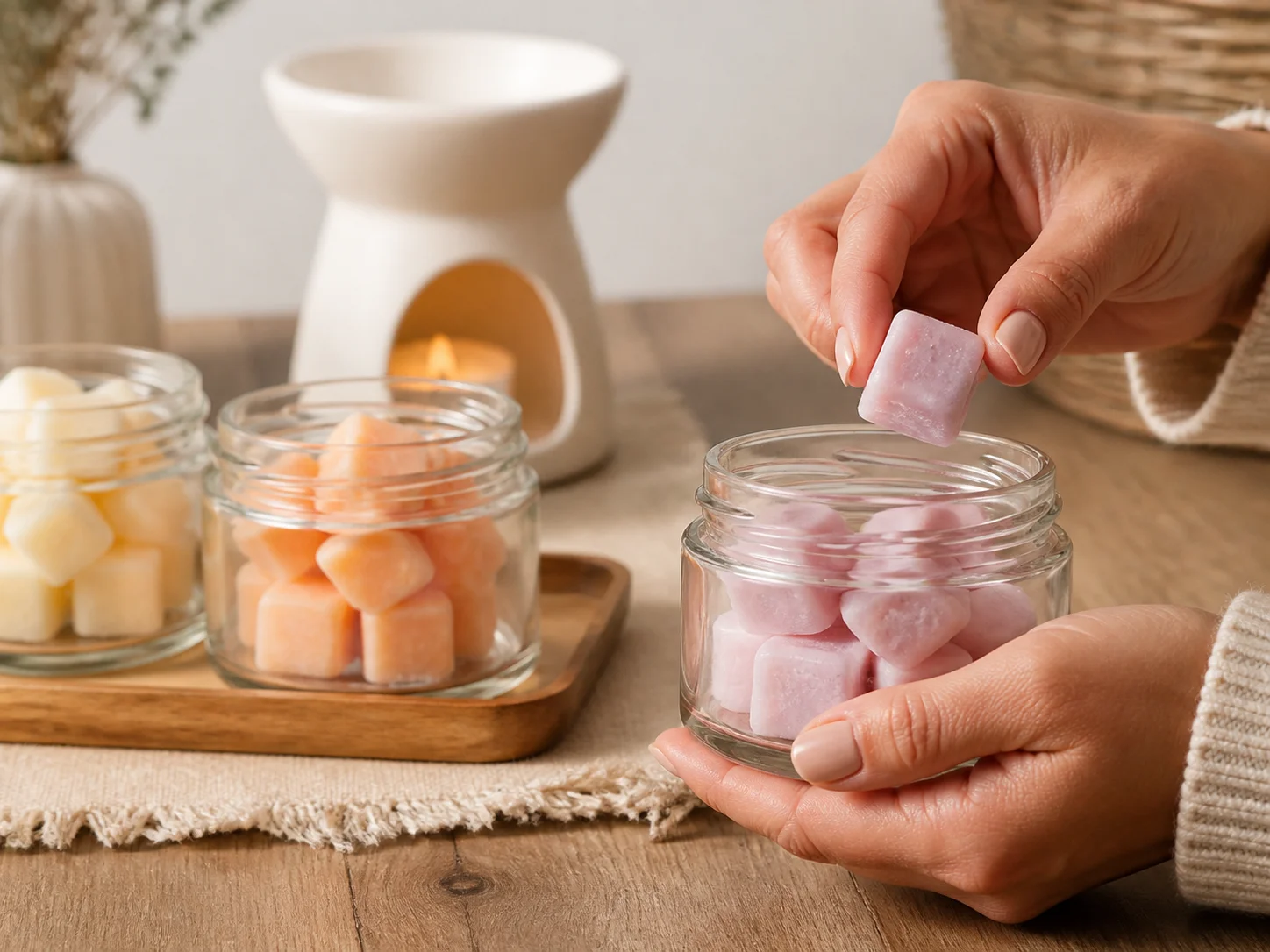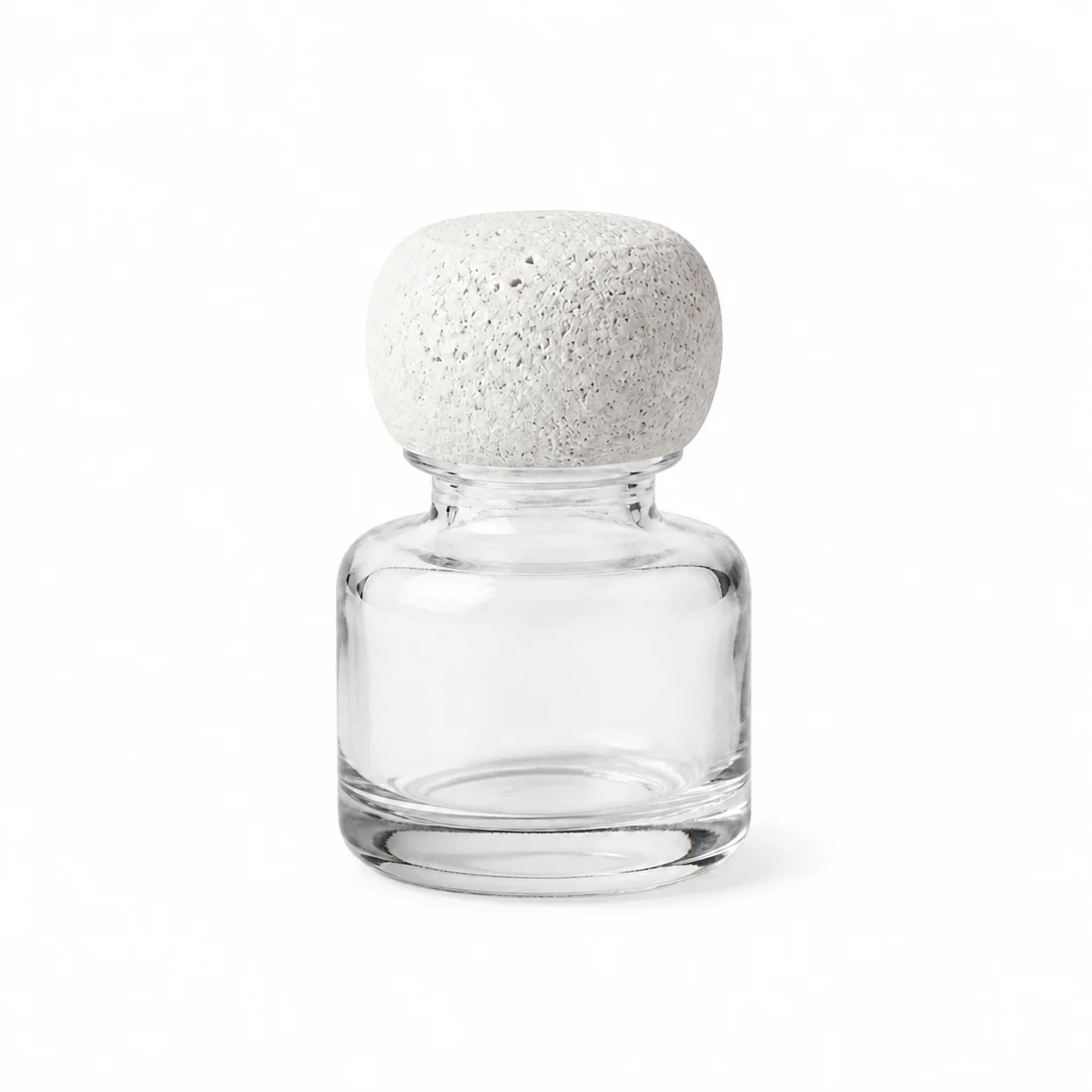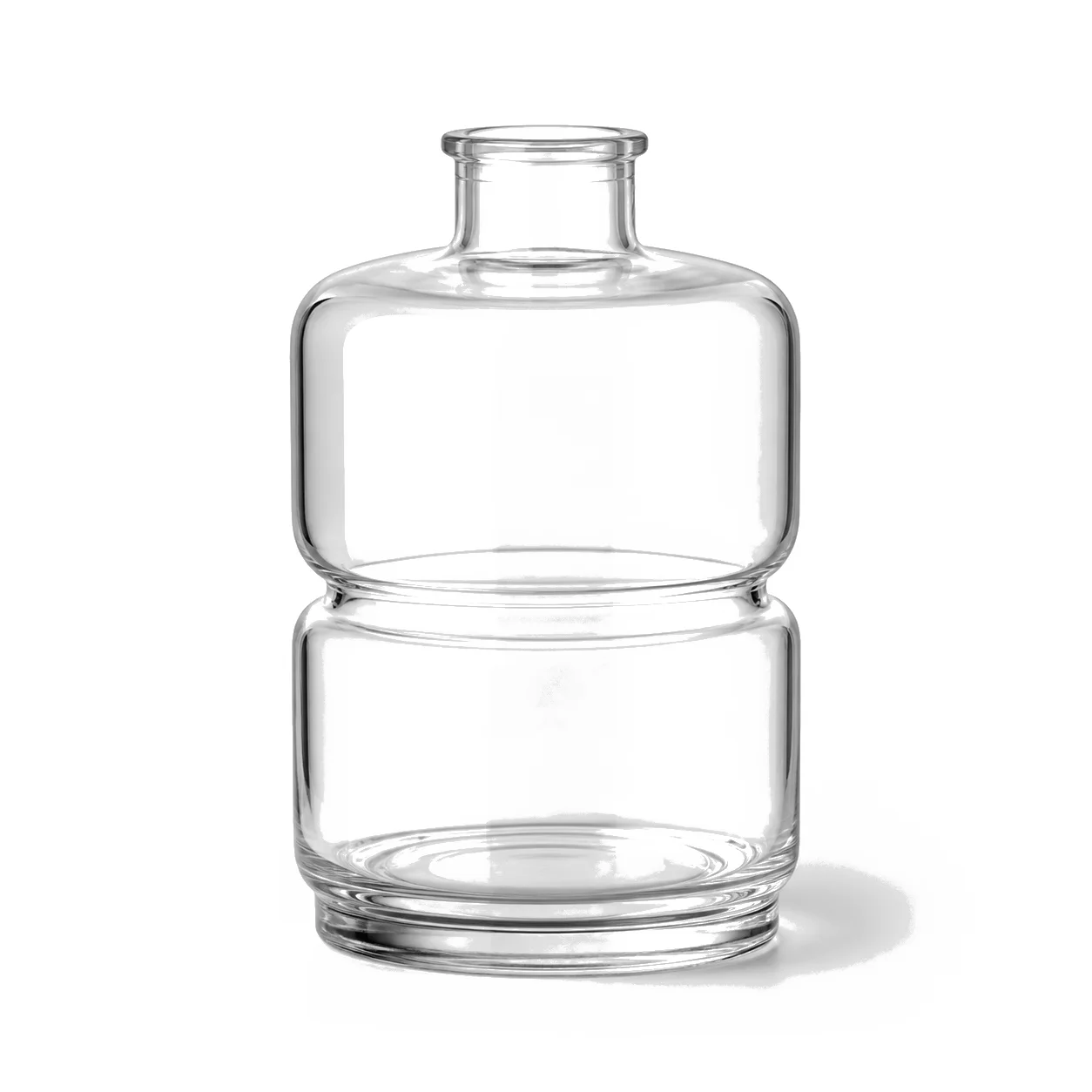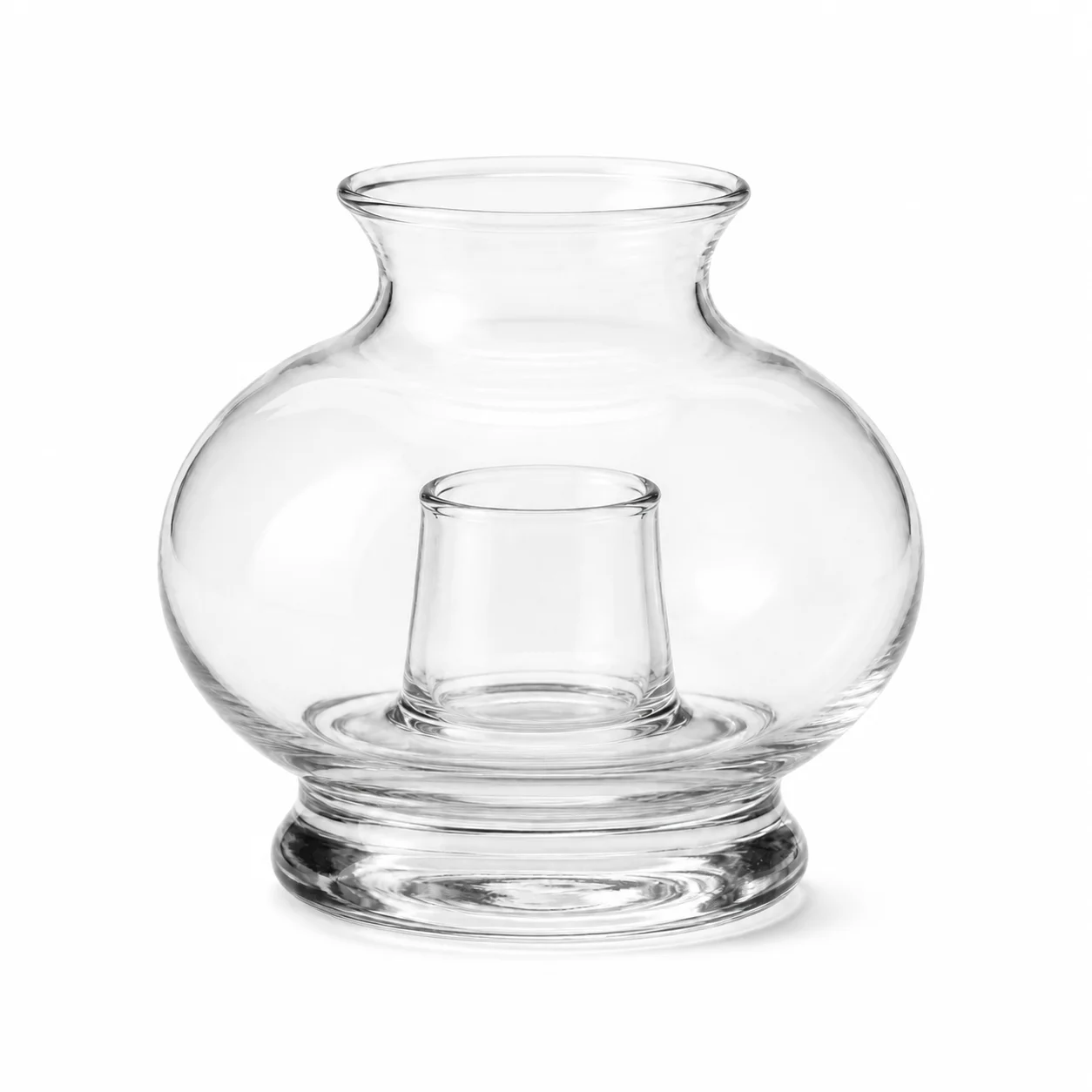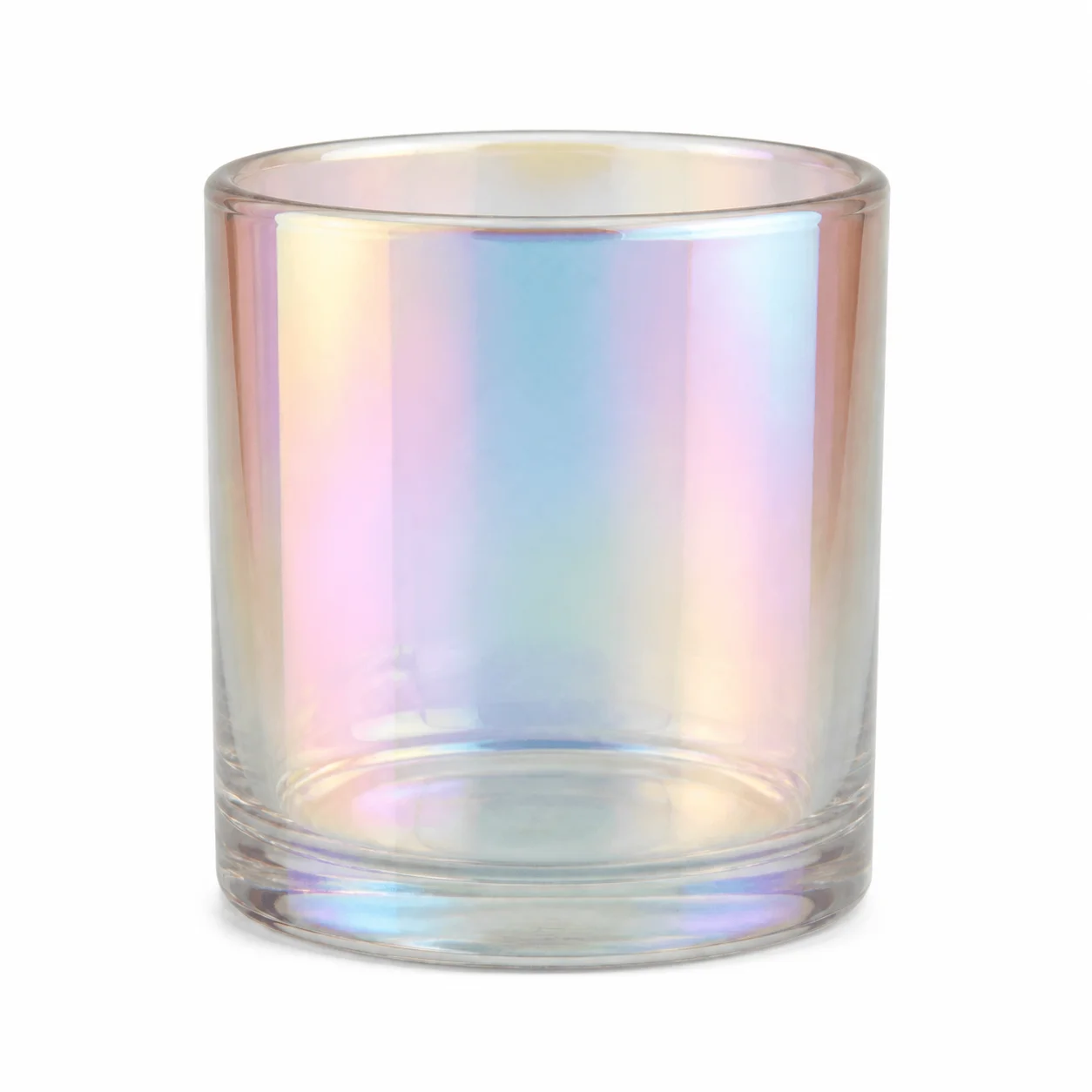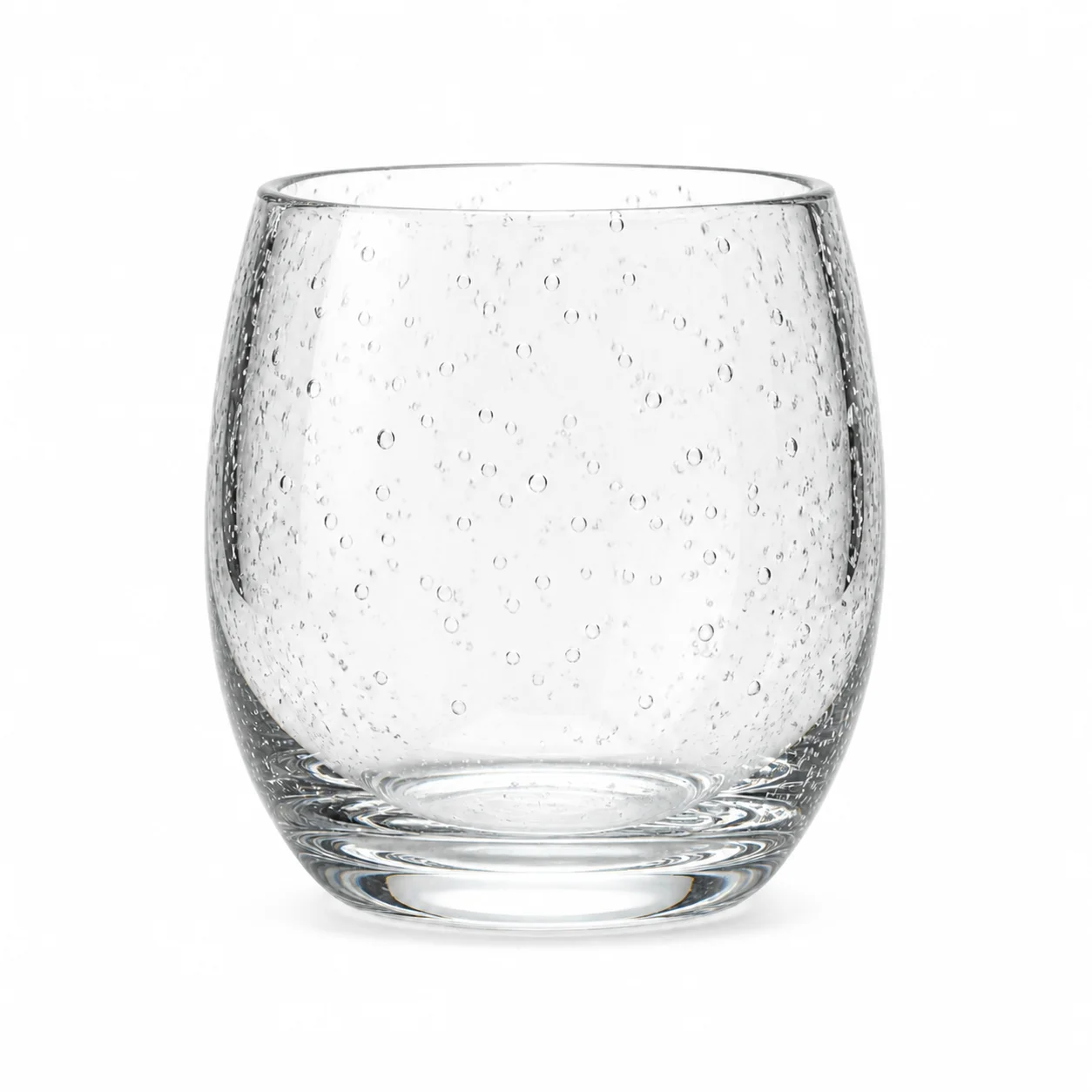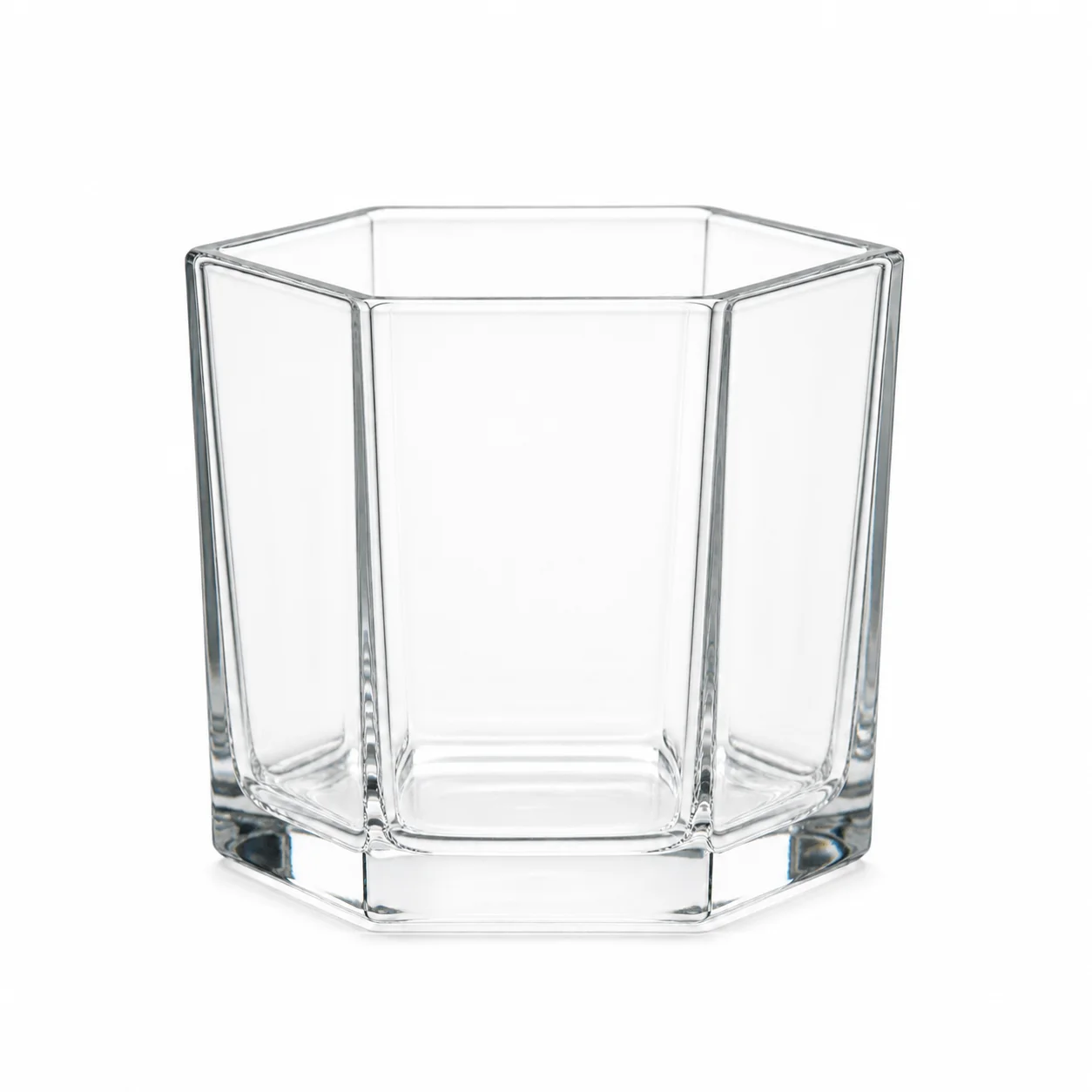
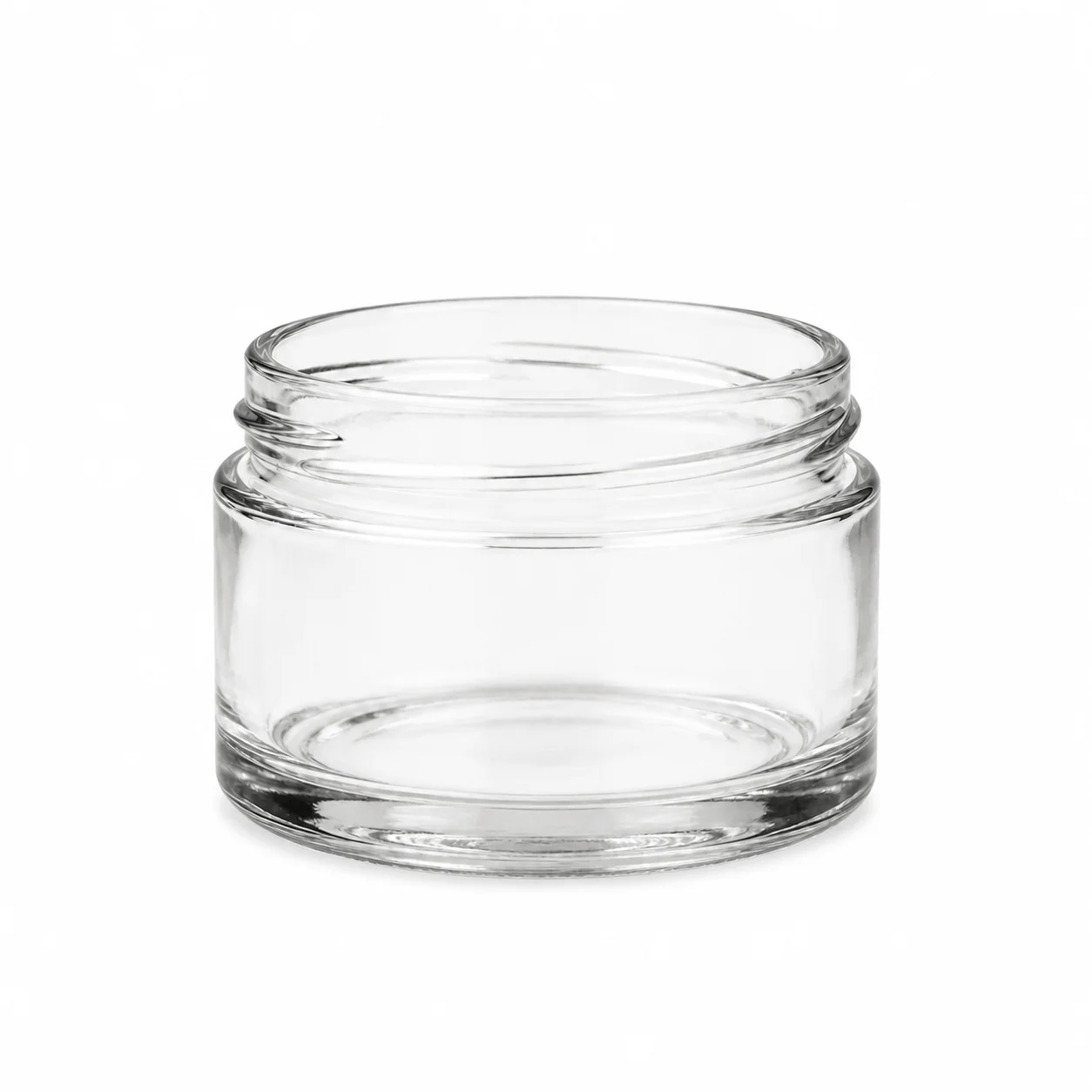
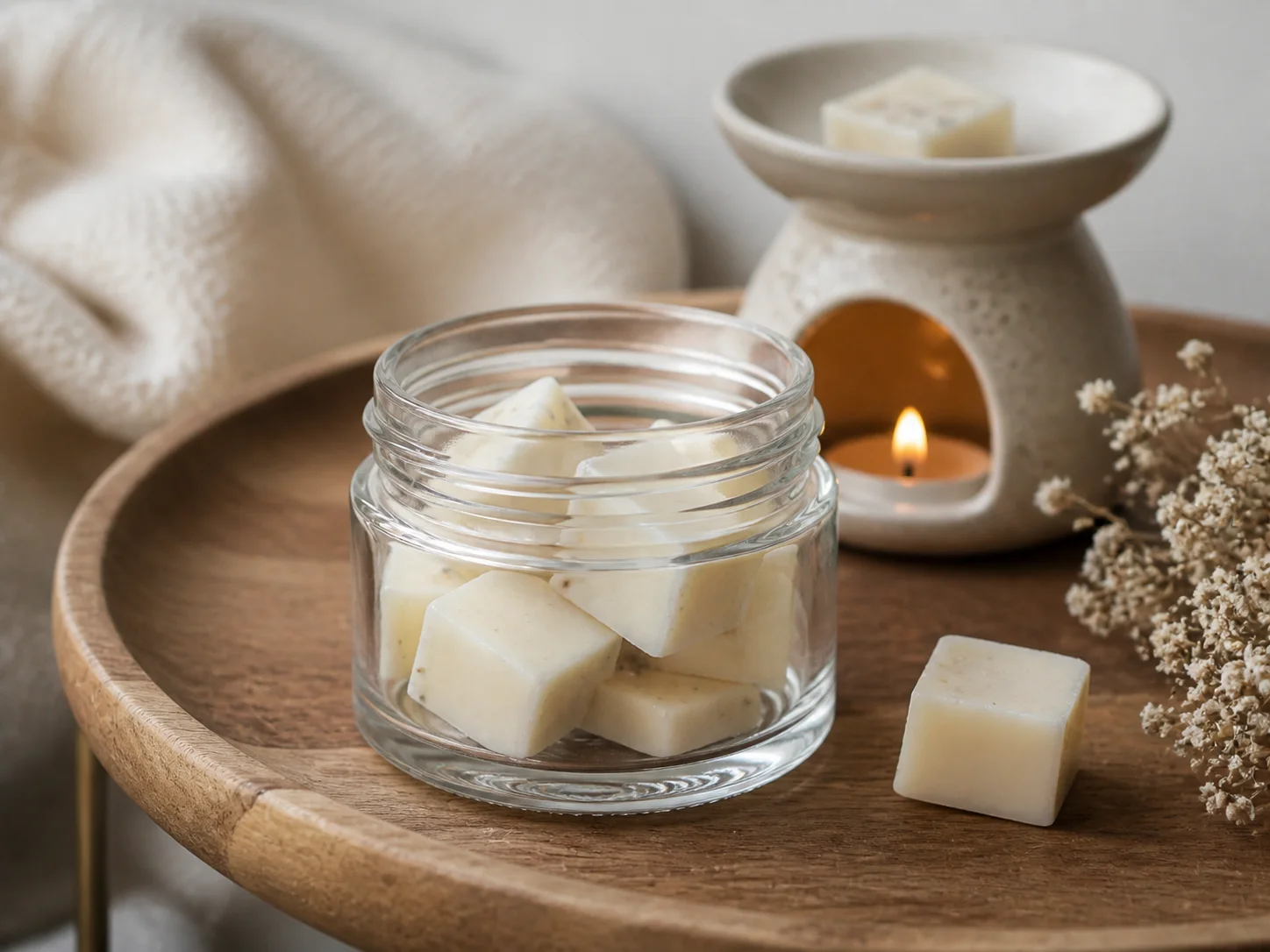
Small clear jar with a wide mouth and a straight wall, shown without a lid
Shown configuration · empty jar / wax melts, closure, seal and label not shown

Flameless home fragrance

Wax Melt Glass Jar

A jar for wax melts and scented granules, which carries no flame at all — the wax is turned out and warmed elsewhere, so the container is a package rather than a burner.

No flame in the jarWax is removed to useSealed for scent retention
Stock status
In stock
Lead time
2–3 weeks
FOB price / pc
$0.45 - $0.85
MOQ
3,000 pcs

Final availability, dimensions, materials, assembled components and commercial terms are confirmed against the selected drawing and approved sample.

A container, not a vessel

No candle glass requirement applies

Wax must come out whole

Release geometry is the design driver

Scent leaks between uses

Closure matters more than for candles

Wax Melt Jar profile

The one product in this category where the glass never meets a flame.

Release geometry, closure sealing & category confusion

Five things that separate a melt jar from a candle jar.

Wax melts are turned out of the jar and warmed in a separate burner, so the container faces none of the thermal demands of a candle vessel. What it does face is a customer prising solid wax out of it repeatedly, and a fragranced product losing scent through the closure every time it is opened.

01

Candle glass requirements do not apply here

Because no flame ever burns in the jar, the annealing and thermal shock specification written for candle containers is not the governing standard. That has a real commercial consequence: a melt jar can be a straightforward decorative container at a lower cost, and paying candle-glass prices for one is money spent on a property the product never uses.

02

Getting the wax out is the design problem

Solid wax adheres to glass and has to be released without breaking the jar or the customer's fingernails. Straight or slightly flared walls, a generous mouth and no internal shoulder let a block flex free with a thumb press. A jar that narrows above the body traps its contents and generates complaints on the very first use.

03

Scent loss happens between uses, not during them

A melt jar is opened, a piece is broken off and it is closed again, often for weeks. Whatever the closure does not hold escapes over that period, so the liner and the fit matter more than they would on a candle, where the wax surface is covered by a lid but rarely sealed. It is a closure decision more than a glass one.

04

Portioning shapes the fill

Customers want to use one cube at a time, so melts are usually molded or scored into portions before filling, or supplied as granules that can be spooned. Which of those you choose sets the mouth diameter, whether a scoop has to fit, and how much of the pack is lost as crumbs at the bottom.

05

Customers confuse melts with candles, and packaging can help

A wax-filled glass jar looks like a candle, and there are documented cases of people trying to light one. Clear labeling, a distinctly non-candle format and the absence of anything wick-like all reduce that risk. It is a genuine safety consideration rather than a marketing nicety, and it belongs in the pack design brief.

06

Melts are sold by weight and bought by count, and the pack has to bridge that

Customers think in cubes rather than grams, so a jar declared only in weight leaves them unable to compare it with the clamshell beside it. Stating both, and portioning the fill so the count is honest, is what makes the format competitive on a shelf it did not evolve on.
Application guide

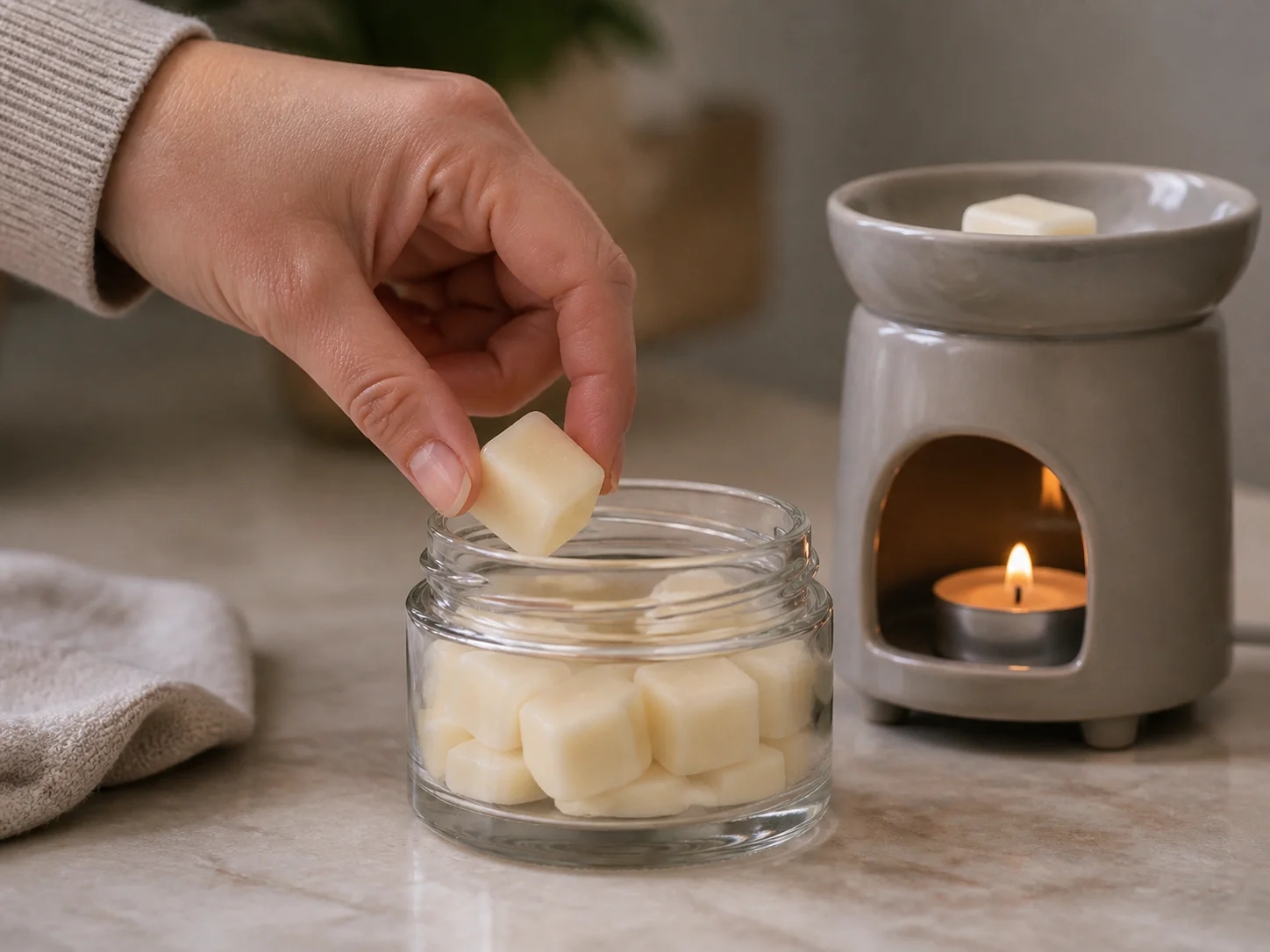
Melts are taken out one at a time, by hand.

Unlike a candle, this jar is opened repeatedly over months as a customer removes a single cube for a warmer. Access, resealing and keeping the remaining scent intact are what the format has to deliver. These are development directions confirmed with the actual melts.

Wax Melt Glass Jar used for wax melts used in electric warmers in a home fragrance setting

Home fragrance

Wax melts used in electric warmers

For customers who take out one cube at a time, drop it into a warmer and put the jar back in a cupboard until next week. The mouth has to let fingers reach a single piece without tipping the rest out, and the thread has to reseal cleanly with wax residue on it.

  • Confirm one cube can be lifted out
  • Check the thread reseals with residue
  • Size the jar to a month of use
Wax Melt Glass Jar used for keeping fragrance in an opened jar in a scent retention setting

Scent retention

Keeping fragrance in an opened jar

Every opening lets fragrance escape, and a jar that spends months half full will fade long before the wax runs out. The closure and any liner carry that burden, so scent strength should be assessed at the end of the expected life rather than only at filling.

  • Assess scent at end of expected life
  • Specify a liner if needed
  • Test after repeated openings
Wax Melt Glass Jar used for collections built on shared jars in a seasonal ranges setting

Seasonal ranges

Collections built on shared jars

Melts sell as inexpensive seasonal impulse purchases where a customer collects several scents through the year. One clear jar across the range keeps cost and sourcing simple, with color and label carrying the difference, provided each variant is identifiable through the glass.

  • Keep one jar across all variants
  • Make each scent identifiable through glass
  • Plan seasonal color coding

Applications describe packaging directions. Content protection, sealing, safety, handling and distribution outcomes are confirmed for the selected program.

Common questions

Wax Melt Jar questions

No flame changes the specification completely. These are the differences.

Do melt jars need candle-specification glass?

No, because no flame ever burns in them — the wax is turned out and warmed in a separate burner. The annealing and thermal shock specification written for candle containers is not the governing standard here, so a straightforward decorative jar is appropriate. Paying candle-glass prices buys a property this product never uses.

Why do customers struggle to get the wax out?

Because solid wax adheres to glass and needs somewhere to flex. Straight or slightly flared walls, a generous mouth and no internal shoulder let a block release under a thumb press. A jar narrowing above the body traps its contents, and the complaint arrives on the very first use rather than months later.

Should the wax be portioned?

Almost always, since customers use one cube at a time. Melts are molded or scored into segments before filling, or supplied as granules to be spooned. That choice sets the mouth diameter, whether a scoop has to fit, and how much of the pack ends up as unusable crumbs at the bottom of the jar.

Is there a risk customers try to light it?

There is, and it is documented. A wax-filled glass jar looks like a candle. Clear labeling, a format that does not read as a candle vessel, and the absence of anything wick-like all reduce it. This is a safety consideration for the pack design brief rather than a marketing preference.

Melts are sold by weight but bought by count — how does the pack bridge that?

By stating both. A customer thinks in cubes and the label is written in grams, so the pack has to give the count alongside the declared weight. Portion size and jar fill are then designed to make that count a round, sensible number.

Next step

Send us the Wax Melt Glass Jar brief.

Tell us the product, fill volume, closure preference and destination market. We will come back with the matching drawings, available configurations and a sample plan before anything is quoted.

  • 01Send the briefProduct, volume, closure and market
  • 02Get the optionsMatching drawings and configurations
  • 03Approve the sampleConfirm the pack before production