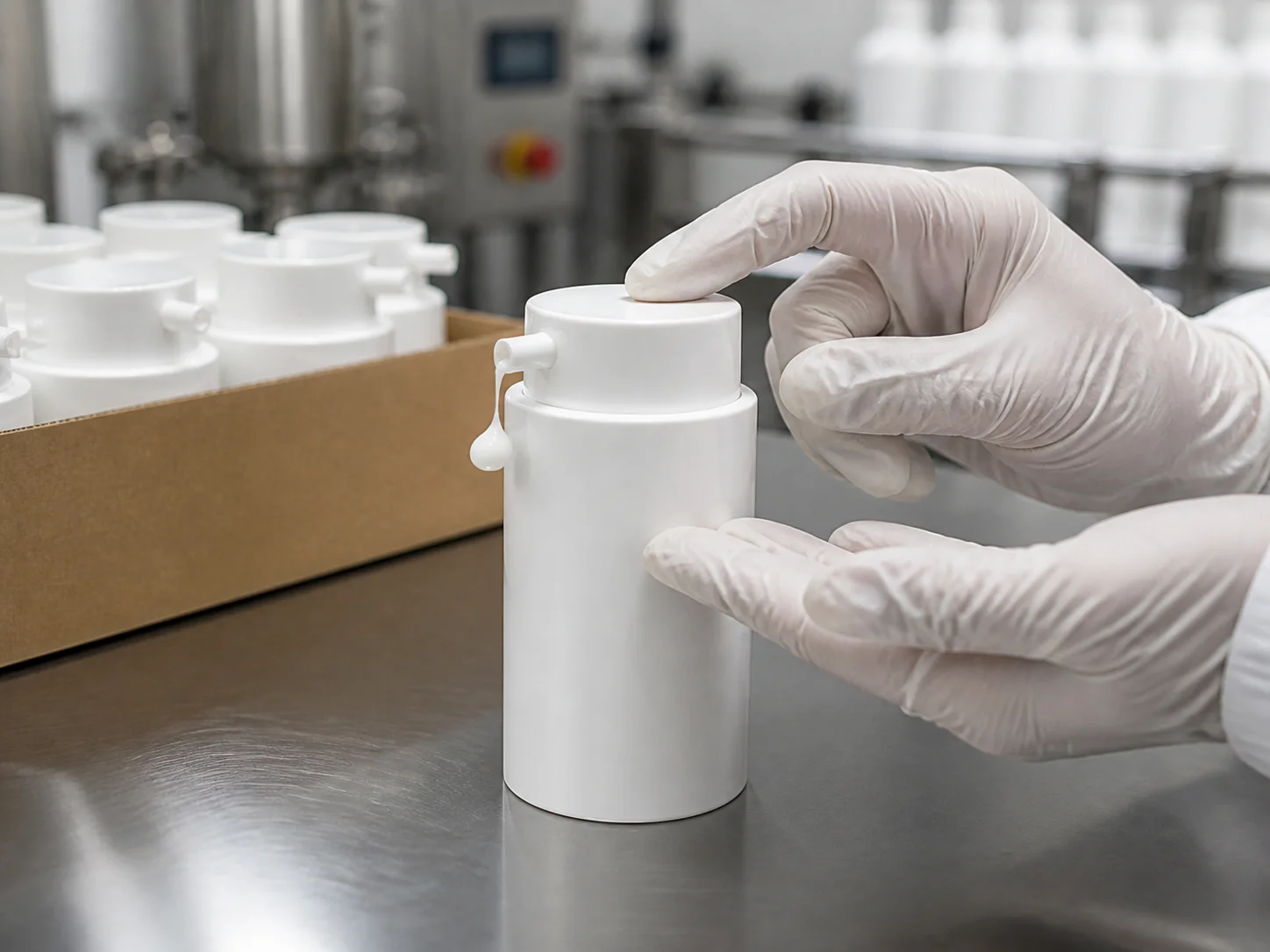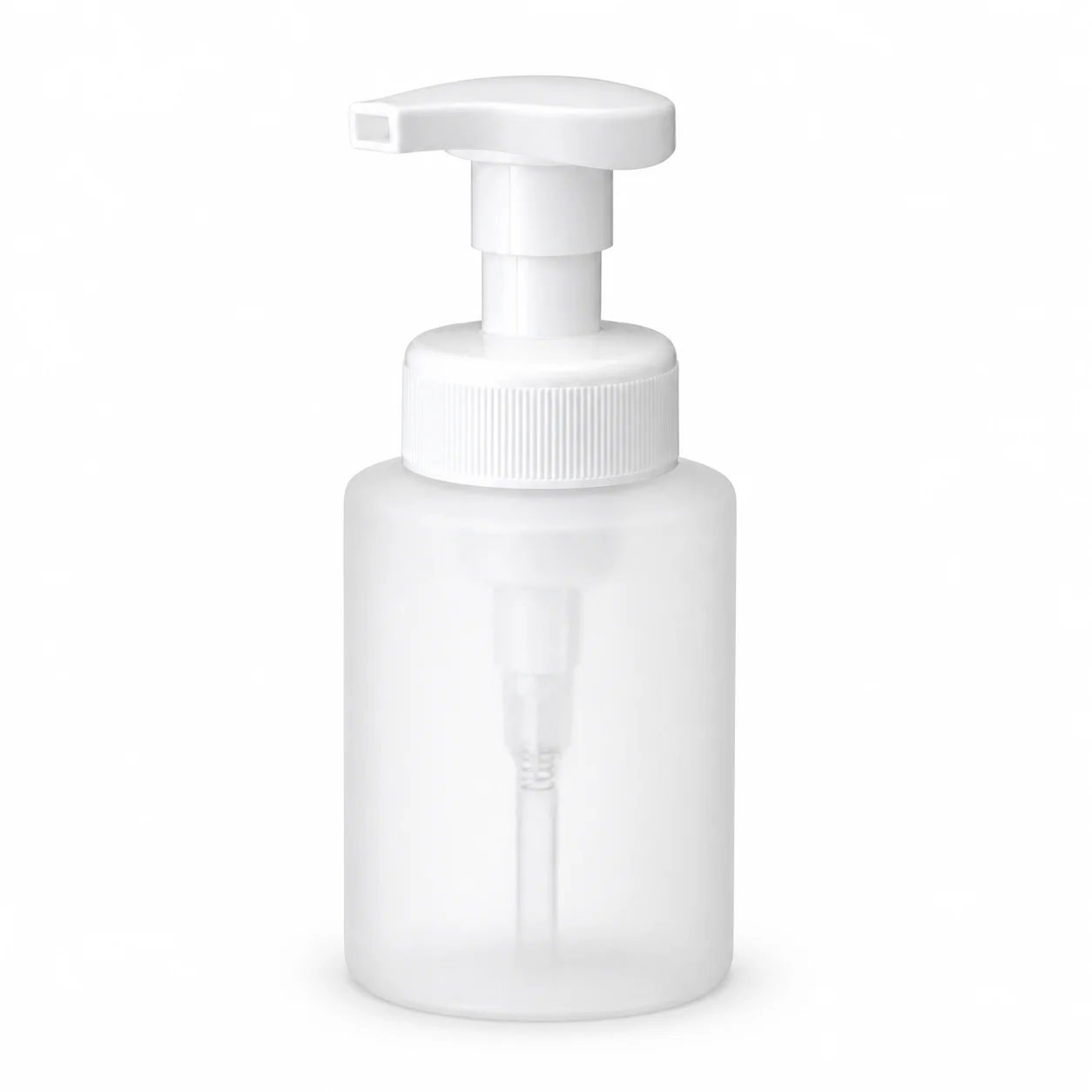
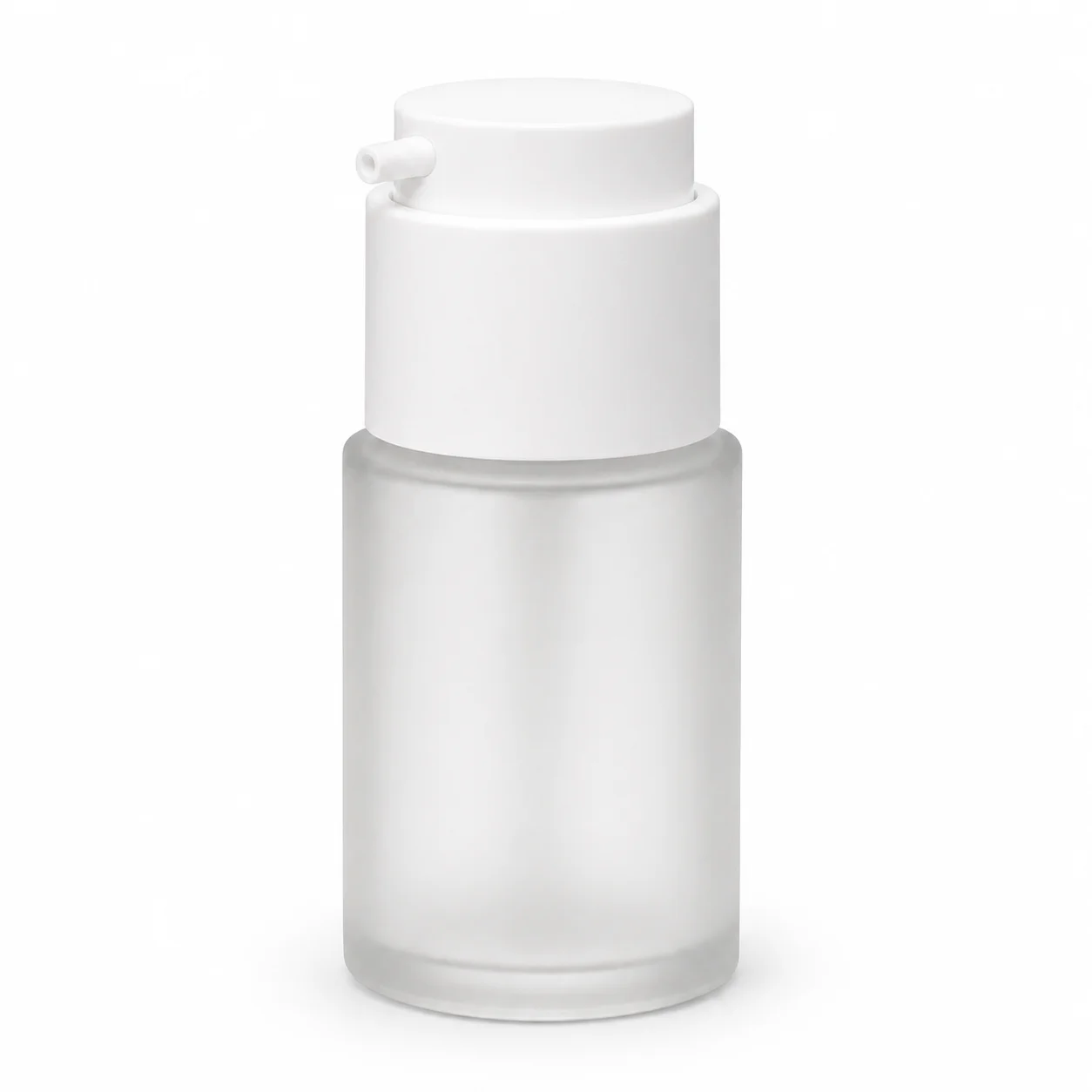
White airless pump head with a side outlet and wide outer sleeve, shown detached from its container
Shown configuration · pump head and sleeve / container, piston and formula not shown

Airless dispensing systems

Airless Pump

An airless pump built on a piston or pouch instead of a dip tube, dosing roughly 0.2 to 0.5 mL per stroke while the product behind it never meets incoming air.

0.2–0.5 mL per strokePiston or pouch buildNo dip tube in the product
Stock status
In stock
Lead time
2–3 weeks
FOB price / pc
$0.90 - $1.25
MOQ
10,000 pcs

Final availability, dimensions, materials, assembled components and commercial terms are confirmed against the selected drawing and approved sample.

Air stays out

Vacuum draws the base up as product leaves

Works in any position

Nothing depends on a tube reaching liquid

Sold as a system

Pump and container are engineered together

Airless Pump profile

You are buying a sealed system, and it stops being airless the moment you mix suppliers.

Piston and pouch systems, dosing & formula limits

What the format genuinely delivers, and what it will not do for you.

An airless pump has no dip tube. Product is pushed to the pump by a piston that follows it up the container, or held in a collapsing pouch, so the space behind the formula is never refilled with air. That protects oxidizing actives and lets the pack work upside down — provided the pump and container are dimensioned as one assembly.

01

Piston and pouch solve the same problem differently

A piston sits under the formula and is drawn up by vacuum as each stroke removes product, wiping the wall as it climbs. A pouch holds the formula in a flexible liner that collapses instead. Pistons give a visible, reassuring fill line and demand tight cylinder tolerance; pouches suit awkward container shapes and shift the critical tolerance to the seal at the neck.

02

The claim is oxygen exclusion, not preservation

Keeping air off a formula slows oxidation of ascorbic acid, retinol and unsaturated oils, and it reduces the microbial ingress that comes with drawing air back into a bottle. It does not make a product self-preserving and it does nothing about light or heat. Stability work still runs, and the airless format is one input into it rather than a substitute for it.

03

Dose is small and consistent by design

Typical stroke volumes run from about 0.2 to 0.5 mL, which suits serums and treatments applied in a measured amount rather than lotions poured into a palm. Consistency comes from a fixed chamber rather than from how hard the customer presses, so the last stroke should deliver what the first one did, and that is the property worth verifying on aged units.

04

Viscosity and particles set the boundary

Airless mechanisms move product through narrow passages under modest force. Thick balms, formulas with exfoliating particles and anything that separates on standing will stall a piston or leave a bridged pouch with product stranded behind it. When a formula sits at the edge of that range, it is settled with filled samples cycled to empty rather than with a viscosity figure on paper.

05

Evacuation is a number to measure, not to assume

Airless packs are sold on leaving little product behind, but how much a given pairing actually returns depends on wall taper, piston fit and the formula's slip. The honest way to state it is to weigh filled units, cycle them to the point where the customer would stop, and weigh again. That figure belongs to your formula in that container and travels with neither.

06

Do not mix suppliers across the interface

The seal between pump and container is what makes the system airless, and it is a matched fit rather than a standard finish. A pump from one maker on a container from another may thread on, look right and lose vacuum within weeks, at which point the piston stops following and the pack fails in a customer's hand. Change either part and the pairing is requalified.
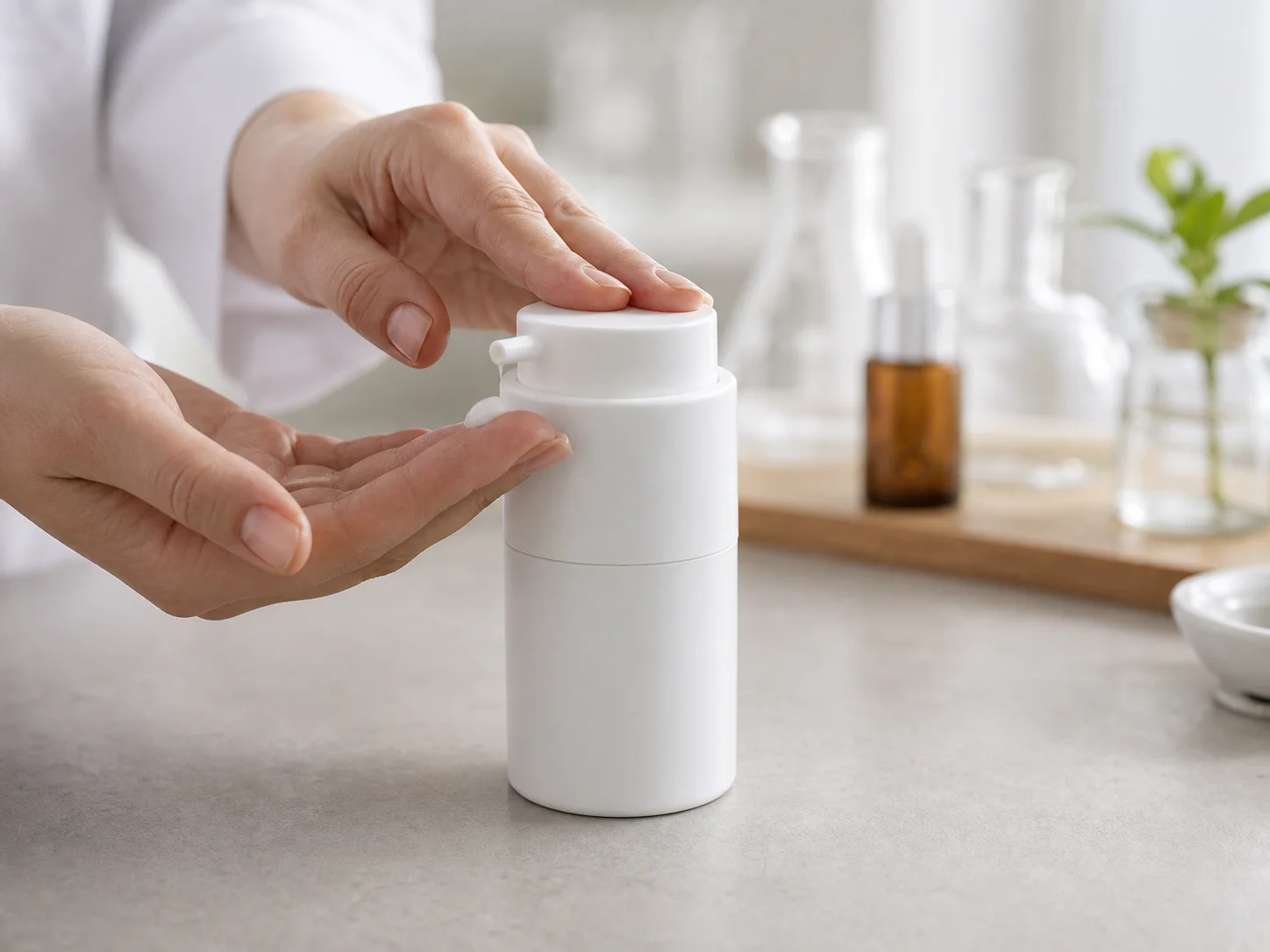
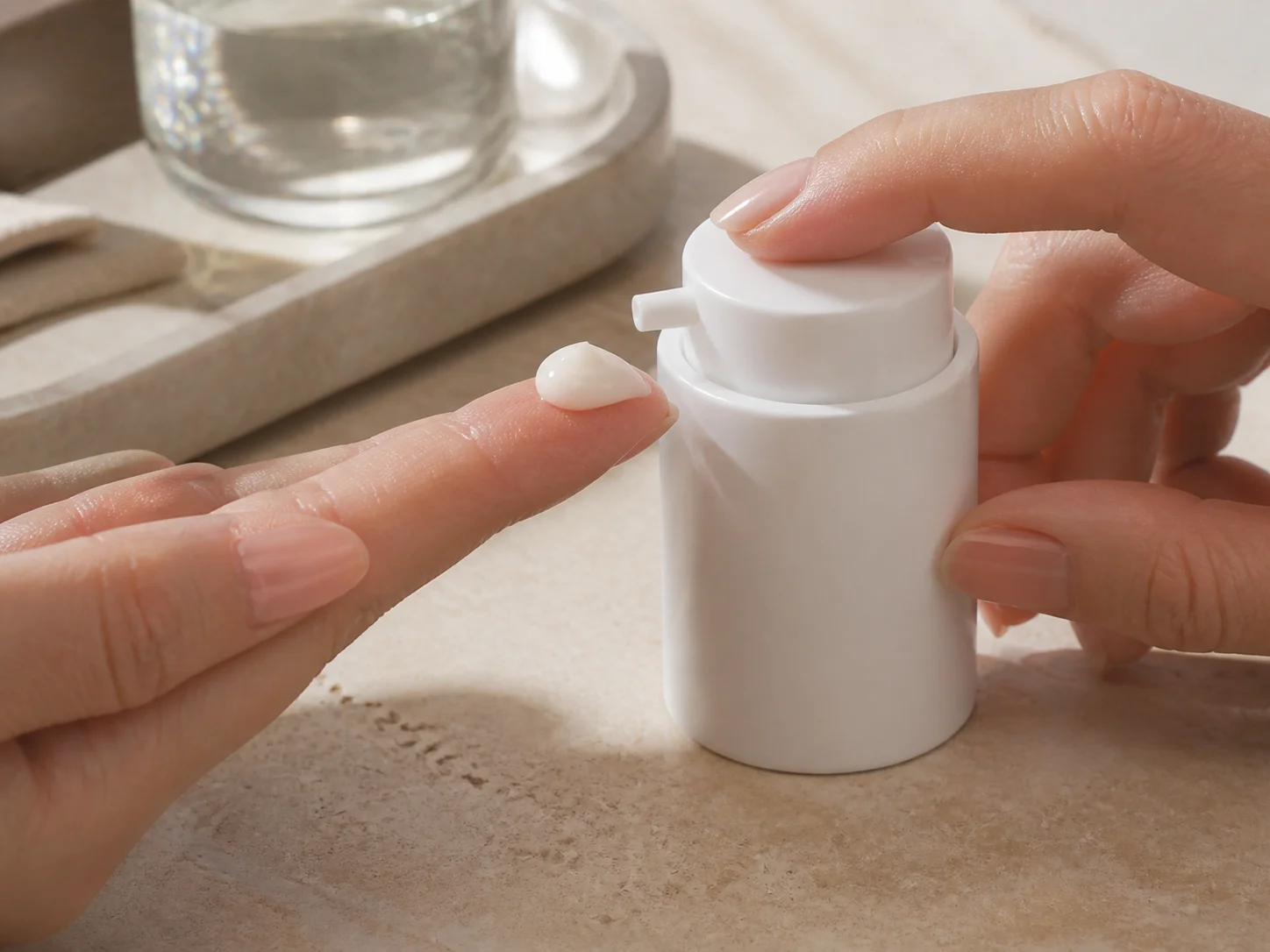
Application guide

No dip tube, because the base rises instead.

An airless pump works with a piston or pouch that follows the product upward, which is why nothing hangs down into the container and why the pack can be used at any angle. These are development directions confirmed on filled assemblies.

Airless Pump used for products protected from headspace air in a air-sensitive formulas setting

Air-sensitive formulas

Products protected from headspace air

For formulations where air drawn back into the container each time it is used would degrade actives or force a heavier preservative system. The mechanism reduces that contact, but what it achieves for a given formula is a stability question rather than a property of the pump.

  • Establish the benefit with stability data
  • Confirm the mechanism suits the formula
  • Keep claims tied to evidence
Airless Pump used for a small jar that costs a great deal in a prestige skincare setting

Prestige skincare

A small jar that costs a great deal

For serums and eye creams sold in fifteen or thirty milliliters at a price that makes every remaining gram visible to the customer. Buyers of these products do notice what is left in the pack, and how much a piston actually recovers depends on viscosity and mechanism, so it is measured on filled samples.

  • Measure residual product when empty
  • Test with the actual viscosity
  • Confirm the piston tracks smoothly
Airless Pump used for packs a filler receives already built in a contract filling setting

Contract filling

Packs a filler receives already built

For brands whose product is filled by a third party that sees the pack only as a sealed assembly. Nothing about the mechanism can be judged from the outside, so the filler qualifies function on filled units with the real formula in them, and priming behavior from the customer's first press is part of that release.

  • Qualify the filled assembly, not parts
  • Confirm priming from first use
  • Check function through to empty

Applications describe development directions. Airless performance, protection, output, leakage and regulatory outcomes are confirmed for the selected program.

Common questions

Airless Pump questions

Six questions that separate what airless packaging does from what it is often assumed to do.

Piston or pouch?

A piston follows the product up the container and wipes the wall as it climbs, giving a visible fill line customers find reassuring, and it needs tight cylinder tolerance to keep its seal. A pouch collapses instead, which suits containers whose shape a piston could not travel, and moves the critical tolerance to the neck seal. Both exclude air; they fail in different places.

How much product does an airless pack leave behind?

It depends on wall taper, piston fit and how well your formula slips, so any single percentage quoted without a formula behind it is guesswork. Weigh filled units, cycle them to the point a customer would give up, and weigh again. That number is true for your formula in that container and does not transfer to a different one.

Can we run a thick balm or a scrub in an airless pump?

Usually not. The mechanism moves product through narrow passages under modest force, so heavy balms stall the piston and exfoliating particles bridge and block it. Formulas that separate on standing cause the same trouble in a different way. Where a formula sits near the limit, the answer comes from filled samples cycled to empty rather than from its viscosity on paper.

Why is the dose so small on an airless pump?

Because consistency is the design goal, not volume. A small fixed chamber repeats accurately across the whole pack, which is what a treatment product needs, and it is why airless suits serums rather than body lotion. If a larger dose is required, the format is probably wrong.

Next step

Send us the Airless Pump brief.

Tell us the product, fill volume, closure preference and destination market. We will come back with the matching drawings, available configurations and a sample plan before anything is quoted.

  • 01Send the briefProduct, volume, closure and market
  • 02Get the optionsMatching drawings and configurations
  • 03Approve the sampleConfirm the pack before production