Atomization, orifice risk & fill-level behavior
Why a fine sprayer is harder to specify than a coarse one.
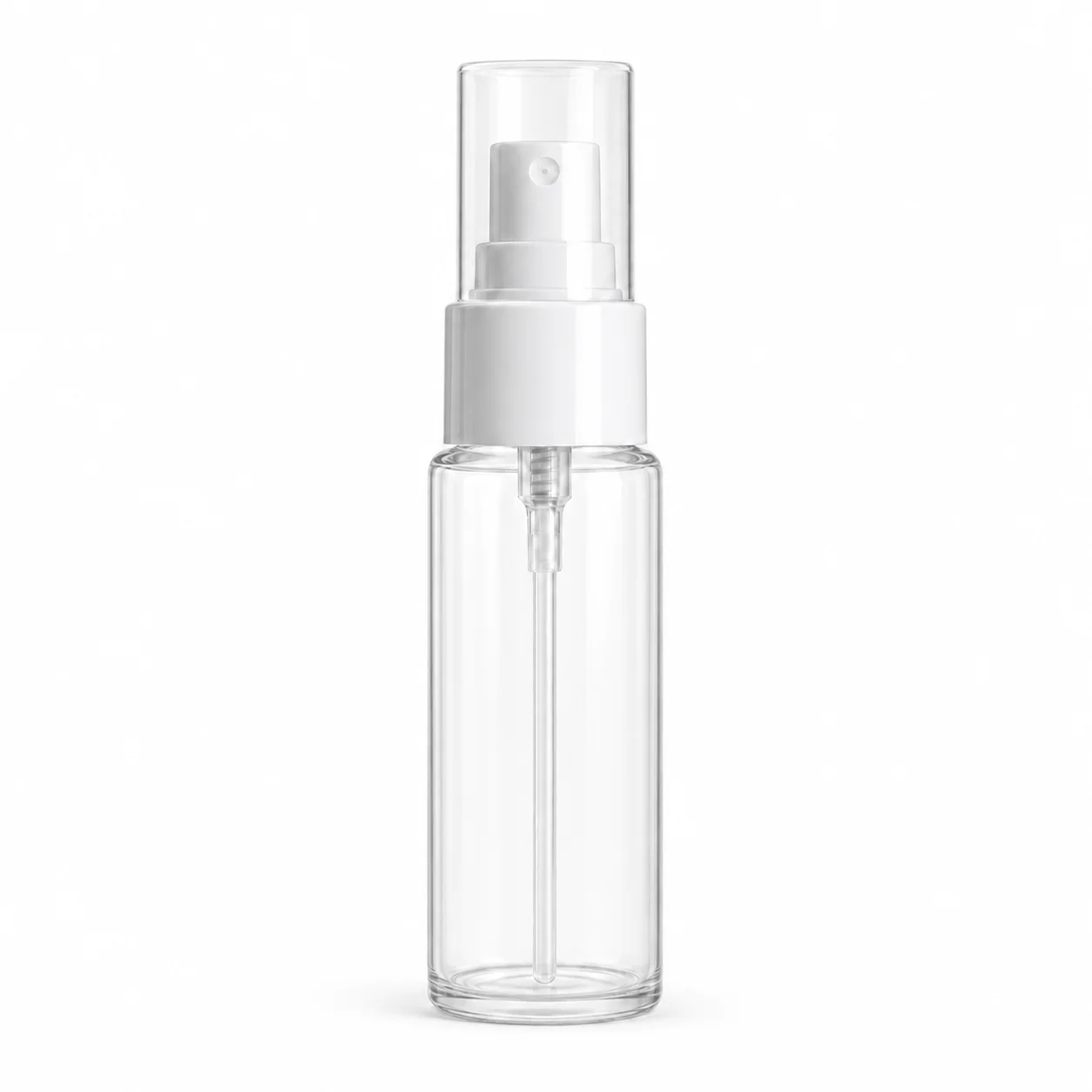
An ultra-fine sprayer meters about 0.12 mL per stroke on a 20-410 or 24-410 thread — barely less than a standard sprayer. What differs is the orifice, which atomizes that same volume into a cloud fine enough to land on a face without feeling wet. The narrow passage that produces the effect is also the first thing any particulate will block.
The volume barely changes; the feel does
Ultra-fine units are listed around 0.12 mL against 0.12–0.16 mL for a standard sprayer, so the difference a customer notices has nothing to do with how much comes out. It is entirely the orifice and internal channel, which break the same dose into far smaller droplets that settle rather than run.
Particulates end the program
Botanical extracts, ferments, suspended actives and anything that crystallizes as it dries will eventually block a fine orifice. Upstream filtration and a genuinely clear formula are packaging requirements here, not formulation preferences, and they need agreeing with the chemist before the sprayer is chosen.
Performance drops with the fill level
Fine nozzles are more sensitive to head pressure than coarse ones. A mist that is even at full can spit in the last quarter of the bottle, which is exactly when a customer decides whether to repurchase. Test at low fill and at the coolest temperature the product will be used at.
410 is one and a half turns
The first number in the code is neck diameter in millimeters, the second the thread series: 400 one turn, 410 about one and a half, 415 two narrow turns. A 24-410 sprayer will not seat on a 24-400 bottle. On a face product a poorly seated sprayer leaks into a handbag, so the pairing is checked on the drawing.
The tube is cut to the bottle
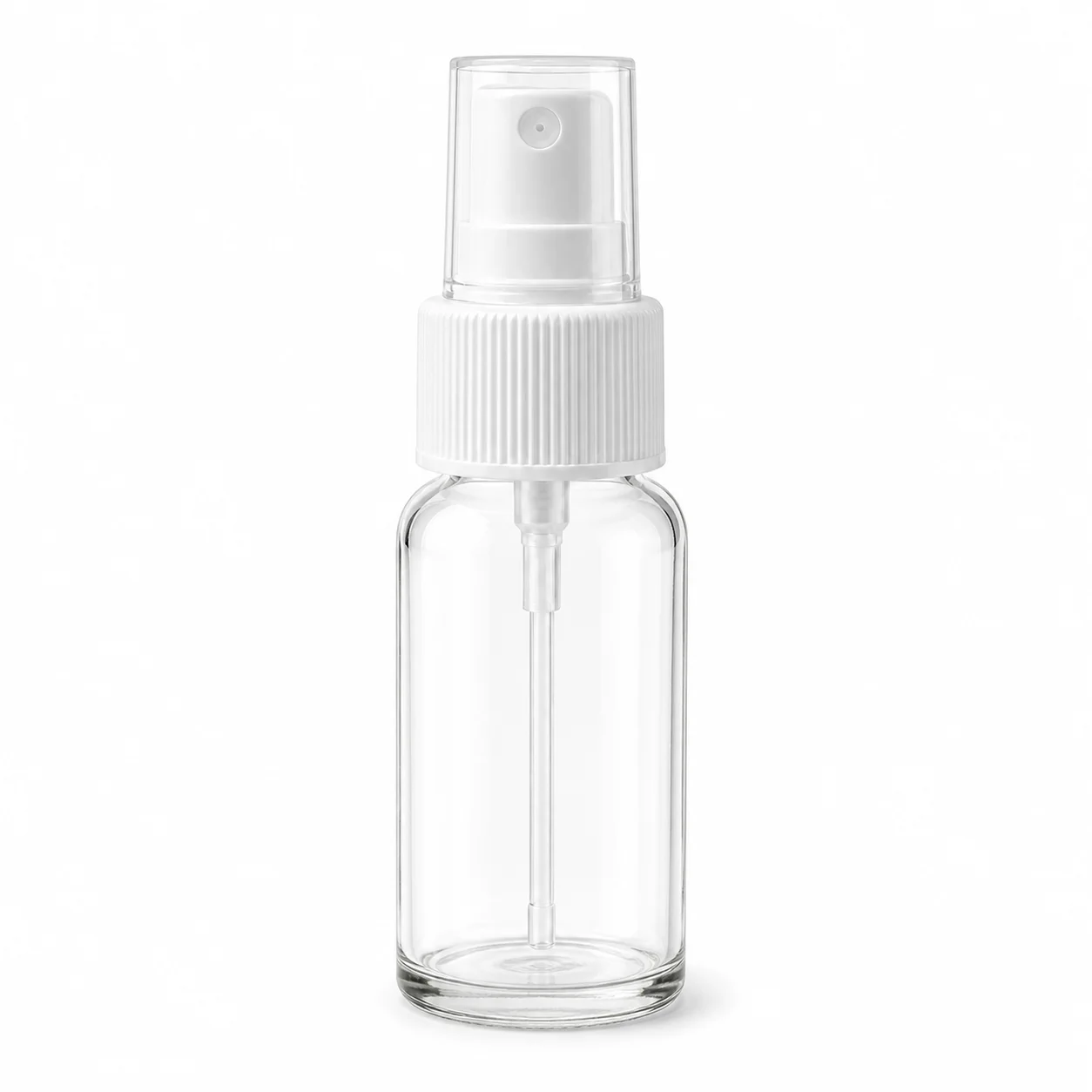
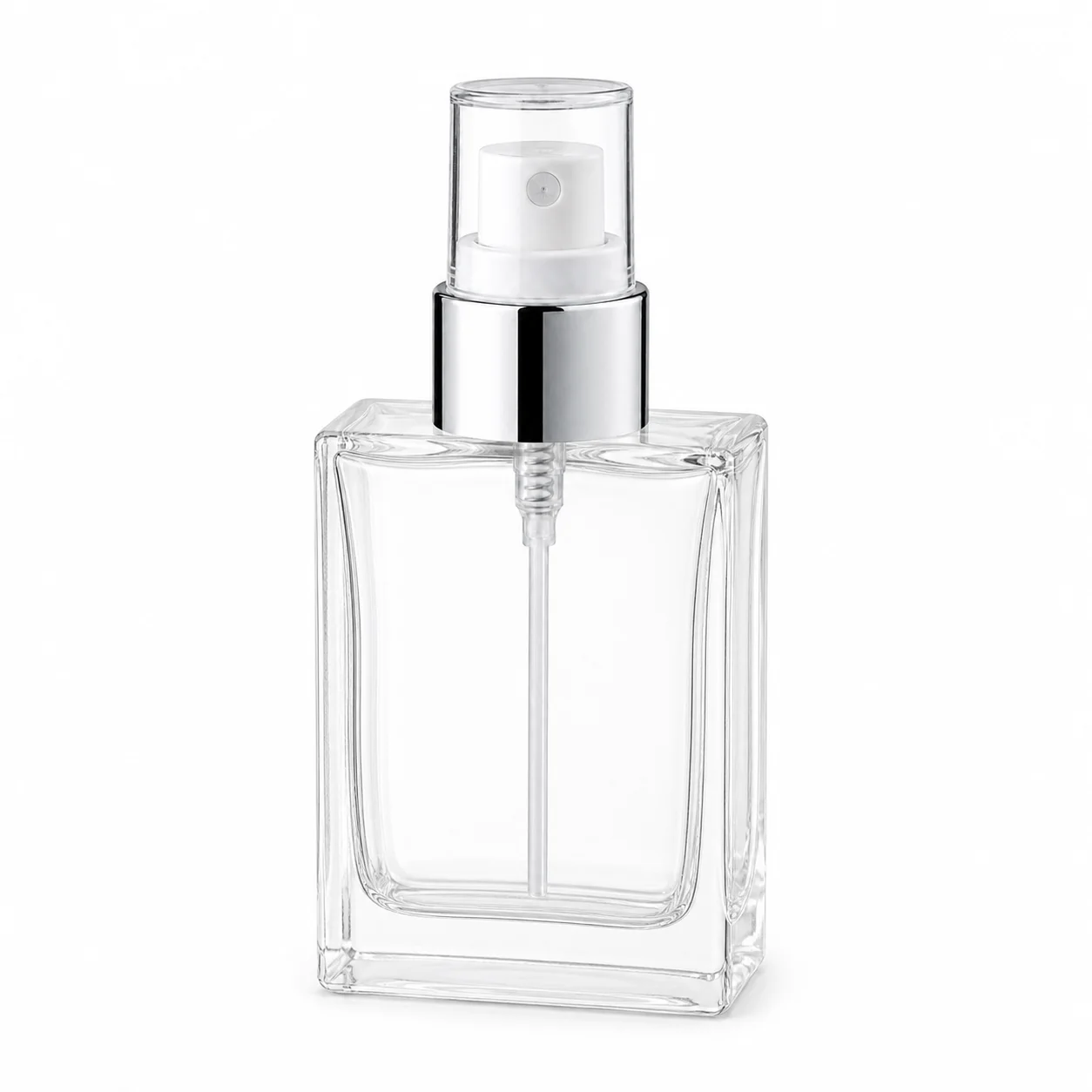
Stocked lengths run roughly 4.6 to 4.8 inches for common cosmetic bottles because each was cut to a body height. On a slim facial-mist bottle a tube even slightly long will bow against the base and draw air, producing exactly the splutter the format was chosen to avoid.
The cover is part of the hygiene case
A clear cover keeps dust and handbag debris off an orifice that is small enough to be blocked by either, and it stops the actuator firing against a lining. On a product applied to the face, that cover is doing more than protecting a component.