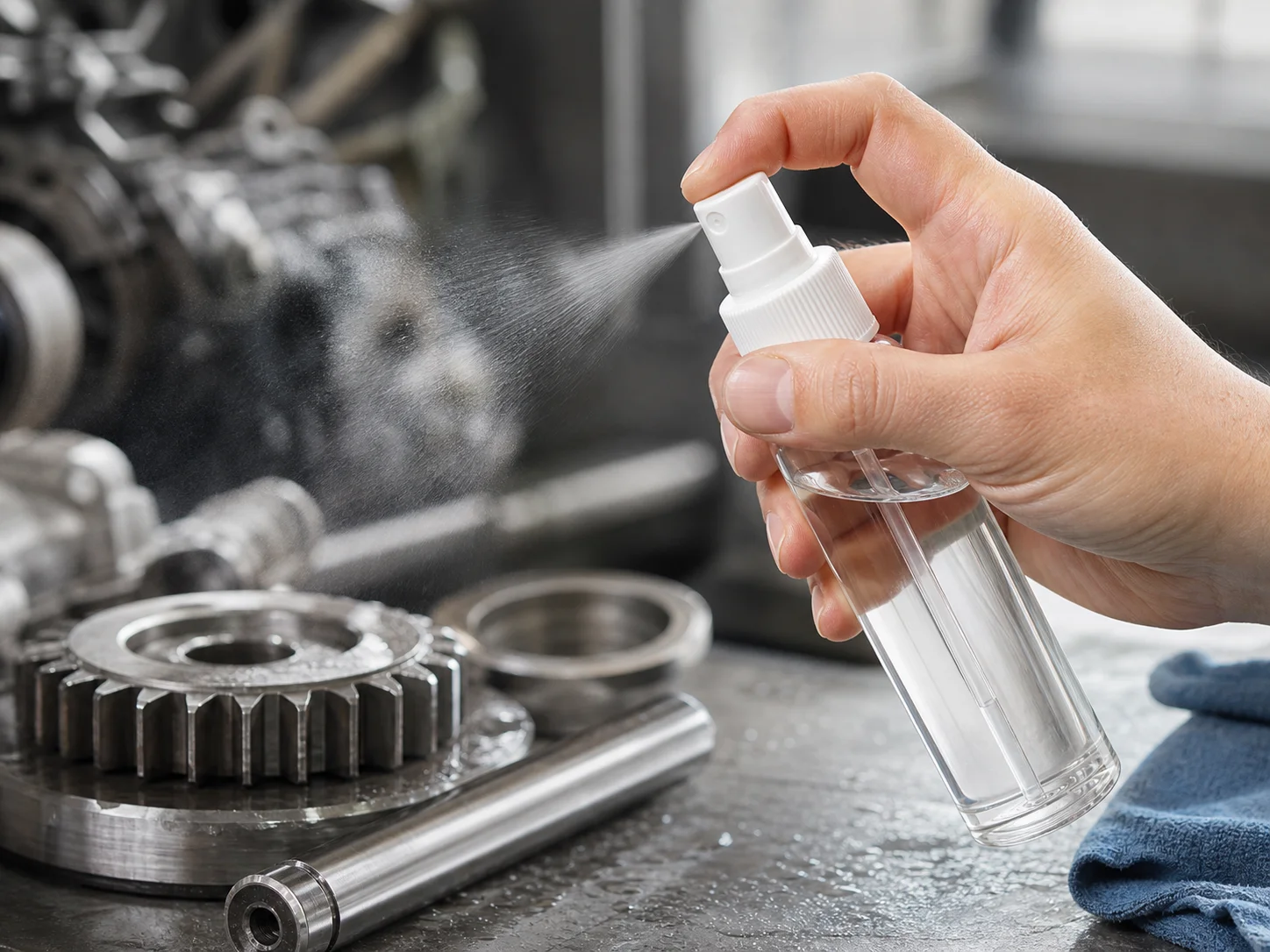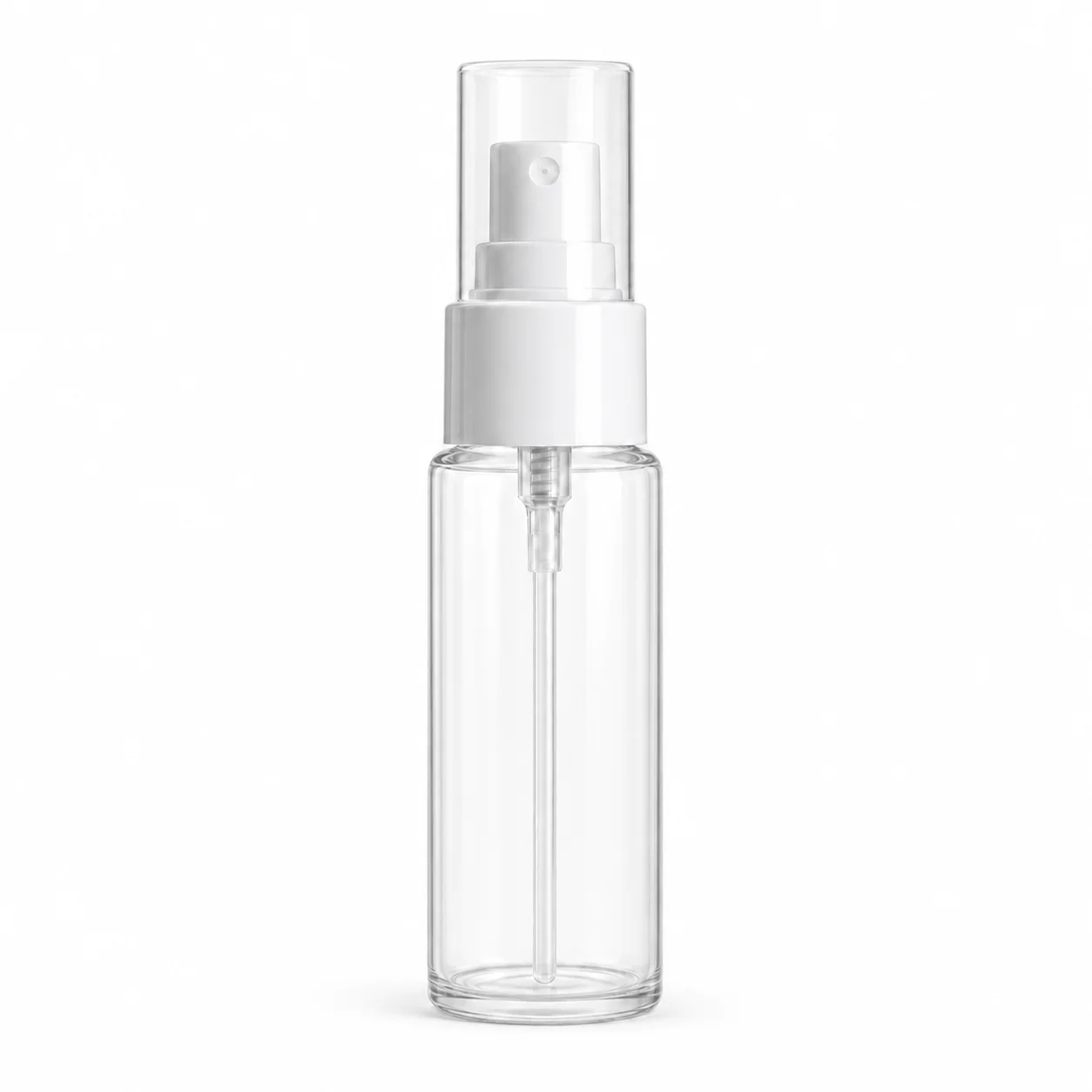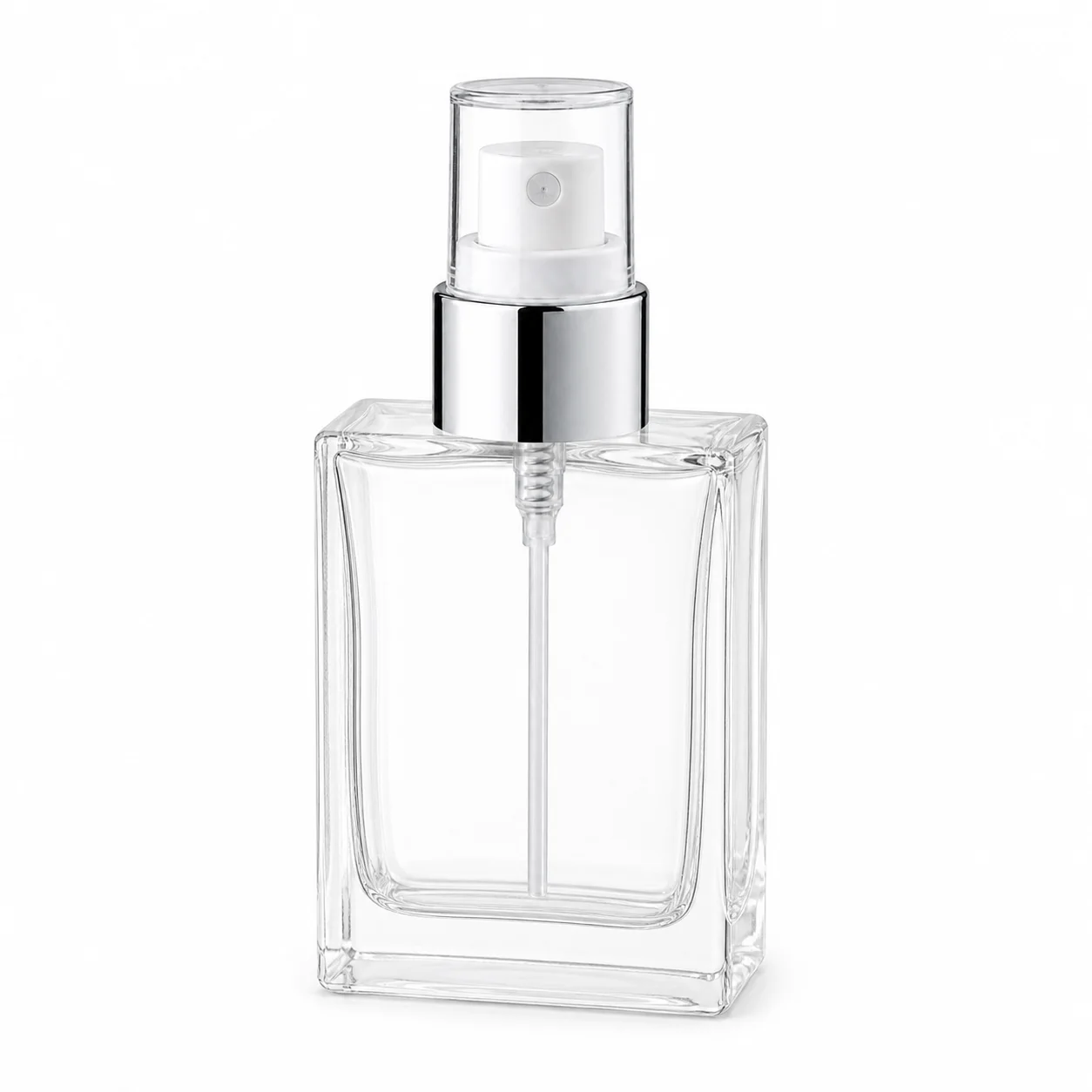
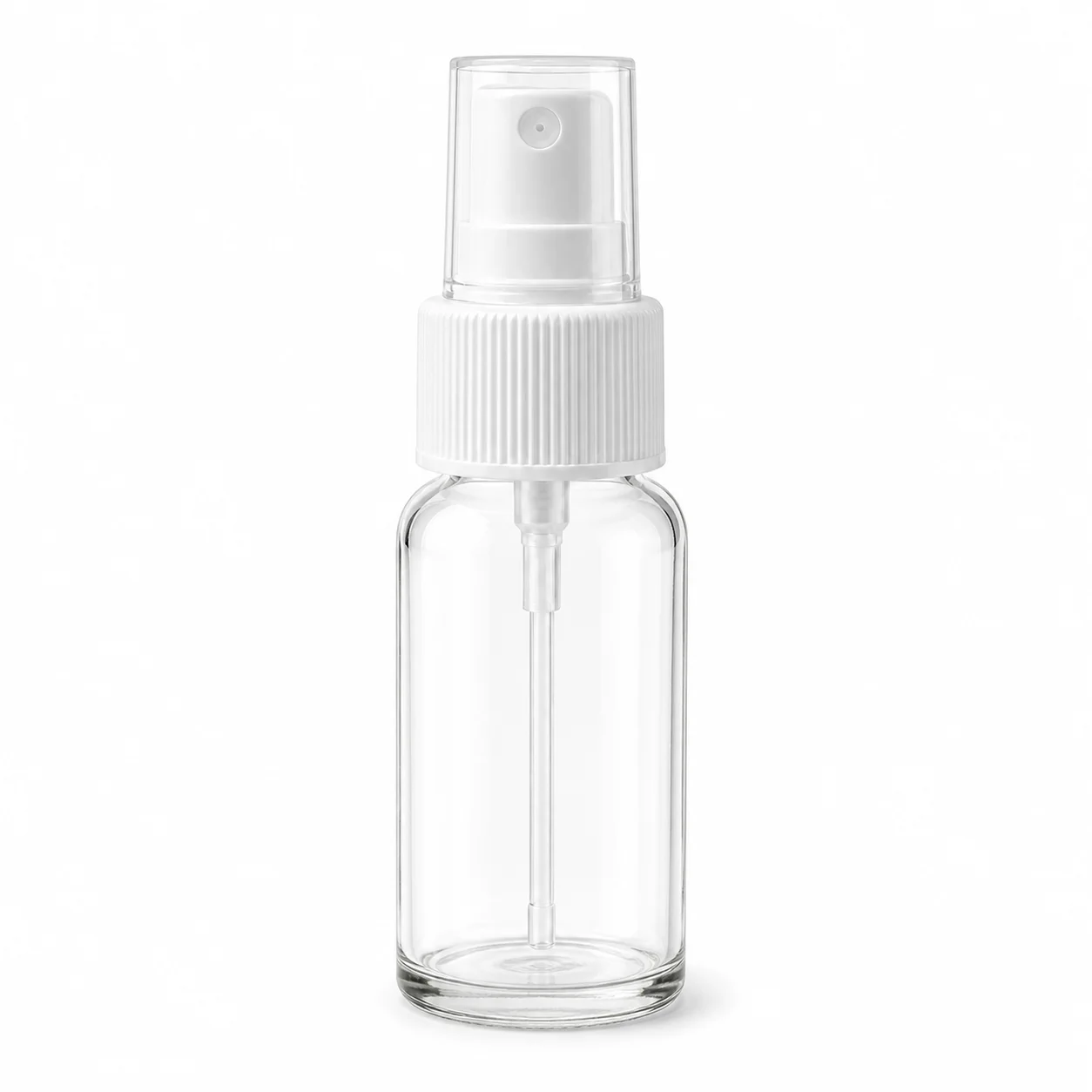
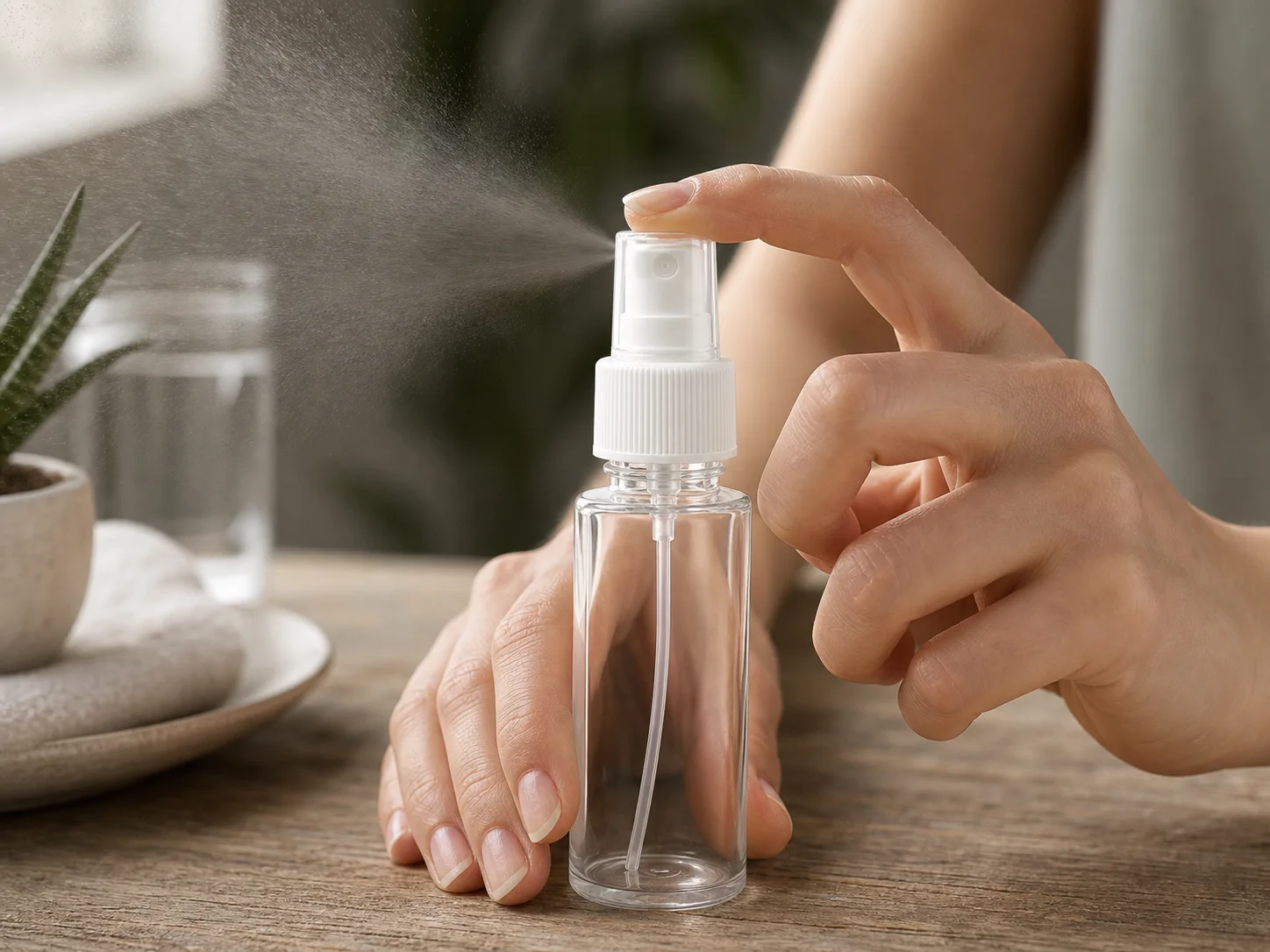
White mist sprayer with transparent overcap, ribbed closure and long dip tube, shown without a bottle
Shown configuration · white PP sprayer with clear overcap and dip tube / bottle and liquid not shown

Sprayers & trigger closures

Mist Sprayer

A PP mist sprayer on an 18-410, 20-410 or 24-410 finish, delivering roughly 0.12–0.16 mL per stroke through a dip tube cut to the bottle, with a snap-on overcap.

18/20/24-4100.12–0.16 mL strokeOvercap included
Stock status
In stock
Lead time
2–3 weeks
FOB price / pc
$0.15 - $0.60
MOQ
3,000 pcs

Final availability, dimensions, materials, assembled components and commercial terms are confirmed against the selected drawing and approved sample.

Coverage, not precision

Sized to wet an area in a few strokes

Three common finishes

18-410, 20-410 and 24-410

Overcap protects the orifice

Stops firing and blocking in a carton

Mist Sprayer profile

A general-purpose sprayer is judged by how many strokes cover the job.

Output, thread series & formula contact

Where sprayer programs actually go wrong.

A mist sprayer moves roughly 0.12 to 0.16 mL per stroke on an 18-410, 20-410 or 24-410 thread. That output is what decides whether a user covers a surface, a scalp or a room in three strokes or fifteen, and it is fixed by the engine rather than adjustable. Everything else — tube length, overcap, orifice — follows the bottle and the formula.

01

Stroke count is the real user metric

At 0.14 mL a stroke, wetting a kitchen surface takes ten or more actuations and a hand tires. Products meant to cover area are better served by a higher-output engine or a trigger sprayer, and that decision belongs at the brief stage, not after a customer review complains the bottle is exhausting to use.

02

410 is one and a half turns

The GPI code puts neck diameter in millimeters first and thread series second: 400 is a single turn, 410 about one and a half, 415 two narrow turns. A 24-410 sprayer does not seat correctly on a 24-400 bottle despite identical diameters, and mixed stock of the two is a recurring source of leaking returns.

03

The tube is cut for one bottle

Dip tubes are supplied around 4.6 to 4.8 inches for common cosmetic bottles because each was cut to a body height. A tube left long coils against the base and pulls air; a short one abandons product. Specify it from the bottle drawing rather than from the finish designation.

04

Surfactants and solvents attack the wetted parts

Household and hair formulas carry surfactants, alcohols and sometimes limonene, all of which work on the PP body, the gasket and the spring over months. A sprayer that performs on day one can stiffen or seep by month six, so compatibility is proved on filled units held at temperature rather than on a bench trial.

05

Repeated actuation is a fatigue test

A cleaning or styling spray may be pumped fifteen times per use and several times a day, which is thousands of cycles across a bottle. Spring set, gasket compression and orifice wear all appear in that range, so cycling filled units to the expected total is more informative than any single-stroke measurement.

06

The overcap is functional

A clear snap-on cover keeps the orifice clean, prevents accidental firing inside a carton or a bag, and gives retail a visible closed state. It also protects the actuator during case packing, which matters because a cracked actuator is invisible until someone presses it.

Application guide

A general-purpose sprayer covers area, not detail.

A standard mist sprayer moves a useful volume of liquid over a broad area with each stroke, which suits products meant to wet a surface rather than settle invisibly on skin. These are development directions confirmed on filled bottles.

Mist Sprayer used for sprays applied over a surface or through hair in a household and hair setting

Household and hair

Sprays applied over a surface or through hair

For products damping a work surface, a cloth or a head of hair, where the customer wants coverage quickly rather than a fine cloud. Output per stroke is the main variable, since too little means endless pumping and too much leaves the surface running.

  • Set output for the area covered
  • Test the pattern at working distance
  • Confirm coverage without running
Mist Sprayer used for sprayers pumped many times per use in a repeated actuation setting

Repeated actuation

Sprayers pumped many times per use

Unlike a perfume spray used twice, these are actuated repeatedly in a single session, which puts real wear on the trigger mechanism and the return spring. Cycle life and how the action feels after hundreds of strokes are worth testing before a range commits.

  • Cycle the sprayer to assess wear
  • Confirm the action stays consistent
  • Check comfort over many strokes
Mist Sprayer used for solvents and surfactants against the parts in a formula compatibility setting

Formula compatibility

Solvents and surfactants against the parts

Household and hair formulations frequently contain alcohols and surfactants that attack seals and dip tubes over months of use, and a failure here empties the bottle into a cupboard rather than merely disappointing someone. Every wetted component has to be confirmed against the actual liquid rather than a similar one.

  • Test wetted parts against the liquid
  • Confirm the dip tube resists the formula
  • Watch for clogging at the nozzle

Applications describe package-development directions. Spray characteristics, output, dose and regulatory outcomes are confirmed for the selected program.

Common questions

Mist Sprayer questions

Answers distinguish the visible sprayer assembly from a qualified liquid-spray system.

How should sprayer performance be described?

In strokes, because that is what the customer counts. Output per stroke matters less than how many presses it takes to cover the intended area, so specify the number of actuations for a typical use rather than a volume figure alone.

Does the dip tube come cut to length?

It is cut for one bottle, so the bottle has to be fixed first. A tube from another pack either sits too high or coils at the base, and both cost the customer the last of the product.

How many actuations should it survive?

Enough for the pack's whole life, and it is a fatigue test rather than a function check. Agree a cycle count that reflects the fill volume and the dose per stroke, then run it on filled units.

Does the overcap do anything besides look neat?

It protects the nozzle from knocks and keeps dust out of the orifice, which is where a fine spray goes wrong. On a pack that travels in a bag or sits open on a counter, the cover is a functional component rather than a finishing touch.

Next step

Send us the Mist Sprayer brief.

Tell us the product, fill volume, closure preference and destination market. We will come back with the matching drawings, available configurations and a sample plan before anything is quoted.

  • 01Send the briefProduct, volume, closure and market
  • 02Get the optionsMatching drawings and configurations
  • 03Approve the sampleConfirm the pack before production