Dose, thread series & dip-tube fit
What actually varies between pumps that look identical.
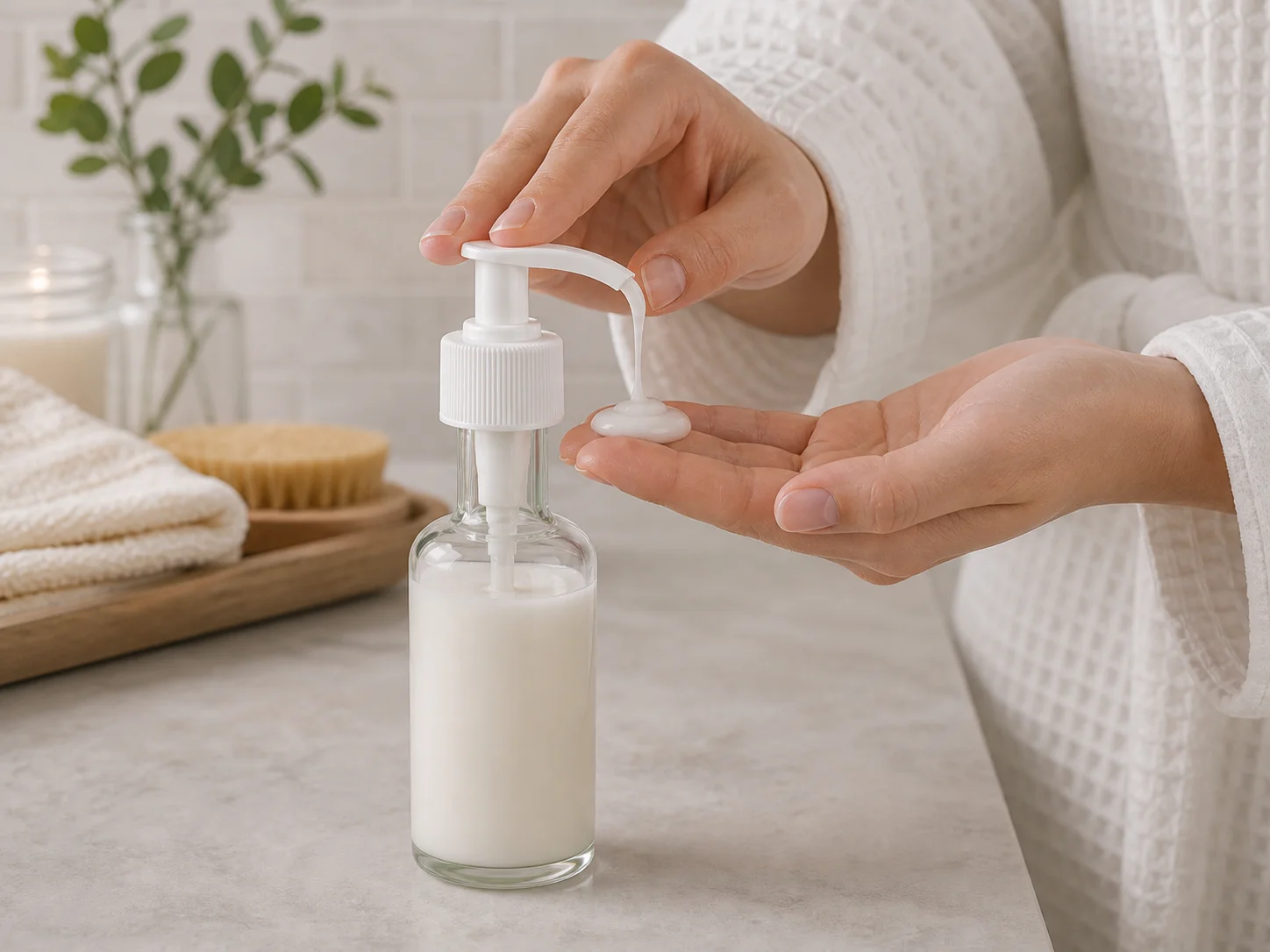
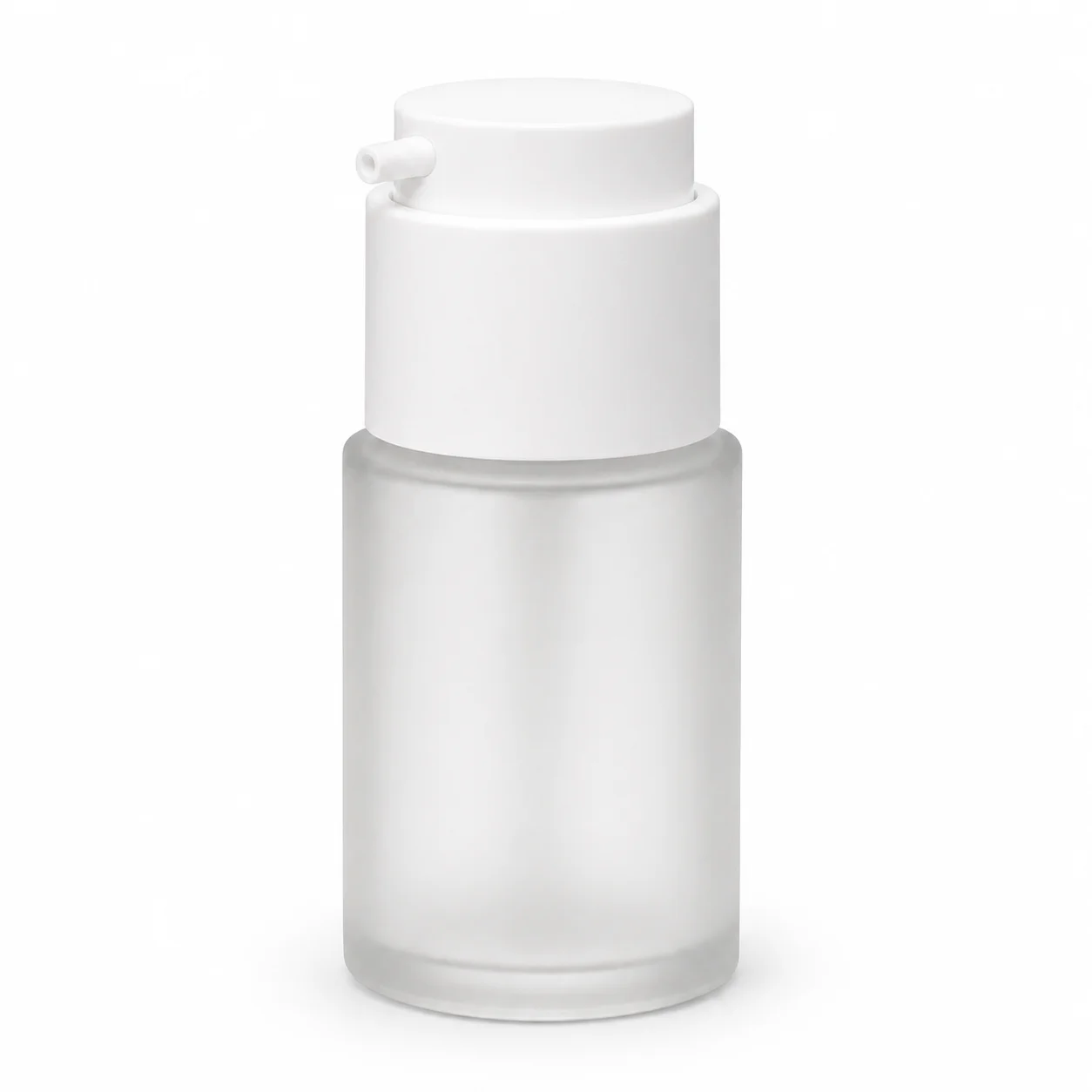
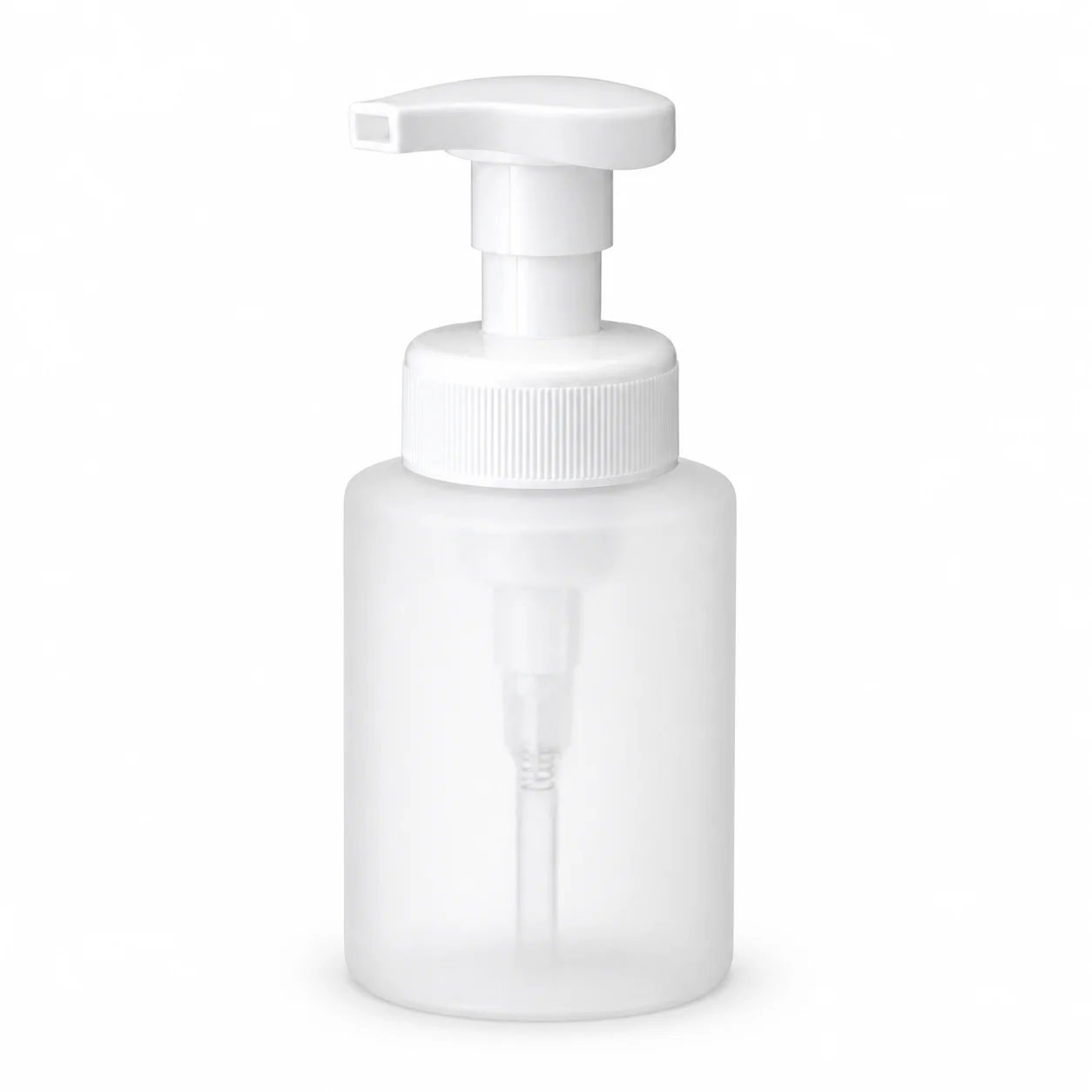
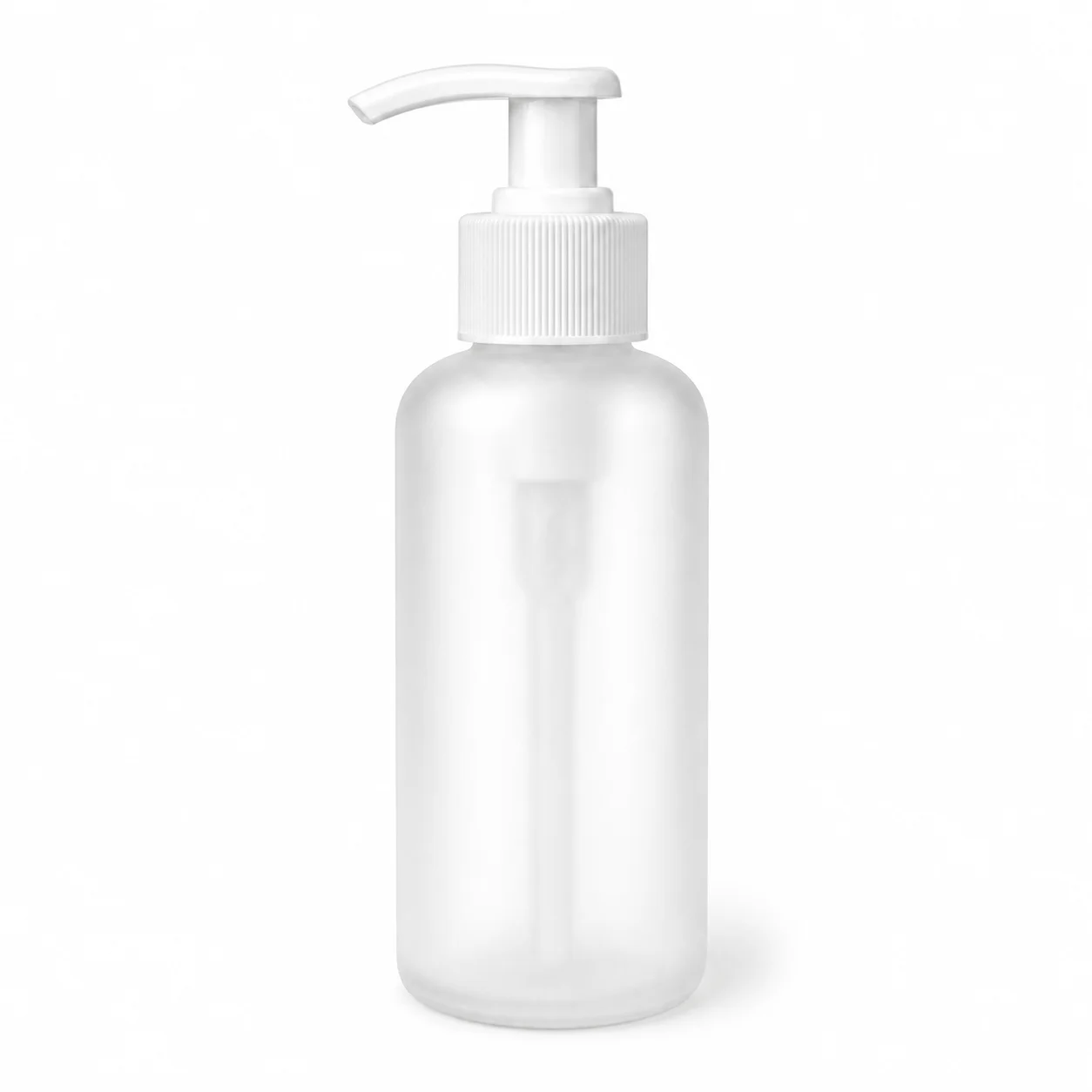
A lotion pump is an engine, a closure and a tube. The closure is a 24-410 or 28-410 thread, the engine delivers a fixed 2 cc or 4 cc per stroke, and the tube is cut to the bottle it will sit in — commonly between 8.75 and 9.75 inches for a standard lotion bottle. Almost every complaint traces to one of those three, not to the pump as a whole.
410 means one and a half turns
In a GPI designation the first number is the neck diameter in millimeters and the second is the thread series: 400 gives a single turn, 410 about one and a half, 415 two narrow turns. A 28-410 pump will not seat properly on a 28-400 bottle even though both measure 28 mm, and that mismatch is the single most common sourcing error here.
Output is built in, not adjustable
A 2 cc pump and a 4 cc pump are different engines. Nobody can turn one into the other in the field, so the dose decision belongs with the formula and the claimed number of uses per bottle: a 250 mL bottle gives roughly 125 strokes at 2 cc and 62 at 4 cc, which is the difference between a two-month product and a one-month one.
The tube is cut, so the bottle comes first
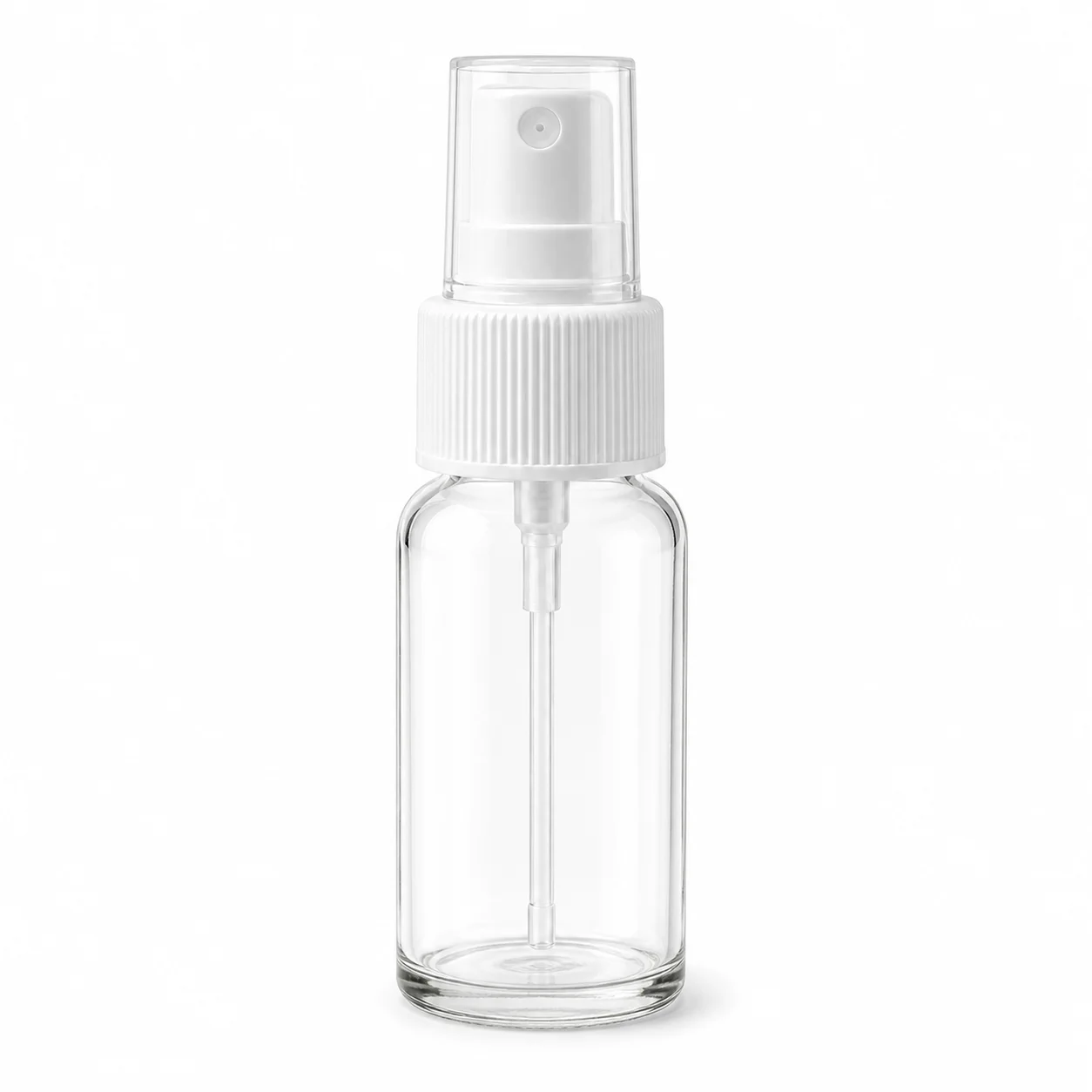
Dip tubes ship at lengths such as 8.75, 9.21875, 9.25 and 9.75 inches because each was cut for a particular bottle. Too short and the customer cannot reach the last centimeter of an expensive lotion; too long and the tube kinks against the base and starves the engine. Order the tube against a bottle drawing, never against a finish size.
Lock-down heads exist for the journey
A head that twists down and stays down is what keeps a pump from firing inside a carton or a suitcase. It also gives retail staff a clear closed state on a tester. The trade is one extra action for the customer every time, which matters more on a daily face product than on a hand wash by a sink.
Viscosity sets the ceiling
These engines move thin and medium lotions well. A thick balm or a heavily thickened cream can outrun what the piston and the tube diameter will pull, showing up as partial strokes and air. Trial the actual formula at the coldest temperature it will be used at, because a cream that pumps in July can stall in an unheated bathroom in January.
The metal shell is cosmetic, the engine is not
Brushed aluminum and other metal-shelled versions wrap the same PP mechanism to lift the perceived tier of the pack. That changes cost, weight and recyclability messaging without changing dose or priming, so the shell is chosen on positioning while the engine is chosen on the formula.