Geometry, liner choice & crimp control
Why two identically printed crowns can behave completely differently.
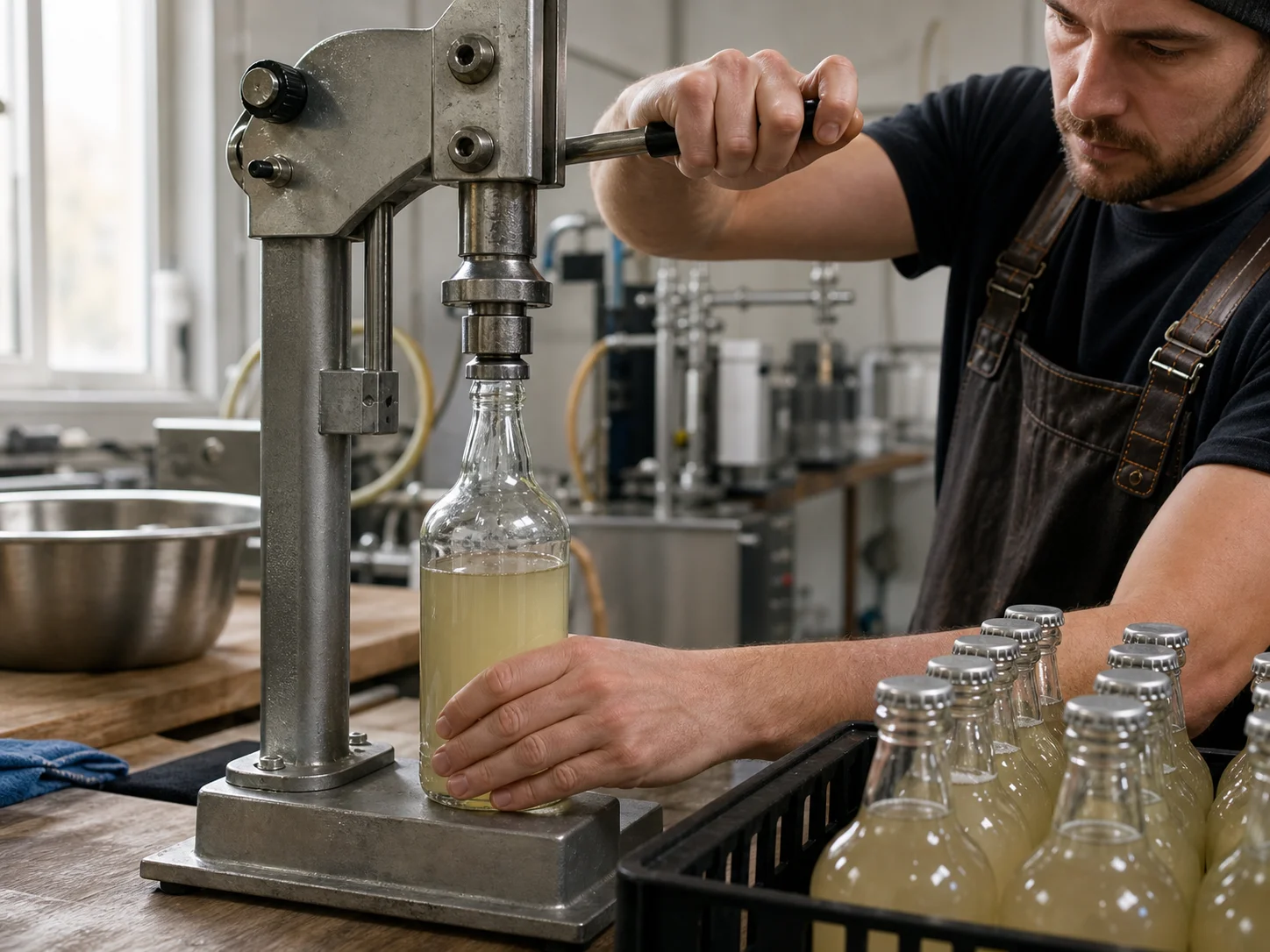
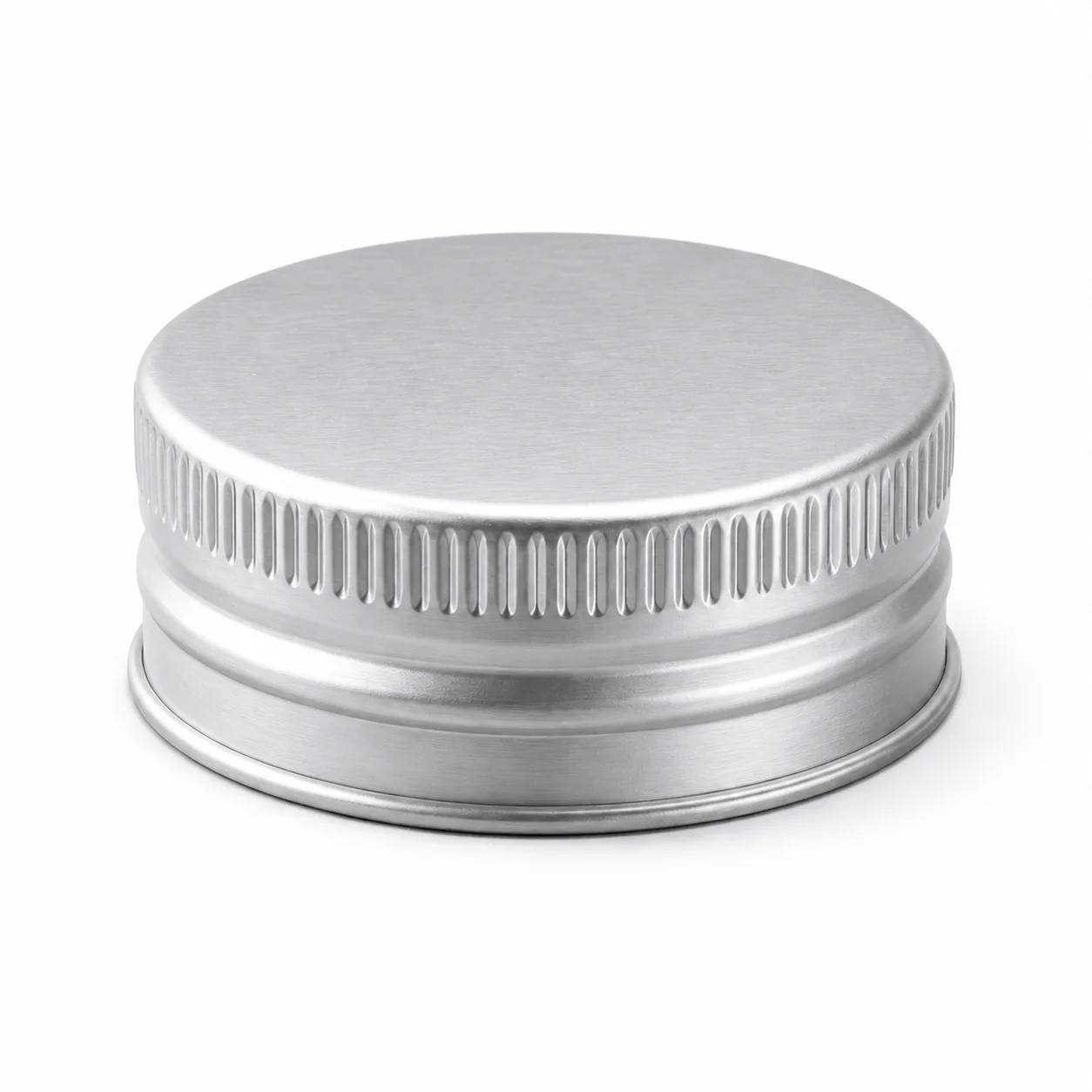
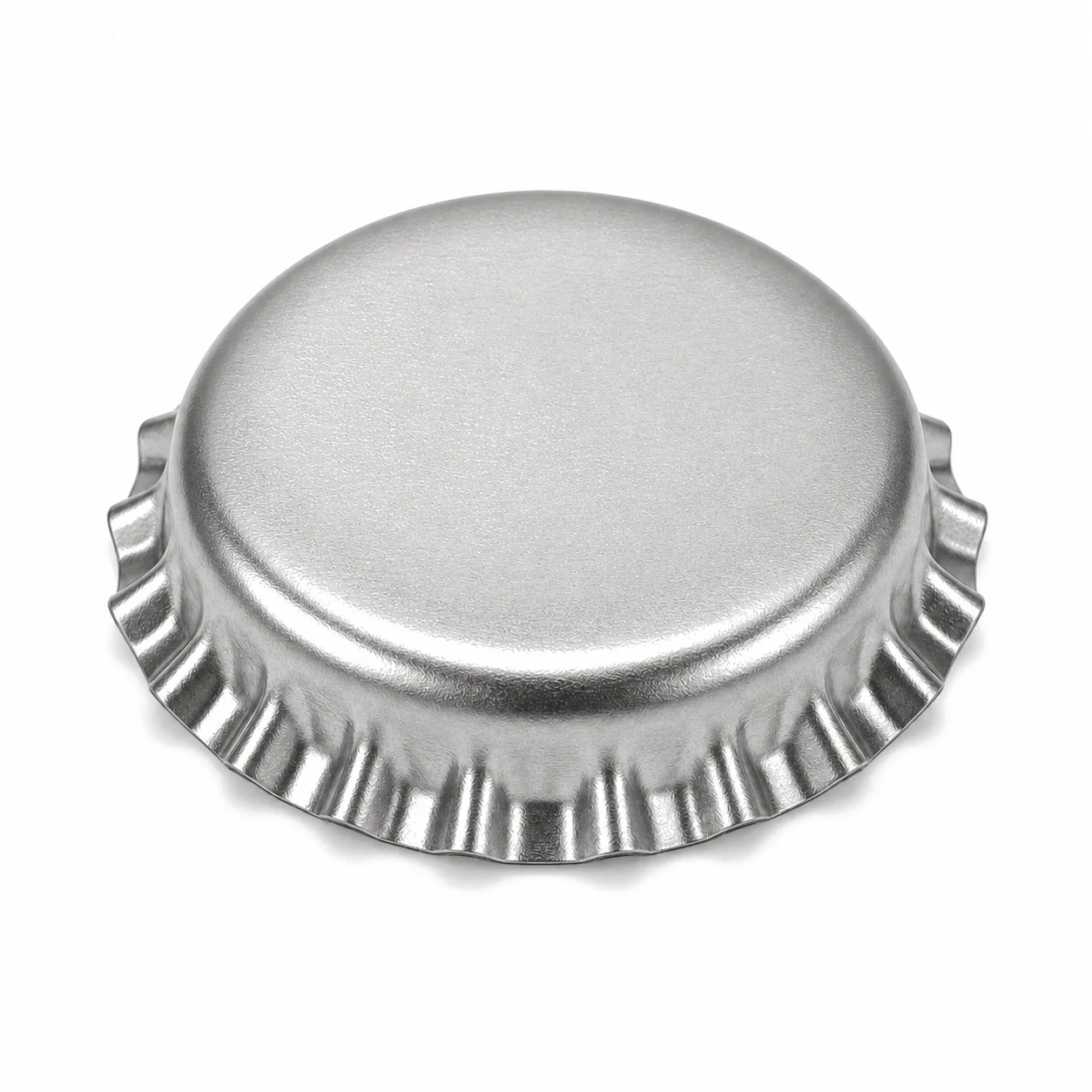
A 26 mm crown is a shallow tinplate shell with 21 flutes around the skirt, crimped onto a standardized glass finish. Material runs 0.20–0.25 mm in TFS or ETP grades, and the liner is specified separately for the product. At a unit cost of fractions of a cent, almost every real cost in a crown program sits in the crimp settings and the liner choice.
Two standards define the joint
The cap side is covered by EN 17177, titled for a 26 mm diameter, 6 mm height crown cap; the glass side by EN ISO 12822, which specifies the 26 H 126 crown finish. Naming both in a purchase order is what stops a supplier substituting a nominally similar crown that will not crimp onto your bottles.
Twenty-one flutes is not decoration
The flute count sets how the skirt folds under the transfer bead when the crimping head closes. A crown with a different count, or a skirt formed to a different depth, will either leak or grip so hard that a hand-opened bottle tears the flutes. It is one of the first things to check when a batch behaves oddly.
The liner does the sealing, not the metal
Common options are PVC-free compound, an oxygen-scavenging compound for products where shelf life is oxygen-limited, and a sterilizable insert for hot-fill or tunnel-pasteurized lines. The metal shell only holds that compound against the glass, which is why a change of liner is a change of closure.
Coating grade is a chemistry decision
Shells come in TFS and in electrolytic tinplate grades such as ETP E1/E1, E1/E4 and E4/E4, where the two figures describe coating weight on each face. The inner face is the one meeting an acidic or high-chloride product, so the grade follows the beverage rather than the print design.
Print and color raise the entry volume
Stock colors — gold, silver, white, red, navy, green and a dozen more — ship from a single box. Printed logos typically start around 63,000 pieces because the shell is decorated on sheet before it is stamped. That threshold, not the cap price, is what usually decides whether a small brand prints.
Pry-off is a two-part user decision
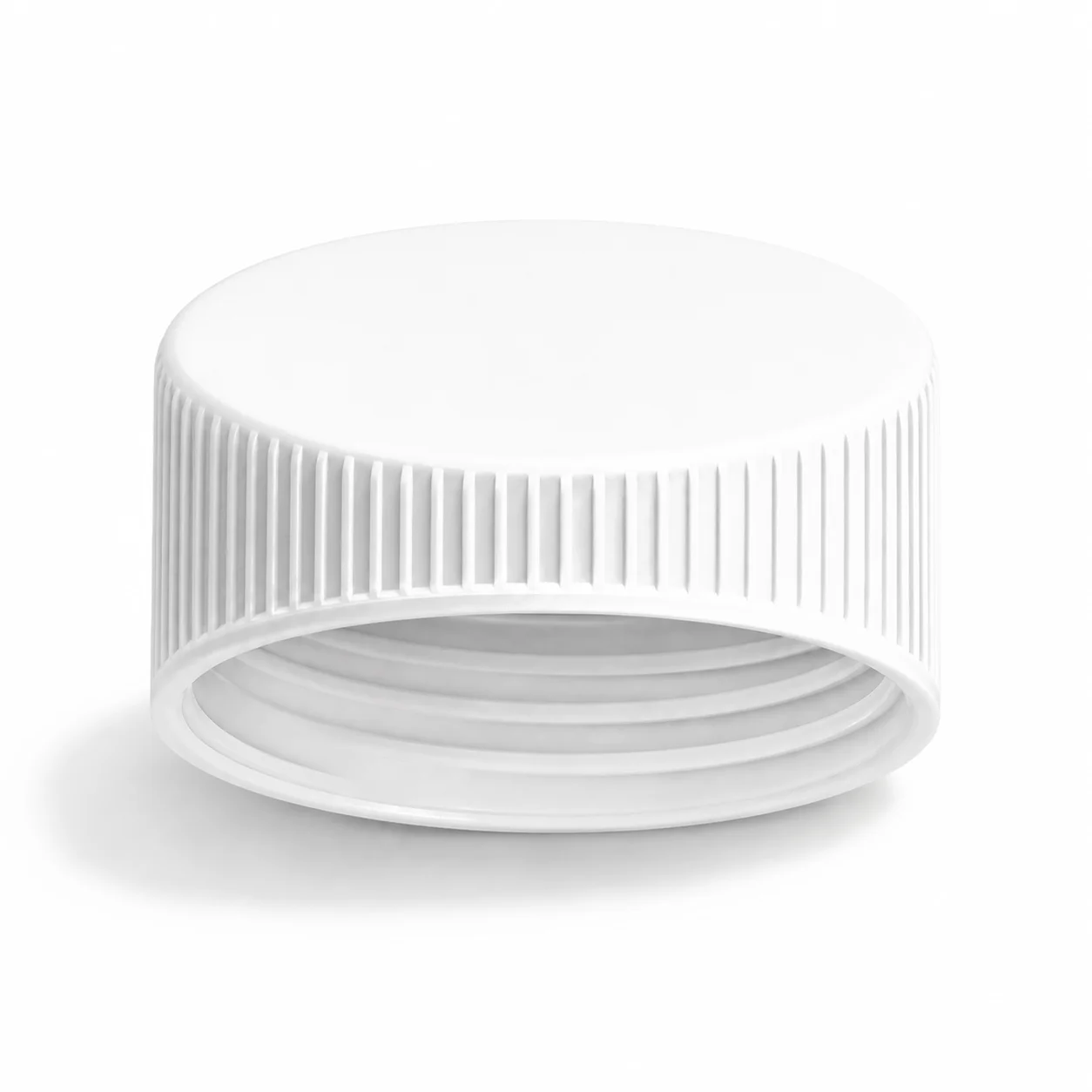
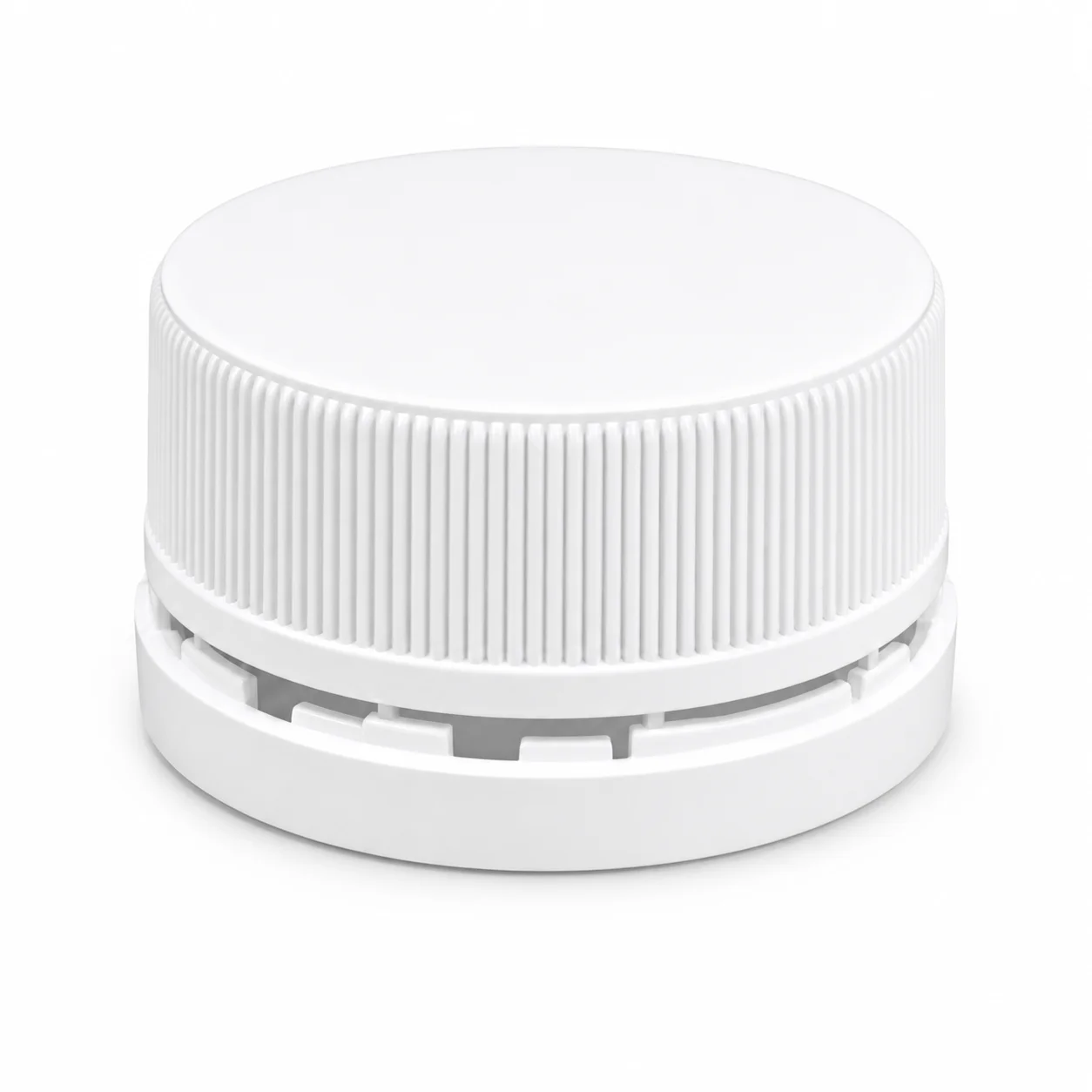
A pry-off crown needs an opener, which suits on-trade and enthusiast products and rules out drinking straight from a chilled bottle without one. Twist-off crowns exist on a different finish and are not interchangeable with this one, so the format is chosen with the bottle rather than after it.