Thread series, liner selection & torque control
Six things that separate a cap that fits from a cap that seals.
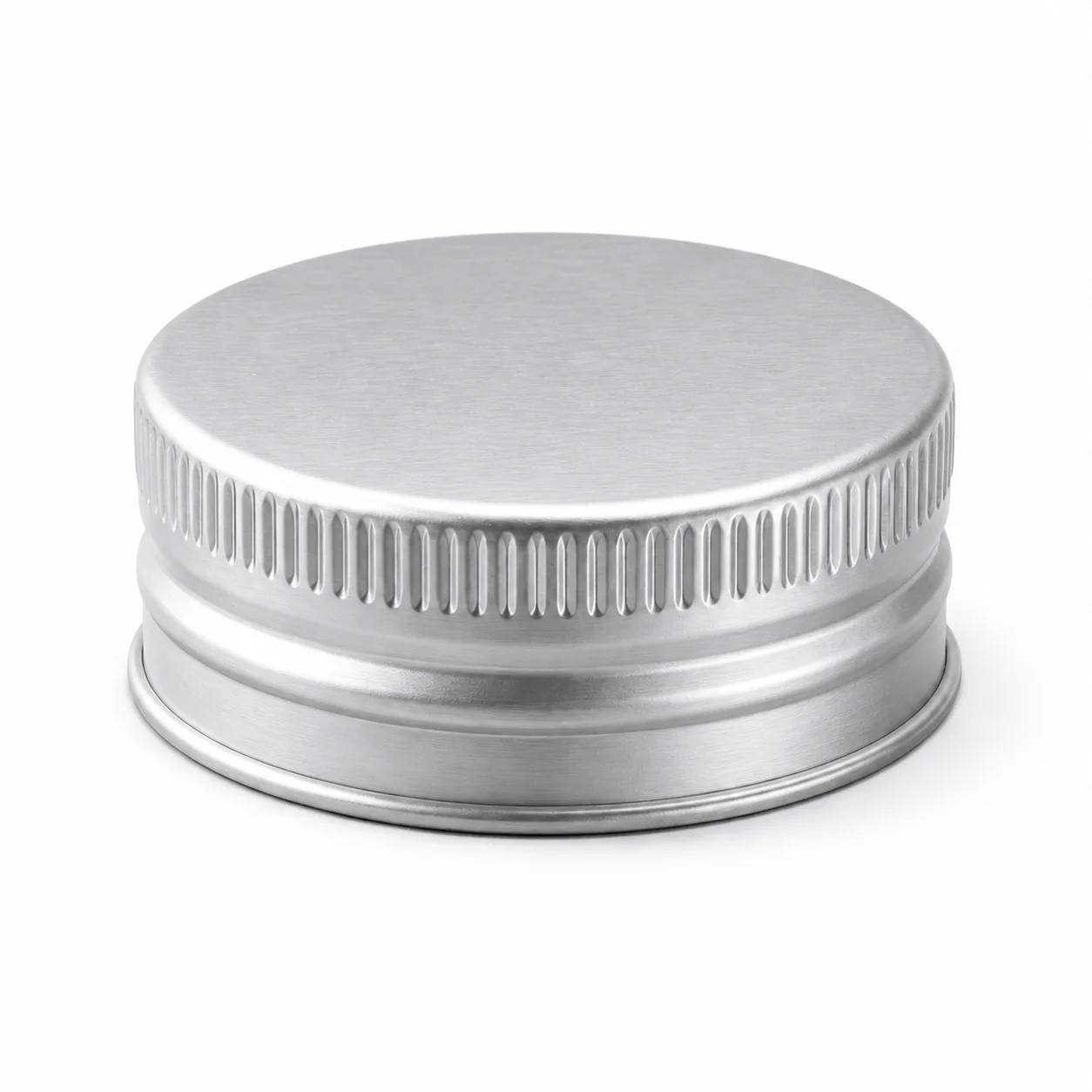
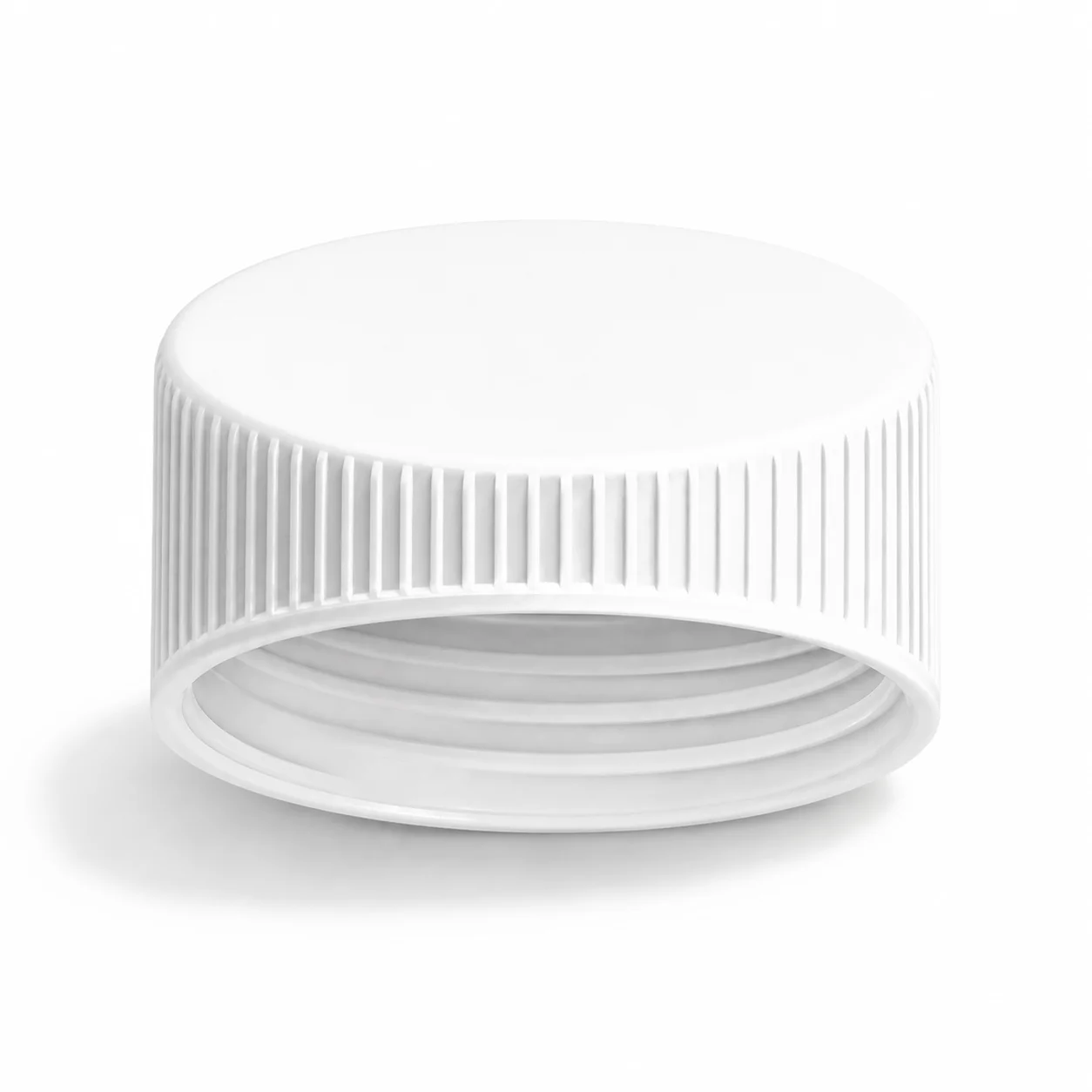
A continuous-thread cap does one mechanical job: hold a liner against the sealing surface of the bottle at a controlled compression, and keep holding it after the plastic has crept and the truck has been cold. The shell decides grip, decoration and cost. Whether the pack leaks, taints or dries out is decided almost entirely by the disc inside.
The second number is the one that bites
In a code such as 24-410, the first figure is the nominal neck diameter in millimeters; the second identifies the thread series. The 400 series gives about one turn, 410 about a turn and a half, and 415 about two turns at the same pitch on a taller finish. A cap and a neck sharing a diameter but not a series will engage, feel tight and seal on nothing.
Match the liner to the chemistry, not to the price list
F217 — low-density foam between two films of LDPE — is the general-purpose choice and handles acids, alkalis, oils and aqueous products with no pulp dust. Pulp and poly suits inert, low-acid products but is not used with bleach or active hydrocarbons. Cone liners wedge into the bore for essential oils in glass. Substituting one for another to save a fraction of a cent is how tainted product reaches customers.
Decide early whether the pack is induction sealed
An induction liner is a laminate of foil, wax and pulp or foam that is bonded to the land by an induction head after capping, leaving a hermetic membrane the customer peels away. It only works on the right container material and it needs a head on the line. Adding it later usually means changing both the cap and the filling equipment, so it belongs in the first specification.
Specify torque, then verify it a day later
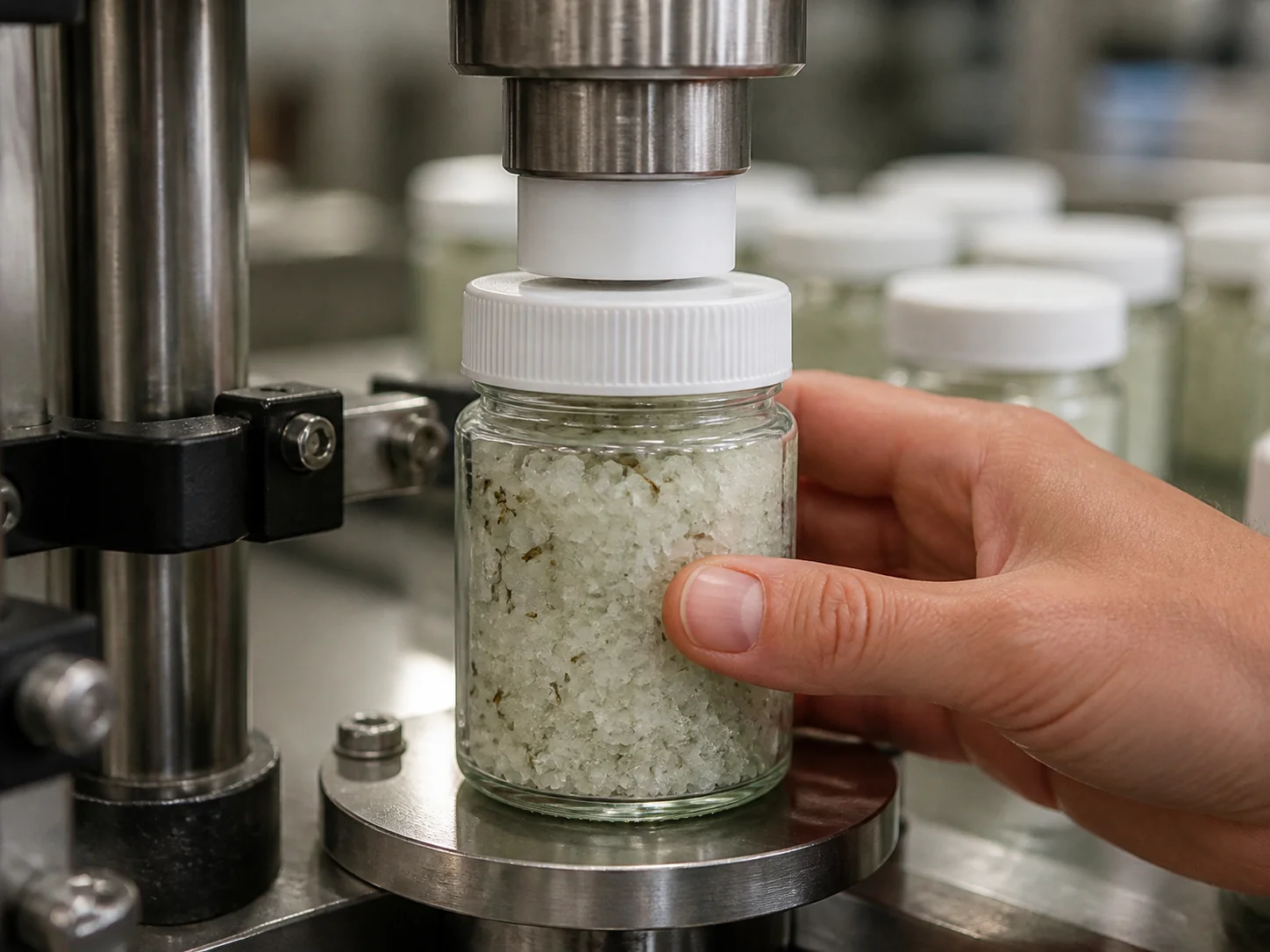
A working rule is that application torque in inch-pounds runs at roughly half the closure size in millimeters: about 10–18 in-lb at 24 mm, 12–21 at 28 mm, 17–26 at 38 mm. Removal torque settles at 40 to 60 percent of that. The reading that matters is taken about 24 hours after capping, once the plastic has backed off and the liner has relaxed.
Choose the shell material for temperature and shine
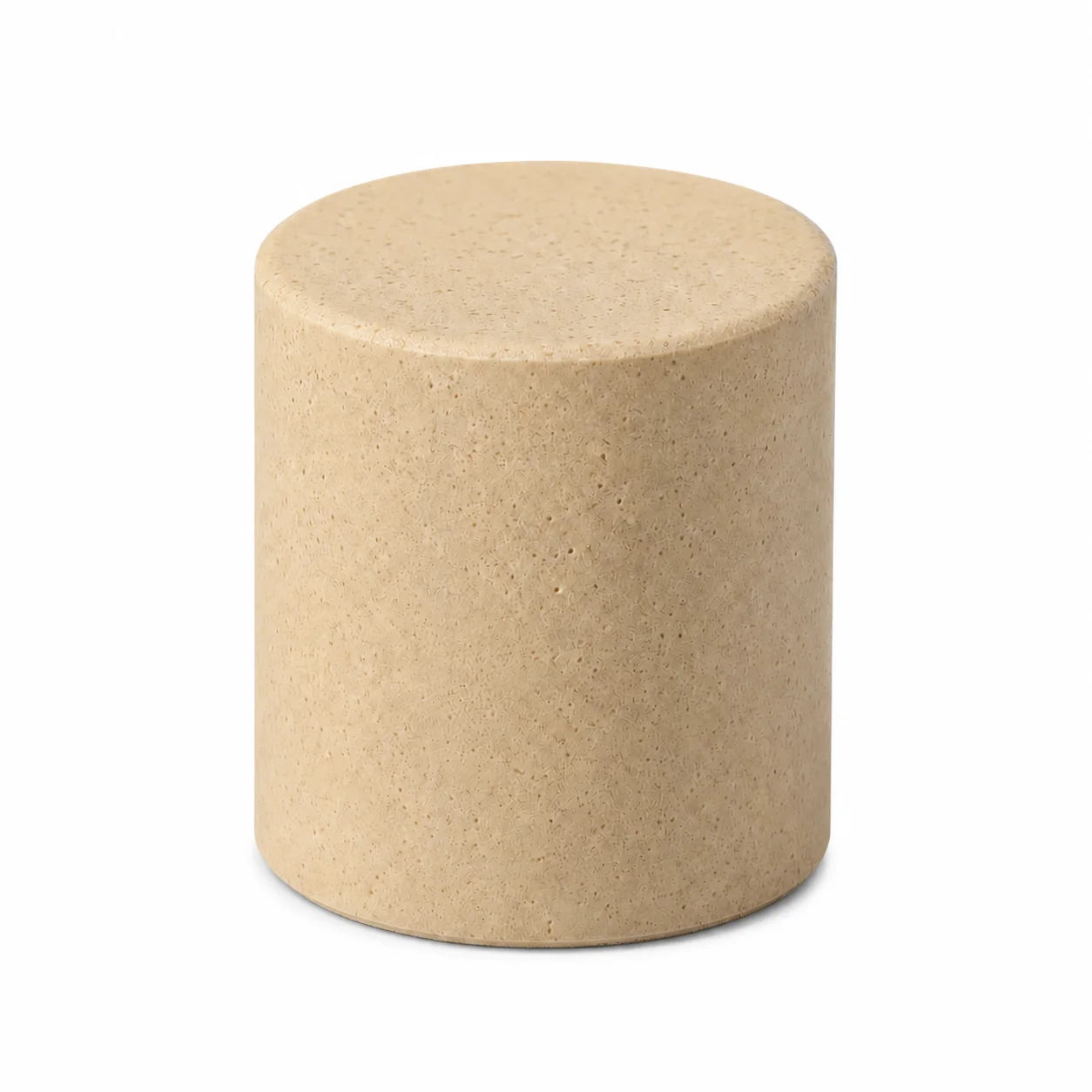
Polypropylene is the default: tough, cheap, chemically indifferent and available in almost any color. Phenolic is a thermoset — dimensionally stable when hot, resistant to solvents and traditional on laboratory and essential-oil packaging, but limited to dark colors and brittle if dropped. Urea gives a harder, glossier face where the closure is part of the product's appearance.
Ribs, smooth walls and the capping head
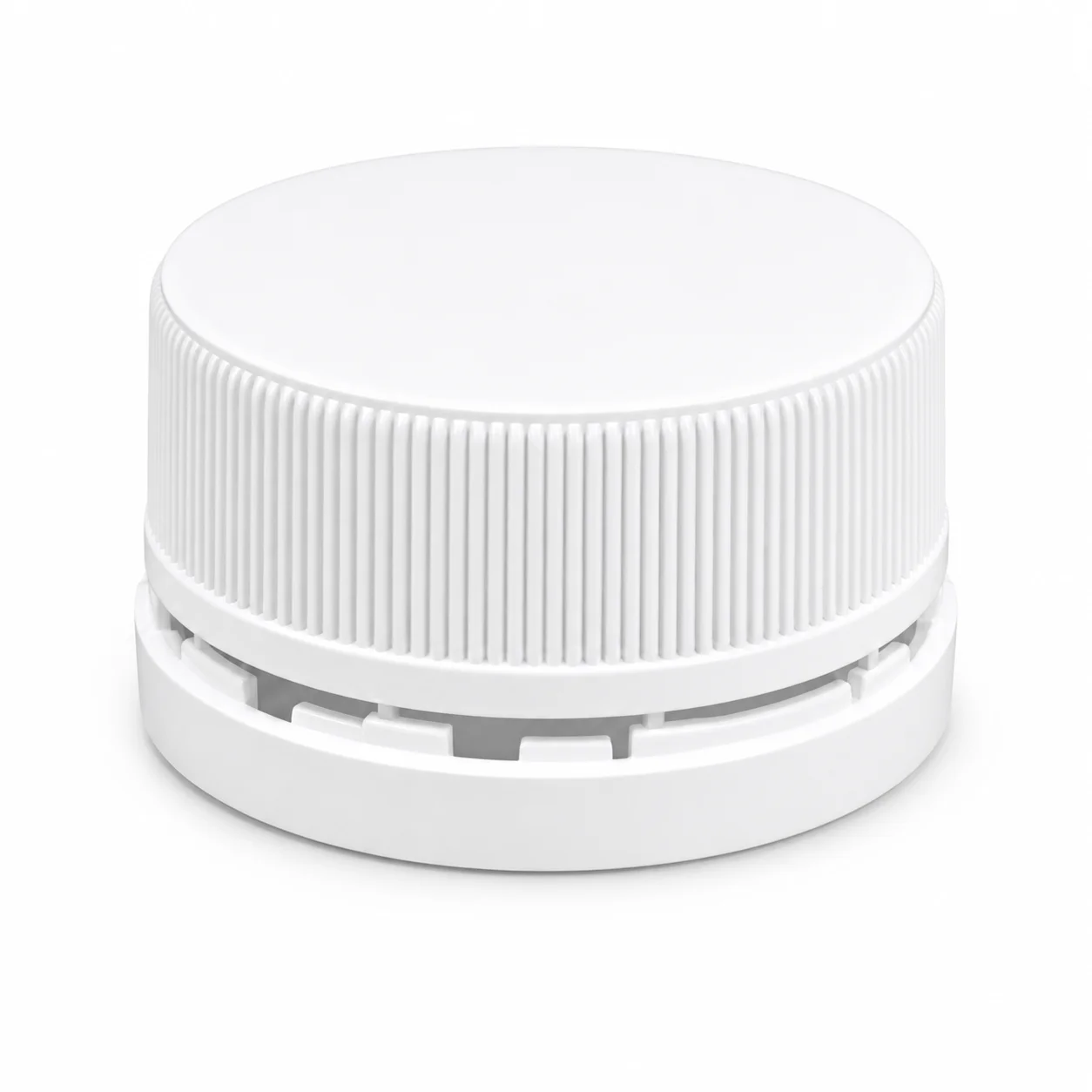
Ribbed skirts give both a hand and a chuck something to grip and forgive a worn head. Smooth skirts photograph better and take a wraparound label cleanly, but they demand a matched friction chuck; when one slips, the line quietly under-torques an entire shift and the leaks appear a week later in a warehouse rather than on the filling floor.