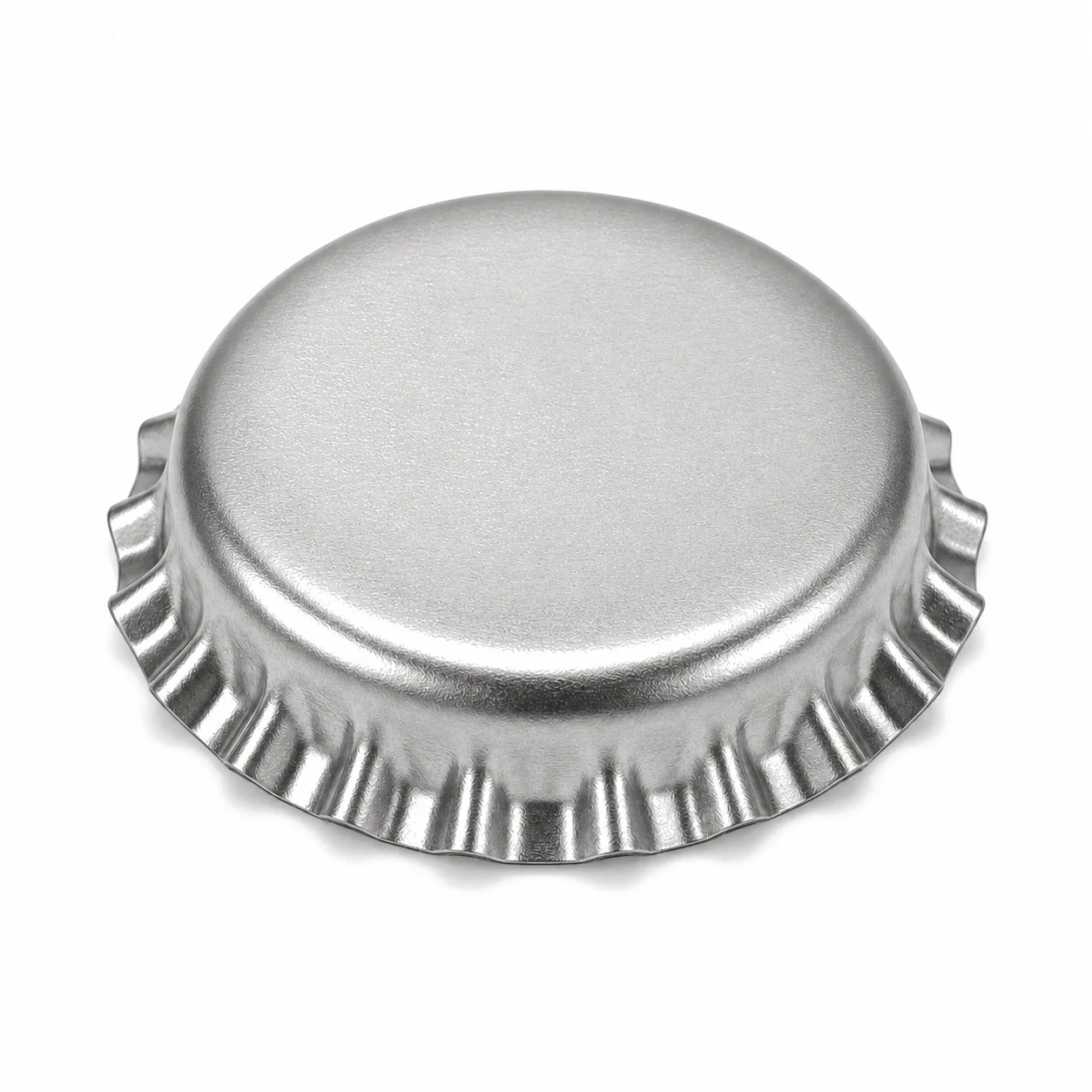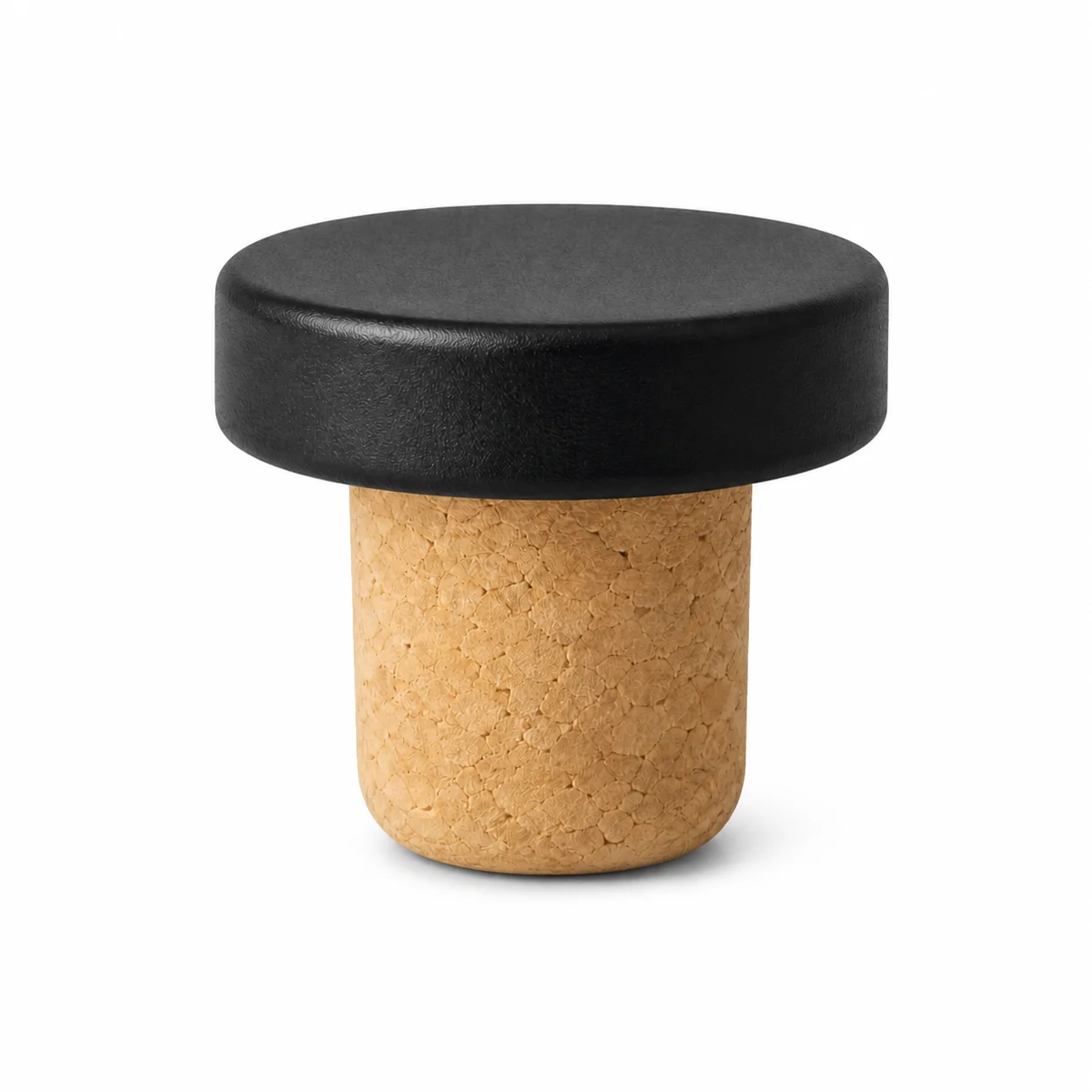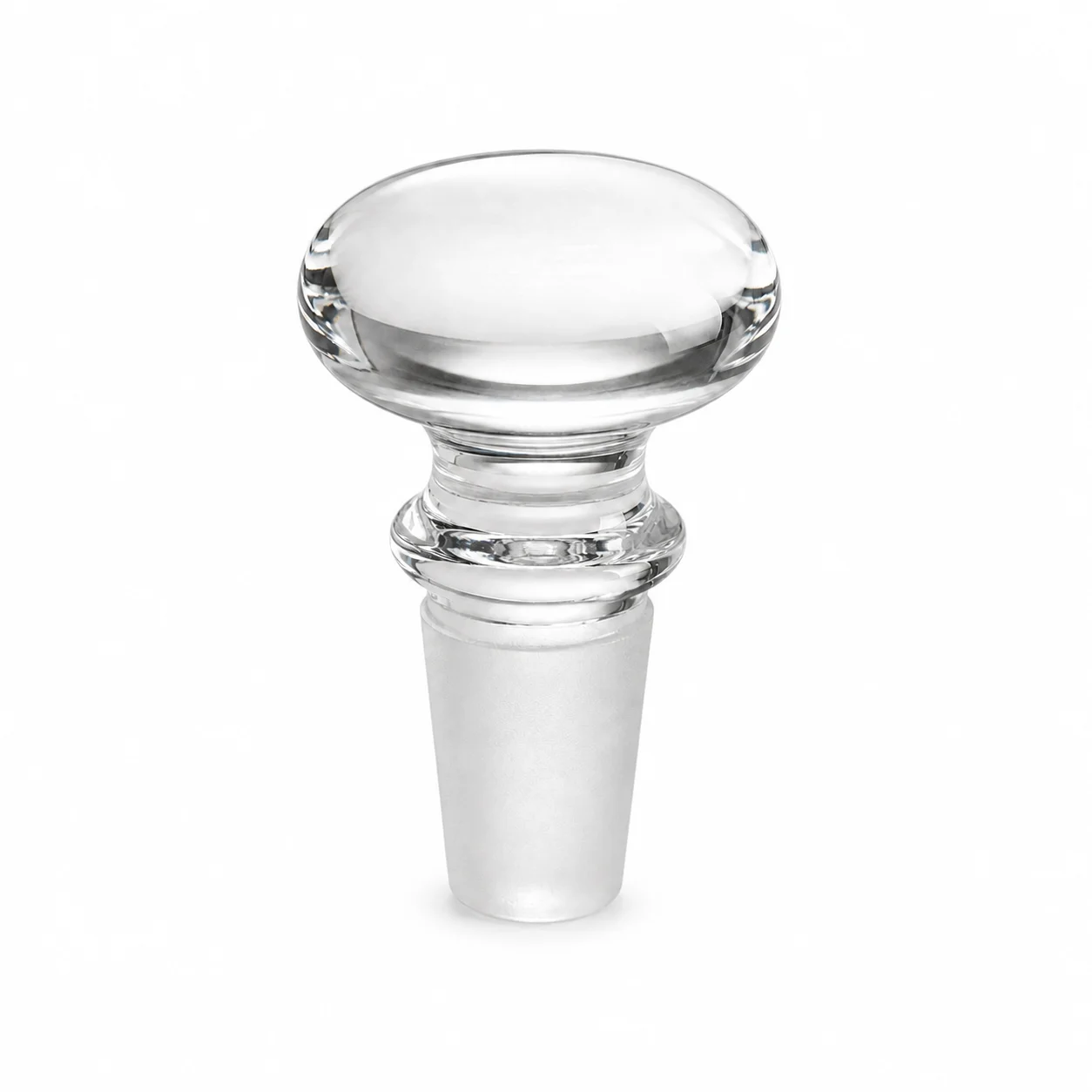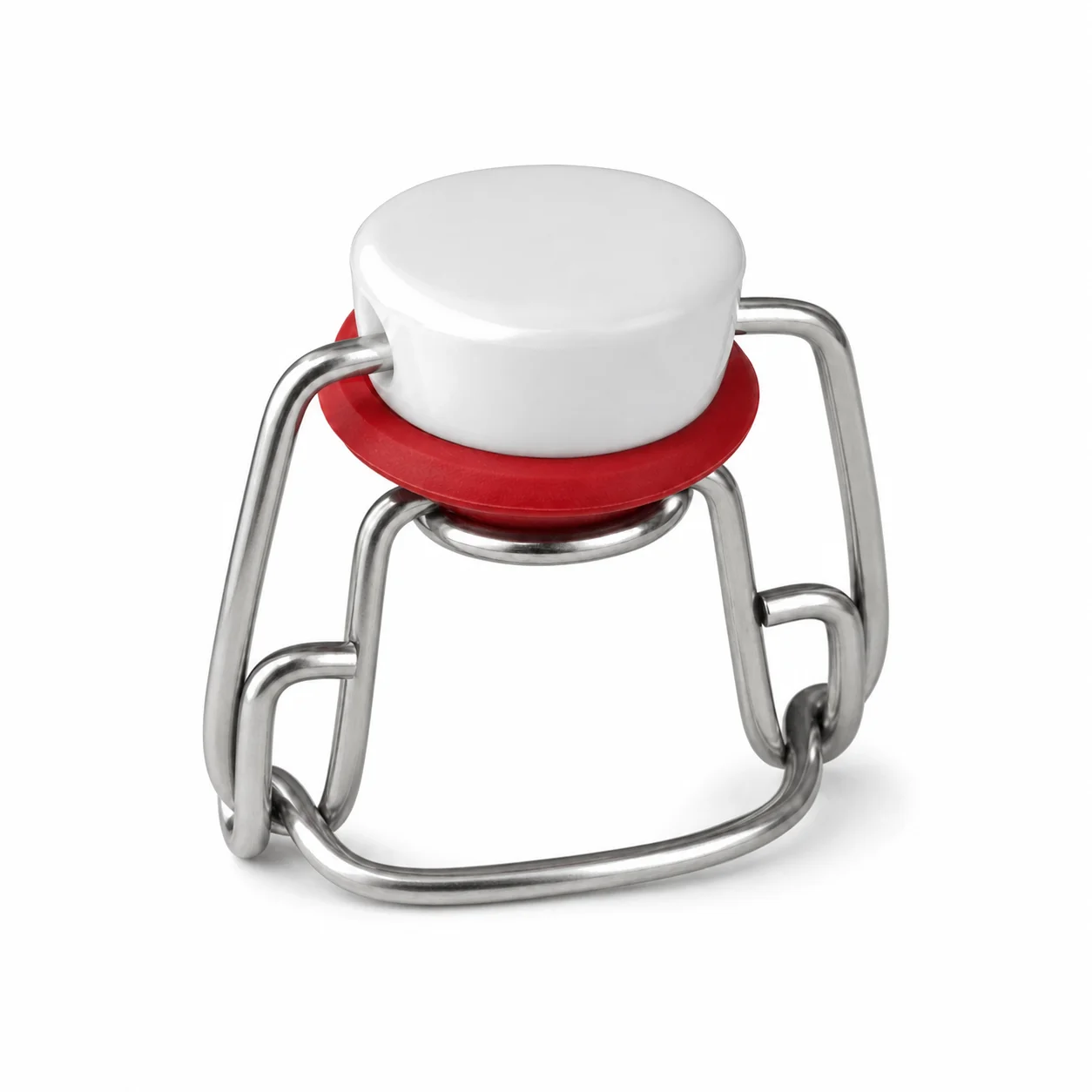
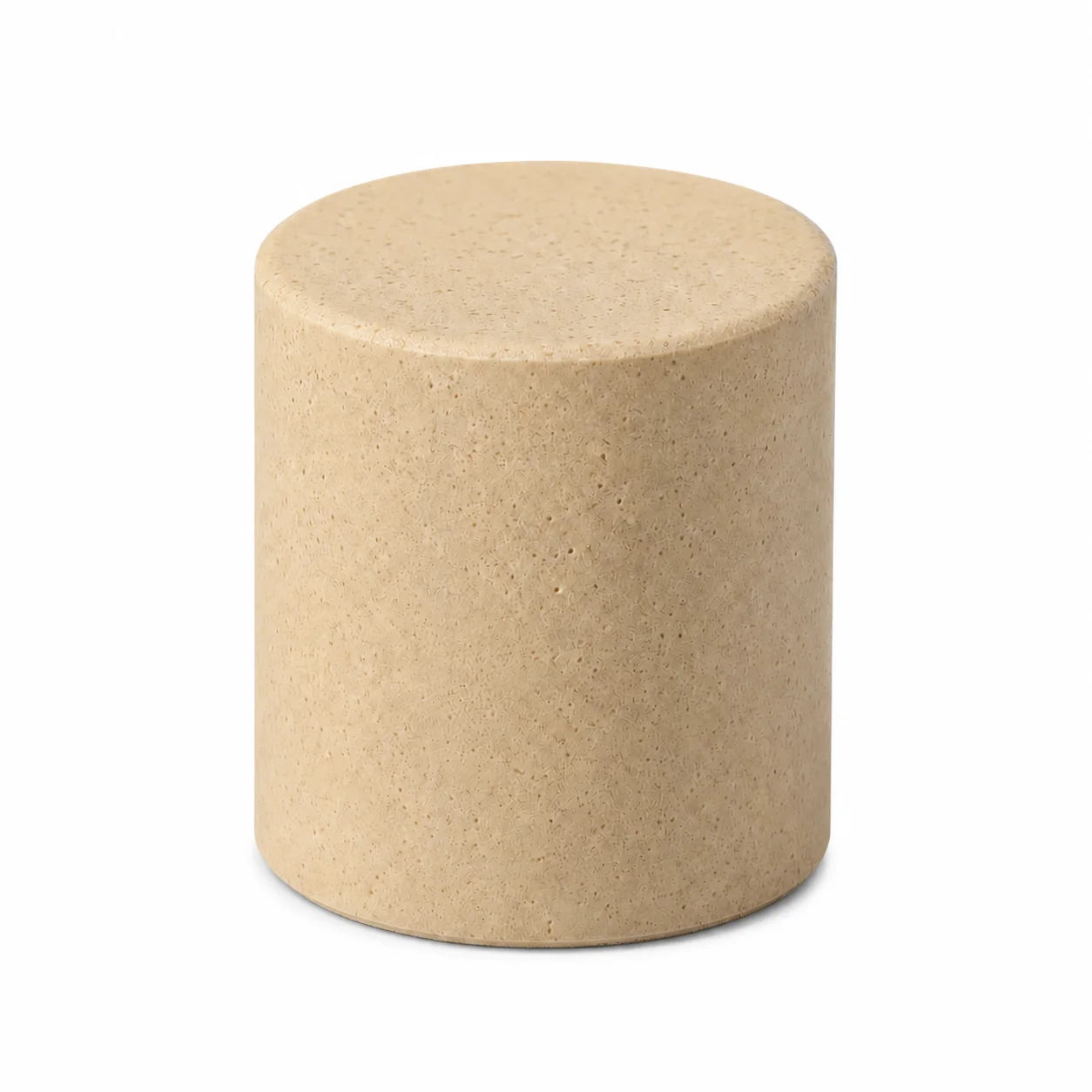
Synthetic wine stopper shown loose, without a bottle
Shown configuration · synthetic stopper body / bottle, print and OTR grade not shown

Corks & wine closures

Synthetic Cork

An extruded or co-extruded synthetic stopper supplied to a specified oxygen transmission rate, with no releasable TCA and far tighter unit-to-unit consistency than bark.

Specified OTRNo cork taintConsistent unit to unit
Stock status
In stock
Lead time
2–3 weeks
FOB price / pc
$0.60 - $0.90
MOQ
3,000 pcs

Final availability, dimensions, materials, assembled components and commercial terms are confirmed against the selected drawing and approved sample.

OTR is a purchase decision

You choose the number, not the tree

Taint risk removed

No 2,4,6-trichloroanisole to release

Perception still matters

Some markets read it as cheaper wine

Synthetic Cork profile

The advantage is not that it seals better. It is that it seals the same every time.

OTR selection, taint risk & market perception

Where an engineered closure wins, and where it still costs you something.

A synthetic stopper is manufactured to an oxygen transmission rate rather than inheriting one from bark. Natural cork admits roughly one to two milligrams of oxygen a year with real spread between individual pieces; a synthetic is engineered to a chosen figure and holds it. It also carries no releasable TCA, which removes the taint risk outright rather than managing it.

01

Oxygen transmission becomes a specification line

Because material and geometry are controlled, a supplier can quote an oxygen transmission rate and hold it across a run. That turns bottle development from something a producer hopes about into something specified, which is why synthetics dominate wines meant to be drunk inside a year or two.

02

Consistency is the real product

The complaint about natural cork is rarely the average — it is the spread. One bottle in a case behaving differently from the rest is what damages a brand. A synthetic removes that variance, and for a producer selling by the pallet into supermarkets, low variance is worth more than a marginally better average.

03

TCA risk goes to zero, not down

Releasable 2,4,6-trichloroanisole is measured in natural cork by ISO 20752 because bark can carry it, and sensory detection begins around 1–2 ng/L. A synthetic has no bark and nothing to release, so the entire screening step and its cost come out of the program rather than being reduced.

04

Extraction force still has to be right

A synthetic gripping too hard tears at the corkscrew and frustrates a server; too loose and it creeps out under temperature change. The force is designed in rather than graded, but it still needs proving on the actual neck bore, since bore tolerance now varies far more than the stopper does.

05

Perception is a market variable

In several markets a synthetic still reads as a cheaper wine regardless of technical merit, and that judgment happens at a table in front of a guest. Surface texture and printed branding narrow the gap considerably, but the call belongs with the wine's positioning rather than with procurement alone.

06

Long cellaring is the wrong application

Engineered closures are matched to a drinking window measured in months to a few years. For wines meant to develop over a decade, producers generally return to natural cork or move to screwcap with a chosen liner, because the very consistency that helps a young wine is not what a long-lived one needs.
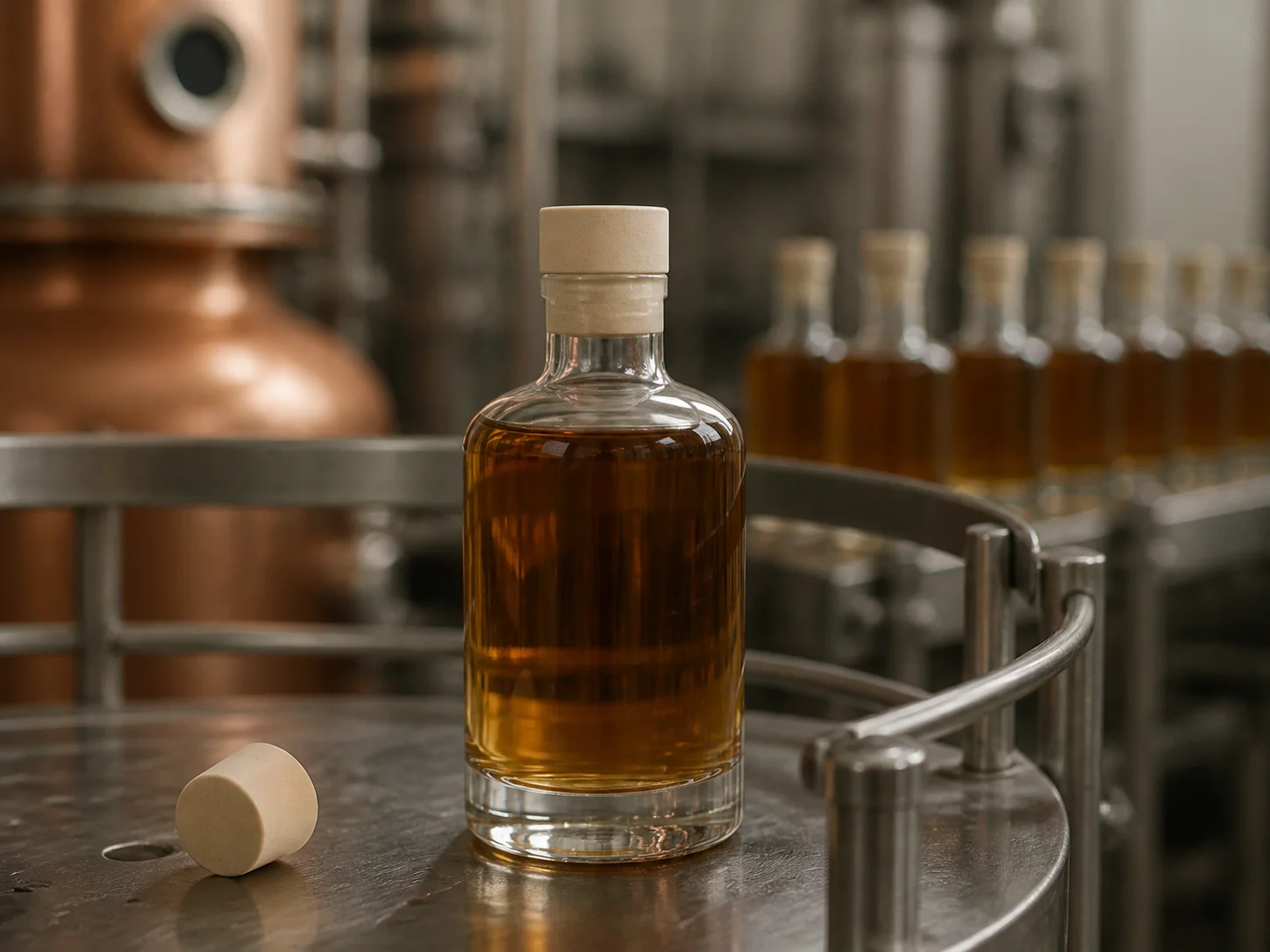

Application guide

Chosen to remove the variables natural cork brings.

A synthetic stopper is specified where consistency and freedom from cork taint matter more than tradition, giving a predictable compression and extraction force from one piece to the next. These are development directions confirmed on the actual bottle.

Synthetic Cork used for wines and spirits needing predictability in a consistent supply setting

Consistent supply

Wines and spirits needing predictability

For producers who cannot afford the variation natural cork carries, or who have lost batches to taint. Every synthetic piece compresses and extracts within a narrow band, so bottling-line settings hold steady and the customer experience is the same from the first bottle to the last.

  • Confirm piece-to-piece consistency
  • Set line compression from real data
  • Compare extraction force across a lot
Synthetic Cork used for bottles opened within a year of release in a wines drunk young setting

Wines drunk young

Bottles opened within a year of release

For everyday and by-the-glass wines a customer buys on a Friday and opens the same evening, where nothing is being cellared and the closure only has to hold for months rather than decades. Producers choose a synthetic here because the oxygen transmission rate is a number they specify rather than something the bark decides.

  • Specify the required transmission rate
  • Match the closure to the drinking window
  • Confirm the rate with the supplier
Synthetic Cork used for wines opened in front of a guest in a restaurant lists setting

Restaurant lists

Wines opened in front of a guest

For bottles a server draws at a table where the guest watches the whole ritual. Some diners still read a synthetic stopper as a cheaper wine however good it is, so surface texture and printed branding do real work at that moment, and the choice belongs with the wine list positioning rather than with procurement alone.

  • Weigh perception in the target market
  • Consider surface finish and printing
  • Align the closure with the list position

Applications describe closure-development directions. Composition, fit, extraction, reuse, sealing, leakage and regulatory outcomes are confirmed for the selected program.

Common questions

Synthetic Cork questions

Answers distinguish the visible stopper appearance from a qualified bottle-closure system.

What are we actually buying with a synthetic closure?

Consistency. Every plug behaves the same way, which removes the bottle-to-bottle variation natural cork carries. That is the product, more than any single performance figure on the datasheet.

Does synthetic cork eliminate taint?

TCA risk goes to zero rather than down, because the compound comes from cork bark and there is none. Other taint routes through the wine and the bottling line still exist, but the classic corked bottle does not.

Is extraction force still an issue?

Very much so. A plug that grips too hard makes the bottle difficult to open and one that grips too little risks leaking, and the material does not forgive a bore mismatch the way natural cork does. Specify it and test it.

Can we use it for a wine meant to age?

Not for long cellaring. These closures are engineered for a defined drinking window, and beyond it the oxygen behavior is not what an aging wine needs. Match the grade to the intended window and state that window.

How is oxygen ingress specified on a synthetic cork?

As a number on the datasheet, which is the point of the format. Where natural cork varies plug to plug, a synthetic closure is manufactured to a stated oxygen transmission rate, so the wine's development can be planned rather than discovered. Match the grade to the intended drinking window.

Next step

Send us the Synthetic Cork brief.

Tell us the product, fill volume, closure preference and destination market. We will come back with the matching drawings, available configurations and a sample plan before anything is quoted.

  • 01Send the briefProduct, volume, closure and market
  • 02Get the optionsMatching drawings and configurations
  • 03Approve the sampleConfirm the pack before production