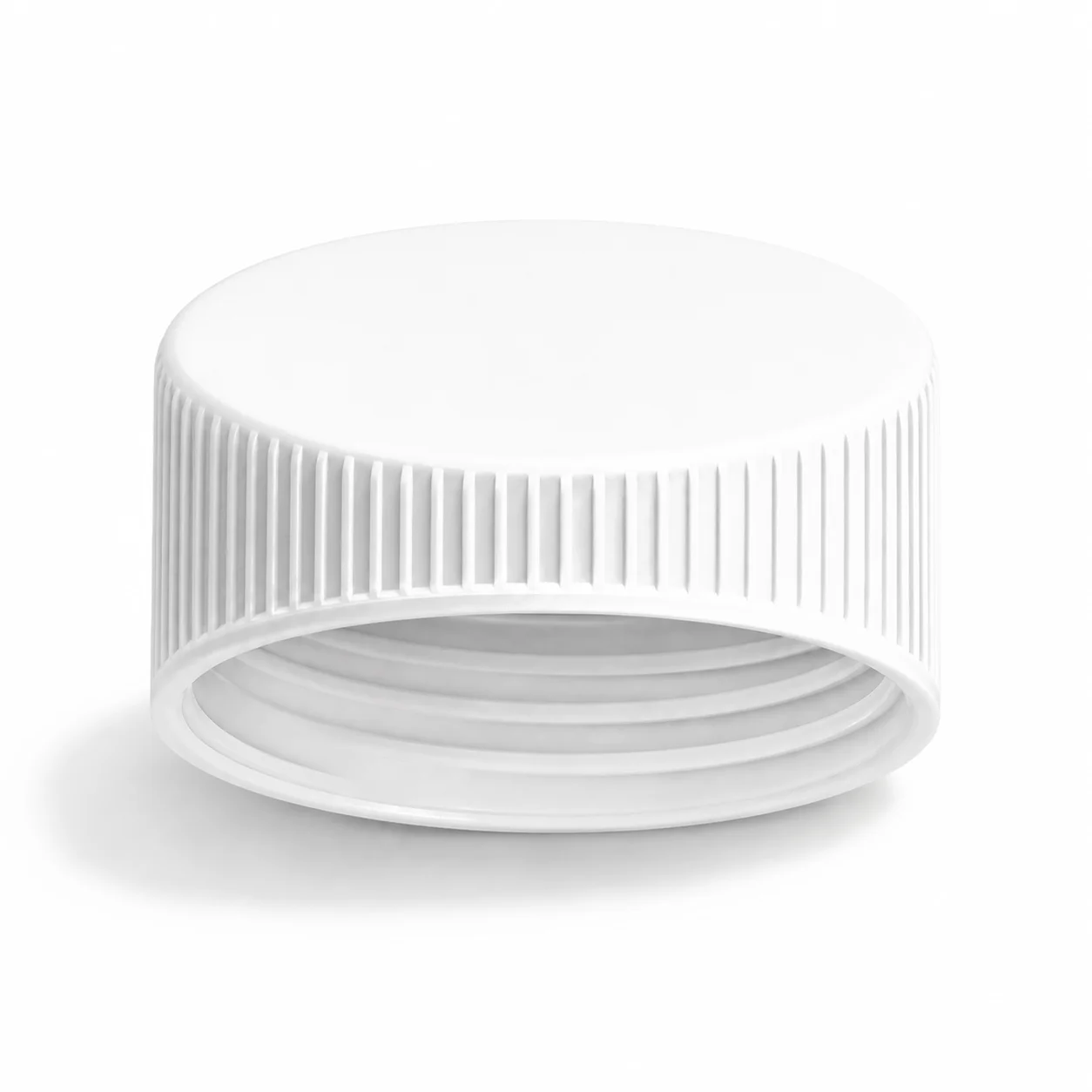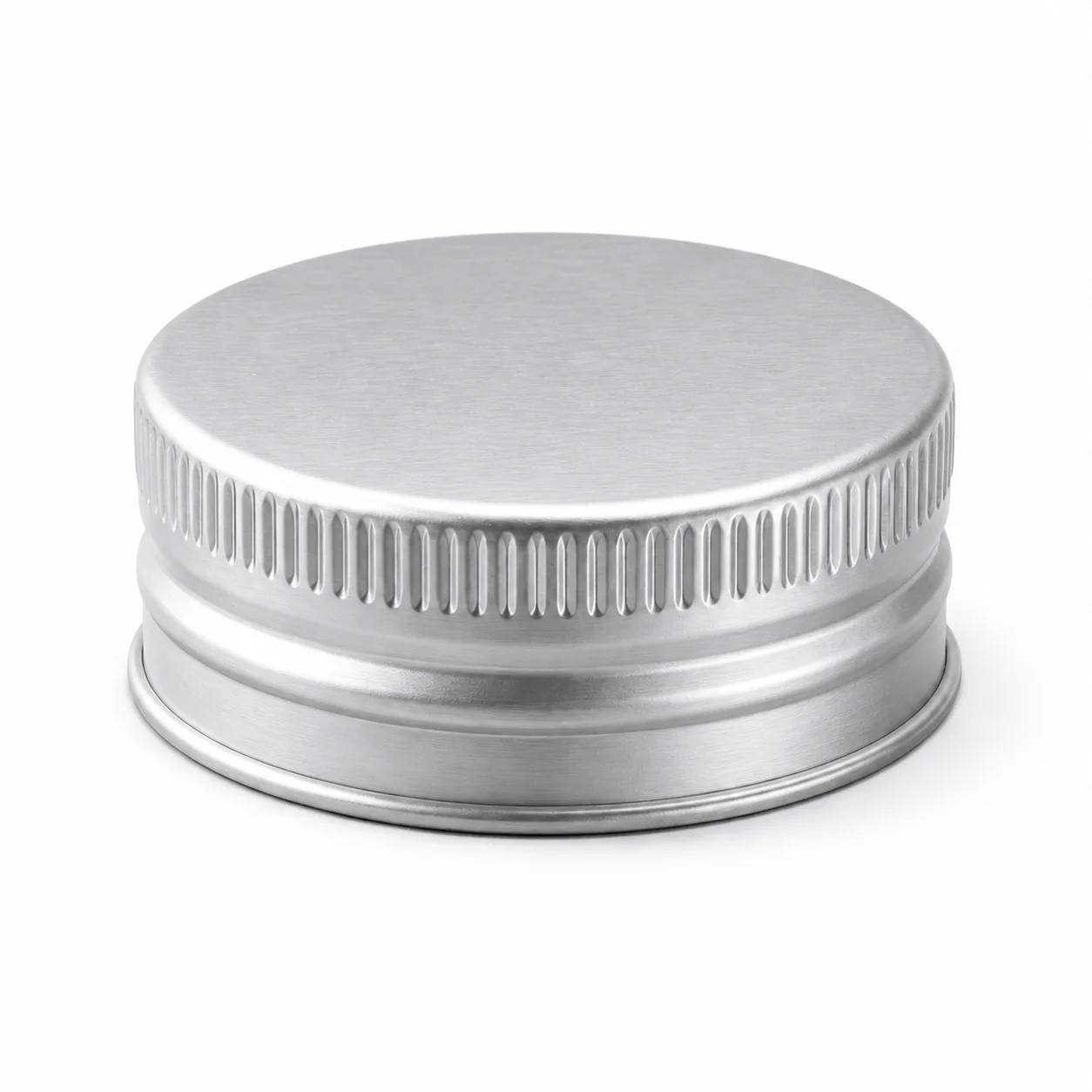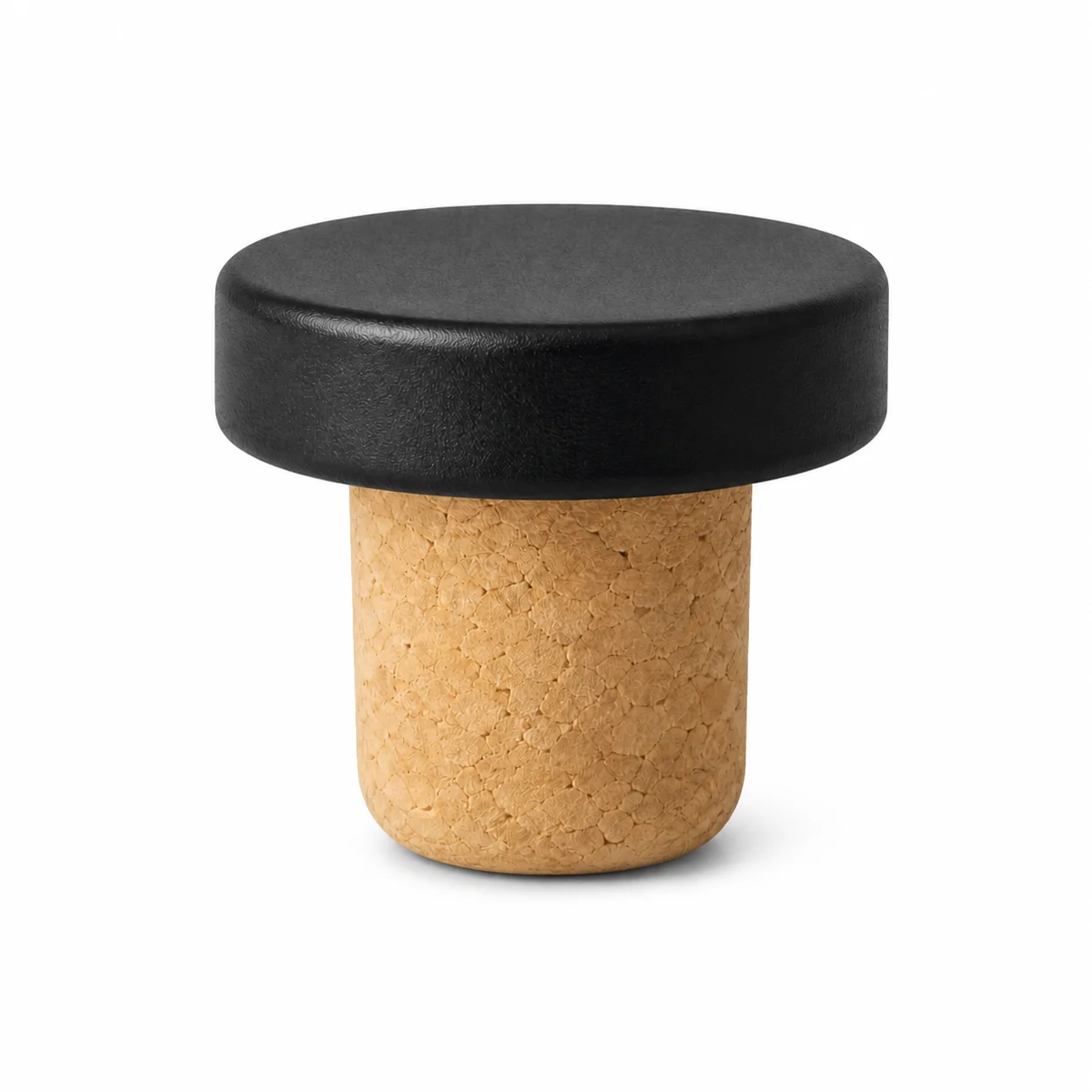
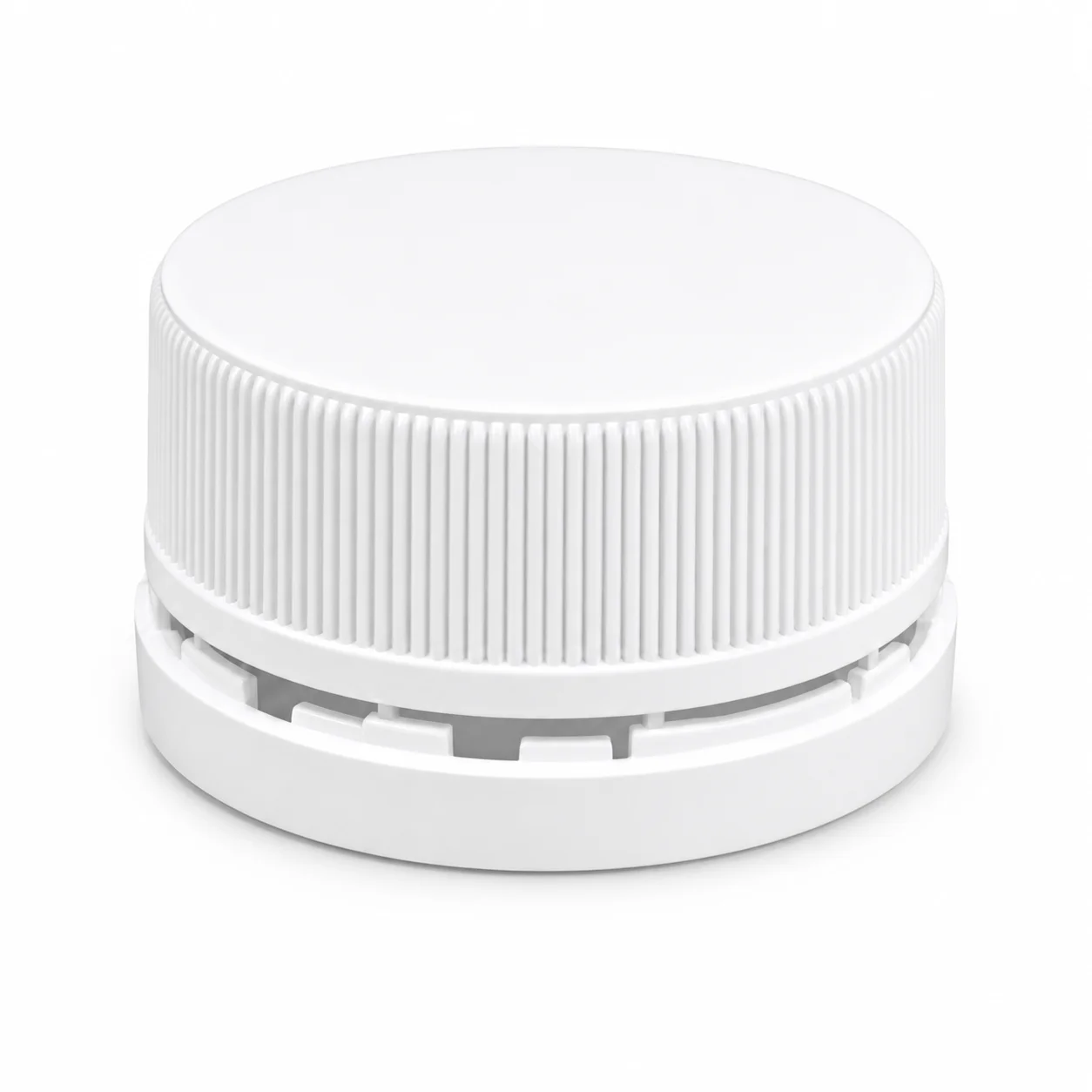
White ribbed tamper-evident cap with a lower band and bridge detail, shown without a container
Shown configuration · white ribbed cap with bridged lower band / container, liner and applied state not shown

Safety & regulated closures

Tamper-evident Cap

A ribbed screw cap with a lower band held by molded bridges that tear on first opening, giving irreversible visual evidence at the shelf and the pharmacy counter.

Bridged tear bandIrreversible once brokenLiner seals separately
Stock status
In stock
Lead time
2–3 weeks
FOB price / pc
$0.35 - $0.65
MOQ
2,000 pcs

Final availability, dimensions, materials, assembled components and commercial terms are confirmed against the selected drawing and approved sample.

Evidence, not security

It shows entry; it does not prevent it

Band needs a bead to catch

Container geometry does half the work

Sealing is the liner's job

Band and seal are two decisions

Tamper Evident Cap profile

The band proves a pack was opened. It does not keep anyone out.

Bridge design, container geometry & regulation

Where tamper evidence works and where it quietly does not.

A tamper-evident cap carries a lower band joined to the body by thin molded bridges. Unscrewing snaps them, and nothing can restore them. That irreversibility is the entire function, and it depends as much on the container's retaining bead as on the cap — a band with nothing to catch on simply rides off intact.

01

The bridges are the mechanism

Bridge count, thickness and placement decide whether the band tears cleanly, tears partially, or resists so hard that the whole band spins off in one piece. Too strong and a customer with weak hands cannot open the pack at all; too weak and bridges break during capping or transit, so the pack arrives already looking tampered with.

02

The container has to hold the band

The band grips a retaining bead below the thread. If that bead is shallow, worn in the mold or absent, the band lifts away undamaged and the evidence never appears. This is why a tamper-evident program is specified as a cap-and-container pair, and why substituting a bottle can silently disable the feature.

03

Evidence is not resistance

Anyone determined enough can still open the pack — they simply cannot hide it. That distinction matters when writing claims: the closure supports a first-opening check, and it is not a child-resistant closure or a security seal unless separately designed and tested as one.

04

US OTC packs are regulated on this point

Tamper-evident packaging for over-the-counter drug products is a regulatory requirement in the United States rather than a marketing choice, and the pack must also carry a statement telling the consumer what feature to look for. A band that nobody is told to inspect does part of its job at best.

05

The liner still does the sealing

The band contributes nothing to seal integrity. A separate liner — plain wad, induction foil or plug — is compressed against the rim and is what keeps product in and oxygen out. Changing the liner changes the closure even when the visible cap is identical.

06

Application torque decides both outcomes

The same setting has to compress the liner and leave the bridges intact. Too high and bridges shear on the capper, producing packs that look opened before they ship; too low and the liner never seals. The window between the two is narrow and is found on a filled-line trial, not on a bench.
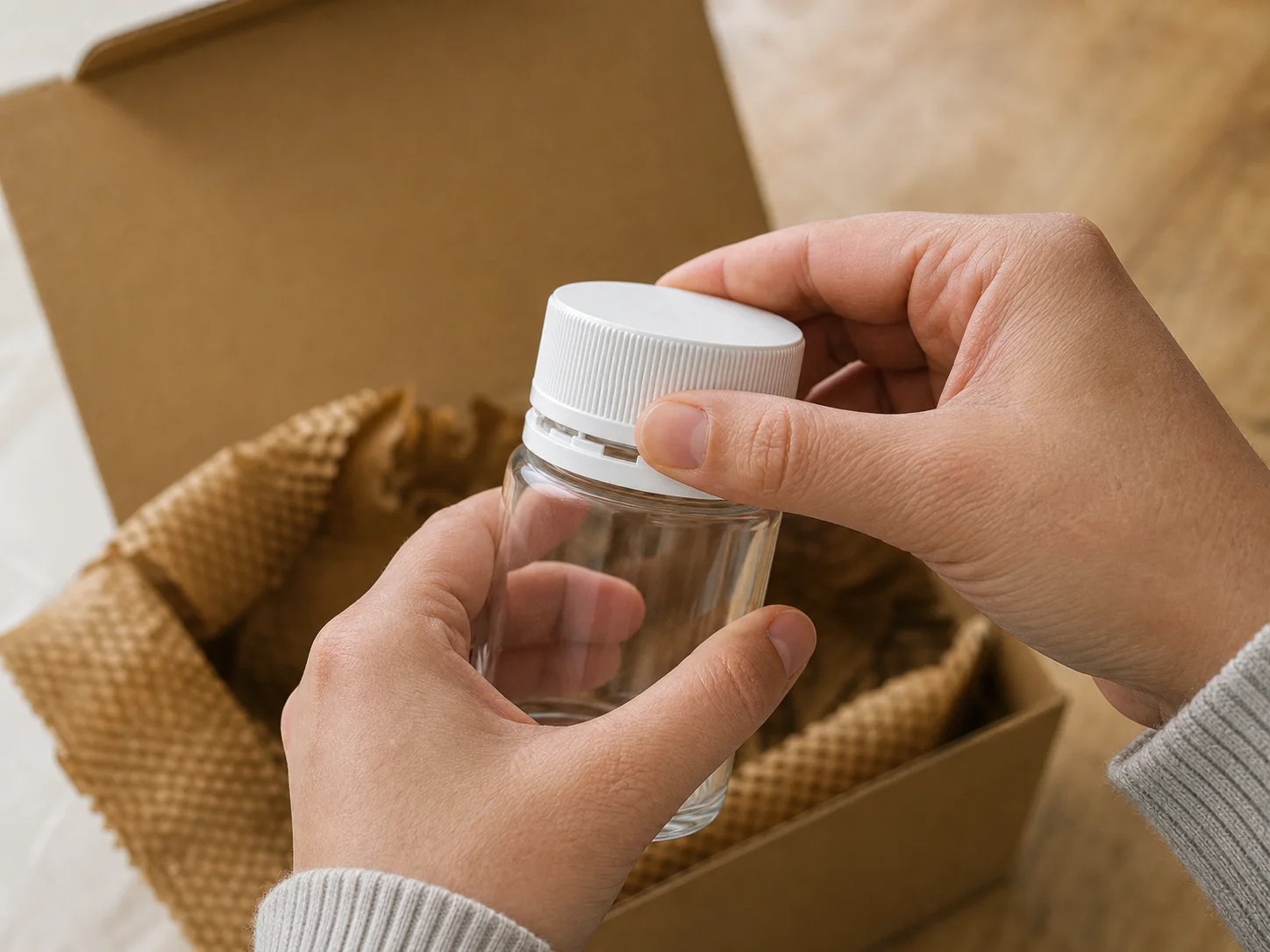
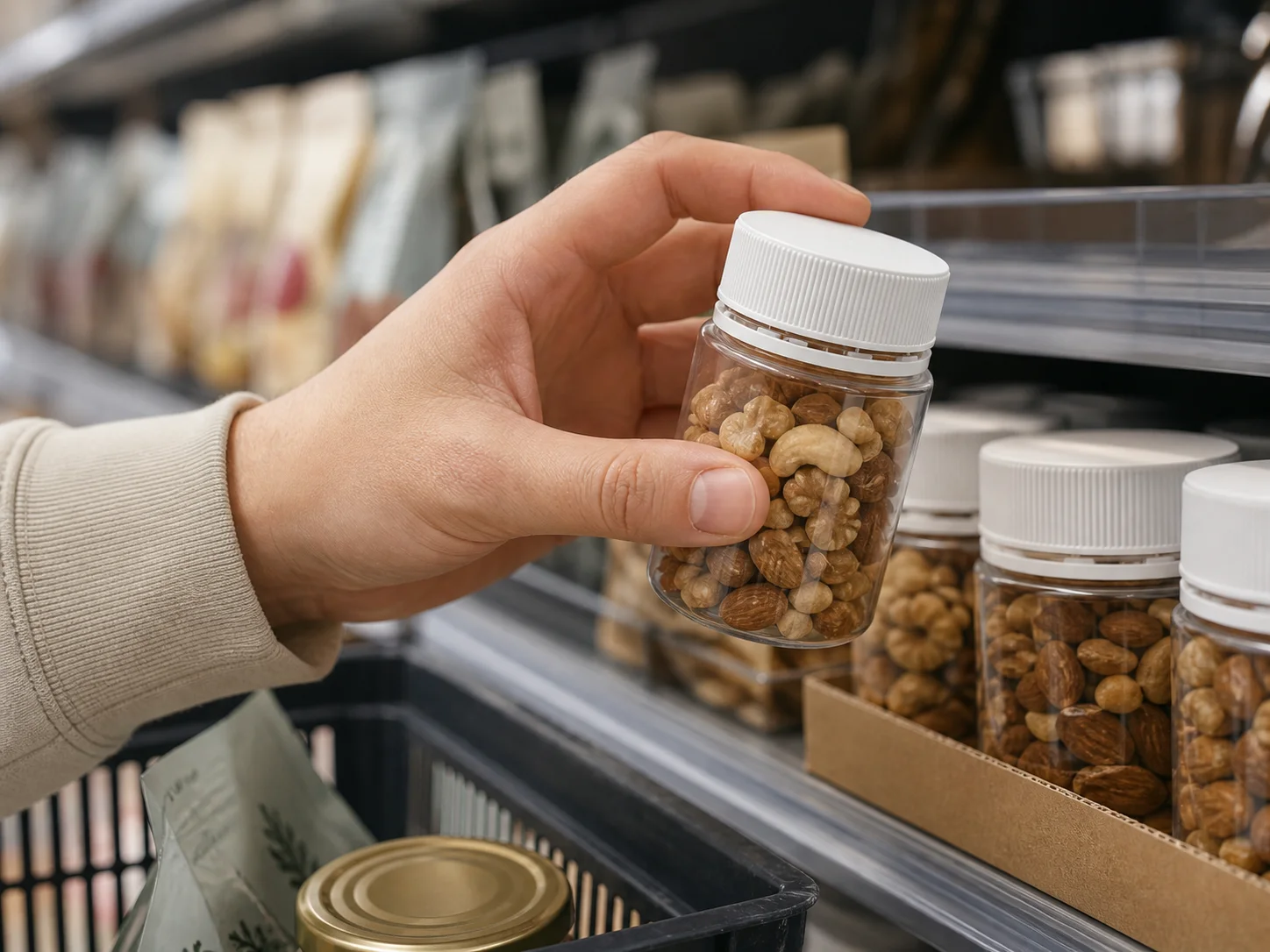
Application guide

The point is the ring that stays behind.

A tamper-evident cap is designed to break in a specific, visible way, leaving evidence that cannot be undone. The bridges have to hold through transit and fail cleanly on first opening. These are development directions confirmed on filled containers.

Tamper-evident Cap used for products opened for the first time in a consumer confidence setting

Consumer confidence

Products opened for the first time

For food, drink and personal-care products where a customer looks for an intact band before using something, particularly if the pack has arrived by courier. The band gives that reassurance at a glance, which is why an already-broken bridge generates a complaint even when the product is perfectly sound.

  • Confirm the band survives transit
  • Check the break is clearly visible
  • Test after a courier journey
Tamper-evident Cap used for products picked up and put back in a grocery aisles setting

Grocery aisles

Products picked up and put back

For food and drink handled by a dozen shoppers before one of them buys it, where a band broken on the shelf turns a saleable unit into a write-off. Store staff spot those during facing-up, so a band that survives browsing is worth more to a retailer than one that merely looks secure in a photograph.

  • Test the band against repeated handling
  • Confirm staff can spot a broken band
  • Check for breakage in packed cases
Tamper-evident Cap used for medicines and supplements handed over in a pharmacy counters setting

Pharmacy counters

Medicines and supplements handed over

For products a pharmacist or assistant passes across a counter, where the customer expects visible proof that nobody has been into the pack. Older customers open these themselves at home, so the band has to break under modest hand strength while still surviving the journey from the wholesaler.

  • Test opening with limited hand strength
  • Confirm the band survives wholesale transit
  • Make the broken state unmistakable

Applications describe closure-development directions. Tamper evidence, child resistance, sealing and regulatory outcomes are confirmed for the selected program.

Common questions

Tamper-evident Cap questions

Answers distinguish the visible cap geometry from a qualified container-closure system.

What does the bottle have to provide?

A bead for the band to lock under. Tamper evidence is a two-part system, so a cap with correctly formed bridges on a finish without a proper retaining bead simply spins off intact. Confirm the bead on the glass drawing before the closure is chosen.

Does the lower ring prove tamper evidence?

Required opening indication depends on selected construction, container finish, application process and validation.

Is the cap child resistant or leak resistant?

That cannot be concluded from the image. These outcomes need specified components and project-specific evidence.

Are there markets where tamper evidence is mandatory?

Yes — US over-the-counter drug packs are regulated on this point specifically. The rule covers what the feature has to do and what the label has to say, so for that channel it is a requirement rather than a design choice. Confirm the applicable regulation before the closure is fixed.

What decides whether the band works?

Application torque, and it decides both failure modes at once. Too little and the band does not engage the bead, so it lifts off intact; too much and the bridges break in transit and the pack arrives looking opened. Set the torque and verify it after transit rather than on the line.

Next step

Send us the Tamper-evident Cap brief.

Tell us the product, fill volume, closure preference and destination market. We will come back with the matching drawings, available configurations and a sample plan before anything is quoted.

  • 01Send the briefProduct, volume, closure and market
  • 02Get the optionsMatching drawings and configurations
  • 03Approve the sampleConfirm the pack before production