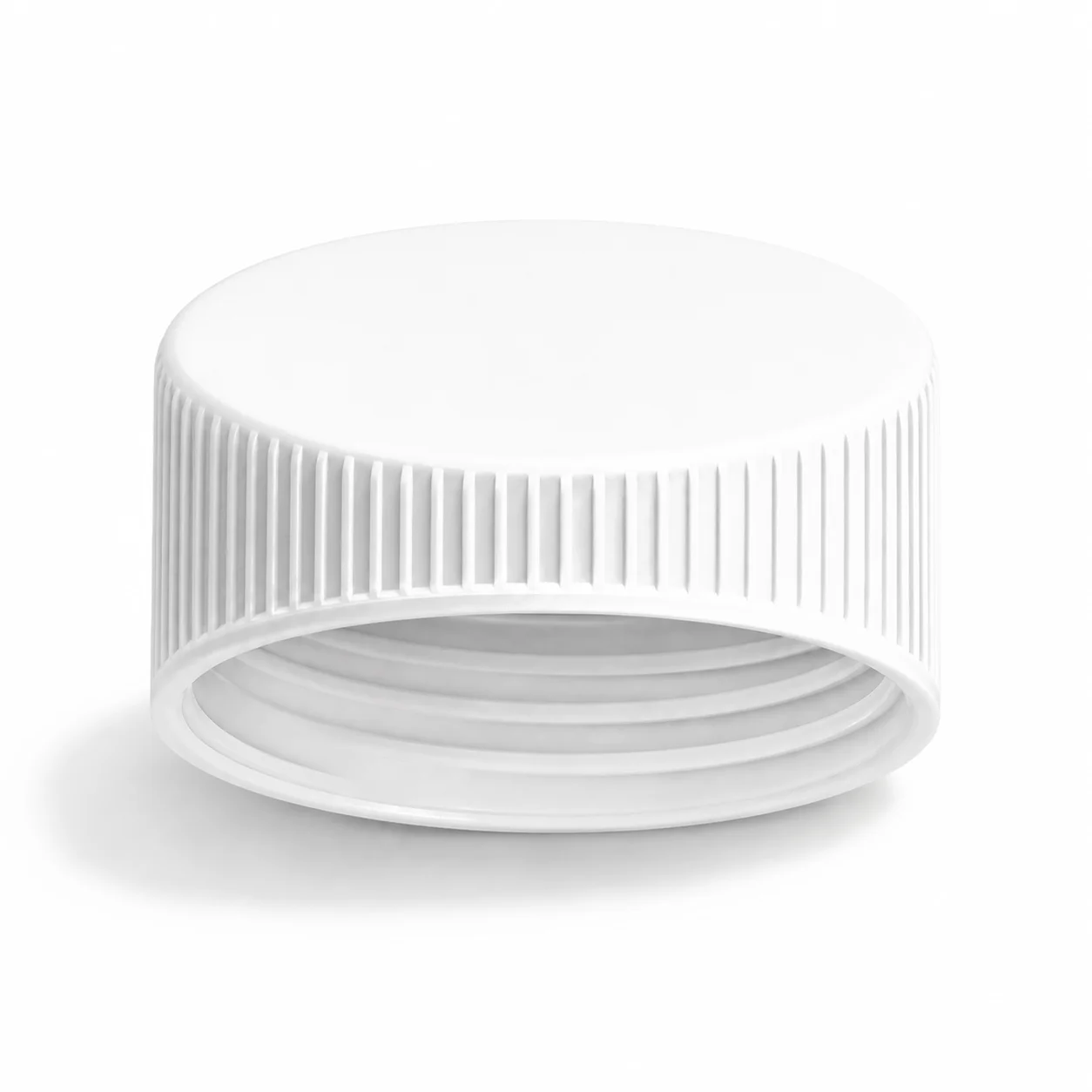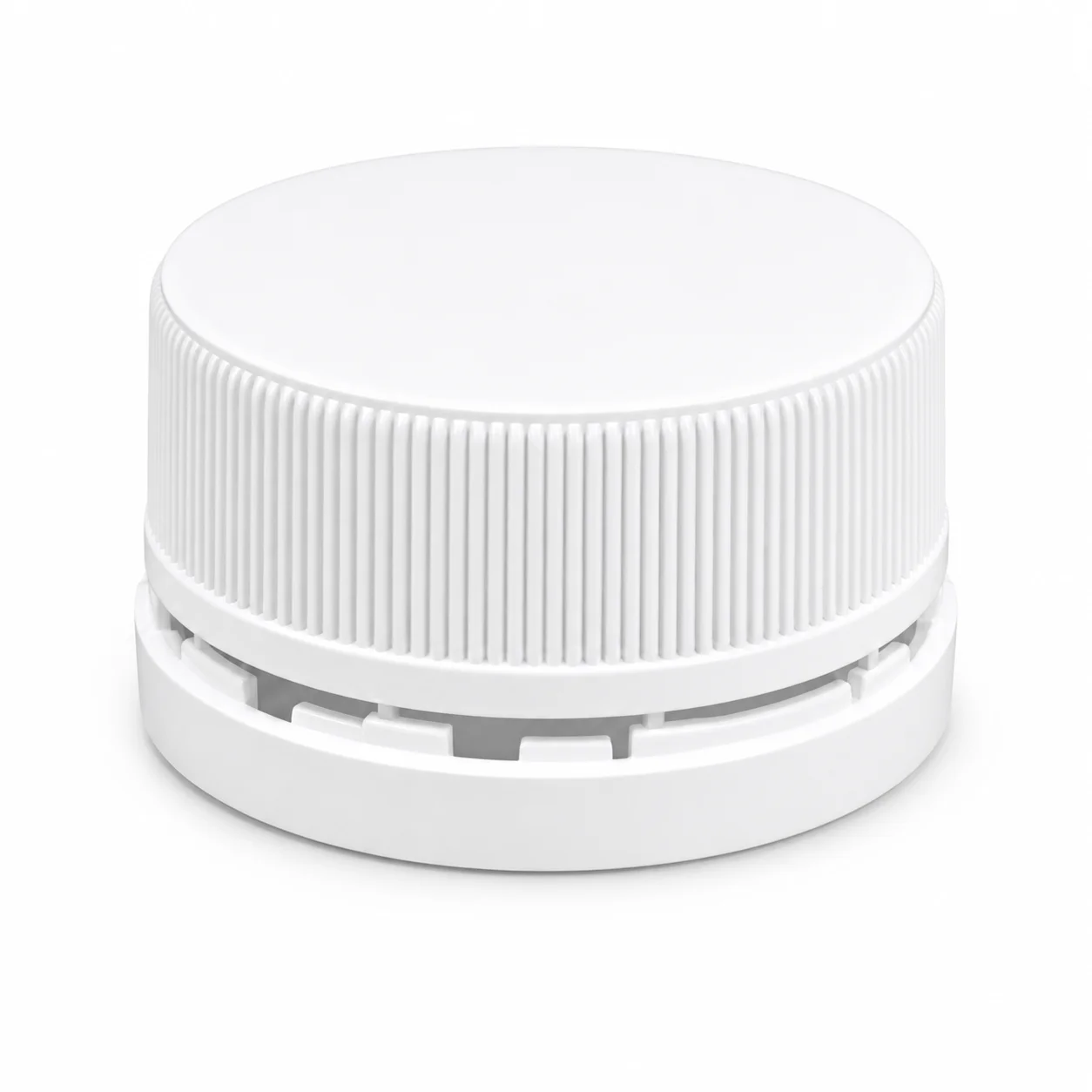
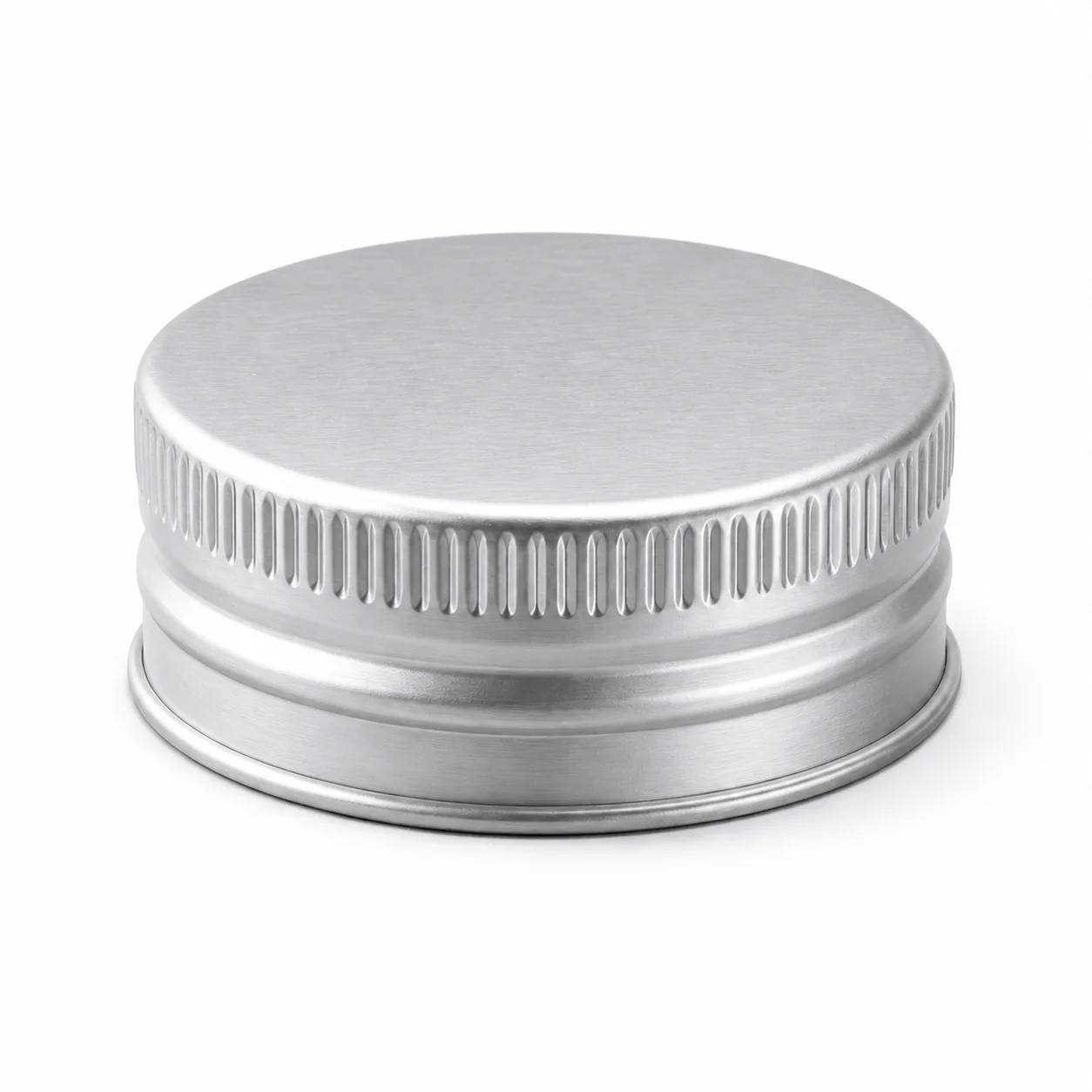
Silver aluminum ROPP cap with brushed top, vertical knurling and rolled lower edge, shown without a bottle
Shown configuration · silver aluminum shell with knurled skirt / bottle, liner and formed thread not shown

Metal caps & tamper-evident closures

Aluminum ROPP Cap

An aluminum roll-on pilfer-proof cap in 8011 alloy, supplied in 28×18, 30×35, 30×60 and 31.5×60 mm, with the thread and tamper bridges formed onto the bottle at capping.

8011 aluminum28×18 to 31.5×60 mmBridges formed on line
Stock status
In stock
Lead time
2–3 weeks
FOB price / pc
$0.40 - $0.75
MOQ
3,000 pcs

Final availability, dimensions, materials, assembled components and commercial terms are confirmed against the selected drawing and approved sample.

Thread made at capping

The shell arrives blank; rollers cut the thread

Tamper evidence is structural

Bridges tear, they cannot be re-formed

Decoration on metal

Embossing, silkscreen, frosting, gold stamping

Aluminum ROPP Cap profile

This cap has no thread until your capper makes one.

Roll-on forming, sizes & tamper evidence

What is actually being bought, and what is being made on your line.

A ROPP cap ships as a plain aluminum shell in 8011 alloy with a liner already seated. The thread and the pilfer-proof bridges are formed by rollers on the capping head as the cap is pressed onto the glass. That is why the same shell can succeed on one line and fail on another, and why roller setup matters more here than any figure on the cap drawing.

01

The shell is blank when it arrives

Threads are not pre-formed. Two thread rollers cut the aluminum against the glass thread while a third rolls the skirt under the bottle's security bead. A shell is therefore not a finished closure until it has been through a correctly set head, which is why an incoming inspection of the cap tells you very little about how the pack will seal.

02

Bridges are the tamper evidence

The lower band stays attached to the cap body by small aluminum bridges. Opening tears them and there is no way to close them again — unlike a shrink band, which can be replaced. That structural irreversibility is the whole reason spirits and pharmaceutical fillers choose the format.

03

Sizes are diameter by height

Common builds are 28×18, 30×35, 30×60 and 31.5×60 mm. The first figure has to match the glass finish; the second is a design choice, since a 60 mm skirt covers most of a spirits neck and gives a much larger decoration area than an 18 mm cap on a wine or oil bottle.

04

Alloy and temper set how the metal flows

8011 aluminum in H14 or H16 temper is the usual specification because it is soft enough to take a thread cleanly yet stiff enough to hold the bridges. A harder temper cracks at the bridge; a softer one deforms without holding a thread, and both failure modes appear only after a line trial.

05

The liner does the sealing

An EPE or comparable wad sits inside the flat top and is compressed against the glass rim as the cap is rolled down. The aluminum contributes almost nothing to sealing, so a change of liner compound is a change of closure and needs its own leak testing against the actual product.

06

Decoration is why brands pay for aluminum

Embossing, silkscreen printing, spray coating, frosting, gold stamping and silver plating are all available on the shell. Custom decoration typically starts around 20,000 pieces with a three-to-four-week production window, which is what usually decides whether a small run gets a printed cap or a stock one.


Application guide

This cap has no thread until the capping head makes one.

A roll-on pilfer-proof cap arrives as a plain aluminum shell and is formed onto the bottle finish by rollers during capping. The thread is created at that moment, which makes the capping machine part of the closure. These are development directions confirmed on capped samples.

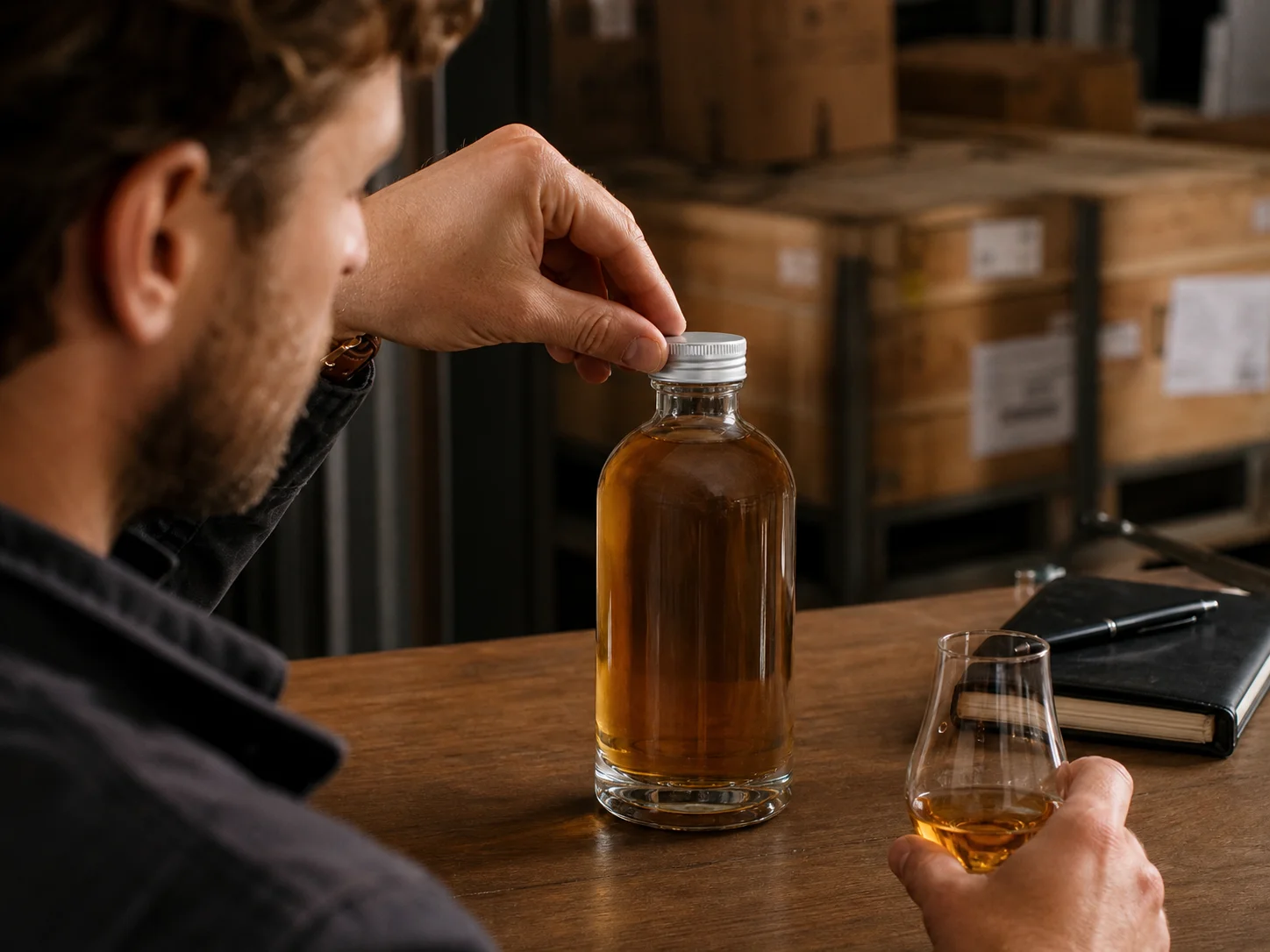
Aluminum ROPP Cap used for bottles opened with an audible break in a spirits and wine setting

Spirits and wine

Bottles opened with an audible break

For spirits and still wines where a customer twists the cap and hears the tamper band separate, which is how the category signals an unopened bottle. Because the thread is formed on the line, the bottle finish and the capping head settings together determine whether that opening feels crisp or ragged.

  • Qualify the capping head settings
  • Confirm the band breaks cleanly
  • Check thread formation on the finish
Aluminum ROPP Cap used for caps formed onto bottles at line speed in a bottling halls setting

Bottling halls

Caps formed onto bottles at line speed

For the operator standing at a capping station watching thousands of bottles an hour, who notices a stripped thread or a split skirt before anyone downstream does. Roller settings that ran perfectly on last week's glass can misbehave on a new pallet, so this is a station that gets checked at every changeover.

  • Requalify settings at each changeover
  • Inspect capped bottles, never loose caps
  • Give the operator a reject standard
Aluminum ROPP Cap used for bottles opened months after they were filled in a export and duty-free setting

Export and duty-free

Bottles opened months after they were filled

For spirits that cross continents, sit in a warehouse through a summer and are finally opened by someone in another market. High-strength alcohol works on the liner the whole time, and a customer who finds a weeping shoulder or a tainted first pour blames the distiller rather than the closure.

  • Select the liner against the actual spirit
  • Test after extended warm storage
  • Confirm no taint in the first pour

Applications describe closure-development directions. Roll-on formation, sealing, leakage, compatibility and regulatory outcomes are confirmed for the selected program.

Common questions

Aluminum ROPP Cap questions

Answers distinguish the visible metal cap from a qualified bottle-closure assembly.

How are ROPP caps sized?

By diameter and height, both. A 31.5 × 24 mm cap and a 31.5 × 44 mm cap fit the same finish and cover very different neck lengths, so quoting the diameter alone leaves the most visible dimension unspecified.

Does the alloy matter?

It decides how the metal flows. The shell has to take a thread rolled into it without splitting or springing back, and that behavior comes from alloy and temper — which is why a cap that runs on one line can fail on another at the same dimensions.

Why pay for aluminum over a molded closure?

Decoration, mostly. An aluminum shell takes printing, embossing and metallic finishes that plastic cannot match, which is why spirits and premium oils choose it. The sealing work is done by the liner either way.

Why does the shell arrive without a thread?

Because the thread is formed on your bottle. A ROPP shell is a smooth blank until the capping head rolls it onto the glass finish, which is why the head setup matters as much as the cap specification and why a hand-applied sample proves very little.

Next step

Send us the Aluminum ROPP Cap brief.

Tell us the product, fill volume, closure preference and destination market. We will come back with the matching drawings, available configurations and a sample plan before anything is quoted.

  • 01Send the briefProduct, volume, closure and market
  • 02Get the optionsMatching drawings and configurations
  • 03Approve the sampleConfirm the pack before production