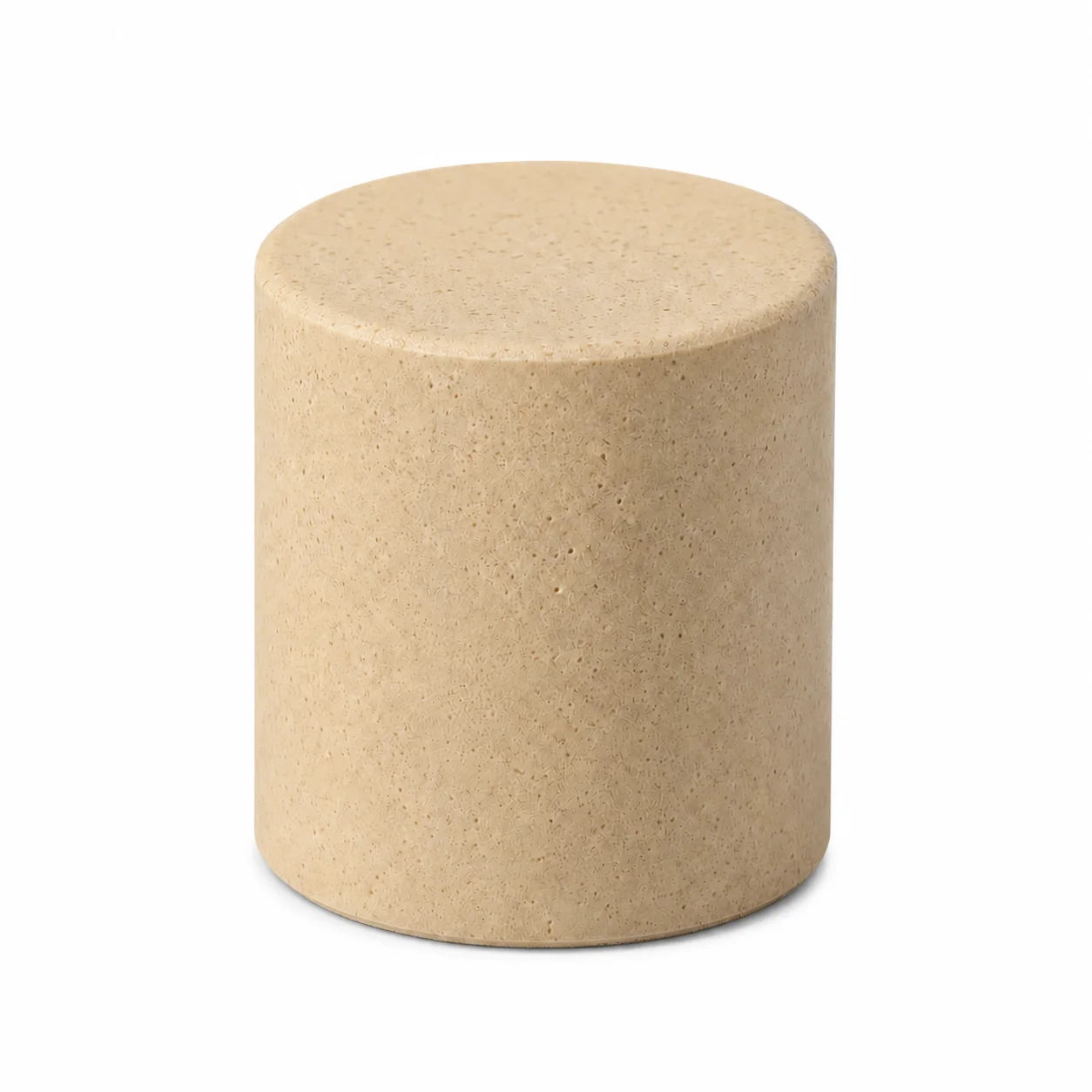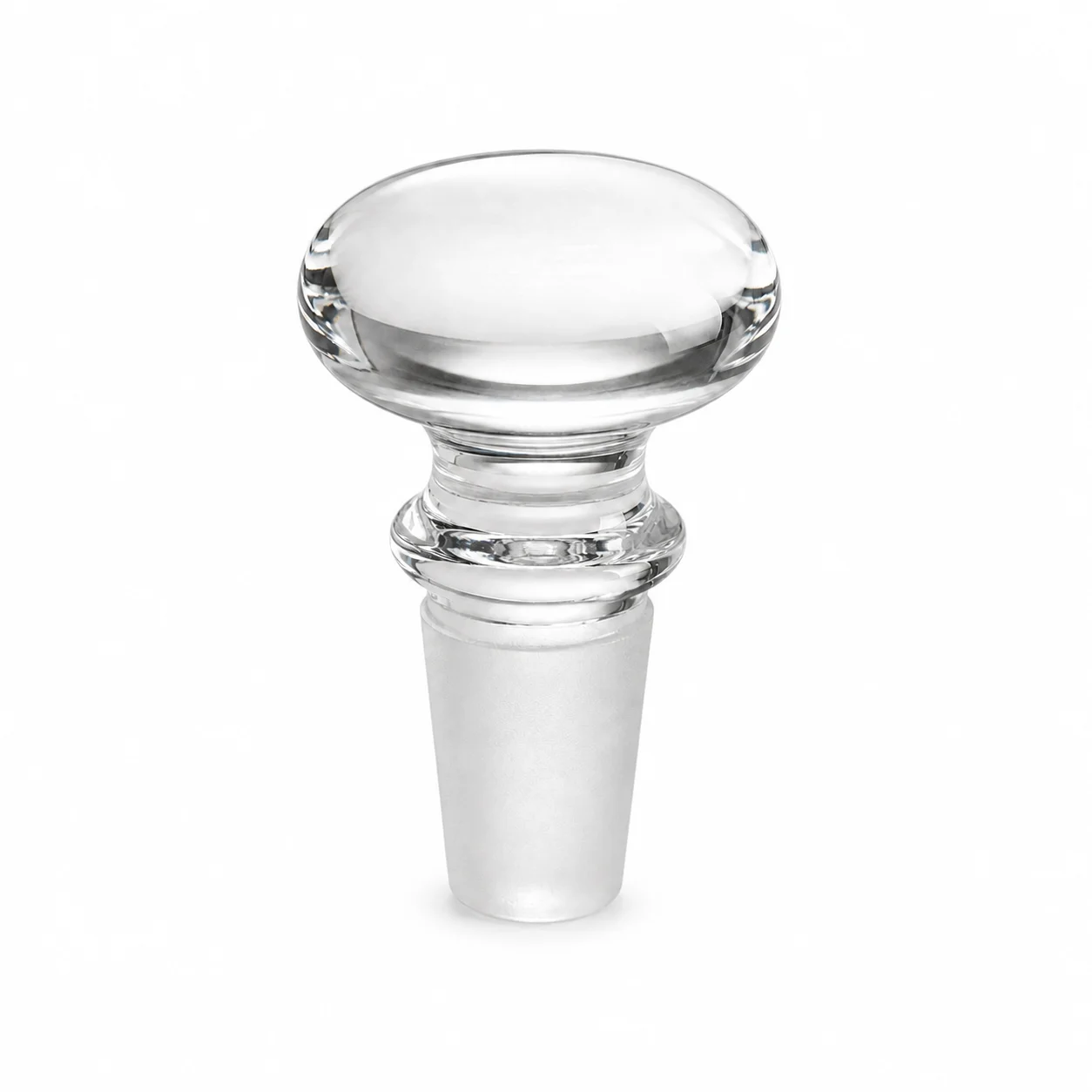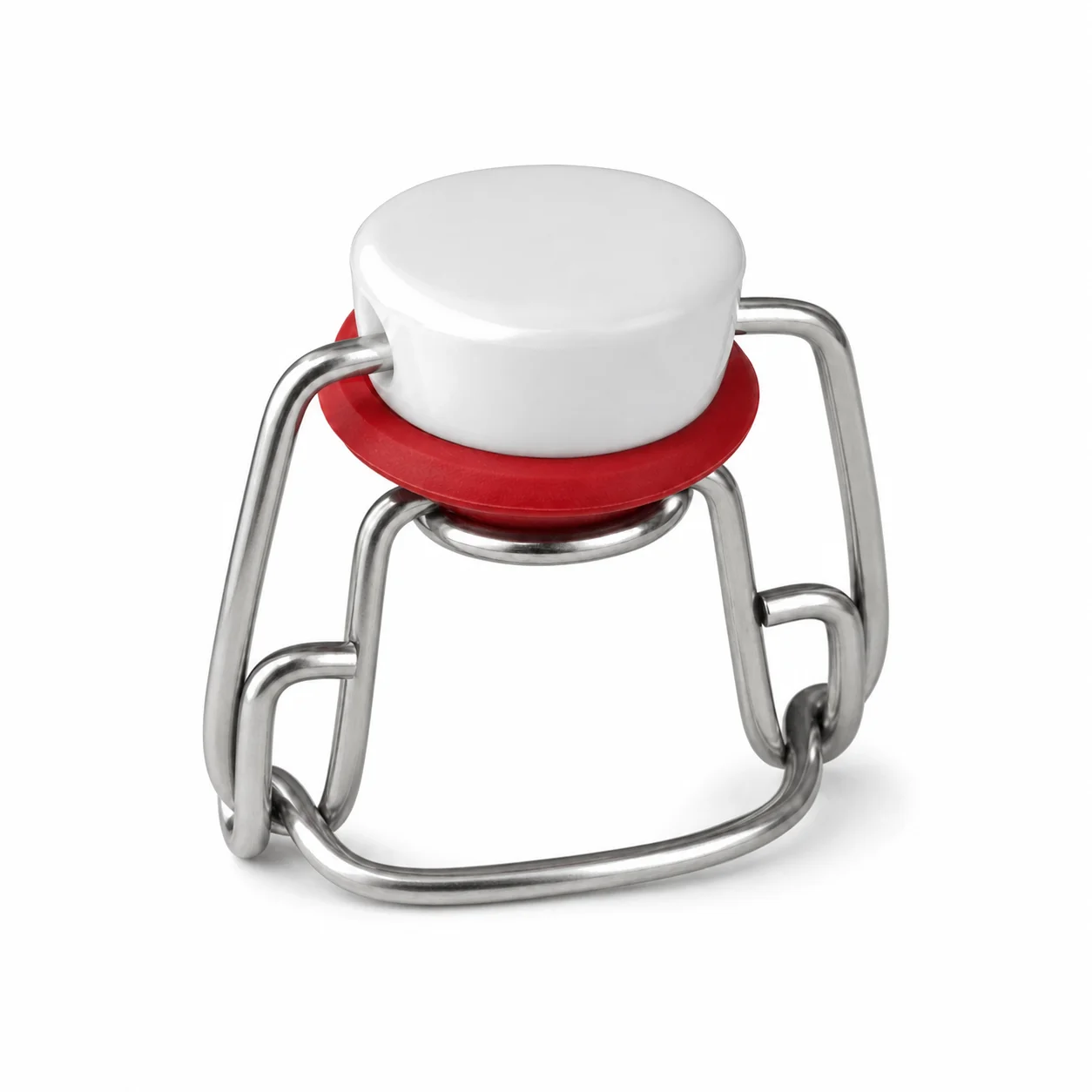
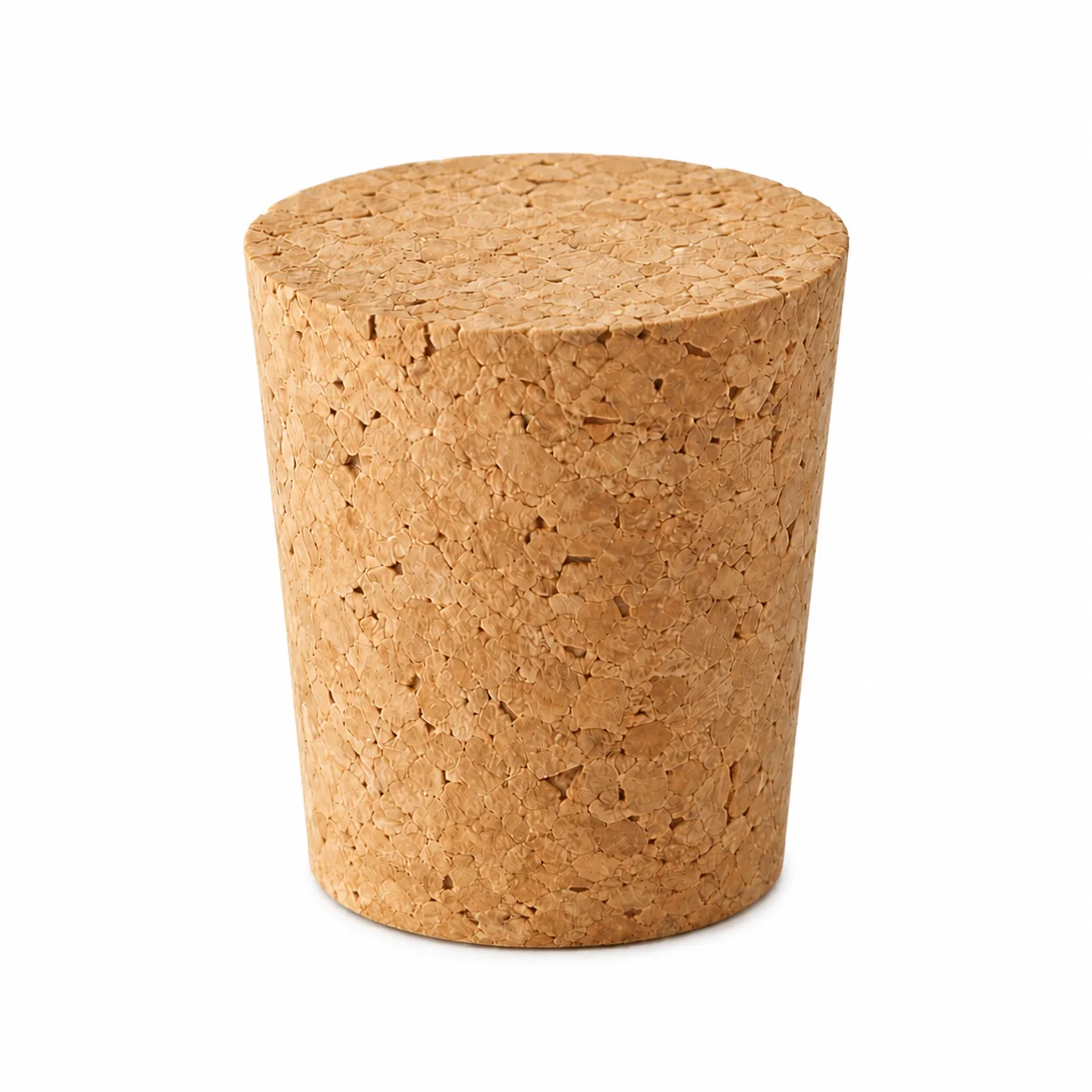
Cylindrical natural cork stopper shown loose, without a bottle
Shown configuration · natural cork cylinder / bottle, grade marking and treatment not shown

Corks & wine closures

Straight Cork Stopper

A cylindrical natural cork stopper, commonly 44 × 24 mm, specified to the ISO 9727 physical tests and ISO 16420 still-wine requirements with releasable TCA measured to ISO 20752.

44 × 24 mm standardISO 9727 testedTCA to ISO 20752
Stock status
In stock
Lead time
2–3 weeks
FOB price / pc
$0.55 - $0.80
MOQ
2,000 pcs

Final availability, dimensions, materials, assembled components and commercial terms are confirmed against the selected drawing and approved sample.

Grade is the contract

Visual class is what you actually buy

Extraction force is testable

ISO 9727-5 gives a number

TCA has a method

ISO 20752, measured in ng/L

Straight Cork Stopper profile

Cork is a natural material with an unusually complete set of test standards.

Standards, extraction force & taint control

What can actually be measured on a piece of bark.

A straight cork is a cylinder of bark, typically 44 mm long and 24 mm in diameter, driven into a bottle and held by compression. Because no two pieces are identical, the industry built a standards family around it: ISO 9727 for physical tests, ISO 16420 for still-wine requirements, ISO 17727 for sampling and ISO 20752 for releasable TCA. A cork order naming none of these is not really specified.

01

The dimension standard is separate from the spec

ISO 9727-1 defines how diameter, length and ovalization are measured; ISO 16420 sets the mechanical and physical requirements for still-wine stoppers. One gives the method, the other the limits, and a purchase order citing only a size in millimeters has specified neither of them.

02

Extraction force is a protocol, not a feel

ISO 9727-5 conditions the corks for 24 hours, drives them into filled bottles, lays those bottles horizontal for eight days and then measures the maximum force needed to pull each one. That eight-day wait is the point: a cork that pulls easily on day one can grip hard once it has relaxed into the neck.

03

Humidity is a controlled property

ISO 9727-3 covers moisture content, which sounds academic until a batch arrives dry and brittle or damp and prone to mold. Cork moves with the atmosphere it was stored in, so the figure belongs in the incoming check rather than being inferred from how the corks look on arrival.

04

TCA is measured in nanograms per liter

ISO 20752 macerates stoppers in a 12% hydroalcoholic simulant for 24 hours and quantifies releasable 2,4,6-trichloroanisole by SPME with GC-MS. The numbers matter: sensory detection sits around 1–2 ng/L and consumer rejection near 3 ng/L, while below roughly 0.5 ng/L is generally imperceptible.

05

Oxygen ingress is slow and variable

A natural cork admits on the order of one to two milligrams of oxygen per year, which is what allows slow bottle development. The spread between individual corks is the trade-off, and it is why producers who need a predictable figure look at technical or synthetic closures instead.

06

Sampling is how QC stays affordable

ISO 17727 sets a sampling plan for cork-stopper quality control, so a buyer inspects a defined subset rather than every stopper. Agreeing that plan up front turns a subjective argument about a handful of bad corks into a documented accept-or-reject decision.

Application guide

Driven flush, and removed only with a corkscrew.

A straight cork is compressed and driven fully into the neck, where it expands against the glass and stays until a tool extracts it. It is a one-way closure with a long service life. These are development directions confirmed on the actual bottle.

Straight Cork Stopper used for bottles laid down for years in a wine and aging setting

Wine and aging

Bottles laid down for years

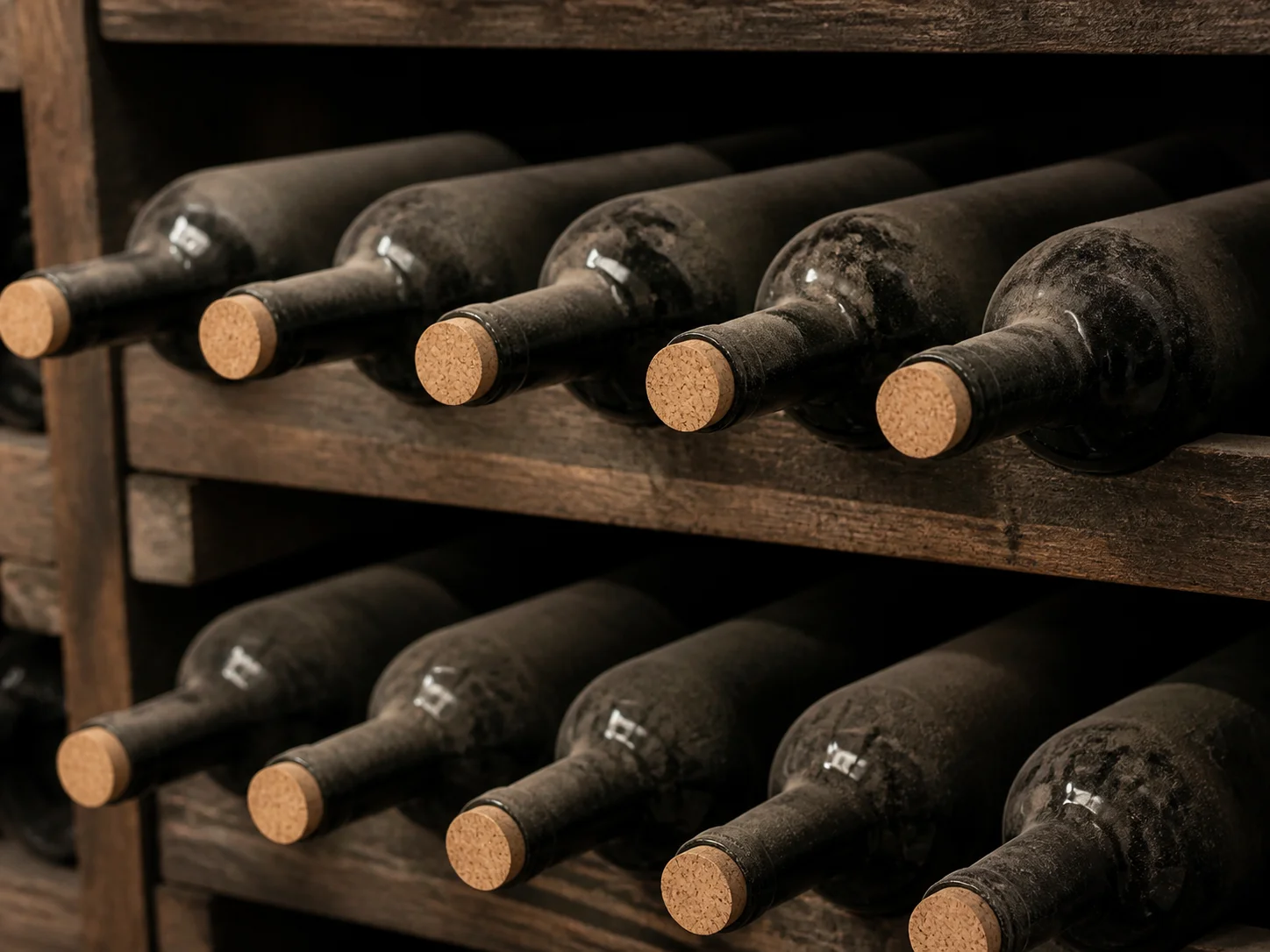
For wines stored on their side for months or decades, where the cork stays in contact with the liquid and is expected to hold a seal without being touched. Cork chosen for that duty behaves differently from cork intended to be pulled out after a week, so the intended aging period belongs in the brief.

  • State the intended aging period
  • Confirm behavior in contact with liquid
  • Test long-term compression set
Straight Cork Stopper used for a closure that needs a tool in a extraction setting

Extraction

A closure that needs a tool

Because the cork sits flush with the rim, the customer needs a corkscrew, and the cork has to withstand being pierced and pulled without crumbling into the wine. Extraction force that is too high frustrates whoever is opening the bottle in front of guests; force that is too low suggests the seal was never adequate.

  • Measure extraction force on real bottles
  • Confirm the cork resists crumbling
  • Check the neck bore tolerance
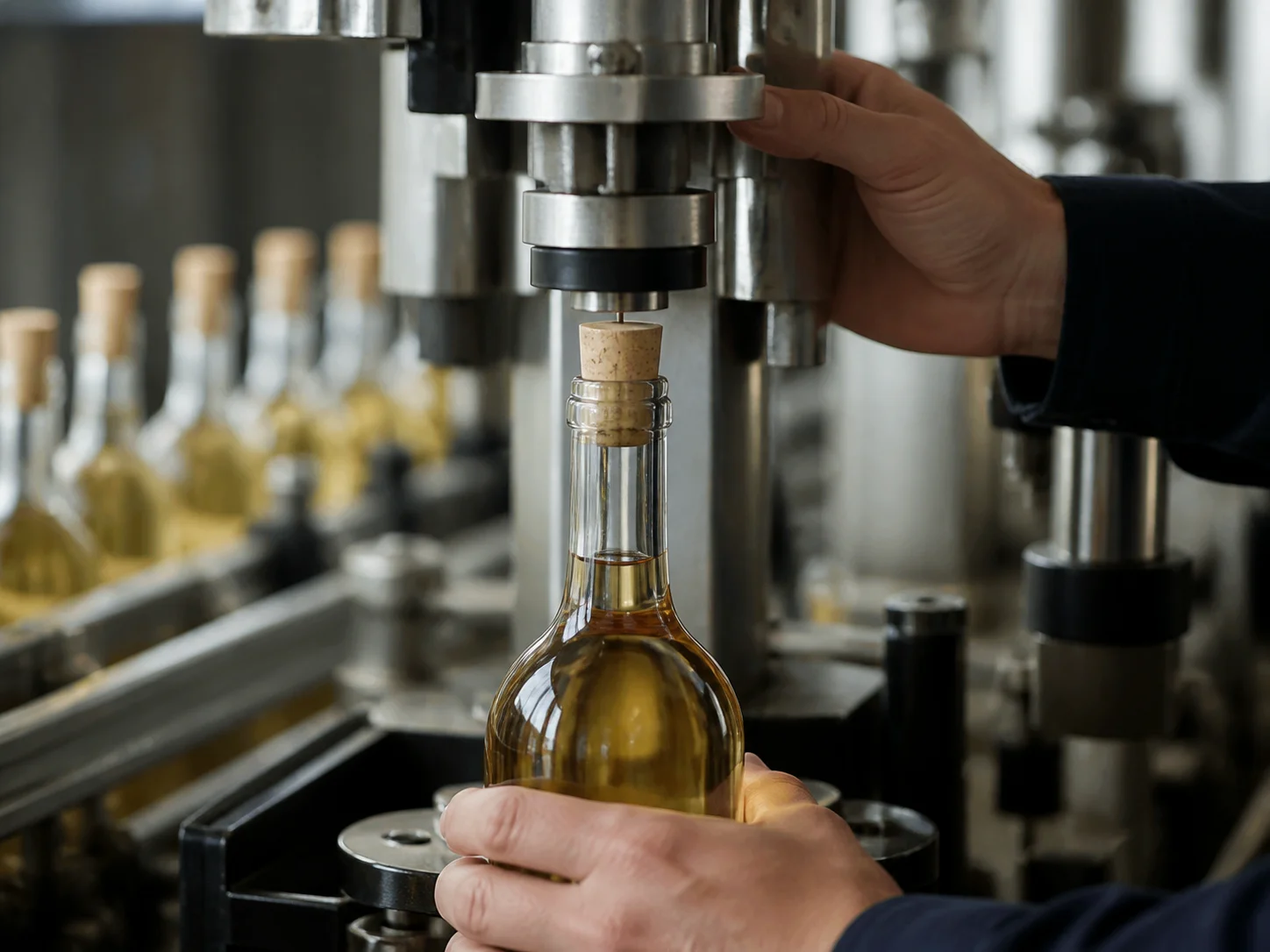
Straight Cork Stopper used for corks driven at the end of a line in a winery bottling setting

Winery bottling

Corks driven at the end of a line

For the crew running a bottling line where jaws compress each cork and drive it home in a fraction of a second, hundreds of times an hour. Cork is a natural material and no two pieces are identical, so the grade agreed with the supplier is what keeps that operation predictable rather than a source of daily rejects.

  • Agree the cork grade explicitly
  • Confirm the taint screening route
  • Watch reject rates through a run

Applications describe closure-development directions. Fit, extraction, reuse, sealing, leakage and regulatory outcomes are confirmed for the selected program.

Common questions

Straight Cork Stopper questions

Answers distinguish the visible cork body from a qualified bottle-closure system.

Is a dimension standard the same as a specification?

No — it fixes the size and nothing else. Diameter and length come from the standard, while grade, treatment, humidity and the TCA limit are separate lines that have to be written into the purchase specification.

How is extraction force agreed?

By protocol rather than by feel. The figure depends on how long the cork has been in the bottle and under what conditions, so buyer and supplier have to agree the method before any number means anything.

Does cork humidity matter?

It is a controlled property. Too dry and the plug does not recover into the bore; too wet and it carries a microbial risk. It is specified as a range and checked on receipt like any other parameter.

How much oxygen passes through natural cork?

Some, and it varies plug to plug. That variability is inherent to the material rather than a defect, which is why bottles from one case can develop differently. If a tight range is required, this is the wrong closure.

How is cork taint actually measured?

In nanograms per liter, on a released-TCA basis. It is a laboratory result rather than a smell test, and the acceptance limit is agreed per lot before shipment. If TCA matters to the program, the testing method and the limit belong in the purchase specification.

Next step

Send us the Straight Cork Stopper brief.

Tell us the product, fill volume, closure preference and destination market. We will come back with the matching drawings, available configurations and a sample plan before anything is quoted.

  • 01Send the briefProduct, volume, closure and market
  • 02Get the optionsMatching drawings and configurations
  • 03Approve the sampleConfirm the pack before production