Head materials, the bond & repeated use
What changes when a cork has to be opened a hundred times.
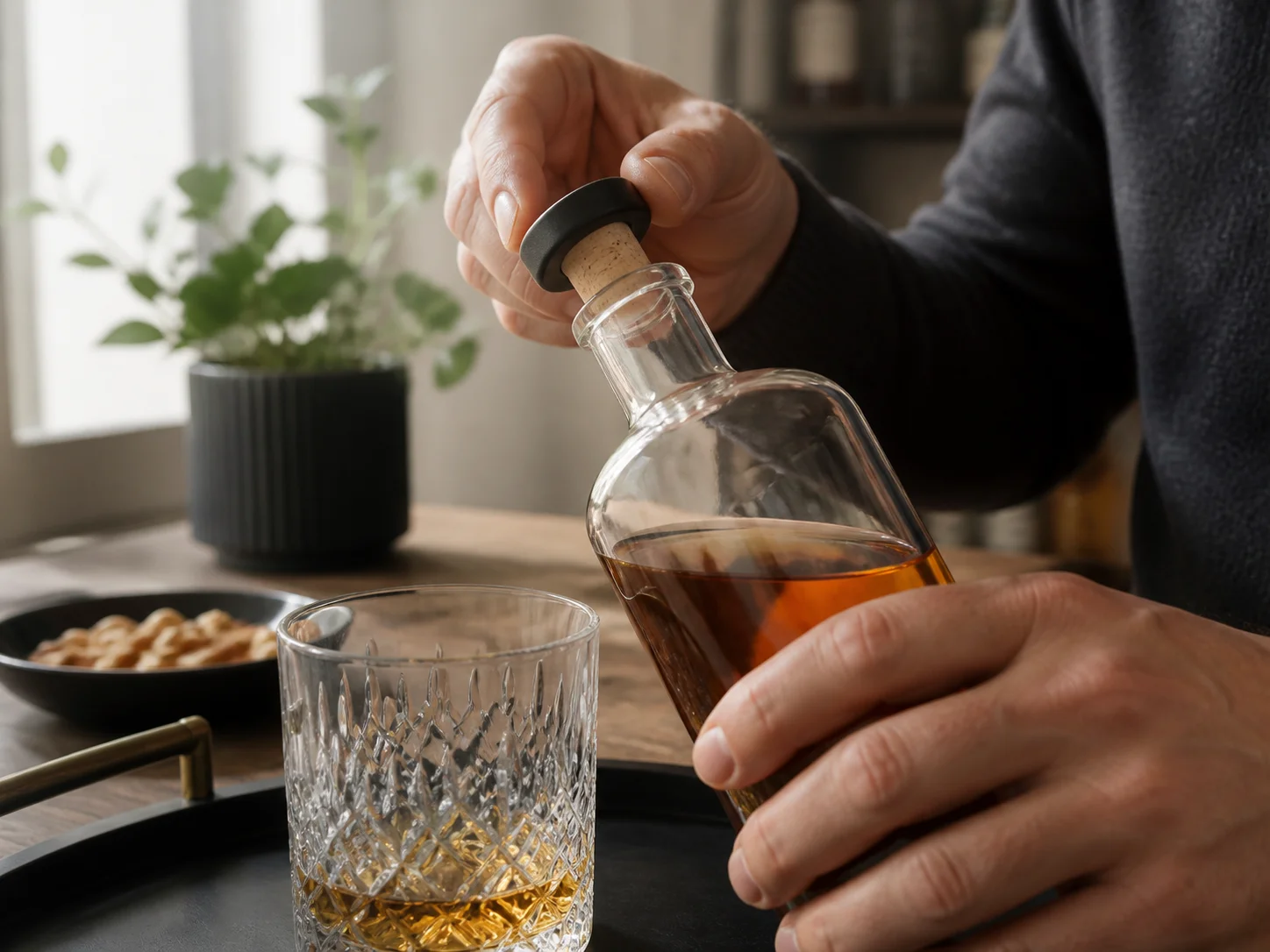
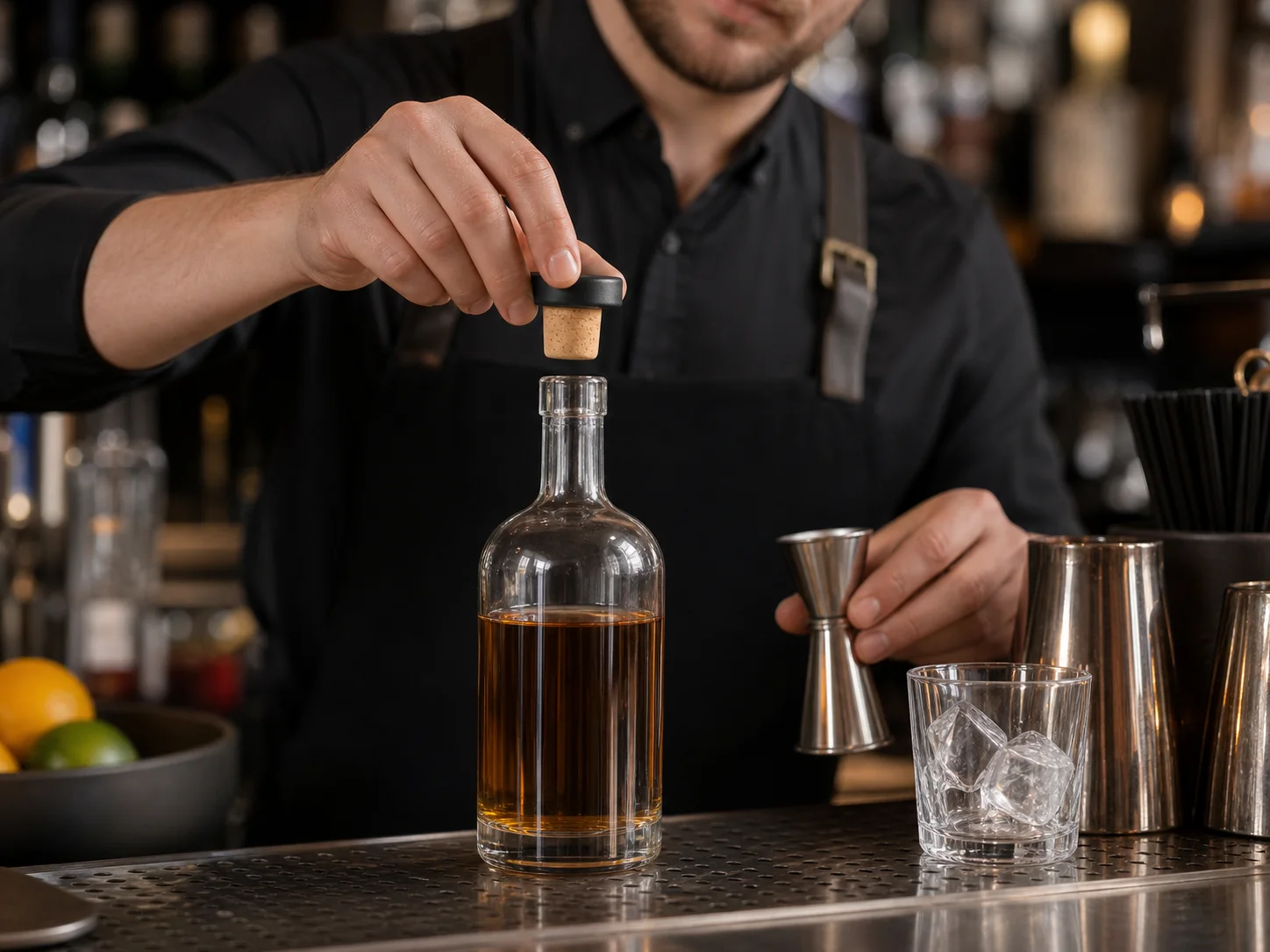
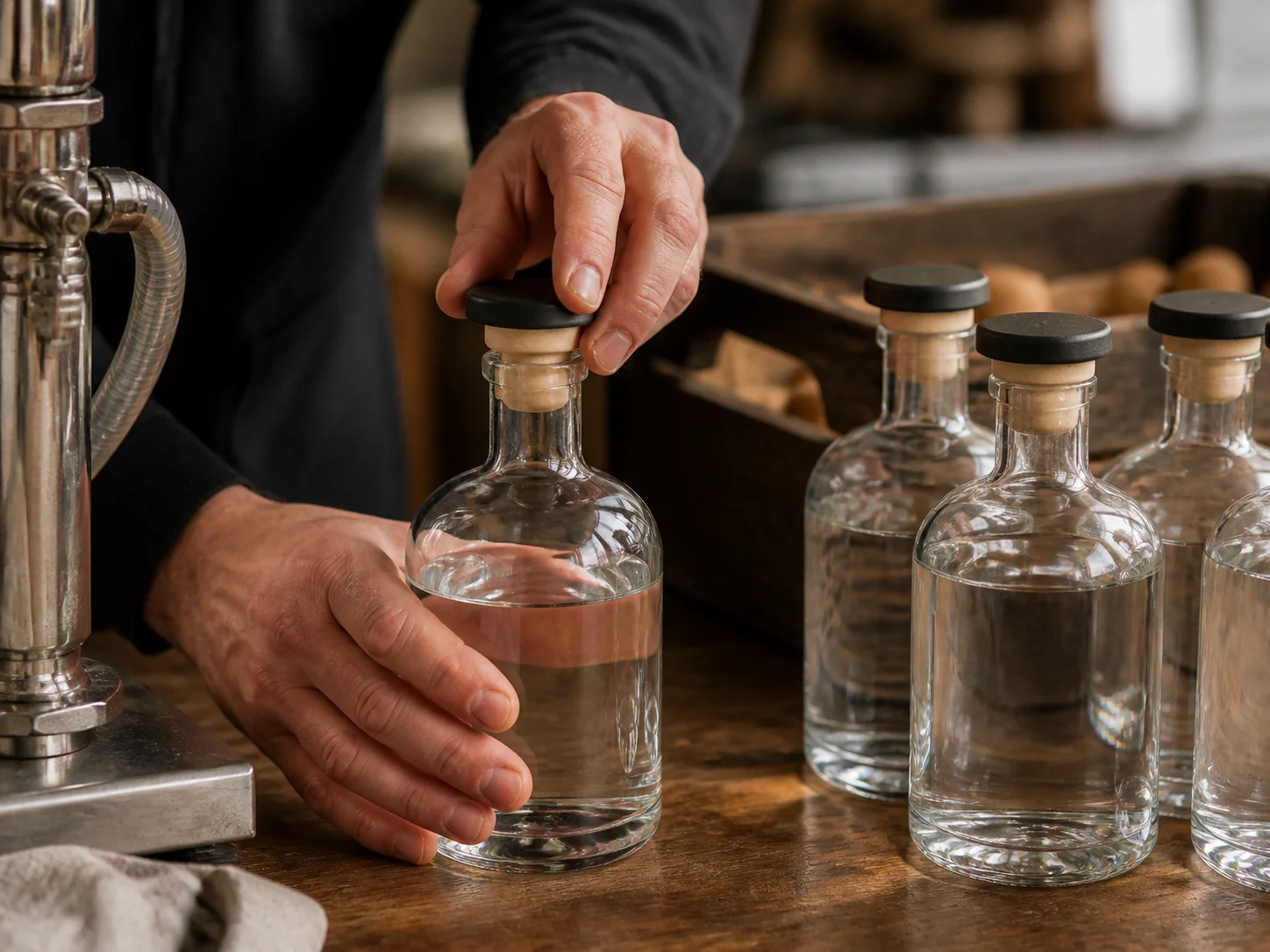
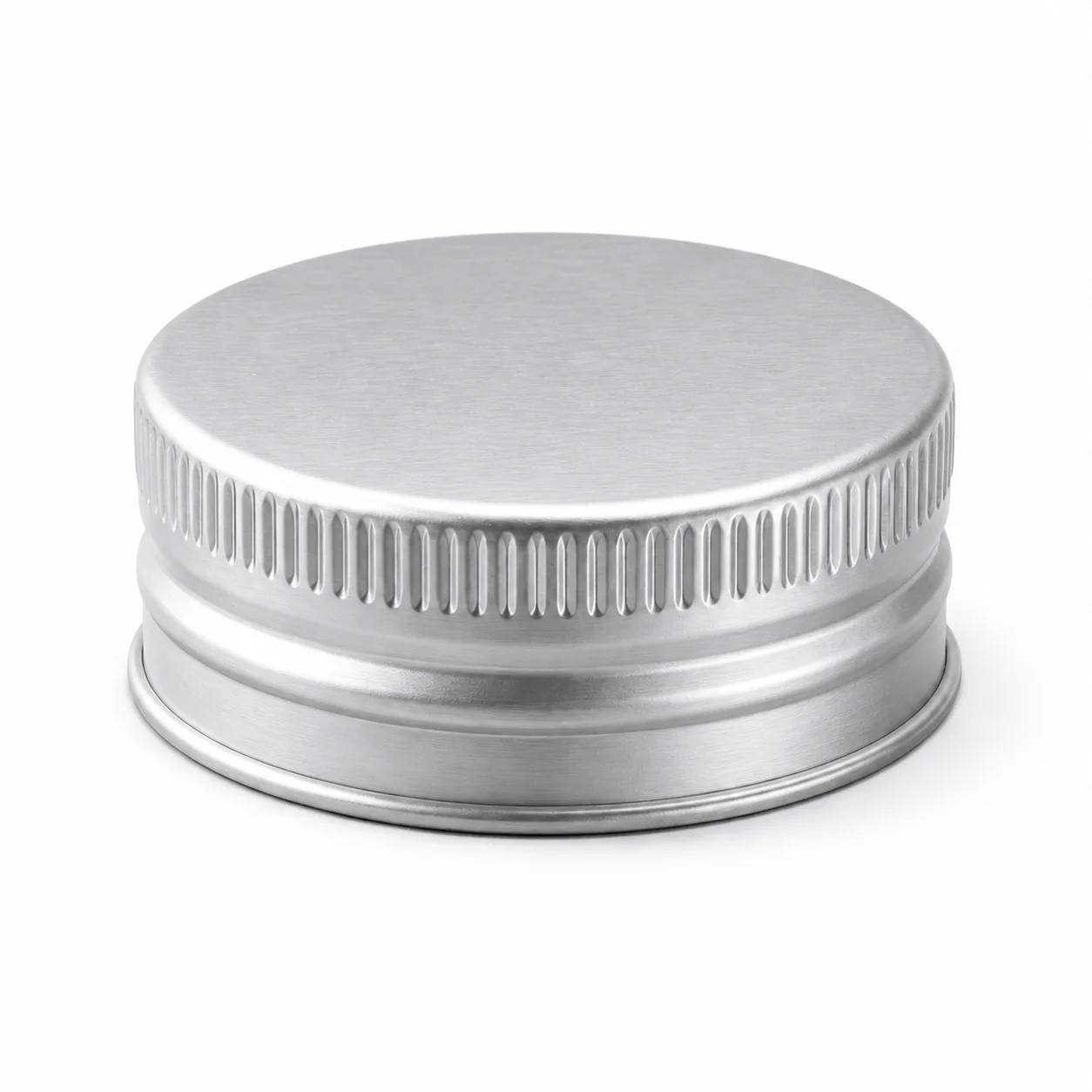
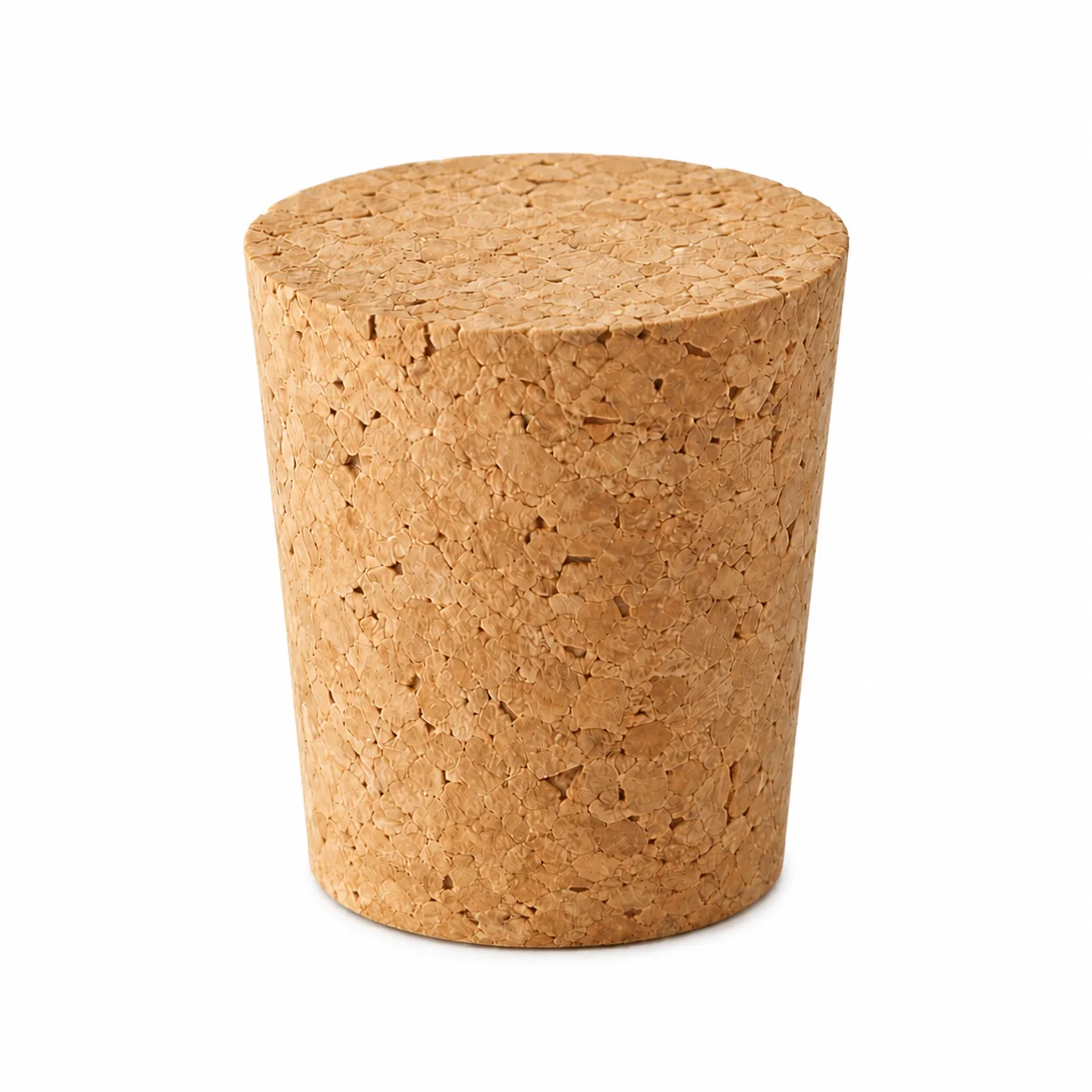
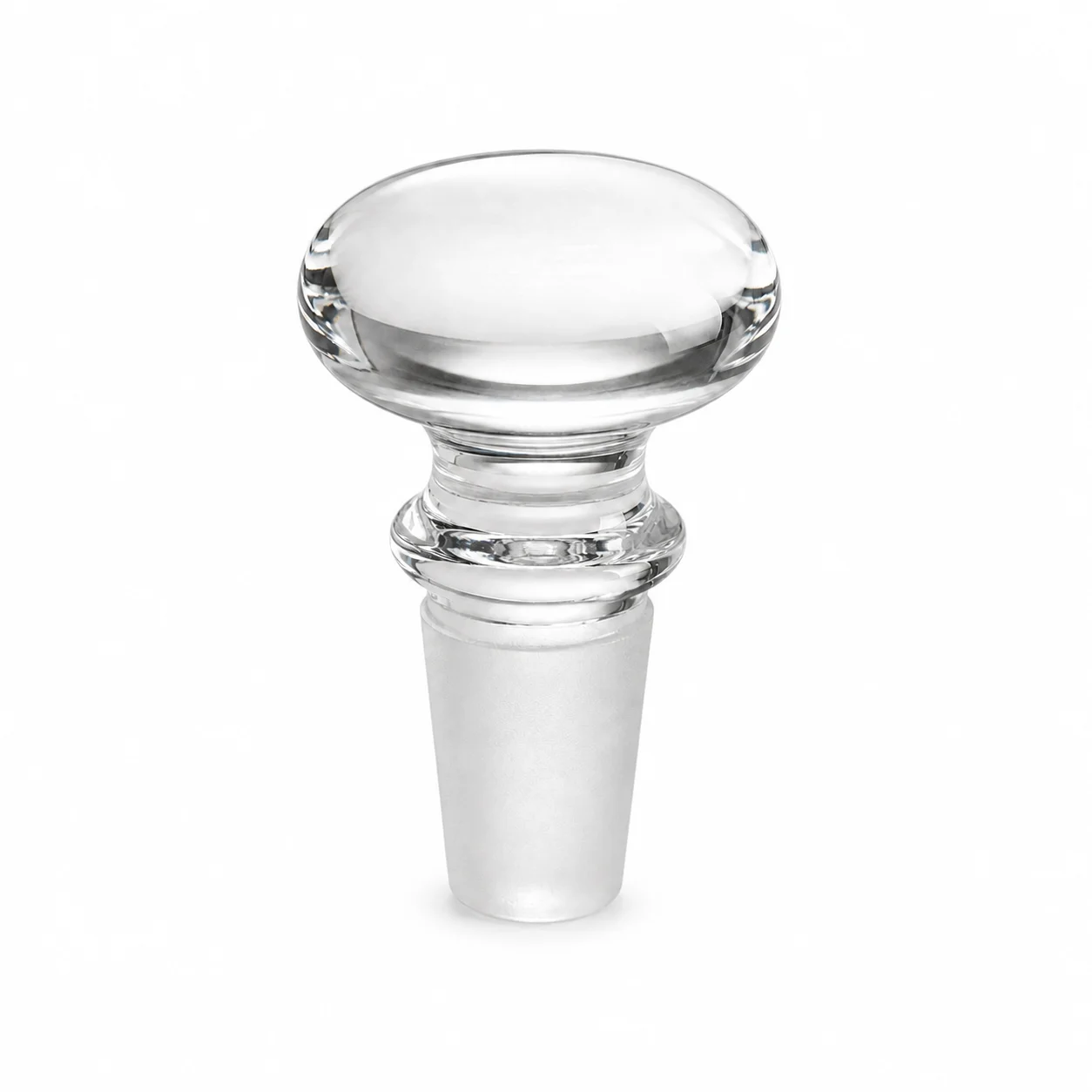
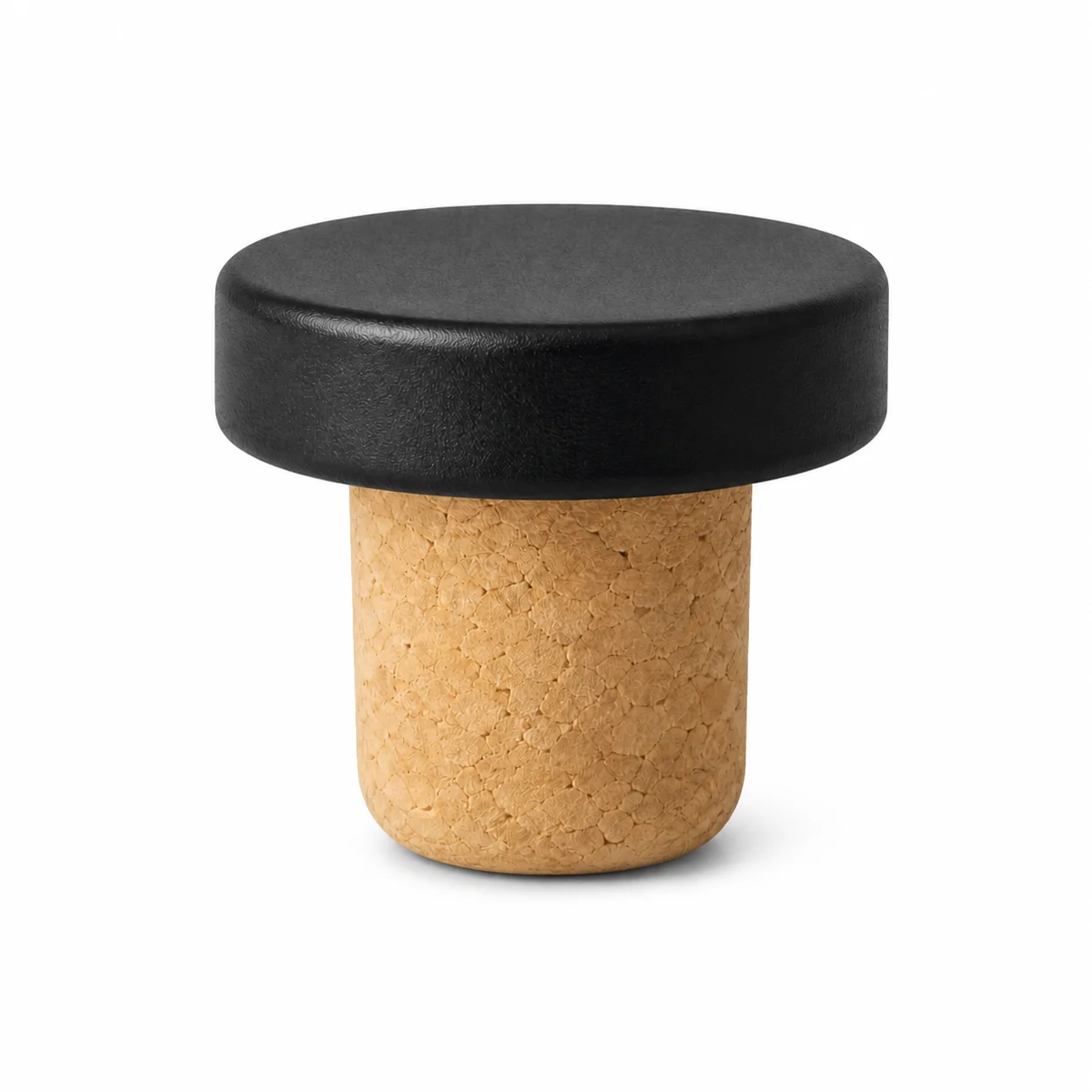
A bar-top stopper is two components bonded together: a cork or agglomerated shank that seals in the bore, and a head in wood, plastic or metal that the user grips. Unlike a driven wine cork it is pulled and pushed dozens of times, so its specification is about the bond and the fit across a real spread of bottles rather than about a single sealing event.
The head is a brand decision with physical consequences
Wood reads as craft, metal as premium spirits, plastic as economy. Each bonds differently to cork and each moves differently with humidity — wood in particular swells and shrinks with the room. That means the visual choice and the engineering choice cannot be made separately.
The bond does the work nobody specifies
Adhesive between head and shank carries every pull the customer makes. It is the failure most often reported from bars: a head that comes away in the hand leaving the cork in the neck. Pull-test the assembled stopper after conditioning rather than inspecting the cork and the head as separate parts.
Agglomerated shanks behave differently from whole cork
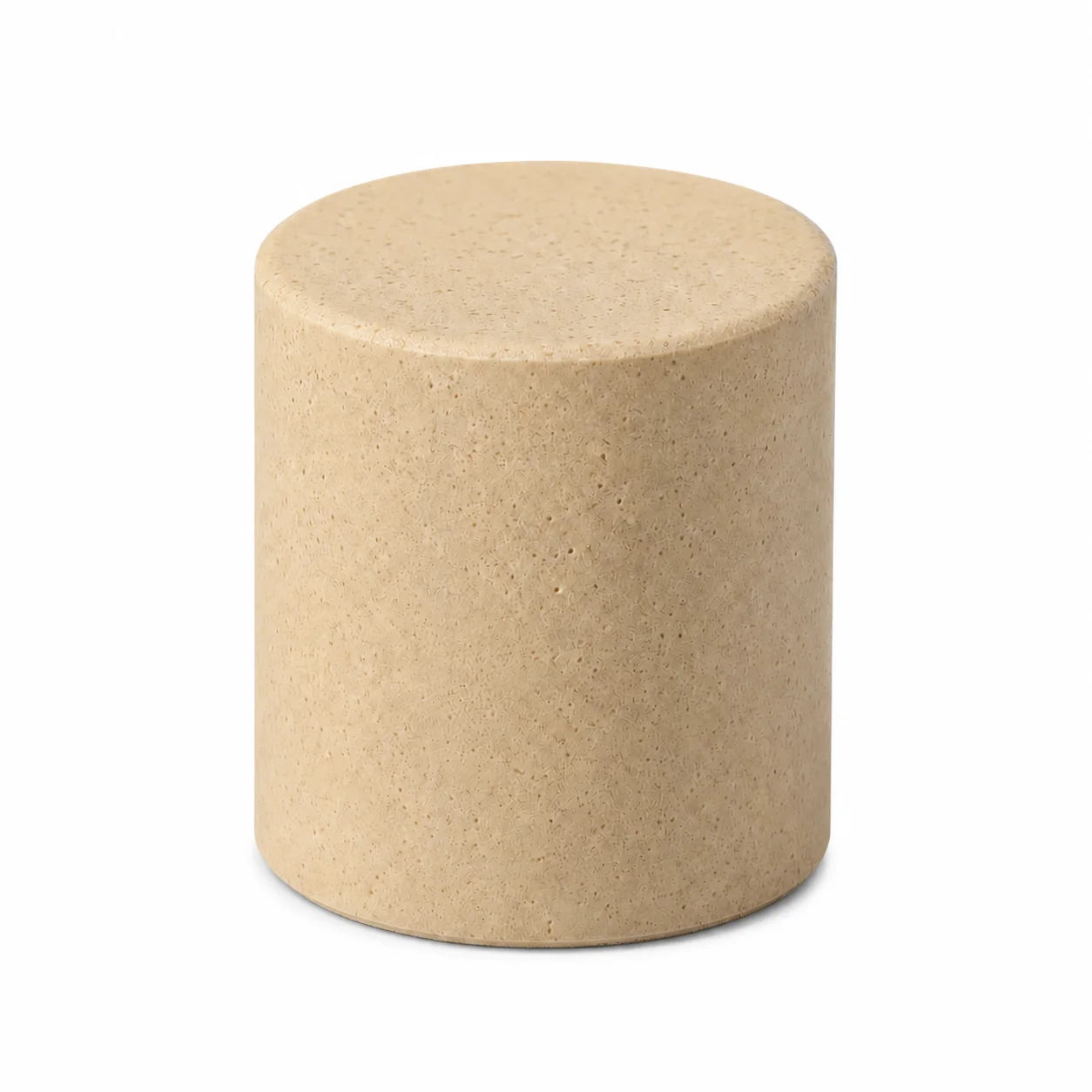
Many bar-top shanks are agglomerated cork, for which ISO 9727-2 defines how mass and apparent density are determined. Density affects both the compression needed to seat the stopper and how the shank recovers after being pulled, which is what decides whether it still seals after two months of use.
Bore variation is the real fit problem
Glass bores vary within tolerance, so the same stopper can seat firmly in one bottle and sit proud in the next from the same pallet. Fit is assessed across a genuine spread of production bottles rather than against a nominal dimension, and that is doubly true for a stopper meant to be reinserted repeatedly.
Extraction force still has a method
ISO 9727-5 sets out how maximum extraction force is measured for cylindrical cork stoppers, including conditioning and a period stored horizontal in filled bottles. Even for a hand-pulled bar top, that protocol gives a repeatable number to compare batches against rather than a subjective sense of tightness.
Warm back bars are the hard case
A stopper that works in a cool cellar can swell and jam after weeks on a warm back bar, at which point staff replace it with a free-pour spout and the branding is lost. Conditioning samples warm and humid before approval catches this while it is still a specification question.