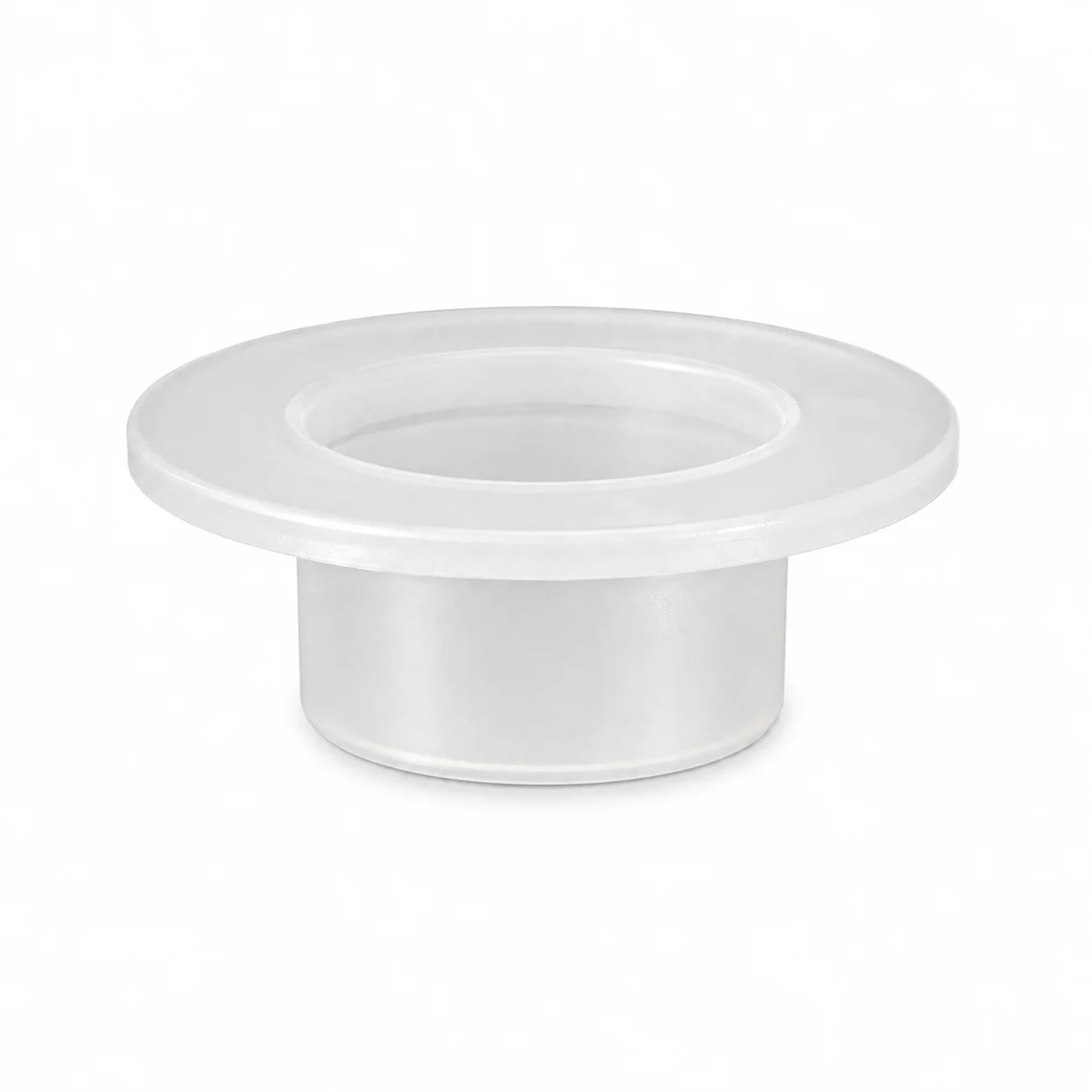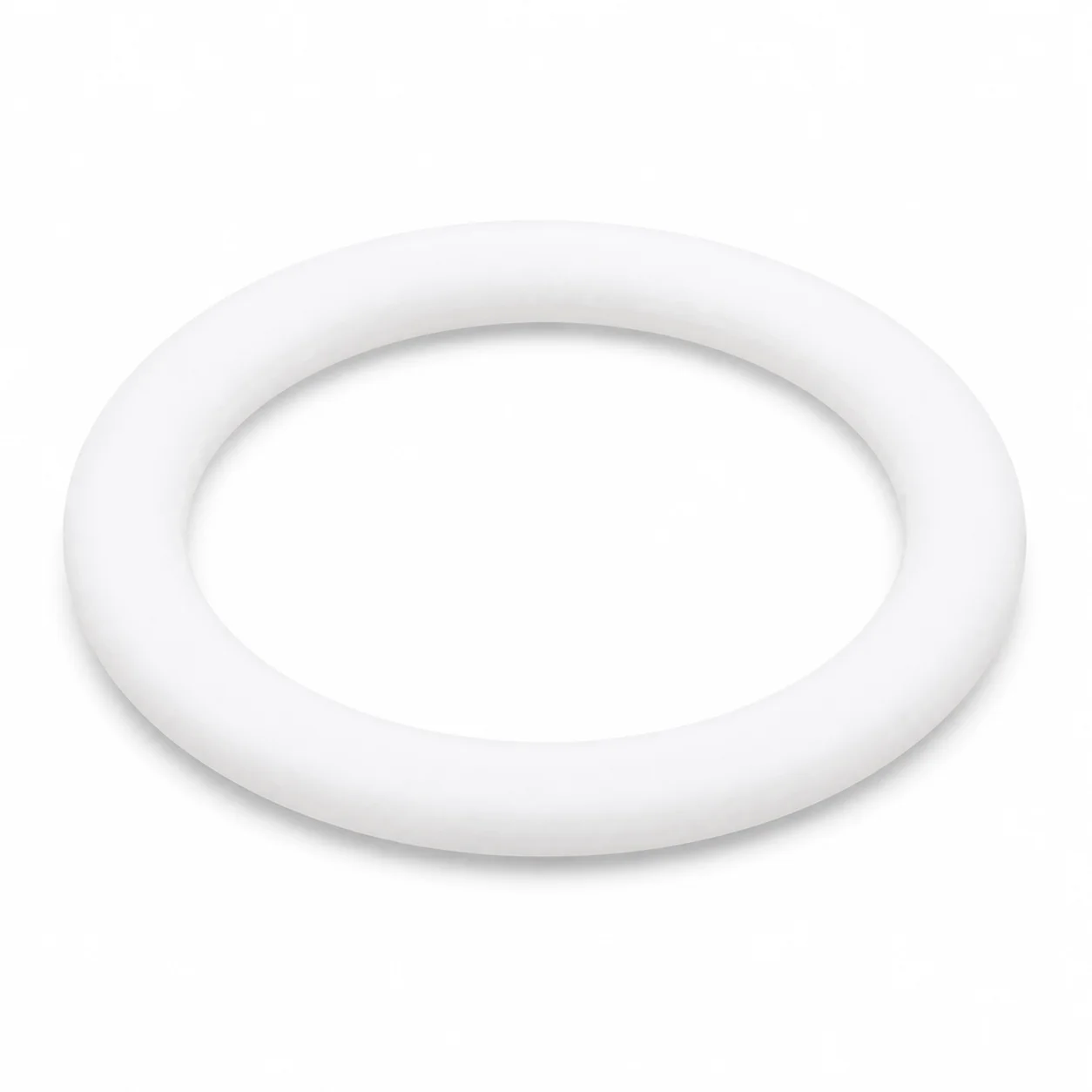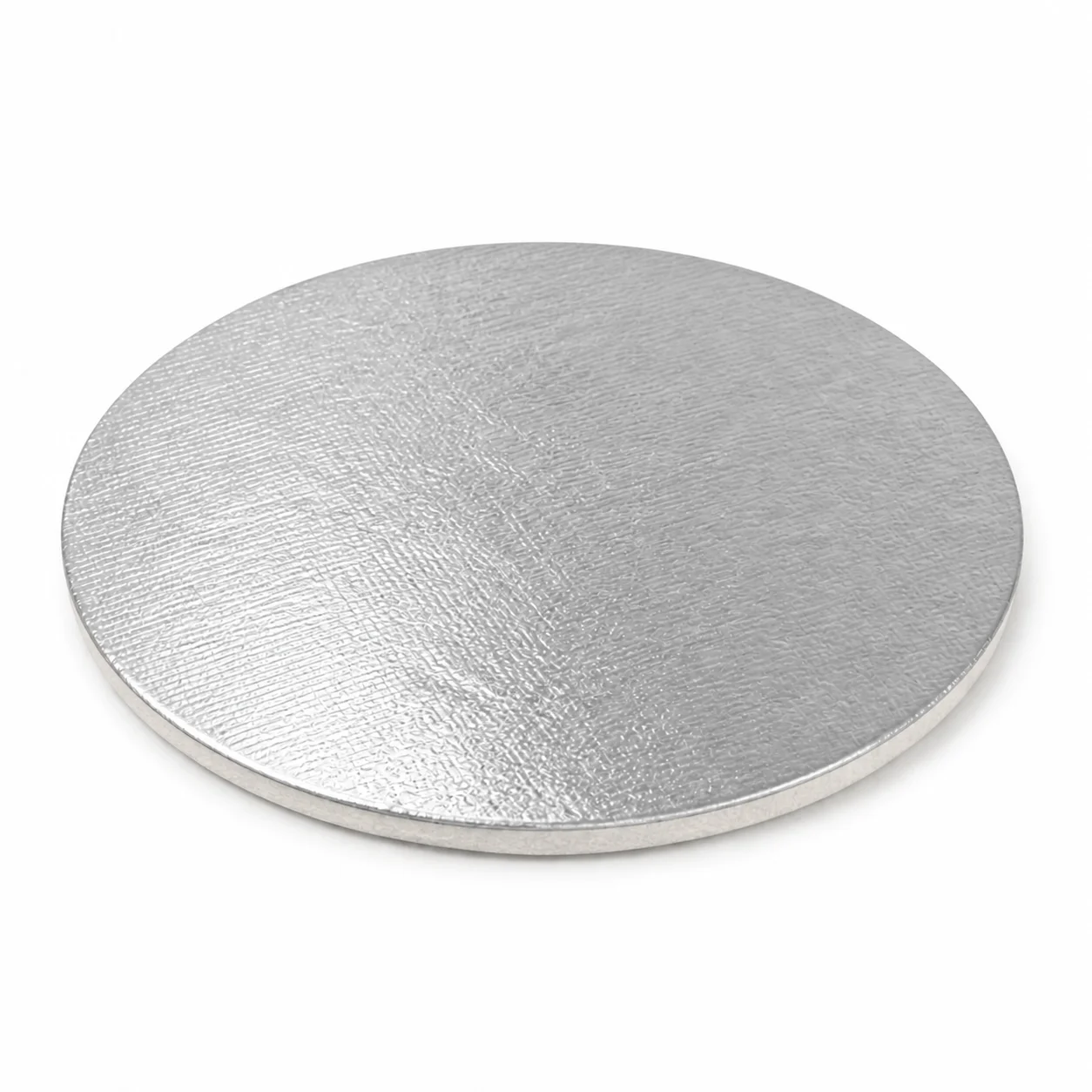
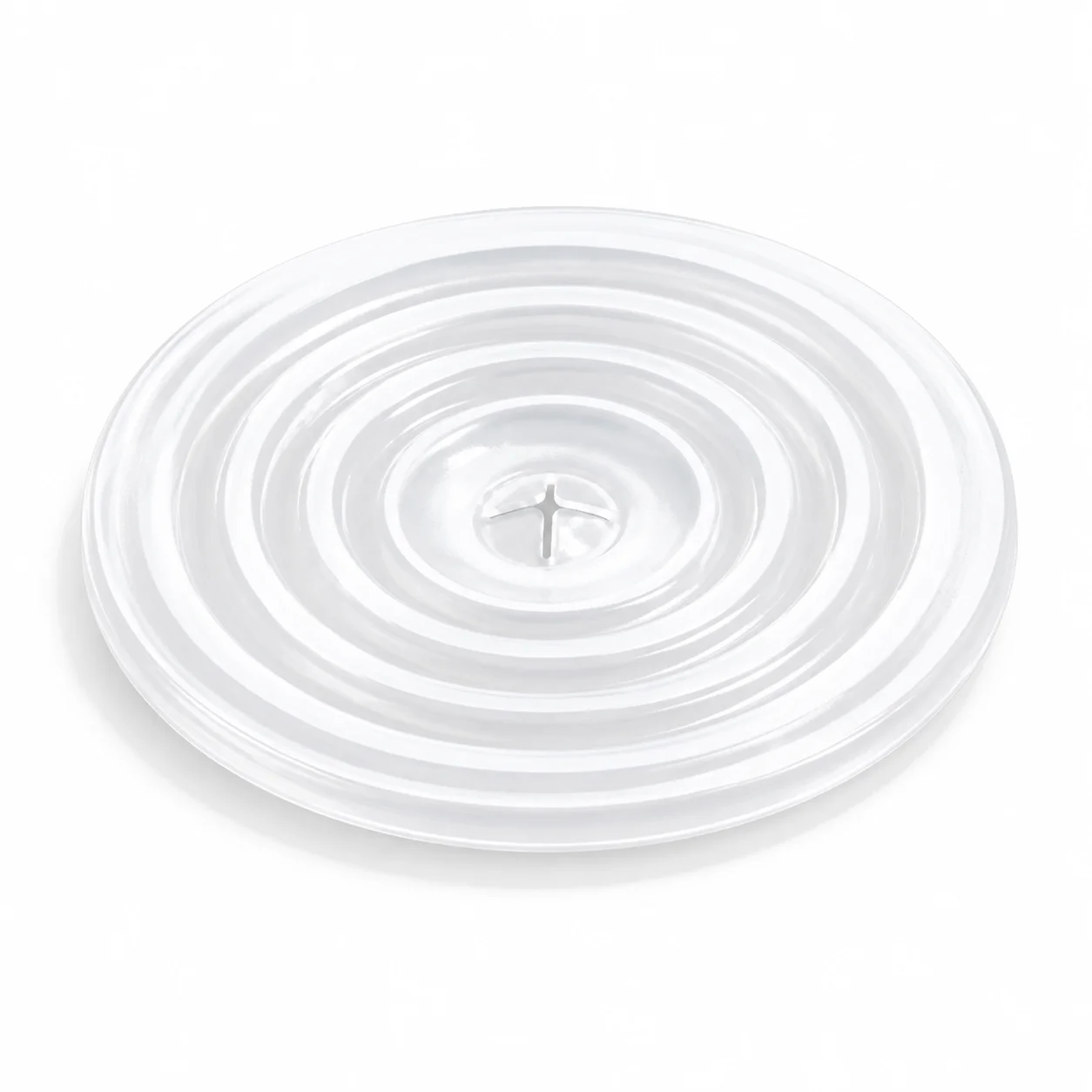
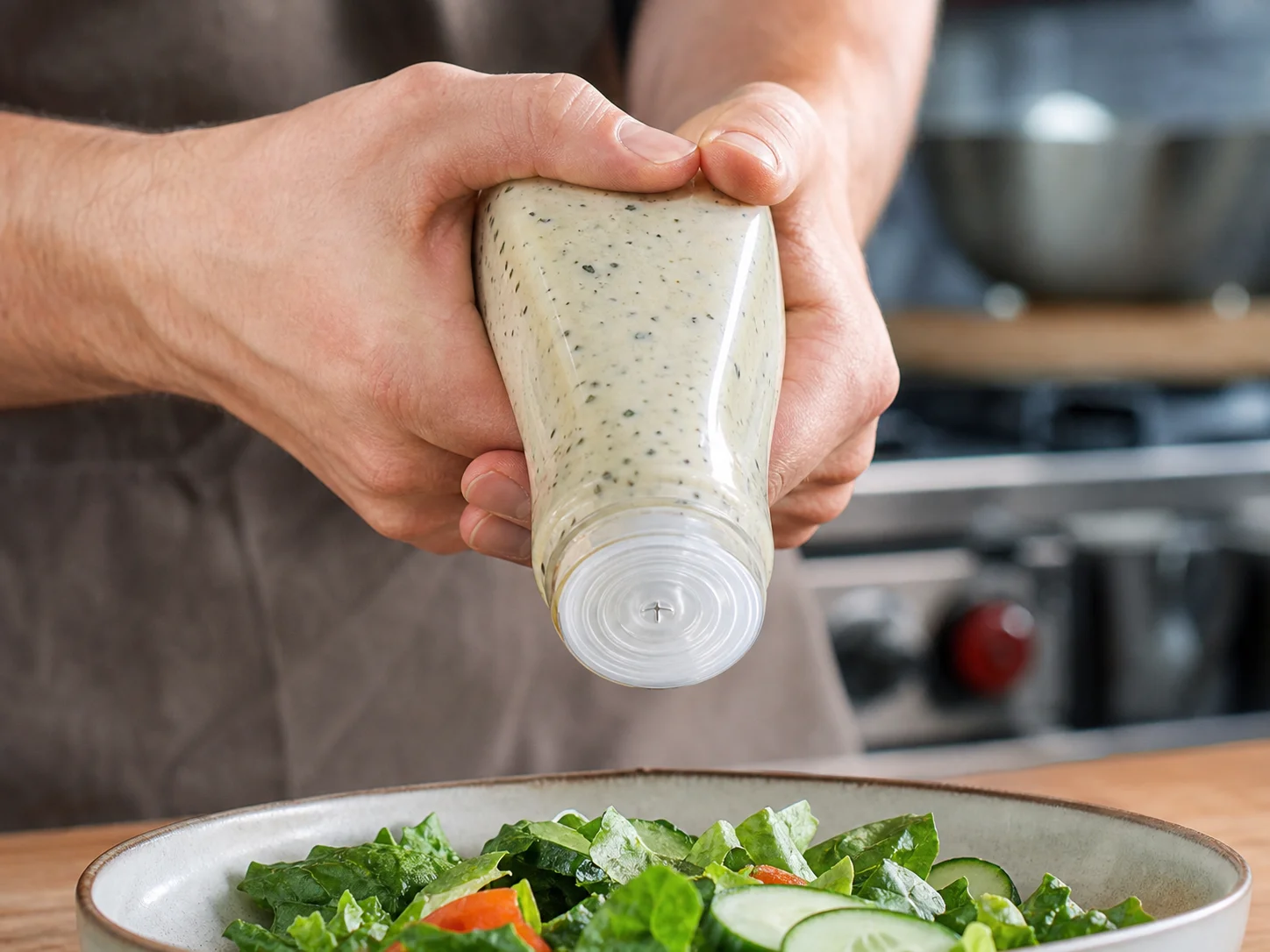
Translucent flow-control liner with concentric raised rings and a cross-shaped central slit
Shown configuration · liner alone / cap, bottle and dispensed product not shown

Flow-control liners

Drip-proof Liner

A slit flow-control liner that sits in the cap and opens only under pressure, cutting the flow of sauces, syrups and oils and closing again as the bottle is righted.

Cross-slit apertureOpens under squeezeSelf-closing on release
Stock status
In stock
Lead time
2–3 weeks
FOB price / pc
$0.80 - $1.15
MOQ
5,000 pcs

Final availability, dimensions, materials, assembled components and commercial terms are confirmed against the selected drawing and approved sample.

Clean cut-off

Slit closes before the drip forms

Tuned by slit length

Aperture geometry sets the flow

Fits standard caps

Sits in a dispensing closure like a liner

Drip-proof Liner profile

The point is not how it opens. It is how quickly it shuts.

Slit geometry, material recovery & product fit

Why two liners that look identical behave completely differently in the kitchen.

A flow-control liner is a molded elastomer or polyethylene disc with a slit through it. Squeeze the bottle and the slit parts; stop and it springs closed before the product left in the neck can run back down the outside. That closing action, not the pouring, is what keeps a sauce bottle clean and a shelf free of sticky rings.

01

Slit pattern decides the shape of the flow

A single straight slit gives a flat ribbon of product; a cross gives a rounder stream that closes evenly from four sides; a multi-point star opens widest for its length and suits thicker sauces. The pattern is molded, and it changes both the pour and the closing speed. Choosing it by eye from a photograph is how programs end up with the wrong one.

02

Recovery is the property that matters

A liner that opens easily but relaxes slowly leaves the aperture parted for the fraction of a second in which a drip forms. Material choice, wall thickness around the slit and how the liner is supported by the closure all feed into that. It is why silicone appears on premium sauce packs despite costing more than the polyethylene alternative.

03

Viscosity sets the working window

Every slit liner has a range of viscosity it suits. Below it, the product weeps through under its own weight when the bottle is inverted; above it, the customer has to squeeze so hard that the bottle flexes and the pour comes out in a slug. Thick sauces with particulates are the difficult case, since a seed or a herb fragment can hold the slit open.

04

Temperature moves the whole picture

A sauce that pours neatly in a warm kitchen thickens in a cold larder, and the same liner then needs twice the squeeze. Programs selling into varied climates set the slit against the cold case rather than the ambient one, because a bottle that will not pour reads as a defect while a slightly loose pour reads only as generous.

05

The closure has to hold the liner flat

The liner works by being supported around its edge so the slit is the only thing that moves. A closure that grips unevenly, or a liner seated on a rim with a mold seam, lets the disc lift on one side and product creeps around the outside instead of through the slit. Retention geometry in the cap belongs on the same drawing as the liner.

06

Expect the first pour and the last to differ

A full bottle pushes product through the slit with a head of liquid behind it; an almost-empty one relies mostly on air pressure from the squeeze. That means the same liner delivers differently at both ends of the bottle's life. Testing at full, half and near-empty is a short exercise that catches most complaints before they reach a customer.
Application guide

A cross slit that opens under pressure and closes after.

This liner controls flow rather than sealing a closed bottle: the slit parts when the container is squeezed or tipped and returns when pressure stops, cutting the stream instead of letting it dribble. These are development directions confirmed with the actual liquid.

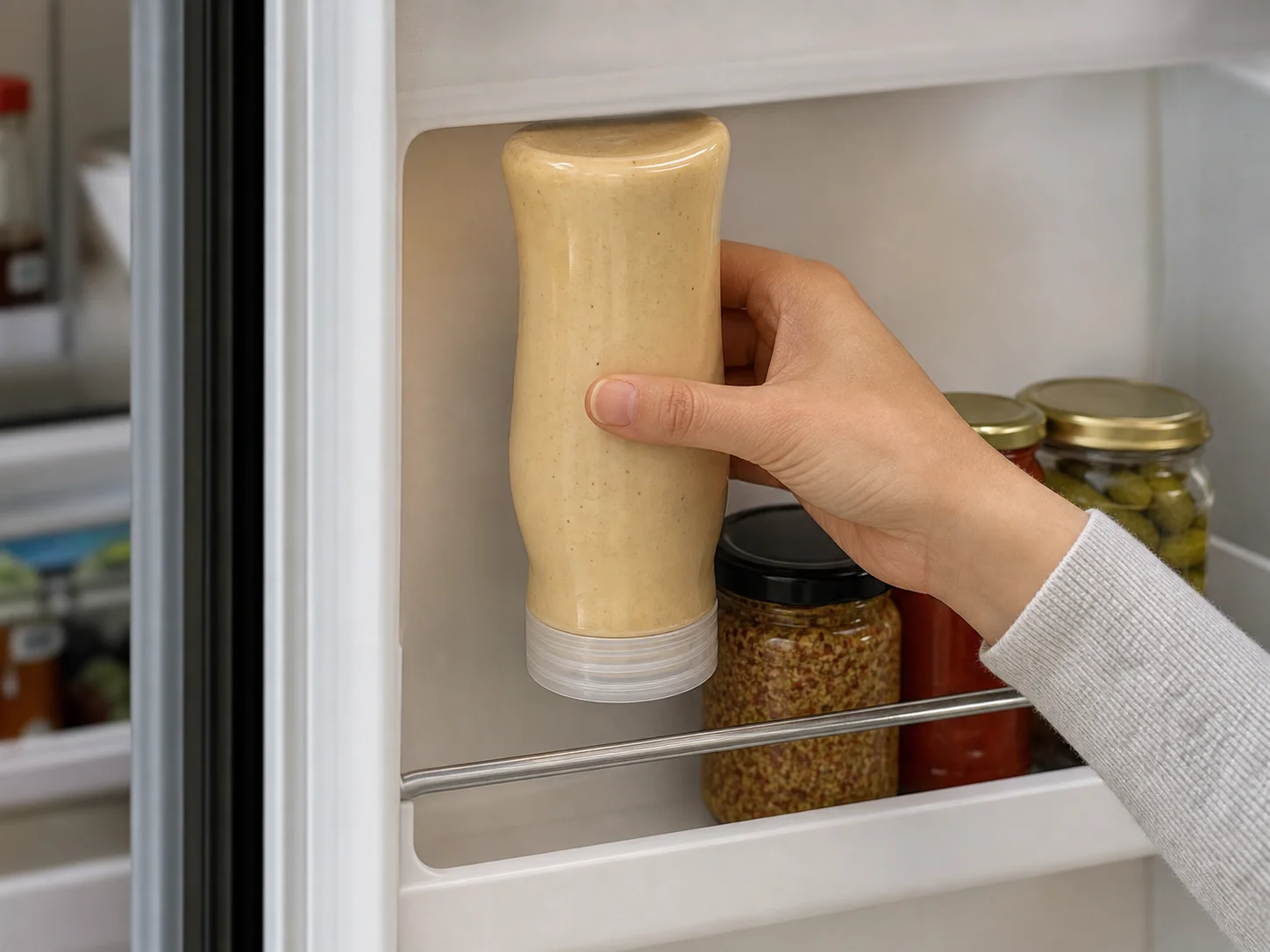
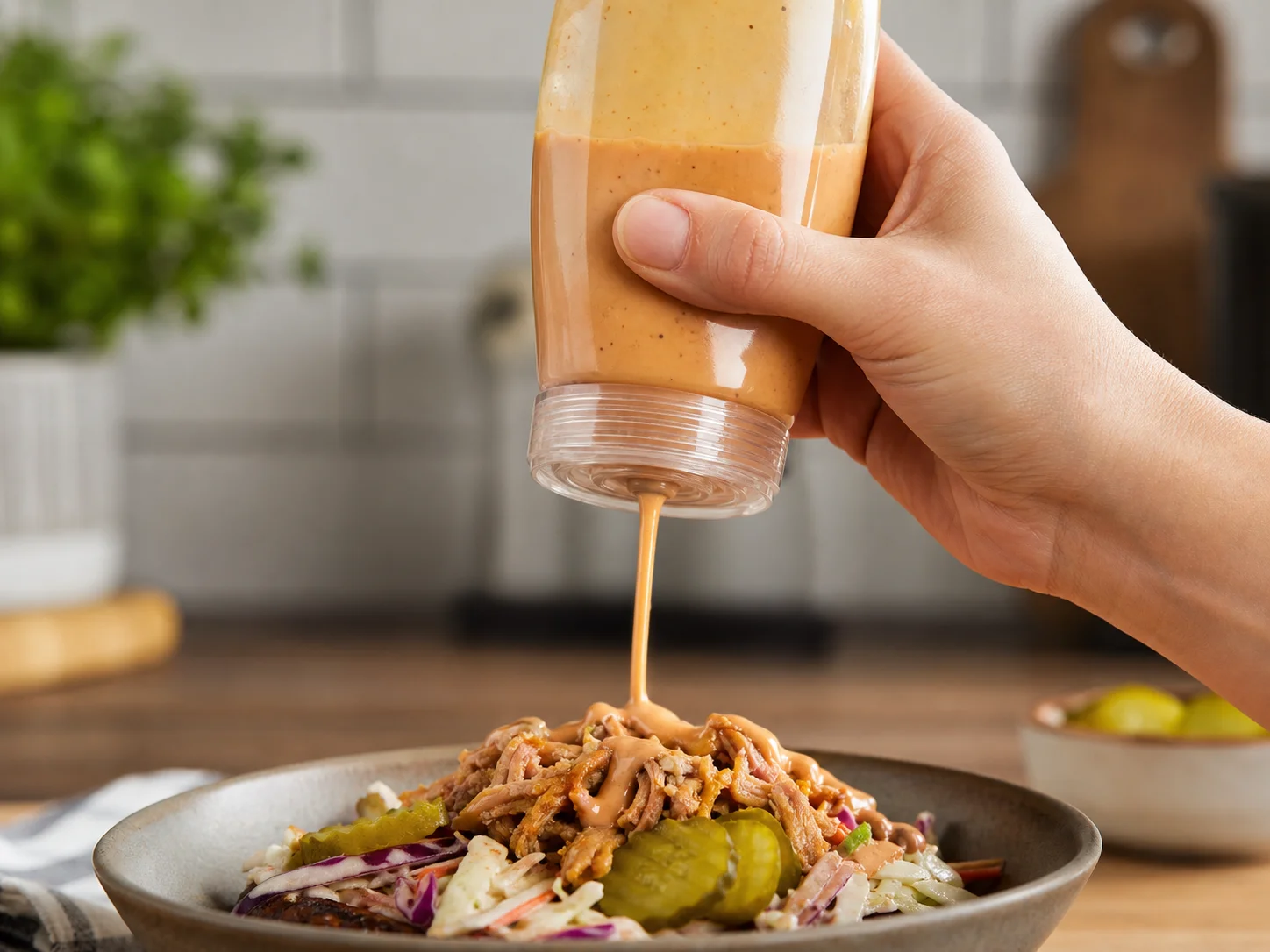
Drip-proof Liner used for bottles squeezed over food in a sauces and condiments setting

Sauces and condiments

Bottles squeezed over food

For sauces dispensed by inverting and squeezing, where the customer wants the flow to stop the instant they stop pressing. The slit closes behind the stream, which prevents the trail of sauce down the bottle that otherwise ends up on a table or a shelf.

  • Test cut-off with the actual sauce
  • Confirm no dribble after release
  • Check flow suits the viscosity
Drip-proof Liner used for a bottle squeezed harder because nothing comes out in a dressings and marinades setting

Dressings and marinades

A bottle squeezed harder because nothing comes out

For sauces carrying seeds, herbs or flakes, where a slit sized for something smooth blocks and the cook squeezes until it tears or bursts past. Whether the product has pieces in it at all, and how big they are, decides whether this liner belongs on the bottle.

  • Confirm particulate size against the slit
  • Test for blocking with the real product
  • Check the slit does not tear
Drip-proof Liner used for a bottle stored upside down for months in a kitchen doors setting

Kitchen doors

A bottle stored upside down for months

For households that keep the bottle inverted in a fridge door and squeeze it most days. The membrane flexes on every one of those presses, and once the material takes a set it stops closing, so the clean rim the customer bought quietly turns into the sticky one they were avoiding.

  • Cycle the liner many times
  • Confirm the slit still closes fully
  • Test after long storage inverted

Applications describe package-development directions. Flow, dispensing, drip control and regulatory outcomes are confirmed for the selected program.

Common questions

Drip-proof Liner questions

Slit liners are tuned to one product. These questions are how that tuning gets done.

Will it work with our sauce?

It depends on where the product sits in the liner's viscosity window. Too thin and it weeps through under its own weight when inverted; too thick and the customer squeezes hard enough to flex the bottle and get a slug rather than a stream. Sauces with seeds or herb fragments are the difficult case, since a particle can hold the slit open.

Our product pours badly in winter. What changed?

The product thickened, not the liner. A sauce that flows neatly in a warm kitchen needs noticeably more squeeze from a cold larder, and the same slit then feels wrong. Programs selling across climates set the slit against the coldest case, because a bottle that will not pour reads as a fault while a slightly generous pour reads only as generous.

Why is product creeping around the outside of the liner?

The disc is lifting at its edge. A slit liner only works when it is supported around its full circumference so that the aperture is the only thing that moves. Uneven grip in the closure, or a rim with a mold seam under the liner edge, lets one side rise and the product finds that path. Retention geometry belongs with the liner specification.

Does the first pour behave like the last?

No, and both should be checked. A full bottle pushes product through the slit with a head of pressure behind it; a nearly empty one does not, so flow and drip control differ at the two ends. Approve the liner at both fill levels.

Next step

Send us the Drip-proof Liner brief.

Tell us the product, fill volume, closure preference and destination market. We will come back with the matching drawings, available configurations and a sample plan before anything is quoted.

  • 01Send the briefProduct, volume, closure and market
  • 02Get the optionsMatching drawings and configurations
  • 03Approve the sampleConfirm the pack before production