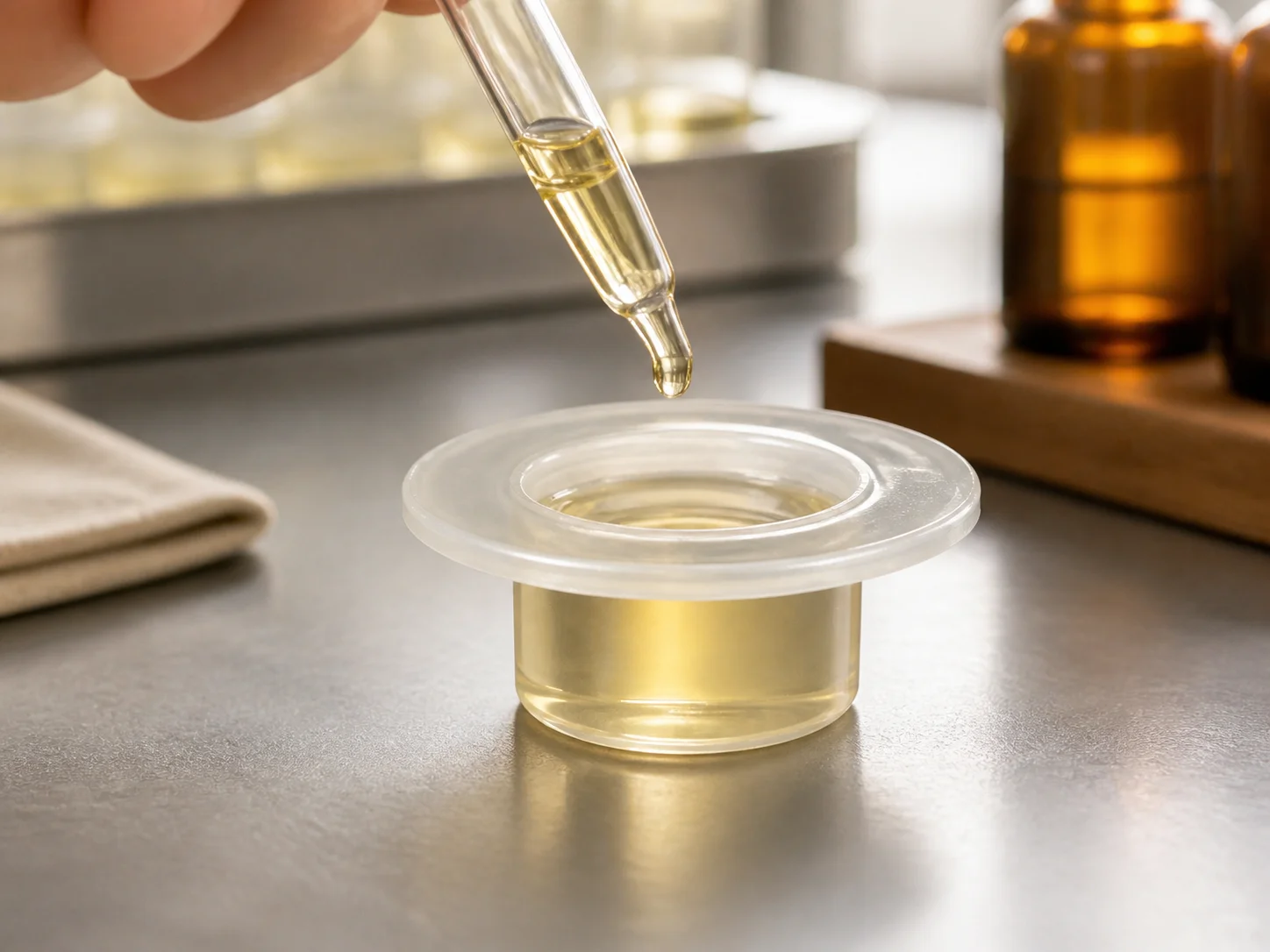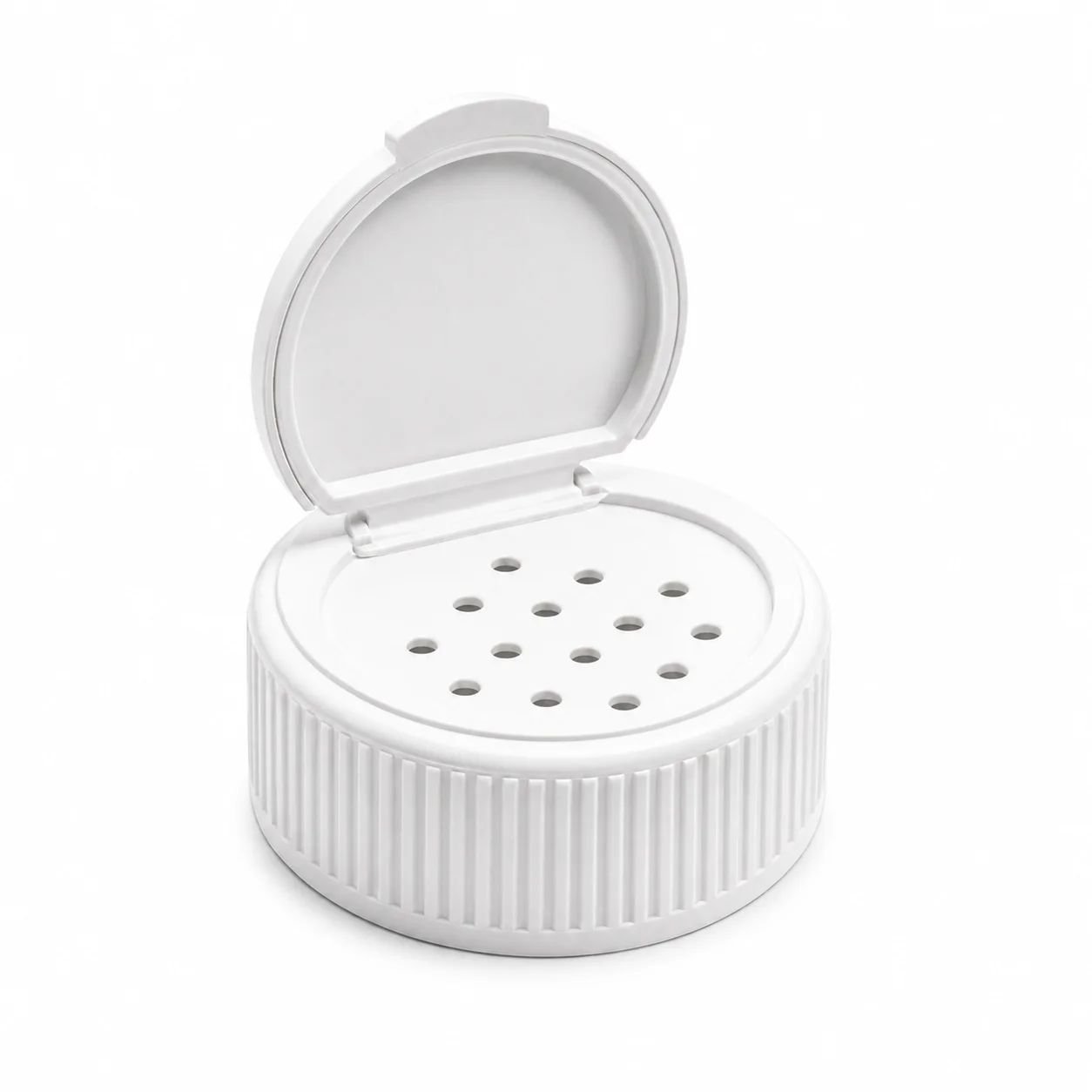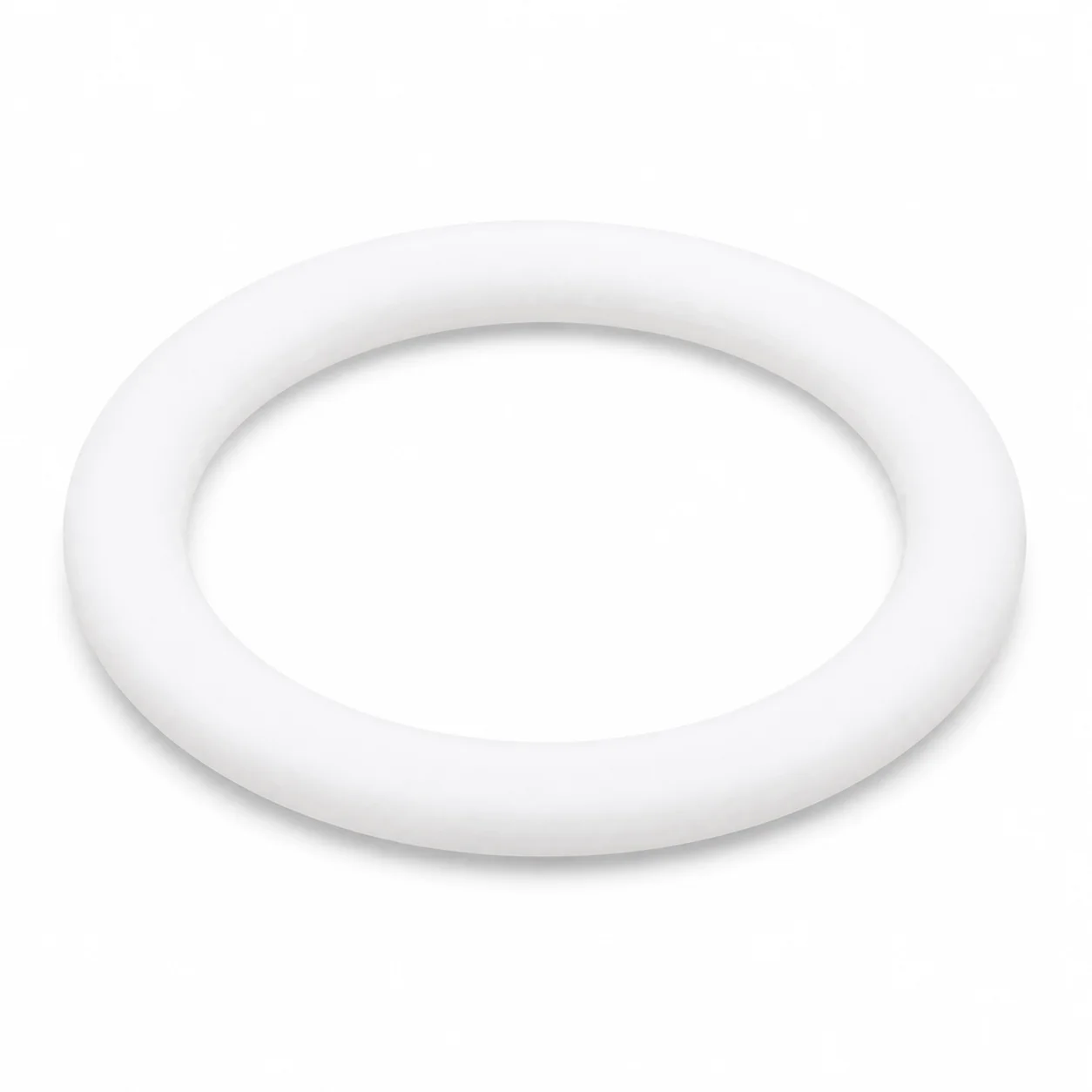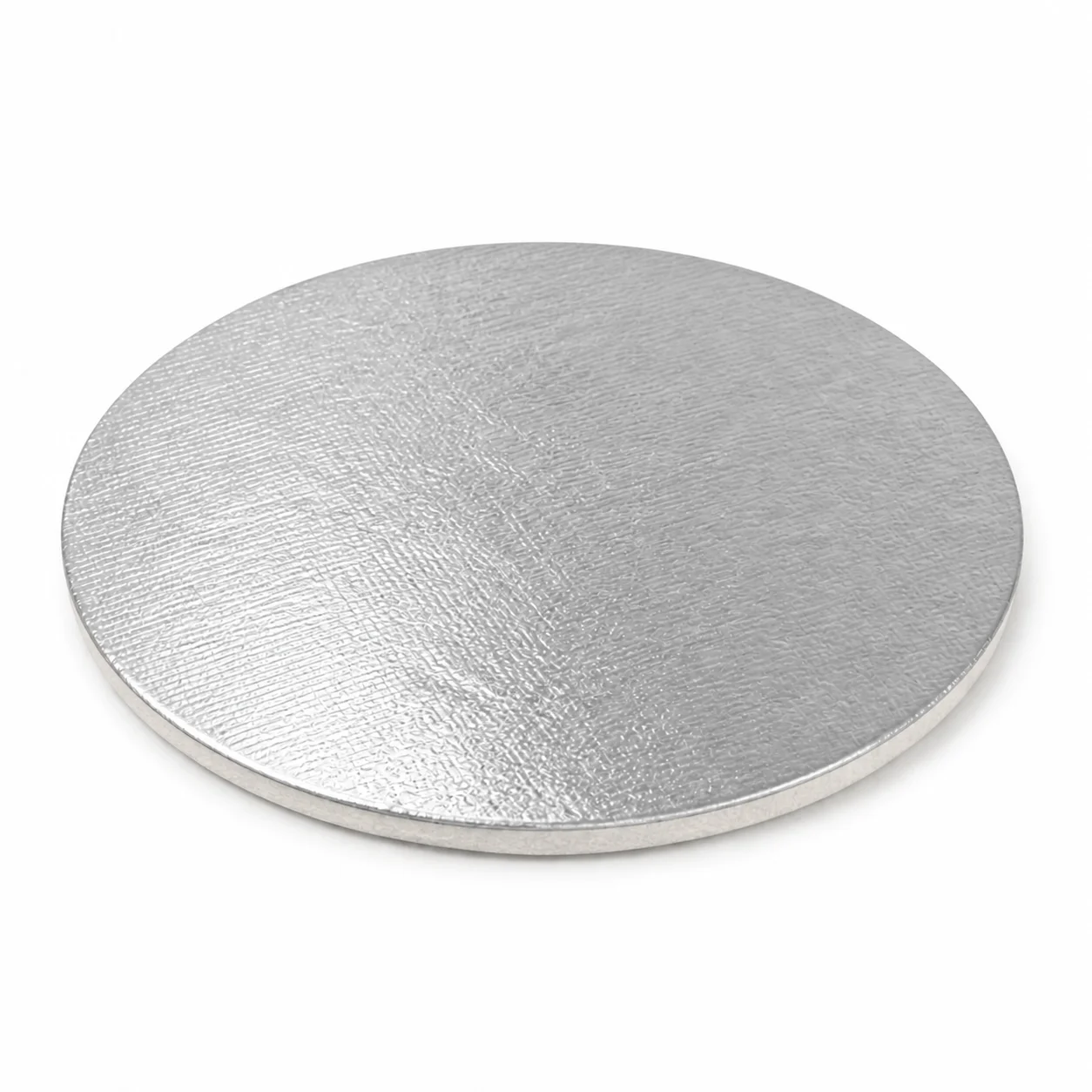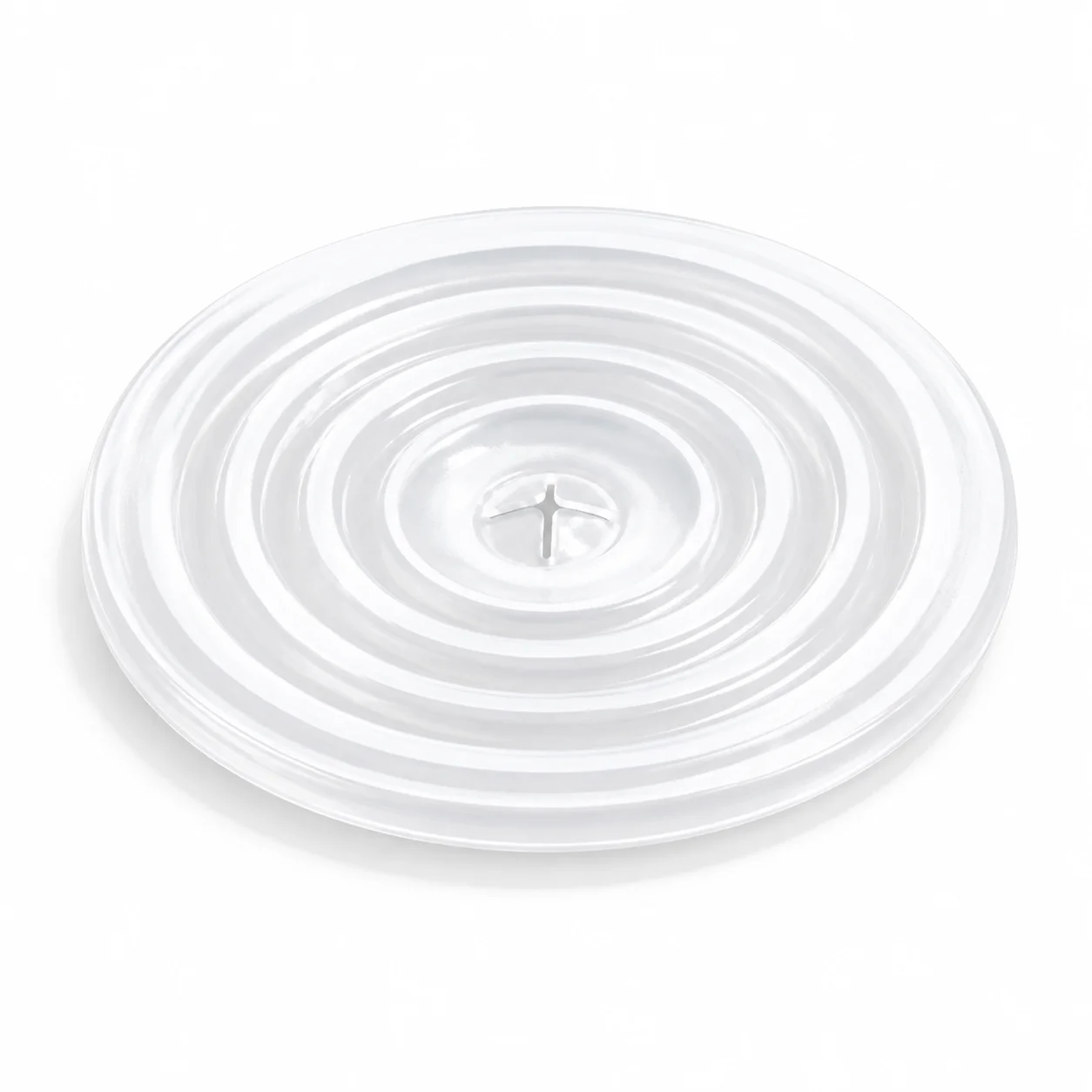
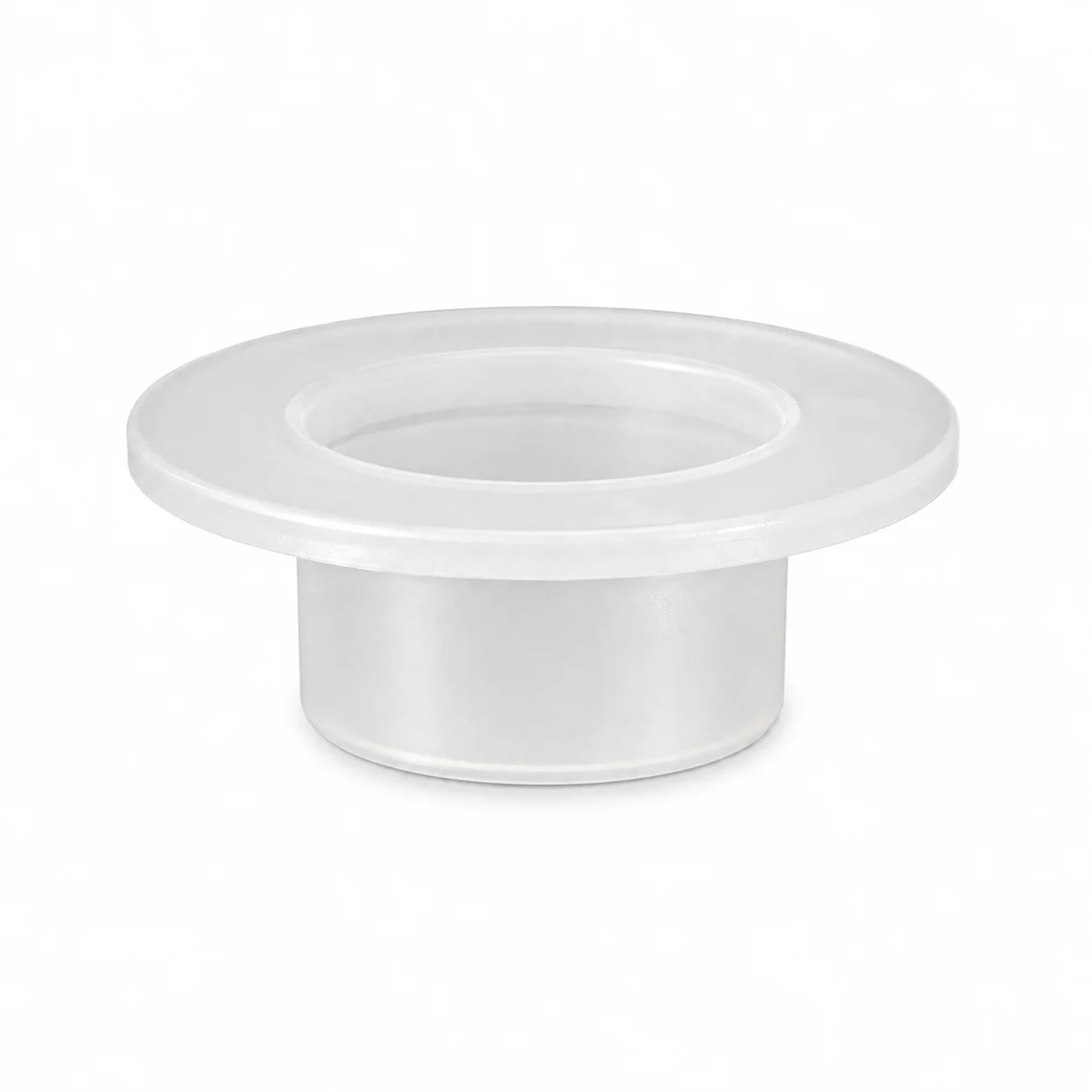
Translucent plug fitment with a wide flange, central opening and short cylindrical skirt, shown loose
Shown configuration · plug alone / bottle, cap and seated position not shown

Bore fitments

PE Plug / Liner

A polyethylene plug fitment pressed into the neck bore, sealing on its skirt and, where it carries a central bore, reducing the opening to a controlled drop or pour.

Seals in the bore, not on the rimOrifice-reducing versionsLDPE for spring-back
Stock status
In stock
Lead time
2–3 weeks
FOB price / pc
$0.65 - $1.10
MOQ
10,000 pcs

Final availability, dimensions, materials, assembled components and commercial terms are confirmed against the selected drawing and approved sample.

Two seals in one part

Flange under the cap, skirt inside the bore

Meters by bore size

Orifice diameter sets drop or stream

Stays with the bottle

Fitted once, not removed by the customer

PE Plug Liner profile

It seals in a place no cap liner can reach.

Bore sealing, orifice control & assembly

What a plug does that a flat liner cannot.

A plug fitment works inside the neck rather than across the top of it. A short skirt presses against the bore while a flange sits under the cap, which gives a second sealing surface in a completely different plane from the liner disc. Where a bottle must not weep on its side or must meter what comes out, that is the difference.

01

The bore seal survives what the rim seal misses

A liner disc bears on the top land of the finish, so any chip, mold seam or product residue on that land is a leak path. A plug seals against the inside wall over several millimeters of contact, well below where product splashes during filling. On bottles that travel on their side, that is usually the difference between a clean carton and a stained one.

02

Orifice diameter is the dosing decision

Where the plug carries a central bore, that bore is what meters the product. A narrow opening breaks liquid into countable drops for tinctures and flavorings; a wider one gives a controlled stream for sauces and oils. It is a molded dimension, so it cannot be adjusted after tooling, and it wants sampling with the real formula at the real temperature.

03

Low-density polyethylene is chosen for its recovery

The plug has to deform going in and then push back against the bore for years. LDPE does that better than stiffer resins, which take a set and slacken. Polypropylene versions exist where heat resistance matters more than long-term spring, and they need a looser interference to avoid splitting the skirt on insertion. The two are not drop-in replacements.

04

Glass bore tolerance governs, not the fitment

Molding tolerance on the plug is far tighter than the bore tolerance of a glass neck, so the fit range comes almost entirely from the bottle. A plug specified against one sample bottle can be tight on one cavity and loose on another from the same mold set. Retention checks belong on bottles drawn across cavities, not on a single reference piece.

05

Insert after filling, and think about the line

Plugs are pressed in on a dedicated head after the bottle is filled, before capping. That adds a station and a change part per neck size, and it puts an operation between two others that were previously adjacent. Small runs often insert by hand, which is workable but slow, and it is worth knowing which of the two a program is planning for.

06

Removal is a design choice with consequences

Most plugs are meant to stay for the life of the bottle, and a customer who levers one out with a knife usually damages the neck. Where refilling is intended, a tabbed or flanged version can be lifted deliberately. Deciding this early avoids the situation where a refill program is announced on a pack whose fitment was never designed to come out.
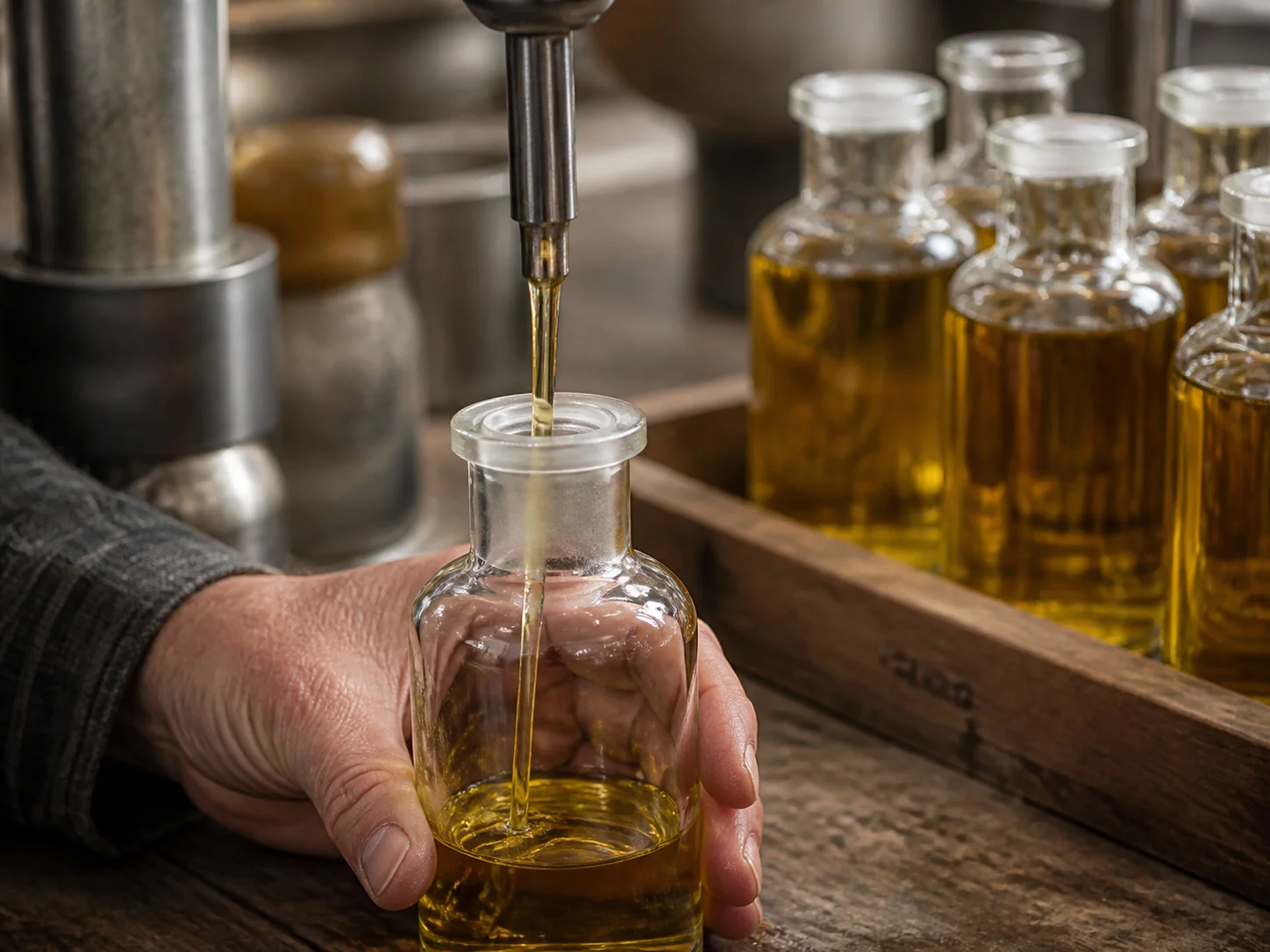
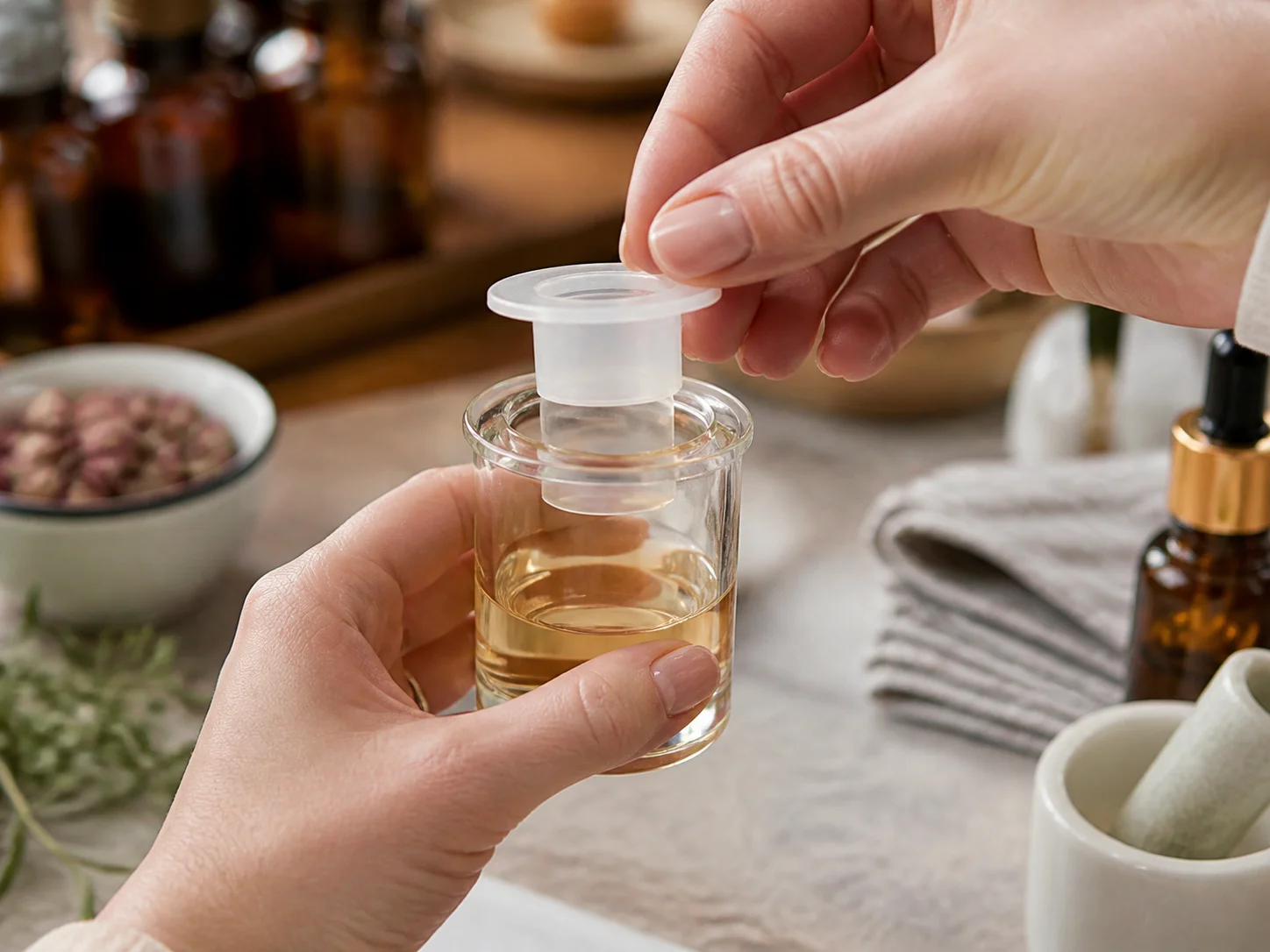
Application guide

A plug seals from inside the neck, not on top of it.

Where a flat liner presses down on the rim, a plug pushes into the bore and seals against the inner wall, which suits necks that are chipped, uneven or simply awkward to seal flat. These are development directions confirmed on the actual container.

PE Plug / Liner used for bottles whose rims are never quite flat in a oil and spirit fillers setting

Oil and spirit fillers

Bottles whose rims are never quite flat

For producers filling glass where the rim varies enough that a top-sealing liner leaves the odd leaker on a pallet. A plug grips the bore instead, which forgives that variation and saves buying a tighter and more expensive glass tolerance, provided the bore range is confirmed first.

  • Confirm the plug suits the bore range
  • Test against rim variation
  • Check retention when inverted
PE Plug / Liner used for a liner that must survive repeated opening in a reclosure setting

Reclosure

A liner that must survive repeated opening

Because the plug is pushed in and pulled out each time the cap turns, it experiences far more mechanical work than a flat liner that simply lifts away. How many cycles it seals for, and whether it stays in the cap rather than the bottle, are both specification points.

  • Cycle open and close repeatedly
  • Confirm it stays in the cap
  • Check the seal holds after cycling
PE Plug / Liner used for material sitting against the liquid in a product contact setting

Product contact

Material sitting against the liquid

The plug sits in permanent contact with whatever is inside the bottle, and oils and alcohols swell some polymers steadily until the interference fit that made it work is lost and the customer finds a leak. Material choice therefore follows from the product being packed rather than from the neck size it has to fit.

  • Select the material against the product
  • Test swelling over shelf life
  • Confirm no taint or migration

Applications describe closure-development directions. Fit, sealing, product contact and regulatory outcomes are confirmed for the selected program.

Common questions

PE Plug Liner questions

Plug fitments answer problems that a cap liner cannot. These are the practical questions.

Which resin suits a snap fit?

Low-density polyethylene is the default because it deforms on insertion and keeps pushing back against the bore for years, where stiffer resins take a set and slacken. Polypropylene is used where the pack sees heat that LDPE would not tolerate, and it needs a looser interference or the skirt splits going in. They are not interchangeable at the same dimensions.

Why does the fit vary between bottles?

Because the plug is molded to a much tighter tolerance than a glass bore is blown. Almost all the variation in fit comes from the bottle, so a plug sized against one reference bottle can be tight in one cavity and loose in another from the same mold set. Check retention on bottles drawn across cavities before signing off a dimension.

Can a customer take the plug out to refill the bottle?

Not on a standard plug, and attempts with a knife usually chip the neck. Where refilling is intended, a tabbed or flanged version can be lifted deliberately, at some cost to how flush the fitment sits. Decide this at specification, since announcing a refill program on a pack whose fitment was never meant to come out is an awkward position.

Should customers be able to remove the plug?

That is a design decision with consequences either way. A plug that comes out invites refilling and puts an unqualified liquid into your pack; one that cannot be removed makes the bottle single-use. Decide it deliberately and set the retention accordingly.

Next step

Send us the PE Plug / Liner brief.

Tell us the product, fill volume, closure preference and destination market. We will come back with the matching drawings, available configurations and a sample plan before anything is quoted.

  • 01Send the briefProduct, volume, closure and market
  • 02Get the optionsMatching drawings and configurations
  • 03Approve the sampleConfirm the pack before production