Laminate construction, container bonding & line requirements
Six decisions to make before an inner seal appears on your specification.
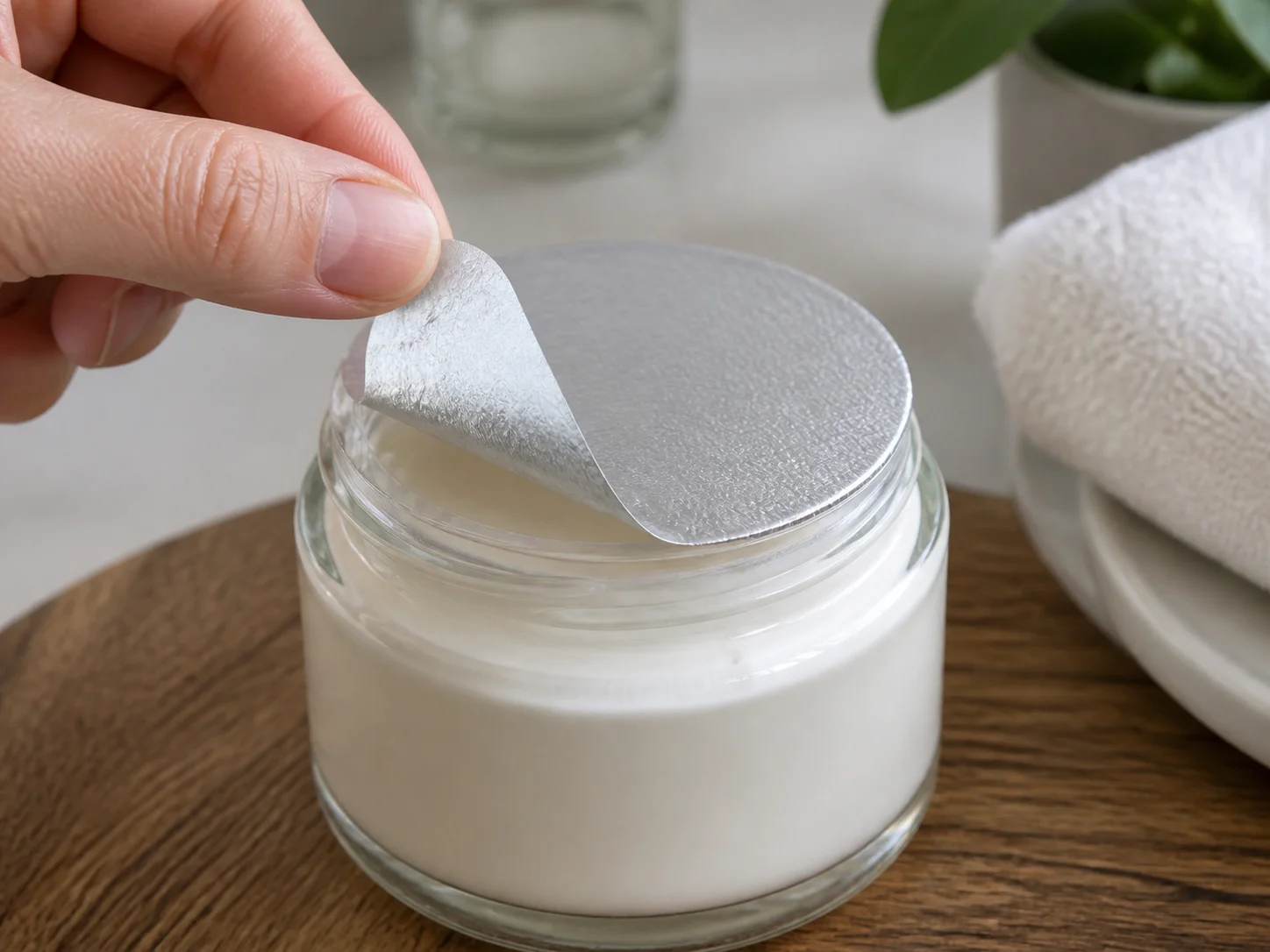
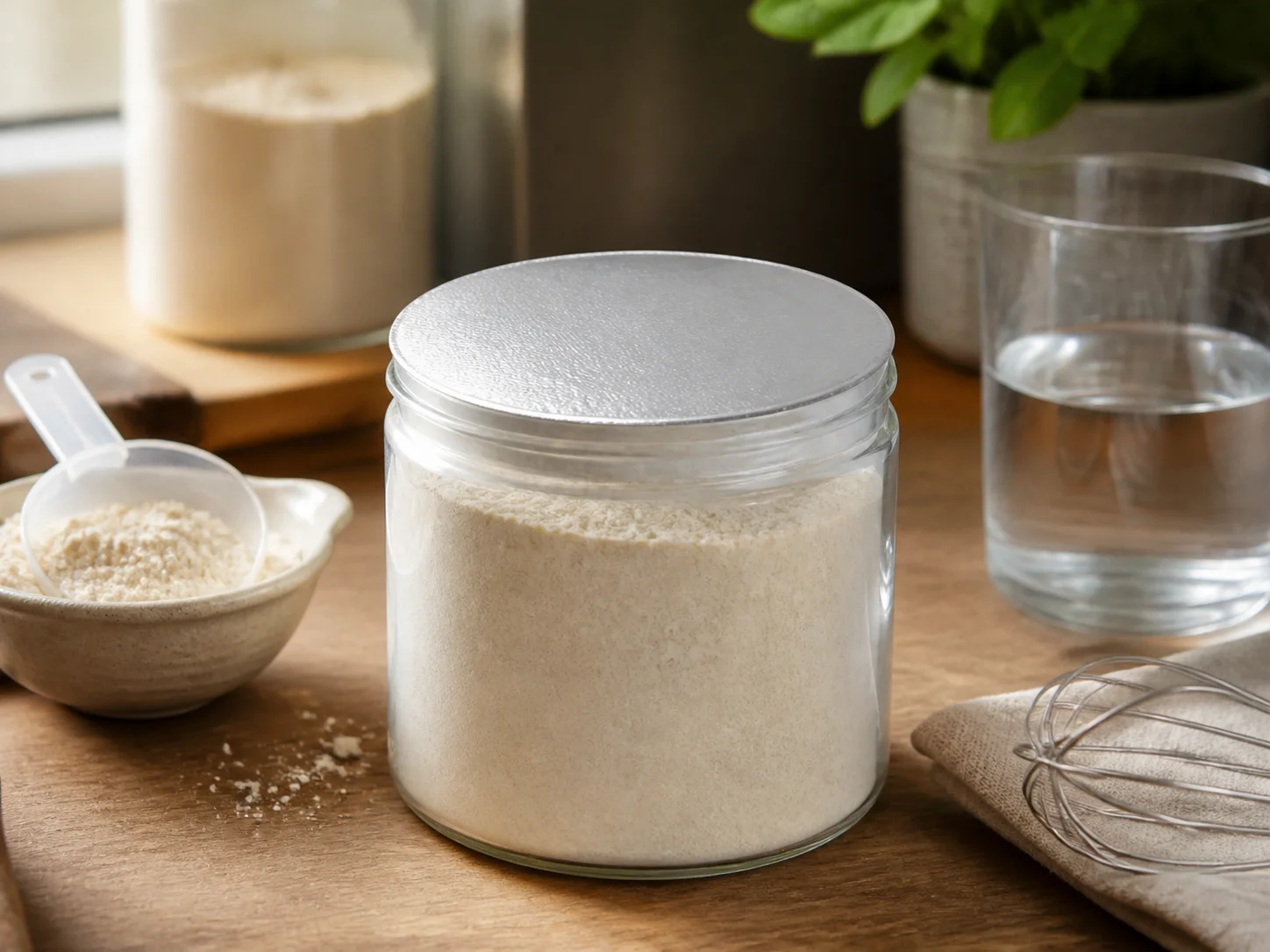
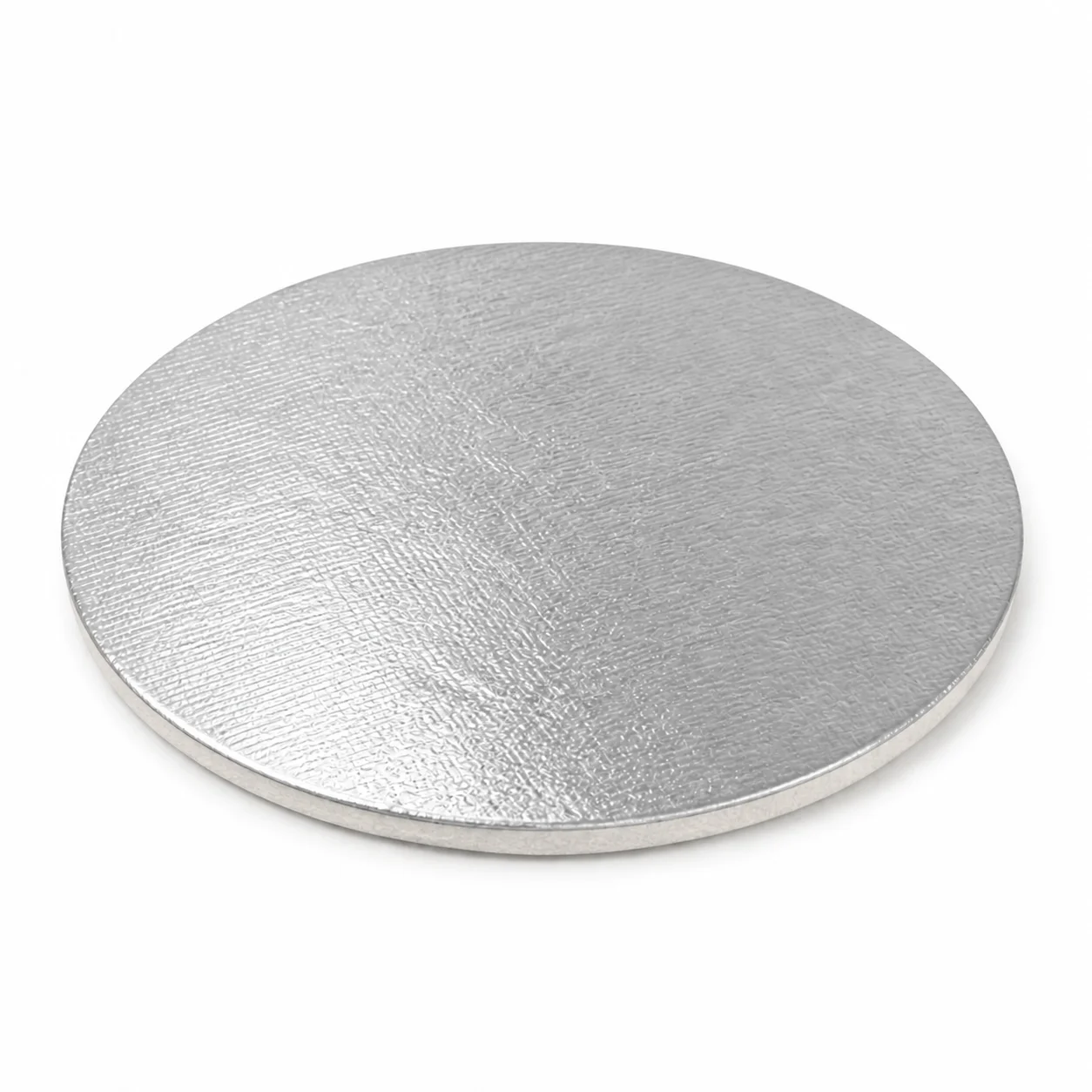
An induction liner is a laminate with a foil layer in the middle. Passed under a coil, the foil heats, the polymer beneath it melts, and the disc welds itself to the rim of the container. From that moment it belongs to the bottle rather than the closure, which is what makes it a genuine tamper barrier rather than a compressed gasket.
One-piece and two-piece behave differently after opening
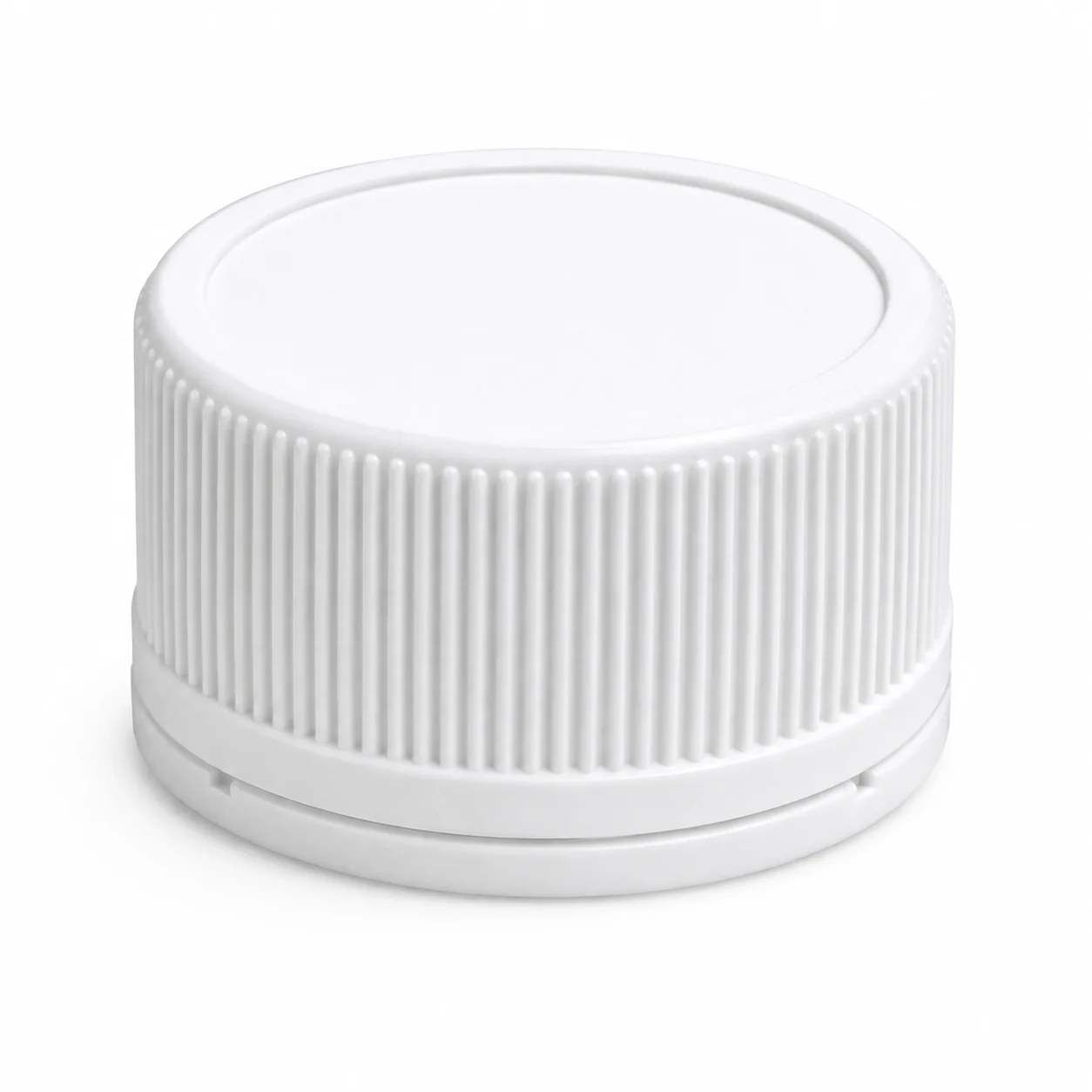
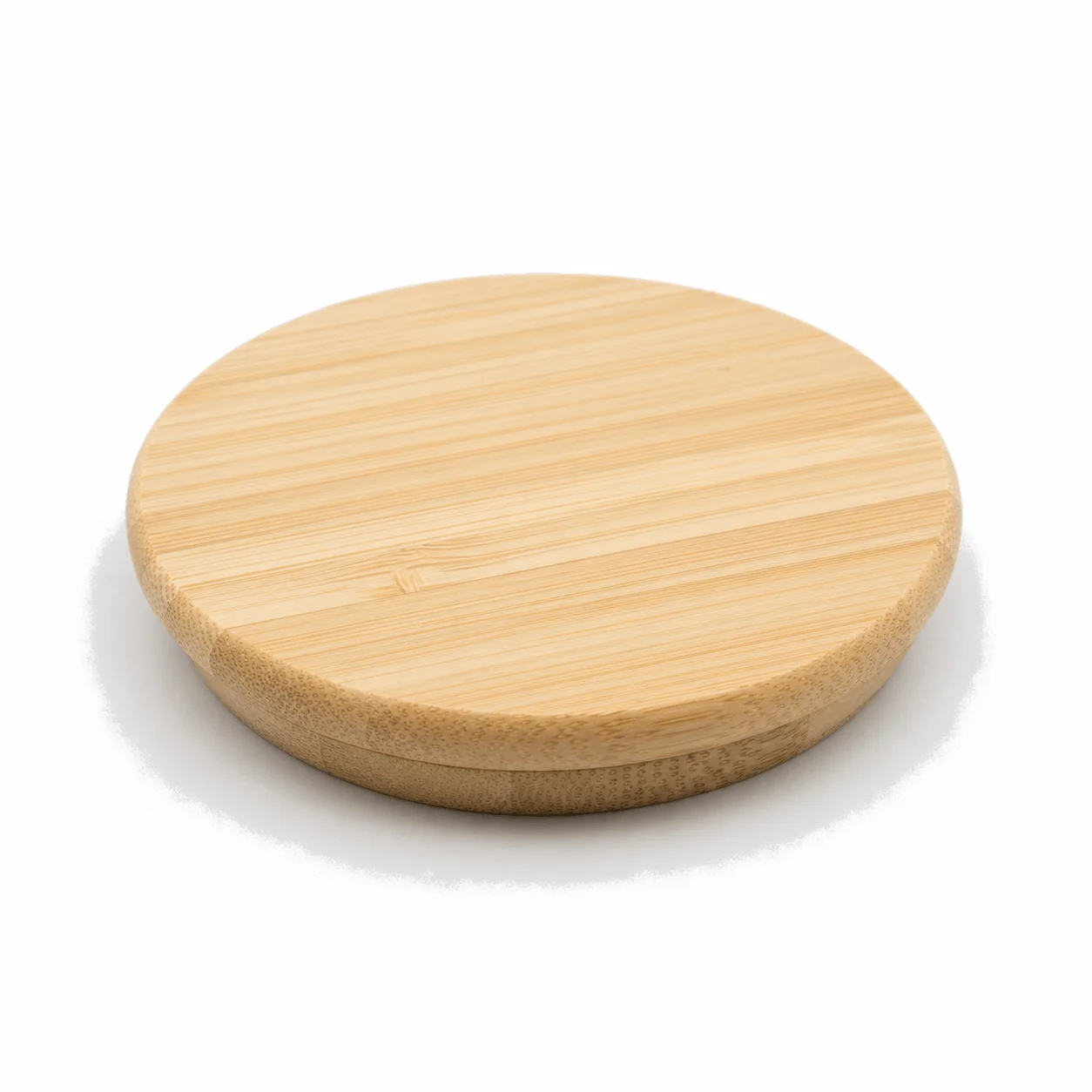
A one-piece liner is a foam- or paper-backed foil that welds to the rim and leaves the cap empty once the customer peels it away — after which the closure has to seal on its own thread and land. A two-piece adds wax and a pulp board: the induction heat melts the wax, the board releases into the cap and stays there as a reseal liner. That difference decides how the pack performs in week two.
Glass usually has to be prepared to accept the bond
Polymer bonds readily to polyethylene and polypropylene because the surfaces are chemically similar. Glass is not, so glass programs generally use a liner formulated for it and a rim that has been treated or coated to give the polymer something to key into. Assuming a liner that works on an HDPE bottle will work on a glass jar is the most common early mistake.
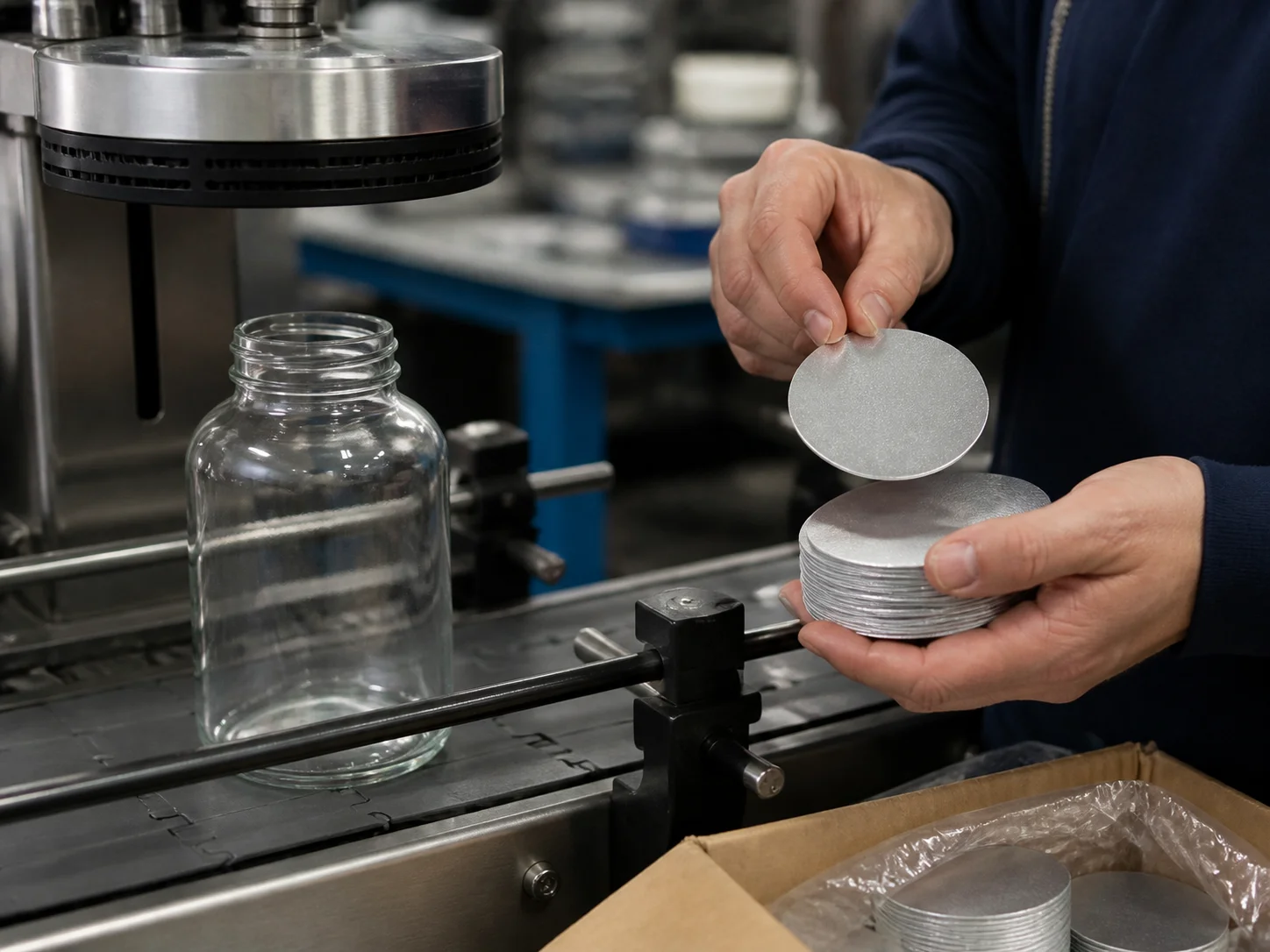
The line needs a head, and the head needs setting
Sealing happens after capping, as the closed container passes under an induction coil. Power, conveyor speed and the gap between coil and cap all affect the weld, and all three interact. Too little energy leaves a partial bond that passes inspection and fails in transit; too much scorches the liner and can distort the closure. The window is found by cutting open sealed samples.
Judge the seal by how it fails, not by how it looks
A properly welded liner shows a continuous ring of fiber tear or polymer transfer around the whole rim when it is peeled. A liner that lifts cleanly with no witness mark was never fully bonded even if it looks perfect. Destructive peel checks on production samples, at a defined frequency, are how induction programs stay honest between line settings.
Rim condition matters more than any other variable
The weld is only as good as the surface it lands on. A chipped or dirty rim, product splashed on the land during filling or a bead that varies across a mold set will each leave a break in the bond. This is why filling accuracy and rim inspection tighten as soon as an induction seal is introduced, and why it exposes glass quality problems that a gasket forgives.
Print the membrane if you want it read
The visible foil face is prime real estate, and a printed message under the cap is how most customers learn the pack was sealed. Text has to survive the heat of the weld and stay legible under whatever residue the product leaves. It is cheap to add at the liner stage and impossible to add afterwards, so it belongs in the first specification.