Species, movement & the silicone fitment
Six things a buyer should settle before ordering wood by the thousand.
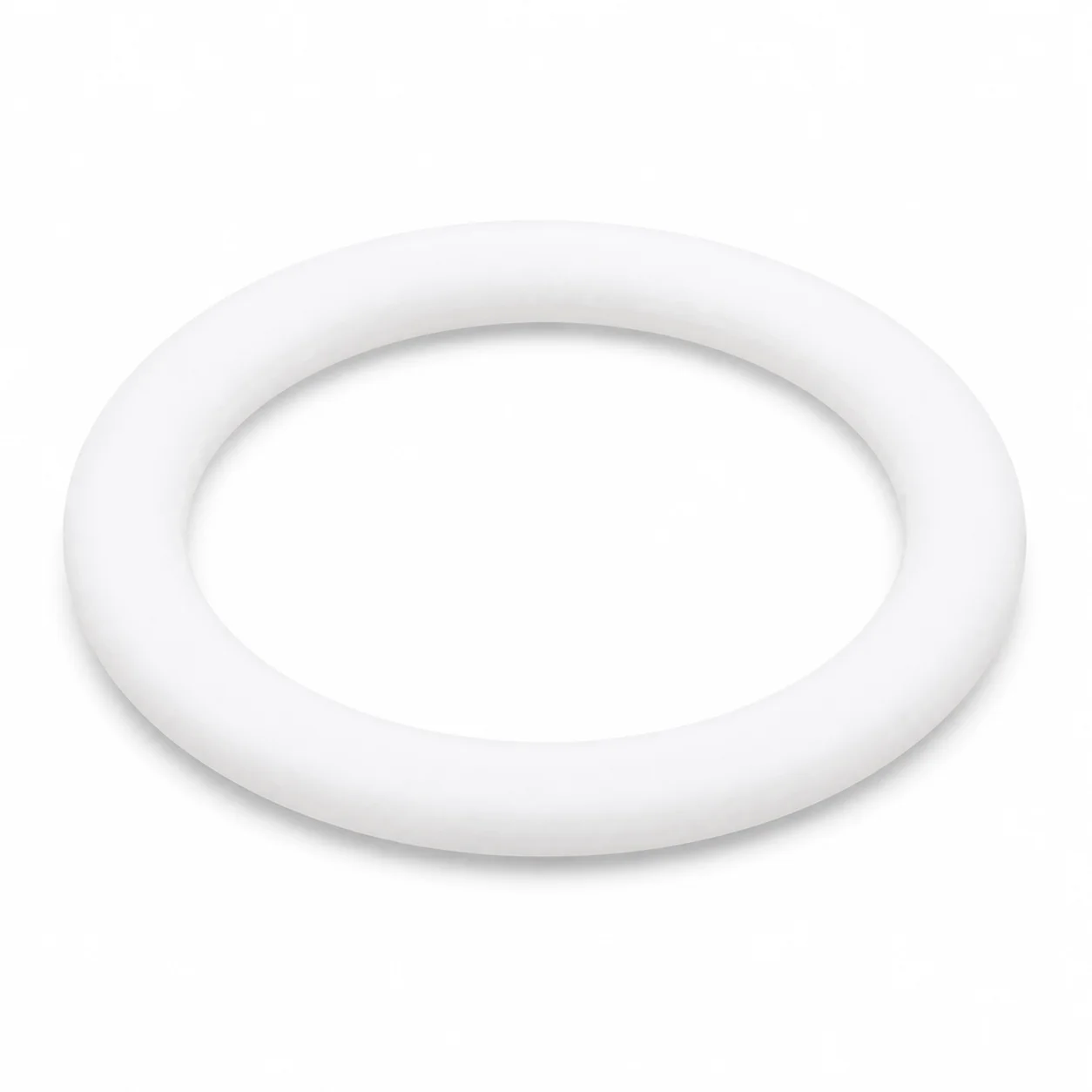
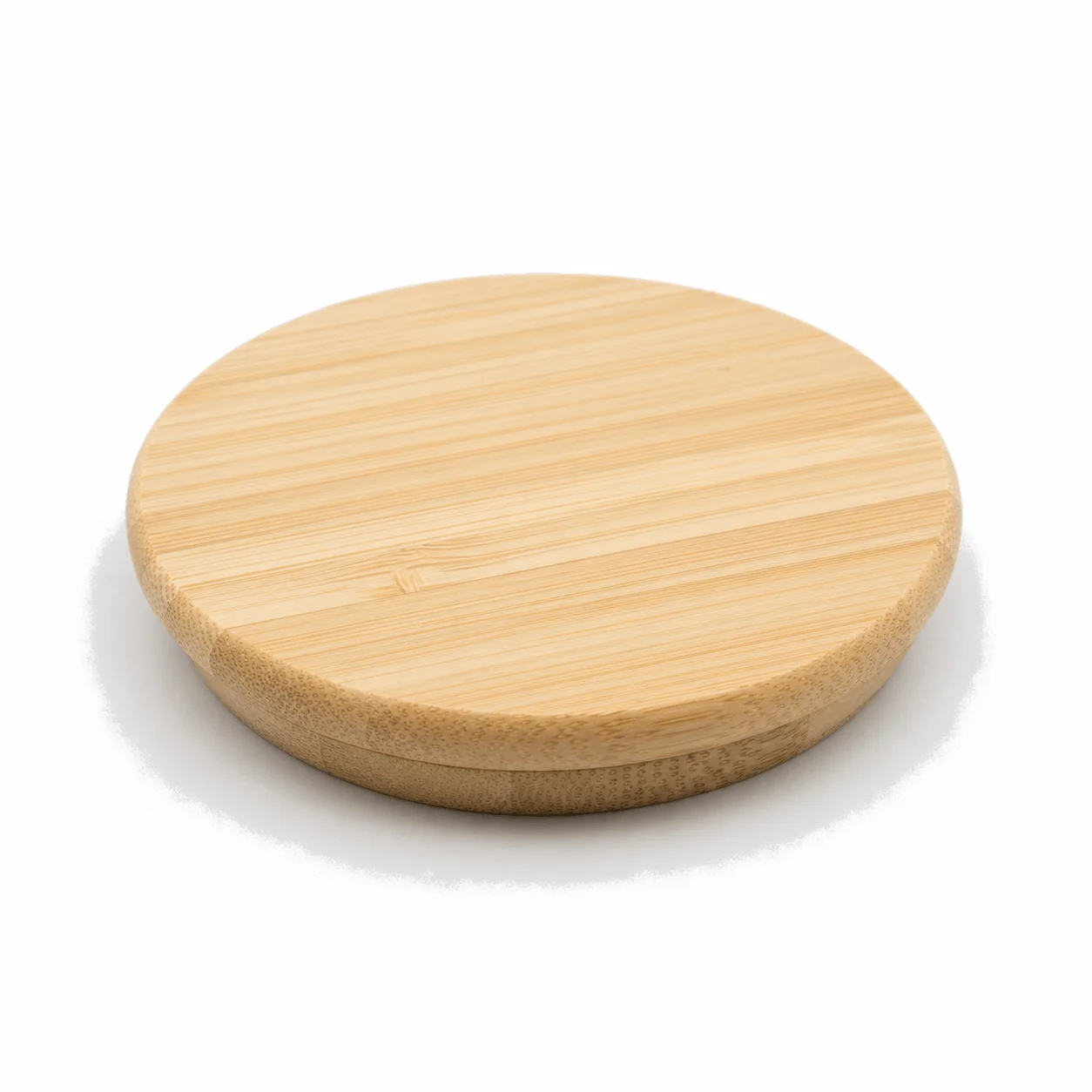
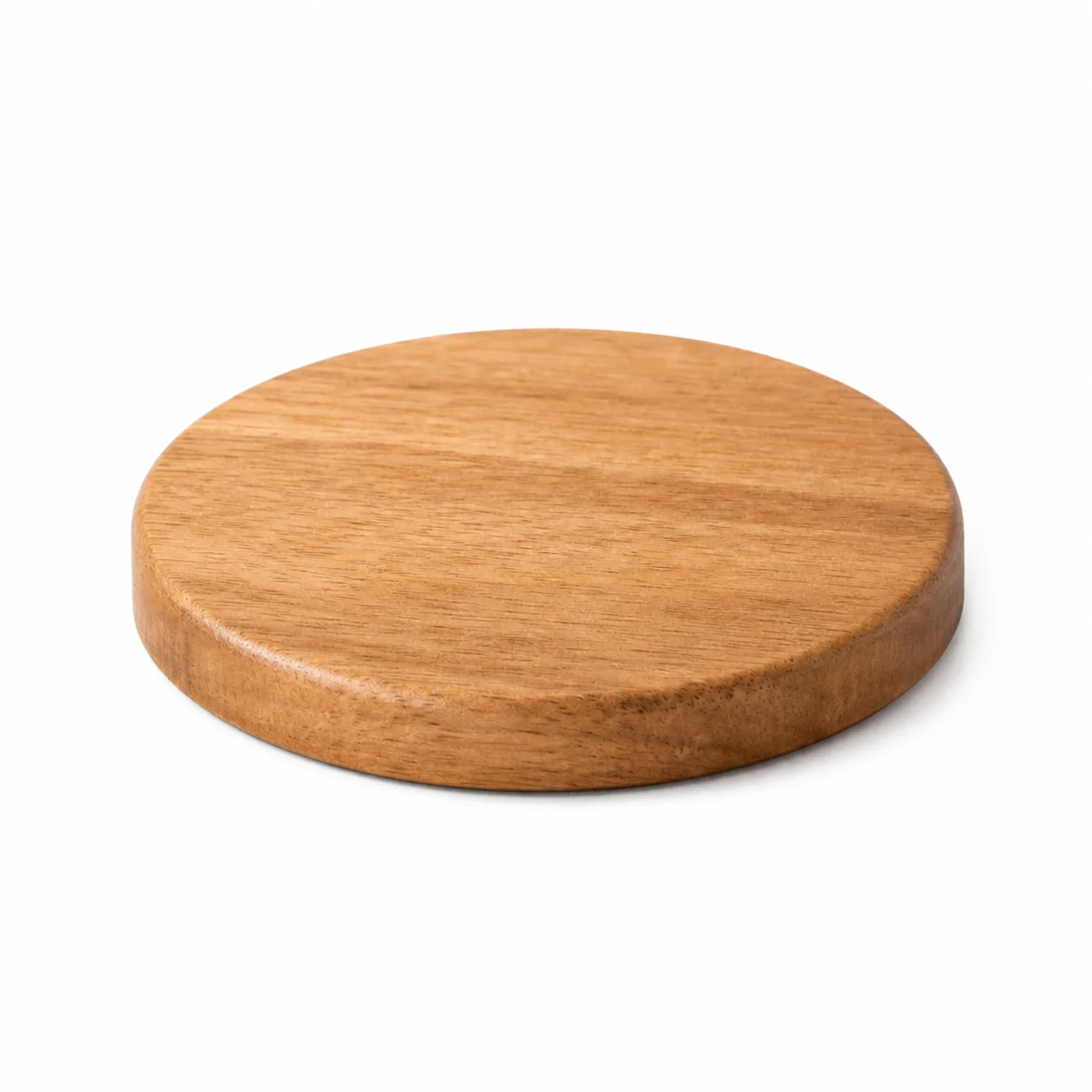
A wooden lid is two components: a turned hardwood body that provides the look and the grip, and a silicone fitment or ring underneath that does all the sealing. Understanding which part does what explains most of the surprises — why a lid can be perfect in a showroom and loose in a dry, heated room, and why finishing choices matter more than species.
The wood is not sealing anything
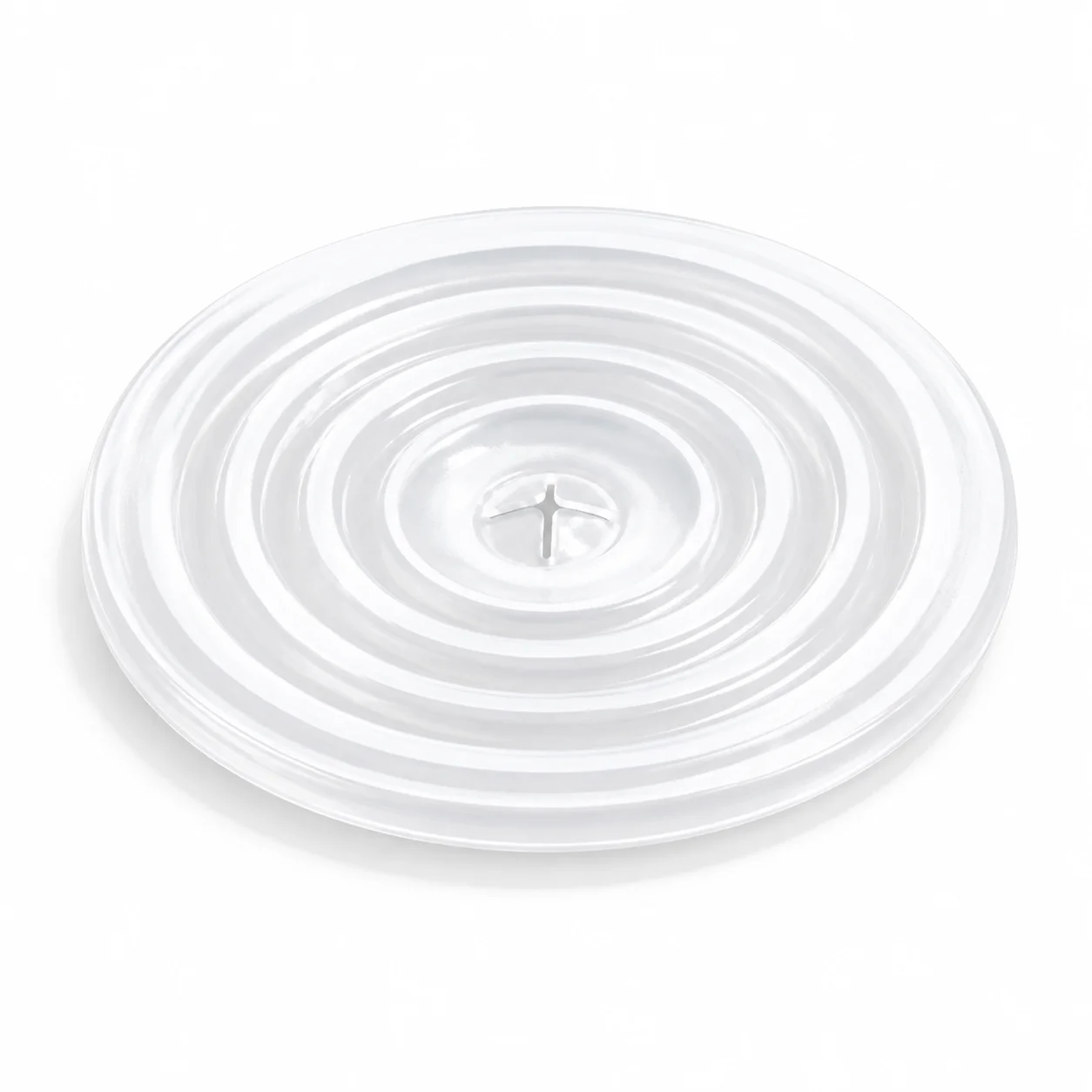
A turned lid cannot meet a glass rim closely enough to hold air, and it never will. What closes the jar is an inset silicone fitment or ring, sized so it grips the bore or bears on the rim under the weight of the lid. That means gasket geometry, not wood tolerance, decides how airtight the jar is, and a lid quoted without its fitment is only half a specification.
Every lid will move with the room
Hardwood takes up and gives off moisture, so a lid turned at one humidity arrives at another and changes diameter slightly. It is why fits are designed with the silicone absorbing the movement rather than with the wood pressed against glass, and why a dry warehouse in winter and a coastal kitchen in summer will show different fits on identical lids.
Oil finishes and lacquer suit different products
Food-grade mineral or seed oil is the usual finish: it penetrates, resists staining and can be renewed by the customer with a cloth. Lacquer gives a harder, glossier surface that resists marking better but chips at the edge and cannot be repaired at home. Food storage tends toward oil; candle and home fragrance vessels often prefer the sheen of lacquer.
Acacia and beech behave differently in the hand
Acacia is dense, dark and heavily figured, so no two lids look alike and buyers accept that as character. Beech is pale, close-grained and consistent, which suits a program that wants every unit to match. Density also changes weight and how the lid feels landing on glass, which is a surprisingly large part of how a jar is perceived at the shelf.
Set the color expectation with a range, not a swatch
Natural material cannot be matched to a single reference. Sensible programs approve a light and a dark limit sample and accept everything between, and reject on the outliers. Buying against a single approved swatch guarantees rejections at goods-in, since the tree that produced it will not be the tree that produces next season's order.
Tell customers how to wash it, or they will not
Dishwashers raise the grain, strip oil finishes and eventually split a turned lid at its weakest ring. A short care line on the pack — wipe, hand wash, re-oil occasionally — is the difference between lids that last for years and a stream of complaints in month three. It costs nothing and is easiest to add at the artwork stage.