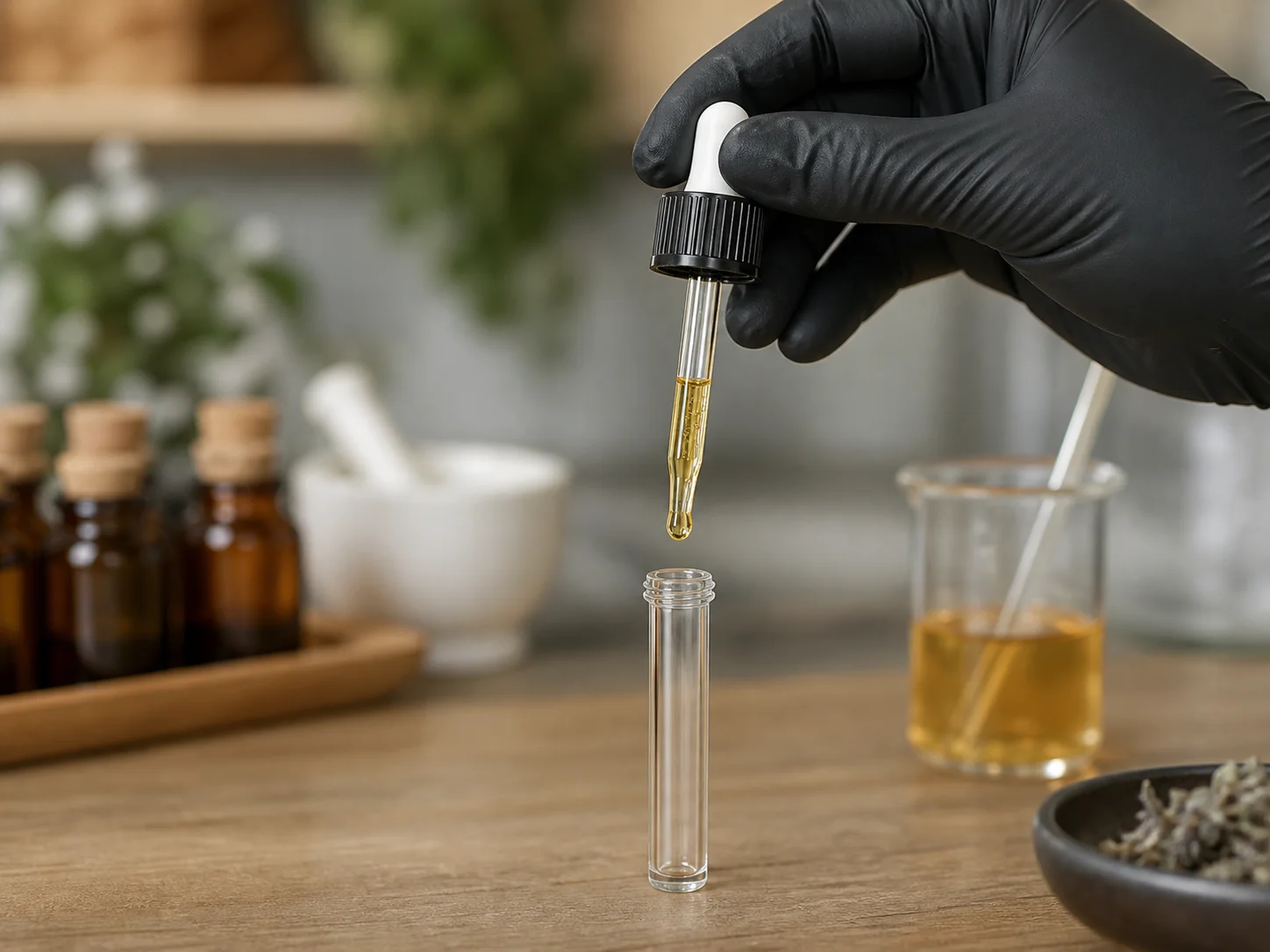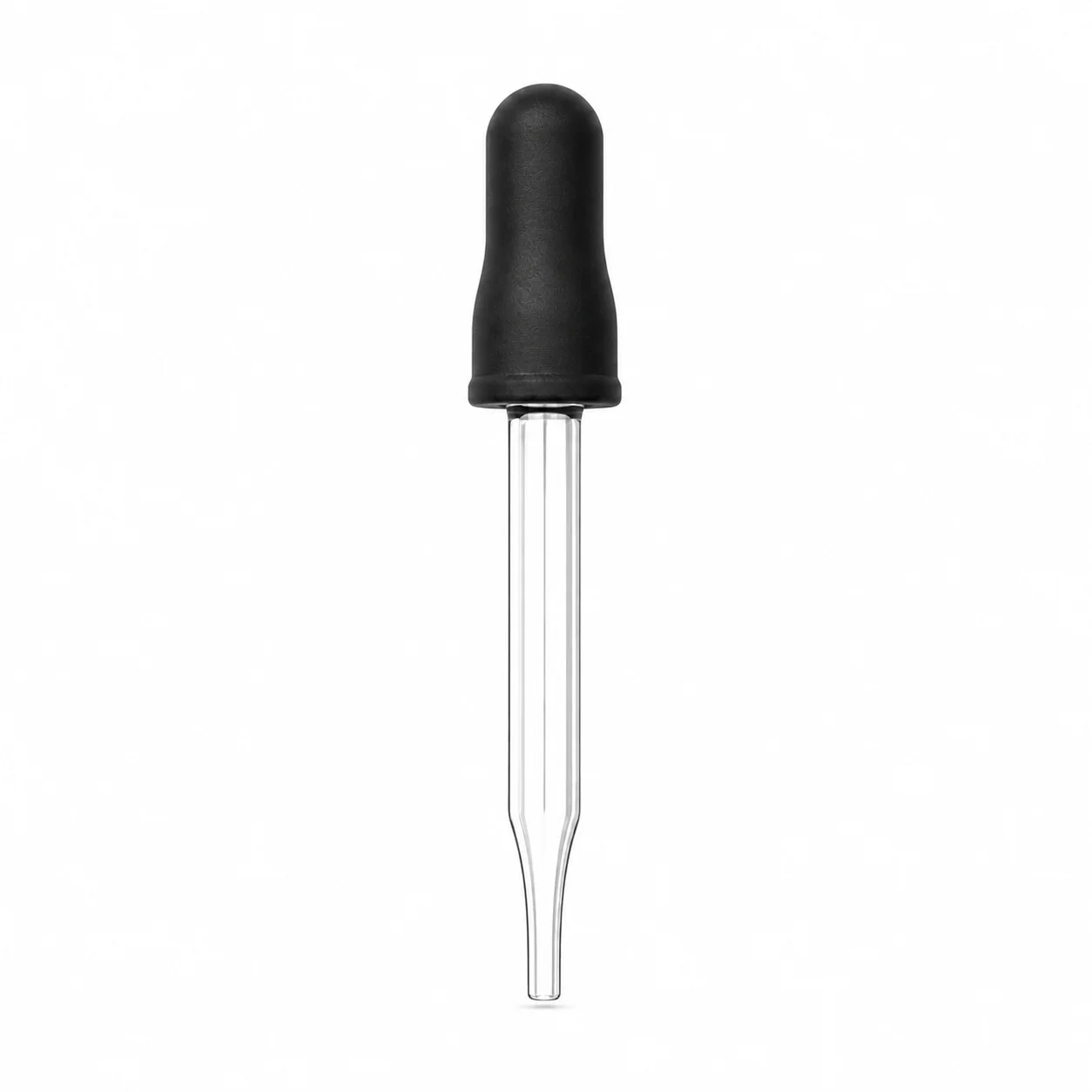
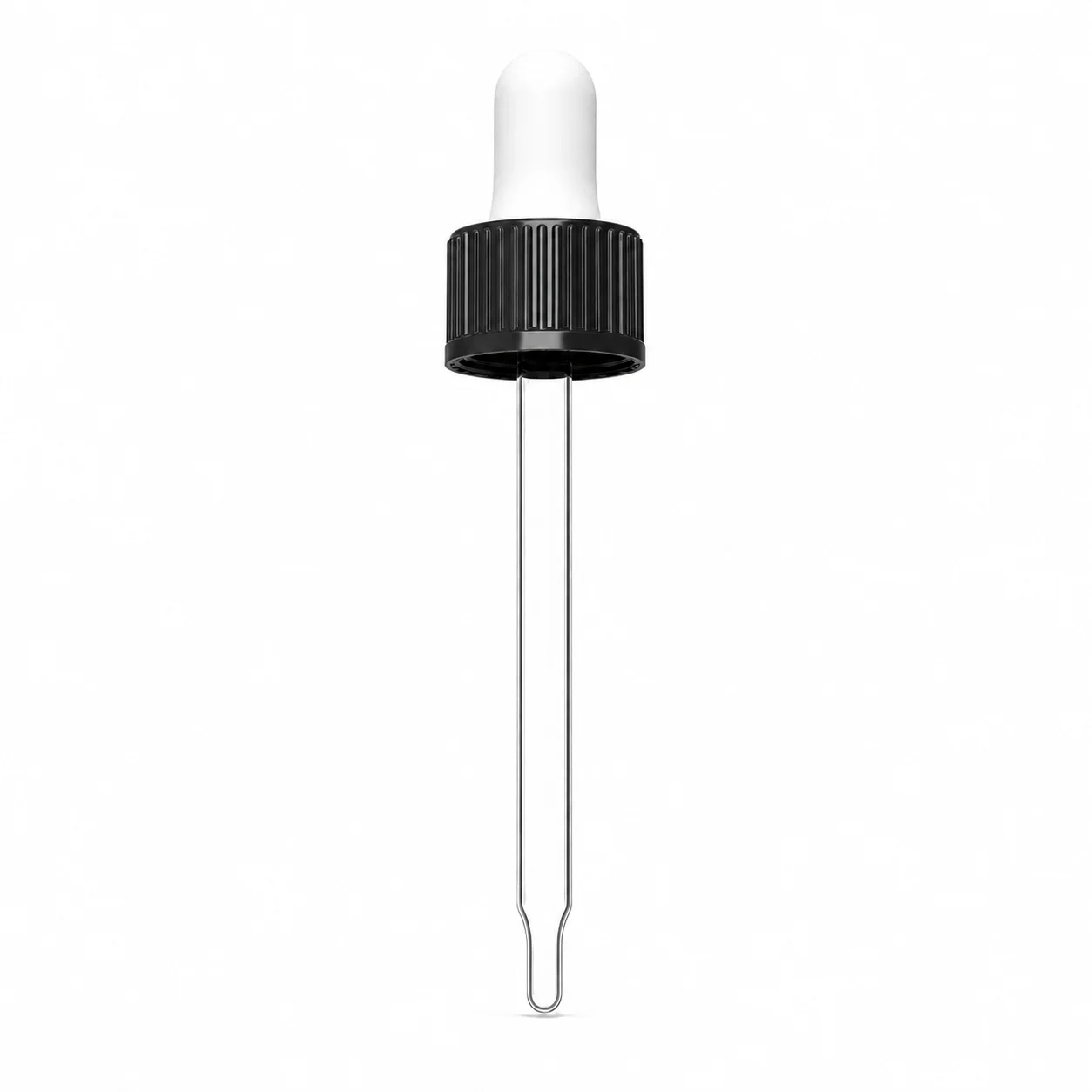
Assembled dropper closure with a ribbed collar, straight glass pipette and molded bulb, shown upright and empty
Shown configuration · collar, pipette and bulb assembled / bottle, liner and product not shown

Dropper closures

Dropper Assembly

A complete dropper closure — threaded collar, glass pipette and bulb — supplied on 18-400, 20-400 and 22-400 necks with pipettes cut from 65 mm to 89 mm.

18-400 to 22-40065–89 mm pipettes0.8–1 mL per draw
Stock status
In stock
Lead time
2–3 weeks
FOB price / pc
$0.30 - $0.65
MOQ
2,000 pcs

Final availability, dimensions, materials, assembled components and commercial terms are confirmed against the selected drawing and approved sample.

Cut to the bottle

Pipette length follows the internal height

Tip decides the drop

Straight, flat, tapered and round-tip forms

Graduations available

Fired-on marks for dosed products

Dropper Assembly profile

Three components, one part number, and a length that belongs to the bottle.

Finish sizes, pipette length & tip geometry

Specifying a dropper is mostly a question of measuring the bottle.

A dropper assembly arrives as one item — collar, pipette and bulb already fitted — but it is dimensioned against two different things at once. The collar has to match the finish; the pipette has to match the inside height of that particular bottle. Change the bottle and keep the finish, and the assembly is still wrong.

01

The finish covers a narrower range than you expect

Dropper closures concentrate on 18-400, 20-400 and 22-400. In practice an 18-400 lands on 15 mL Boston rounds while 20-400 covers the 30 mL and 60 mL sizes, so the finish is effectively chosen by bottle volume. Because the 400 series gives only about one turn of thread, there is little tolerance for a collar molded to a different series.

02

Pipette length is measured to the base, not guessed

Stock lengths run in steps around 65, 76, 88 and 89 mm because they correspond to common internal bottle heights. A pipette a few millimeters short strands the last of an expensive serum; a few millimeters long and it bottoms out, so the bulb cannot decompress fully and the draw shortens. The measurement to take is the inside height, not the outside.

03

Tip form sets the drop, not the bulb

A straight cut releases a fast, larger drop suited to carrier oils. A tapered or fine tip breaks smaller drops and gives more control over an active serum. Round or bulb tips are used where the pipette touches skin, on eye-area and lip products. Since a drop is formed at the tip, changing tip form changes dosage even with an identical bulb and pipette.

04

Graduations have to be fired on, or they will not last

Marked pipettes for dosed products use ceramic graduations fired into the glass rather than printed ink, which would come away in contact with alcohol or essential oils. Fired marks add a step and a cost per piece, and they are worth it only where the customer is asked to measure. A decorative scale nobody uses is an expense with a compliance risk attached.

05

Decide whether the collar is plastic or metal-shelled

A plain polypropylene collar is the working choice: light, chemically indifferent and cheap enough to change. An aluminum shell over that collar gives the weight and finish that skincare brands want, and it introduces a second material near the product and near the thread. Anodized shells hold color better than sprayed ones when the bottle is handled daily.

06

Assemble late, and check the pipette after decoration

Assemblies are usually fitted after the bottle is filled, and a hot-decorated or frosted bottle can move enough at the finish to change how the collar seats. Programs running decorated glass should check assembly and draw on decorated bottles, since the same closure that seals plain glass can stand a fraction proud on a sprayed neck.
Application guide

The cap, the bulb and the pipette are one component.

A dropper assembly arrives as a complete closure: a threaded cap carrying a bulb and a glass or plastic pipette cut to length. It replaces a cap entirely rather than adding to one. These are development directions confirmed on the actual bottle.

Dropper Assembly used for assemblies fitted to skincare bottles in a serums and treatments setting

Serums and treatments

Assemblies fitted to skincare bottles

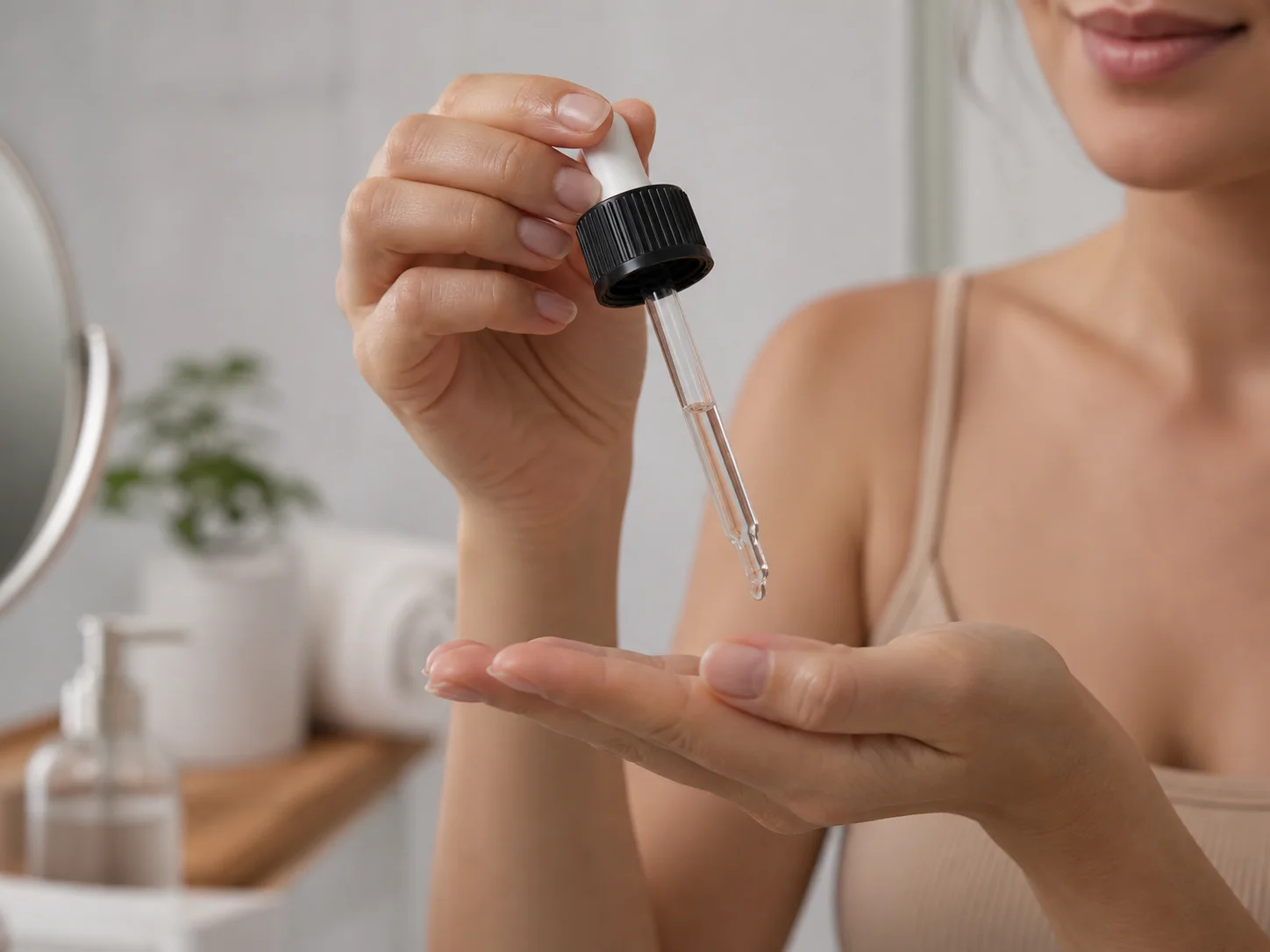
For products where the customer draws liquid up, counts drops into a palm and returns the pipette to the bottle several times a day. The assembly has to seal like a cap between uses while still allowing that routine, which is why the closure and the applicator cannot be specified separately.

  • Confirm it seals as a closure
  • Test the draw with the real liquid
  • Check the pipette returns cleanly
Dropper Assembly used for a customer tilting the bottle to get a dose in a the last of the serum setting

The last of the serum

A customer tilting the bottle to get a dose

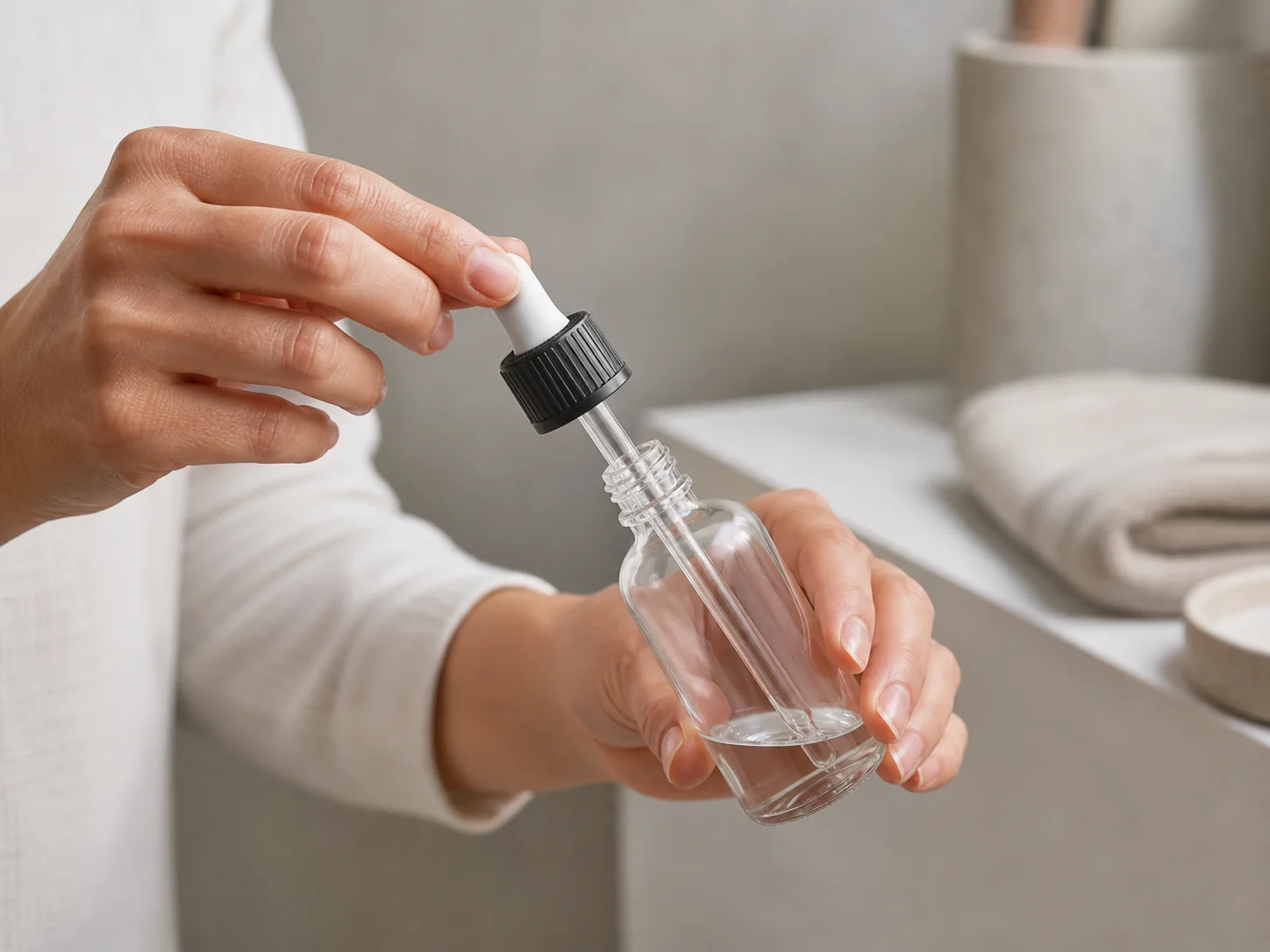
For the two weeks at the end of a bottle when someone tips it sideways to fill the pipette. A tube cut short leaves expensive product they can see and cannot reach; one cut long presses on the base and can crack it, so each size in a range gets its own length confirmed.

  • Cut the pipette per bottle height
  • Confirm it reaches without fouling
  • Check the last of the liquid draws
Dropper Assembly used for elastomer against the formula in a bulb material setting

Bulb material

Elastomer against the formula

The bulb is the part that ages, hardening or swelling with exposure to oils, alcohols and essential oils over months of use. Its material is selected against the actual formula, and a bulb that stiffens turns an easy routine into a struggle.

  • Match the bulb material to the formula
  • Test bulb condition after months
  • Confirm draw volume stays consistent

Applications describe package-development directions. Volume, dose, repeatability, leakage and regulatory outcomes are confirmed for the selected program.

Common questions

Dropper Assembly questions

Most dropper complaints trace back to length or tip form. These six cover the ground.

Does the tip shape change the dose?

Yes, more than the bulb does. The drop forms at the tip, so a straight cut releases a fast, fat drop that suits carrier oils, while a tapered fine tip breaks a smaller drop and gives control over an active serum. Round tips are used where the pipette touches skin around the eyes or lips. Changing tip form changes dosage with everything else identical.

Are printed graduations acceptable?

Not for anything that meets alcohol or essential oils, which lift printed ink off glass in weeks. Marked pipettes use ceramic graduations fired into the glass. That adds a process step and a per-piece cost, so it is worth doing where the customer is genuinely asked to measure a dose, and worth leaving off where the scale is decorative.

Plastic collar or aluminum shell?

A polypropylene collar is the practical default: light, chemically indifferent and inexpensive to change if the program moves. An aluminum shell over it delivers the weight and finish skincare buyers expect, at the cost of a second material near the product and near the thread. Anodized shells keep their color under daily handling far better than sprayed ones.

When should the dropper be assembled?

Late, and check the pipette after decoration. Heat and handling during printing or coating can distort a fitted pipette, so assembling before decoration risks a component that no longer draws correctly. Fit it afterwards and verify the draw.

Next step

Send us the Dropper Assembly brief.

Tell us the product, fill volume, closure preference and destination market. We will come back with the matching drawings, available configurations and a sample plan before anything is quoted.

  • 01Send the briefProduct, volume, closure and market
  • 02Get the optionsMatching drawings and configurations
  • 03Approve the sampleConfirm the pack before production