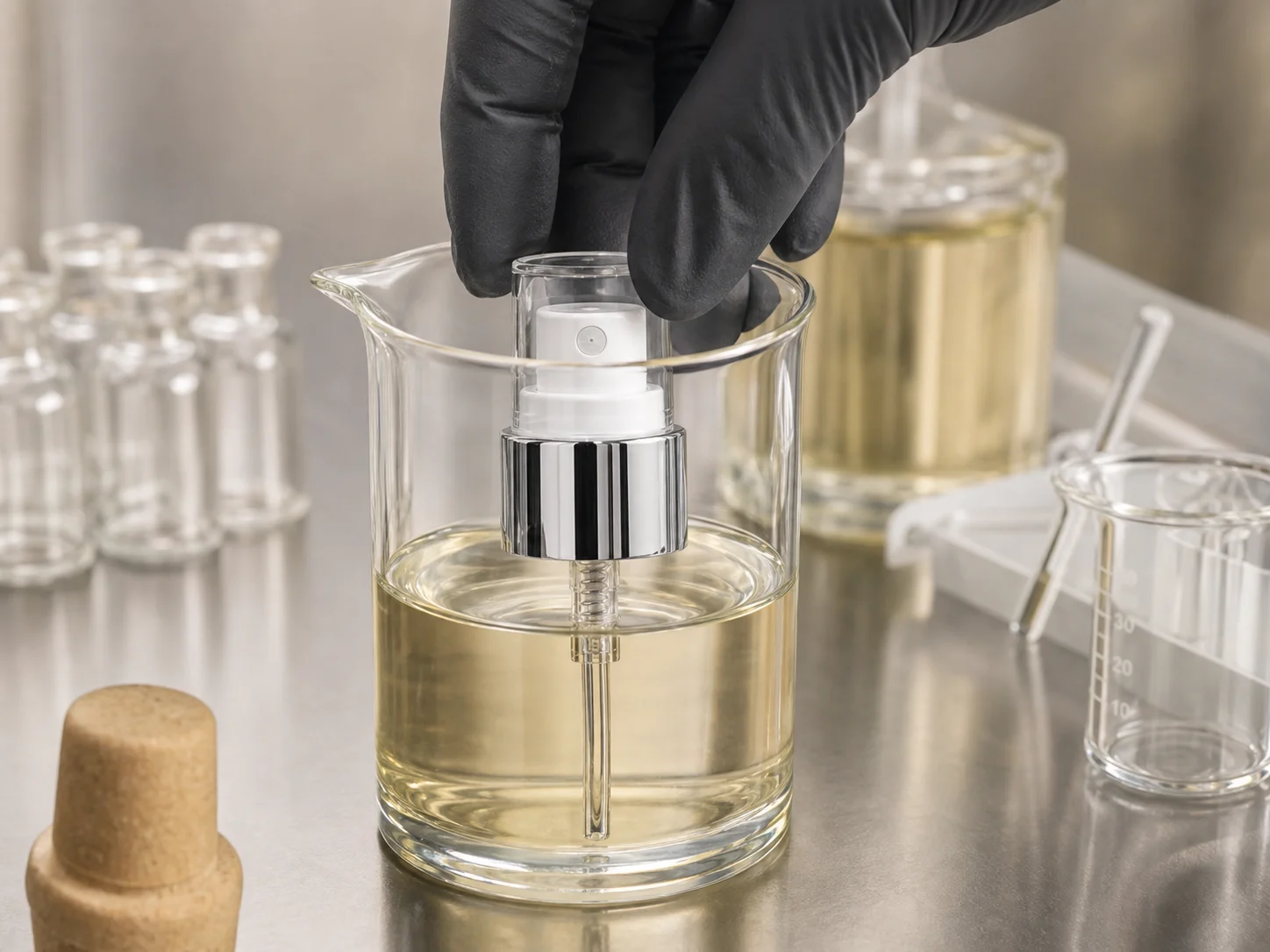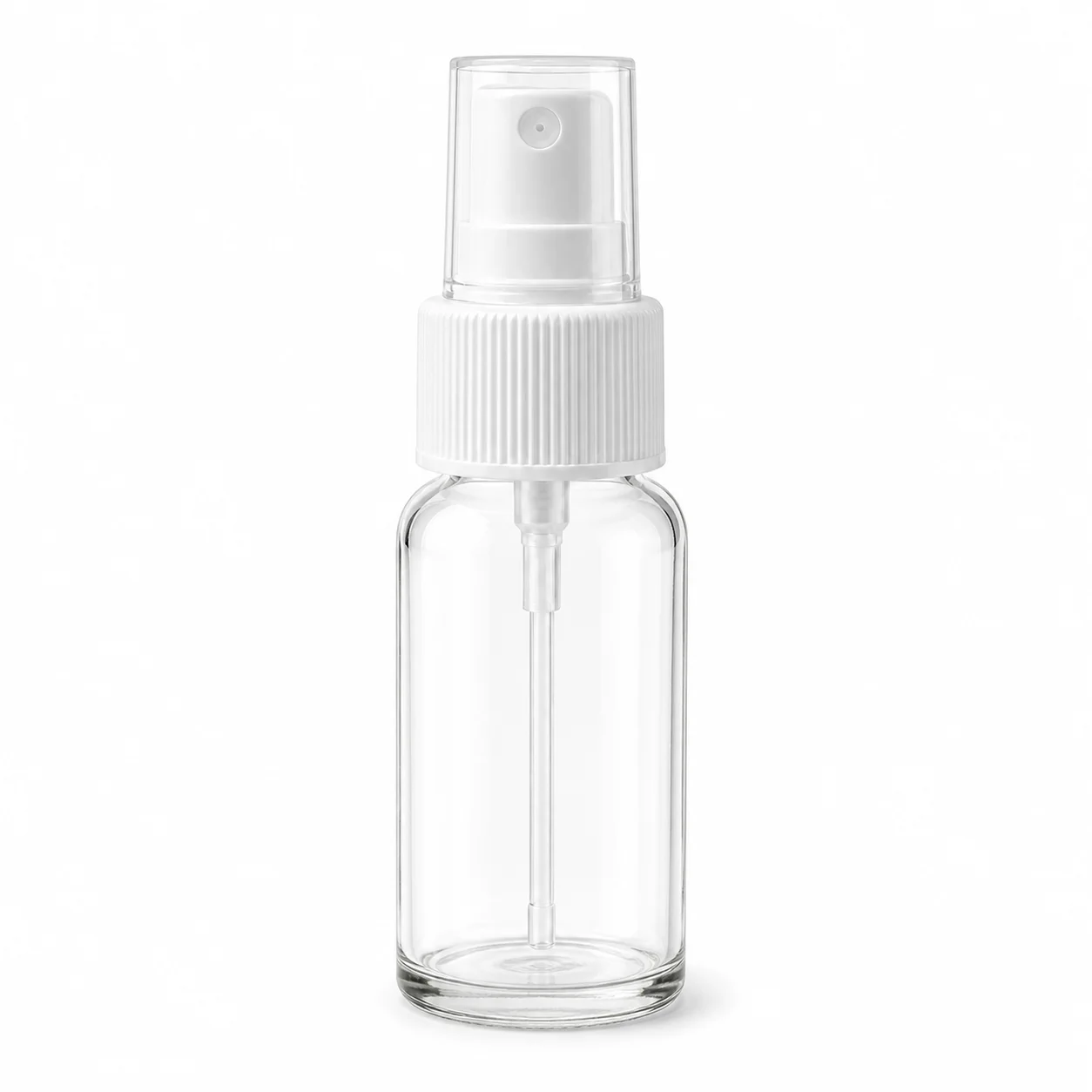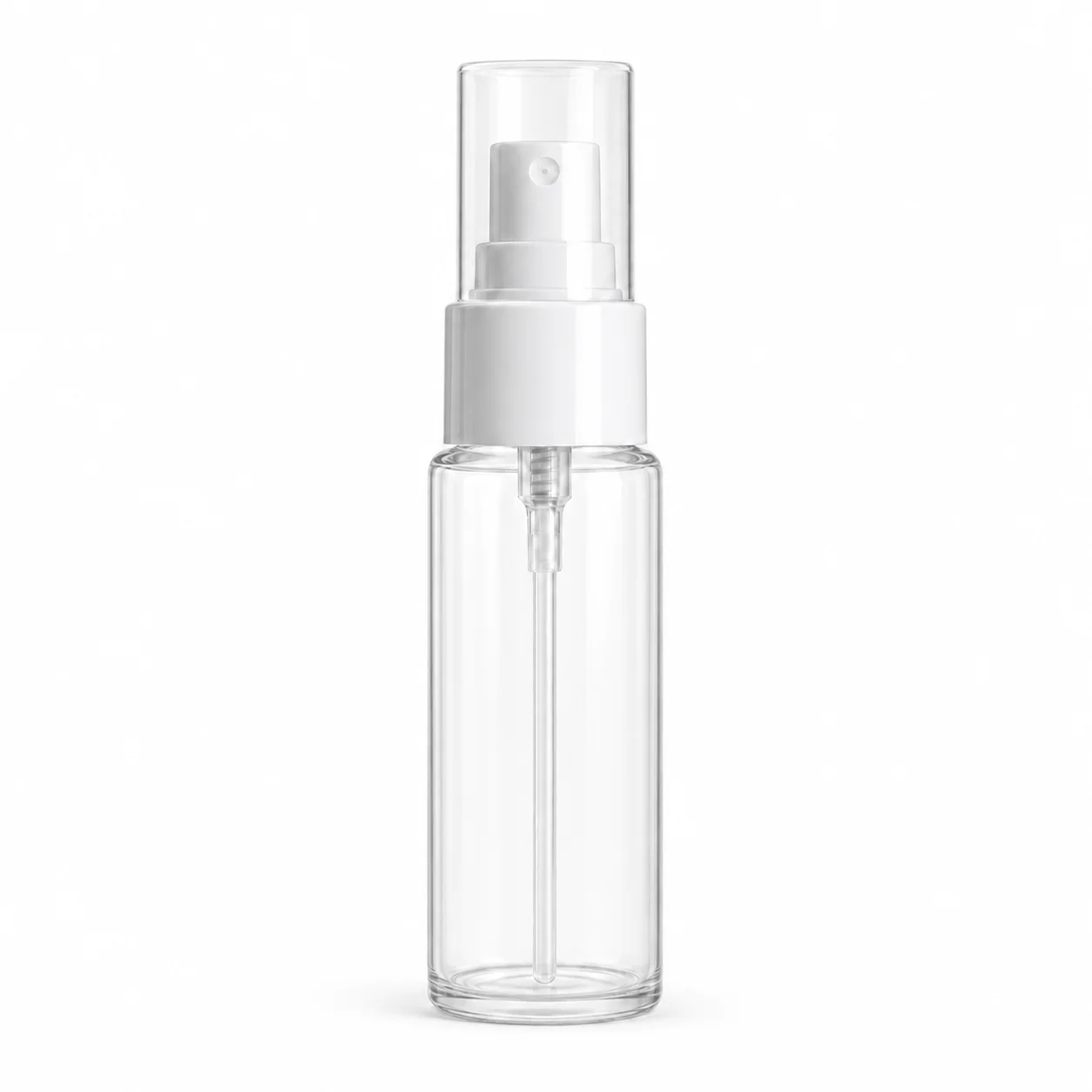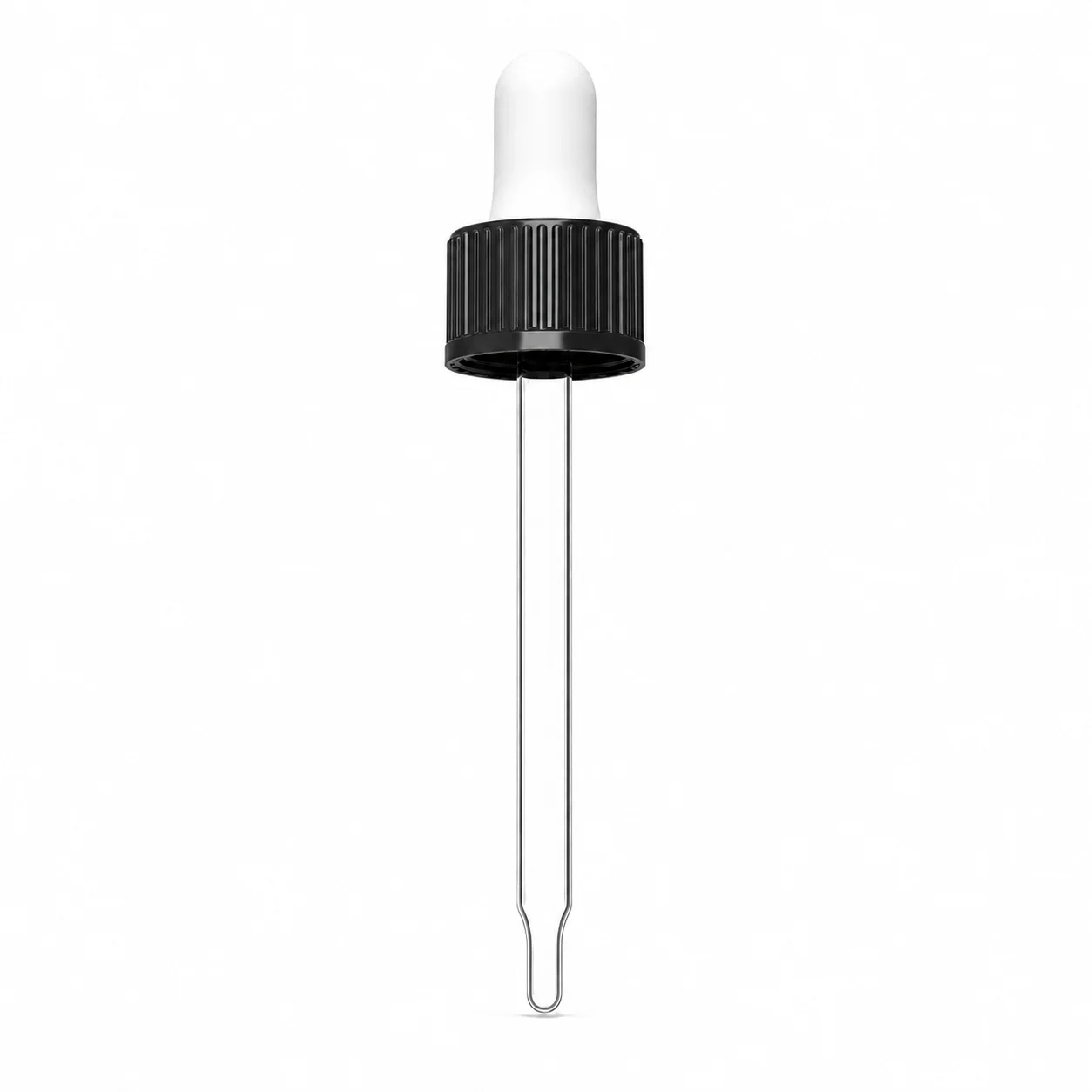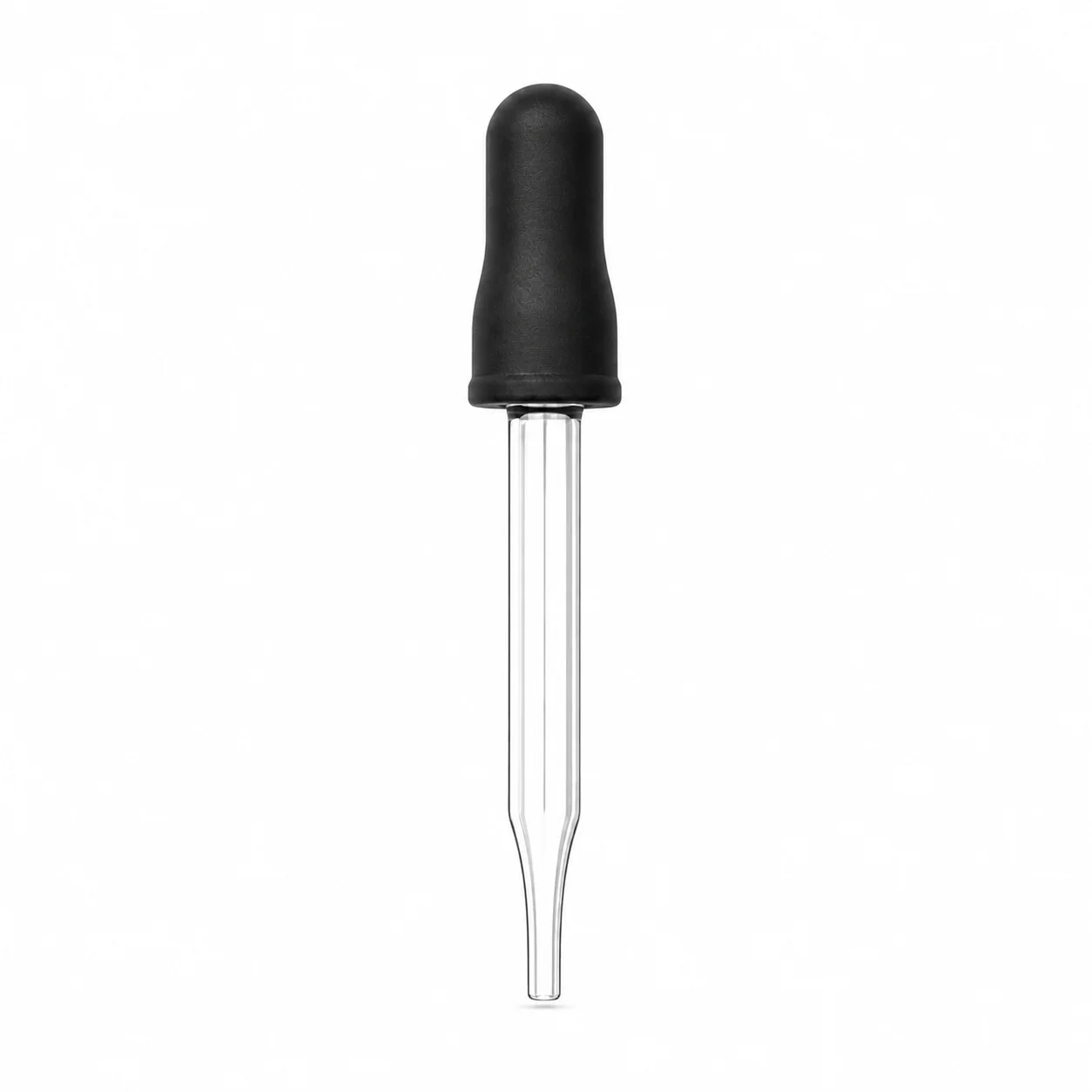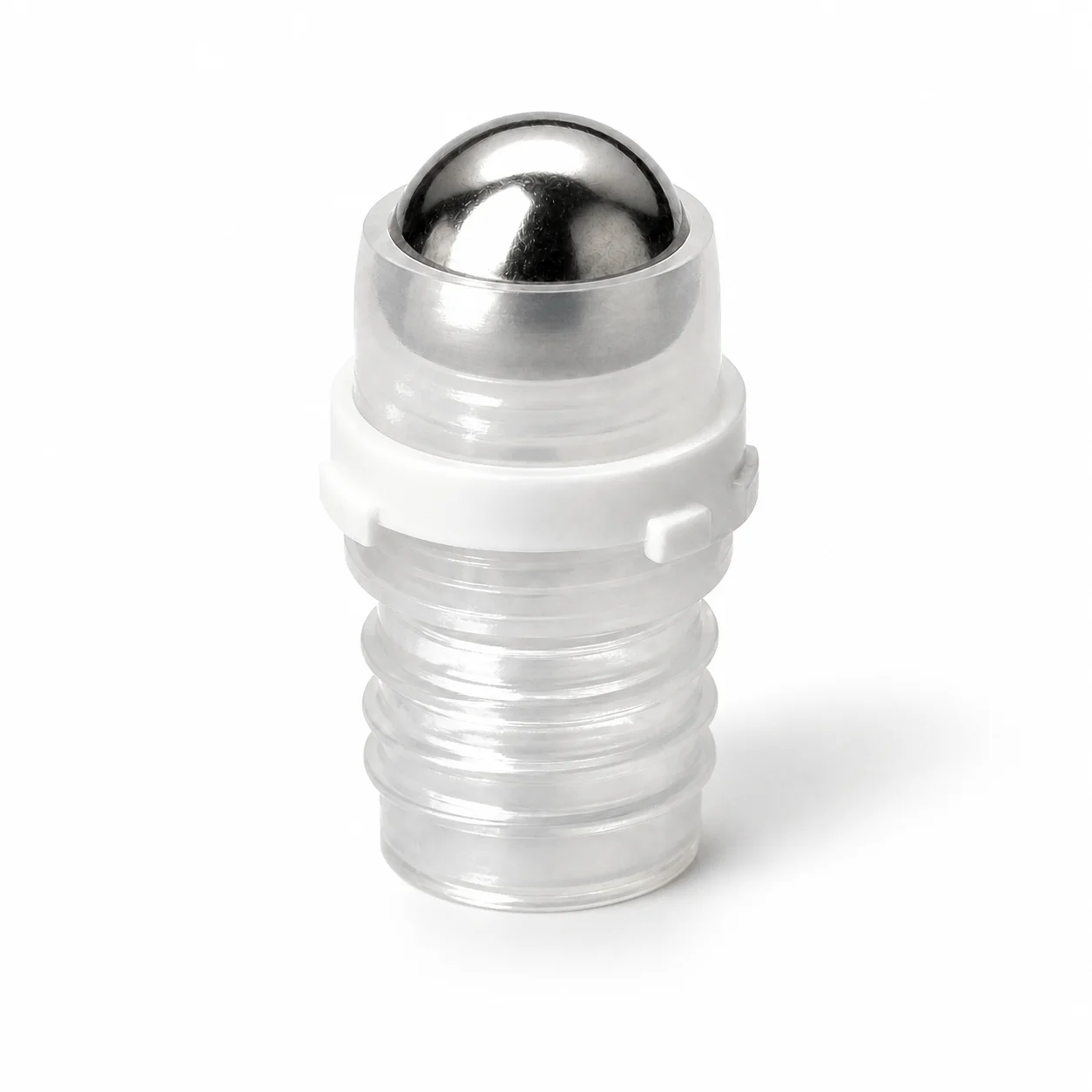
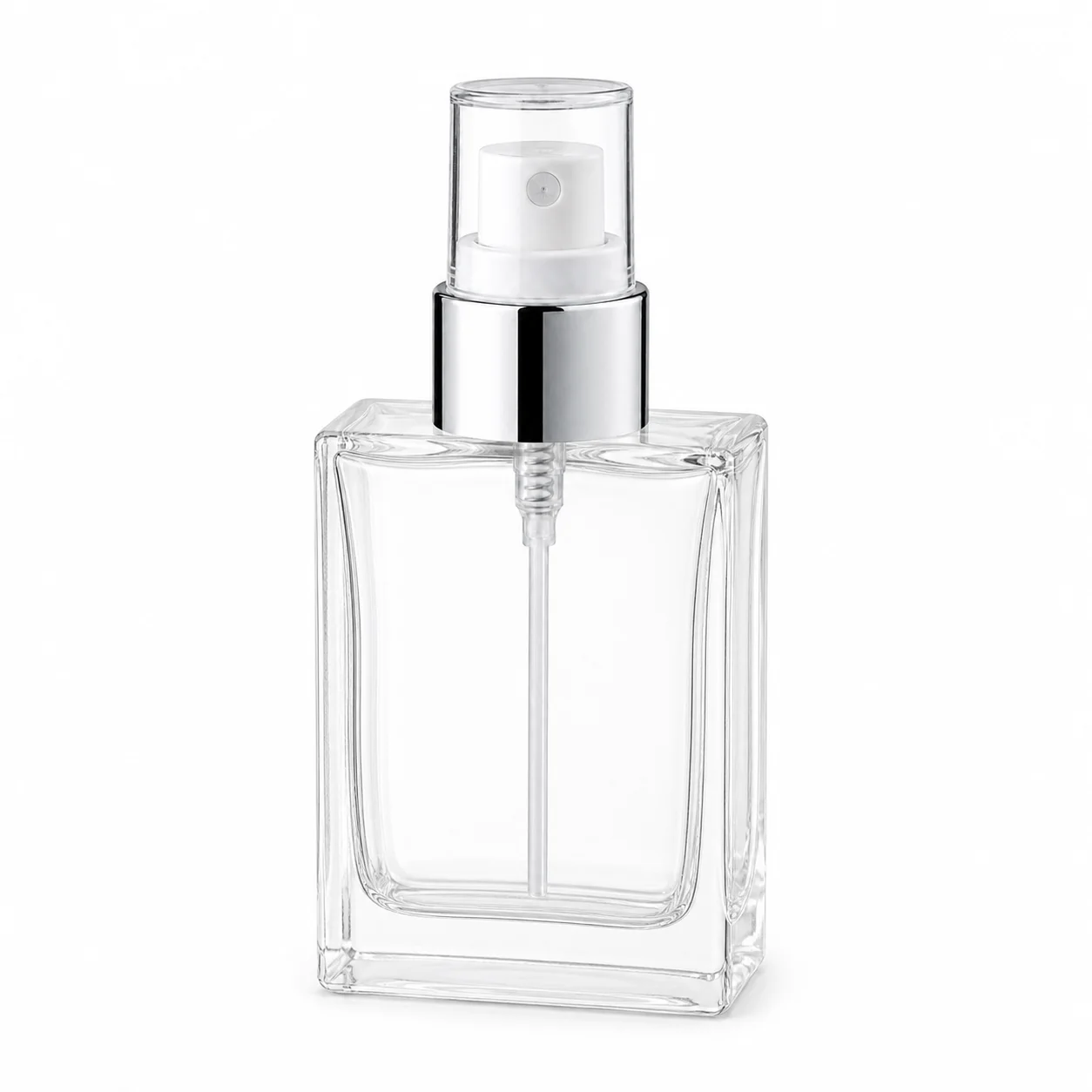
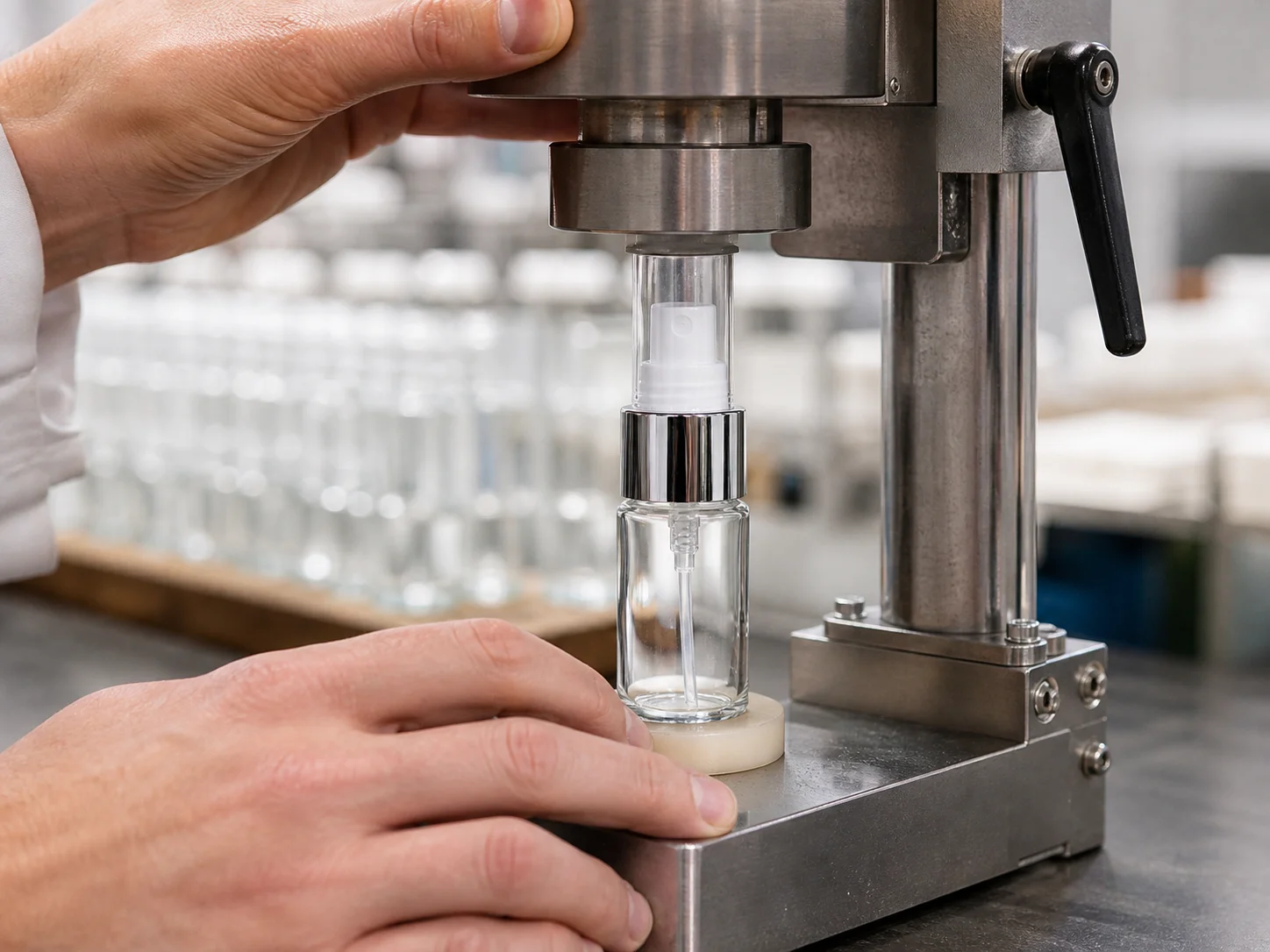
Metal-collared perfume pump with a fine mist actuator above a smooth crimp ferrule and a clear dip tube
Shown configuration · pump, collar and tube / bottle, overcap and filled fragrance not shown

Fragrance dispensing

Perfume Crimp Sprayer

A crimp-on fine mist pump for FEA fragrance necks, clamped permanently under an aluminum ferrule in 13, 15, 18 and 20 mm sizes with a PE or PP dip tube.

FEA 15 ferrule is 16.3 mmCrimped, not threadedSilicone or PE gasket
Stock status
In stock
Lead time
2–3 weeks
FOB price / pc
$0.25 - $0.55
MOQ
10,000 pcs

Final availability, dimensions, materials, assembled components and commercial terms are confirmed against the selected drawing and approved sample.

Permanent by design

Once crimped, the pump is not meant to come off

Four FEA sizes

13, 15, 18 and 20 mm fragrance necks

Tube cut to the bottle

Dip tube trimmed to base height at assembly

Perfume Crimp Sprayer profile

The only closure on this site that is fitted once and never removed.

FEA neck standards, crimp control & fragrance contact

What has to be right before a jaw closes on the neck.

A fragrance pump does not screw on. Its aluminum ferrule is rolled down over the bead of an FEA neck by a crimping jaw, which locks the pump, the gasket and the bottle into one assembly. That decision is made at filling, cannot be undone without destroying the bottle, and is why fragrance necks are a standard of their own.

01

FEA is a neck family, not a diameter

The fragrance industry works to FEA sizes, where the number is the neck and the ferrule runs slightly wider: FEA 13 takes a 14.3 mm ferrule, FEA 15 a 16.3 mm, FEA 18 a 19.2 mm and FEA 20 a 21 mm. Quoting a bottle as a 15 mm neck without the FEA reference leaves the bead profile undefined, and it is the bead that the crimp actually grips.

02

Crimp force is set on glass, then audited

The jaw must roll the aluminum tight enough that the gasket seals against the bead but not so tight that it stresses the glass shoulder. Set too light, the pump loosens and the fragrance evaporates over months; set too hard, bottles crack in the machine or, worse, weeks later in a warehouse. The setting is proved on the actual bottle and re-checked whenever the glass changes.

03

The gasket is the only barrier in the joint

Between ferrule and glass sits a single gasket, usually silicone or polyethylene, occasionally rubber. It carries the whole sealing duty against an alcoholic solution that is aggressive to elastomers over a two-year shelf life. Silicone is the usual choice for high-alcohol formulas; PE costs less and is common on lighter concentrations. It is the first component to review when a fragrance loses top notes.

04

Cut the dip tube to the bottle, not to the pump

The tube is supplied long and trimmed at assembly so it reaches the lowest point of the base without bowing against it. Too short and the last few milliliters never spray, which customers notice and complain about; too long and the tube curls, restricting flow. Soft PE tubing follows a curved base better, while rigid PP holds its line in a tall straight bottle.

05

Match the actuator to how the fragrance is worn

Output per stroke and spray pattern decide whether the product lands as a fine cloud or a wet spot. A finer mist flatters an eau de toilette worn liberally; a heavier stroke suits a concentrated parfum applied to pulse points. Since the actuator also carries the shape and finish the customer touches first, its selection is as much a design decision as a technical one.

06

Plan the assembly step into the schedule

Crimping requires a machine, tooling matched to the ferrule size and a trained operator, so it usually sits with the filler rather than the brand. Small runs are hand-crimped at a bench, which is slower and more variable. Either way the pump becomes part of the bottle at that moment, so any rework means scrapping filled units rather than changing a cap.

Application guide

Crimped on once, and never coming off again.

A perfume sprayer is swaged permanently onto the bottle neck by a metal collar, which gives a seamless finish and a seal that lasts, at the cost of an assembly that cannot be corrected. These are development directions confirmed on crimped samples.

Perfume Crimp Sprayer used for sprayers fixed for the life of the bottle in a fine fragrance setting

Fine fragrance

Sprayers fixed for the life of the bottle

For fragrance where the collar becomes part of the bottle's appearance and nothing about the assembly is meant to be removable. Crimping gives a seal that holds alcohol for years and a joint with no visible thread, which is why the category has used it for decades.

  • Confirm the collar finish matches the design
  • Check the crimp is even around the neck
  • Review the joint appearance closely
Perfume Crimp Sprayer used for a joint nobody can undo afterward in a fragrance lines setting

Fragrance lines

A joint nobody can undo afterward

For operators running filled bottles through a crimping head, where the collar goes on once and the bottle is either right or scrap. Loose and it weeps alcohol at the shoulder weeks later; tight and the finish cracks under the metal, so the setting is qualified on real glass and watched across the run.

  • Qualify crimp force on real bottles
  • Inspect for weeping after crimping
  • Monitor settings across the run
Perfume Crimp Sprayer used for components immersed in fragrance for years in a alcohol contact setting

Alcohol contact

Components immersed in fragrance for years

Dip tube, gasket and pump internals sit in a high-alcohol solution for the entire shelf life, and any swelling or extraction shows up as a spray that weakens or a scent that shifts. Every wetted part is confirmed against the actual juice.

  • Test wetted parts against the juice
  • Confirm spray consistency over time
  • Check for any scent shift

Applications describe package-development directions. Crimping, spray characteristics, retention, sealing and regulatory outcomes are confirmed for the selected program.

Common questions

Perfume Crimp Sprayer questions

Six questions to settle before the crimping jaw is set up.

What does FEA 15 actually specify?

It identifies a fragrance neck standard rather than a plain diameter. FEA 15 means a 15 mm neck whose bead profile the crimp grips, and the aluminum ferrule that goes over it measures about 16.3 mm across. The equivalents run 14.3 mm on FEA 13, 19.2 mm on FEA 18 and 21 mm on FEA 20. Calling a bottle simply a 15 mm neck leaves the bead undefined.

Silicone or PE gasket?

Silicone is the usual specification for high-alcohol concentrations, since it holds its properties against an aggressive solution across a two-year shelf life. Polyethylene costs less and performs well on lighter eau de toilette formulas. If a fragrance is losing its top notes in storage, the gasket is the first component worth reviewing, ahead of the pump body or the closure.

How is the dip tube length decided?

It is trimmed at assembly so the cut end reaches the lowest point in the base without pressing against it. A tube left short leaves the final few milliliters unsprayable, which customers do notice; one left long curls and restricts flow. Soft PE follows a curved or punted base better, while rigid PP holds its line in a tall straight bottle.

How tight should the crimp be?

Tight enough for the gasket to seal on the bead, and no tighter. Under-crimped pumps loosen and let the fragrance evaporate over months; over-crimped ones stress the glass shoulder and produce cracks either in the machine or weeks later in the warehouse. The setting is established on the bottle being used and re-checked whenever the glass supplier or mold changes.

Where does the crimping step sit in the schedule?

It has to be planned in, because it is an assembly operation on filled bottles. Crimping is neither a filling step nor a packing step, so line time, tooling changeover and the audit of crimp force all need their own slot in the production plan.

Next step

Send us the Perfume Crimp Sprayer brief.

Tell us the product, fill volume, closure preference and destination market. We will come back with the matching drawings, available configurations and a sample plan before anything is quoted.

  • 01Send the briefProduct, volume, closure and market
  • 02Get the optionsMatching drawings and configurations
  • 03Approve the sampleConfirm the pack before production