Housing fit, ball choice & the tolerance stack
Why roll-on programs fail at the interfaces and not at the parts.
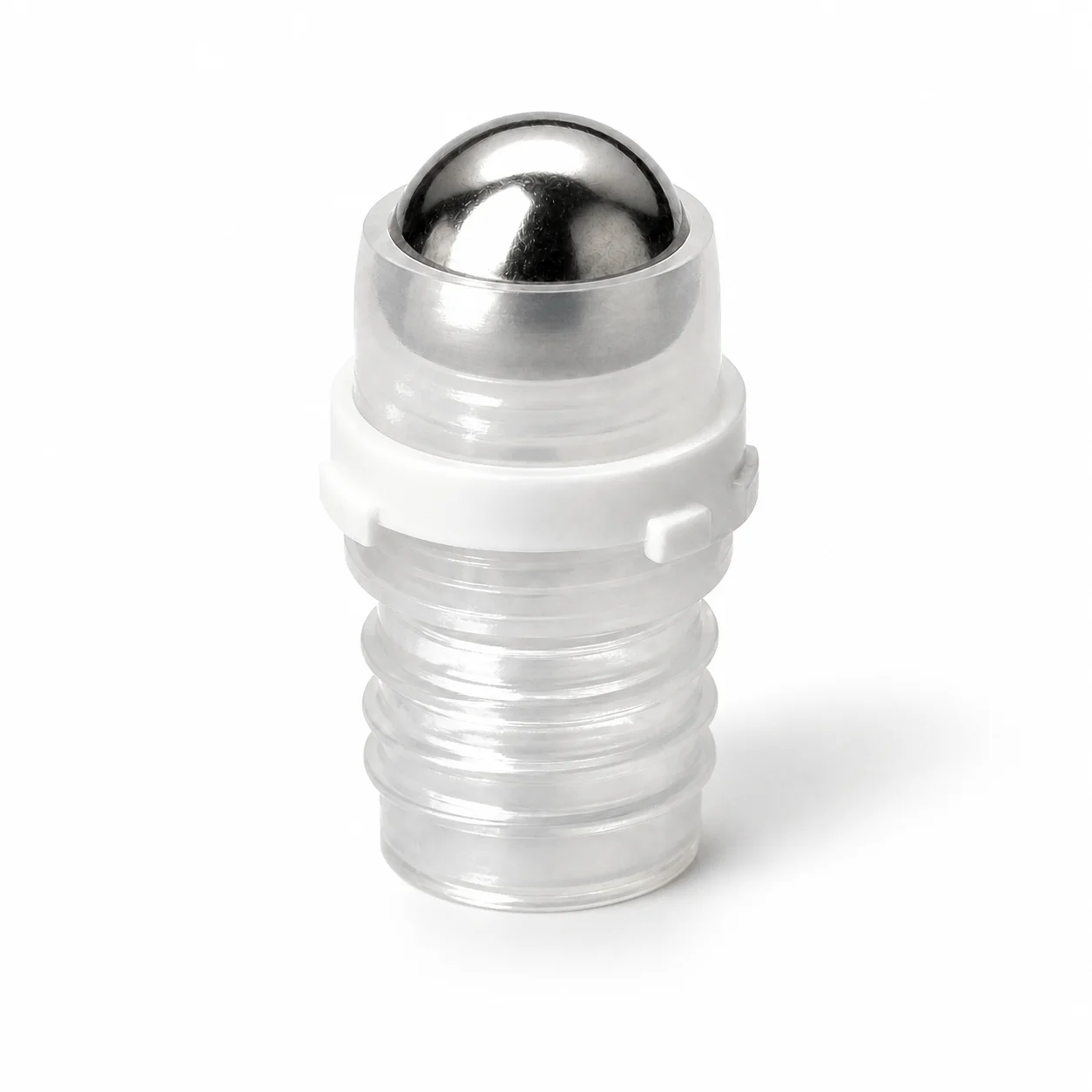
A roll-on is a bottle, a housing pressed into its bore, a ball held captive in that housing and a cap over the top. The product reaches skin only through the film the ball drags out. Because each part is made to its own tolerance, the ones that jam, leak or drip are almost always a stack-up problem rather than a bad component.
The housing is fitted to the bore, not the thread
The fitment presses into the inside of the neck and holds by interference, while the cap threads onto the outside. That means a single neck carries two independent fits, and glass bore tolerance is looser than the molding tolerance of the housing. A housing that seats firmly in one glass lot can sit proud in the next, lifting the ball and changing how the applicator feels.
Ball material is a skin decision before a cost one
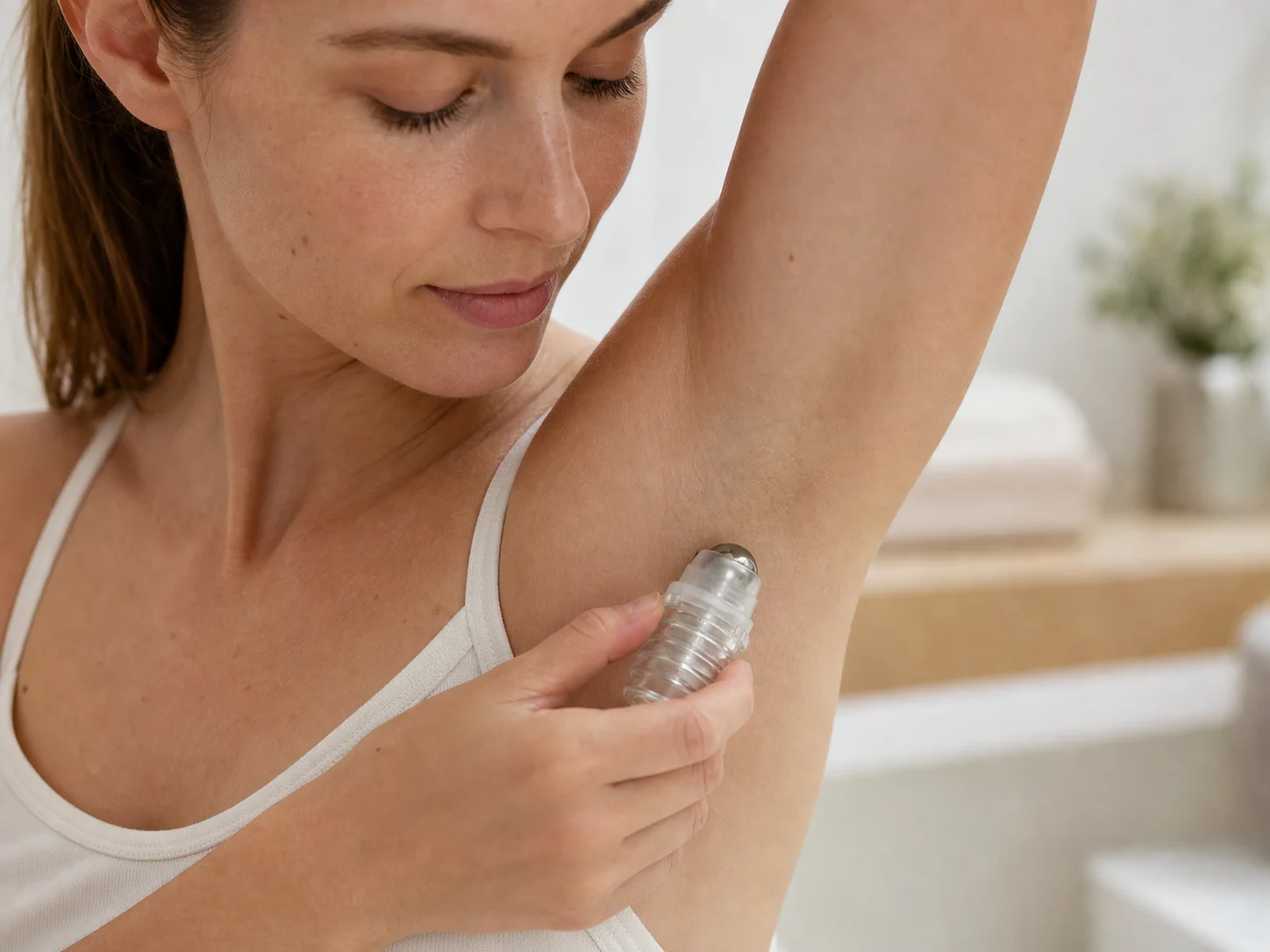
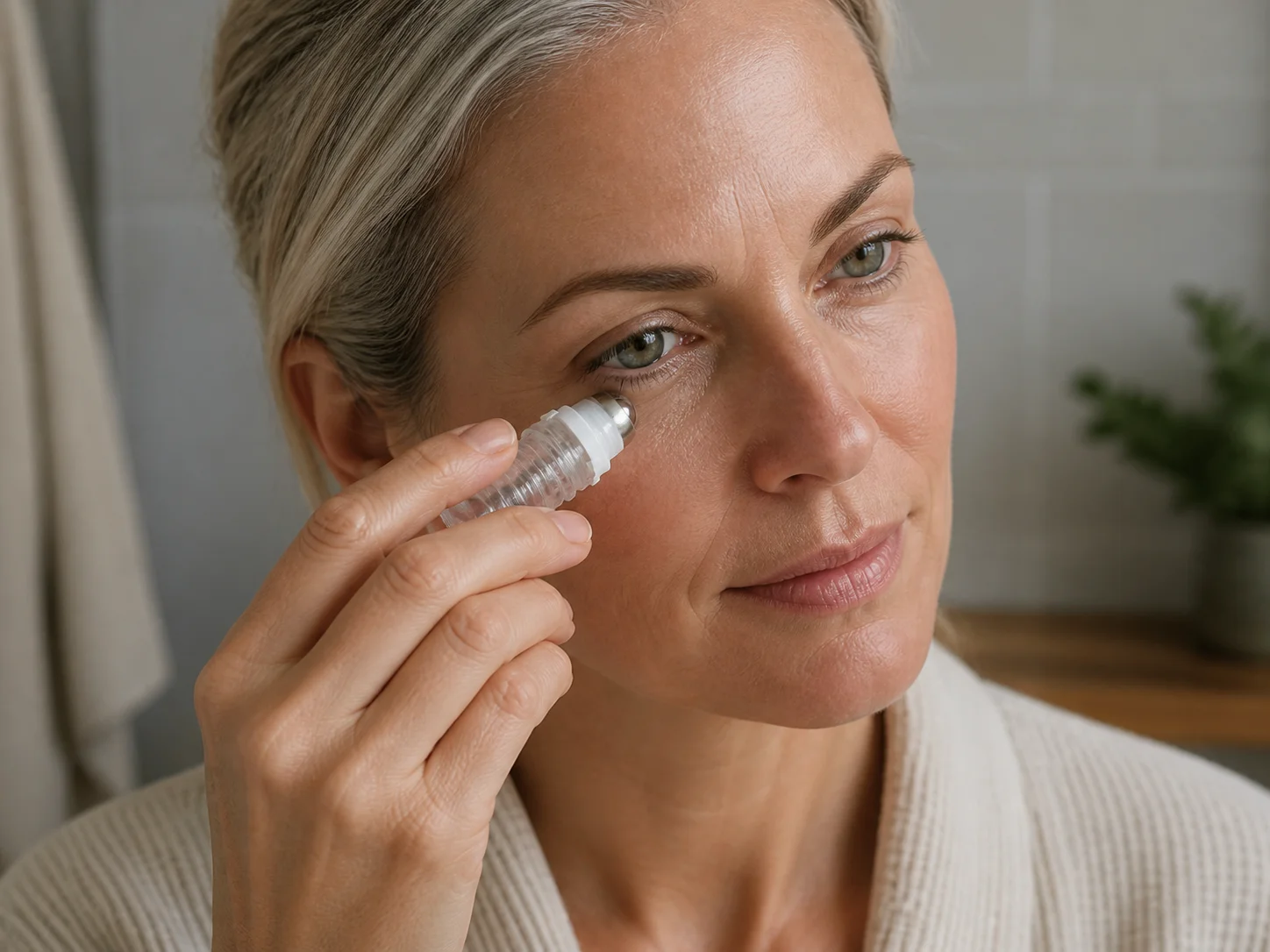
Stainless steel feels cool and firm, which suits deodorants and de-puffing serums where that sensation is part of the product. Glass rolls smoother and reads as gentler on facial skin. Polypropylene is lightest and cheapest and is common on high-volume oils. All three deliver a similar film, so the choice is mostly about how the applicator feels in the hand and against skin.
Delivery is set by the gap, not the ball
How much product comes out depends on the clearance between ball and housing seat and on the viscosity that has to pass through it. A gap tuned for a light oil will starve with a thickened serum, and one opened up for a serum will drip a thin oil down the customer's arm. This is why formula samples are needed before the fitment is finalized.
Expect the pack to leak on its side before it leaks upright
A roller has no seal below the ball. Upright, gravity and surface tension keep the product in; laid flat in a warm bag, a thin oil creeps past the ball and into the cap. Carton orientation, an inner shrink band and the viscosity of the formula all reduce it, and inverted storage trials tell you far more than any bench check of the fitment alone.
The cap has two jobs and usually only does one
It protects the ball from dust and it should limit evaporation of a volatile carrier. Most stock caps do the first well and the second poorly, because they seal on the housing rim rather than below the ball. Where a fragrance or essential oil program depends on retaining volatiles, a cap with an inner plug that closes on the housing bore is worth the extra cost.
Fit the ball before decorating the bottle
Roller assembly is a press operation and it is unforgiving of a neck that has been distorted by hot decorating or by a bail of shrink film. Programs that spray, print or frost their bottles should assemble and test rollers on decorated glass rather than on plain samples, since the finish can move by more than the interference the fitment relies on.