Elastomer choice, wall design & aging behavior
Three elastomers, three different ways for a dropper to fail.
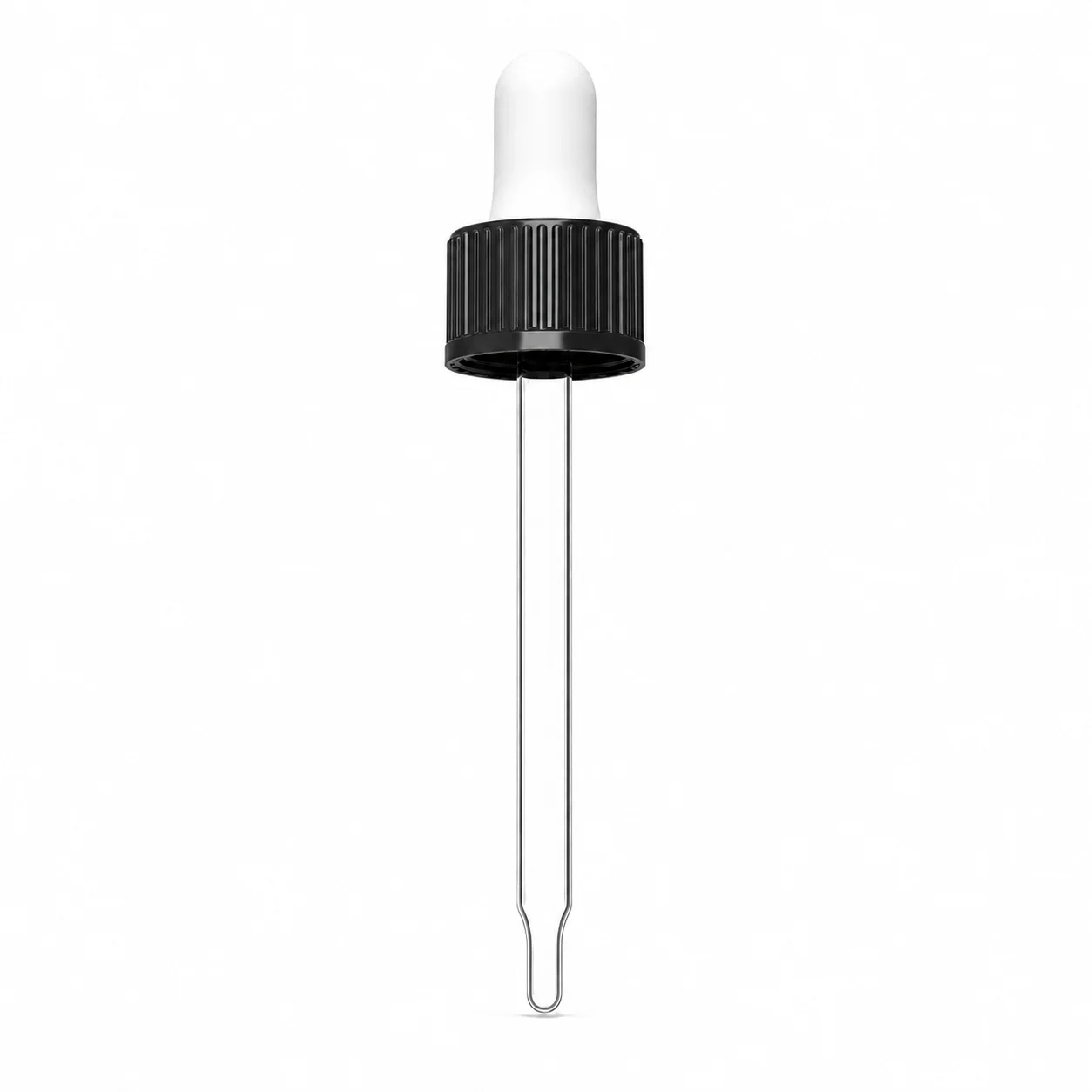
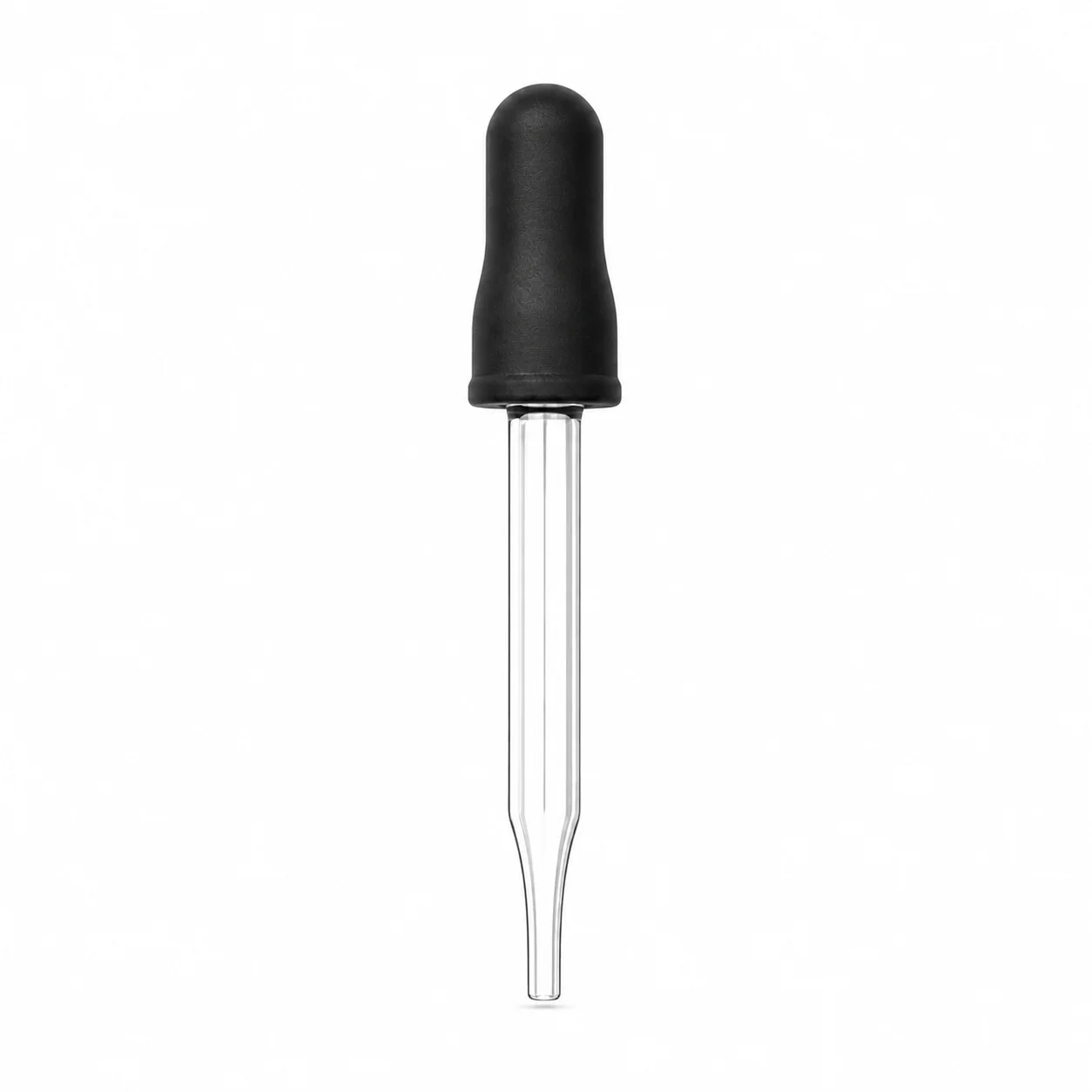
Everything a dropper does mechanically comes from the bulb. It stores the energy, sets the volume drawn and gives the customer the tactile feedback that tells them the dropper is working. It is also the component most exposed to what the product gives off, which is why bulb material rather than glass is where dropper programs usually go wrong.
Natural rubber is the default and the risk
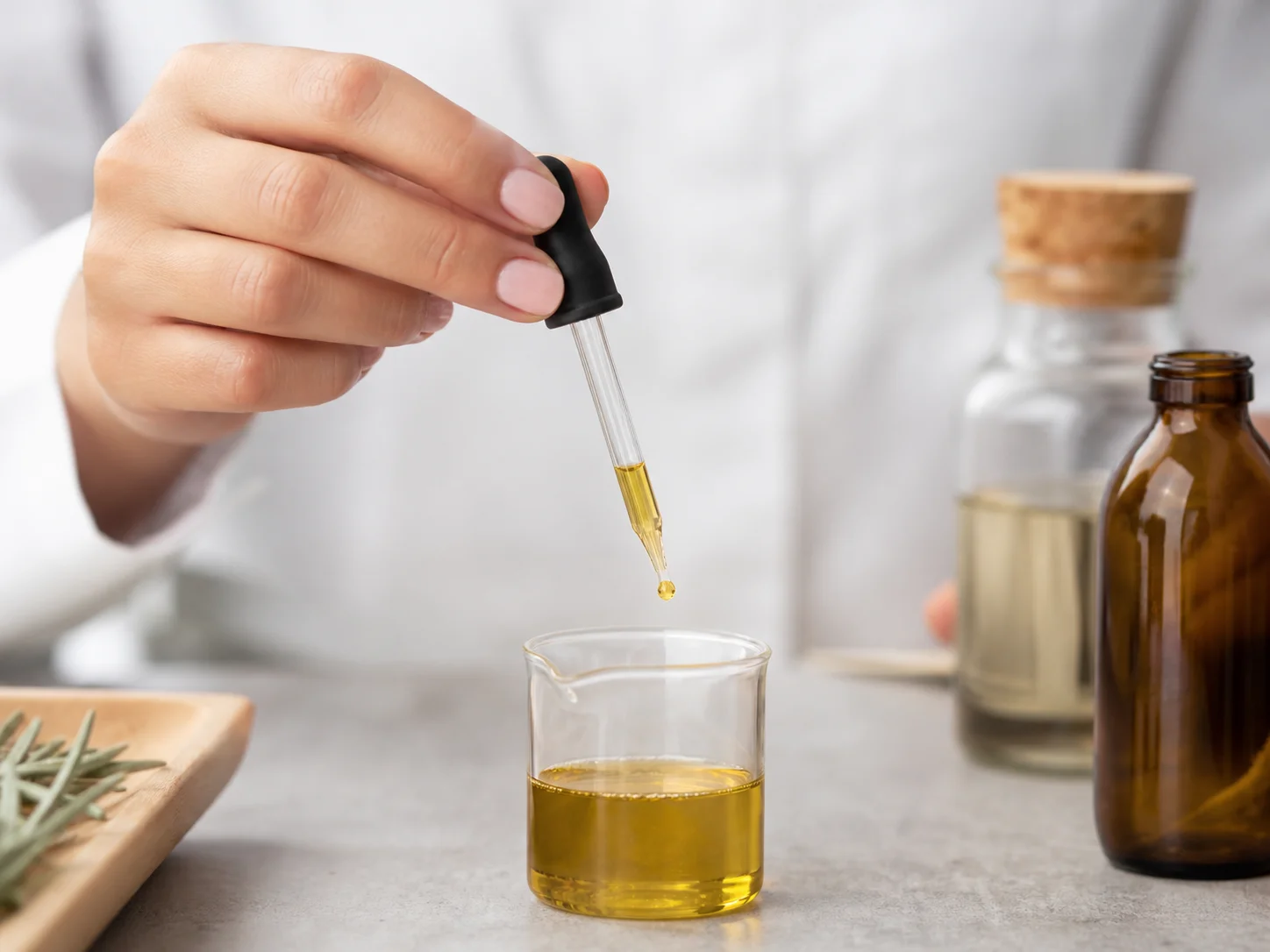
It is cheap, springs back briskly and gives the familiar firm squeeze. It is also the material most readily attacked by terpenes and essential oils, which soften the wall, make it tacky and eventually leave the bulb permanently collapsed. For water-based serums it is entirely adequate; for a citrus or eucalyptus oil, it is the component that will fail first.
Nitrile buys oil resistance, not flexibility
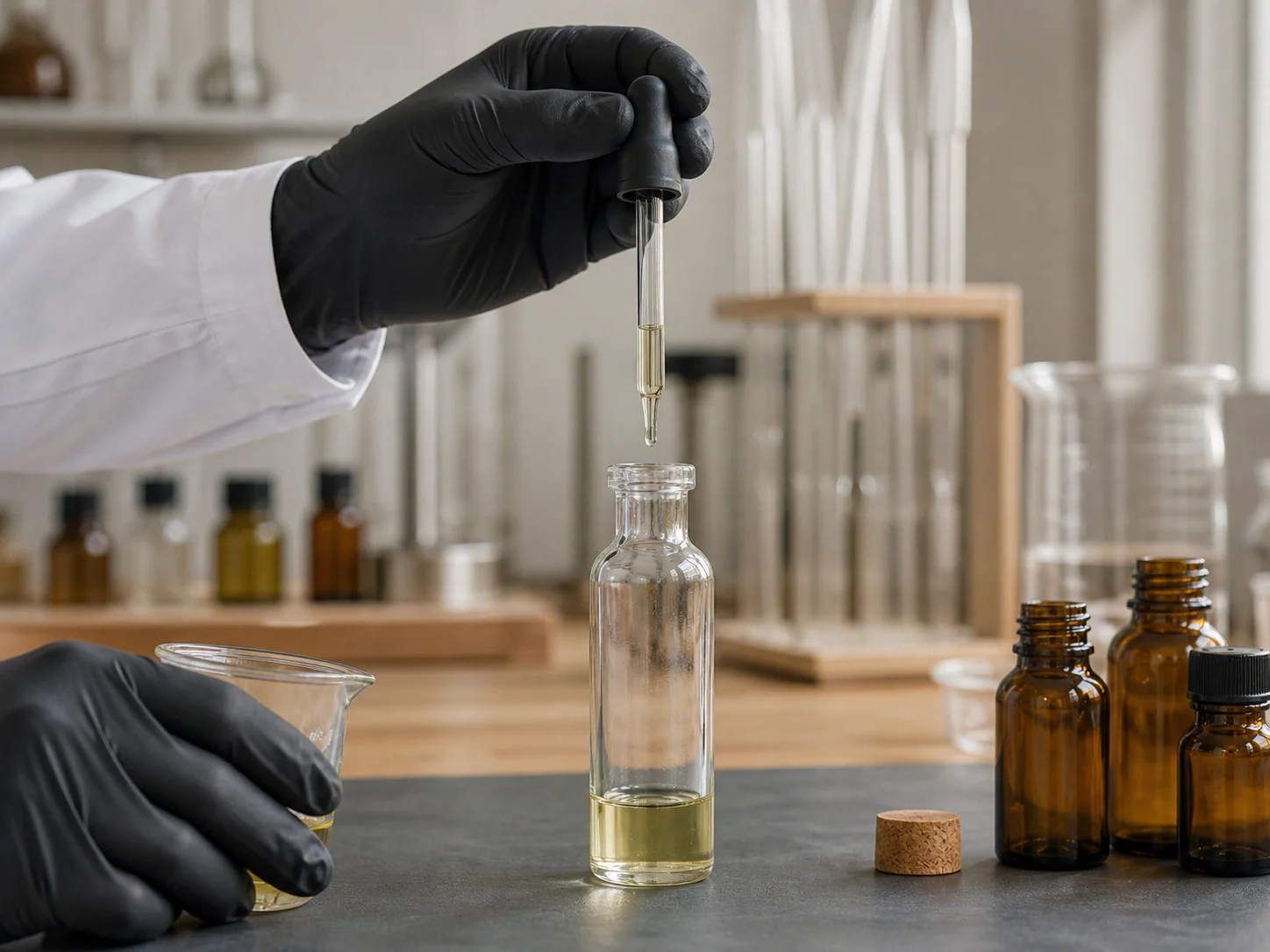
Nitrile holds up far better against oils and many solvents, which is why it appears on essential-oil packaging and laboratory droppers. It is stiffer at the same wall thickness, so the same geometry gives a harder squeeze and a slightly shorter draw. If a program moves from rubber to nitrile, the customer feels the difference immediately, and the wall usually has to be re-cut to compensate.
Silicone is stable, permeable and expensive
Silicone keeps its elasticity across a wide temperature range, resists a broad set of chemistries and does not discolor. Its weakness is permeability: volatile aromatics migrate through the wall more readily than through nitrile, so a fragrance can fade in storage even though the bulb looks and feels new. It is the right choice where flexibility over time matters more than aroma retention.
Draw volume is molded, not adjusted
The volume a bulb pulls comes from its internal cavity and wall thickness, together with the bore of the pipette it sits on. A published figure of roughly 0.8 to 1 mL describes a full compression on a matched pipette, and it drops as soon as the wall stiffens with age or the pipette bottoms out in the bottle. There is no way to tune it after molding.
Watch for compression set, not for splits
Bulbs rarely tear. They fail by staying dented: after months of daily squeezing, or after storage compressed in a carton, the wall no longer returns to shape and the draw falls away. Storage trials therefore measure draw volume on aged units rather than looking for visible damage, and cartons are designed so nothing presses on the bulb during shipping.
Treat the bulb as a serviceable part
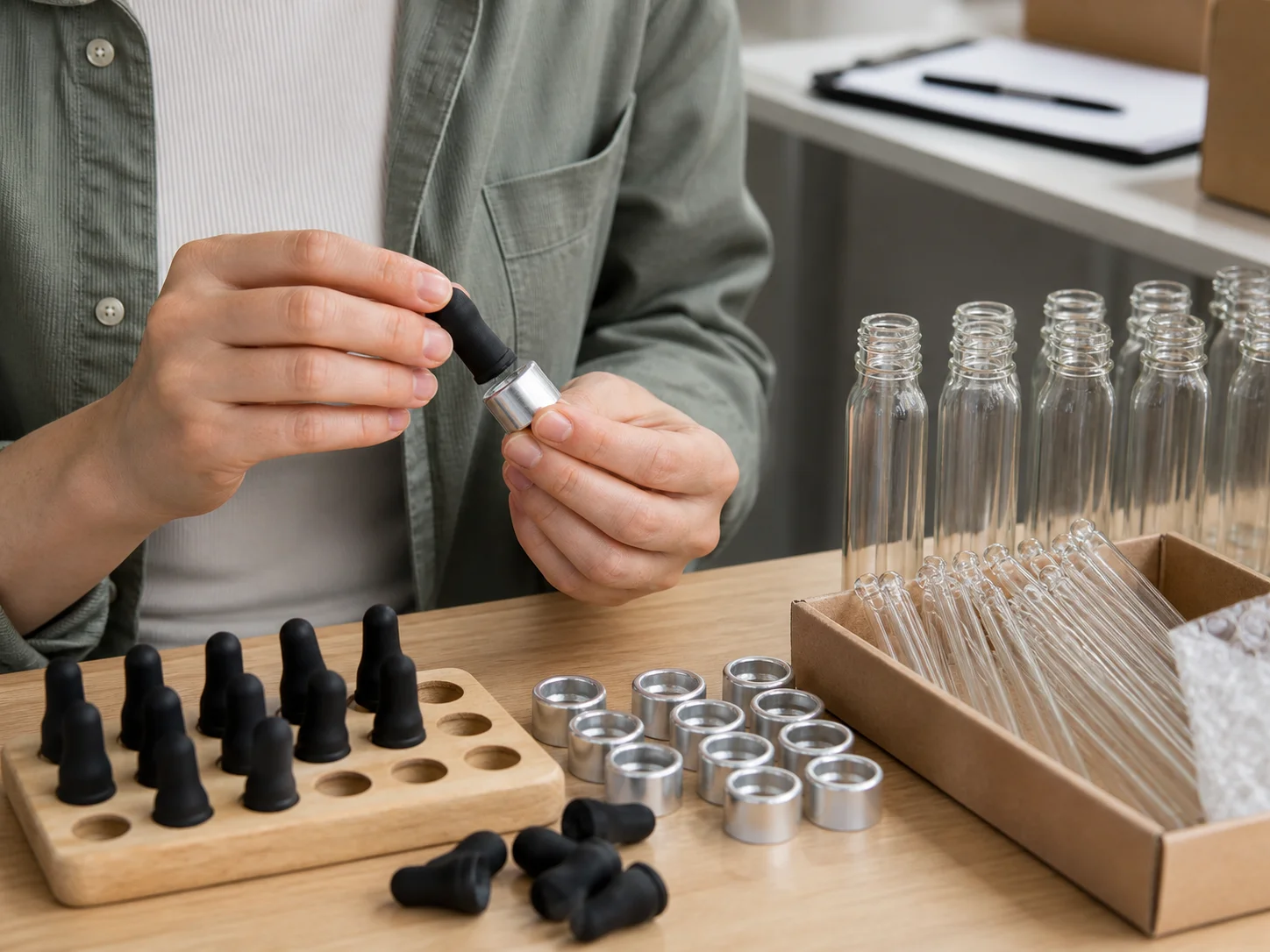
Because the bulb ages faster than the glass or the collar, refill and professional programs stock it separately. That only works if the seat diameter is held tightly enough that a replacement bulb grips the same collar, which is worth confirming when a second supplier is introduced on price. A bulb that fits loosely lets vapor past and shortens the draw.