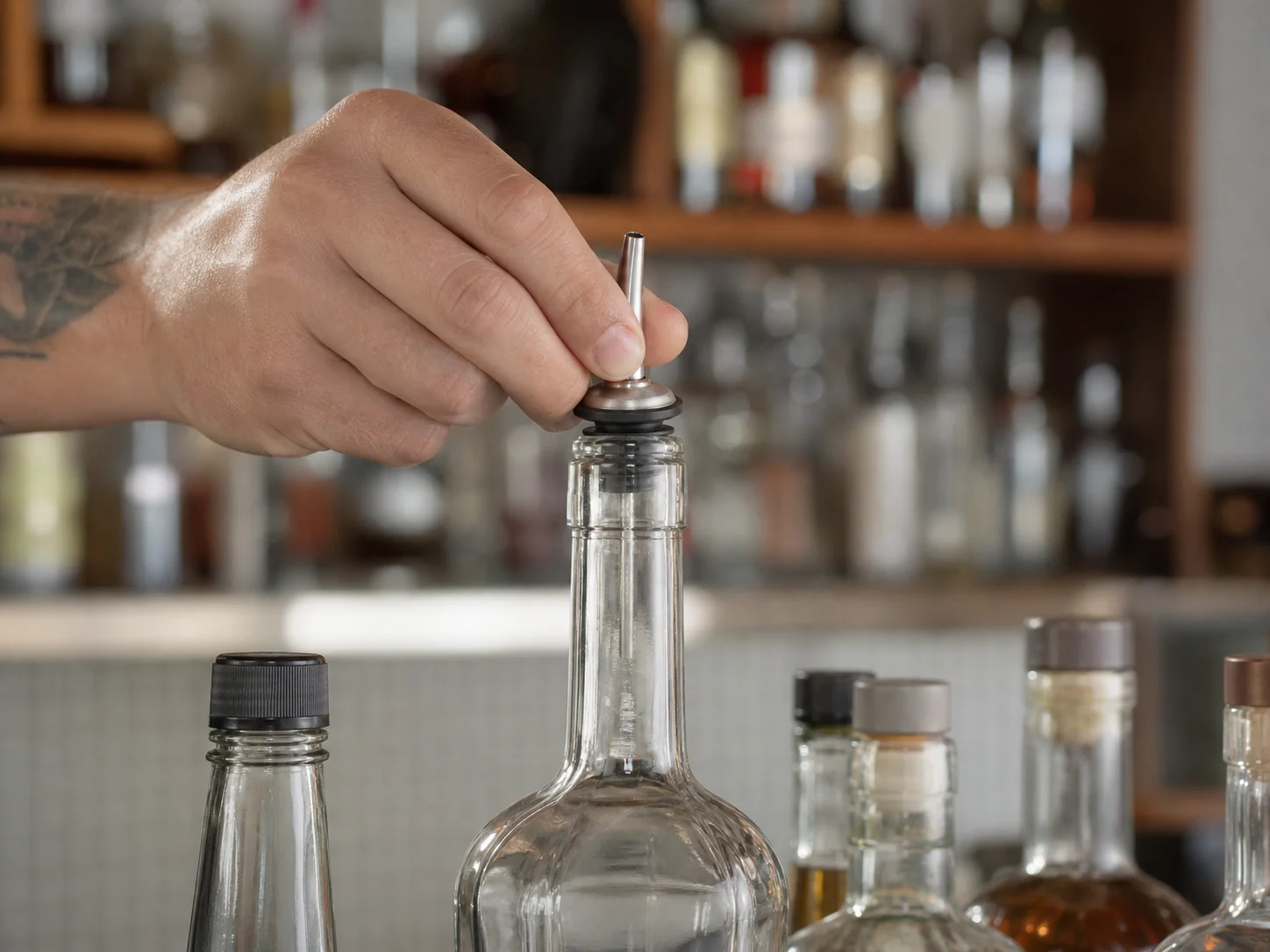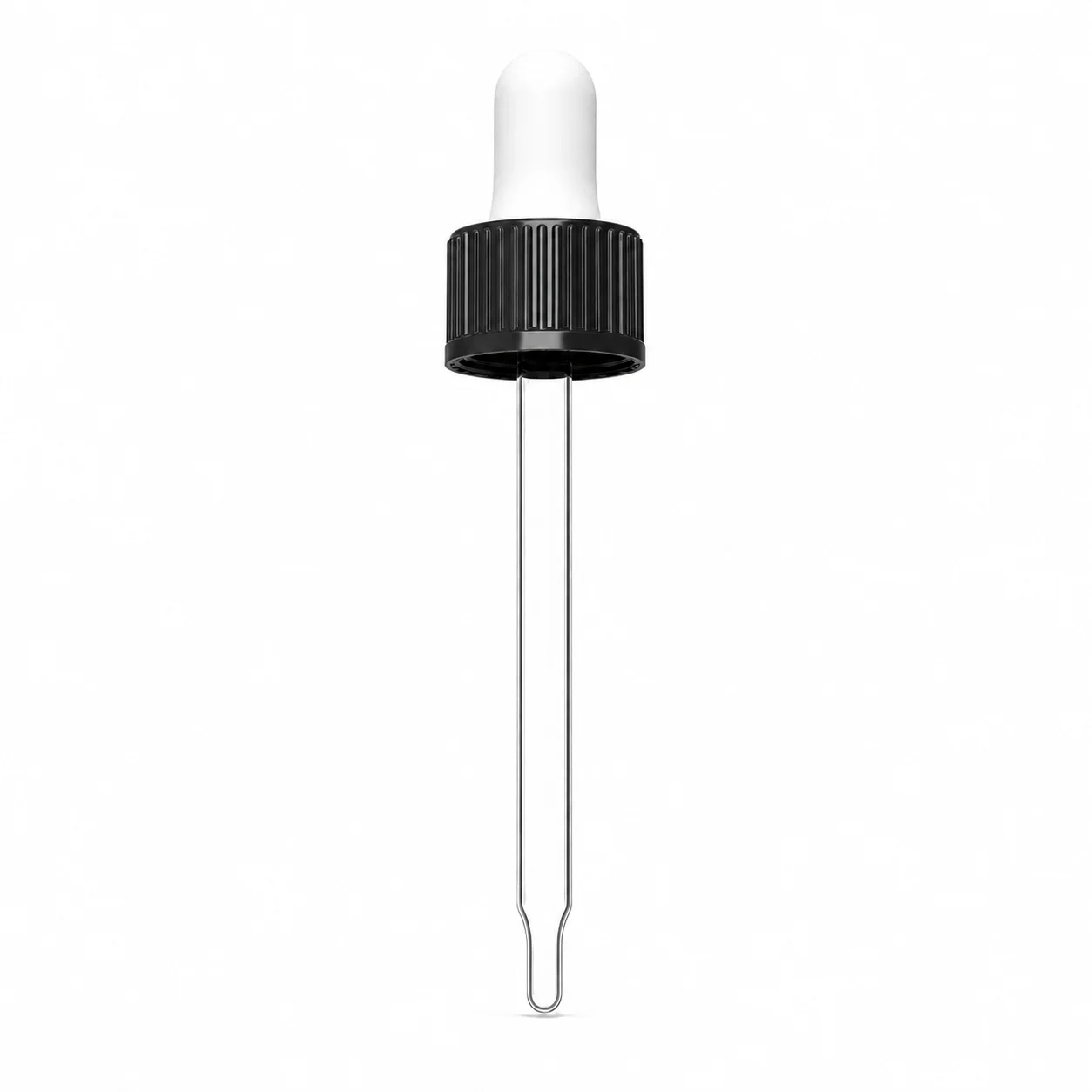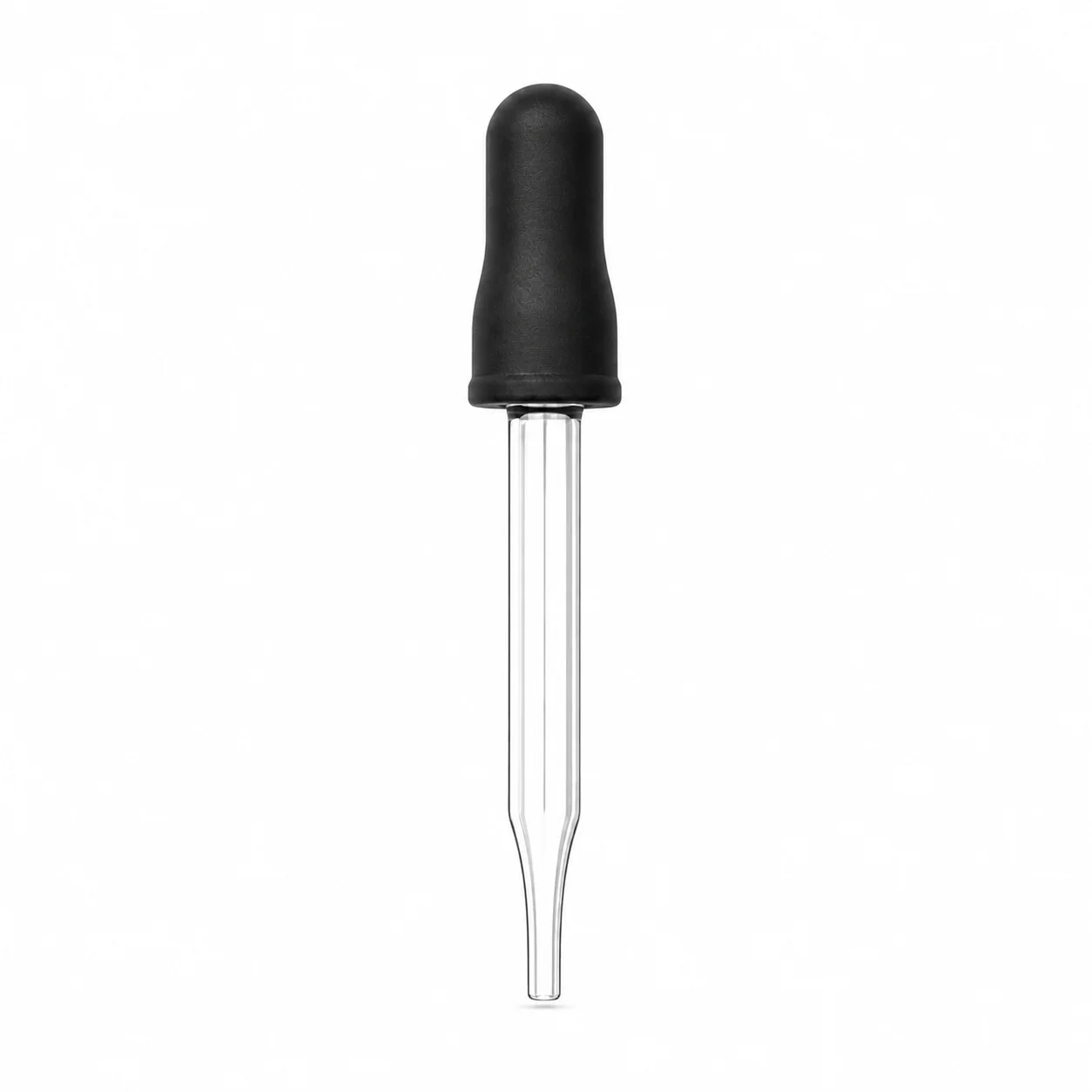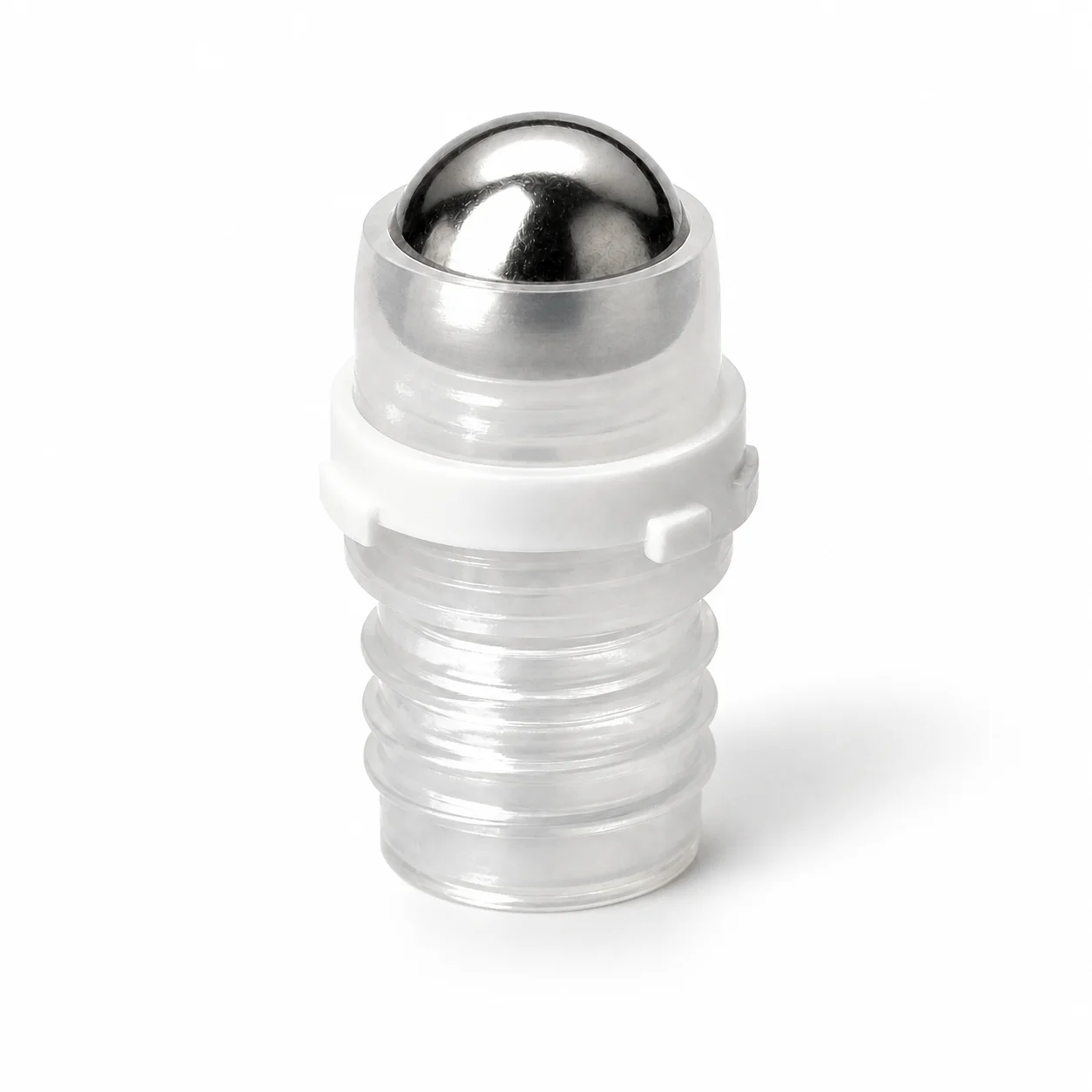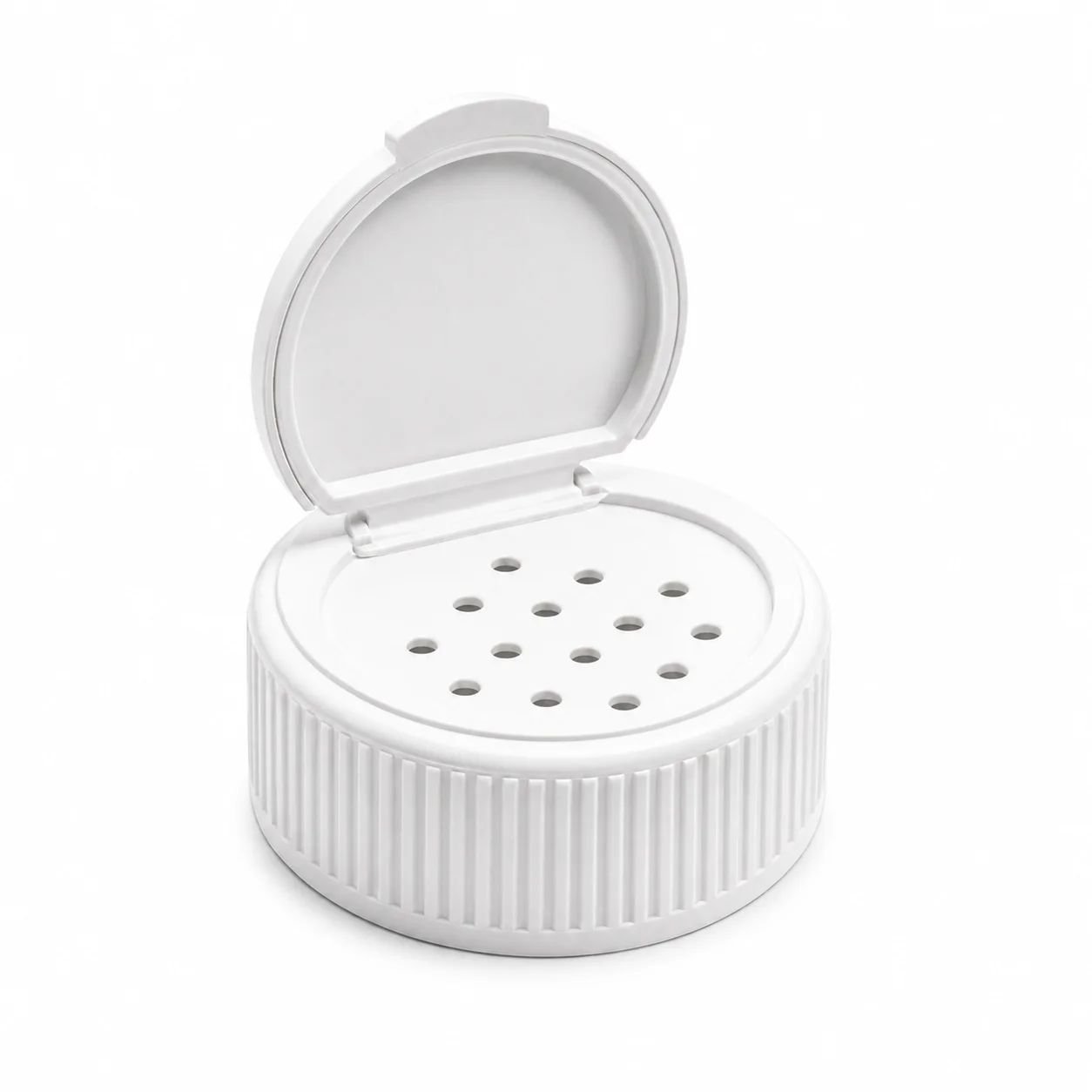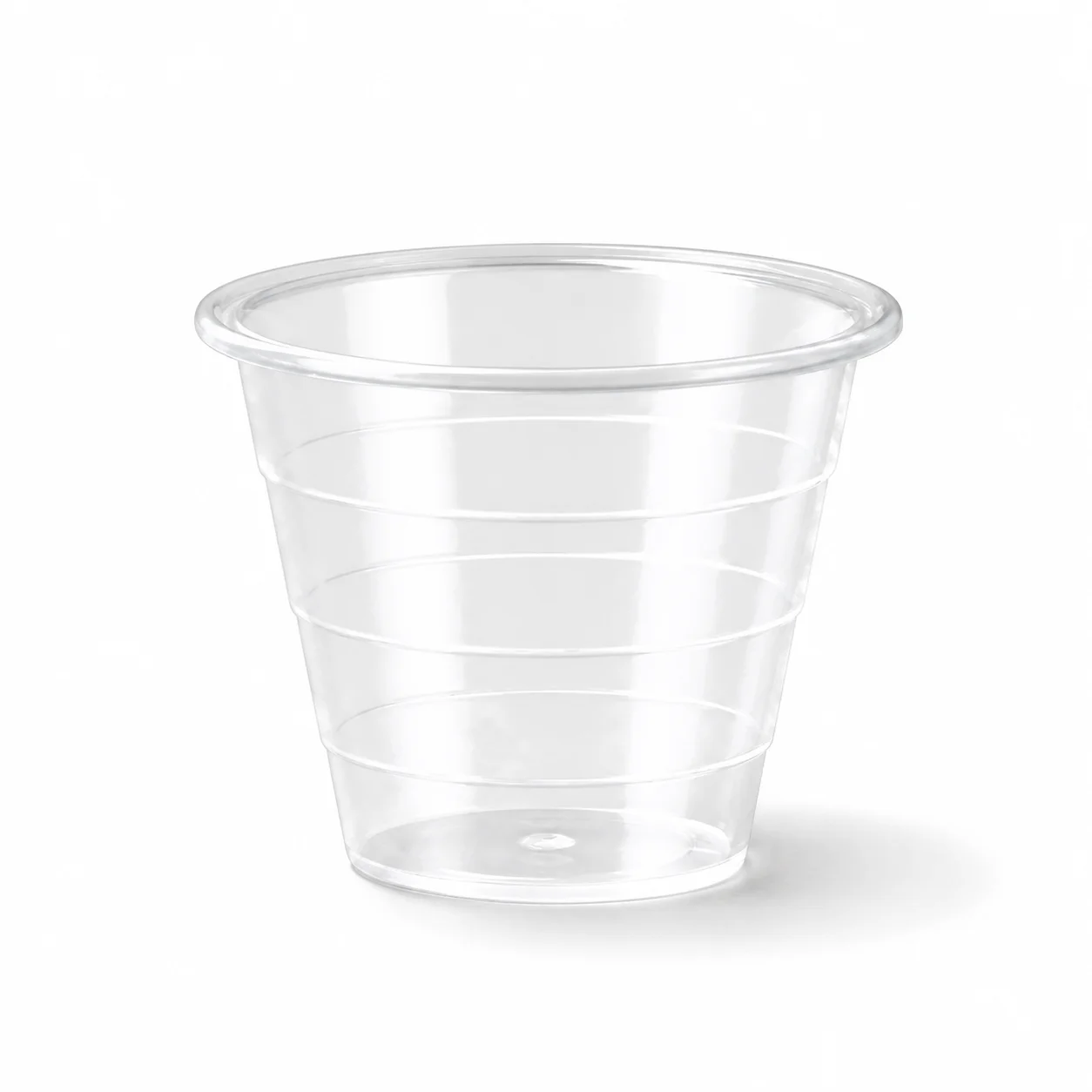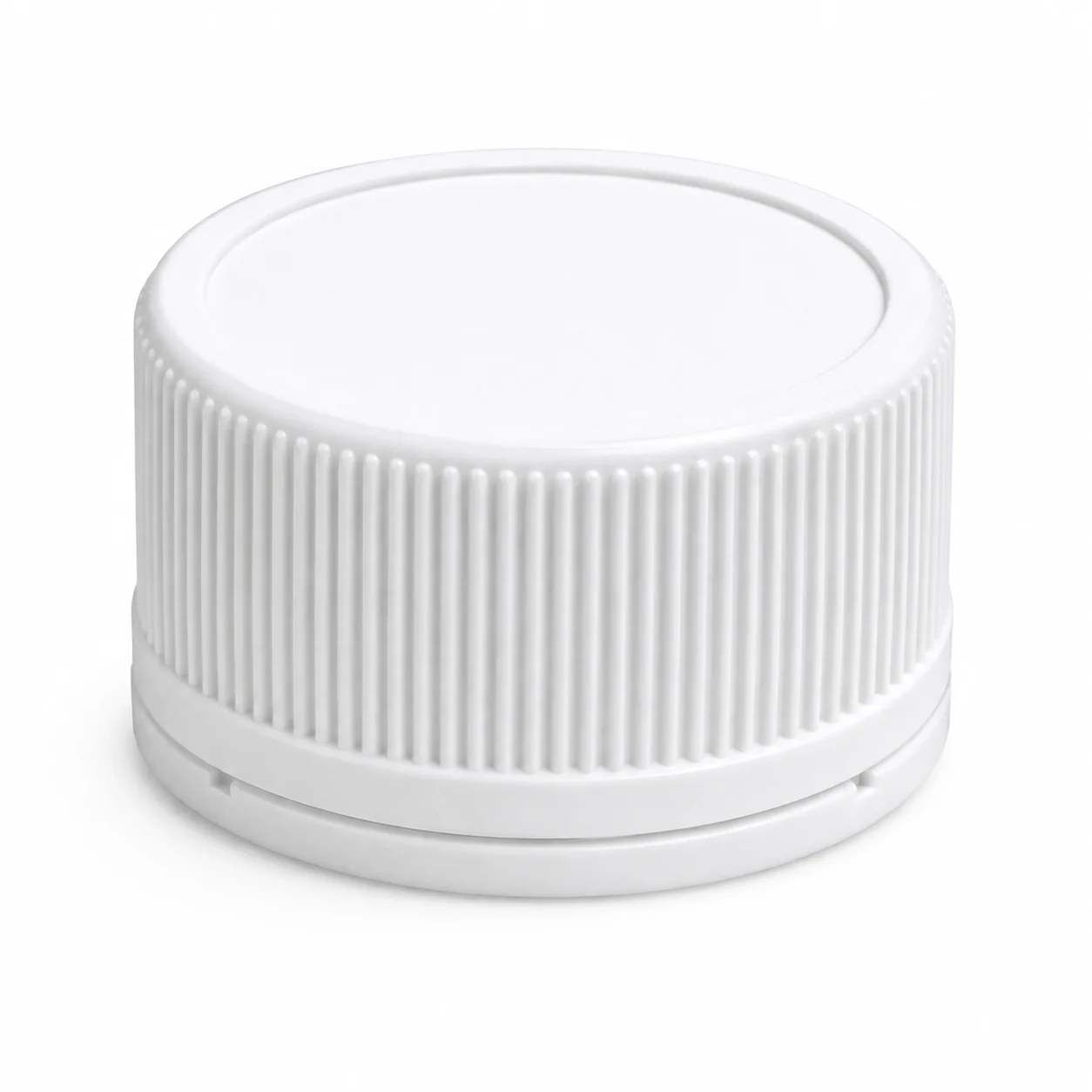
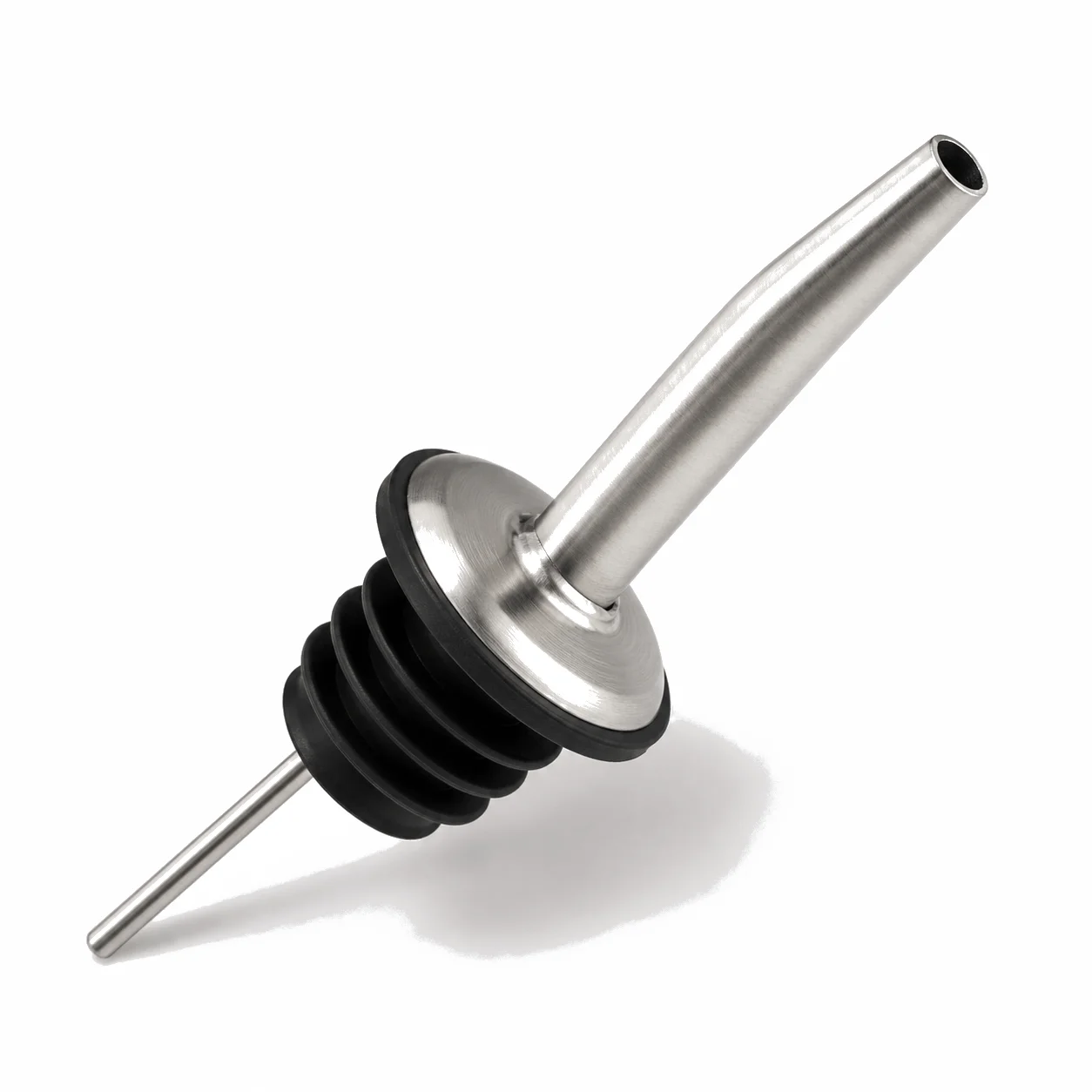
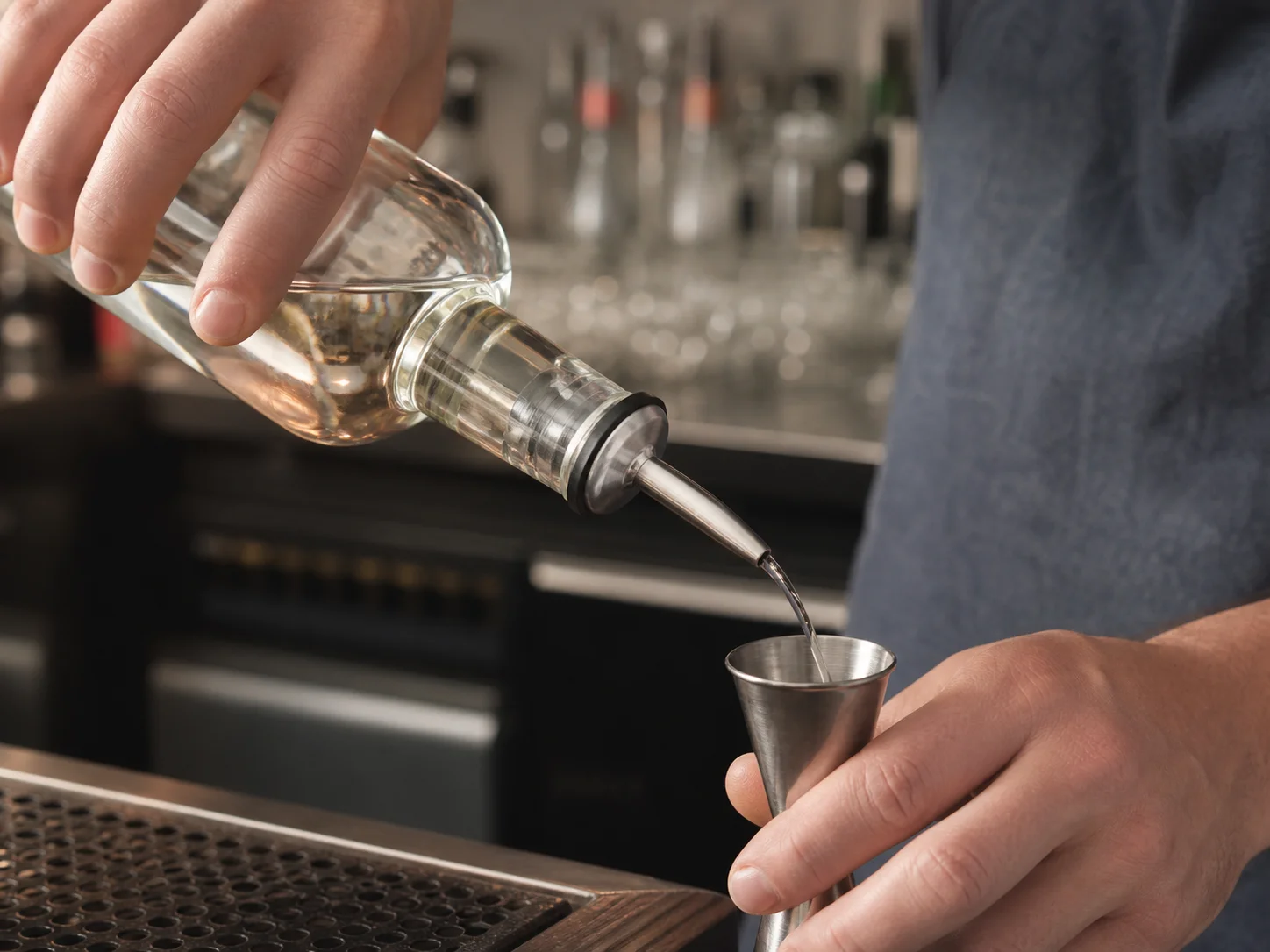
Metal speed pourer with an angled tube, disc top, ribbed rubber shank and slender lower tube
Shown configuration · pourer alone / bottle, dust cap and liquid not shown

Bar & service pourers

Pour Spout

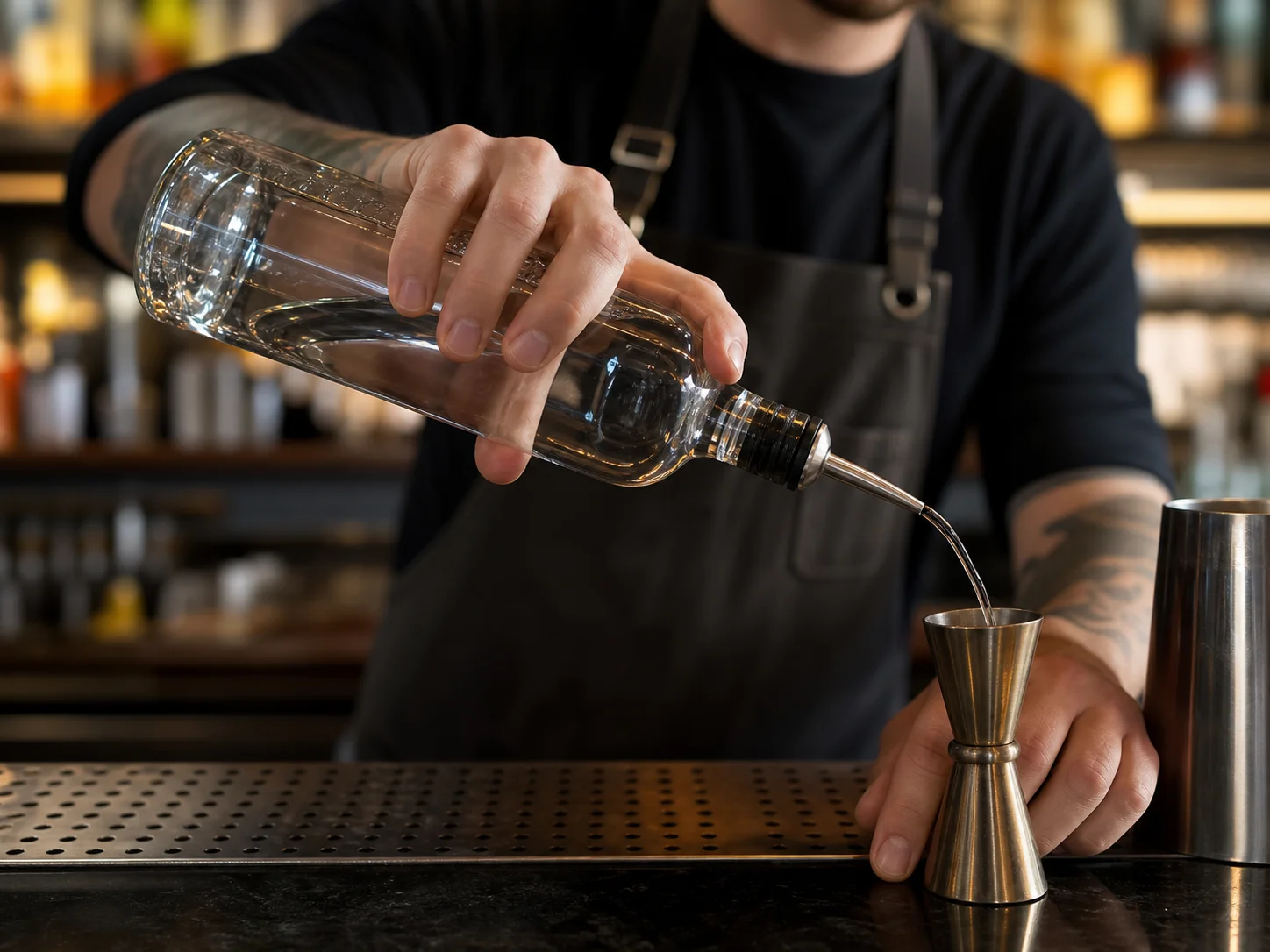
A tapered speed pourer with a stainless or plated tube on a rubber cork, pushed into a spirit or syrup bottle so bartenders can free-pour and count.

Tapered cork shankVented spout tubeFree-flow and measured forms
Stock status
In stock
Lead time
2–3 weeks
FOB price / pc
$0.45 - $0.70
MOQ
10,000 pcs

Final availability, dimensions, materials, assembled components and commercial terms are confirmed against the selected drawing and approved sample.

Counted, not measured

Steady flow is what lets staff pour by count

Fits by taper

One shank covers a wide range of bores

Service part

Corks are consumed; tubes outlive them

Pour Spout profile

Bar staff do not measure. They count — and the spout is what makes counting work.

Flow rate, taper fit & the service life of a pourer

What separates a pourer that controls cost from one that quietly loses it.

A speed pourer converts a bottle into a controlled dispenser: a tube through a tapered cork, with a vent so the flow does not surge. Its whole value is repeatability. If a pourer delivers the same rate every time, a trained bartender can free-pour a measure by counting, and a venue's cost control depends on that far more than on the pourer's price.

01

The vent makes the count possible

An unvented tube empties in surges as air fights back through the same passage, so two pours of the same count differ by a noticeable amount. A separate air path steadies the stream, which is what lets a bartender treat seconds as volume. Any change to the vent — a different tube, a partial blockage from a sticky liqueur — changes the count without anyone noticing.

02

Fit is by taper, and taper forgives more than a thread

The rubber or cork shank is conical, so a single pourer seats in a range of bore diameters, gripping wherever it meets interference. That is why a bar can run one pourer across many bottles. The limit is the extremes: a wide-mouthed bottle lets the shank sit too deep and a narrow one holds it high, where a knock can dislodge it mid-service.

03

Free-flow and measured pourers serve different rooms

Free-flow pourers depend on staff skill and give a fast, generous-looking pour that suits cocktail bars. Measured pourers deliver a fixed volume per action and remove the skill and the variance together, which is why hotels and chain venues use them. Both are called speed pourers, and choosing between them is a management decision more than a specification one.

04

Match materials to the sugar in the drink

Stainless tubes on natural rubber corks are standard for spirits. Syrups, cream liqueurs and juices leave residues that harden in the tube and around the vent, so plastic-bodied pourers that can be stripped and washed, or dedicated pourers per product, work better. A pourer shared between a spirit and a syrup will not keep its flow rate through a weekend.

05

The cork is a consumable, the tube is not

Shanks take a compression set, swell with alcohol and eventually turn loose or tacky, while the metalwork survives years of service. Venues that buy complete pourers each time replace hardware needlessly; those that stock replacement corks keep the flow rate they trained the staff on. Either way, a pourer that has gone loose is both a loss and a hygiene issue.

06

Cover the spout where dust and fruit flies matter

An open pour tube on a back bar collects dust and attracts insects overnight, which is why dust caps and tethered covers exist. On a retail or gift pack the same fitment usually sits under an overcap instead. The decision belongs with the service environment rather than with the spout, but it changes what has to be shipped with it.
Application guide

A spout is bought to stop the last drop running down the bottle.

Pour spouts exist because a plain bottle neck sheds liquid down its side at the end of a pour. The geometry that cuts that off cleanly is the entire product. These are development directions confirmed with the actual liquid.

Pour Spout used for spirits poured repeatedly through a shift in a bar and restaurant service setting

Bar and restaurant service

Spirits poured repeatedly through a shift

For bottles a bartender picks up dozens of times an evening, tipping and righting them quickly. The spout has to start and stop flow cleanly at speed, and stay seated in the neck when the bottle is set down hard on a bar top.

  • Test a fast pour and cut-off
  • Confirm the spout stays seated
  • Check for drips down the bottle
Pour Spout used for how fast the liquid actually comes out in a flow rate setting

Flow rate

How fast the liquid actually comes out

Bore diameter and the vent opening together set the pour rate, and a spout that is right for a thin spirit is wrong for a syrup. Because bartenders count pours by time, a change in flow rate changes the measure served.

  • Match the bore to the liquid
  • Confirm the vent prevents glugging
  • Time the pour against the expected measure
Pour Spout used for one spout pushed into whatever is open in a back-bar bottles setting

Back-bar bottles

One spout pushed into whatever is open

For bartenders who move a spout from a finished bottle to the next one without much thought about whose glass it was made for. The ribs have to grip a spread of neck bores rather than one nominal size, because the alternative is a spout that drops into the drink halfway through a pour.

  • Test fit across several neck bores
  • Confirm the ribs grip reliably
  • Check removal for cleaning

Applications describe package-development directions. Flow, dose, drip control, leakage and regulatory outcomes are confirmed for the selected program.

Common questions

Pour Spout questions

Six questions from the people who actually live with these behind a bar.

Why do two pourers of the same size give different measures?

Usually the vent. An unvented or partly blocked air path makes the liquid leave in surges, so a four-count delivers a different volume each time. Tube bore and the viscosity of what is being poured also matter. If a venue pours by count, it needs to time its own spirits through the actual pourers rather than trusting a nominal rate.

Free-flow or measured pourers?

Free-flow depends on trained staff and gives the fast, generous pour cocktail bars want. Measured pourers deliver a fixed volume per action and remove both the skill and the variance, which is why hotel and chain operations favor them. It is a management decision about consistency versus speed rather than a technical comparison between two components.

What happens with syrups and cream liqueurs?

They leave residue that hardens in the tube and around the vent, and the flow rate drifts within days. Use constructions that can be stripped and washed, or dedicate a pourer to each sugary product and clean it on a schedule. A pourer moved between a spirit and a syrup will not hold the rate the staff were trained on through a single weekend.

Do we replace the whole pourer when it goes loose?

Only the shank. Rubber and cork take a compression set, swell with alcohol and eventually turn slack or tacky, while the tube survives years. Stocking replacement shanks keeps the flow rate the staff learned and costs a fraction of new hardware. A loose pourer is worth changing promptly, since it is both product loss and a hygiene problem.

Should the spout be covered between services?

Where dust or fruit flies matter, yes. An open pourer is an open bottle for anything in the room, and a bar that runs overnight sees both. A cap or cover is cheap against the alternative of pouring the first measure away.

Next step

Send us the Pour Spout brief.

Tell us the product, fill volume, closure preference and destination market. We will come back with the matching drawings, available configurations and a sample plan before anything is quoted.

  • 01Send the briefProduct, volume, closure and market
  • 02Get the optionsMatching drawings and configurations
  • 03Approve the sampleConfirm the pack before production