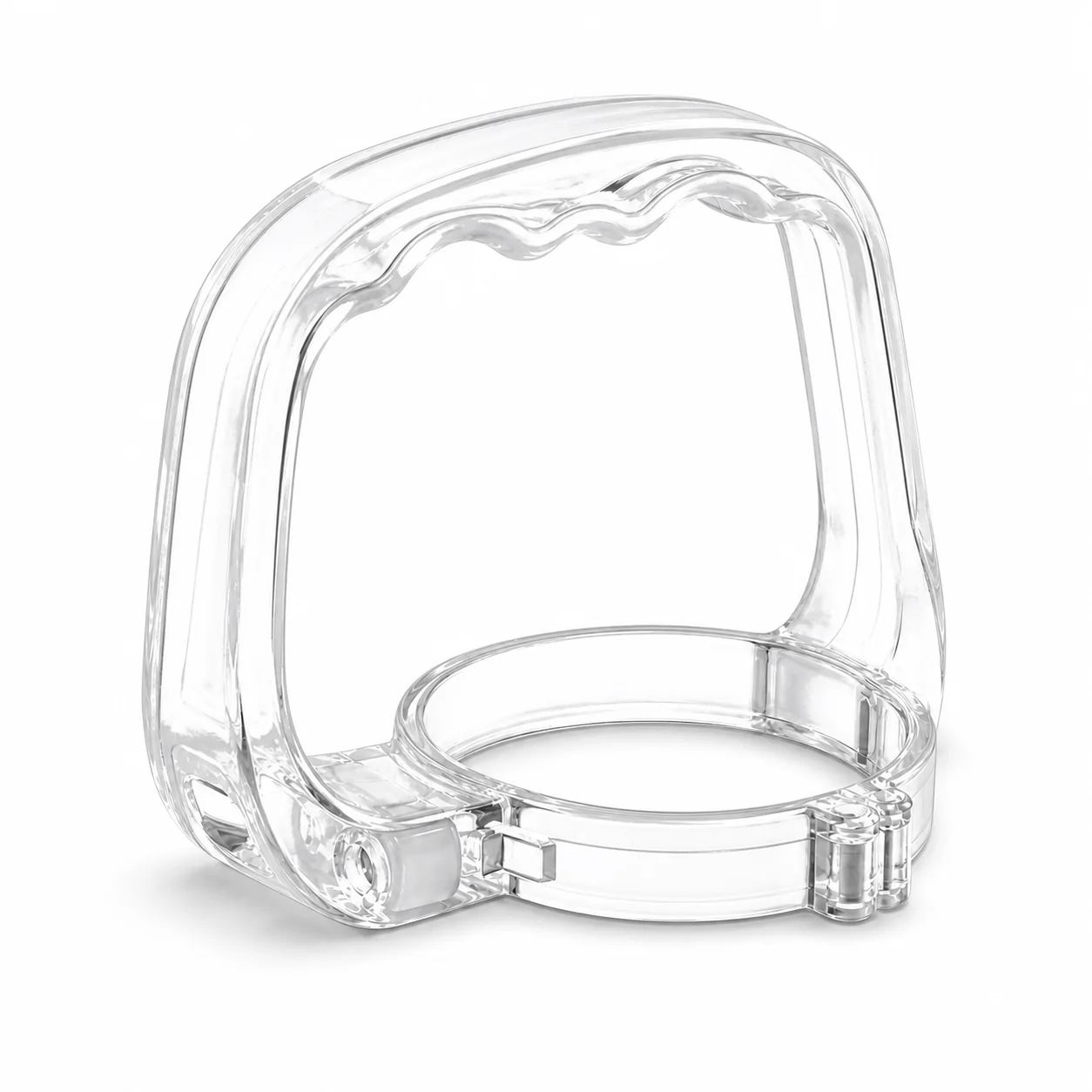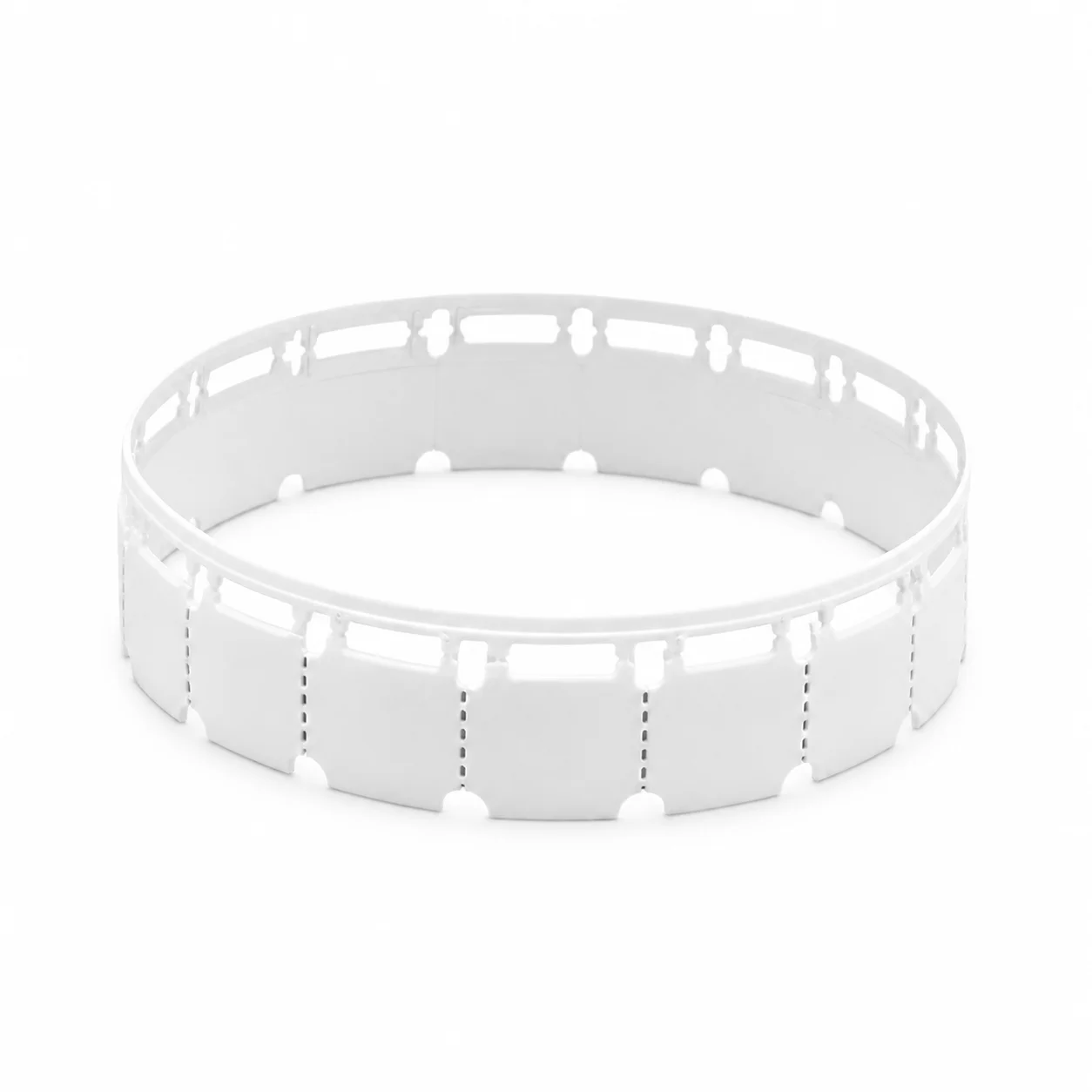
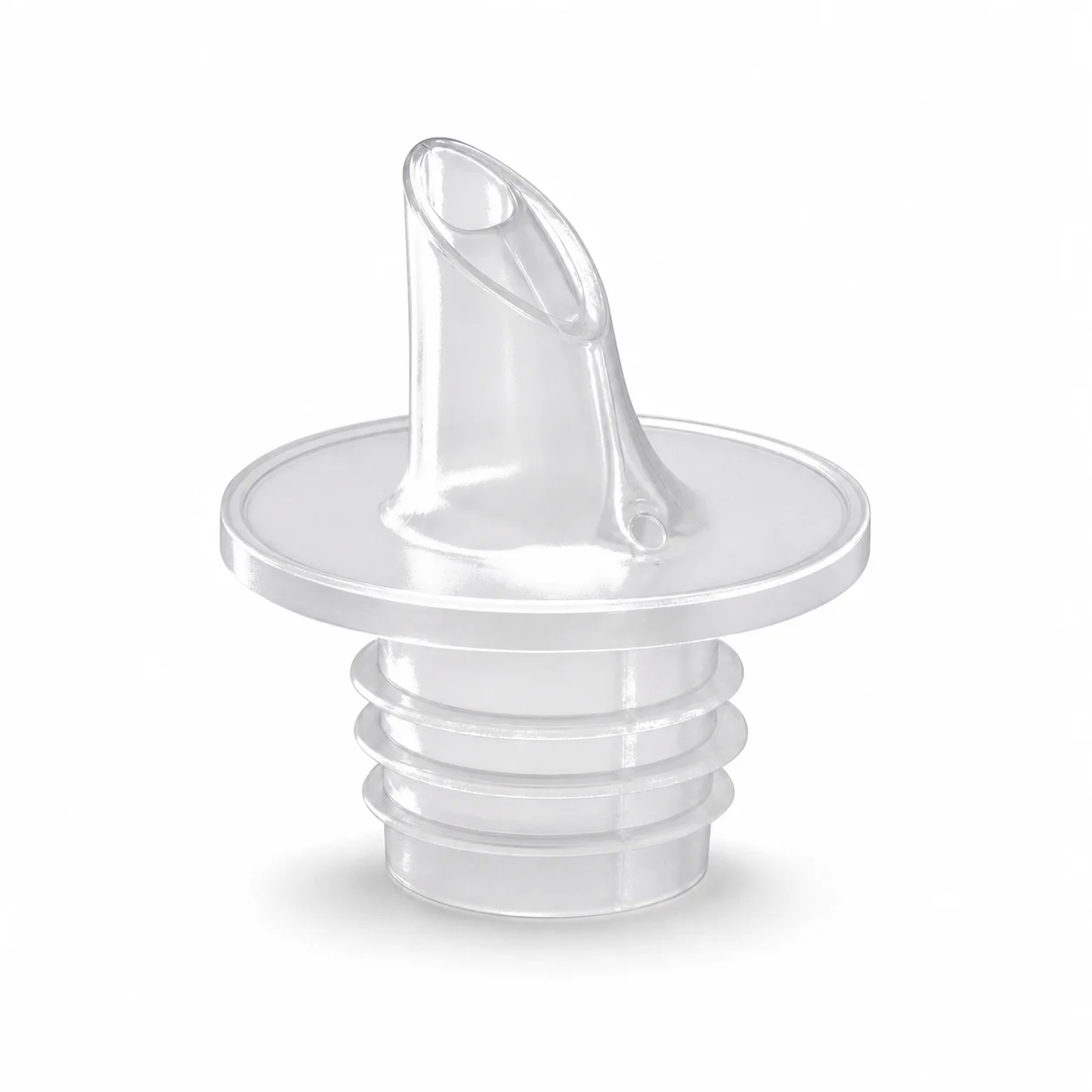
The 31.5 mm finish, venting & the cut-off edge
Why oil bottles use their own finish and their own fitment.
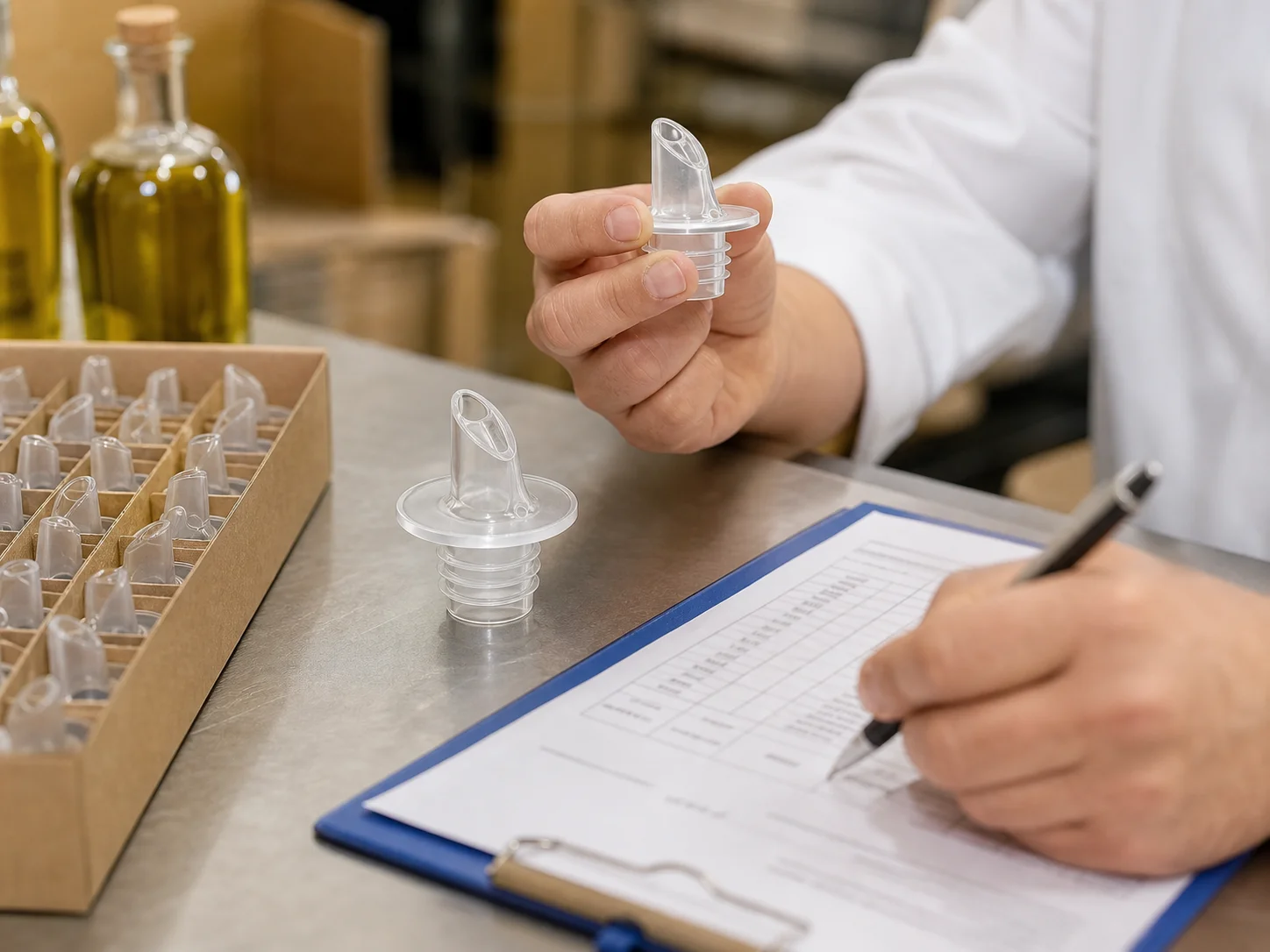
An oil pourer is pressed into the bore of a Marasca or Dorica bottle after filling and stays there for the life of the pack. It has to meter a viscous liquid at kitchen speed, break the stream cleanly when the bottle is righted, and not let the last drop run down a printed label — all with no moving parts and no user adjustment.
31.5 mm is an oil finish, not a rounding
Marasca and Dorica bottles run a 31.5 mm neck across 250, 500, 750 and 1000 mL sizes, which is why one pourer and one cap serve a whole range. That consistency is the reason the format persists in the trade: a producer can change bottle size for a new line without retooling closures, provided the neck genuinely is 31.5 and not a 31.5-ish equivalent from another mold.
The vent is what stops the glugging
Pour from an unvented bottle and the liquid leaving has to be replaced by air fighting its way back up the same opening, which produces the surge-and-pause a cook cannot control. A small secondary hole in the insert lets air in on a separate path, so the stream leaves at a steady rate. It is the single feature that most changes how the bottle behaves in the hand.
Cut-off is geometry, not surface treatment
Oil clings, so the drip that runs down the bottle comes from the stream failing to break cleanly when the bottle is righted. An angled lip with a sharp outer edge separates the flow at a defined point; a rounded or thick edge lets the last of it wrap back onto the shoulder. The difference is fractions of a millimeter in the tool and very visible on a shelf.
Retention comes from the ribs, and the ribs meet glass
The insert is held by two or three circumferential lands compressed into the bore. Glass bore tolerance is wider than the molding tolerance of the insert, so retention is checked across cavities of the bottle rather than on a single sample. An insert that can be pulled out by hand is a tampering and a leakage problem at once.
LDPE for the insert, polypropylene for the cap
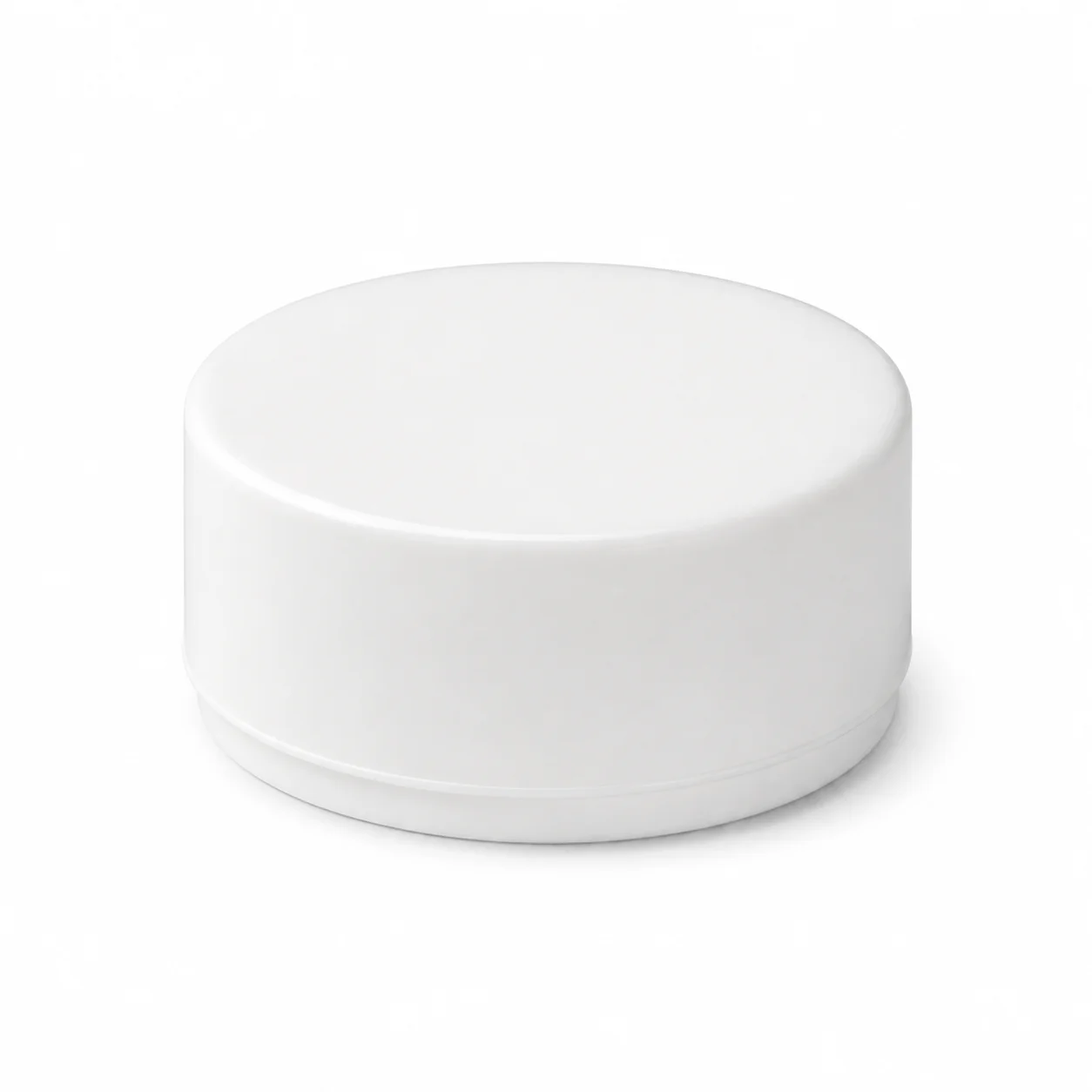
The insert is molded in low-density polyethylene because it has to deform into the bore and stay springy for years in contact with oil. The overcap is stiffer polypropylene, which holds a thread and a crisp edge. Two materials on one closure is not an oversight — asking either to do the other's job produces a fitment that either leaks or will not go in.
Decide early between a plain and a tamper-evident cap
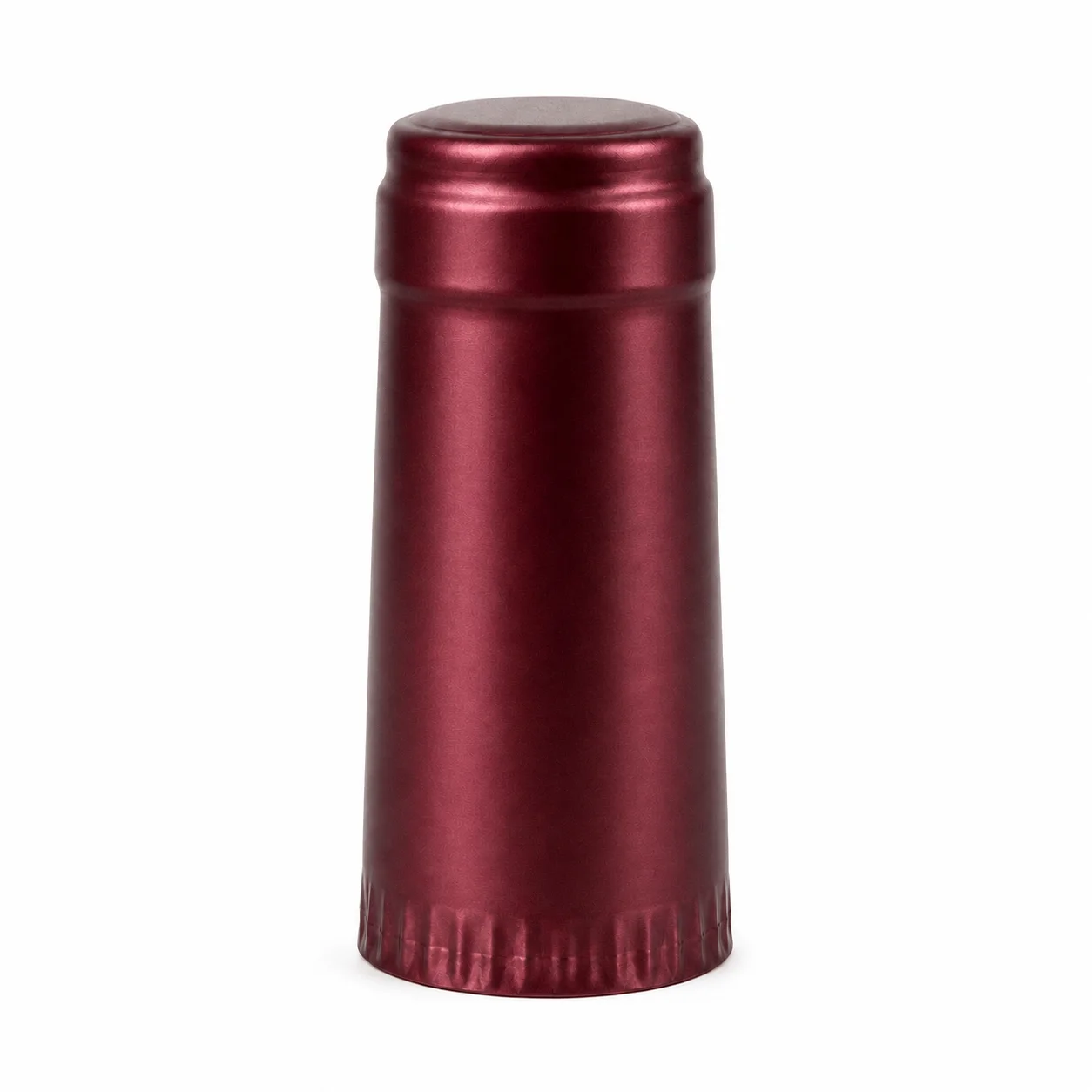
Retail oil is expected to arrive sealed, and the usual answer is a bridged band on the overcap or a shrink capsule over the whole neck. Both change the assembly step and the line, and neither can be added convincingly after the fact. Programs that start plain and add tamper evidence later generally end up changing the cap tooling as well.