Bridges, ratchets & the container bead
Everything that decides whether a band works sits between the cap and the glass.
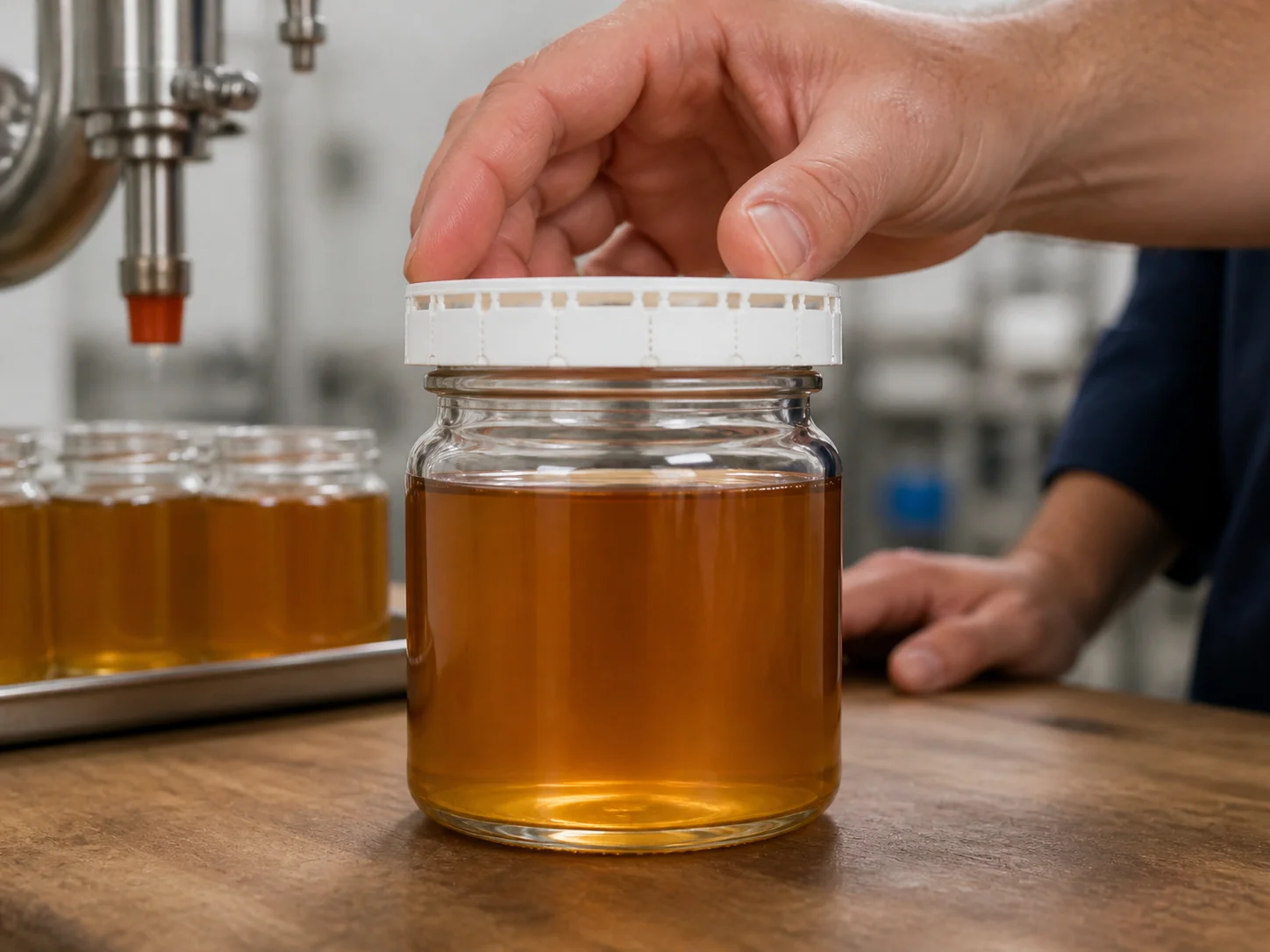
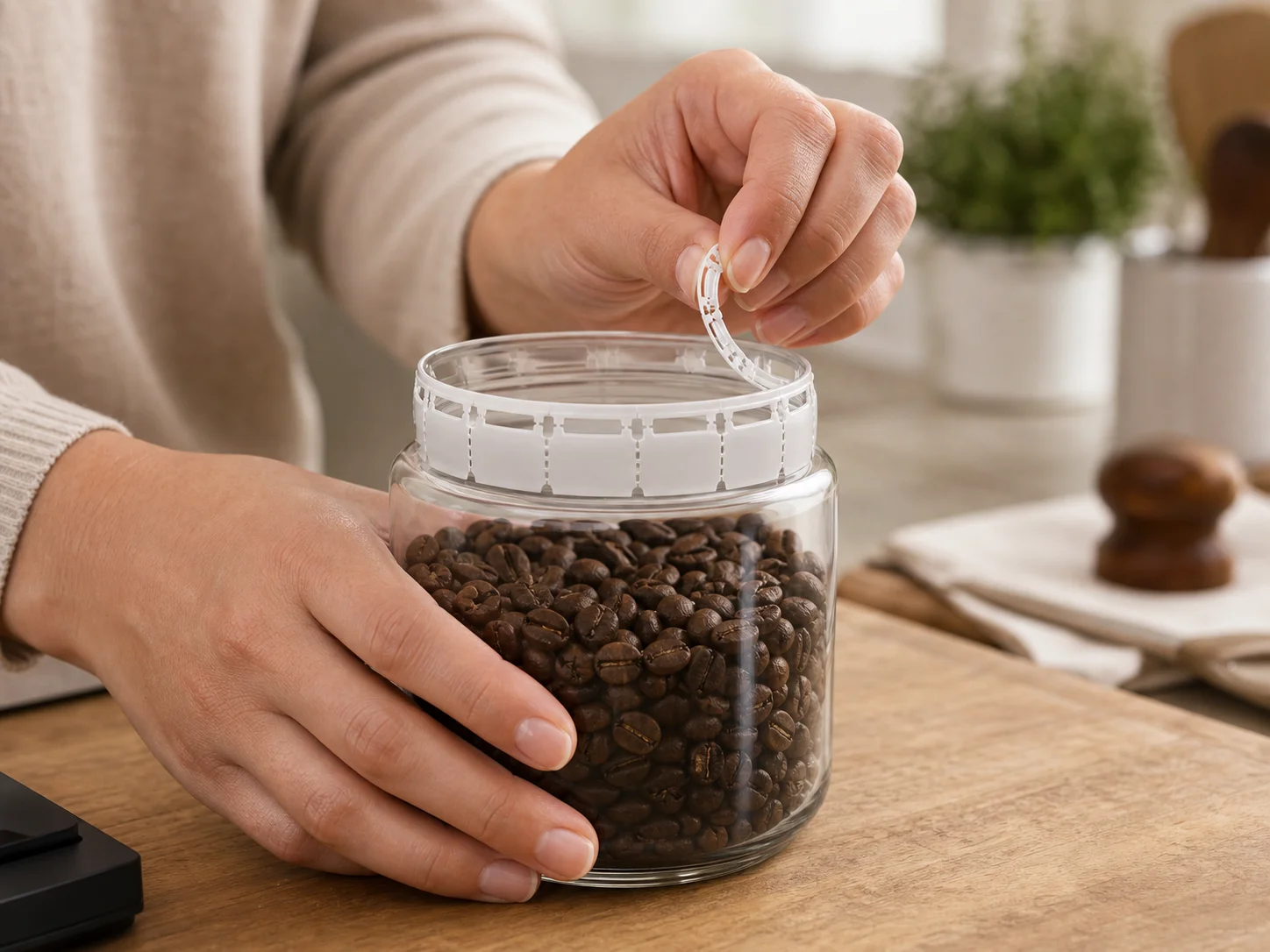
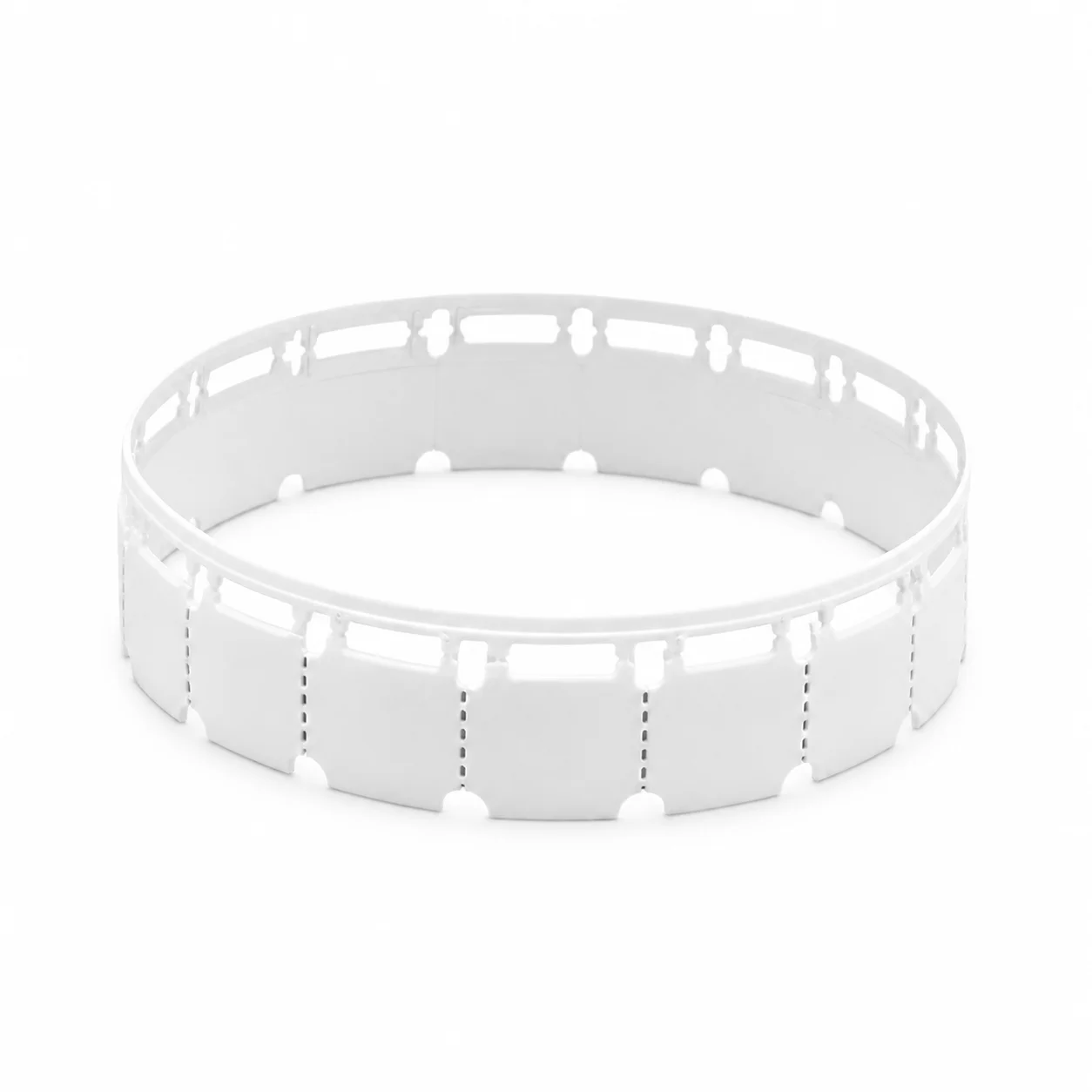
A tamper band hangs below the cap on thin bridges of the same molding. Ratchet teeth inside it engage a bead on the container so that when the cap turns, the band cannot follow, and the bridges tear. The whole design problem is that it must survive capping, transport and a cold warehouse, then fail cleanly under one adult hand.
The container has to carry the other half
A band is useless without something to catch on. The container needs a bead, a lug ring or a set of projections below the thread for the ratchet teeth to bite. Fitting a tamper-evident closure to a bottle that lacks that profile gives a band that turns freely with the cap and never breaks, which is worse than no band at all because it looks like evidence.
Bridge count and section set the opening effort
More bridges, or thicker ones, mean a band that survives rougher handling and a cap that takes more effort to open. Fewer and thinner make opening effortless and risk bands breaking in a carton on a cold morning. The balance is struck for the product's users, and it is a molding change rather than a line adjustment, so it belongs in the tooling discussion.
Cold weather breaks bands nobody touched
Polypropylene stiffens as temperature drops, so bridges that flex during capping at 20 °C snap at 2 °C. A pack that ships through a winter distribution chain can arrive with intact seals reported as broken. Cold-chamber trials on capped, filled units are the check that finds it, and they are worth running before the first winter rather than after.
Decide whether the band drops or stays
Some designs leave the broken band riding loosely on the neck; others release it to fall away. A retained band is tidier on shelf and reassures the customer, but it can jam under the cap on reclosing. A released band is unambiguous and becomes loose litter. Neither is wrong, and choosing deliberately avoids the complaint that the pack feels unfinished.
Application angle matters as much as torque
The band has to pass over the container bead during capping without deforming its teeth, which depends on how squarely the cap is presented and how fast the head runs. A head that pushes the cap on at an angle strips teeth on one side, so the band survives opening on that side and the tamper evidence becomes partial. It is found by opening capped samples, not by torque readings.
Match evidence to the risk you actually carry
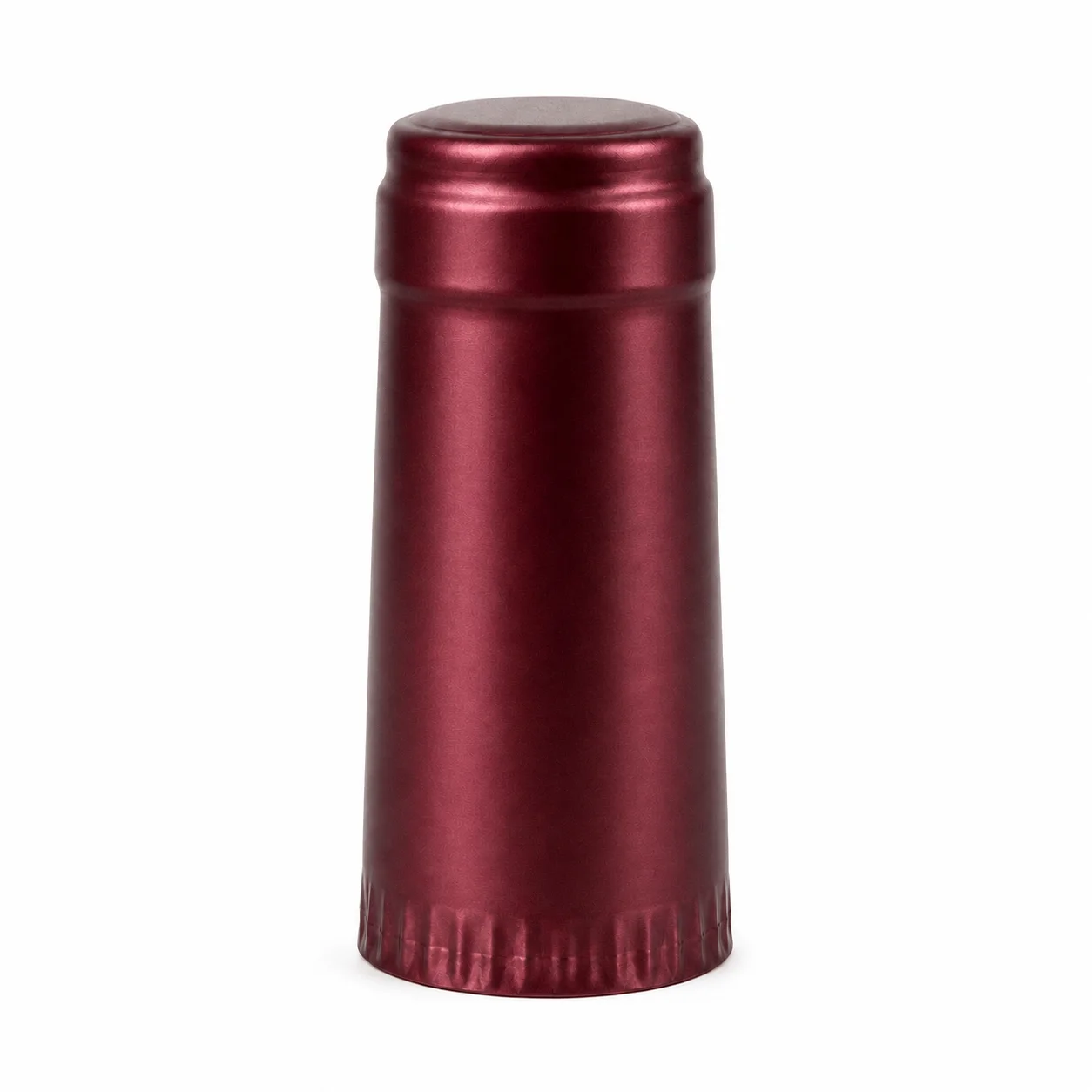
A bridged band shows a package was opened. It does not resist a determined attempt, and it does not replace an inner seal where product contamination is the concern. Packs that need a barrier as well as evidence usually pair a band with an induction membrane, each doing a different job. Specifying both consciously is cheaper than discovering the gap later.