Interference fit, resin choice & where snap fits stop
Why the same cap can be perfect on one glass lot and loose on the next.
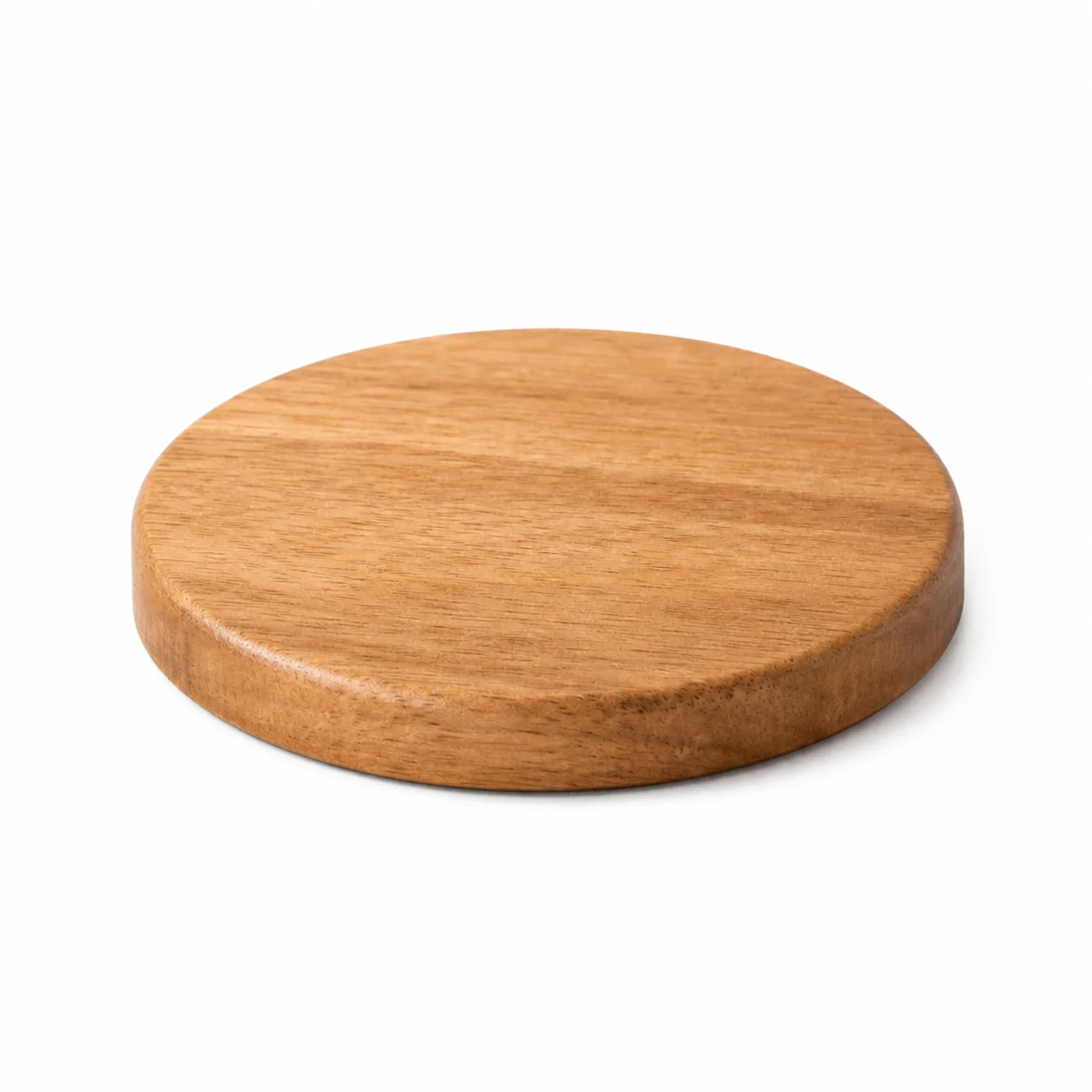
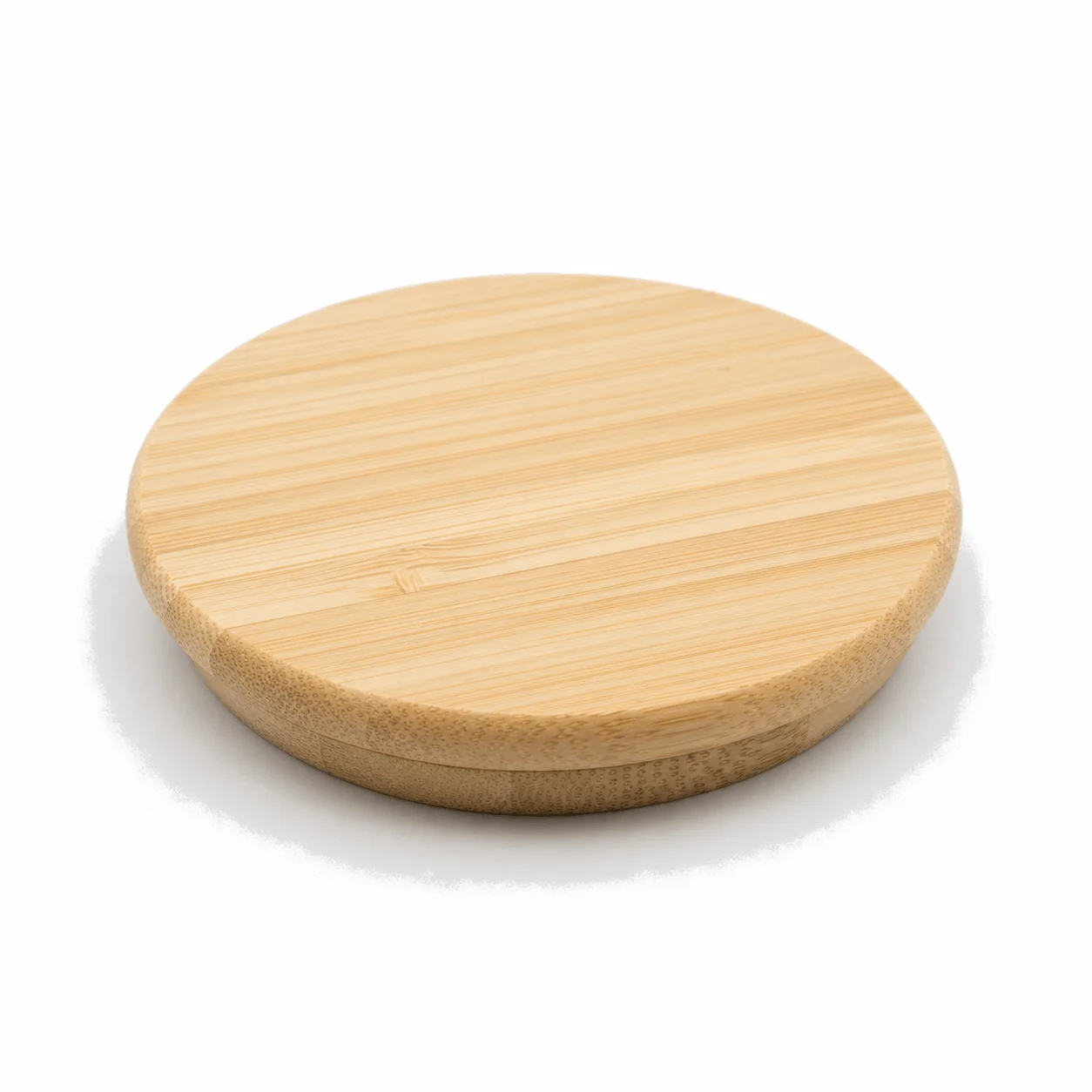
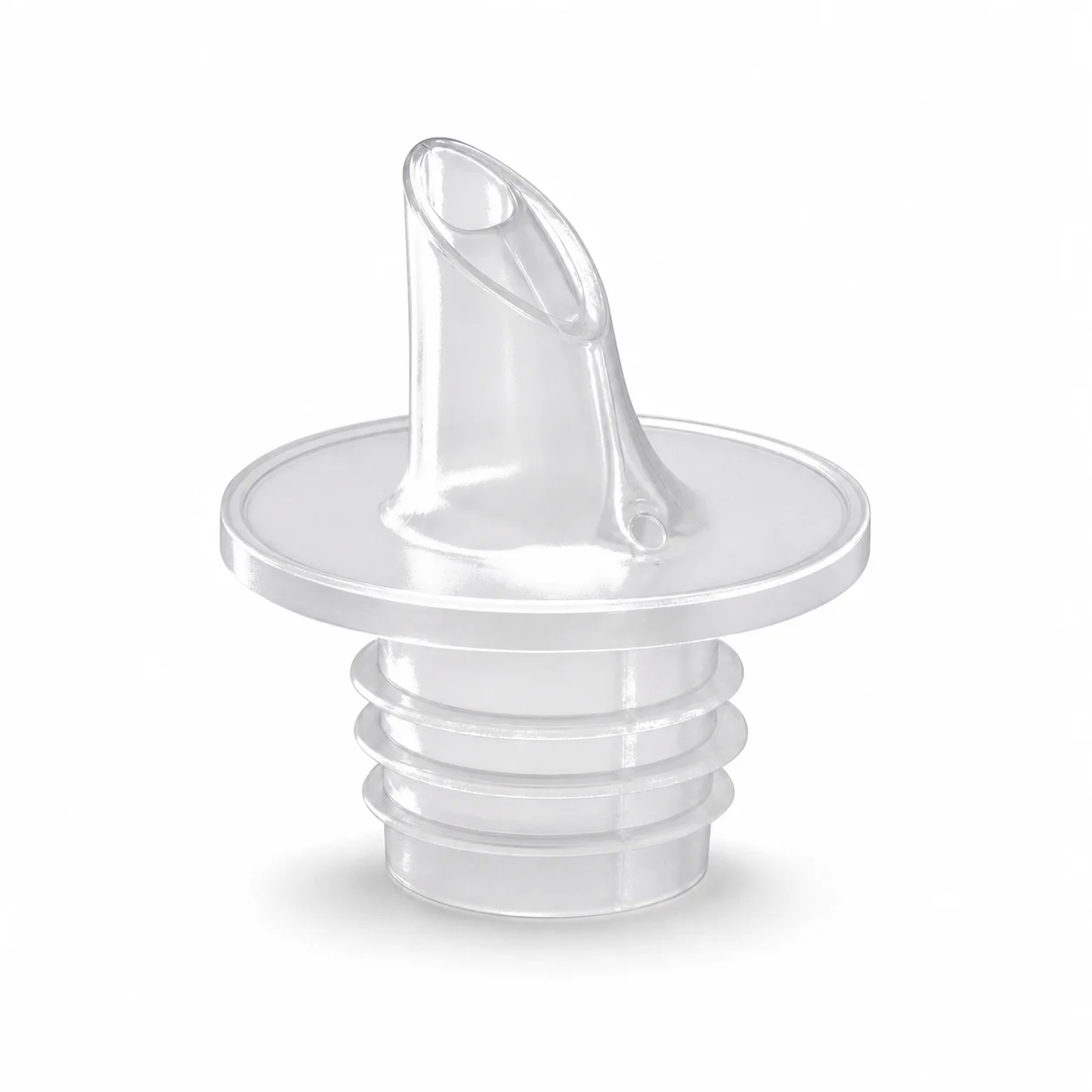
A snap cap has no thread. It holds by an interference fit between a molded plug or lip and the bore of the container, which means the tolerance stack of the glass — not the torque of a capper — decides whether it stays on. That makes it fast, cheap and reclosable, and unforgiving of a bore that drifts across a mold set.
Fit is an interference, and interference has a range
The cap is molded slightly larger than the bore it enters, and the difference between the two is what holds it. Glass bore tolerance is wider than injection-molding tolerance, so the practical fit spans from a cap that needs a firm push to one that lifts on a warm day. Sampling across several cavities of the container, rather than one, is what shows the true range.
Choose the resin for how the cap has to behave
Low-density polyethylene is soft enough to deform into the bore and spring back, which is why it dominates snap caps. Polypropylene is stiffer, holds a crisper flange and takes more heat, but it needs looser interference or it splits at the skirt. The choice tends to follow whether the cap will be pushed on once or opened and refitted daily.
Dual-position caps do two jobs on one part
Laboratory snap caps are commonly molded so they can rest in a vented position for aerobic storage and press down to a sealed position when the sample has to be closed. The step that creates that behavior is a second internal land a few millimeters below the first, and a technician feels the difference through the thumb rather than reading it.
Accept that a snap cap is not a shipping seal
Interference alone will not survive a warm van, a pressure change or a bottle laid on its side with a mobile liquid inside. Packs that travel with a snap cap normally carry something else underneath — an induction membrane, a plug or a heat-seal foil — with the snap cap doing the reclosing. Treating it as the primary seal is the most common way these programs go wrong.
The skirt height decides how it feels to open
A tall skirt gives more contact and more retention but demands a stronger pull, and on a small vial there is nowhere for the fingers to go. A shallow one lifts easily and drifts loose in a drawer. Because there is no thread to modulate that feel, removal force is designed almost entirely through skirt height and the profile of the retaining bead.
Line speed is where a snap cap wins
Applying a snap cap needs only linear force from a plunger head, with no chuck to grip, no rotation and no torque to set or audit. On a line running small vials that removes a whole class of adjustment and downtime. What replaces it is dimensional discipline on incoming glass, since the plunger cannot compensate for a bore at the wrong end of tolerance.