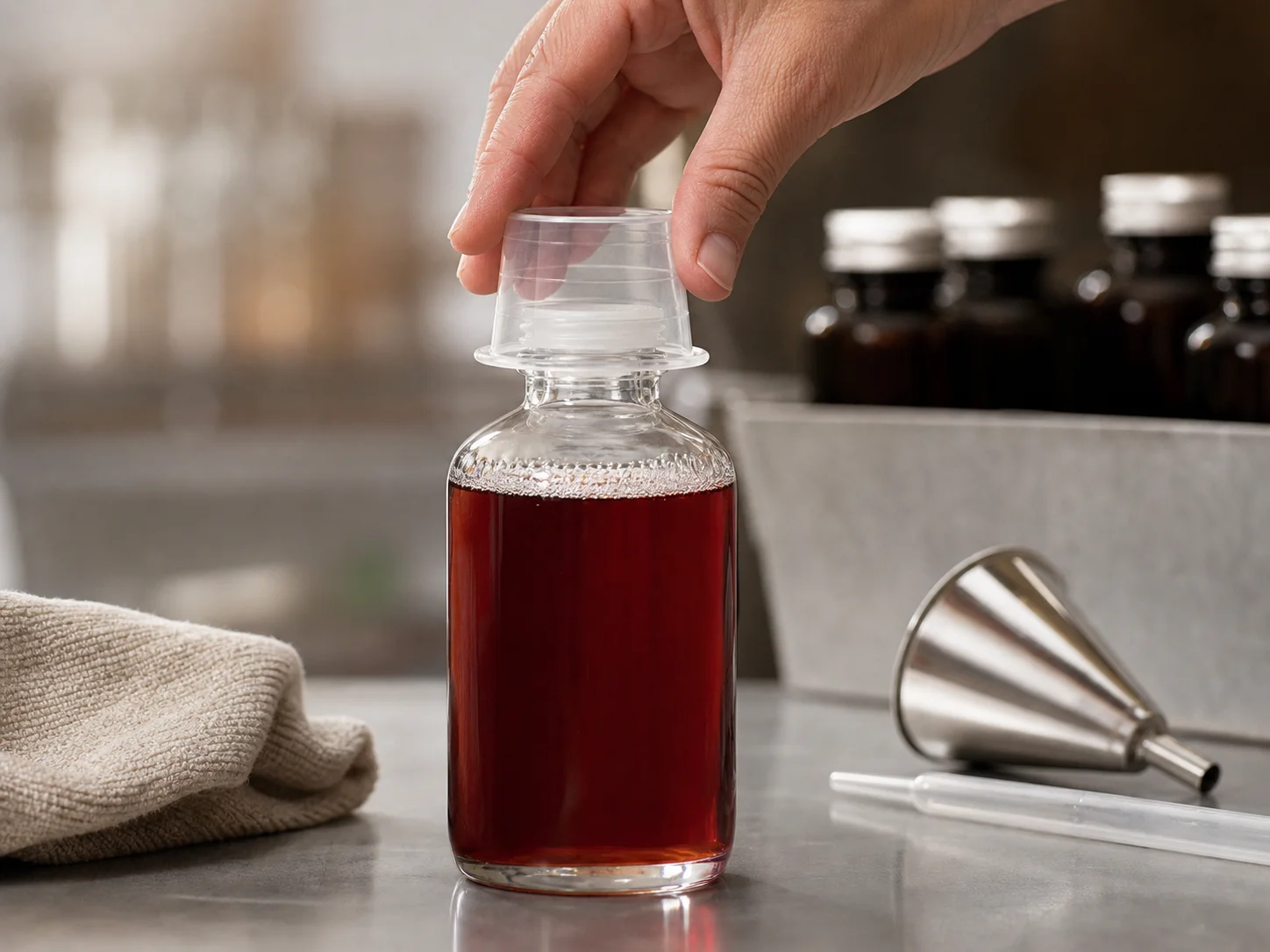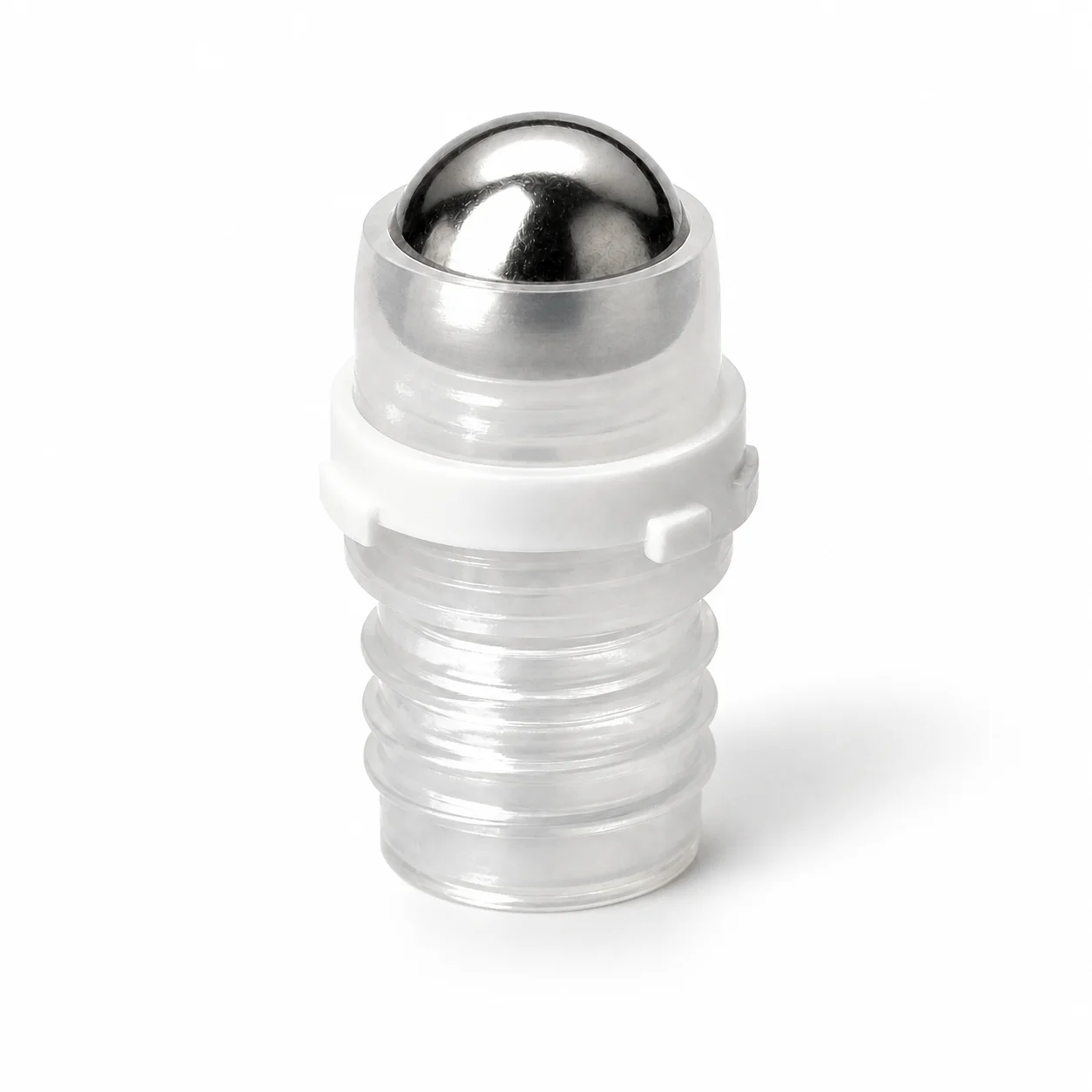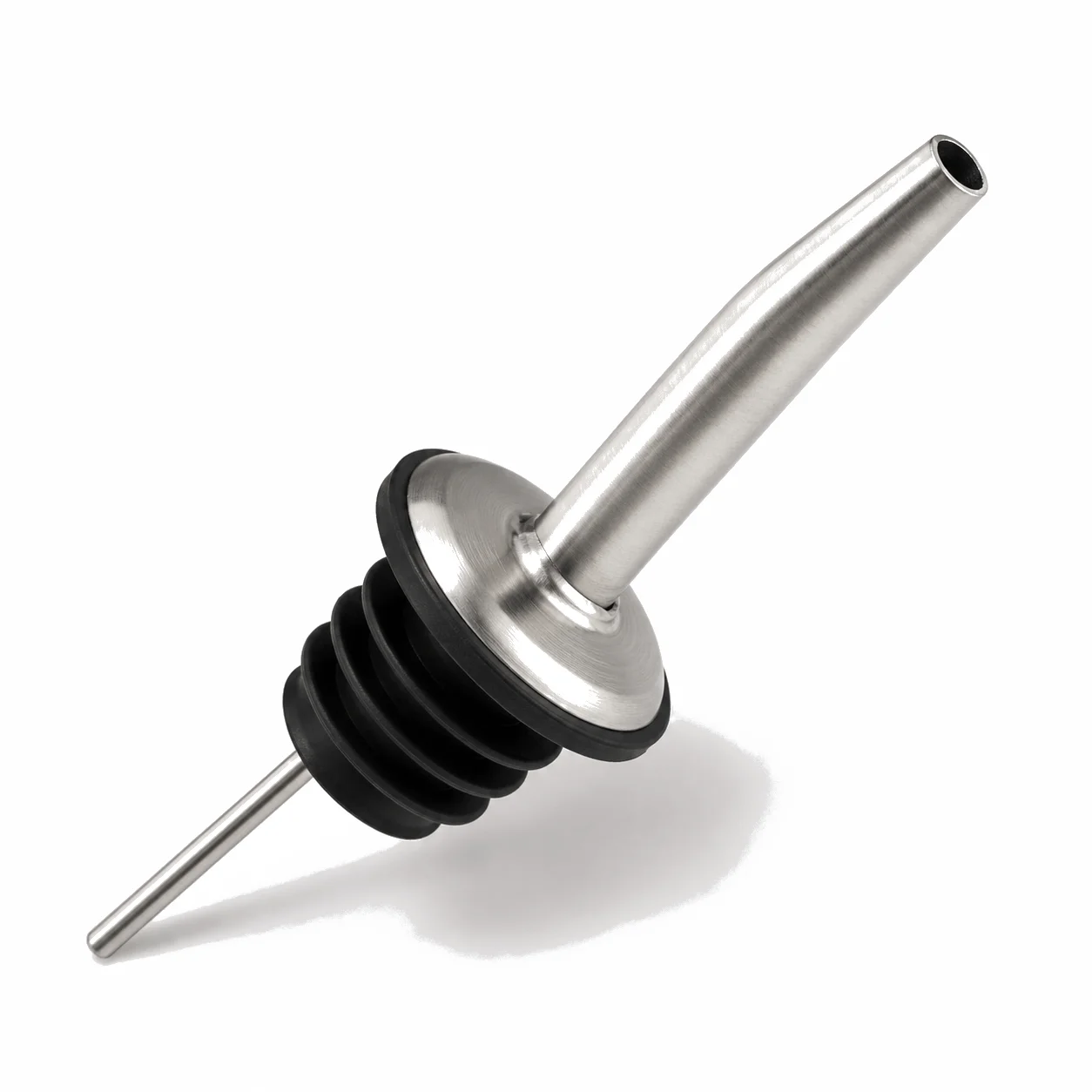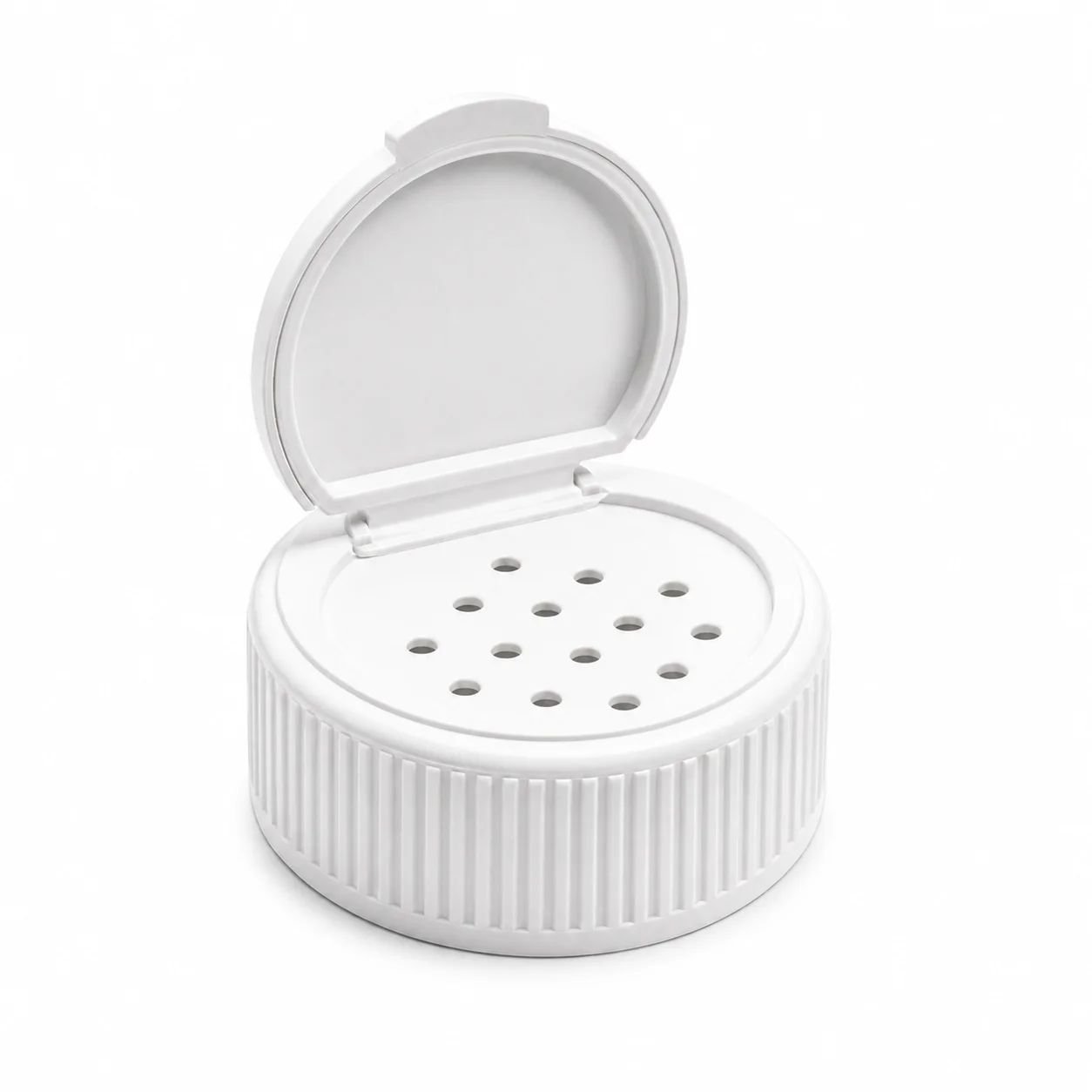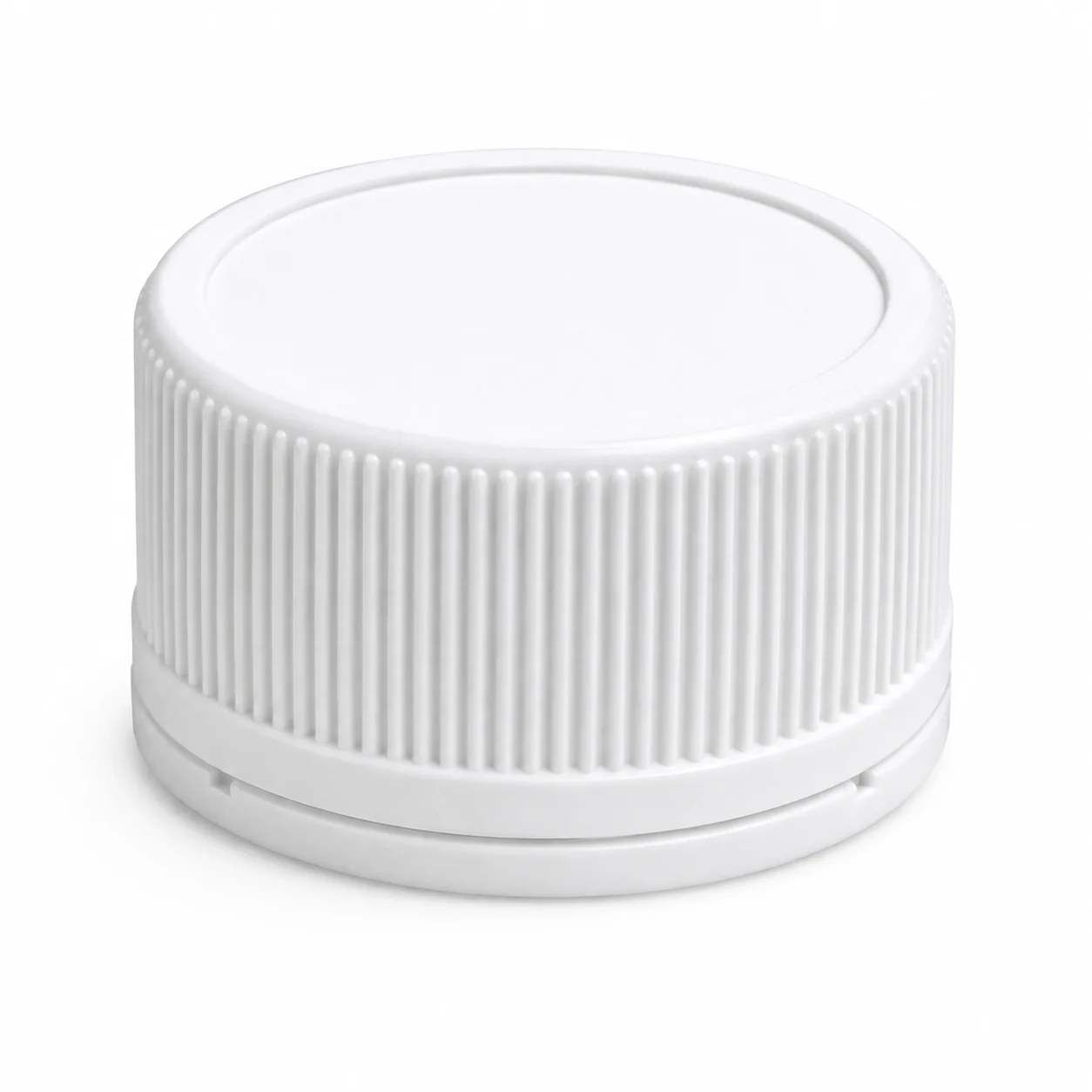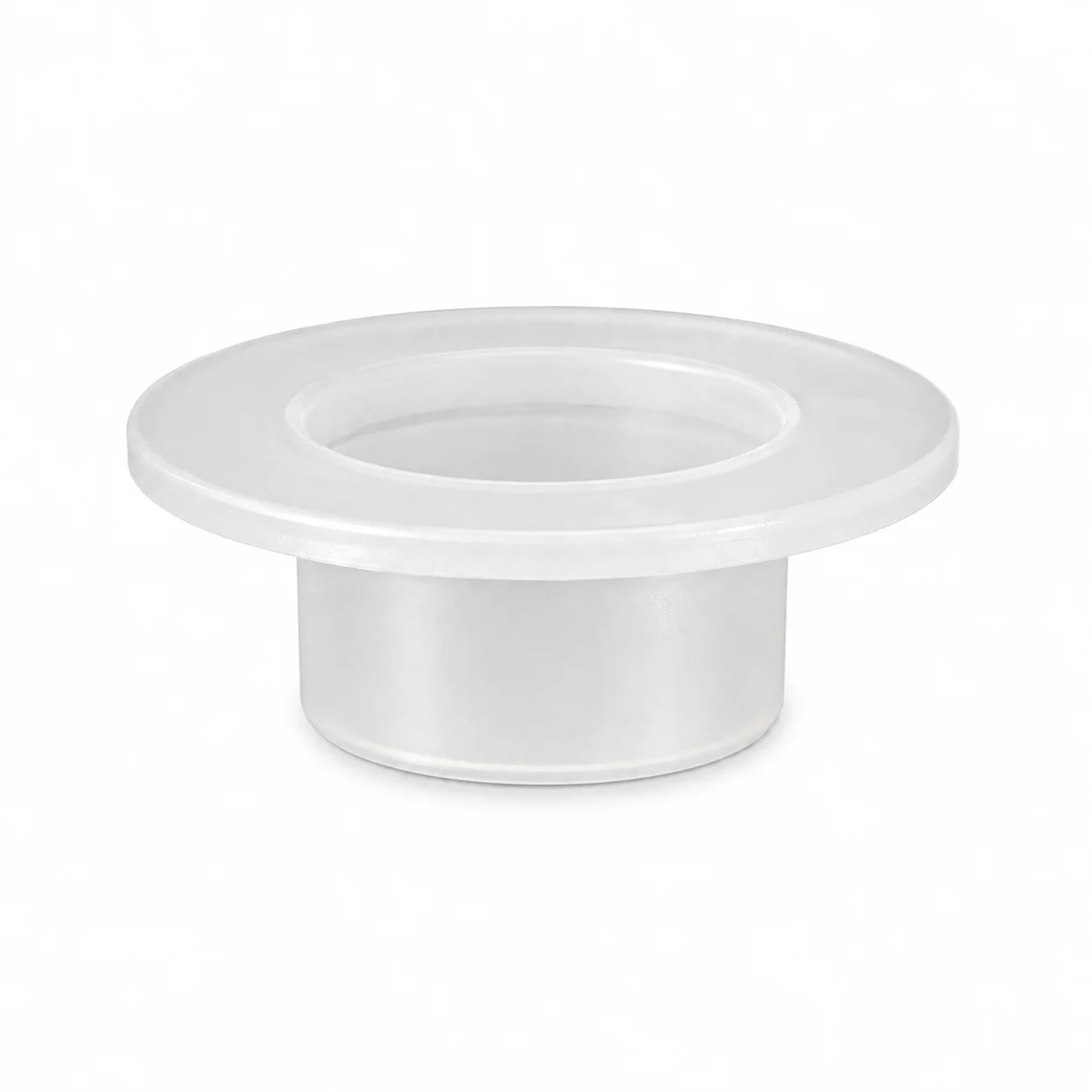
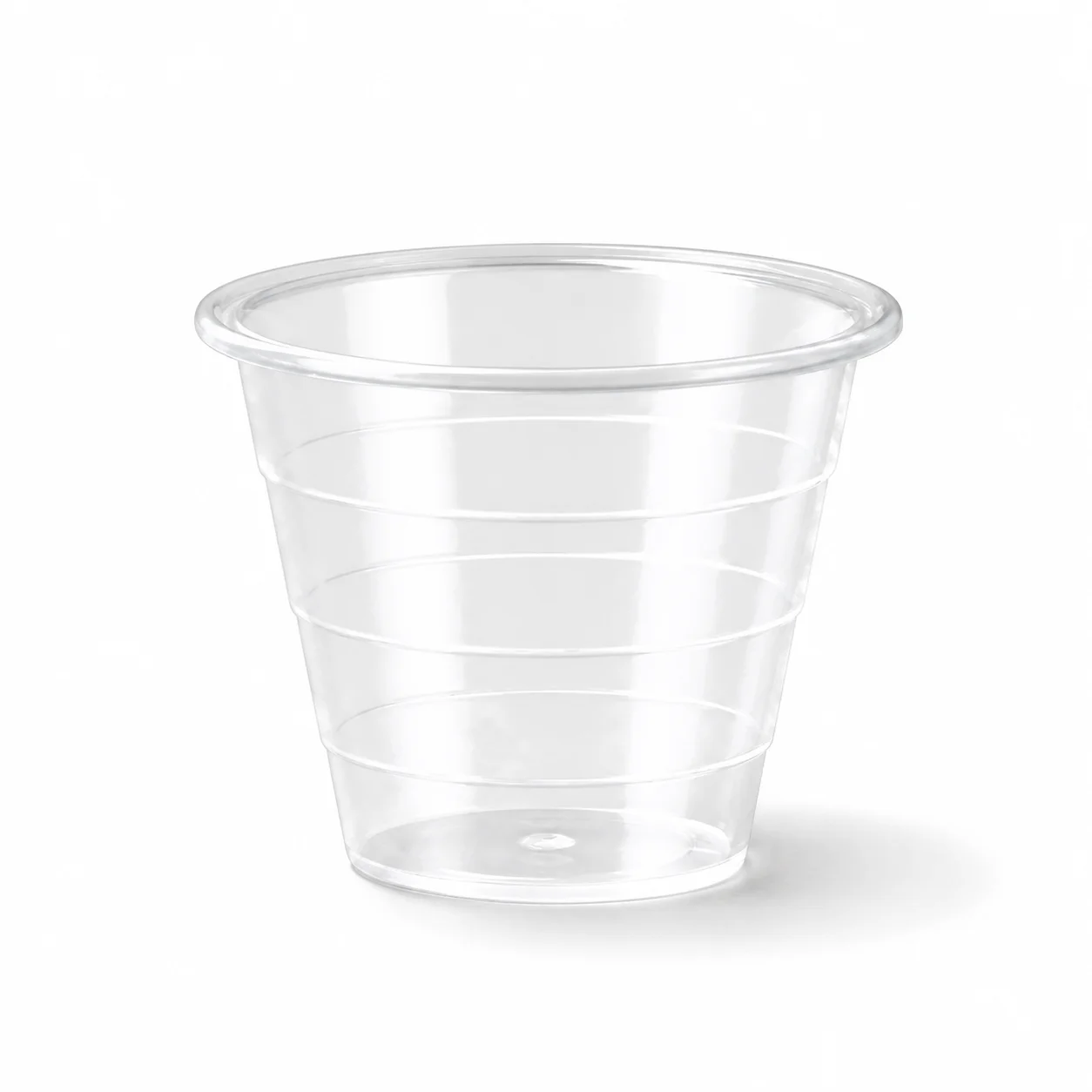
Clear tapered measuring cup with a rolled rim and molded horizontal graduation ribs, shown empty and upright
Shown configuration · cup alone / bottle, closure beneath and printed scale not shown

Dosing & measuring devices

Measuring Cap

A graduated polypropylene dosing cup that inverts over the closure, molded with raised or printed increments up to 30 mL for syrups, concentrates and detergents.

30 mL reference cupMolded or printed graduationsSeats over 28 mm and 38 mm necks
Stock status
In stock
Lead time
2–3 weeks
FOB price / pc
$0.55 - $0.90
MOQ
3,000 pcs

Final availability, dimensions, materials, assembled components and commercial terms are confirmed against the selected drawing and approved sample.

Read at the meniscus

Tapered wall keeps small doses legible

Two ways to mark

Molded ribs for durability, print for contrast

Regulated when it doses medicine

FDA guidance governs OTC dosing devices

Measuring Cap profile

A cup that measures wrongly is worse than no cup at all.

Graduation methods, taper geometry & dosing regulation

What separates a measuring cup from a plastic cup with lines on it.

A dosing cup is the cheapest part of a pack and the one the customer trusts most. It is molded from clear polypropylene, tapered so a small dose still reads across a wide band of wall, and marked either with ribs formed in the tool or with print applied afterwards. Which of those two you choose changes the entire quality conversation.

01

Taper is what makes a small dose readable

In a straight-sided cup, 5 mL occupies a thin band near the base where the eye cannot resolve it. Tapering the wall spreads that same volume over more height, so the low graduations sit further apart and the customer reads them at a glance. The trade is at the top of the range, where the marks crowd together — which is why cup taper follows the dose range rather than the bottle.

02

Molded ribs and printed scales fail differently

Ribs formed in the tool cannot rub off, survive dishwashers and cost nothing per unit, but they read as faint shadows on a clear cup held over a sink. Printed graduations give real contrast and can carry text, and they wear away with use and with the solvents in some concentrates. Programs that need both usually print onto a molded step so a worn scale still leaves a physical mark.

03

Volume tolerance lives in the tool, not the line

A cup's accuracy is fixed the day the cavity is cut: wall draft, base radius and the height of each rib decide how much liquid sits below a given mark. There is no way to adjust it later at filling. That makes first-article measurement — filling cups from a calibrated syringe and reading the delivered volume back — the decisive test, and it is worth repeating per cavity rather than per lot.

04

Medicine dosing is a regulated conversation

The FDA's 2011 guidance on dosage delivery devices for orally ingested OTC liquid products recommends that a device be marked in the same units used in the dosing directions, that abbreviations match those on the carton and bottle, and that it carry no extraneous markings. A cup showing teaspoons alongside milliliters when the label doses in milliliters is exactly what the guidance was written about.

05

Fit the cup to the closure, not to the neck

The cup usually inverts over a screw cap or a child-resistant closure rather than touching the finish itself, so its inside diameter is dimensioned against the cap's outside profile with enough interference to stay on in a carton and little enough to come off in one hand. Change the closure supplier and the cup fit changes with it, even when the neck size is unchanged.

06

Match the resin to what will sit in the cup

Polypropylene handles hot fill, dishwashing and most aqueous formulas, and stays clear enough to read a meniscus. Where a concentrate contains aggressive solvents or strong surfactants, a cup that clouds, crazes or takes on odor after a few uses is a product-contact problem rather than a cosmetic one, so compatibility gets tested on the cup as much as on the bottle.
Application guide

A cap that doubles as the dose the customer takes.

When the closure is also the measure, its internal volume and its markings become part of the product's dosing instructions rather than packaging details. These are development directions confirmed with the actual product.

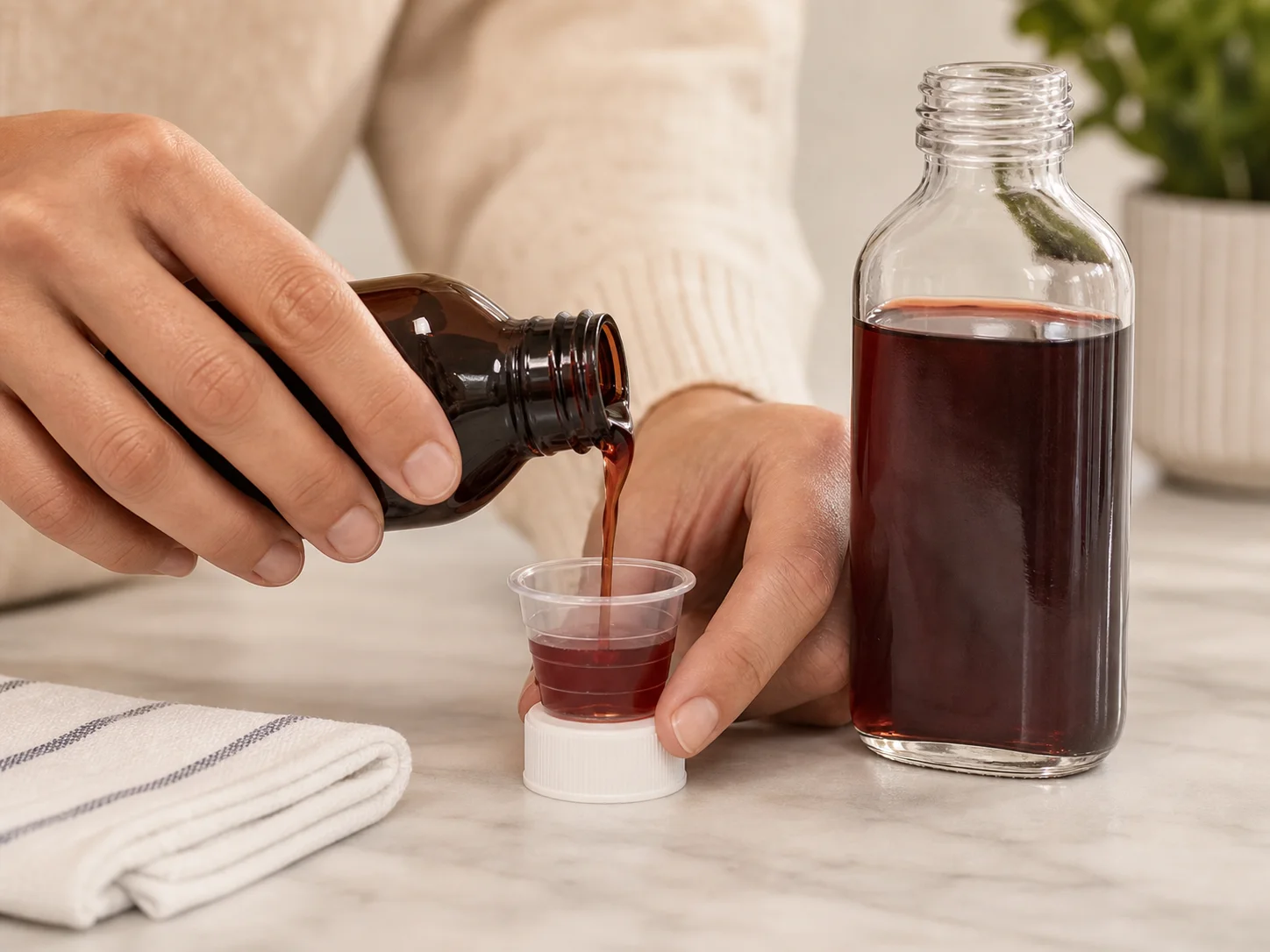
Measuring Cap used for doses poured into the cap itself in a liquid medicines setting

Liquid medicines

Doses poured into the cap itself

For syrups and liquid supplements where the customer unscrews the cap, fills it to a line and drinks. The graduation has to be readable while the cup is being filled, not just when held up to a window, and the volume at that line has to be what the label says it is.

  • Confirm the volume at each graduation
  • Test readability while pouring
  • Check markings survive washing
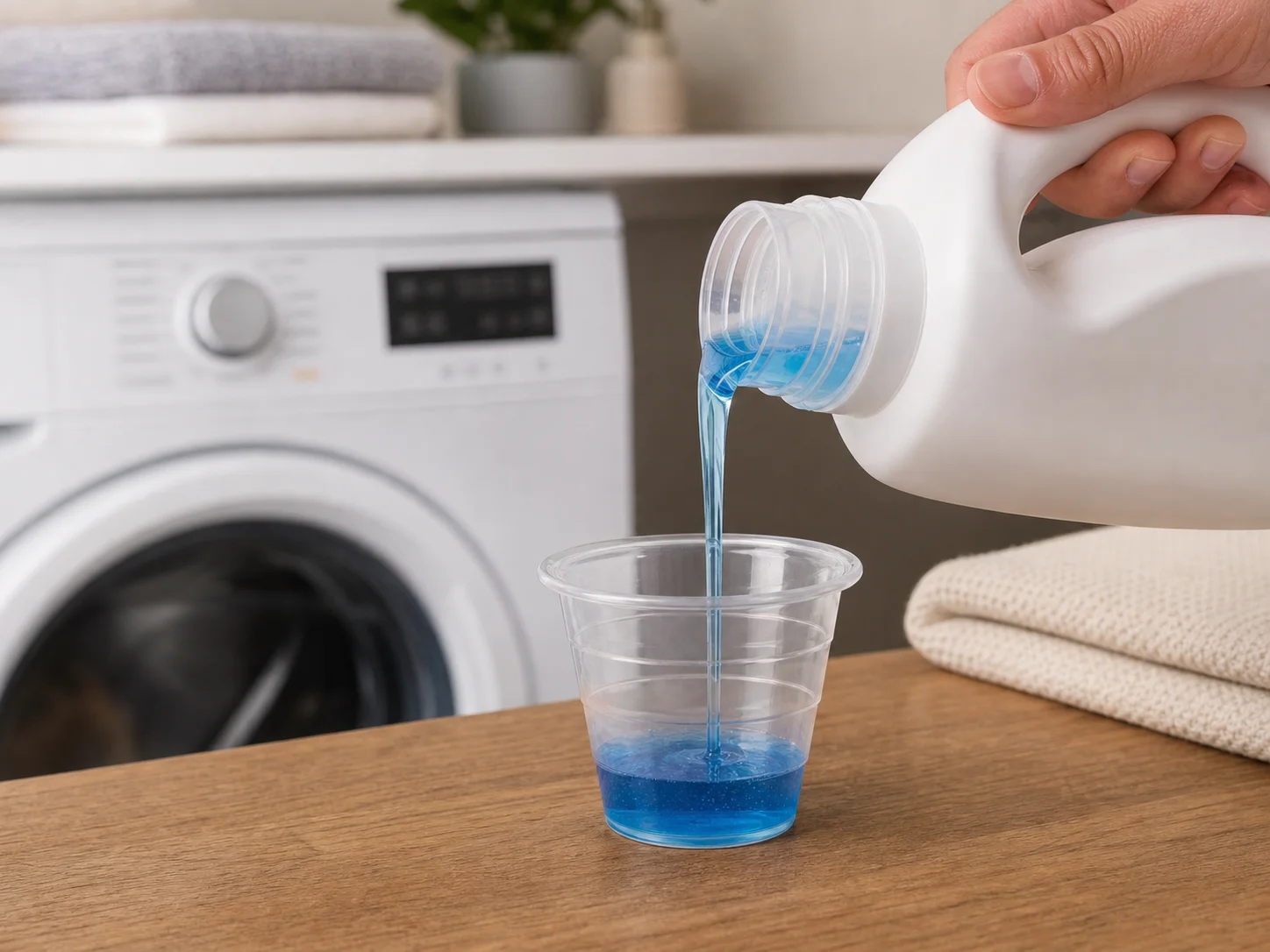
Measuring Cap used for detergent and cleaner dosing cups in a household products setting

Household products

Detergent and cleaner dosing cups

For concentrated products measured into a machine or a bucket, where over-dosing wastes product and under-dosing gives poor results. A clear cup lets the customer see the level against the line, and residue that dries in the cup between uses affects both accuracy and appearance.

  • Confirm the level reads clearly
  • Test residue after repeated use
  • Size the cup to the recommended dose
Measuring Cap used for a closure that must still seal in a dual duty setting

Dual duty

A closure that must still seal

Whatever else it does, this component is the container's closure and has to hold the product securely through transport and repeated reuse. Doubling as a cup means it is handled, washed and knocked far more than an ordinary cap.

  • Confirm it seals as a closure
  • Test after repeated handling
  • Check the rim survives washing

Applications describe package-development directions. Volume, dose, repeatability, closure performance and regulatory outcomes are confirmed for the selected program.

Common questions

Measuring Cap questions

Six questions worth settling before a dosing cup is tooled.

Molded graduations or printed ones?

Molded ribs cannot rub off, survive dishwashing and add nothing to the unit cost, but on a clear cup they read as faint shadows under kitchen light. Printed scales give genuine contrast and can carry words, and they abrade with use and with solvent-bearing concentrates. Where both matter, printing onto a molded step keeps a physical mark once the ink has worn.

Why is the cup tapered instead of straight-sided?

Because a small dose in a straight cup occupies a thin band the eye cannot resolve. Tapering spreads the same volume over more wall height, so the low graduations sit further apart and read at arm's length. The cost is at the top of the scale, where marks crowd together, which is why the taper is designed around the dose range rather than the bottle it sits on.

Are there rules about how the cup is marked?

For orally ingested OTC liquid drug products, the FDA's 2011 guidance recommends the device be marked in the same units as the labeled dosing directions, that any abbreviation match the one on the carton and bottle, and that extraneous markings be left off. A cup carrying teaspoons next to milliliters while the label doses in milliliters is precisely the mismatch that guidance addresses.

Will the cup fit any 28 mm bottle?

The cup grips the closure, not the neck, so what matters is the outside profile of the cap it inverts over. Two 28 mm closures from different suppliers can differ enough in skirt diameter and rib depth to change the cup from tight to loose. When the closure changes, re-check cup retention in a shipped carton before assuming the fit carried over.

Does the resin choice matter for what sits in the cup?

It does, because the cup holds product between doses. A syrup or an alcoholic solution left in a cup can craze or stress-crack the wrong resin, so the material is chosen against the formulation rather than against the cap it seats on.

Next step

Send us the Measuring Cap brief.

Tell us the product, fill volume, closure preference and destination market. We will come back with the matching drawings, available configurations and a sample plan before anything is quoted.

  • 01Send the briefProduct, volume, closure and market
  • 02Get the optionsMatching drawings and configurations
  • 03Approve the sampleConfirm the pack before production