Assembly fit, bulb aging & the customer's dosing ritual
Six things that decide how a dropper serum feels to use.
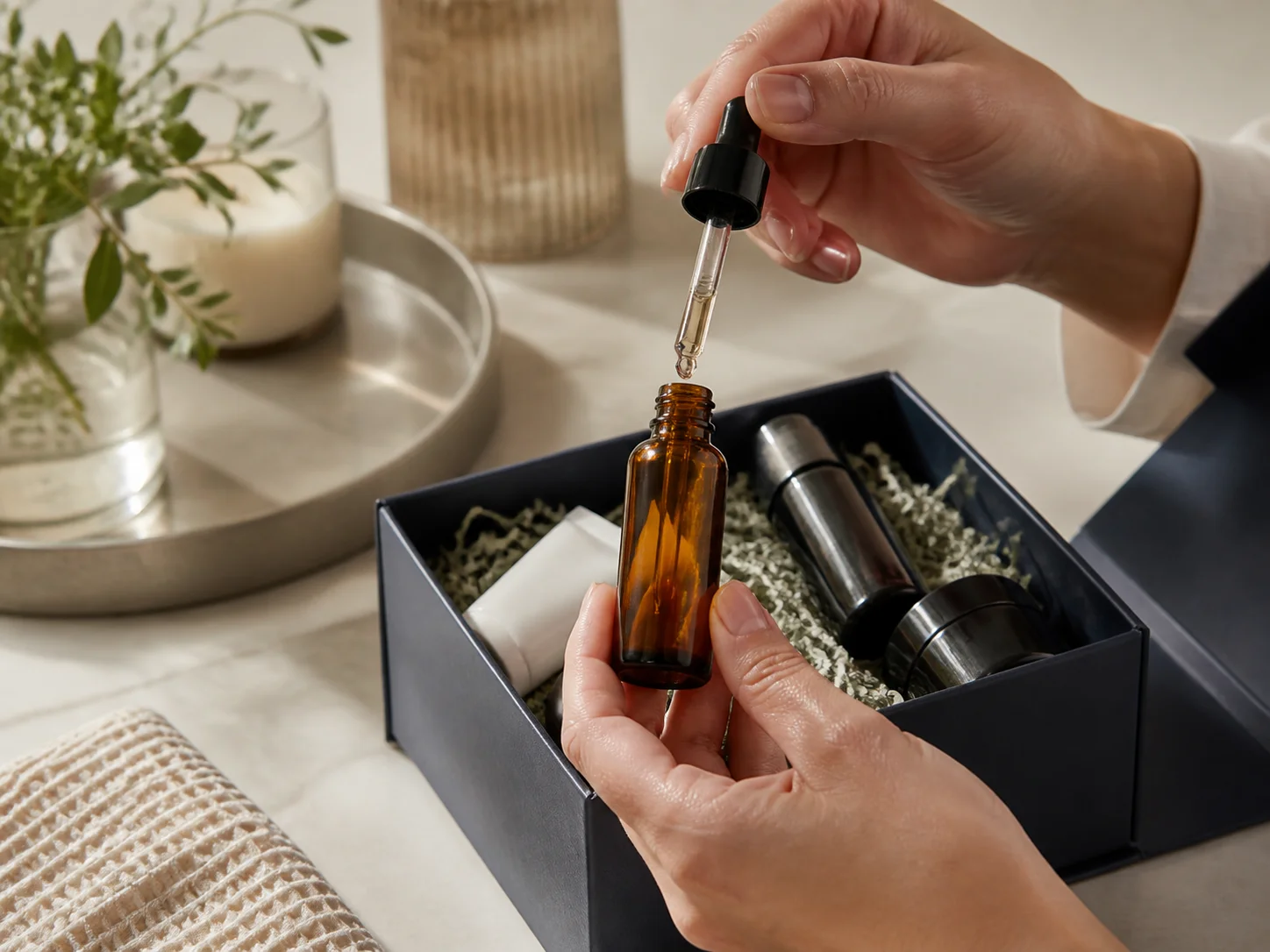
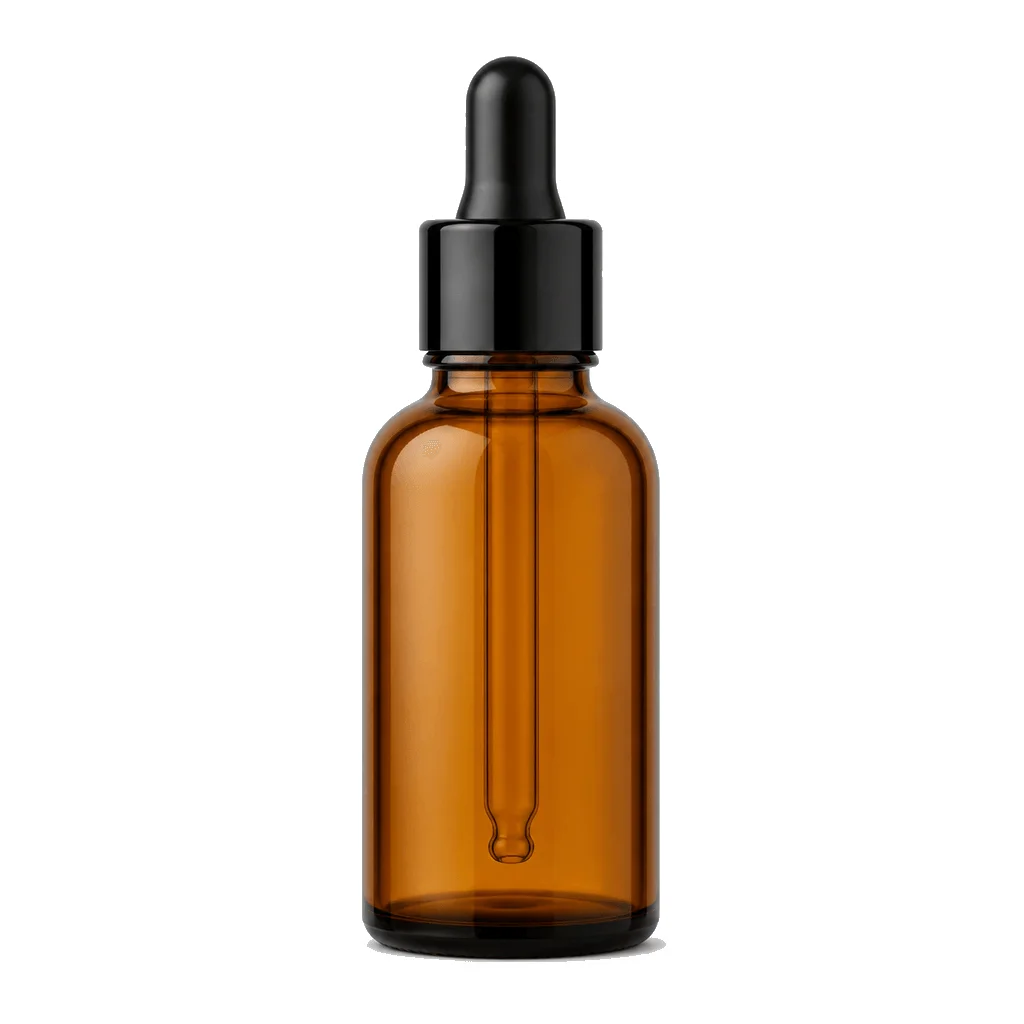
A dropper serum bottle is a small amber or flint bottle with a pipette and bulb assembly that is never removed for cleaning. The pipette sits in the serum, the bulb ages against whatever the formula gives off, and the customer judges the product partly on how much comes up when they squeeze. All three are packaging decisions.
Pipette length is measured, not assumed
The tube is cut to the internal height of the specific bottle. A few millimeters short and the last of an expensive serum cannot be drawn; a few long and the pipette bottoms out, the bulb cannot decompress fully and the draw shortens. Neither is visible from outside, and both generate complaints that read as a faulty dropper.
The bulb is the component that ages, and it changes the dose
Elastomers take a compression set over months, so the volume drawn falls while the pack looks new. Natural rubber also softens against alcohol and essential oils. Choosing the bulb material against the formula, and measuring draw volume on stored units rather than fresh ones, is what catches the problem before customers do.
A metal-shelled collar is appearance with consequences
An aluminum shell over the collar delivers the weight and finish the category expects, and it puts a second material near the thread and the product. Anodized shells hold color under daily handling far better than sprayed ones, and the shell has to be specified alongside the liner rather than treated as decoration on top of it.
The dosing ritual is part of what is being sold
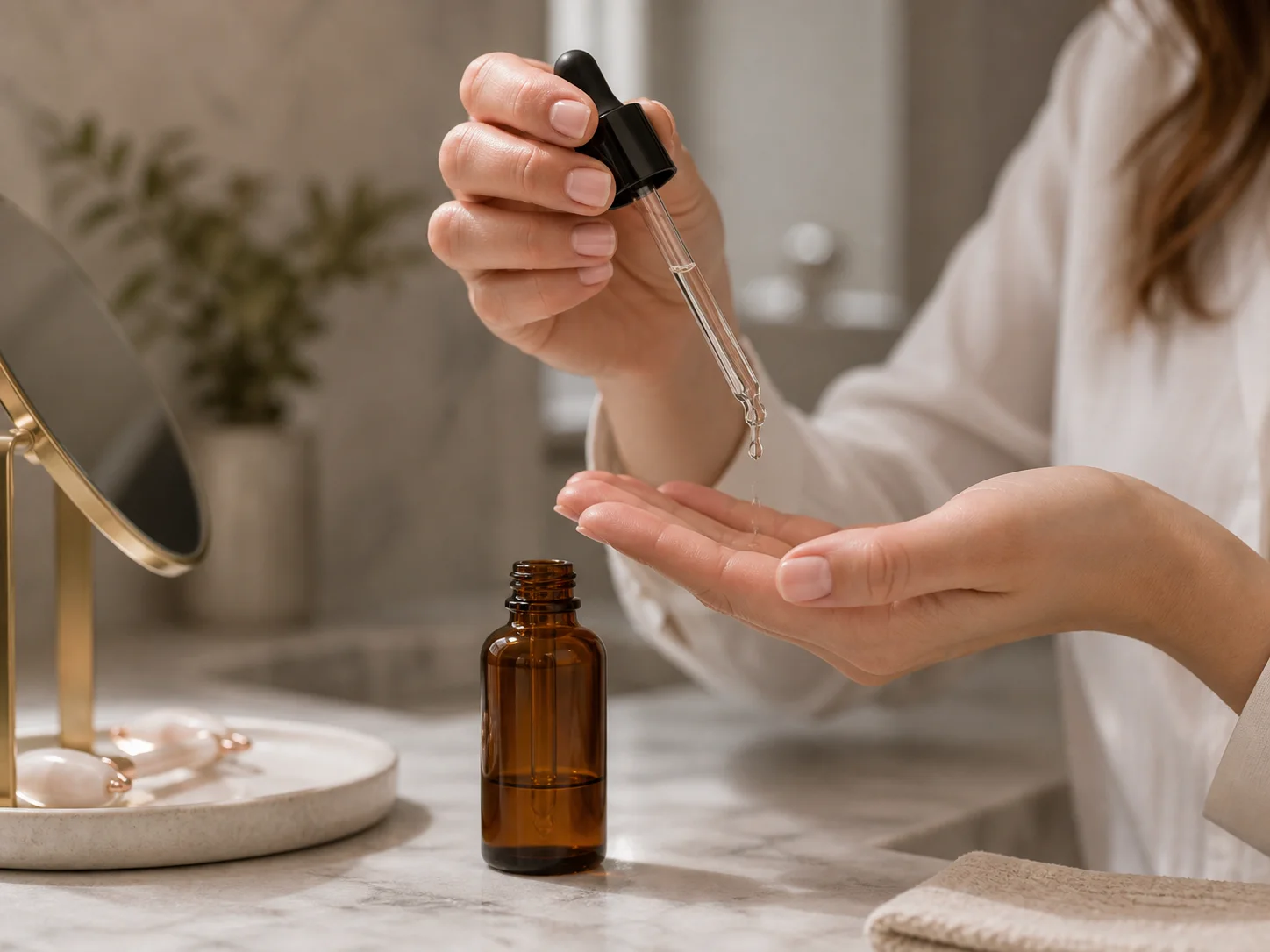
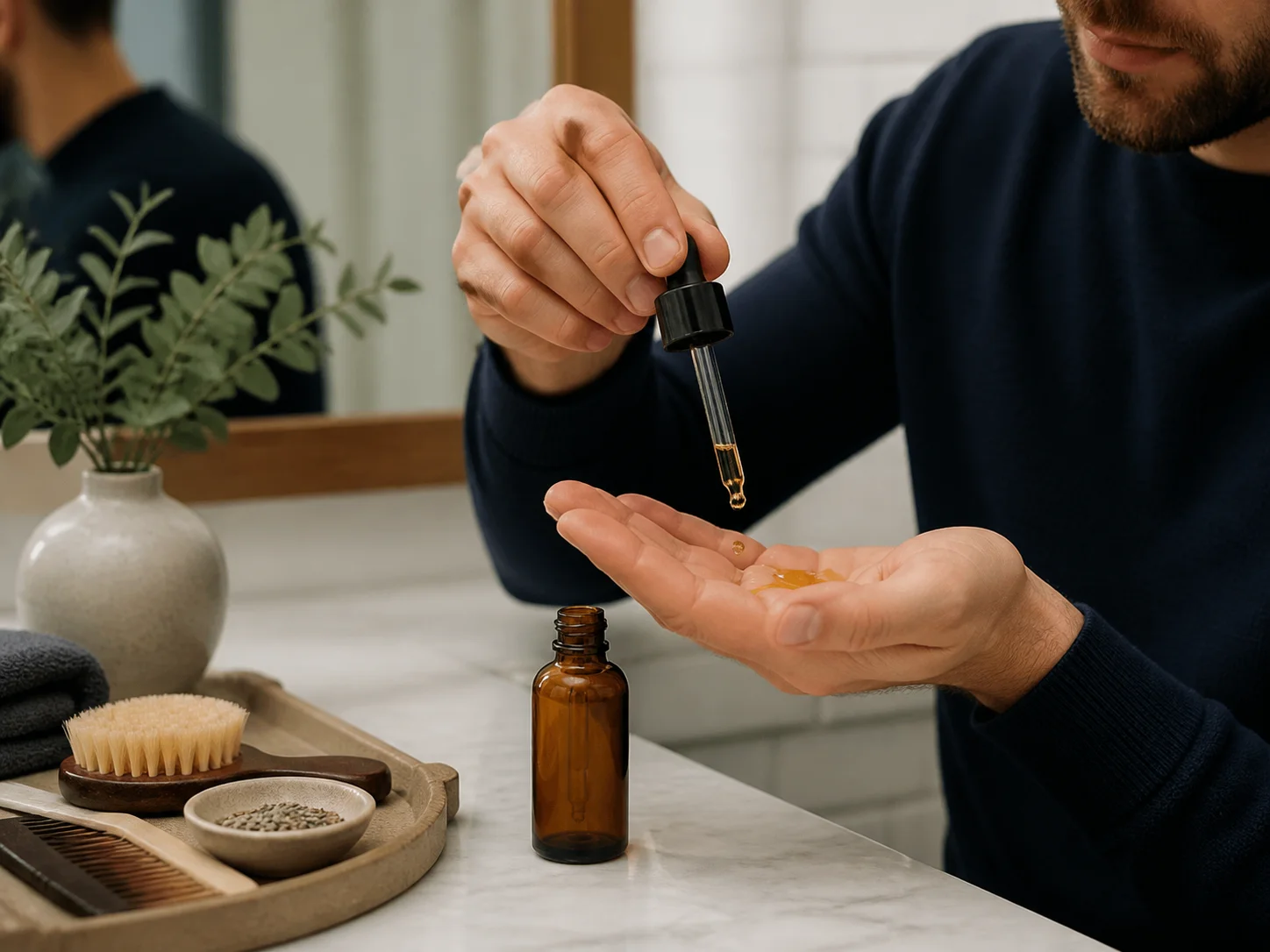
Customers use a serum by counting drops onto a palm or a face, so drop size and consistency shape the experience directly. Tip form does more here than bulb strength: a tapered fine tip gives control, a straight cut gives speed. It is worth choosing rather than accepting the assembly a supplier stocks.
Amber or flint is a stability decision with a visual cost
Many actives — retinoids, vitamin C derivatives, some botanicals — degrade under light, and amber absorbs the short wavelengths that drive it. Flint shows the product's color, which many brands want to display. Where the formula is genuinely photosensitive the choice is made by stability data rather than by art direction.
The pipette drips on the way to the face, and the bottle should catch it
Serum left on the outside of the pipette runs down the neck as the customer lifts it, and it dries into a ring around the collar. A finish that lets the pipette wipe cleanly on the way out is a small geometry decision that removes a persistent complaint.