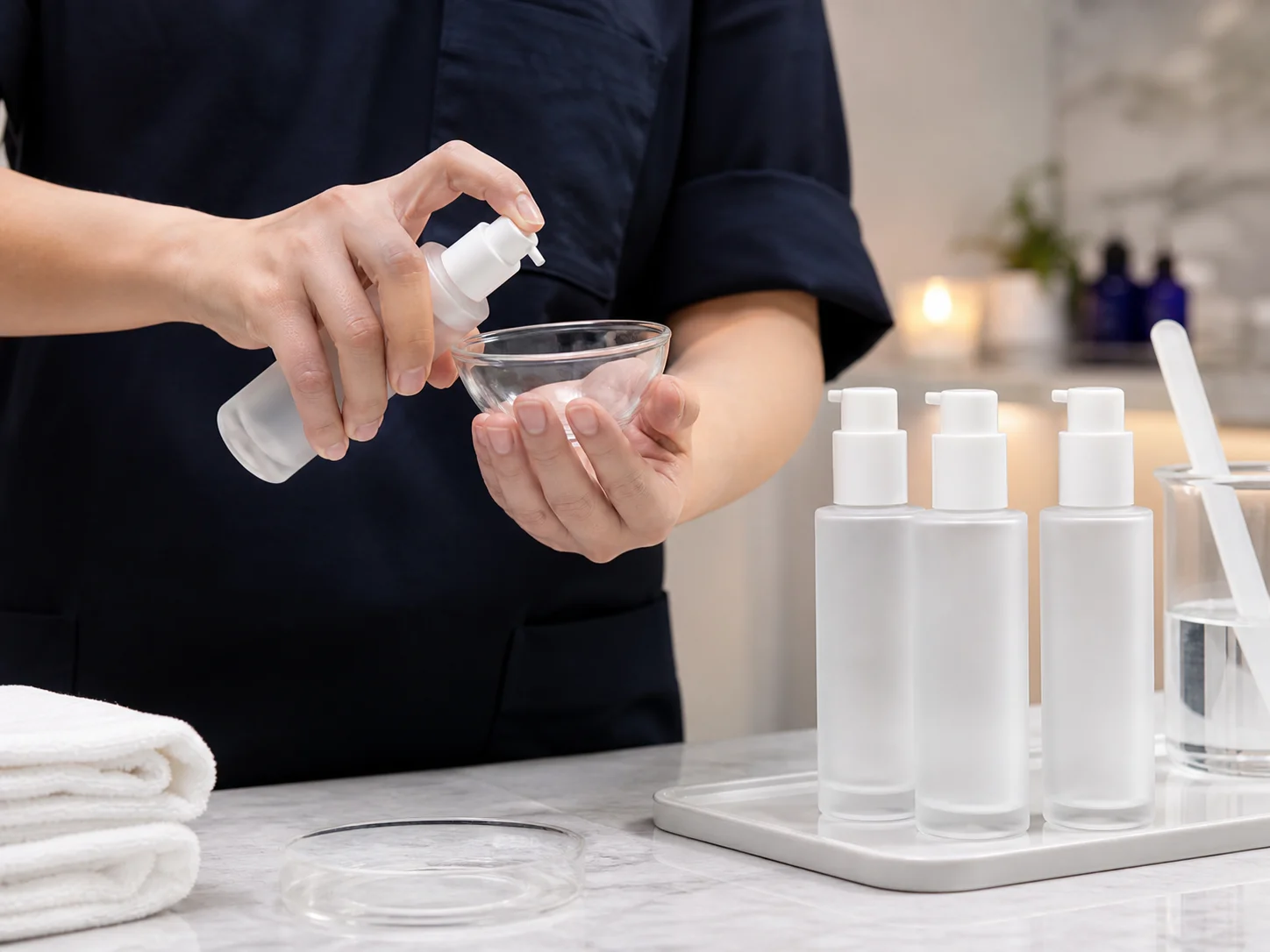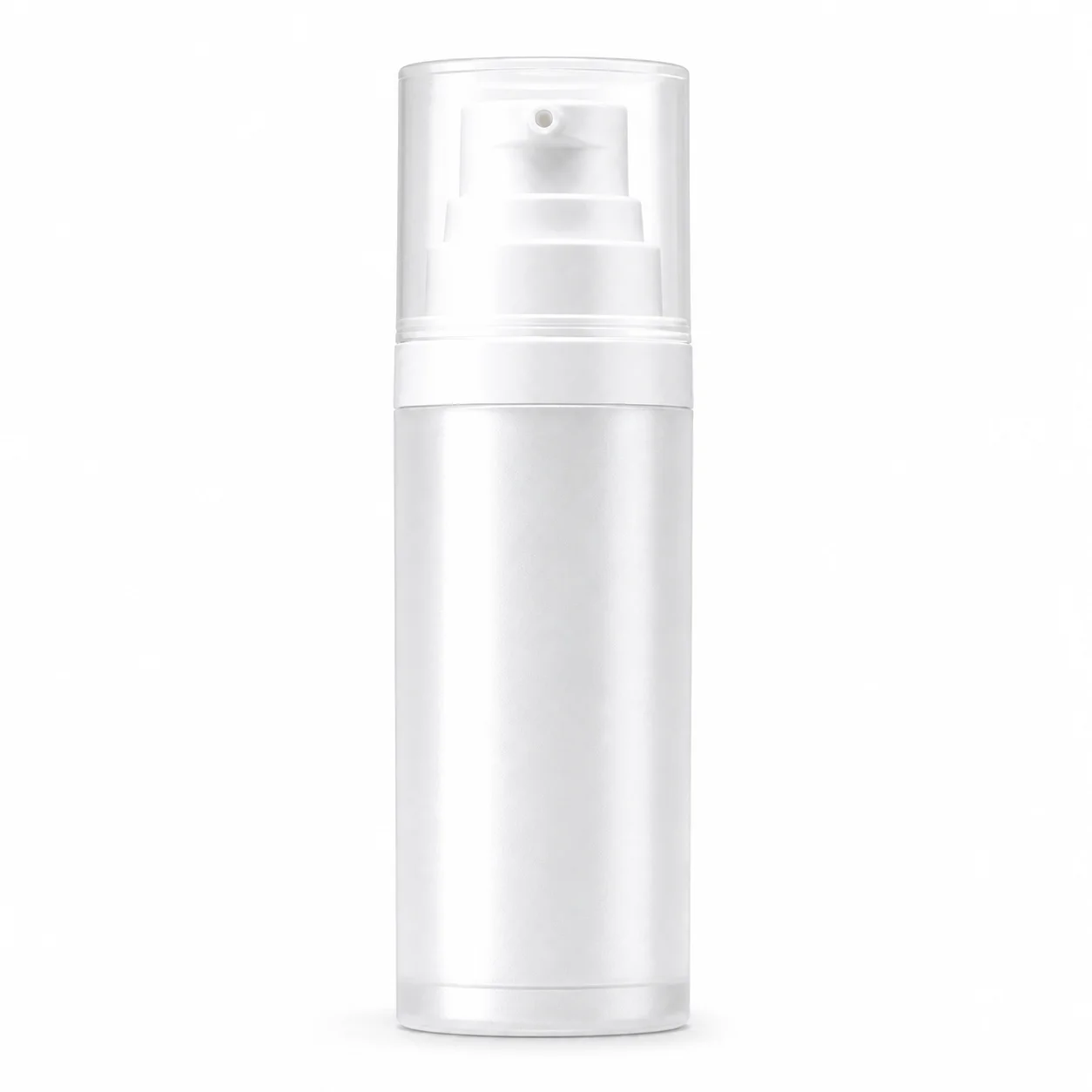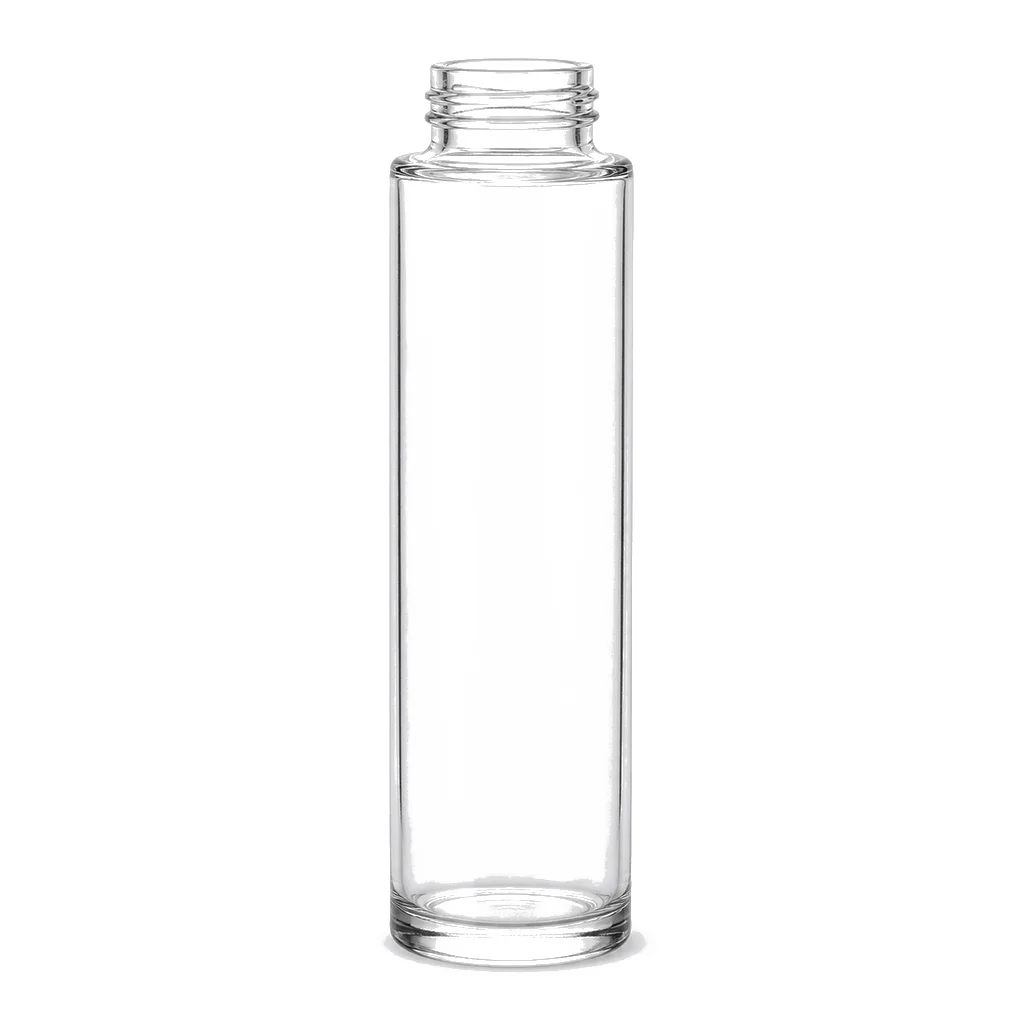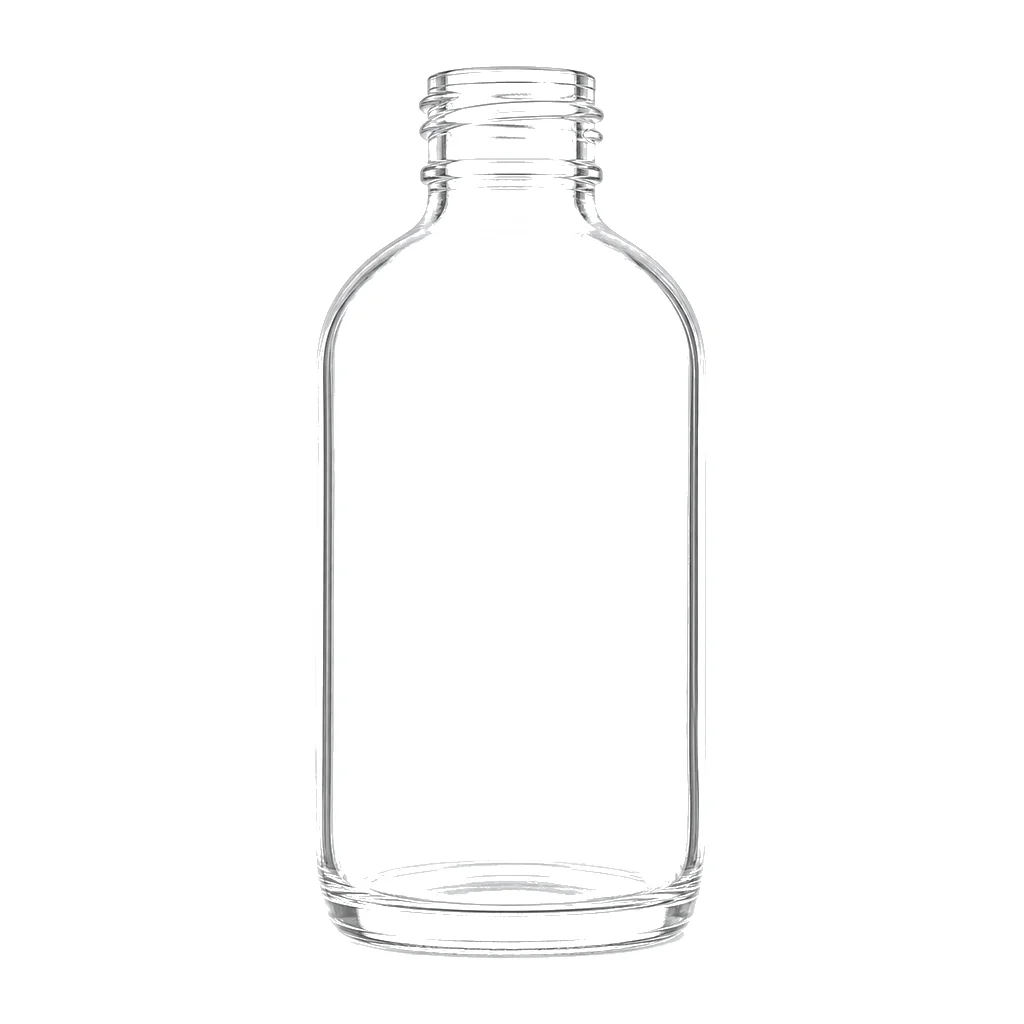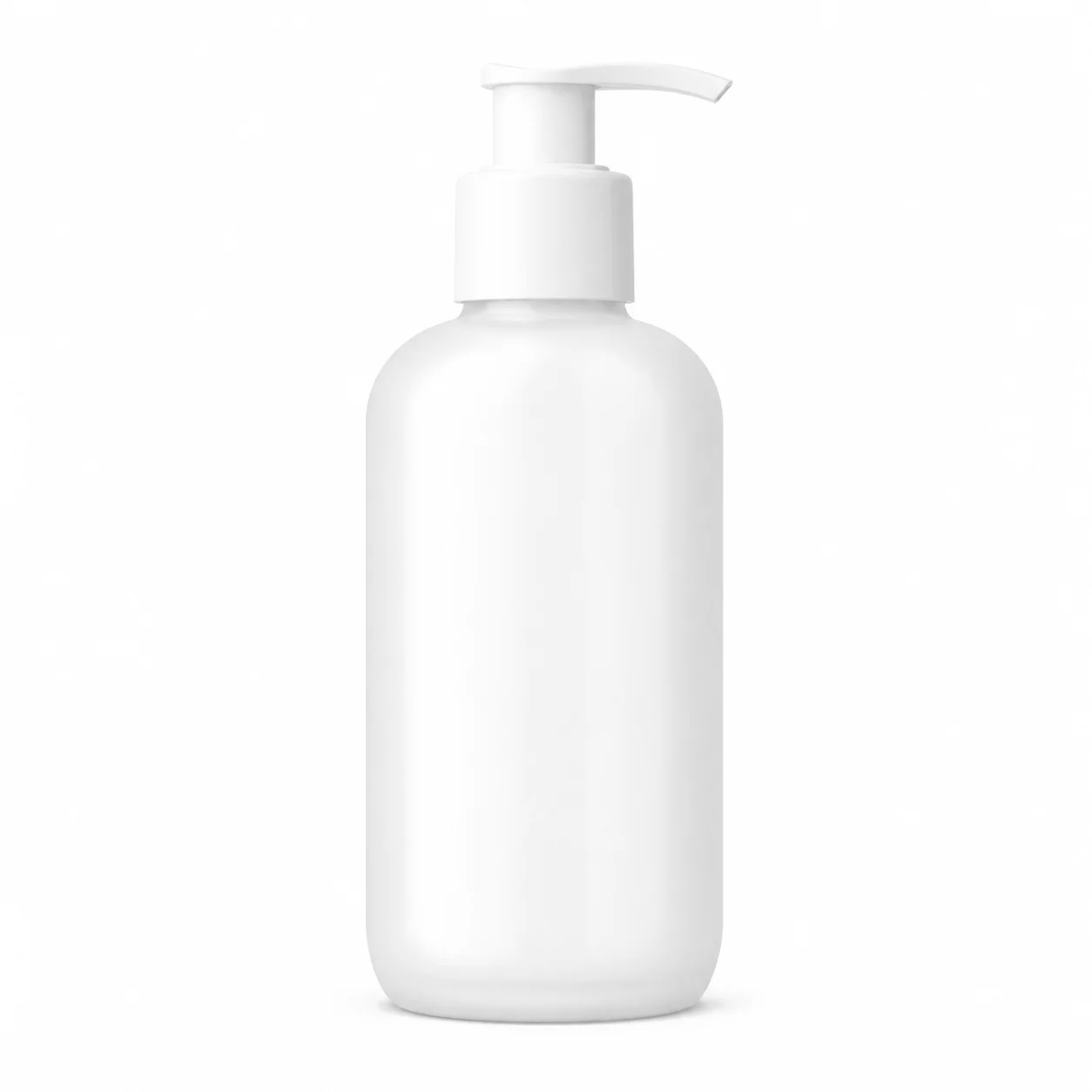
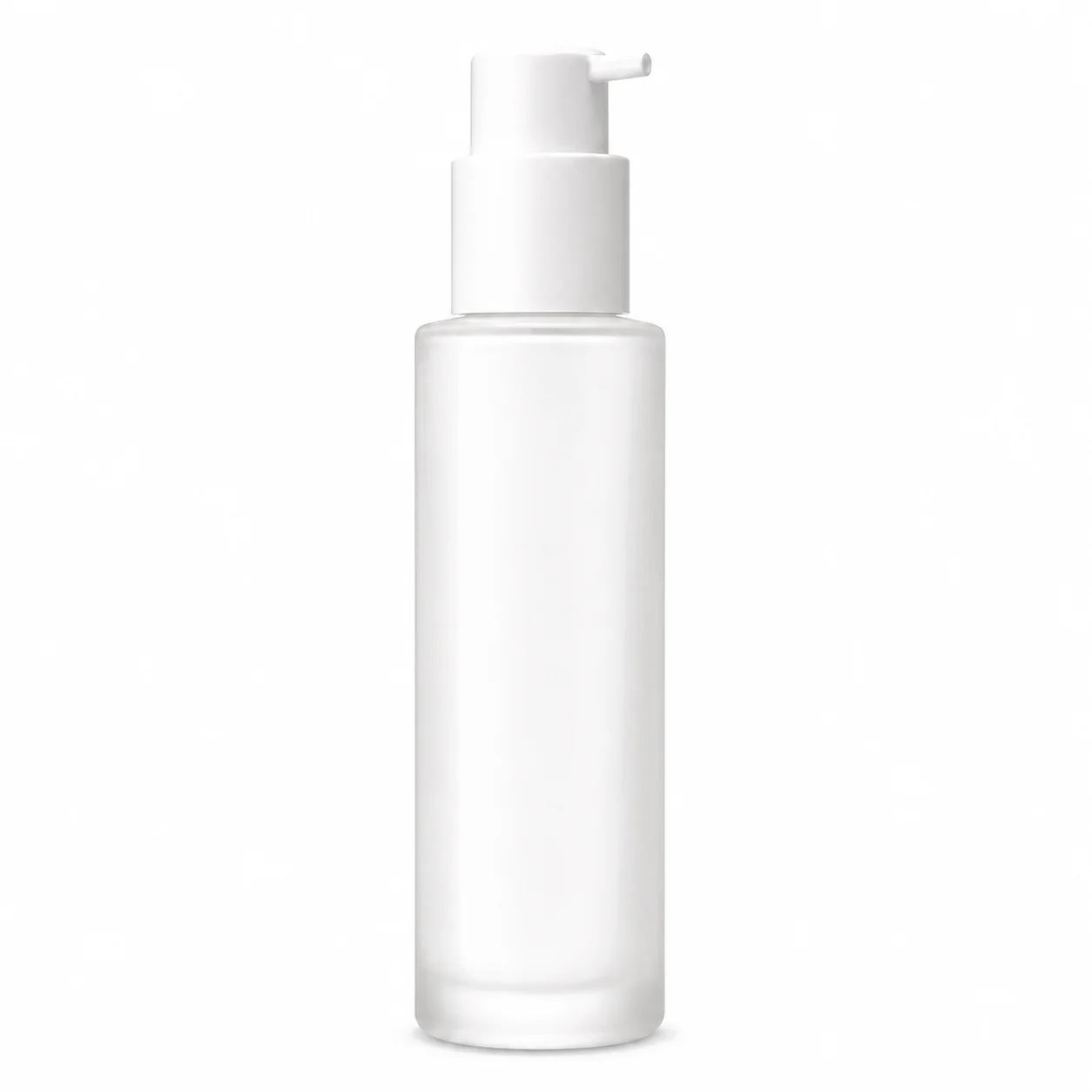
Slim clear bottle with a small treatment pump and a clear overcap
Shown configuration · bottle with pump / serum, dip tube and label not shown

Treatment packaging

Serum Pump Bottle

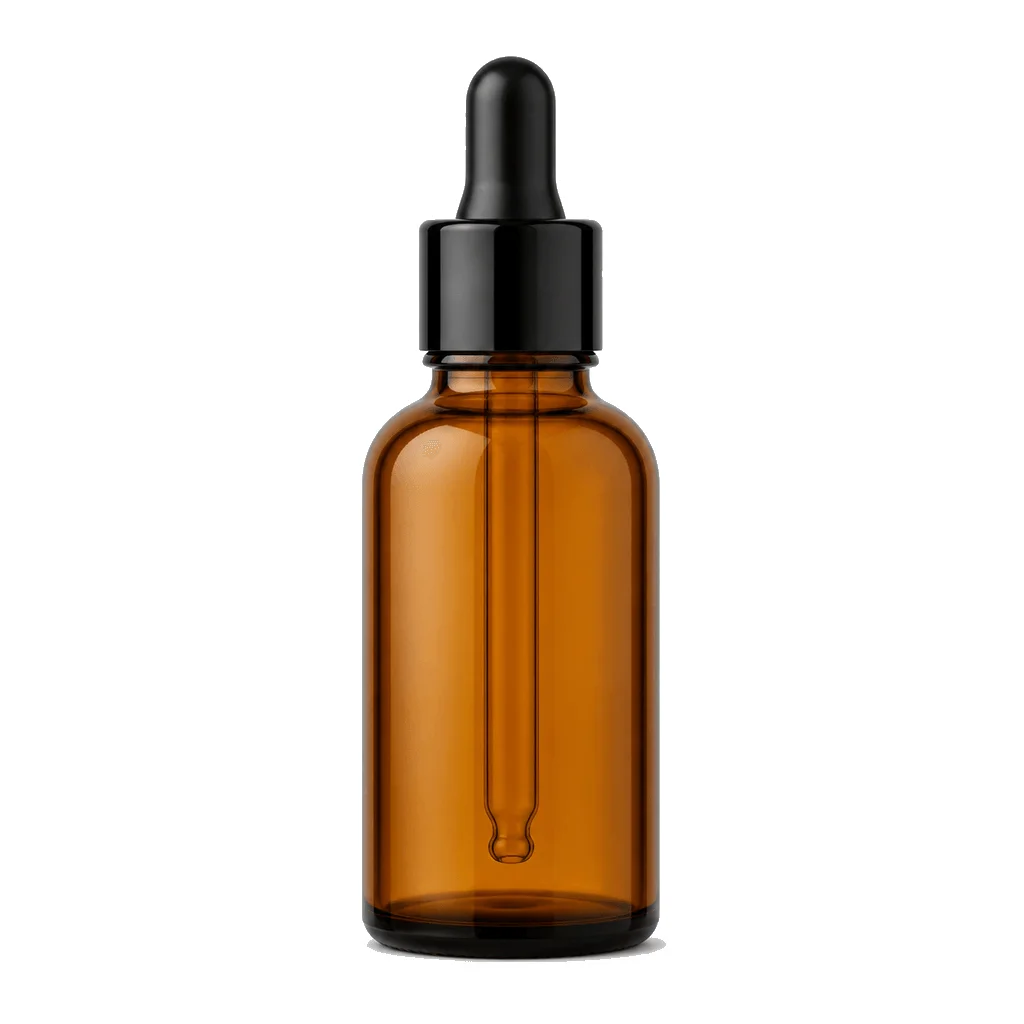
A serum bottle with a treatment pump on an 18-410 or 20-410 neck, delivering a small measured dose per stroke instead of the counted drops a dropper gives.

18-410 and 20-410 necksSmall fixed doseNo pipette in the product
Stock status
In stock
Lead time
2–3 weeks
FOB price / pc
$0.65 - $1.00
MOQ
2,000 pcs

Final availability, dimensions, materials, assembled components and commercial terms are confirmed against the selected drawing and approved sample.

Dose is fixed, not counted

Chamber volume, not drop size

Nothing stored in the formula

Only the dip tube is submerged

Air returns with every stroke

The trade against airless

Serum Pump Bottle profile

The middle option between a dropper and an airless system.

Dose behavior, air ingress & the three-way choice

Five things that place this format between its two neighbors.

A treatment pump gives a repeatable small dose without a pipette sitting in the formula and without the cost and matching requirements of an airless system. What it does not do is keep air out: every stroke draws replacement air into the bottle, which is the property that decides whether it suits a given serum.

01

The dose is a chamber, so it repeats

Unlike a dropper, where the customer judges drops, a treatment pump delivers a fixed volume determined by its chamber. Small treatment pumps are made in a range of outputs suited to serums, and the useful property is that the tenth dose matches the first regardless of who is using it or how firmly they press.

02

Air comes back in with every stroke

As product leaves, air enters through the pump to replace it, which is exactly what an airless system prevents. For a stable emulsion or a hydrating serum that is unimportant; for ascorbic acid, retinol or an unstable peptide it may be the deciding factor. The formula, not the format, should make that call.

03

Only the dip tube is in the formula

Compared with a dropper, where a pipette and a rubber bulb sit in the product permanently, a pump exposes far less material to the serum. That reduces the compatibility surface considerably, though the tube, gasket and pump internals still have to be selected against the formula rather than assumed compatible.

04

The last of the serum needs the tube to reach it

A dip tube cut short leaves expensive product unreachable at the base, and on a 30 mL serum that is a visible proportion of what the customer paid for. The tube is cut to the internal height of the specific bottle, and a shaped or angled base can bring the residual down further where the formula justifies it.

05

Lock-down actuators matter for a travel product

A serum pump in a bag will actuate against other objects unless it locks or is protected by an overcap. On a treatment product at treatment prices, arriving to find the inside of a washbag coated is a complaint out of proportion to the loss. Deciding between a lock and an overcap belongs in the specification.

06

Priming wastes expensive product, and the first stroke is remembered

A pump that needs five presses to deliver at a serum price point starts the relationship badly and consumes fill that was paid for. Pre-priming at the filler, or specifying a pump with a short prime, addresses it directly and is cheap relative to the product it saves.
Application guide

Use a pump where the dose is part of the product promise.

Pump dispensing suits products sold on precision and routine. These are starting points for discussion; the finished pack is confirmed with the actual formula, pump and filling line.

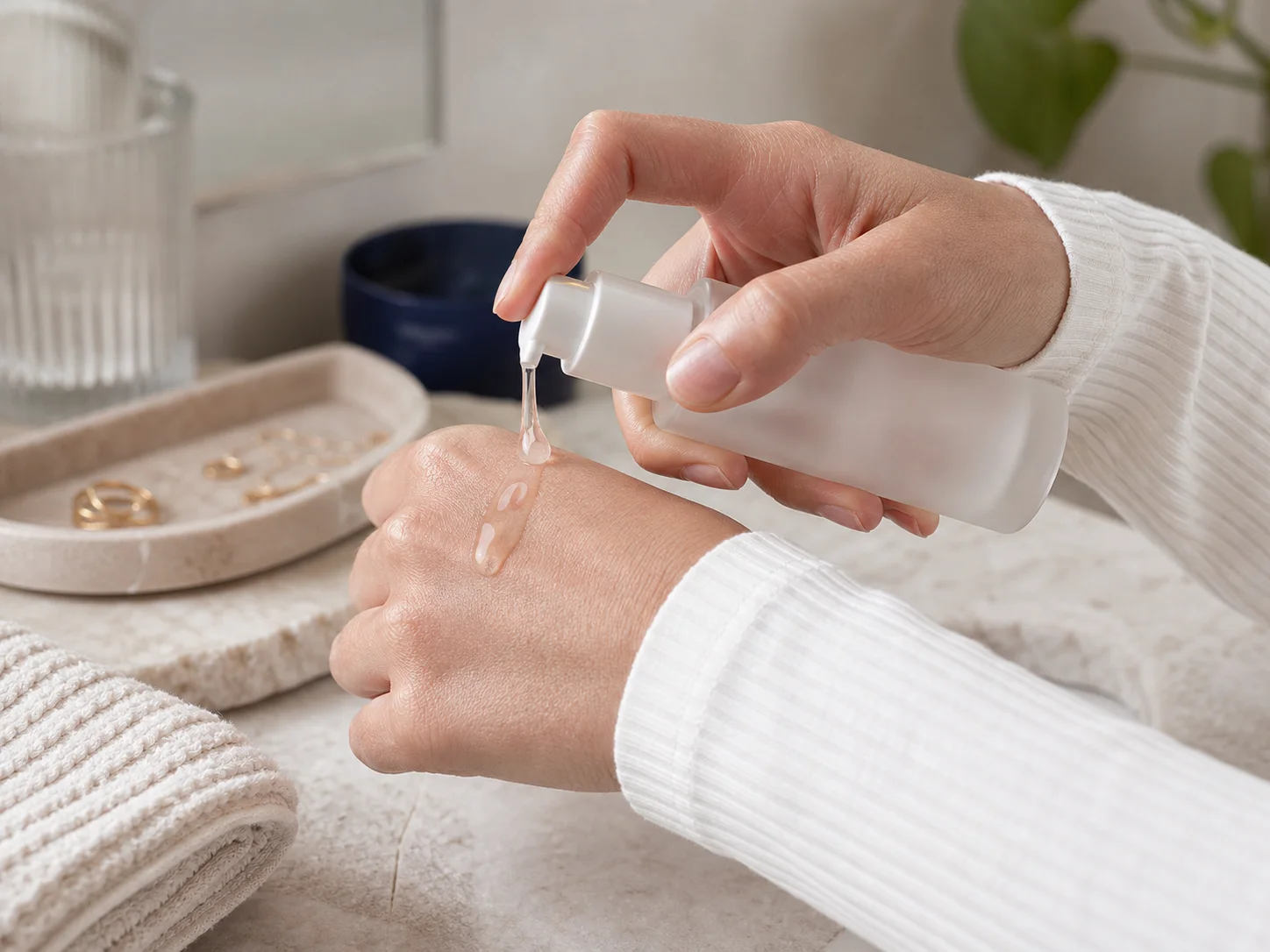
Serum Pump Bottle used for face serums & essences in a daily treatment setting

Daily treatment

Face serums & essences

For products used once or twice a day where the customer expects the same amount every time. The frosted body gives a calm shelf presence while the pump carries the routine, so dose consistency and a clean nozzle cut-off matter more than capacity.

  • Set the target dose first
  • Test cut-off with the real texture
  • Check the last-third experience
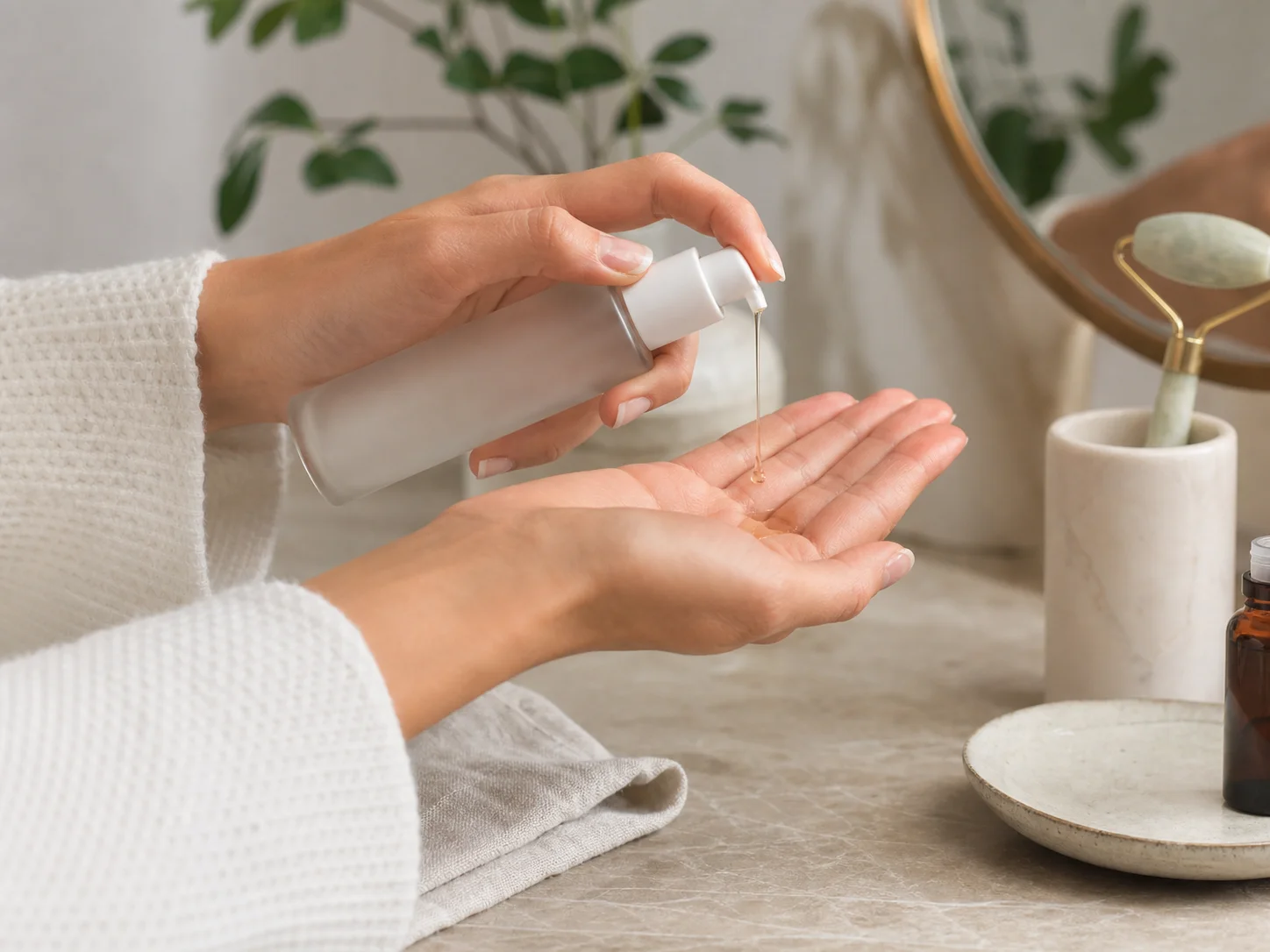
Serum Pump Bottle used for facial oils & oil blends in a oil-based care setting

Oil-based care

Facial oils & oil blends

For richer textures where a dropper feels slow and a customer wants more control over how much lands in the palm. Oil content, viscosity at room temperature and any suspended actives all influence which pump engine and dip tube keep delivering evenly through the whole bottle, and an oil that flows freely in a warm room can stall in a cold bathroom.

  • Match the engine to viscosity
  • Confirm dip-tube reach
  • Review restart after standing
Serum Pump Bottle used for clinic, salon & refill formats in a professional & refill setting

Professional & refill

Clinic, salon & refill formats

For larger treatment sizes used repeatedly by a practitioner or as a refill within a brand's range. Durability of the actuator, ease of cleaning and consistent output across many uses become more important than a first-impression unboxing moment.

  • Plan for repeat use
  • Confirm actuator durability
  • Coordinate range hierarchy

Actual formula, pump output, product contact, filling, stability and distribution requirements are confirmed for the selected program.

Common questions

Serum Pump Bottle questions

This format sits between a dropper and an airless system. These questions place it.

Why choose a pump over a dropper?

For dose repeatability and less product contact. A pump delivers a fixed chamber volume regardless of who presses it, where a dropper depends on the customer judging drops. It also keeps a pipette and rubber bulb out of the formula permanently, which reduces the compatibility surface considerably on an active-heavy serum.

Is it as good as airless?

For oxygen exclusion, no. Every stroke draws replacement air into the bottle, which is exactly what an airless system prevents. For a stable emulsion or a hydrating serum that hardly matters; for ascorbic acid, retinol or an unstable peptide it may be decisive. Let the formula's stability data make that call rather than the format's reputation.

What touches the product?

The dip tube, the gasket and the pump internals — far less than a dropper's pipette and bulb, but not nothing. Each of those still has to be selected against the formula rather than assumed compatible, particularly where the serum contains alcohol, essential oils or a high concentration of an active.

How many strokes should it take to prime?

As few as possible, because the customer counts them. A pump that needs five presses before it delivers consumes fill that was paid for and starts the relationship badly at a serum price point. Pre-priming at the filler, or specifying a short-prime pump, costs little against the product it saves.

Next step

Send us the Serum Pump Bottle brief.

Tell us the product, fill volume, closure preference and destination market. We will come back with the matching drawings, available configurations and a sample plan before anything is quoted.

  • 01Send the briefProduct, volume, closure and market
  • 02Get the optionsMatching drawings and configurations
  • 03Approve the sampleConfirm the pack before production