Dispensary workflow, closure choice & light protection
Six things the pharmacy needs that a factory pack does not.
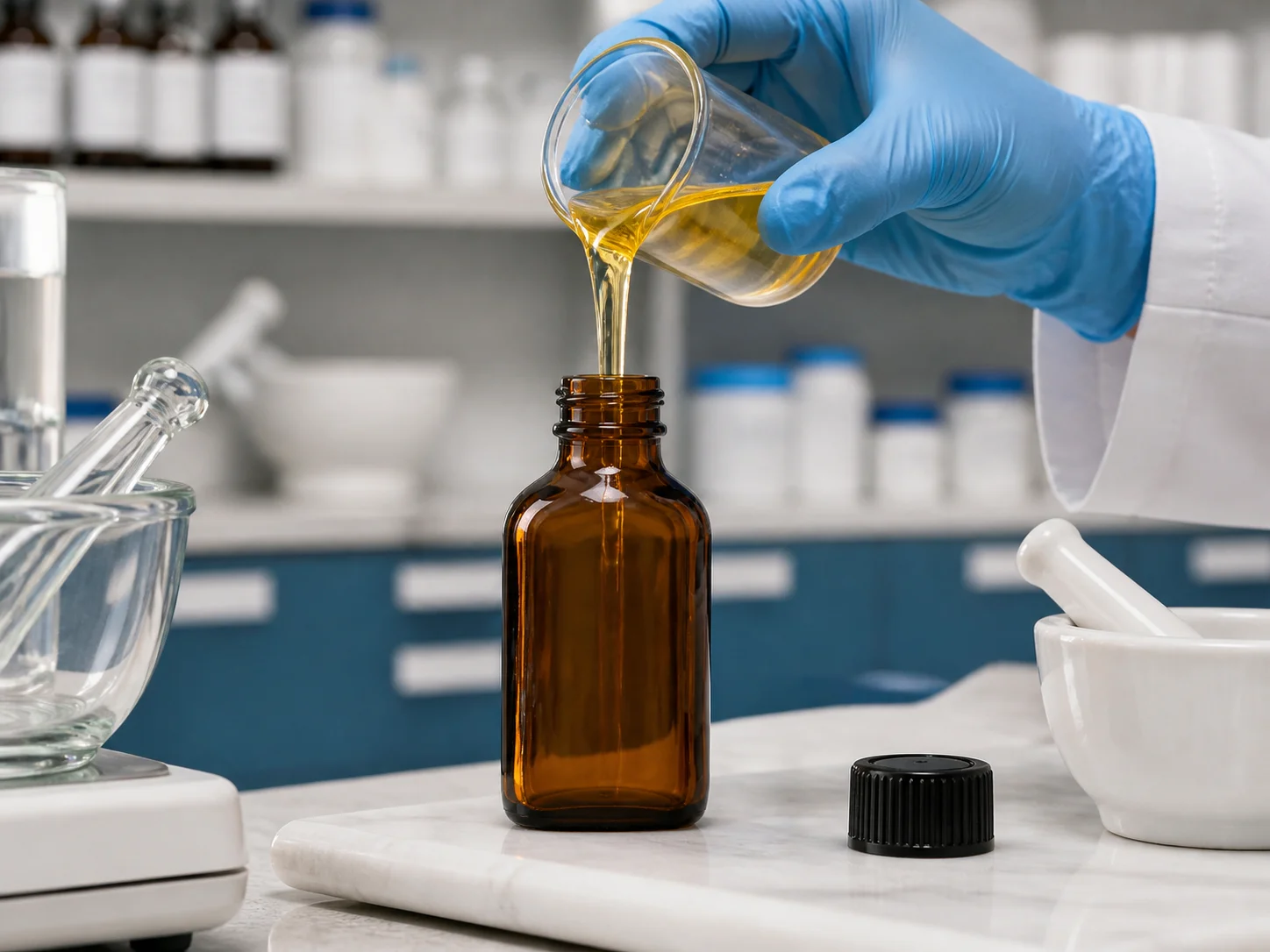
Amber rounds serve two workflows: manufactured packs and dispensary repacking, where a pharmacist counts or pours a quantity into a bottle and applies a printed label. The requirements of the second workflow — a flat label panel, a closure that can be swapped for a patient, a body that stacks in a dispensary drawer — shape the format.
The label is applied after filling, by someone in a hurry
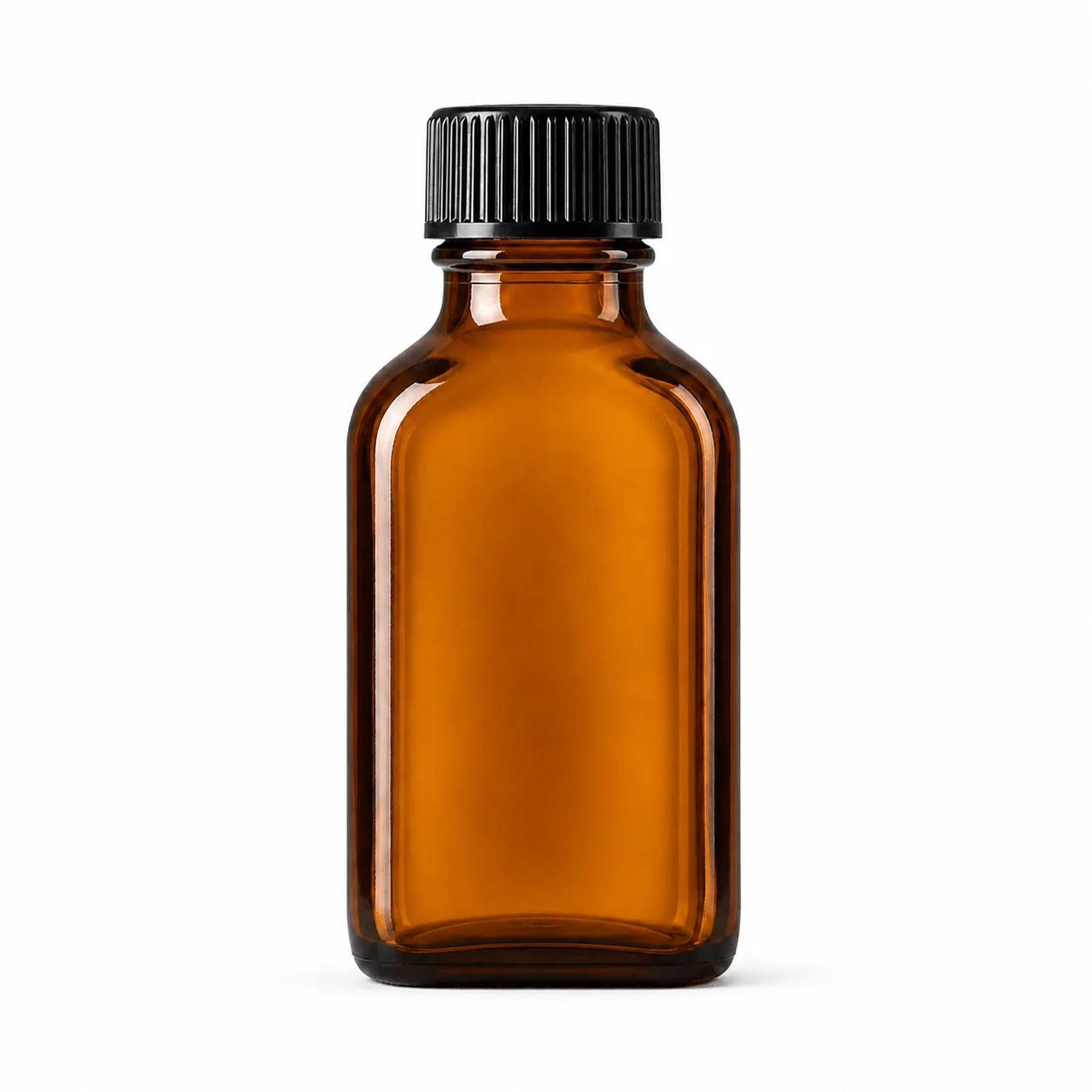
A dispensing label is printed at the counter and applied by hand, so it has to lie flat on a straight panel without wrapping onto a curve. Bottles with strong shoulder curvature or a narrow body waste label area and produce labels that lift, and a lifted dispensing label on a patient's medicine is a safety issue rather than an aesthetic one.
Closure preference is a patient-level decision
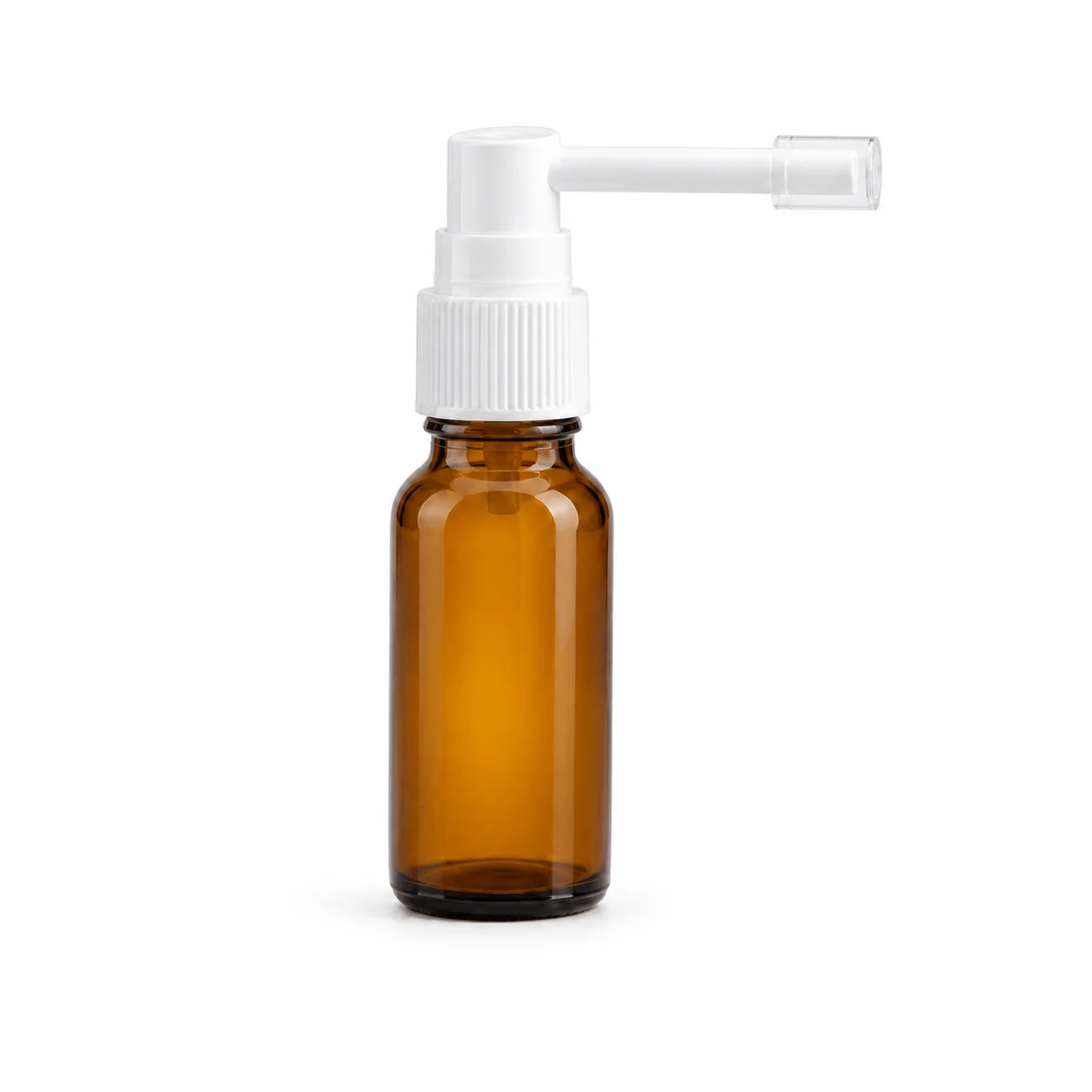
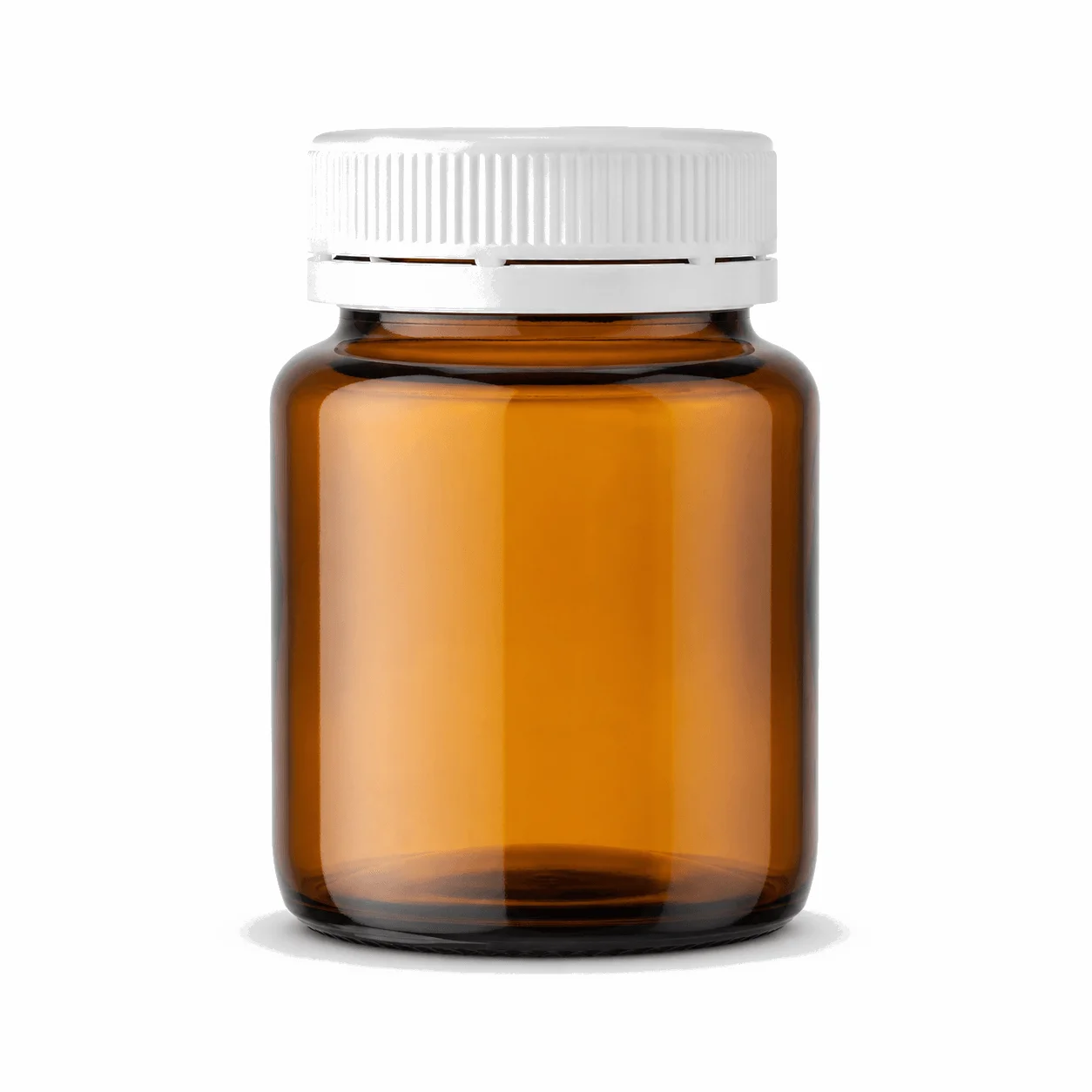
Child-resistant closures are the default in dispensing, and patients who cannot manage them can usually request an easy-open alternative, which is recorded. That means the bottle finish has to accept both closure types interchangeably, and it is why dispensary bottles standardize on common finishes rather than a proprietary neck.
Amber is standard because dispensing conditions are unknown
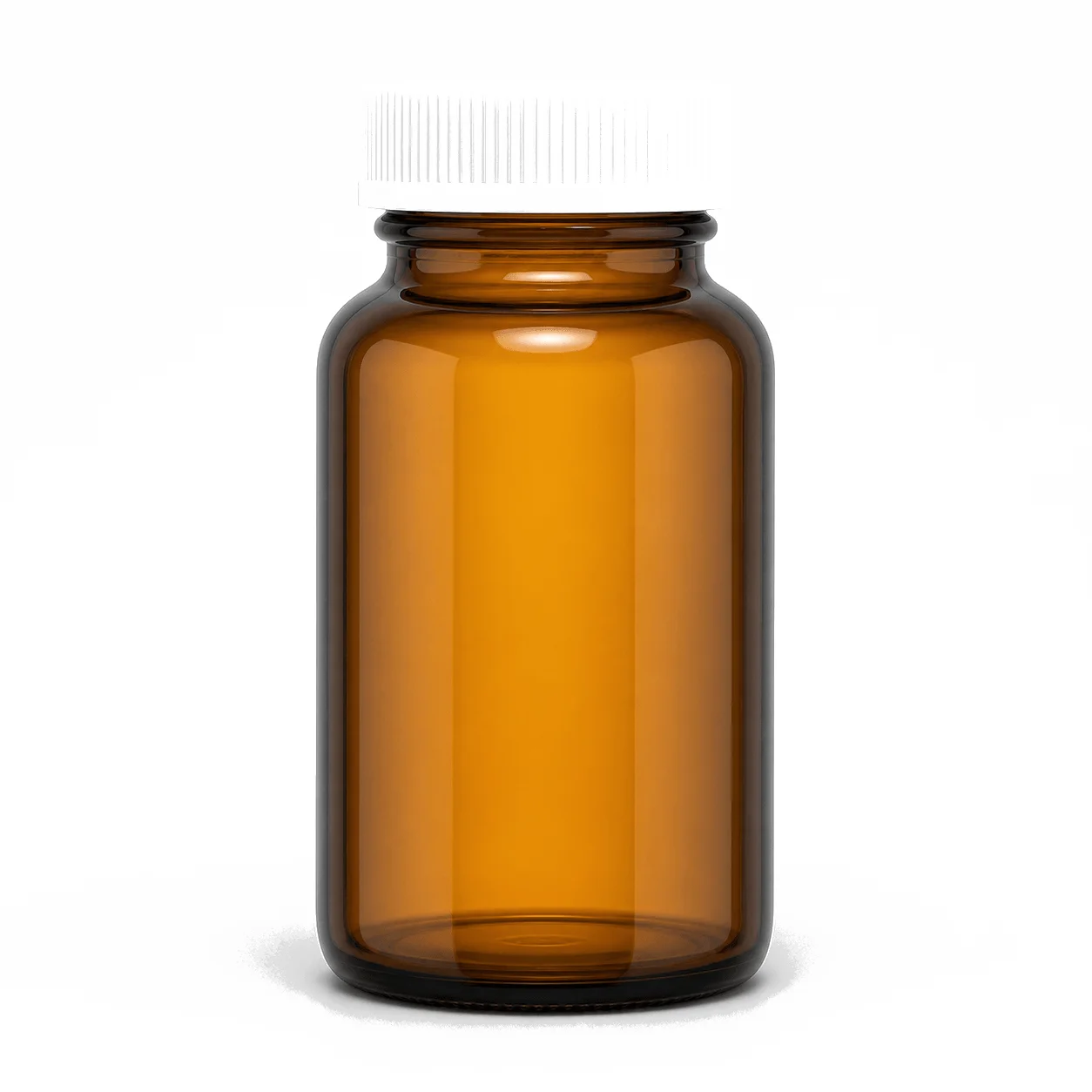
A manufacturer knows how a pack will be stored; a pharmacy does not know whether a patient keeps medicine on a windowsill or in a drawer. Amber glass is the sensible default under that uncertainty, absorbing across the short wavelengths that drive photodegradation, without needing a stability argument for each product.
Sizes cluster around dispensed quantities
Dispensary bottle ranges are built around the volumes actually issued — a week or a month of a liquid medicine — rather than round numbers. That is why the ladder feels irregular compared with a laboratory range, and why holding one bottle size across a dispensary means half of it is issued part-empty with the headspace that implies.
Reuse is a question the pharmacy decides, not the bottle
Glass dispensing bottles were traditionally returned and reused, and most systems have moved away from that on hygiene grounds. Where reuse continues, the closure and liner become consumables and the bottle needs to survive washing without losing its label panel finish. It is worth asking which model a customer is operating before quoting.
Dispensing labels cover the glass, and that is the design constraint
A pharmacy label covers most of the straight label panel, so any embossing or graduation on that panel is hidden the moment the bottle is dispensed. Anything that has to remain readable, such as a fill mark or a batch code, belongs where the dispensing label will not reach.