Photodegradation, oxidation & overage economics
Six ways the pack changes what is in the tablet at expiry.
Several vitamins degrade steadily under ordinary conditions: riboflavin under visible light, vitamins A and D through oxidation, ascorbic acid through both. The label has to hold true at the end of shelf life, so the packaging decision is really a question of how much decay you are prepared to pay for in overage.
Visible light matters, not only ultraviolet
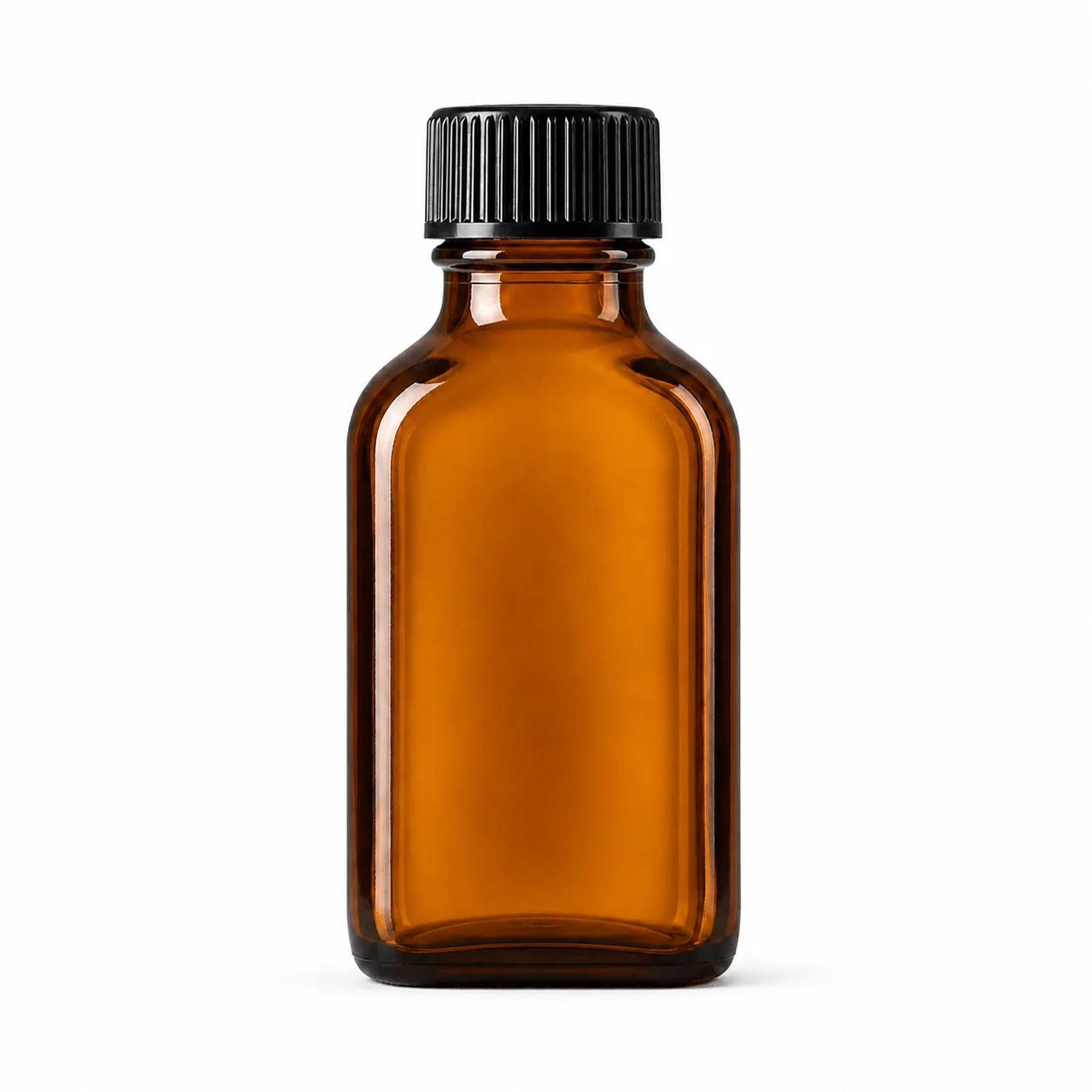
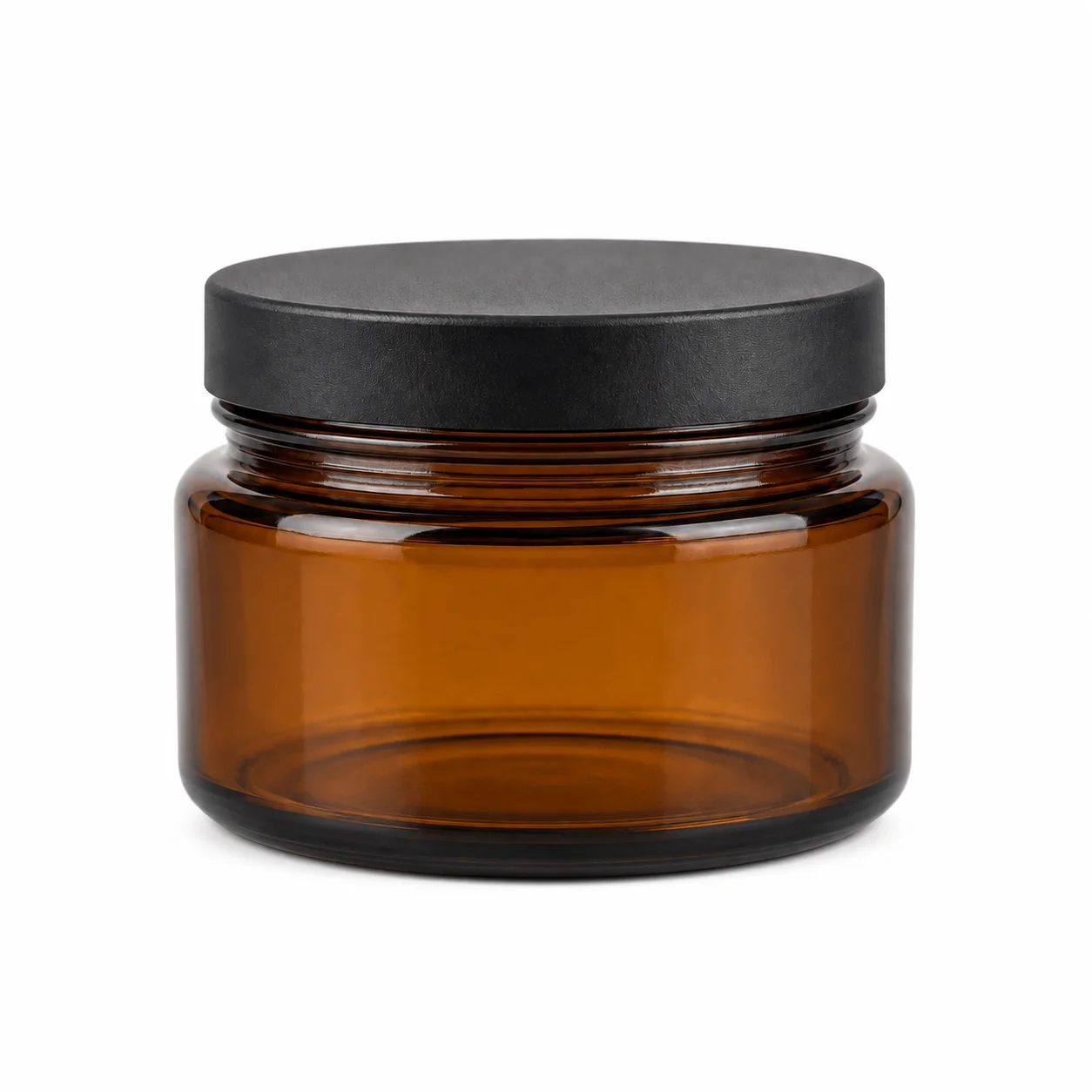
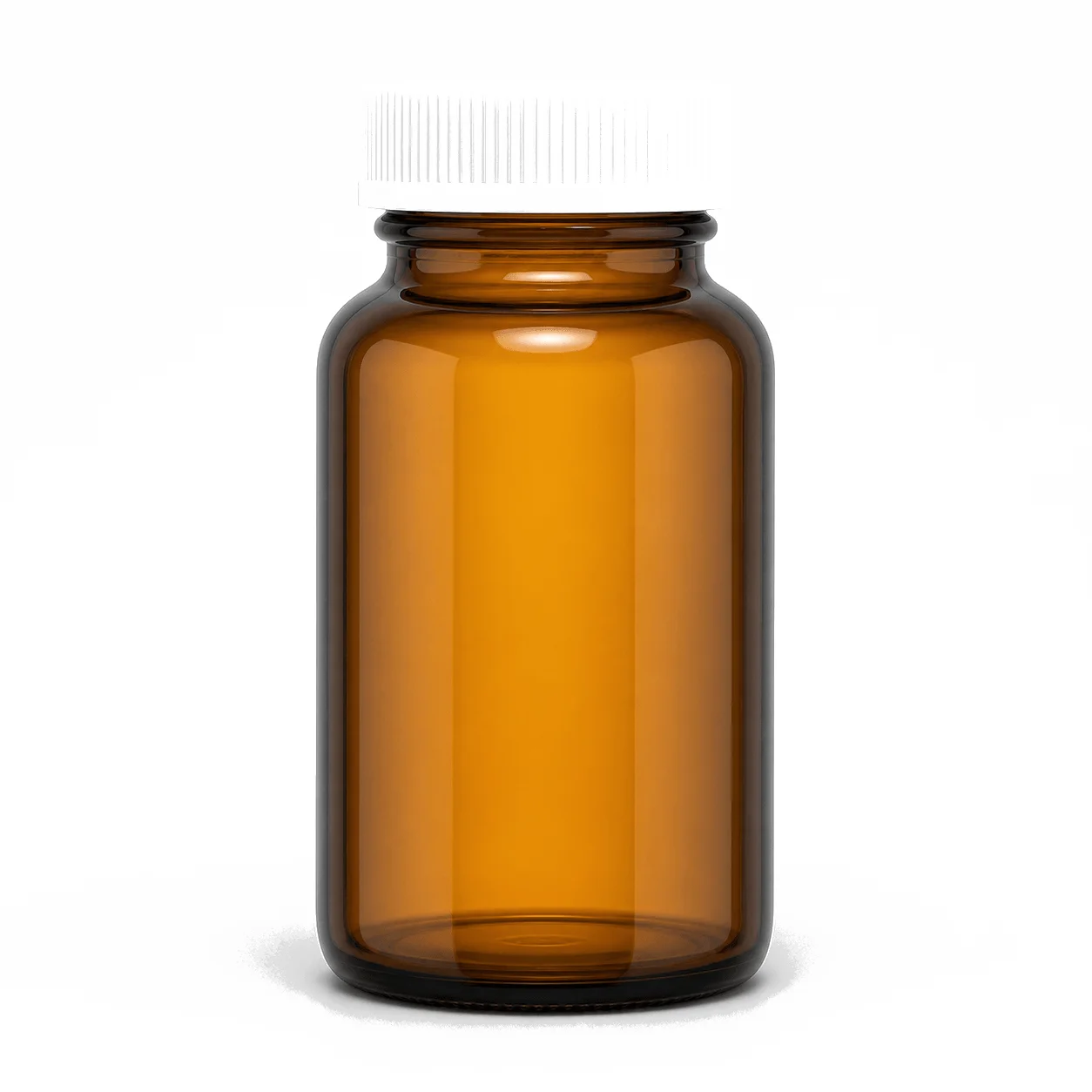
Riboflavin degrades under ordinary visible wavelengths, so a container that blocks only UV is not protecting it. Amber glass absorbs across the short-wavelength visible band as well, which is why it dominates vitamin packaging. An opaque container does better still, at the cost of the customer no longer being able to see the product.
Headspace oxygen is a fill decision
Vitamins A, D and E and ascorbic acid oxidize, and the oxygen available to them is largely what was in the bottle when it was closed. A part-filled bottle carries more, so fill level, bottle size relative to count, and any nitrogen flush all feed directly into stability rather than being purely economic choices.
Overage is the mechanism nobody discusses openly
Because decay is expected, formulations are dosed above label claim so that the claim still holds at expiry. Better packaging reduces the overage needed, which is a direct materials saving on an expensive active. That is the honest business case for amber glass and oxygen management, rather than a general appeal to product protection.
Moisture is secondary here, and still not zero
Unlike a hygroscopic pharmaceutical tablet, most vitamin formats are more troubled by light and oxygen than by water. Moisture still matters for effervescent formats, for gummies and for hygroscopic minerals, so the answer is not a blanket rule. It is worth establishing which of the three threats dominates before specifying a desiccant.
The label panel is a commercial constraint
Supplement labeling carries a required facts panel, ingredient list and often extensive marketing copy, and it competes for the same surface. Bottle geometry is therefore chosen partly by how much flat panel it offers per unit of volume, which is why vitamin bottles tend to be wider and shorter than a pharmaceutical bottle of the same capacity.
Tablet size sets the finish diameter before anything else does
A large tablet or a softgel has to leave the bottle without being forced, so the finish is chosen from the dosage form rather than from the closure range. Where the product changes shape later in development, the bottle usually has to change with it.