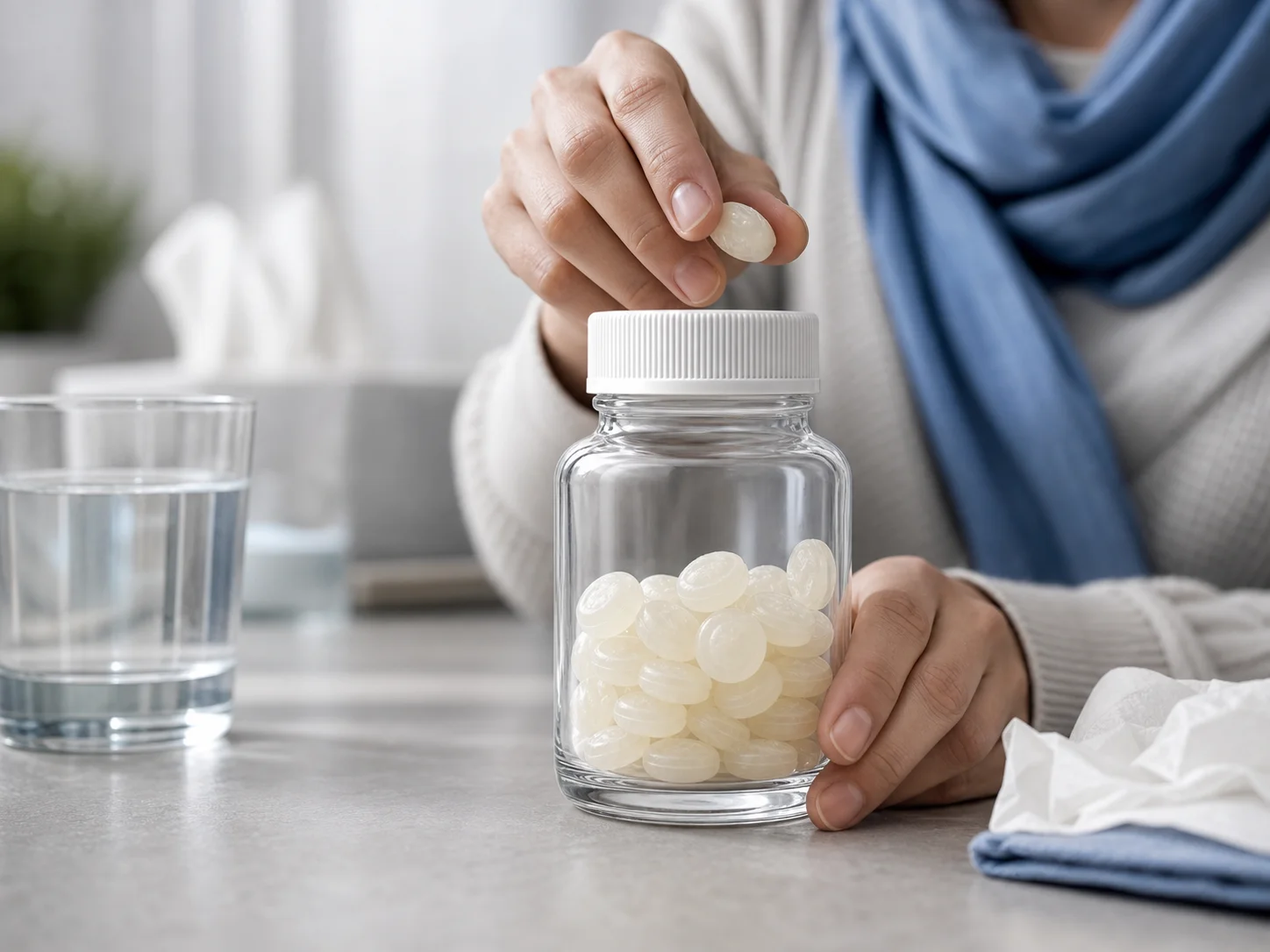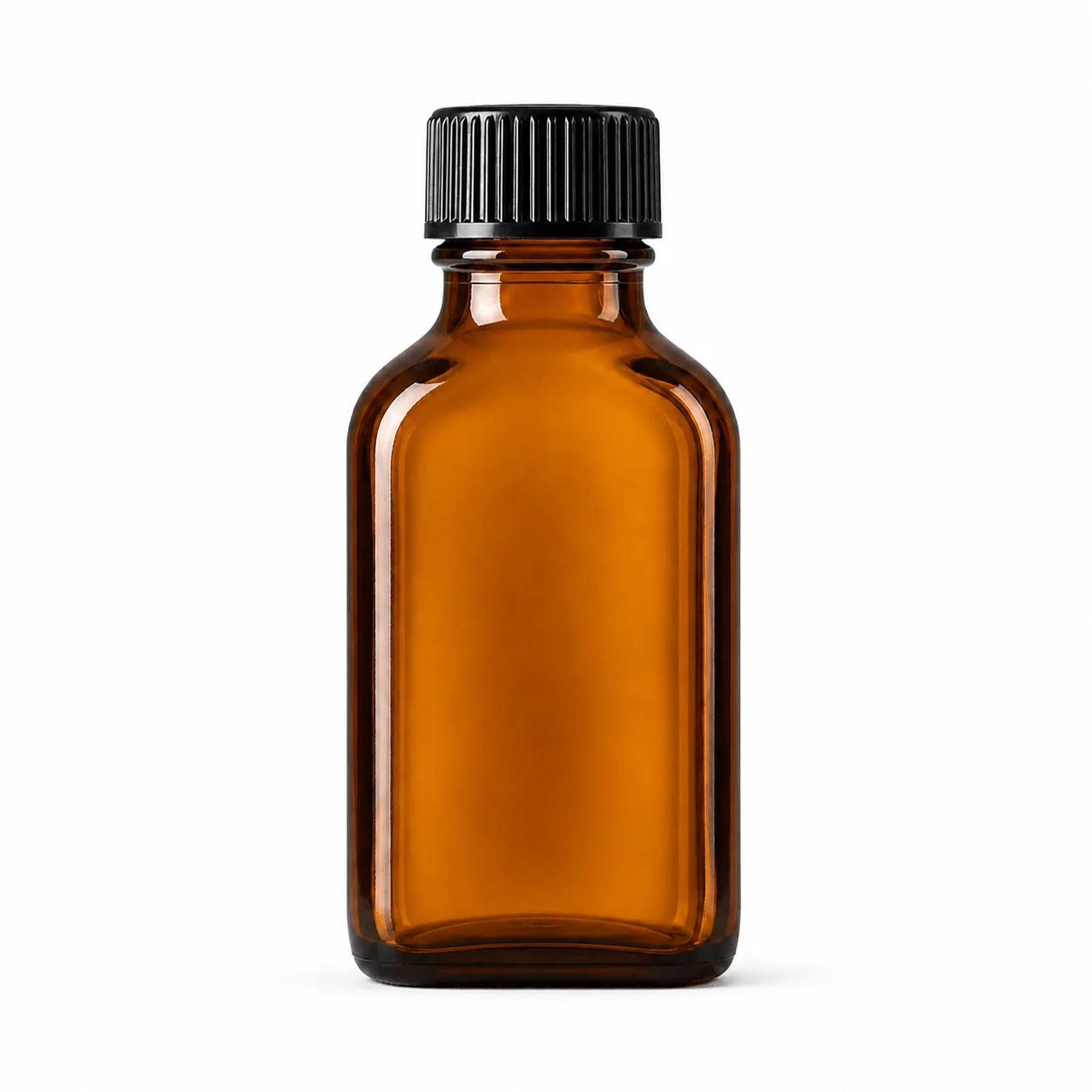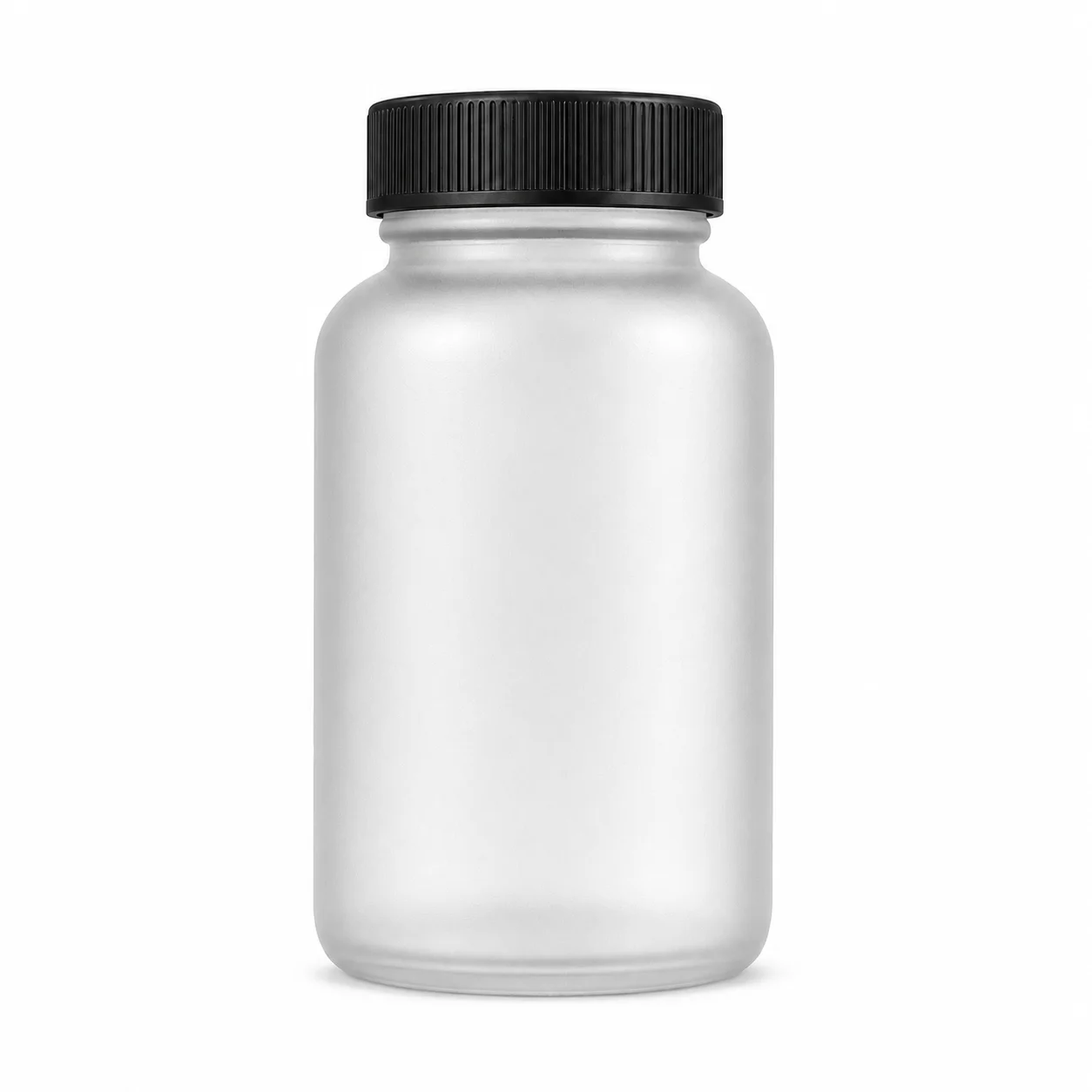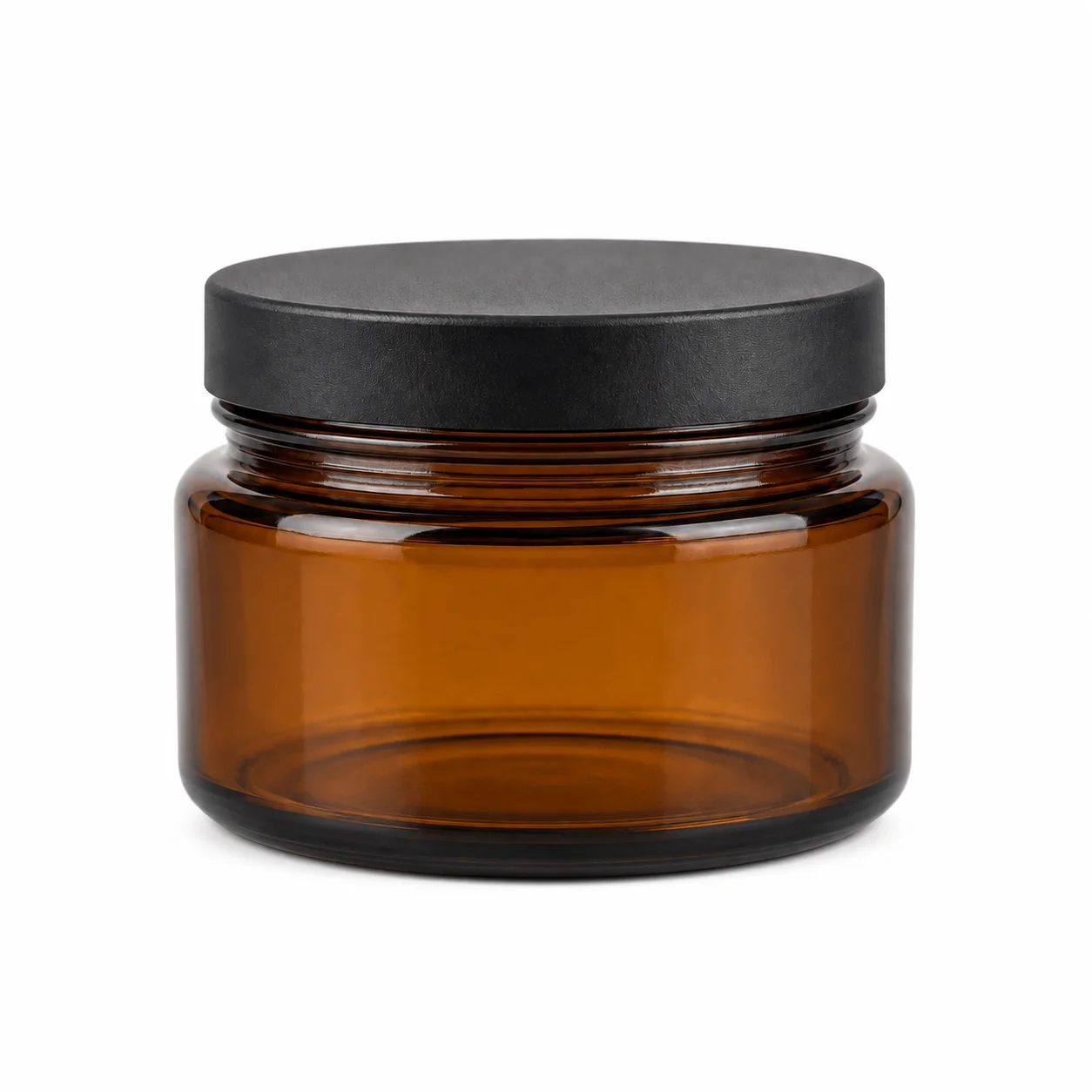
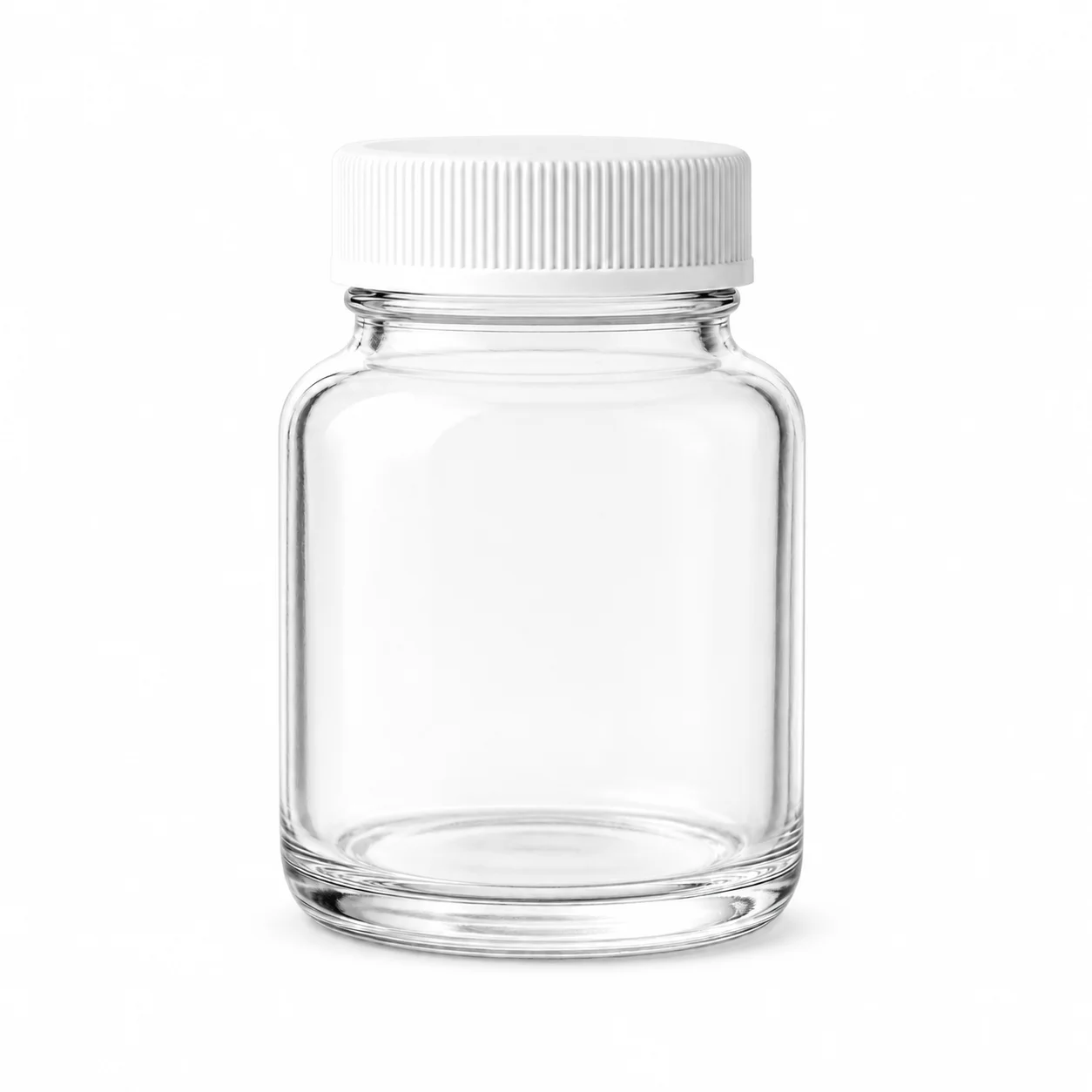
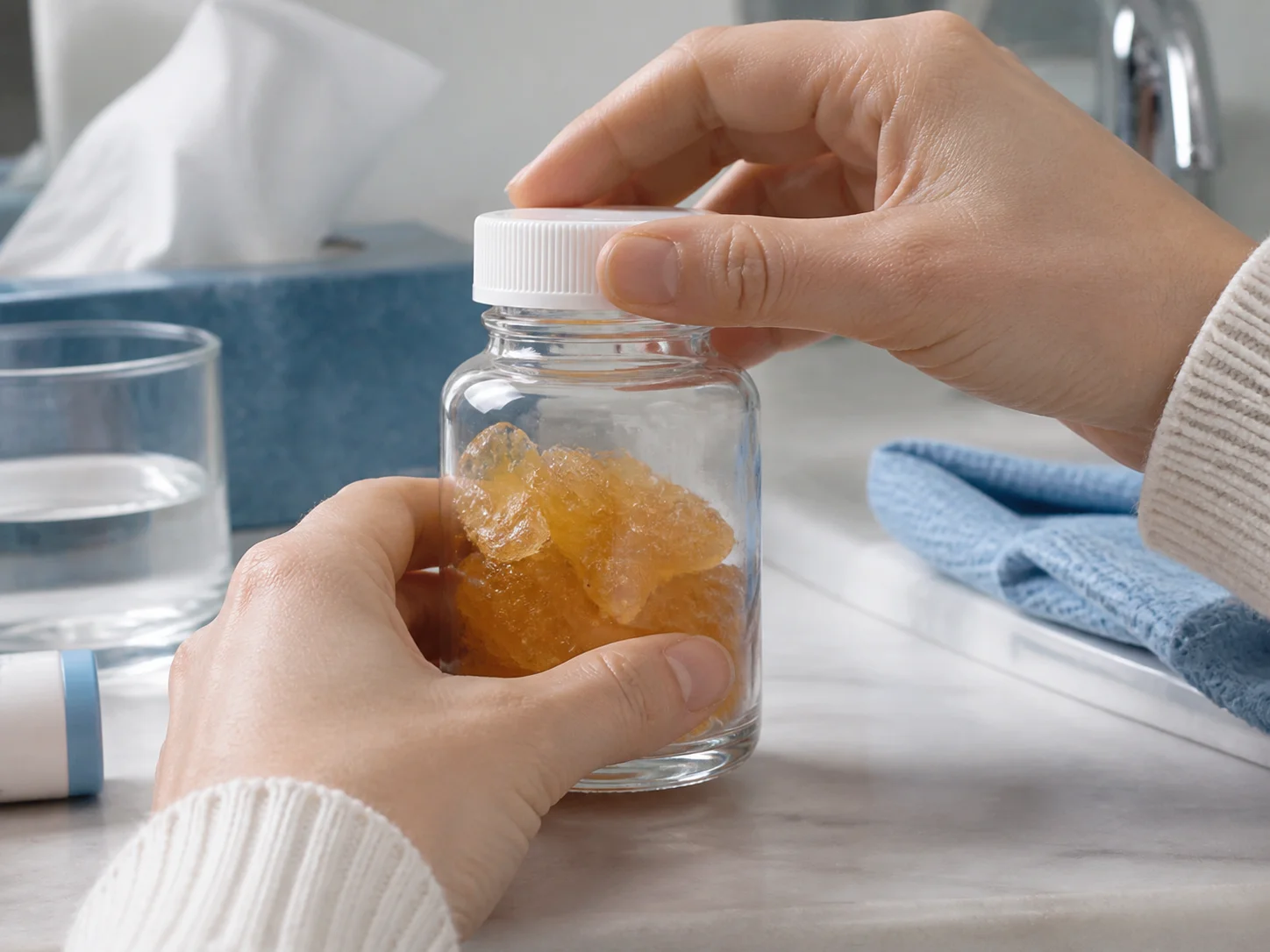
Compact clear wide-mouth jar with a white ribbed closure
Shown configuration · jar with closure / lozenges, liner and label not shown

Solid dose packaging

Lozenge Bottle

A jar for lozenges and pastilles, opened many times a day by someone with a sore throat, so the closure has to be easy while the contents stay dry enough not to fuse.

Opened many times dailySugar surfaces fuse when dampWide mouth, one-handed
Stock status
In stock
Lead time
2–3 weeks
FOB price / pc
$0.45 - $0.75
MOQ
3,000 pcs

Final availability, dimensions, materials, assembled components and commercial terms are confirmed against the selected drawing and approved sample.

In-use life is the real test

Barrier ends at first opening

Sticking is the failure mode

Damp sugar surfaces bond together

Opened one-handed

Often while holding something else

Lozenge Bottle profile

The unopened pack is easy. The pack that has been opened forty times is the problem.

In-use humidity, sticking & one-handed access

Five requirements that come from how the pack is actually used.

A lozenge jar spends almost its whole life open and shut. Whatever barrier the seal provided has gone within a day, and from then on the closure alone stands between a sugar or gum surface and the humidity of a bag, a coat pocket or a bathroom. That in-use behavior, not the sealed shelf life, is what the container is judged on.

01

In-use protection is the specification that matters

An induction seal or a wrap gives an unopened pack a good barrier, and it is gone the first time the customer wants a lozenge. Everything afterwards depends on the liner in the cap and how well the closure reseats when someone screws it back on quickly. Stability work that only measures the sealed pack misses the entire working life.

02

Sticking is what customers actually complain about

Sugar and gum surfaces absorb moisture and then bond to each other, turning a jar of separate lozenges into a single mass. It happens gradually and it is not visible until the jar is opened and shaken. The two levers are the liner's seal quality and whether the product is individually wrapped, and each has a very different cost.

03

The jar is opened by someone who feels unwell

Lozenges are used by people with sore throats, often one-handed while walking or working. A closure that needs two hands, a hard grip or a precise alignment is used less, and a customer who cannot open the pack easily buys a different brand next time. Opening effort is a commercial specification in this category.

04

Wide mouth, and a shape that lets one out at a time

A narrow neck means a customer tips out three lozenges and puts two back with fingers that have been on a train. A wide mouth and a shallow jar let one be taken cleanly. It is a hygiene point and a wastage point, and it argues for a squat jar rather than a tall bottle at the same capacity.

05

Glass earns its place by being reusable and visible

Most lozenge packaging is flexible film or blister, and glass appears where a brand wants a jar that sits on a desk and gets refilled or kept. The contents are visible, the jar does not crackle in a meeting, and it reads as a considered product. Those are the reasons to pay for it, and they are worth stating plainly.

06

A wide mouth and a shallow body work against each other

Lozenges have to come out one at a time, which favors a narrow opening, and the jar has to be emptied without tipping the lot into a hand, which favors a wide one. The workable answer is a wide finish with a shoulder that meters the flow, and it is judged by tipping real product from a real sample.
Application guide

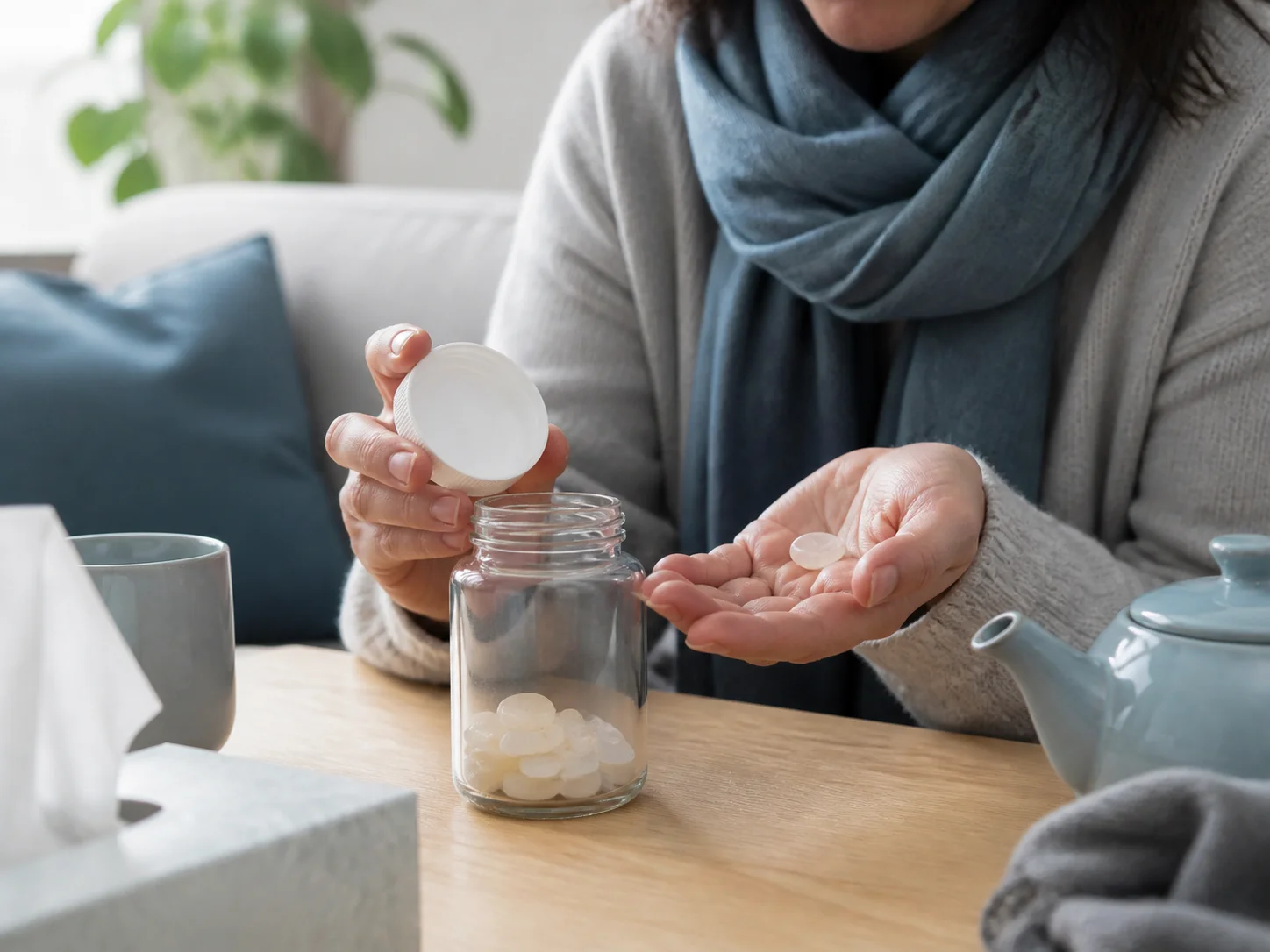
Lozenges are taken one at a time, often in public.

A lozenge pack is opened at a desk, in a meeting or on a train, and the customer wants one piece out quickly and quietly without the rest spilling. These are development directions confirmed with the actual product.

Lozenge Bottle used for lozenges taken through a cold in a throat comfort setting

Throat comfort

Lozenges taken through a cold

For a pack carried for several days and opened many times, sometimes discreetly during a conversation. A wide mouth lets one lozenge be shaken into a hand cleanly, and a cap that opens without a struggle matters more than any shelf consideration for a product used this way.

  • Test shaking out a single piece
  • Confirm quiet, easy opening
  • Size the pack for a few days
Lozenge Bottle used for sugar surfaces in a humid pocket in a sticking and moisture setting

Sticking and moisture

Sugar surfaces in a humid pocket

Lozenges are hygroscopic and will fuse into a solid mass if moisture gets in, which turns a full bottle into a single unusable lump. The liner and closure carry that responsibility, and the failure mode is obvious enough that customers rarely repurchase.

  • Confirm the liner blocks moisture
  • Test the pack in humid conditions
  • Check for fusing after storage
Lozenge Bottle used for clear glass showing what is left in a visible contents setting

Visible contents

Clear glass showing what is left

A transparent bottle lets a customer see how many remain and prompts repurchase before running out, which is useful for a product bought reactively. It also exposes any sticking or discoloration, so the contents have to look as good at the end as at the start.

  • Review appearance late in the pack
  • Confirm color holds over shelf life
  • Use visibility to prompt repurchase

Applications describe packaging-development directions. Throat-use suitability, storage, child resistance, tamper evidence and regulatory outcomes are confirmed for the selected program.

Common questions

Lozenge Bottle questions

Everything about this pack is decided by what happens after it is opened.

Why does in-use testing matter more than sealed shelf life?

Because the pack spends almost its whole life opened. An induction seal or wrap protects an unopened jar and is gone the first time a customer wants a lozenge, after which the cap liner and how well it reseats do all the work. Stability data measured only on sealed packs misses the entire working life of the product.

How do we stop lozenges sticking together?

Two levers, with very different costs. A better liner and a closure that reseats reliably slow moisture ingress during use; individual wrapping removes the problem entirely and adds material and machinery. A desiccant closure sits between them. Which is right depends on the formulation's hygroscopicity and on what the category will bear on price.

Why choose glass at all when film and blister dominate?

For reuse and presence. A jar sits on a desk, does not crackle in a meeting, shows the product and often gets kept and refilled. Those are the honest reasons to pay more, and they are commercial rather than technical. If none of them applies to your product, film or blister will serve it better and cost less.

Can a lozenge jar be both wide and shallow?

The two work against each other. A wide mouth makes it easy to take one out; a shallow body means the last few slide around and are hard to pick up. Find the compromise on filled samples with the actual lozenge shape.

Next step

Send us the Lozenge Bottle brief.

Tell us the product, fill volume, closure preference and destination market. We will come back with the matching drawings, available configurations and a sample plan before anything is quoted.

  • 01Send the briefProduct, volume, closure and market
  • 02Get the optionsMatching drawings and configurations
  • 03Approve the sampleConfirm the pack before production