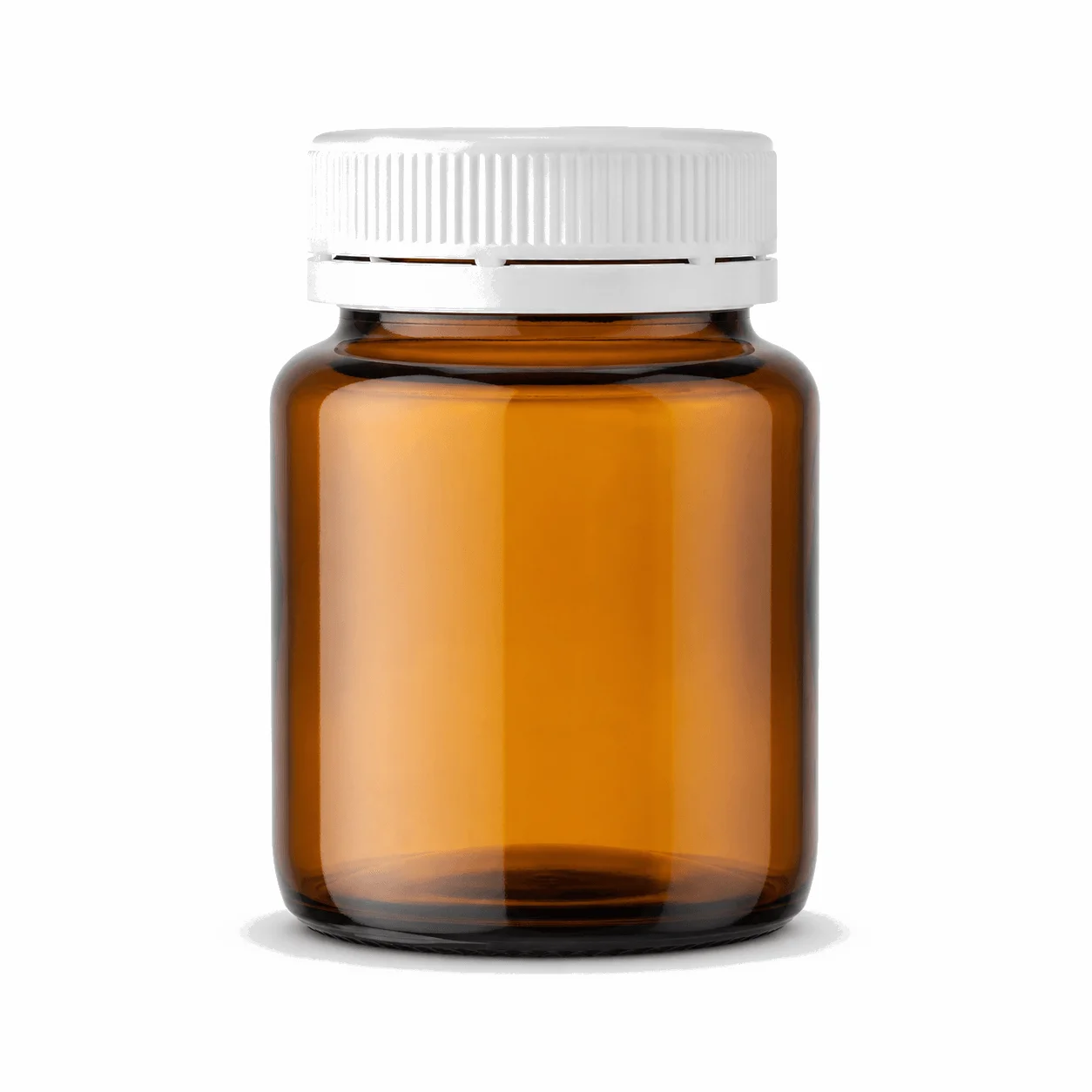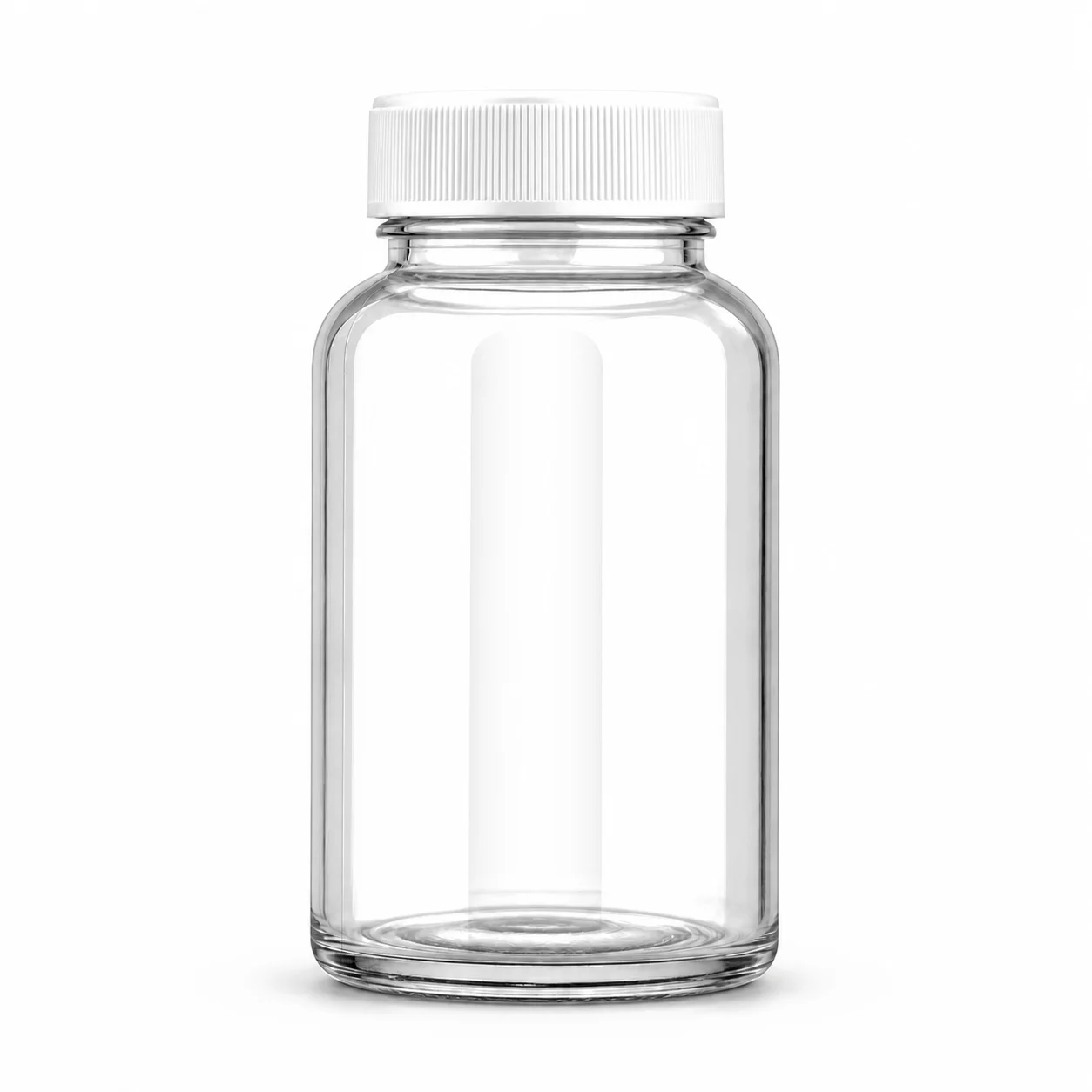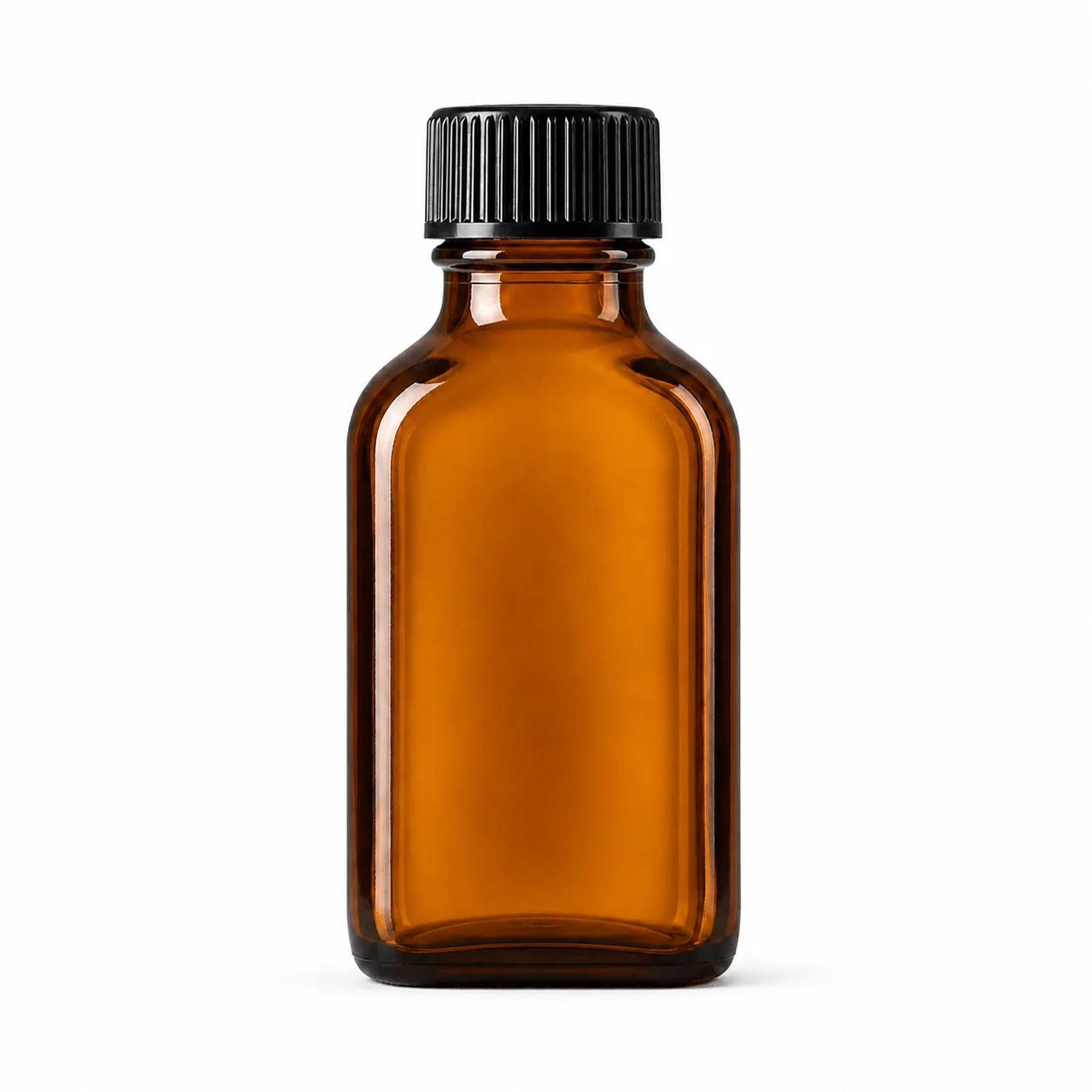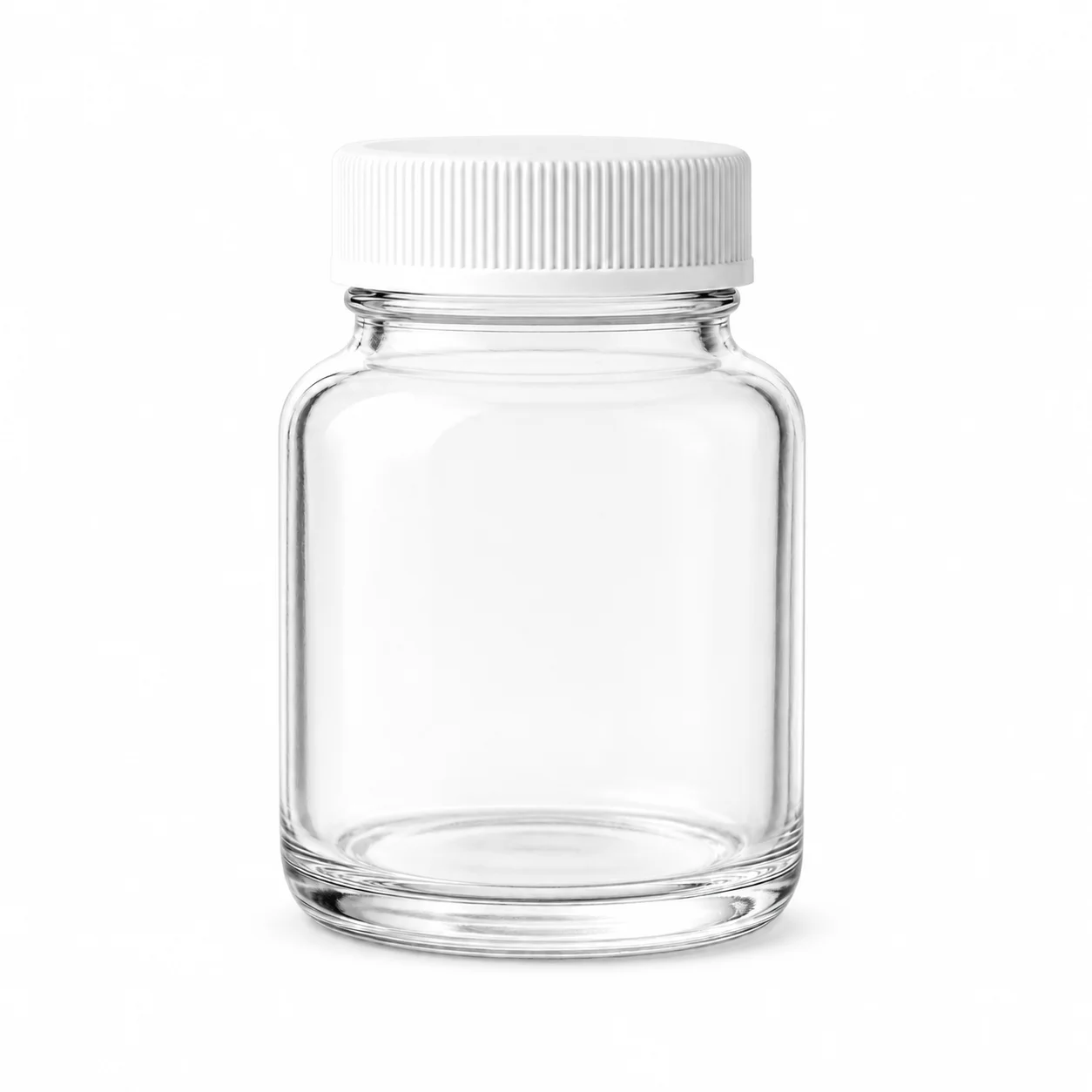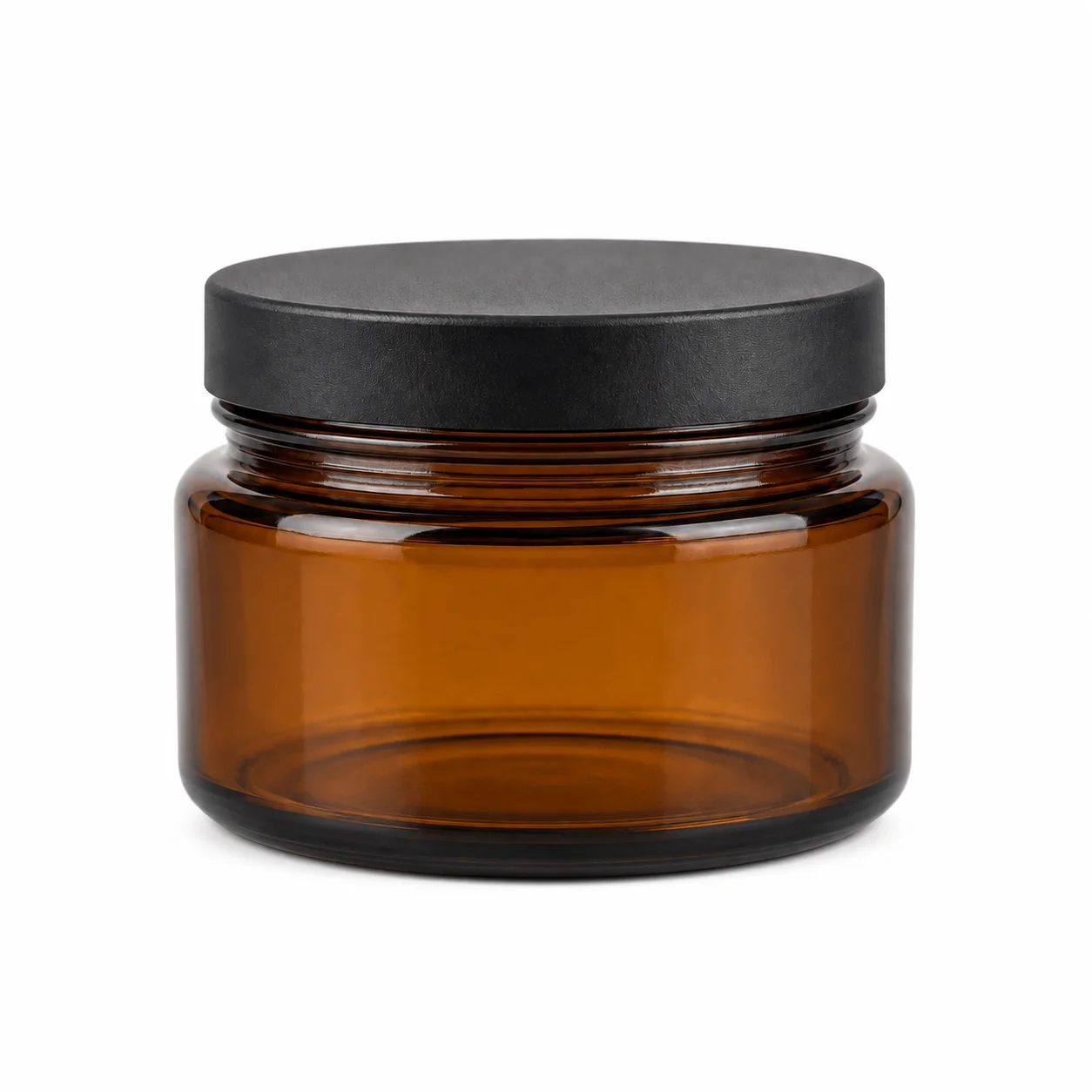
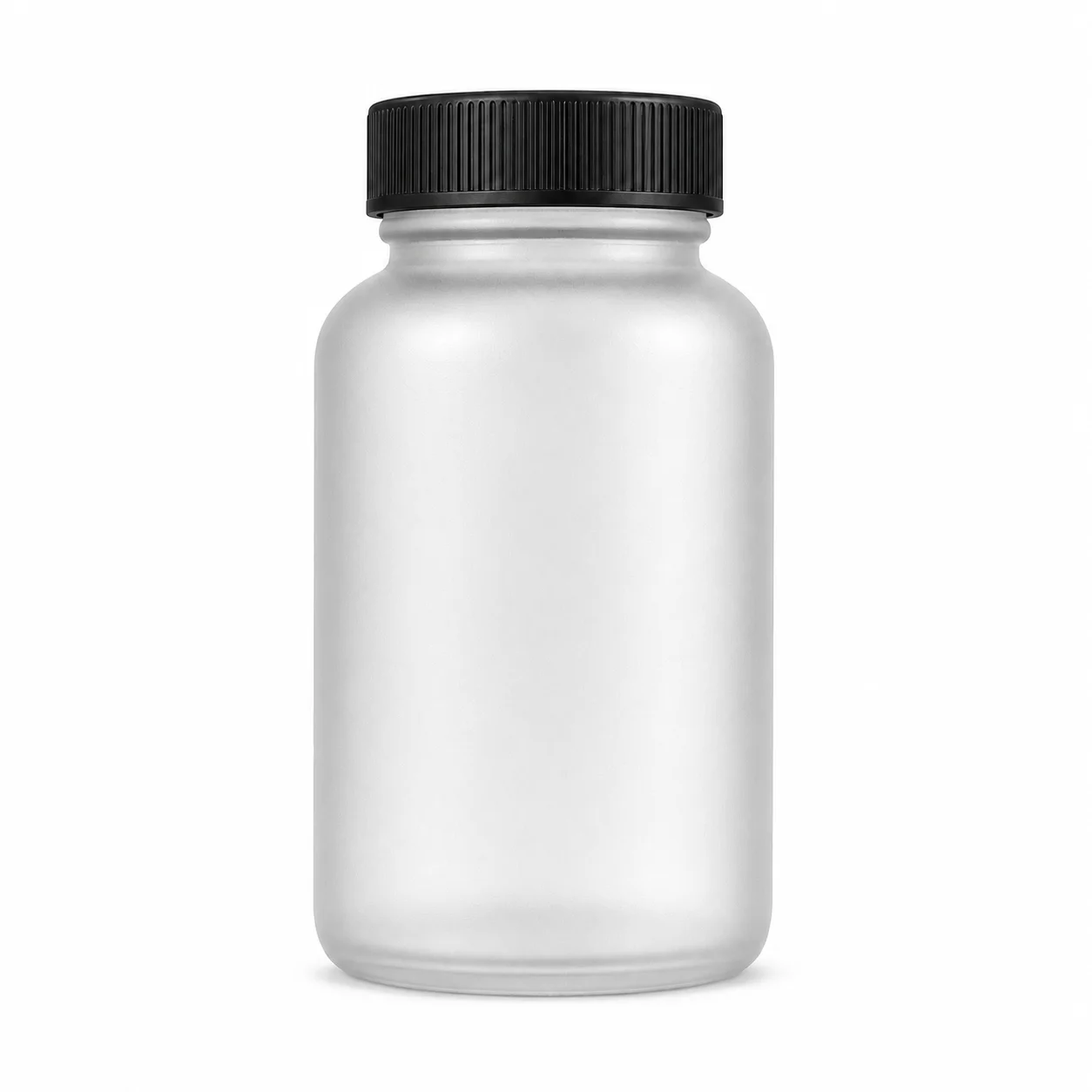
Frosted white round-shouldered bottle with a black ribbed closure
Shown configuration · bottle with closure / capsules, liner, filler and label not shown

Nutraceutical packaging

Supplement Bottle

A retail supplement bottle where shelf presence, count economics and a regulated facts panel compete for the same geometry, and glass is a positioning decision.

Facts panel drives the panelCount sets the size ladderGlass reads as premium
Stock status
In stock
Lead time
2–3 weeks
FOB price / pc
$0.35 - $0.80
MOQ
10,000 pcs

Final availability, dimensions, materials, assembled components and commercial terms are confirmed against the selected drawing and approved sample.

Sold from a shelf

Facing width and height are commercial dimensions

Count ladders, not volumes

30, 60, 90 and 120 count drive sizes

Weight signals quality

Glass carries a price expectation

Supplement Bottle profile

A container designed backwards from a shelf and a required label panel.

Count ladders, label area & retail positioning

Five constraints that arrive from outside the packaging department.

Supplement packaging is a retail product before it is a pharmaceutical one. The count is set by a month's dosing, the label panel is set by regulation, the facing is set by the shelf, and the bottle has to satisfy all three at once. Glass enters the conversation because it changes what a customer expects to pay.

01

Count ladders, not capacities, define the range

Supplements are bought as a month or three months of dosing, so the sizes are 30, 60, 90 and 120 counts rather than round volumes. That means the bottle range is defined by the dose form's bulk density and by how many fit, and a change of tablet size or a switch from tablet to capsule can move an entire range up or down a step.

02

The facts panel takes precedence over the design

A supplement label carries a required nutrition or supplement facts panel plus a full ingredient list, and it cannot be shrunk to make room for branding. The bottle therefore has to offer enough flat panel area for that first, which is why supplement bottles tend to be wider and less shapely than their cosmetic counterparts.

03

Facing width and shelf height are hard constraints

Retail planograms allocate a facing width and a shelf height, and a bottle that exceeds either is either turned sideways, laid down or refused. Those dimensions come from the buyer rather than from the brand, and they are worth confirming before a bottle is tooled, because they cannot be negotiated after a listing is agreed.

04

Glass is a positioning decision with real costs

Most volume supplements ship in HDPE because it is light, unbreakable and cheap. Glass costs more per unit, more to ship and more when it breaks, and it signals a premium product in a way plastic does not. That trade is a commercial judgment rather than a technical one, and it deserves to be made explicitly.

05

Tamper evidence is a consumer expectation here

Retail supplement buyers expect an induction seal under the cap and often a band or shrink over it. That expectation is stronger in this category than the regulation strictly requires, and a pack that arrives without it generates returns and complaints. It also fixes the finish, since induction sealing needs a suitable land and closure.

06

Serving size drives the fill, and the fill drives the bottle

The count on the label follows from a serving size that the formulation team sets late, and a change from two capsules a day to three changes the count, the fill height and often the bottle. Fixing the serving size before the glass is tooled avoids a range of bottles that no longer suit their own labels.
Application guide

Supplements are sold on the label, not the bottle.

This category competes on ingredient panels, serving counts and claims, all of which have to fit on a curved surface alongside mandatory information. The bottle is mostly a canvas. These are development directions confirmed against market requirements.

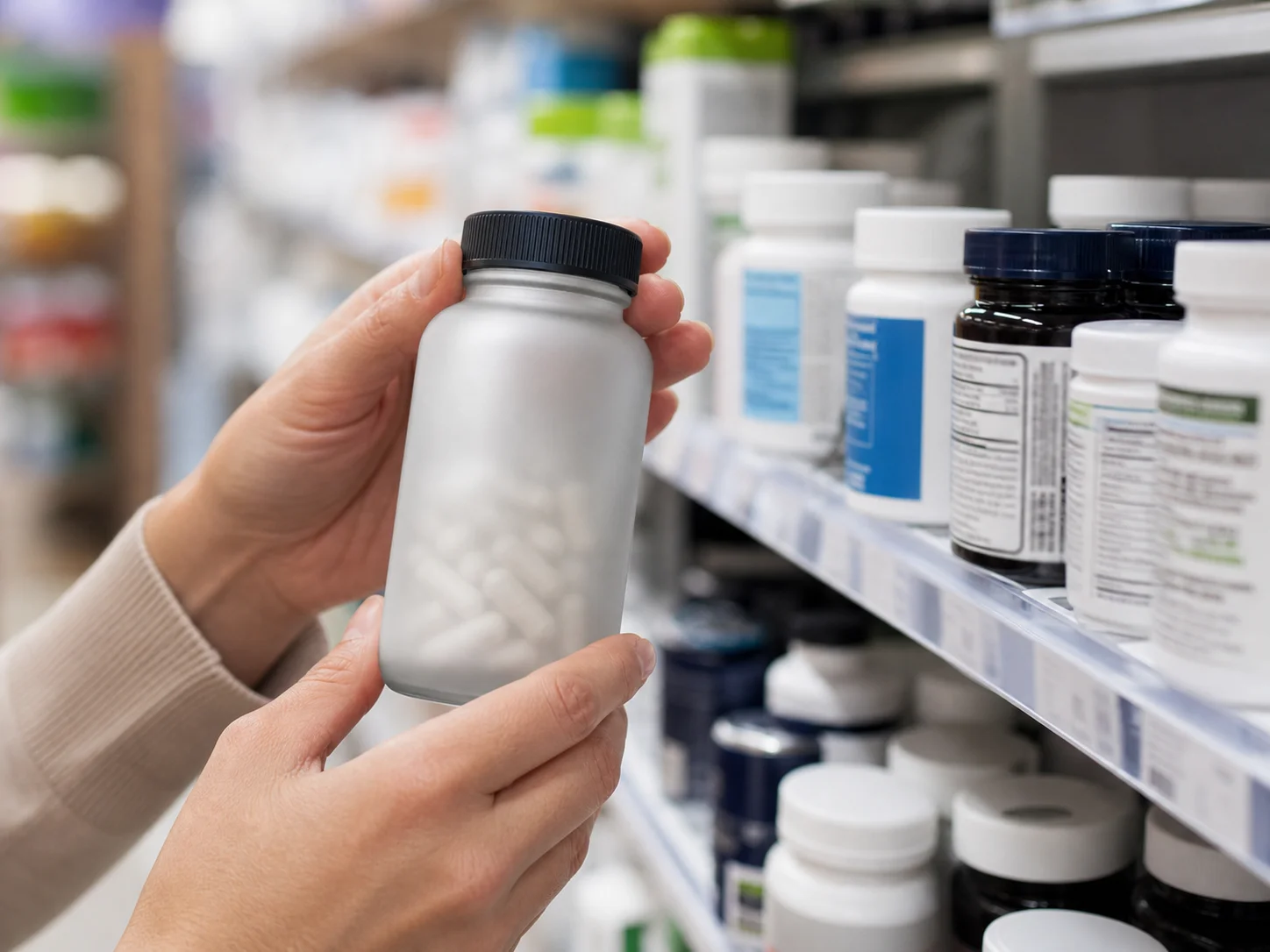
Supplement Bottle used for bottles chosen from a wall of competitors in a retail shelf setting

Retail shelf

Bottles chosen from a wall of competitors

For products a customer compares by reading panels in a store aisle, weighing ingredient lists and serving counts against price. A frosted white body gives artwork a clean, consistent ground, and the available label area effectively caps how much of that comparison a brand can win on pack.

  • Map the label area before artwork
  • Fit mandatory panels first
  • Test legibility at shelf distance
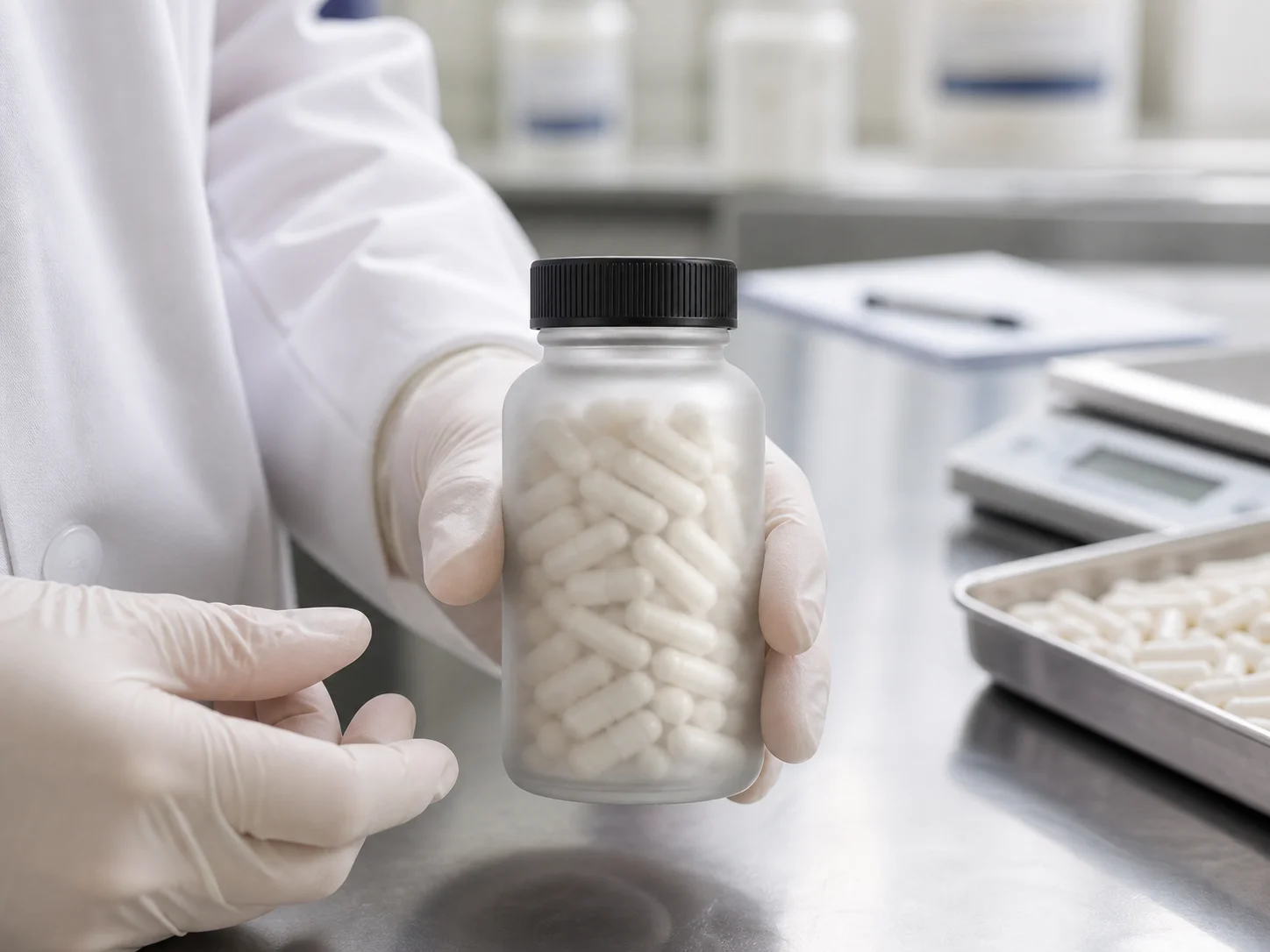
Supplement Bottle used for making a bottle look worth the price in a count and headspace setting

Count and headspace

Making a bottle look worth the price

Tablets and capsules settle, so a bottle sized to the count can look half empty on opening and generate complaints regardless of the stated quantity. Sizing the container to the settled volume, with filler managing the rest, is what avoids that impression.

  • Size the bottle to settled volume
  • Manage headspace with filler
  • Check appearance after transit
Supplement Bottle used for wording that travels badly in a selling into a new country setting

Selling into a new country

Wording that travels badly

For a brand taking a product that sells well at home to a distributor abroad, using the artwork it already has. Permitted supplement wording differs sharply between markets and a phrase that is routine in one is prohibited in the next, so the review happens per destination before anything goes to print.

  • Review claims per destination market
  • Separate structure and function wording
  • Confirm before committing to print

Applications describe packaging-development directions. Supplement claims, storage, child resistance, tamper evidence and regulatory outcomes are confirmed for the selected program.

Common questions

Supplement Bottle questions

This pack answers to a retail buyer as much as to a formulator.

How much label area do we actually need?

Enough for the required facts panel and full ingredient list before any branding is considered, because that content cannot be shrunk to make room. Bottles in this category are consequently wider and less shaped than cosmetic containers of similar capacity. Check the artwork against the panel area before tooling rather than after.

Do retail dimensions really constrain the bottle?

They are usually the hardest constraint in the brief. Planograms allocate a facing width and a shelf height, and a bottle exceeding either gets turned sideways, laid down or refused. Those numbers come from the buyer, not the brand, and they cannot be renegotiated once a listing is agreed, so confirm them before tooling.

Is glass worth it against HDPE?

As positioning, sometimes; as engineering, rarely. HDPE is lighter, unbreakable and cheaper to ship, and it dominates volume supplements for those reasons. Glass costs more per unit, more in freight and more in breakage, and it signals a premium product in a way plastic does not. Make that trade explicitly rather than by default.

What actually decides the bottle size?

The serving size, working forwards. Serving size sets the daily count, the count sets the fill for a 30 or 60 day supply, and that fill sets the bottle. Starting from an attractive bottle and working back is how ranges end up with awkward counts.

Next step

Send us the Supplement Bottle brief.

Tell us the product, fill volume, closure preference and destination market. We will come back with the matching drawings, available configurations and a sample plan before anything is quoted.

  • 01Send the briefProduct, volume, closure and market
  • 02Get the optionsMatching drawings and configurations
  • 03Approve the sampleConfirm the pack before production