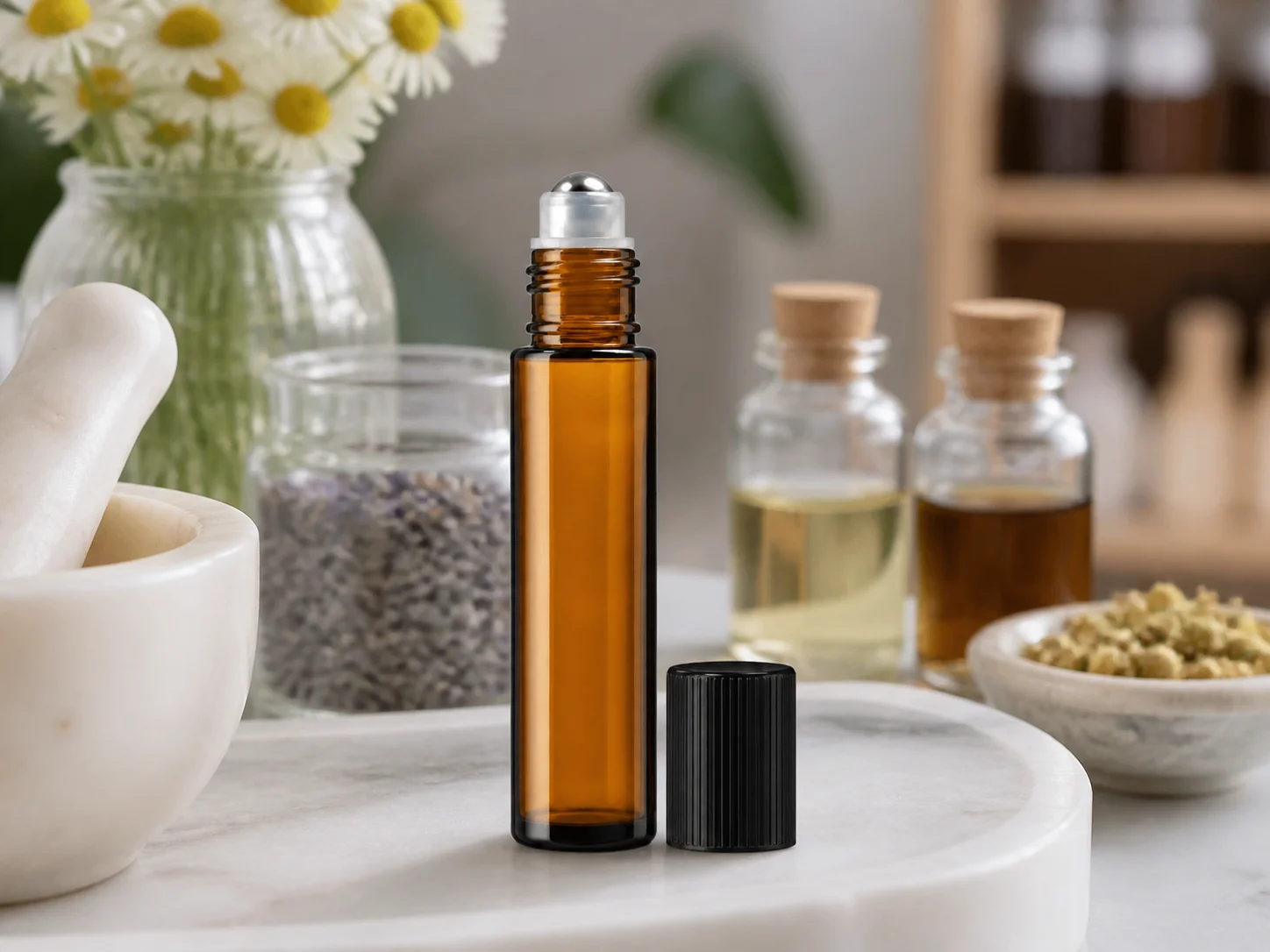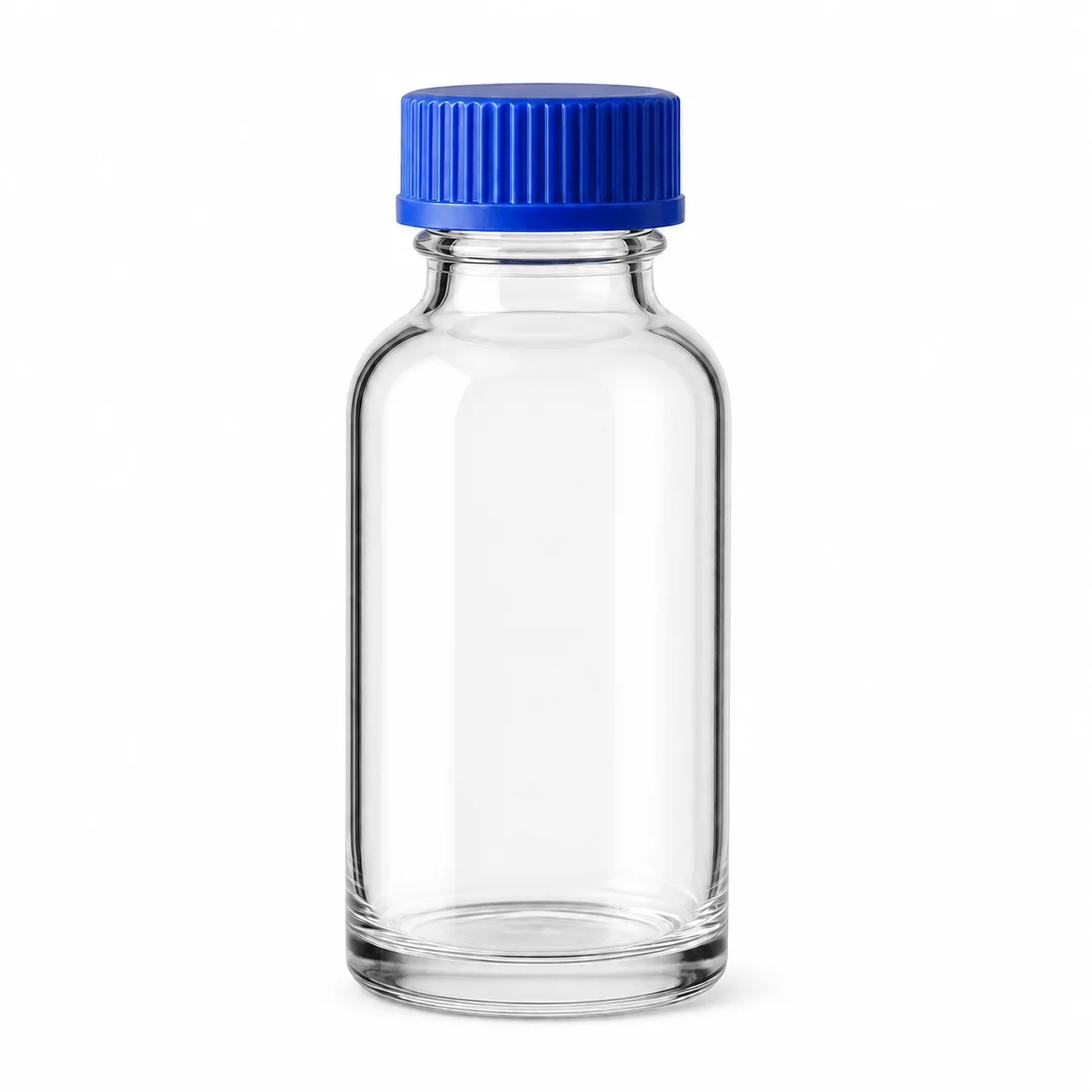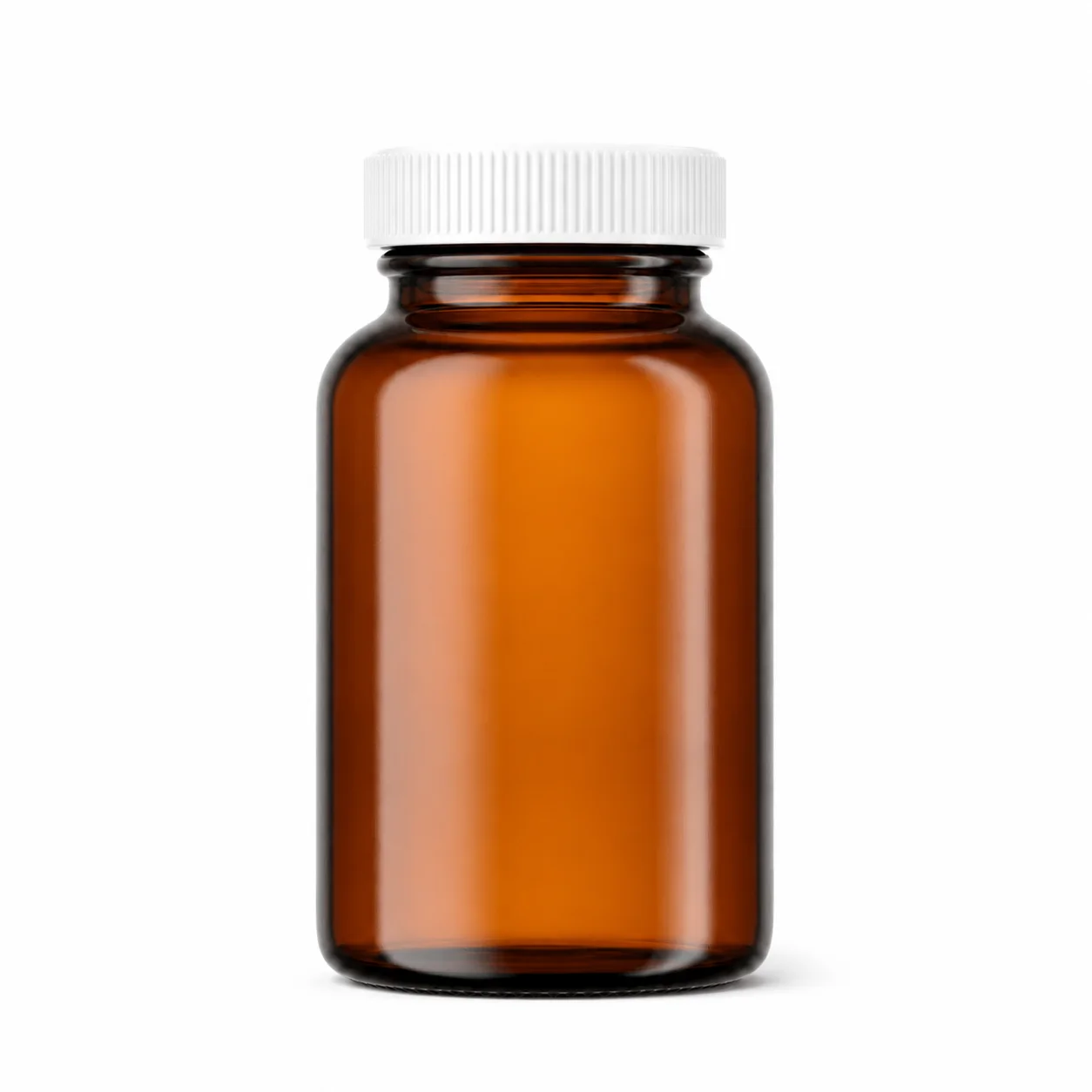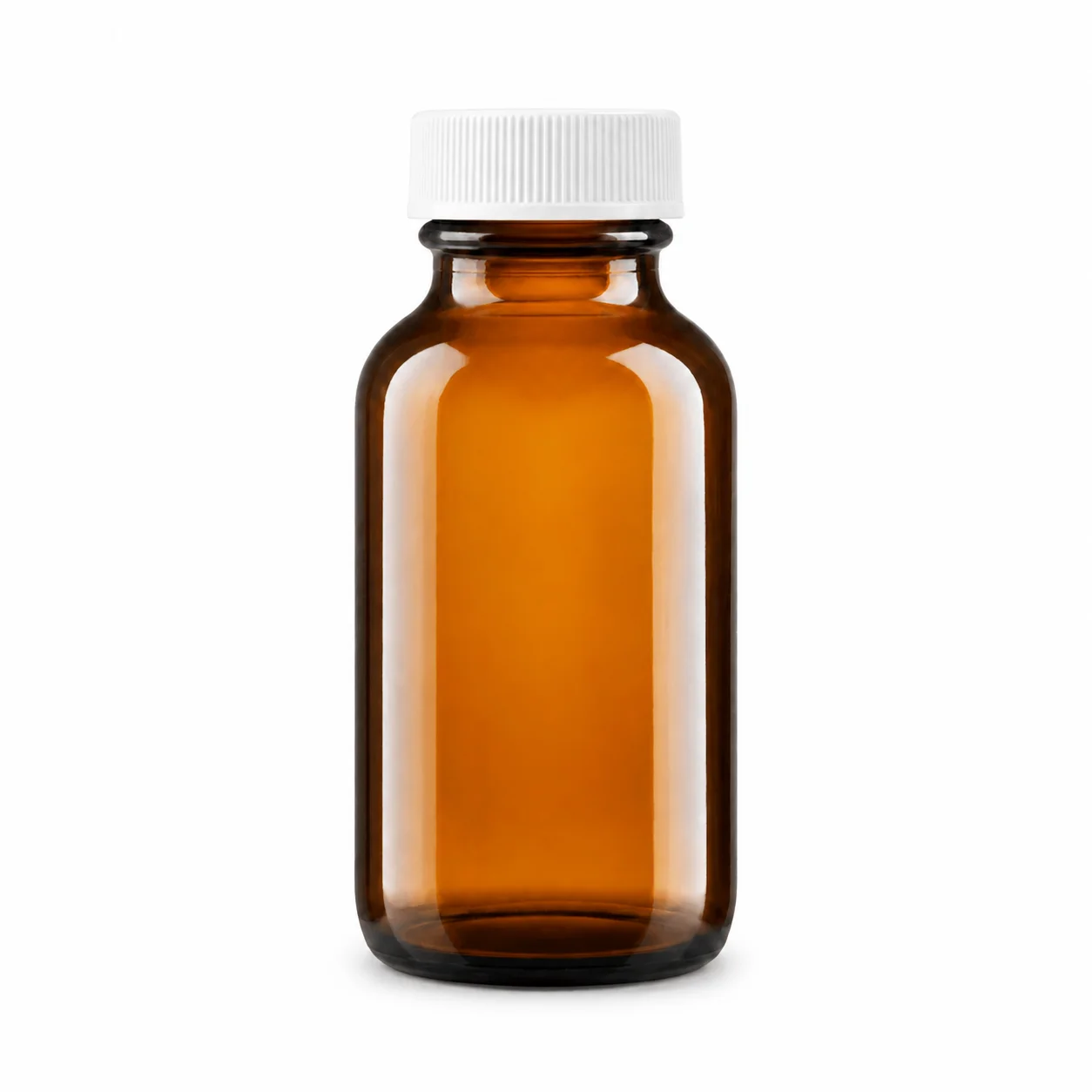
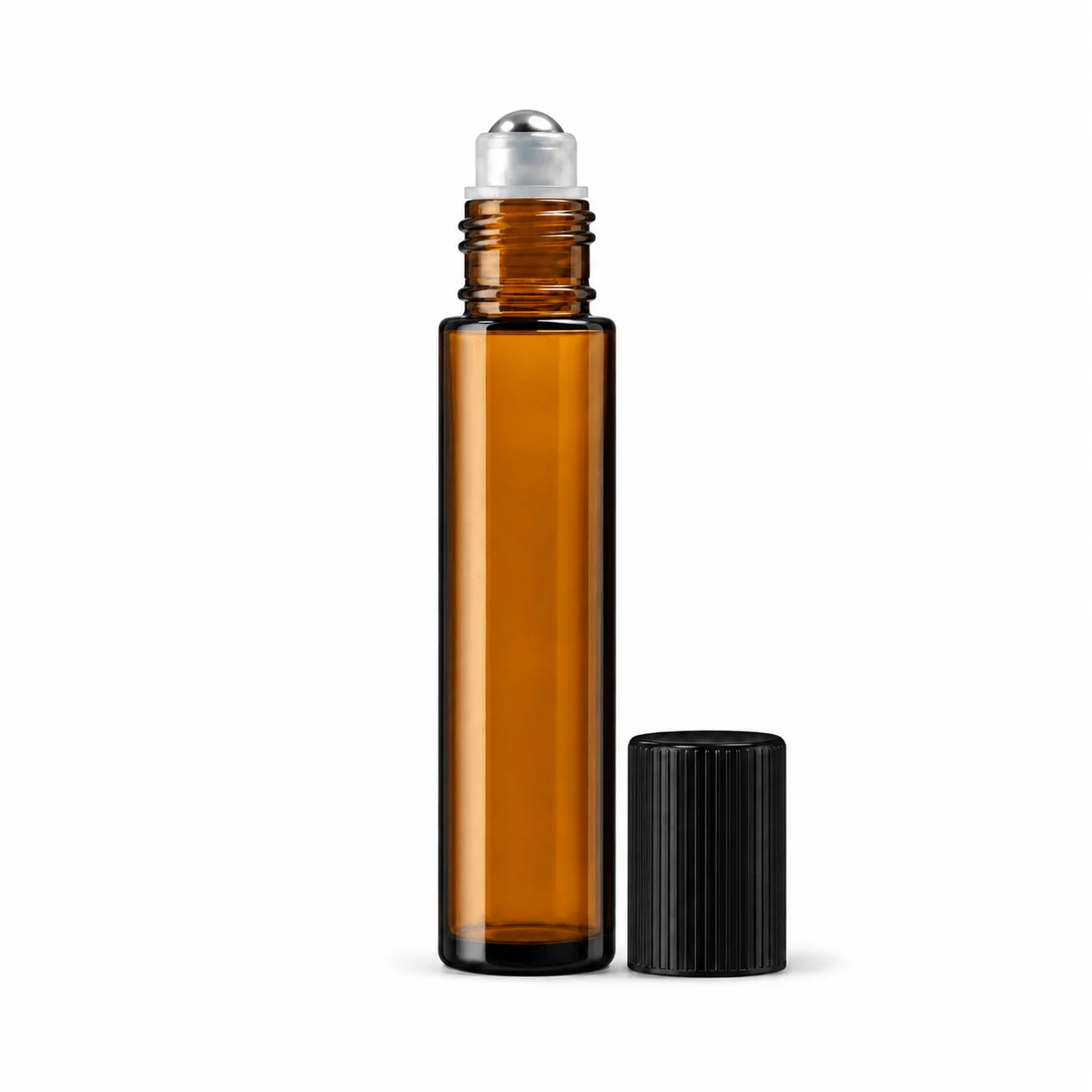
Small amber bottle with a roller fitment and a black ribbed cap
Shown configuration · bottle with roller and cap / blend, fitment seal and label not shown

Topical aromatherapy

Aromatherapy Roller Bottle

A small roller bottle for diluted essential oil blends applied to pulse points, where the carrier oil, the ball and the cap decide how much aroma survives to the last use.

Diluted blends, not neat oilsSteel, glass or gemstone ballsAmber against light
Stock status
In stock
Lead time
2–3 weeks
FOB price / pc
$0.15 - $0.50
MOQ
2,000 pcs

Final availability, dimensions, materials, assembled components and commercial terms are confirmed against the selected drawing and approved sample.

Applied to skin, not diffused

Dilution is a safety requirement

Volatiles escape past the ball

Cap design decides how fast

Carried in a bag

Leak resistance is judged on its side

Aromatherapy Roller Bottle profile

A pack that lives in a handbag, on its side, full of something volatile.

Dilution, volatile retention & everyday carriage

Five things that decide whether the blend is still good at the end.

A roller blend is diluted essential oil in a carrier, applied to wrists and temples several times a day. It is carried loose in a bag, laid on its side, and expected to smell the same in week six as in week one. Those three facts — skin contact, transport, and volatility — set the entire specification.

01

Dilution is a safety requirement, not a cost saving

Neat essential oils can sensitize or irritate skin, so roller blends are diluted in a carrier — commonly a few percent of essential oil in fractionated coconut, jojoba or a similar base. That dilution also governs viscosity, which in turn decides how the ball delivers. The formulation and the fitment are chosen together rather than separately.

02

The ball is an open path for volatiles

A roller has no seal below the ball, so aromatic molecules escape continuously around it. Over weeks that changes the blend's character as the lightest notes go first. A cap with an inner plug that closes on the housing bore slows it considerably, and on a fragrance-led product that cap is worth more than the bottle it sits on.

03

Terpenes attack the wrong materials

Citrus and conifer oils swell and degrade several common elastomers and plastics. Housing material, cap liner and any gasket have to be chosen against the blend, not against water. A fitment that works with a plain carrier oil can distort within weeks on a citrus-heavy blend and start leaking in a customer's bag.

04

Leak testing is done on its side, warm

The realistic failure is a bottle lying in a warm handbag, not one standing on a shelf. Testing filled units on their side at elevated temperature finds the problems that upright bench testing misses entirely, and it is a short test. A leaked roller ruins the bag it is in, which generates complaints out of proportion to the product's price.

05

Amber, because these blends sit in daylight

Roller bottles live on desks, in cars and in bags that are opened outdoors, so light exposure is far higher than for a bottle in a cupboard. Amber absorbs the short wavelengths that oxidize terpenes into less pleasant compounds. It costs the ability to see how much is left, which a fill line or a translucent amber recovers partly.

06

The ball housing decides how much oil reaches skin

Ball diameter and the clearance around it set the film thickness delivered per stroke, which is the actual dose in a product sold by drop count on the label. Changing the housing supplier without measuring delivery changes the dose without changing the artwork.

Application guide

This is a wellness product, and the wording matters.

Aromatherapy roll-ons sit beside medicines on a shelf but are not medicines, and the line between describing a scent and implying a treatment is where these programs get into trouble. These are development directions confirmed with the actual blend.

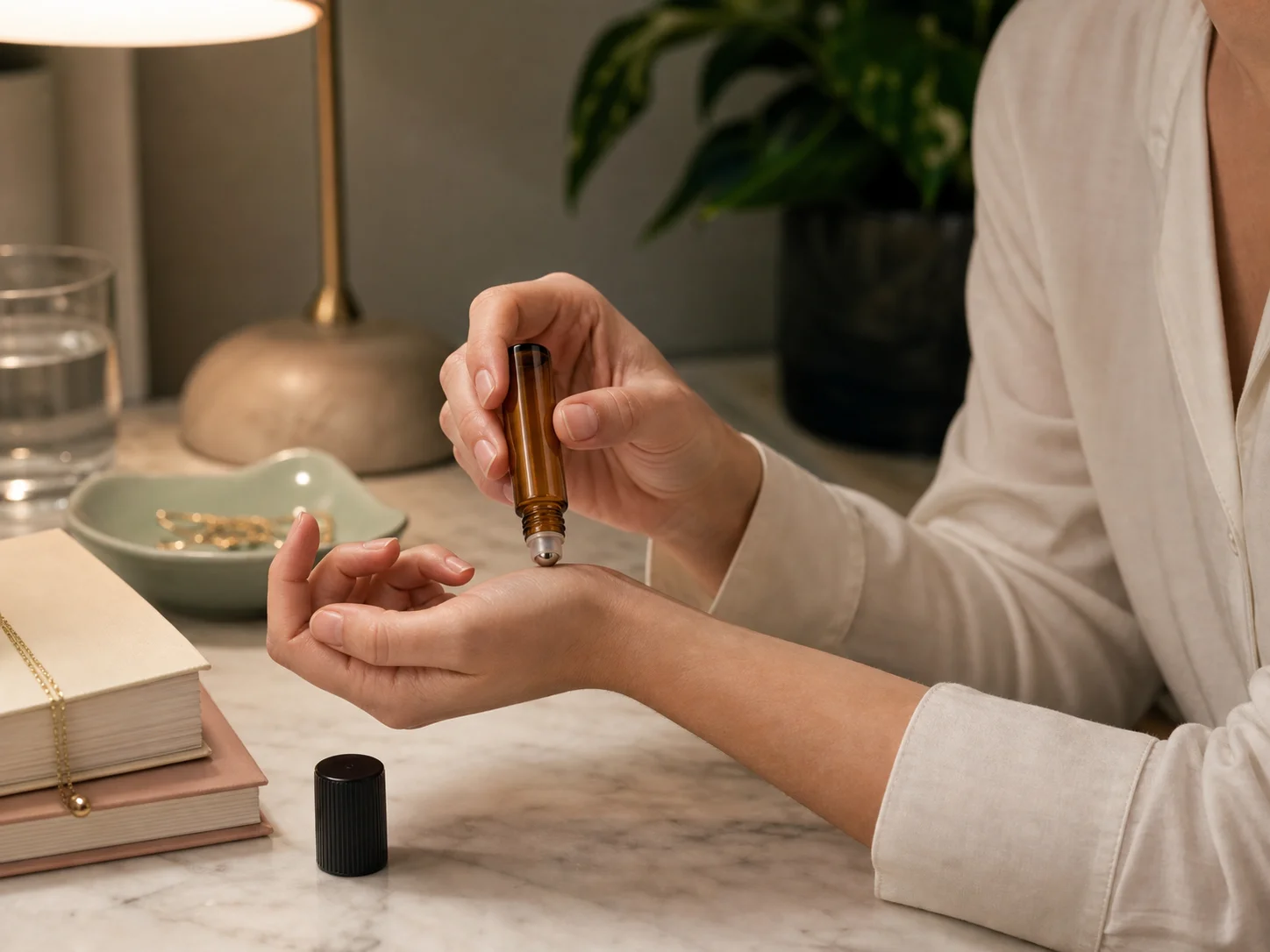
Aromatherapy Roller Bottle used for blends rolled onto wrists and temples in a everyday wellness setting

Everyday wellness

Blends rolled onto wrists and temples

For someone applying a diluted blend at a desk or before sleep, choosing it the way they would choose a scent rather than a remedy. The ball has to glide on dry skin without dragging and stop cleanly when lifted, since the amount delivered is controlled entirely by how long the customer rolls.

  • Roll the actual blend on dry skin
  • Confirm the ball stops on lifting
  • Check the glide without dragging
Aromatherapy Roller Bottle used for a roller sitting next to remedies in a wellness aisles setting

Wellness aisles

A roller sitting next to remedies

For products a shopper finds a shelf away from things a pharmacist sells, which is exactly why their wording gets read closely. A phrase promising an outcome moves the roller into a regulated category, so the copy stays with the scent and the ritual, and that boundary is agreed before artwork begins.

  • Keep copy to scent, not effect
  • Review wording against market rules
  • Agree the claim boundary early
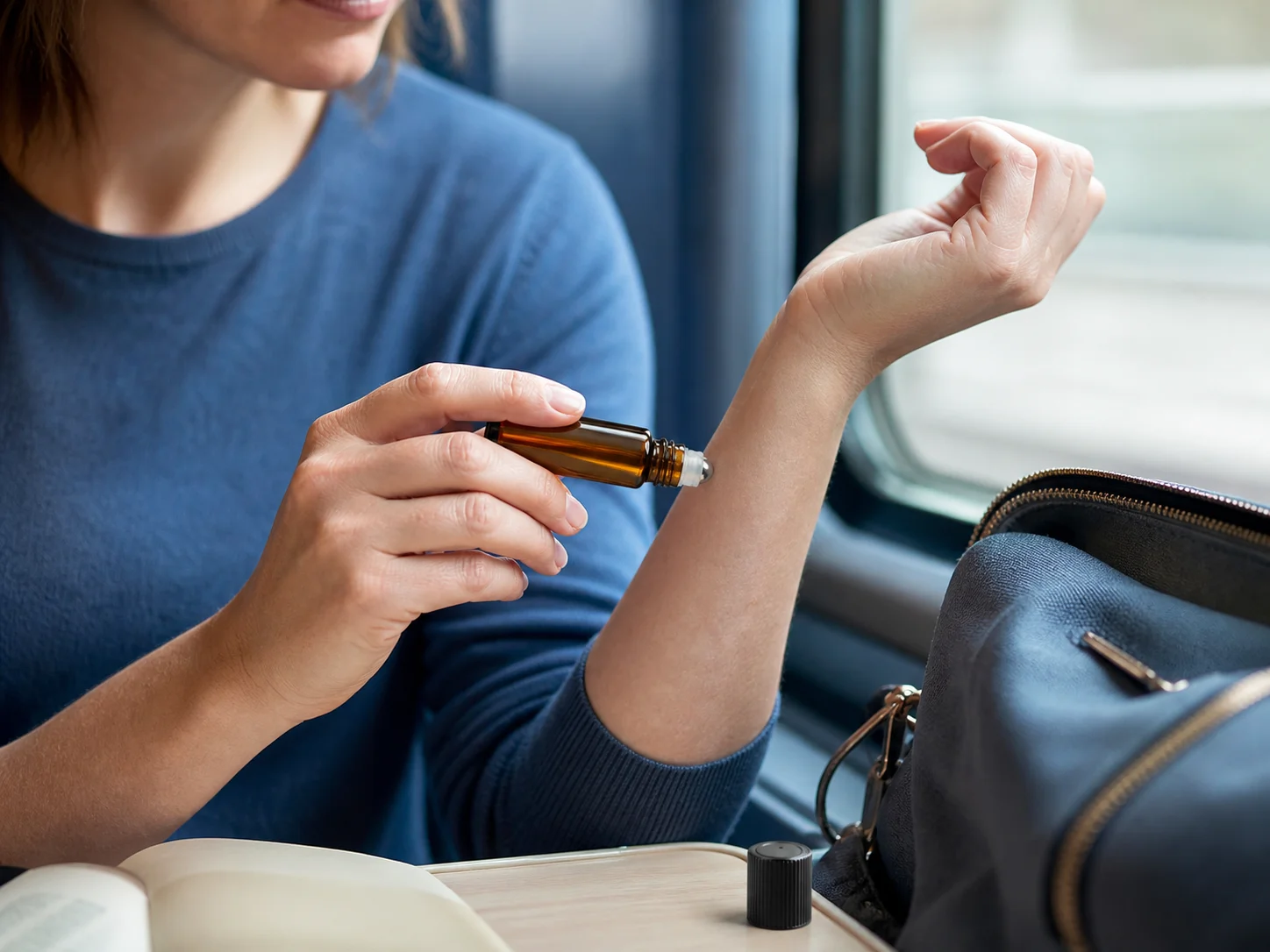
Aromatherapy Roller Bottle used for a bottle carried every day for a year in a pockets and rucksacks setting

Pockets and rucksacks

A bottle carried every day for a year

For rollers people keep on them and use at work, in a car, on a train. Even diluted, the oils work on the housing, the ball seat and the cap liner month after month, and a seat that swells leaks into a rucksack, so every plastic part is tested against the blend that will actually be filled.

  • Test the seat against the diluted blend
  • Confirm no leakage after months
  • Match the amber to the oils used

Applications describe development directions. Output, dose, component compatibility, safety and regulatory outcomes are confirmed for the selected program.

Common questions

Aromatherapy Roller Bottle questions

Three facts drive this pack: skin contact, a handbag, and volatility.

Why is an aromatherapy roller pre-diluted?

For skin safety first. Neat essential oils can sensitize or irritate, so blends are carried in fractionated coconut, jojoba or a similar base at a low percentage. The dilution also sets the viscosity, which decides how the ball delivers, so the formulation and the fitment are specified together rather than one after the other.

Why does the blend smell different after a few weeks?

Volatiles escaping around the ball. A roller has no seal below the ball, so aromatic molecules leave continuously and the lightest notes go first. A cap with an inner plug closing on the housing bore slows it substantially. On a fragrance-led product that cap contributes more to the experience than the bottle does.

Why do some fitments distort on citrus blends?

Terpenes. Citrus and conifer oils swell and degrade several common elastomers and plastics, so housing material, cap liner and any gasket have to be chosen against the blend rather than against water. A fitment that behaves perfectly with a plain carrier oil can deform within weeks on a citrus-heavy formula and start leaking.

How should we test for leaks?

On the side, warm, filled. The realistic failure is a bottle lying in a hot handbag, not standing on a shelf, and upright bench testing misses it entirely. It is a short test and worth doing before launch, because a leaked roller ruins whatever bag it was in and generates complaints far out of proportion to the price.

What controls how much oil reaches the skin?

The housing, not the ball. Clearance between ball and seat sets the film thickness delivered per stroke, so two bottles with identical balls can dispense very differently. Specify the housing and the ball as a pair.

Next step

Send us the Aromatherapy Roller Bottle brief.

Tell us the product, fill volume, closure preference and destination market. We will come back with the matching drawings, available configurations and a sample plan before anything is quoted.

  • 01Send the briefProduct, volume, closure and market
  • 02Get the optionsMatching drawings and configurations
  • 03Approve the sampleConfirm the pack before production