Draw volume, additives & pre-analytical error
Six ways a tube changes a laboratory result before the analyzer sees it.
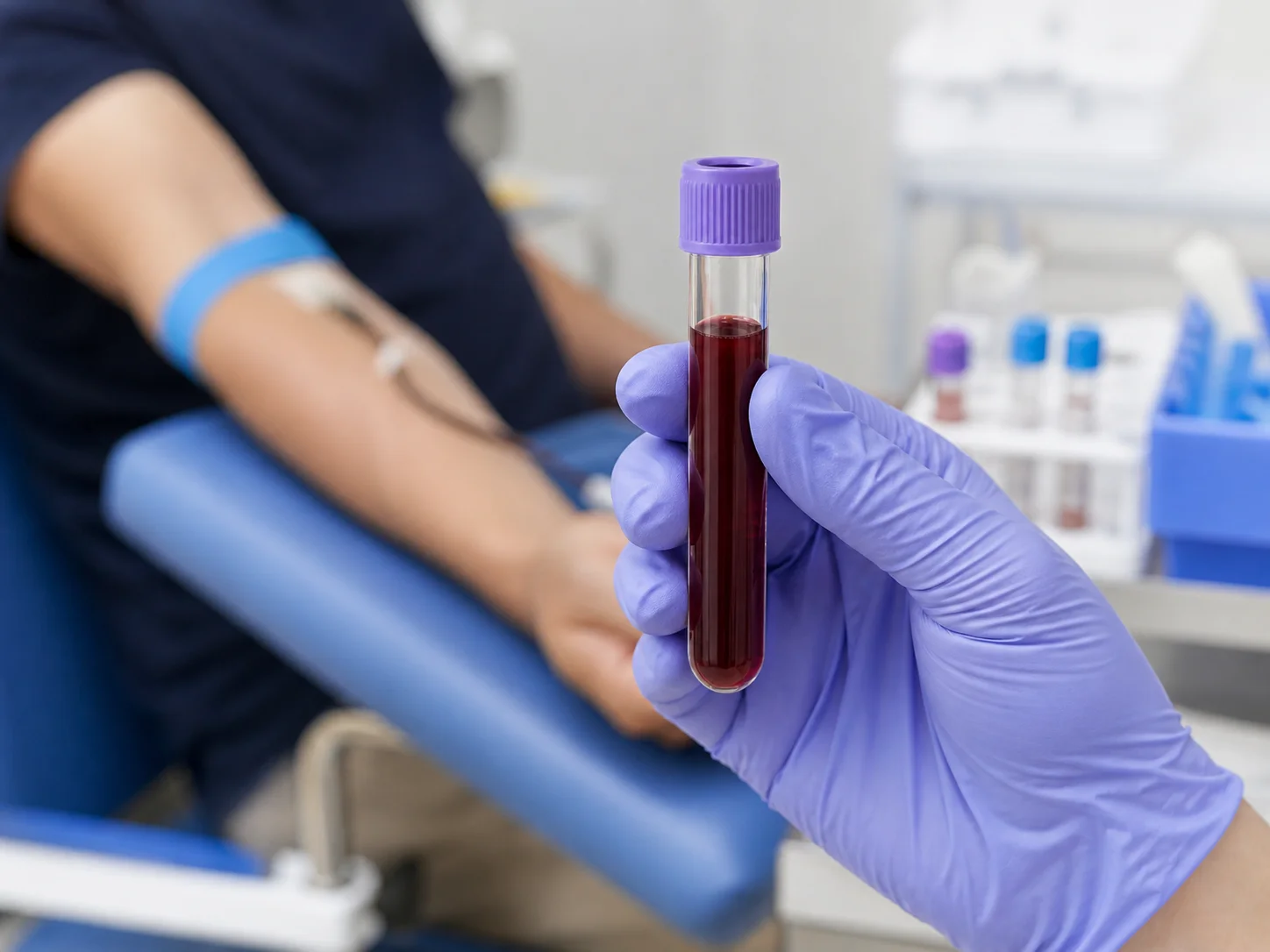
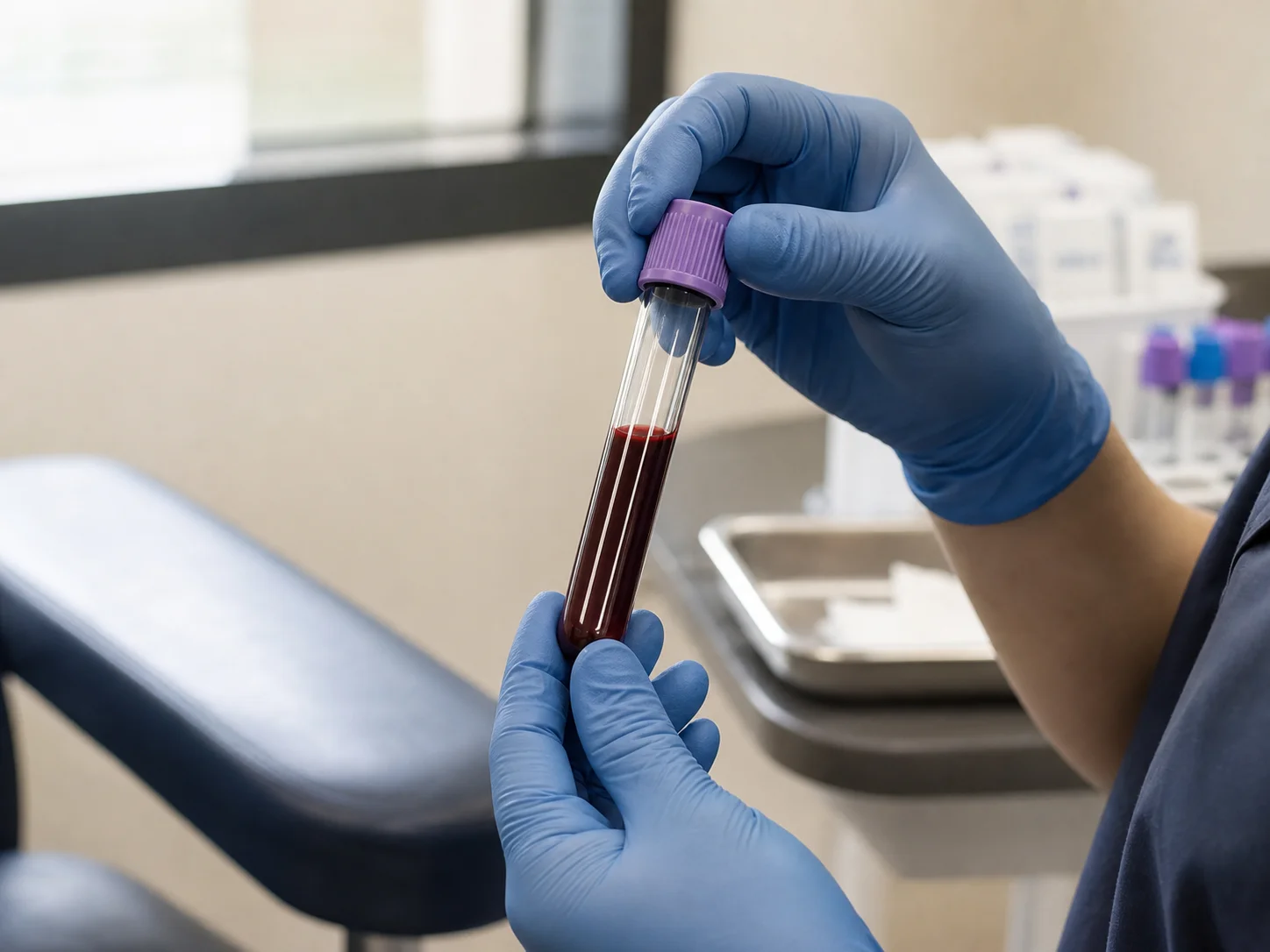
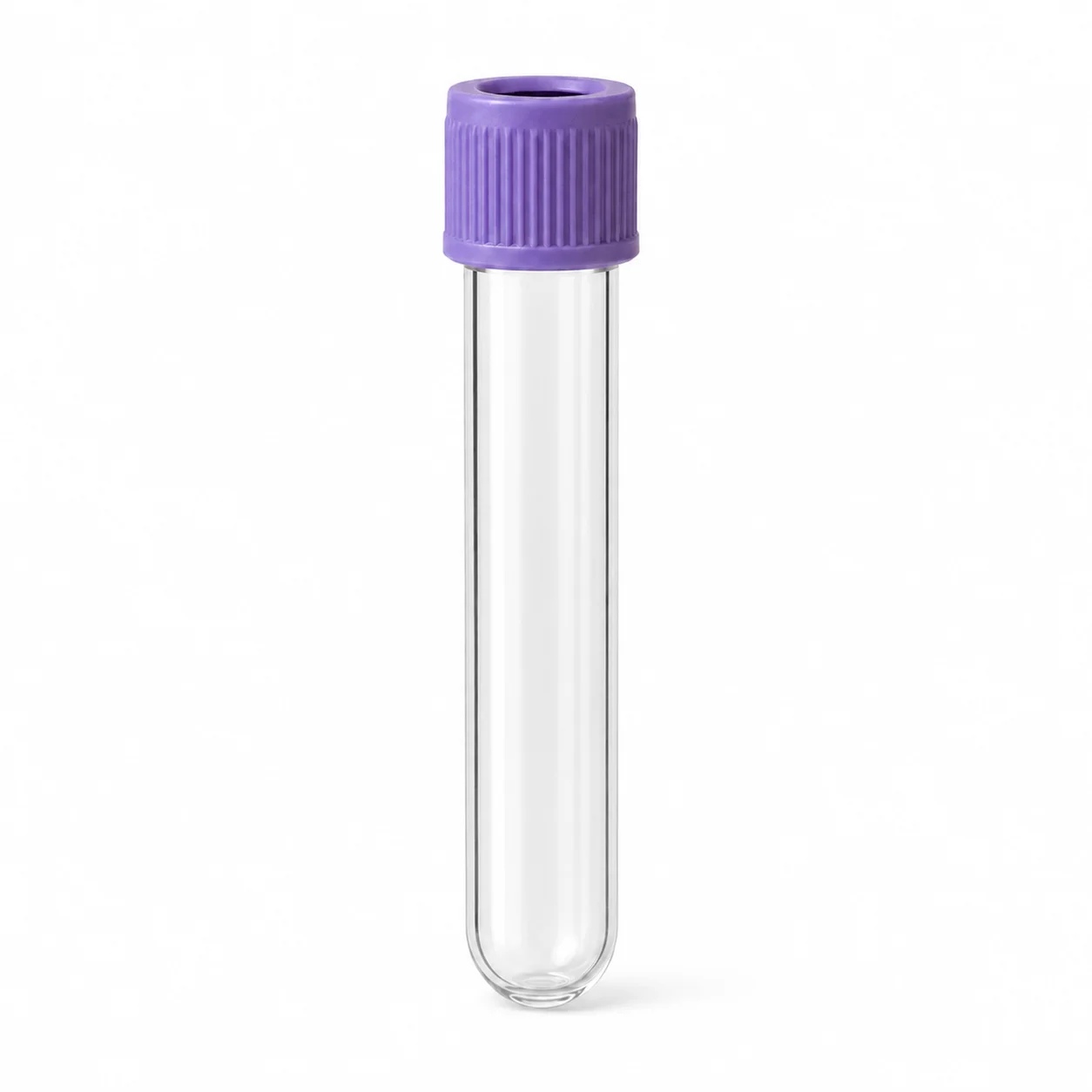
An evacuated tube draws a defined volume of blood because the vacuum inside it was set to do exactly that. Since additives are dosed for that volume, the tube is simultaneously a container, a metering device and a reagent pack. ISO 6710 covers the requirements, and most pre-analytical errors trace back to one of those three roles failing.
An under-filled tube is a wrong-concentration tube
Additive quantity is fixed at manufacture for the tube's nominal draw. A citrate tube filled to three quarters carries about a third more anticoagulant per volume of blood, which changes coagulation results directly. This is why short draws are rejected rather than run, and why the fill line on a tube is a specification rather than a guide.
Vacuum is a shelf-life property
The draw depends on a vacuum held behind an elastomeric closure for the tube's whole life. It decays slowly, faster at temperature and after mechanical shock, and a tube that has lost part of its vacuum draws short with no visible sign. Expiry dating on collection tubes exists mostly for this reason rather than for the additive.
Color codes are recommended and not universal
ISO 6710 gives recommended closure colors for identifying additives, and the common associations are widely followed — but they are a recommendation carried in an annex, and regional practice varies. A laboratory changing supplier or country checks the additive on the label rather than trusting the color, at least until the new convention is confirmed.
Order of draw exists because additives travel
A needle passing through several tubes in sequence carries traces of each additive forward, and a little EDTA in a chemistry tube alters potassium and calcium results measurably. The standard order minimizes the damage, which makes it a container-driven procedure: the tubes determine the sequence rather than the requesting clinician.
Glass and plastic tubes are not interchangeable
Plastic tubes dominate for safety and weight, and they exchange gas through the wall, which matters for blood gas and for long storage. Glass has no gas permeability and is still used where that property is needed, at the cost of breakage risk in a phlebotomy setting. The choice is made per test rather than for a whole laboratory.
Additive coating is applied to the wall, and it can be uneven
Dry additives such as EDTA and clot activator are sprayed and dried onto the inside of the tube, so how evenly they land decides whether the sample mixes correctly on inversion. A tube with additive concentrated at the base gives a poor result even when the draw volume is correct, which is why coating uniformity is a release check rather than a design assumption.