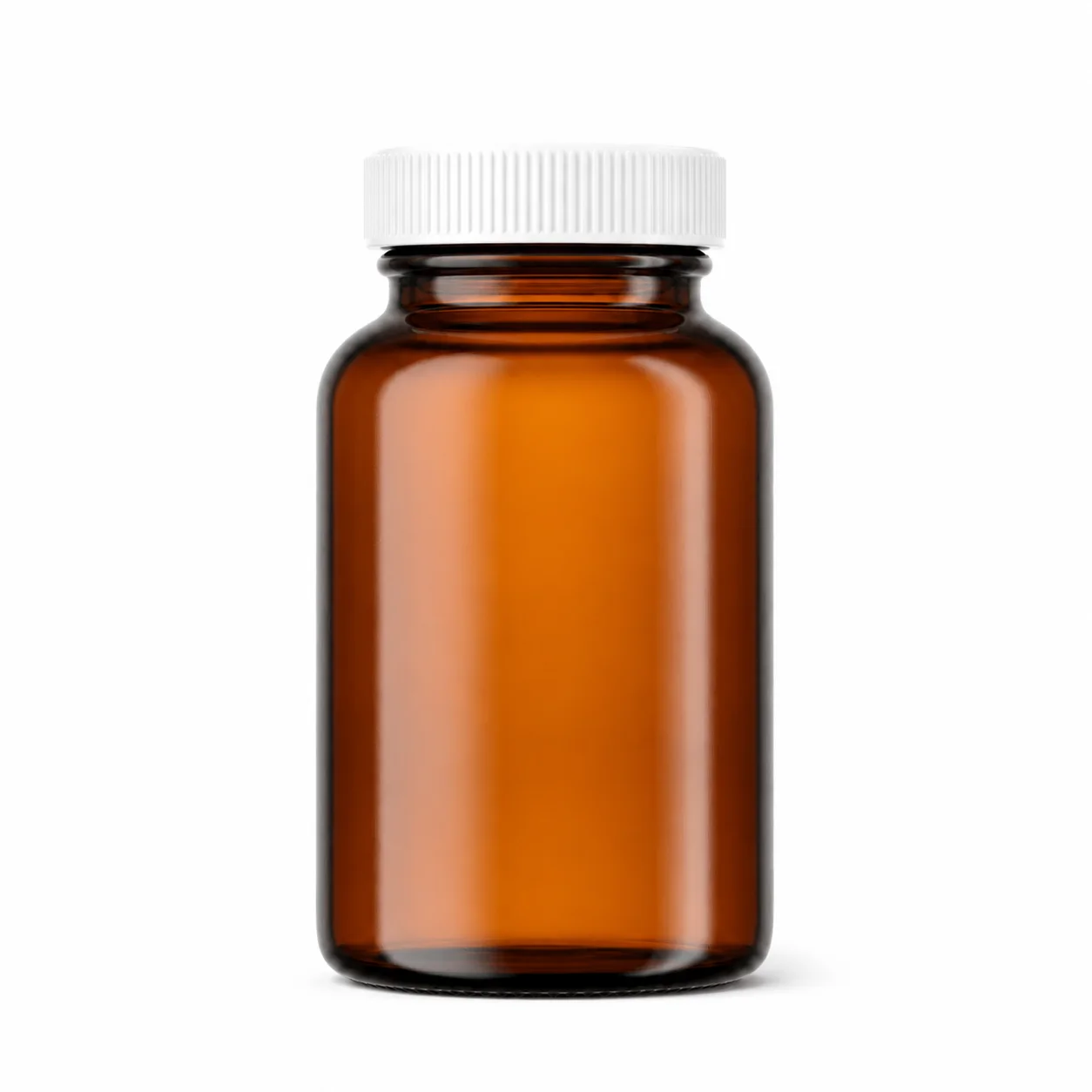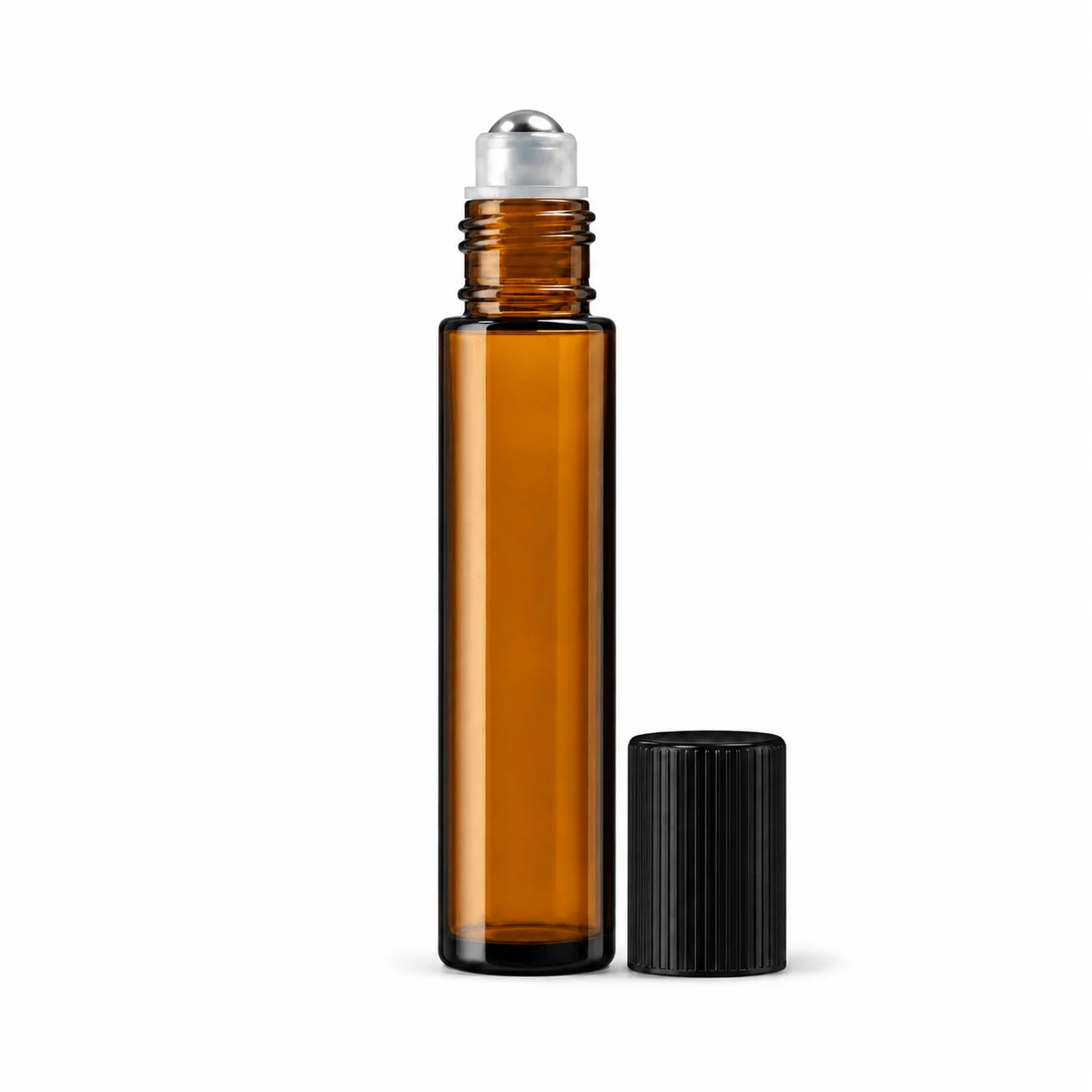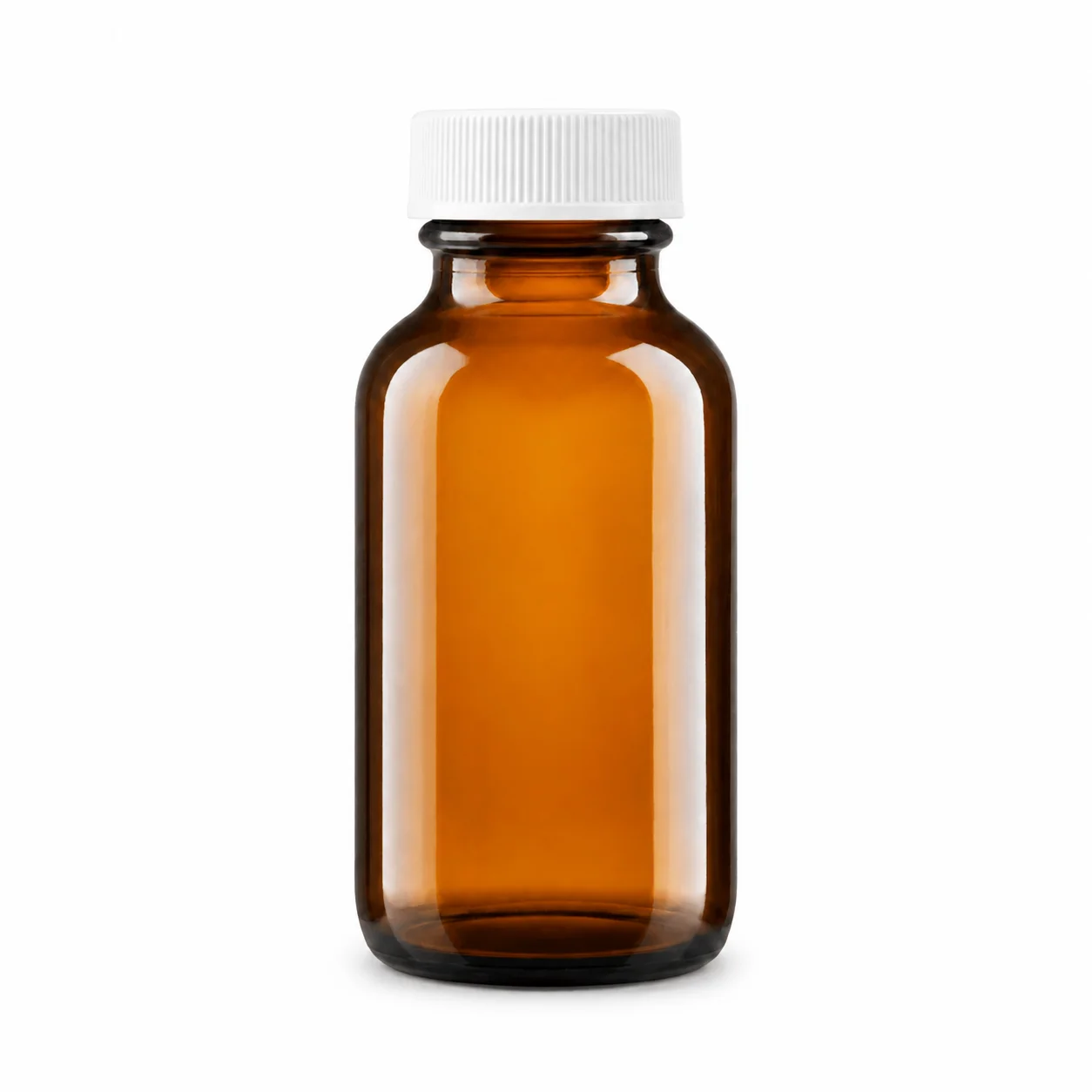
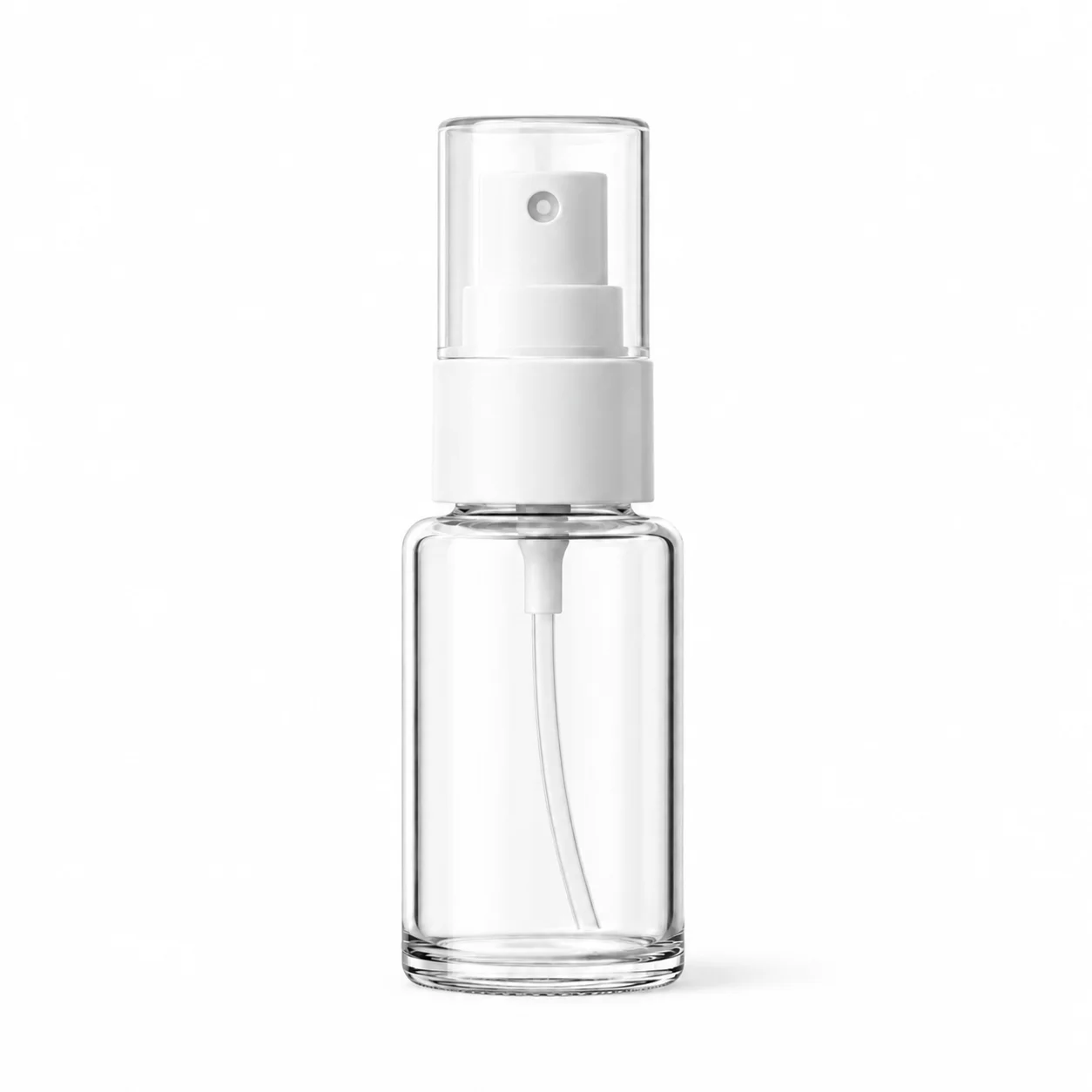
Amber bottle with a white trigger-free fine mist sprayer and a clear overcap
Shown configuration · bottle with sprayer and cap / solution, dip tube and label not shown

Topical delivery

Medical Spray Bottle

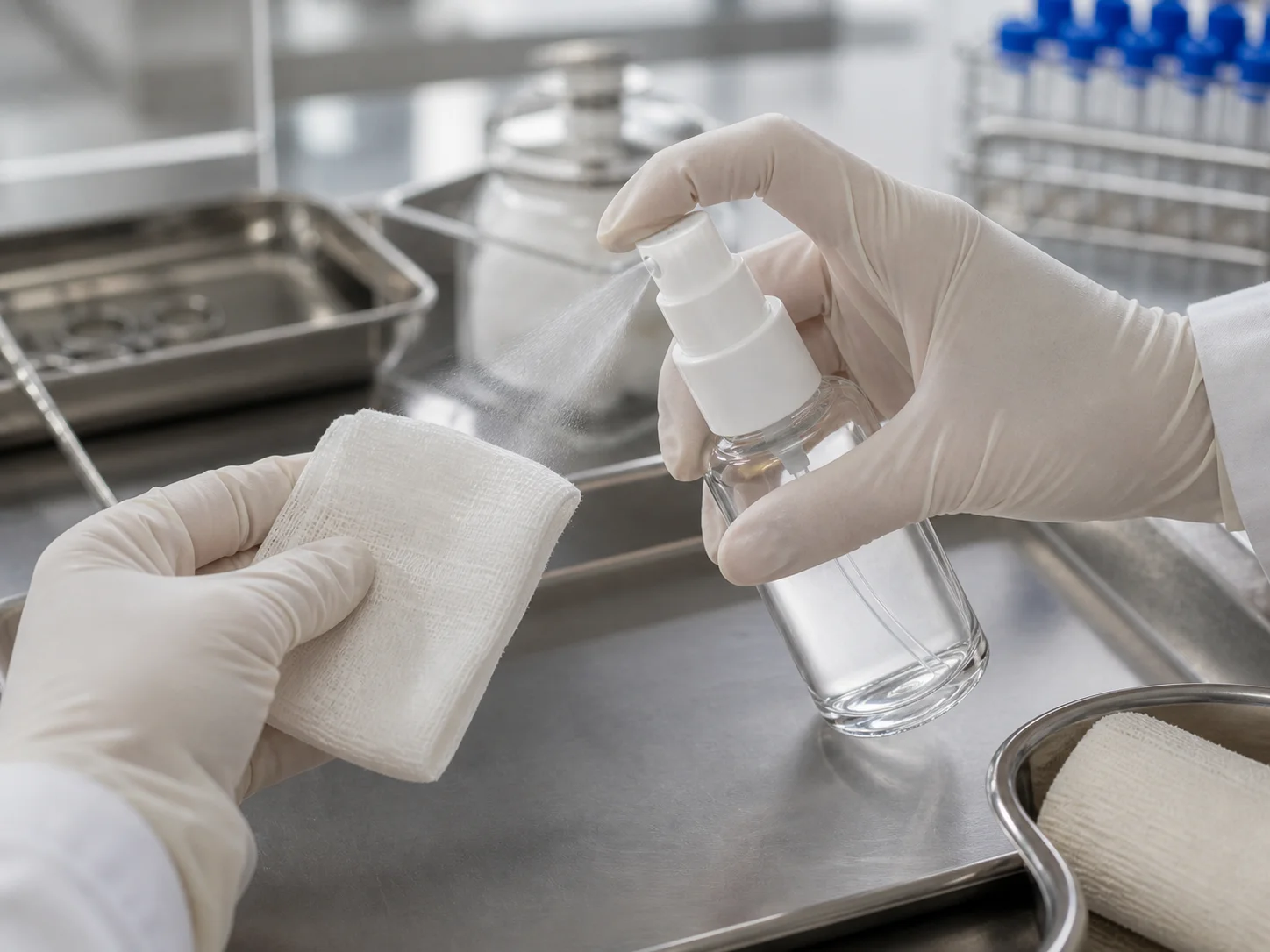
A spray bottle for topical medical use — antiseptics, wound washes and skin preparations — where coverage over an area matters more than a metered dose.

Area coverage, not doseNon-metered fine mistAlcohol-compatible components
Stock status
In stock
Lead time
2–3 weeks
FOB price / pc
$0.90 - $1.15
MOQ
5,000 pcs

Final availability, dimensions, materials, assembled components and commercial terms are confirmed against the selected drawing and approved sample.

Coverage is the objective

Wetting an area, not measuring a volume

Alcohol attacks components

Gaskets and dip tubes are selected for it

Used with gloves, at angles

Sprays inverted and sideways in practice

Medical Spray Bottle profile

Nobody counts the sprays. They spray until the area is wet.

Coverage, solvent compatibility & clinical handling

Five ways a topical spray differs from a nasal or oral one.

A topical medical spray is judged on whether it covers a wound margin, a skin field or a surface evenly, not on delivering a fixed volume. That reframes the whole specification: plume width and wetting matter, metering does not, and the solvent — usually alcohol — becomes the component that decides what the sprayer is made from.

01

Plume width and wetting replace dose accuracy

The user sprays until the target area looks wet, so the useful properties are plume width at working distance, droplet size and how evenly the liquid spreads on skin. A narrow, fast plume overshoots and runs; a wide, fine one drifts. Neither is measured in milliliters, and specifying this sprayer by metered volume misses what it is for.

02

Alcohol is the hardest thing in the pack

Most antiseptic and skin preparation solutions are alcohol-based, and alcohol swells or hardens many elastomers, extracts additives from polyolefins and evaporates through poor seals. Gasket material, dip tube resin and the pump's internal seals are all chosen against it, and a sprayer that works with water can fail within weeks on ethanol.

03

Evaporation loss is a real inventory problem

An alcohol solution in a poorly sealed sprayer loses strength on the shelf and in a treatment room, because the solvent leaves faster than the active. That changes concentration rather than just volume. Closure fit and cap design therefore matter more than they would for an aqueous product, and half-used bottles are dated rather than kept indefinitely.

04

It gets used at every angle, including inverted

Spraying a wound on the underside of a limb means holding the bottle sideways or upside down, at which point a conventional dip tube pulls air. Either the format accepts that limitation and the instruction says so, or an all-position sprayer is specified. It is a clinical requirement that catches purely bench-tested packs.

05

The container is handled with gloves and wiped down

In a treatment setting the outside of the bottle is contaminated and cleaned repeatedly, so the label and any print have to survive alcohol wipes. A label that becomes illegible after a week of disinfection is a safety problem, and it is one of the few places where label stock is genuinely part of the clinical specification.

06

The dip tube has to work at the angle of use

A spray held horizontally or inverted draws from wherever the tube ends, and a tube cut for upright use runs dry the moment the bottle tilts. Tube length, cut angle and the internal base profile are specified together against the postures the product is actually used in.
Application guide

Spraying onto broken skin is not the same as spraying into air.

Topical medical sprays are applied to wounds, rashes and skin that may be damaged, usually without touching the area. Coverage and contamination control matter more than plume elegance. These are development directions confirmed with the actual formulation.

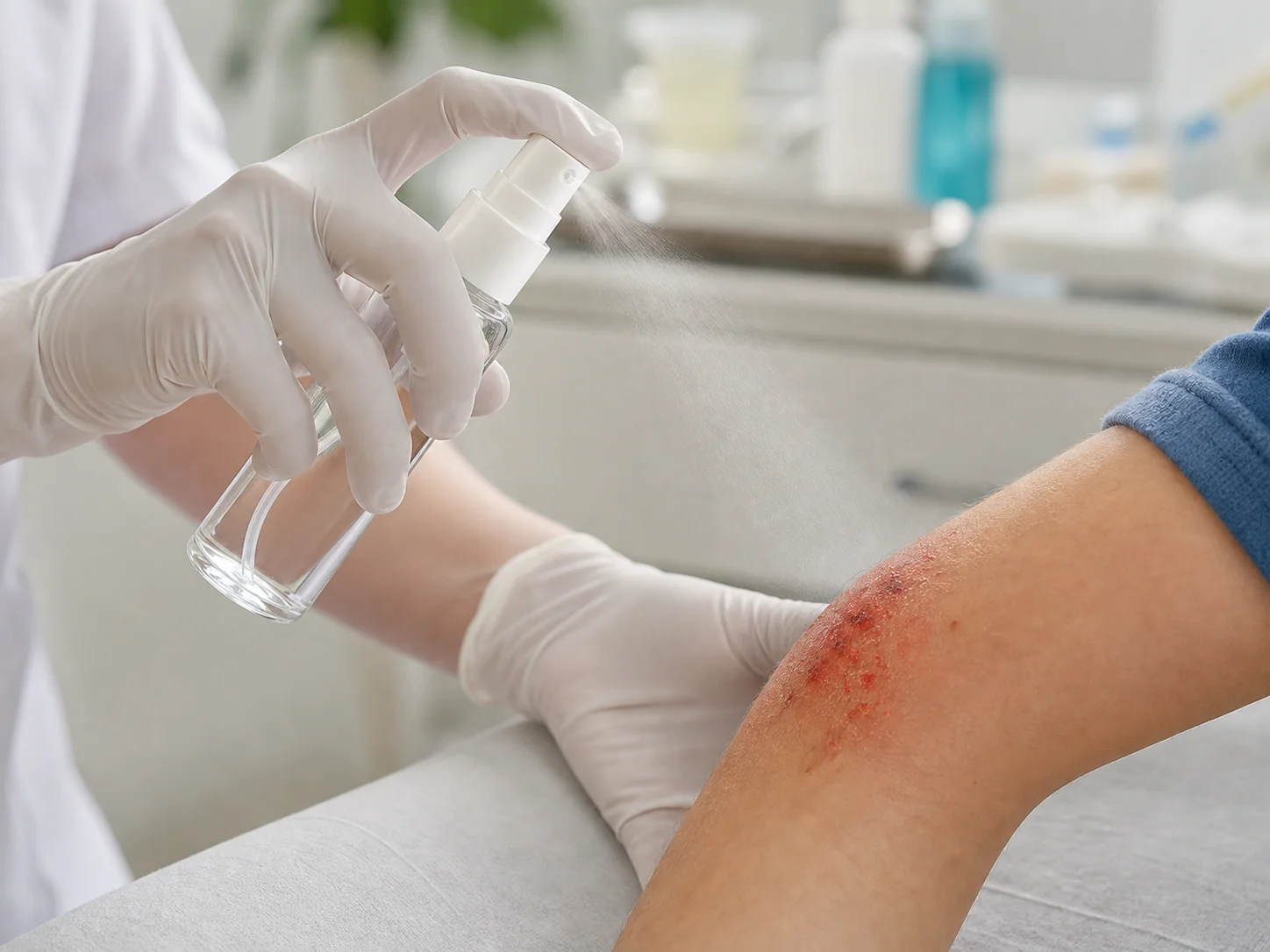
Medical Spray Bottle used for sprays applied to damaged skin in a wound and skin care setting

Wound and skin care

Sprays applied to damaged skin

For antiseptics and topical treatments applied without contact, which is precisely why a spray is chosen over a cream. The plume has to cover an area evenly from a short distance without running off, and it has to work when the bottle is held at an awkward angle over an arm or a leg.

  • Test coverage at realistic distance
  • Confirm output at tilted angles
  • Check for runoff on skin
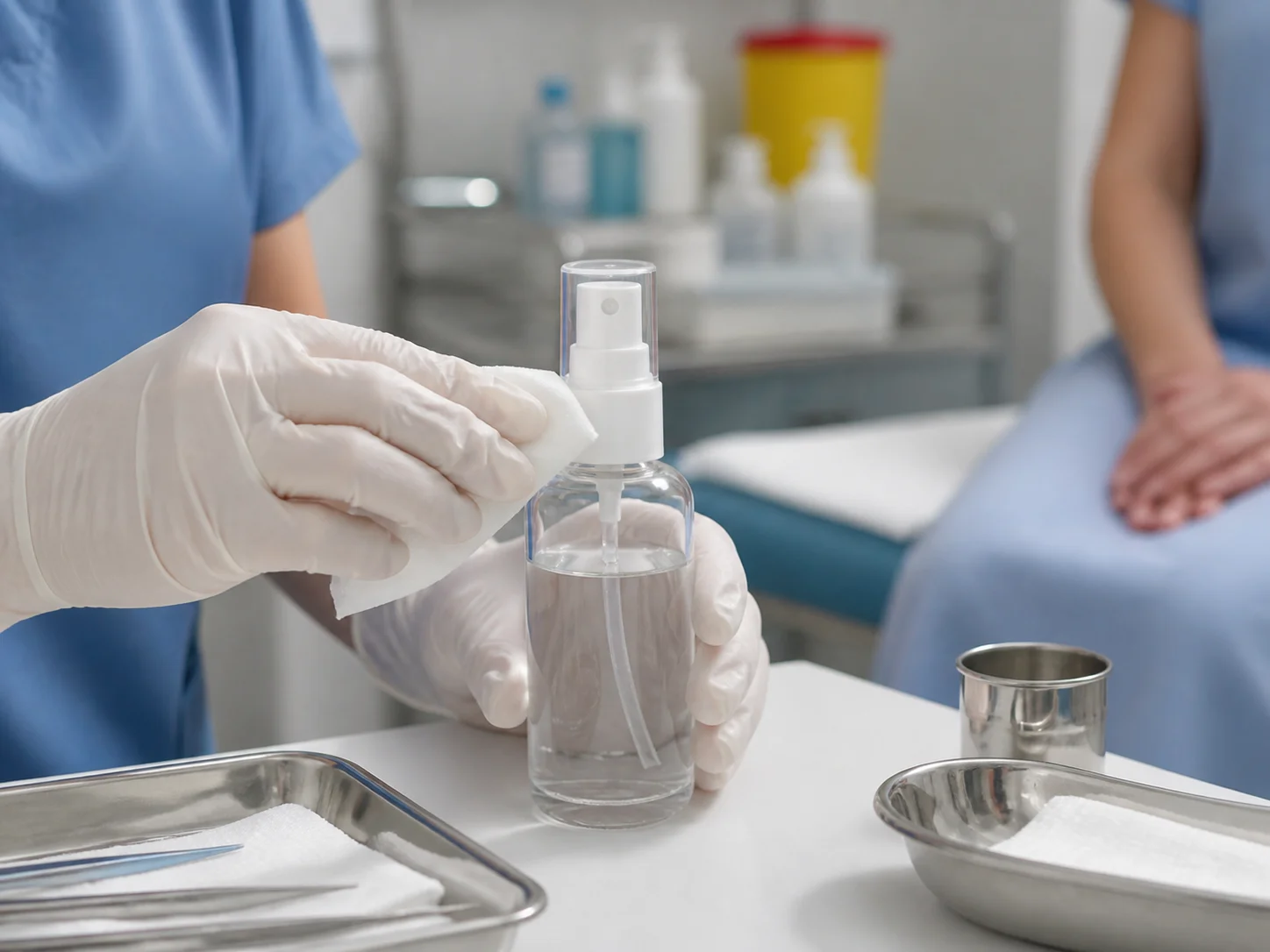
Medical Spray Bottle used for bottles used across many patients in a clinical settings setting

Clinical settings

Bottles used across many patients

In clinics and treatment rooms one bottle serves many people over a shift, which raises cross-contamination questions a home pack never faces. Whether the pack can be wiped down, and how the nozzle is protected between patients, become operational requirements.

  • Confirm the bottle can be wiped down
  • Protect the nozzle between uses
  • Review multi-patient use with the clinic
Medical Spray Bottle used for alcohol and actives against components in a formulation contact setting

Formulation contact

Alcohol and actives against components

Many topical antiseptics are alcohol-based and aggressive toward pump seals, dip tubes and gaskets across a long shelf life. Every wetted component has to be confirmed against the actual formulation rather than carried over from a cosmetic spray specification.

  • Test all wetted parts against the formula
  • Confirm no swelling over shelf life
  • Check the dip tube reaches the base

Applications describe development directions. Spray characteristics, topical suitability, dose, sterility and regulatory outcomes are confirmed for the selected program.

Common questions

Medical Spray Bottle questions

Topical sprays are judged on coverage. That changes every part of the specification.

Do we need a metered sprayer?

Usually not. The user sprays until the target area looks wet, so what matters is plume width at working distance, droplet size and how evenly the liquid spreads. A metered pump adds cost and constrains the plume to solve a problem this application does not have. Specify coverage and let the pump be chosen for that.

Why do sprayers fail on our antiseptic?

Alcohol. It swells or hardens many elastomers, extracts additives from polyolefins and escapes through seals that are adequate for water. Gasket material, dip tube resin and internal pump seals all have to be selected against the solvent. A sprayer that performs perfectly with water can degrade within weeks on an ethanol-based solution.

Does evaporation matter if the bottle is used quickly?

It matters more than volume loss suggests, because the solvent leaves faster than the active and the concentration changes. In a treatment room a part-used bottle can drift out of specification while still looking full enough. Closure fit and cap design carry more weight here than for aqueous products, and part-used bottles are dated.

Can it be sprayed upside down?

Only with the right sprayer. Treating a wound on the underside of a limb means holding the bottle sideways or inverted, at which point a conventional dip tube pulls air. Either specify an all-position sprayer or make the limitation explicit in the instructions. It is a clinical requirement that bench testing on a level surface never surfaces.

Does the dip tube work at the angle of use?

Only if it was cut for it. Antiseptic sprays are used at every angle including inverted, so a tube cut for upright use loses prime the moment the bottle is tilted. Set the tube length and cut angle against how clinicians actually hold it.

Next step

Send us the Medical Spray Bottle brief.

Tell us the product, fill volume, closure preference and destination market. We will come back with the matching drawings, available configurations and a sample plan before anything is quoted.

  • 01Send the briefProduct, volume, closure and market
  • 02Get the optionsMatching drawings and configurations
  • 03Approve the sampleConfirm the pack before production