Oxidation chemistry, headspace & in-use conditions
Six levers the container has against rancidity.
Marine oils are rich in polyunsaturated fatty acids, and those oxidize into aldehydes and ketones that smell and taste unmistakably rancid. There is no hiding it and no recovering from it. The packaging job is to slow oxidation enough that the last dose from the bottle is as acceptable as the first, which is mostly a question of oxygen and light.
Oxygen in the headspace is the fuel
Oxidation needs oxygen, and most of what is available is the air sealed in with the oil plus whatever enters at each opening. That makes bottle size relative to usage the single most effective lever: a bottle finished in three weeks sees far less cumulative oxygen than the same oil in a bottle that lasts three months.
Light accelerates the reaction, so amber is standard
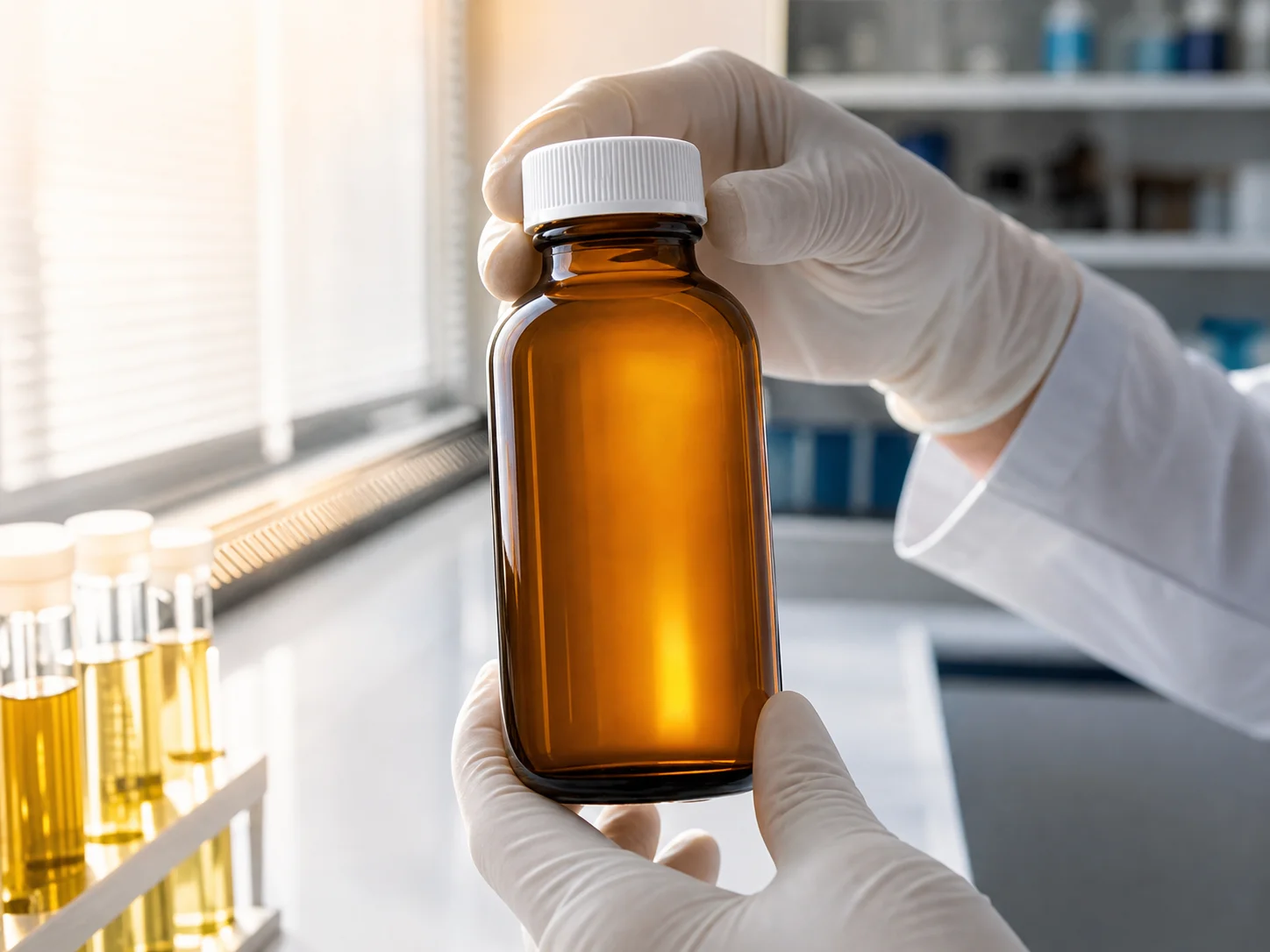
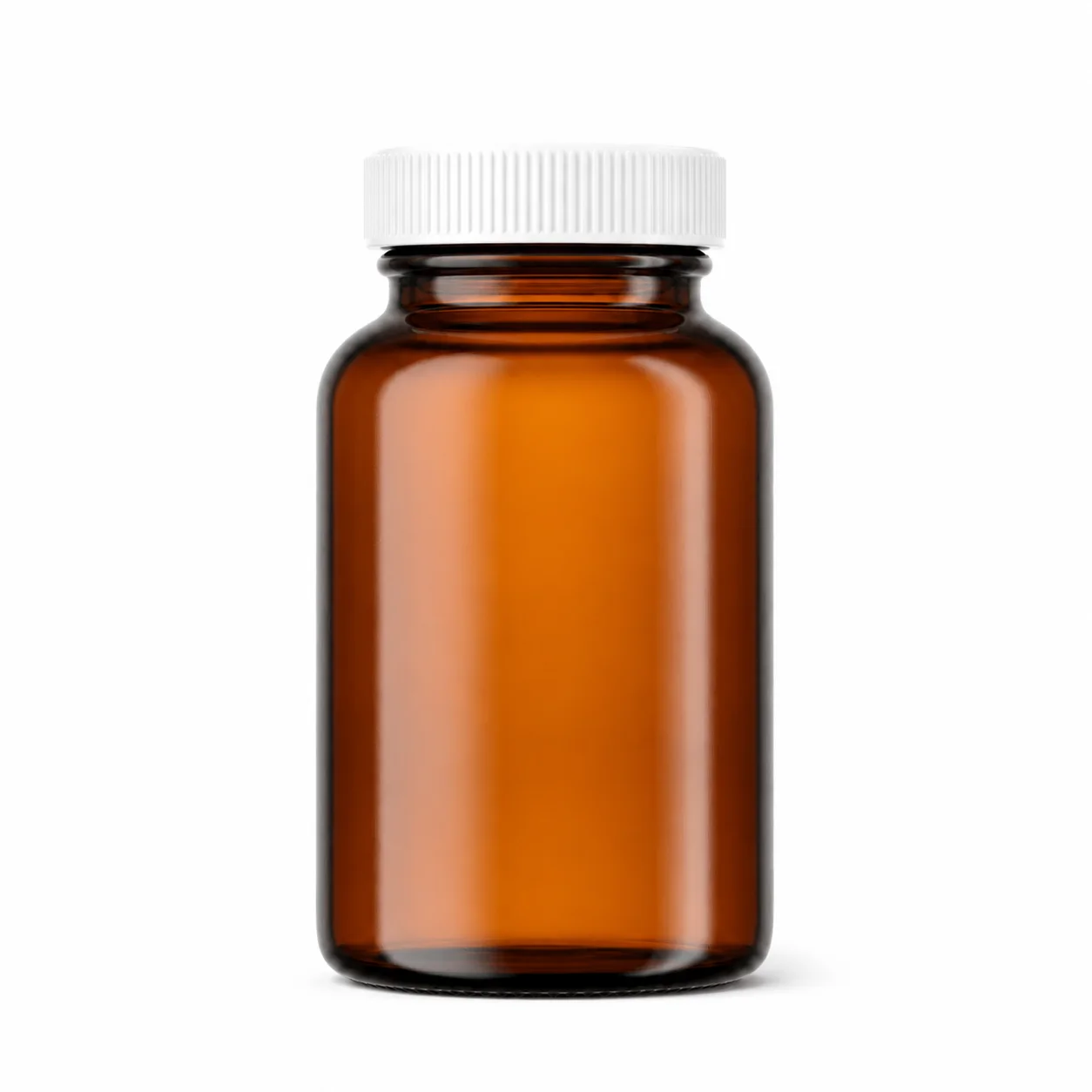
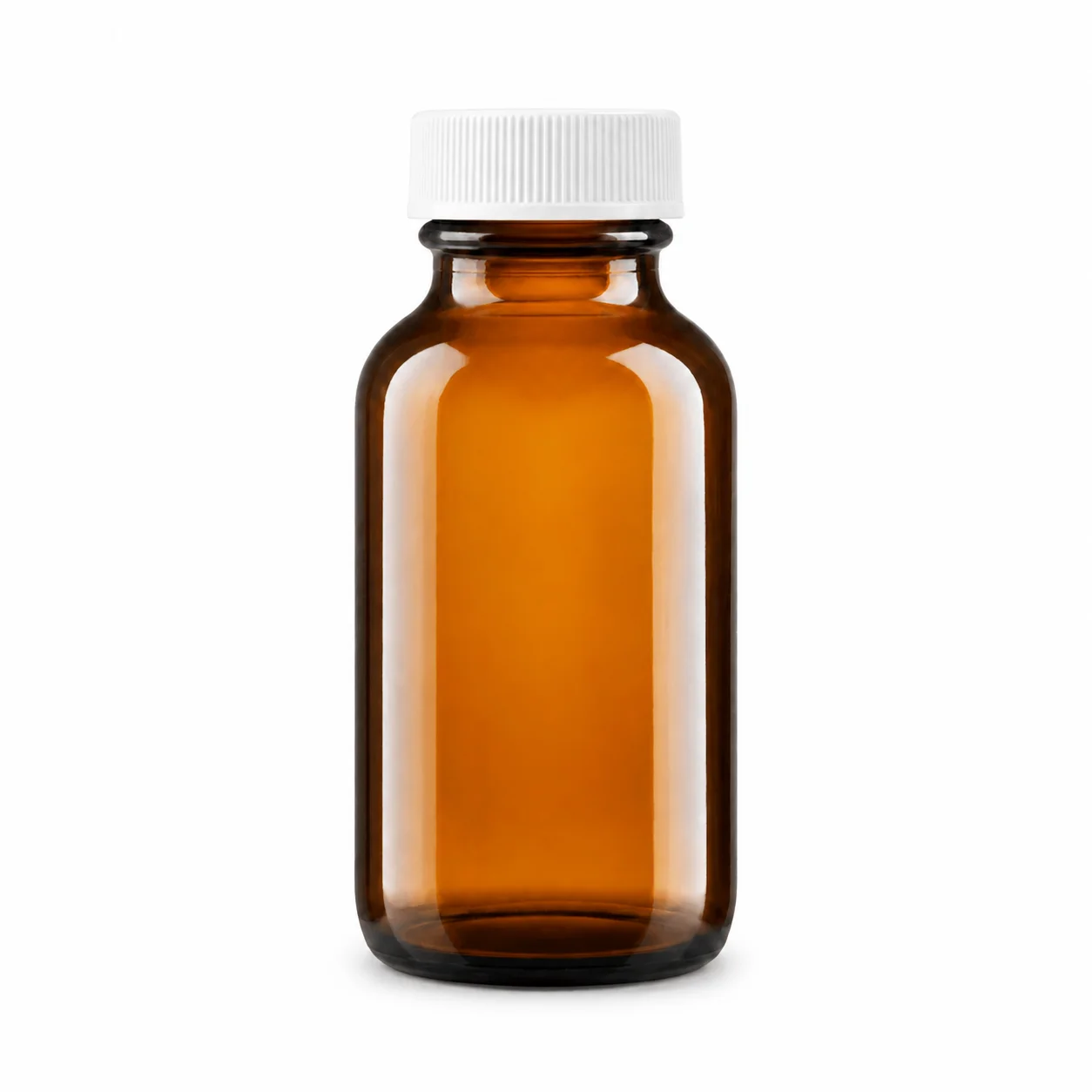
Photo-oxidation initiates chains that then continue in the dark, so light exposure early in a bottle's life keeps costing after the bottle goes into a cupboard. Amber glass absorbs the short wavelengths that drive it. It is one of the few categories where the light protection argument and the customer's expectation point the same way.
Peroxide value is the number that governs shelf life
Rancidity is tracked analytically as peroxide value and related measures, and shelf life is set by when those cross an acceptable threshold rather than by when the oil becomes undrinkable. Packaging choices are judged against that curve, which gives a way to compare an amber bottle against a nitrogen flush in numbers rather than opinions.
The liner is in constant contact with an oil
Oils extract additives from some liner materials and can be tainted by them, and a liner that is fine with an aqueous supplement can transfer an off-flavor into a product whose whole quality claim is that it does not taste bad. PTFE-faced liners are the safe answer, and they cost little on a premium oil.
In-use storage is part of the specification
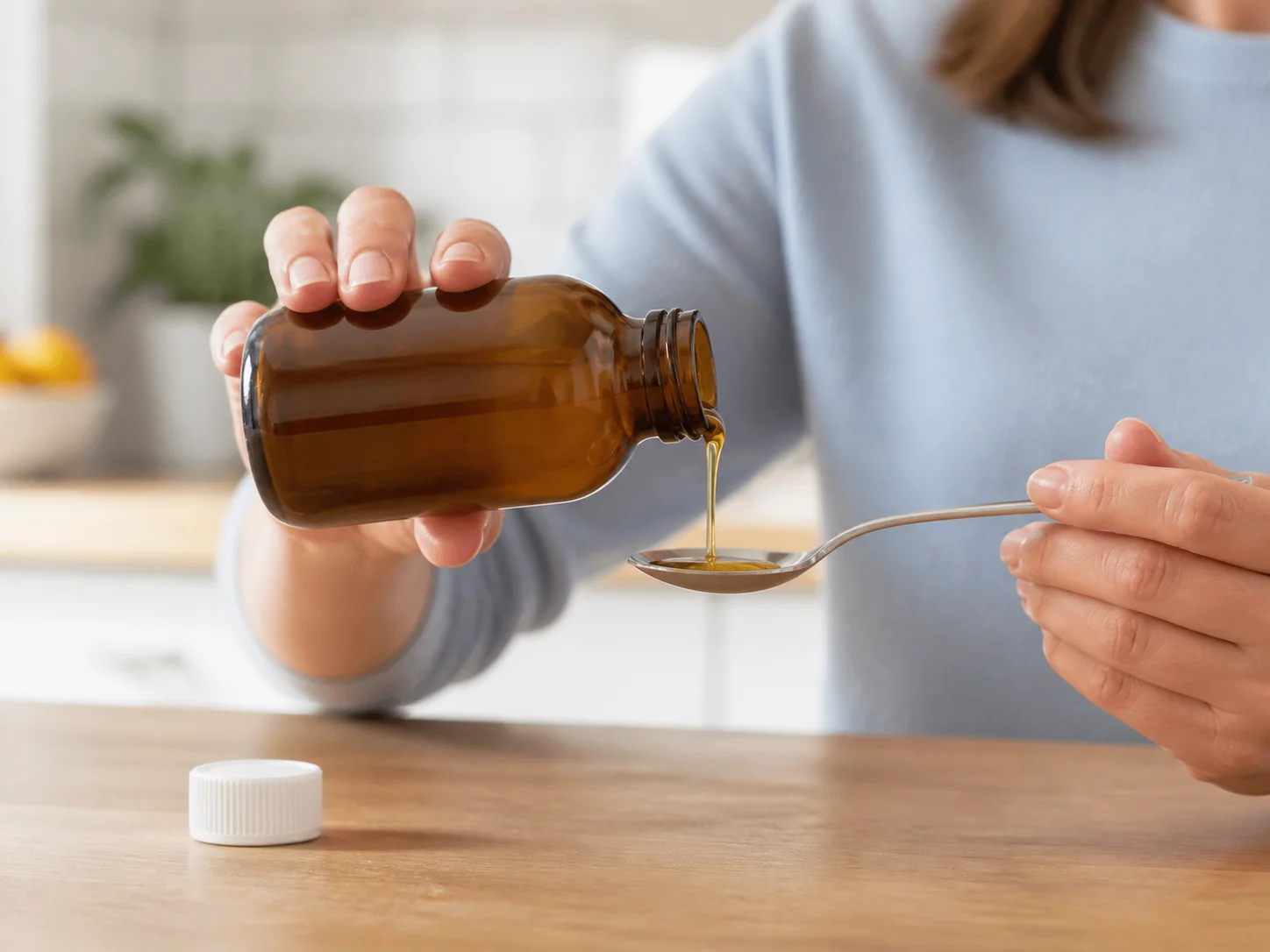
Most marine oil products carry a refrigerate-after-opening instruction, because cold slows the reaction substantially. That means the bottle has to fit a domestic fridge door, tolerate condensation on its label, and be openable with cold hands. Those are container requirements arising directly from the storage instruction the product needs.
Nitrogen at filling is one of the strongest single changes
Sweeping the headspace with an inert gas before capping removes the oxygen that drives rancidity, and it does more for measured peroxide value over a year than glass color or liner choice on their own; alongside matching bottle size to consumption, it is one of the most effective single changes. It also has to be verified on the line, because a nominal purge that does not reach the shoulder achieves very little.