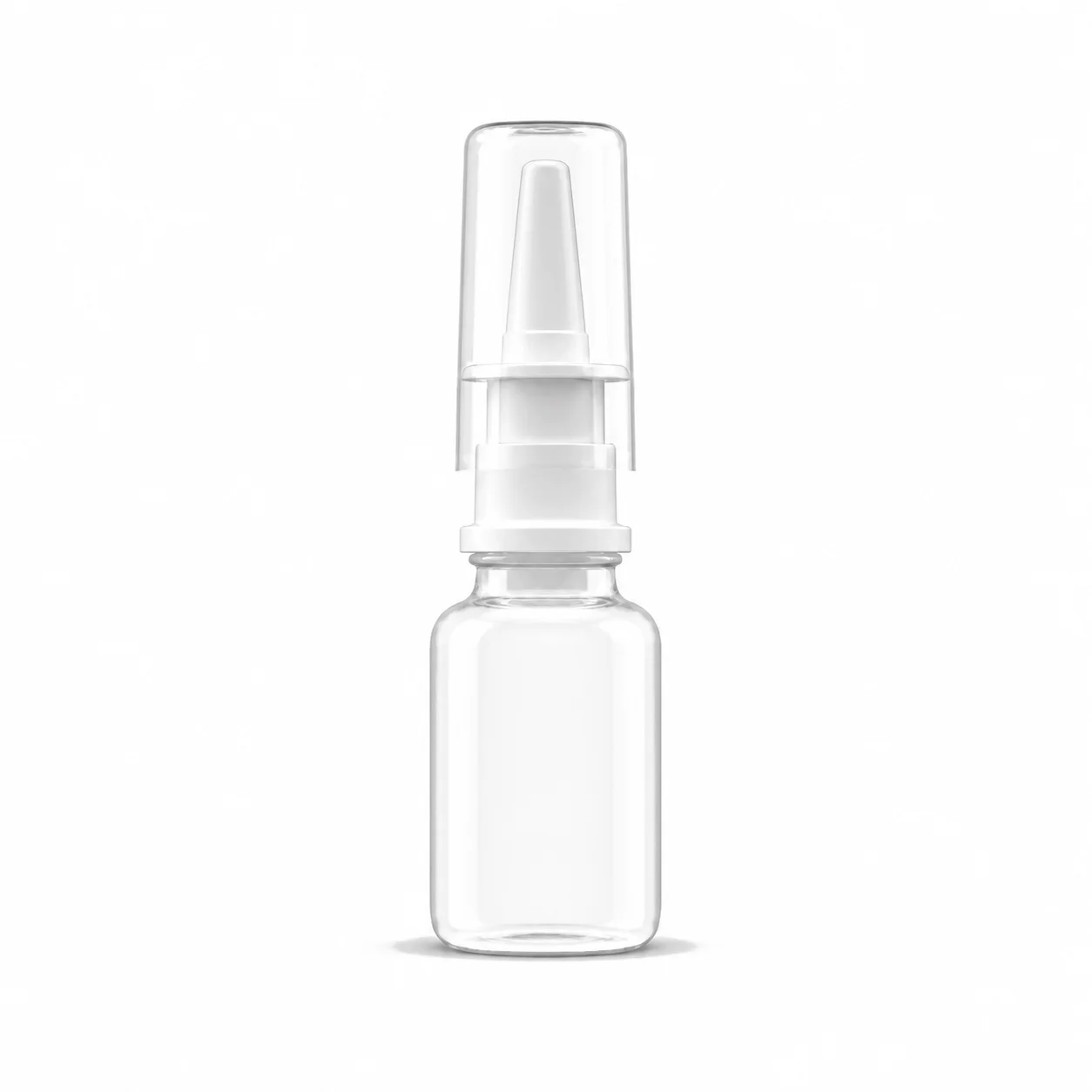
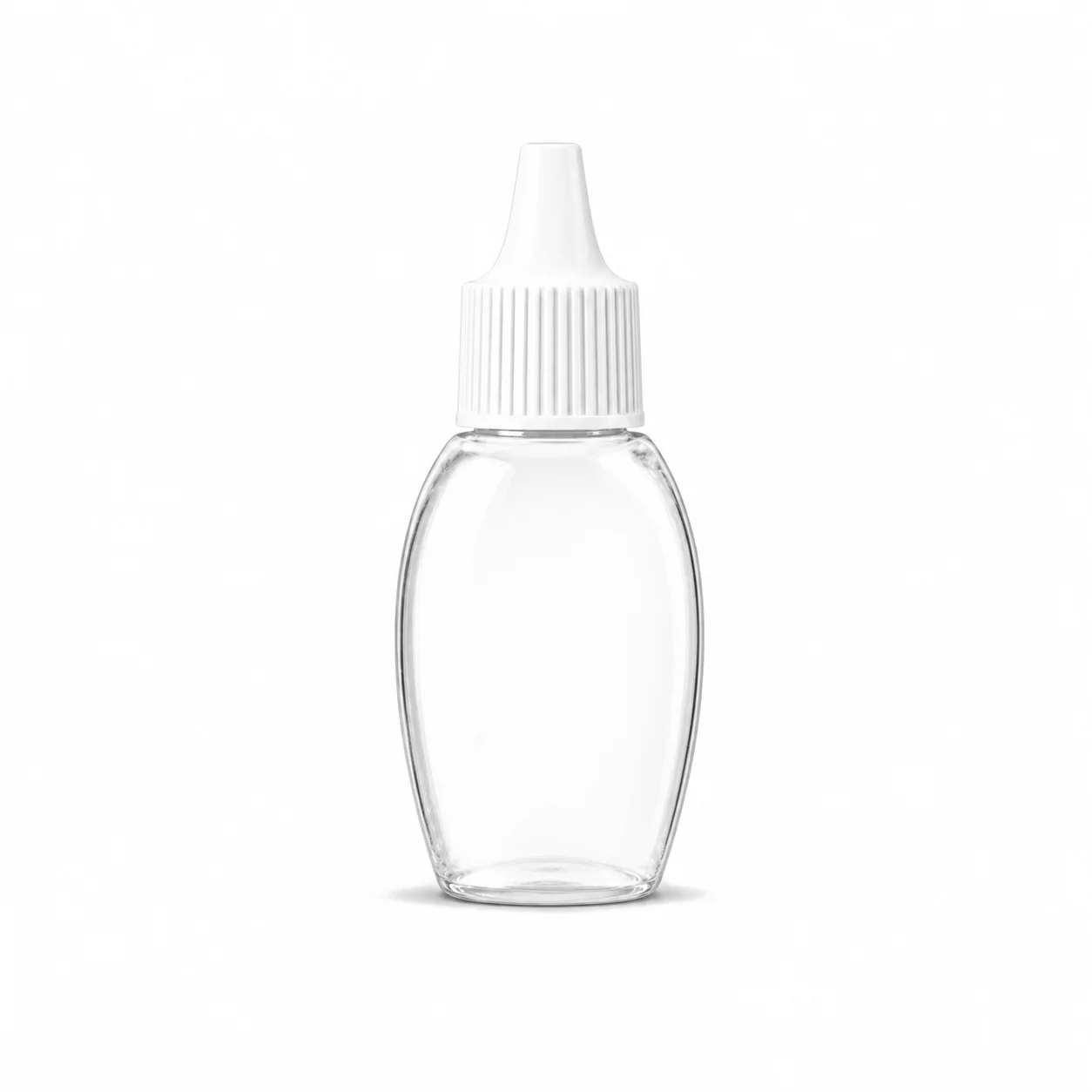
Small white opaque oval bottle with a ribbed cap and a conical dispensing tip
Shown configuration · bottle with tip and cap / solution, tamper band and label not shown

Ophthalmic delivery

Eye Drop Bottle

A small ophthalmic bottle whose dropper tip forms one drop at a time, sized so a patient can instill it without touching the eye and without wasting the fill.

Drop formed at the tipSmall fills, many dropsPreserved or preservative-free
Stock status
In stock
Lead time
2–3 weeks
FOB price / pc
$0.90 - $1.30
MOQ
3,000 pcs

Final availability, dimensions, materials, assembled components and commercial terms are confirmed against the selected drawing and approved sample.

Drop size is geometry

Tip bore and material set the volume

The eye holds very little

Excess simply runs down the face

Tip must not touch the eye

Contact contaminates the whole bottle

Eye Drop Bottle profile

The eye can hold far less than one drop delivers, which changes what the container is optimizing.

Drop formation, contamination & preservative strategy

Five properties that decide whether an eye drop works as intended.

The tear film holds only a fraction of a typical drop, so most of what is instilled leaves immediately. That means an ophthalmic container is not trying to deliver a large dose accurately — it is trying to deliver one drop, reproducibly, from a tip the patient can aim, without contaminating what remains in the bottle.

01

Drop volume is set by the tip, not the squeeze

A drop detaches when surface tension can no longer hold it, so its volume comes from the outside diameter at the tip and from the surface tension of the formulation. A firmer squeeze produces a faster drop, not a bigger one — until it produces two. Tip geometry is therefore the dose-controlling dimension in the whole container.

02

Most of the drop is lost, and that is normal

The conjunctival sac holds much less than a standard drop, so surplus overflows onto the cheek or drains through the nasolacrimal duct. Making drops smaller can improve retention and reduce systemic absorption, which is why some products specify a fine tip deliberately rather than treating it as a manufacturing detail.

03

One touch contaminates the whole bottle

If the tip contacts the eyelid or lashes it can carry organisms back into the container, which then contaminates every subsequent drop. Tip length and shape are designed to make that contact unlikely for a patient instilling drops without assistance, and the instruction not to touch the eye is a container requirement as much as a labeling one.

04

Preservative-free changes the container entirely

Multi-dose eye drops are usually preserved because air and skin flora enter as the bottle empties. Preservative-free products use single-dose units or multi-dose systems with a filter or valve that prevents ingress. Patients with ocular surface disease often need preservative-free, and that requirement determines the container long before the fill volume does.

05

Small fills make every milliliter count

A 5 or 10 mL ophthalmic pack has to yield the labeled number of drops after priming, residual volume and the drops lost to poor aim. Overfill covers that, and the residual left in a bottle that cannot be squeezed empty is a real cost on an expensive formulation. Base geometry and wall stiffness both feed into it.

06

Squeeze force is a patient population question

The force needed to release a drop is set by wall thickness and material, and the users of ophthalmic products are disproportionately elderly or arthritic. A bottle that dispenses cleanly in a laboratory can defeat the person who has to use it twice a day, so the force is measured against the intended population.
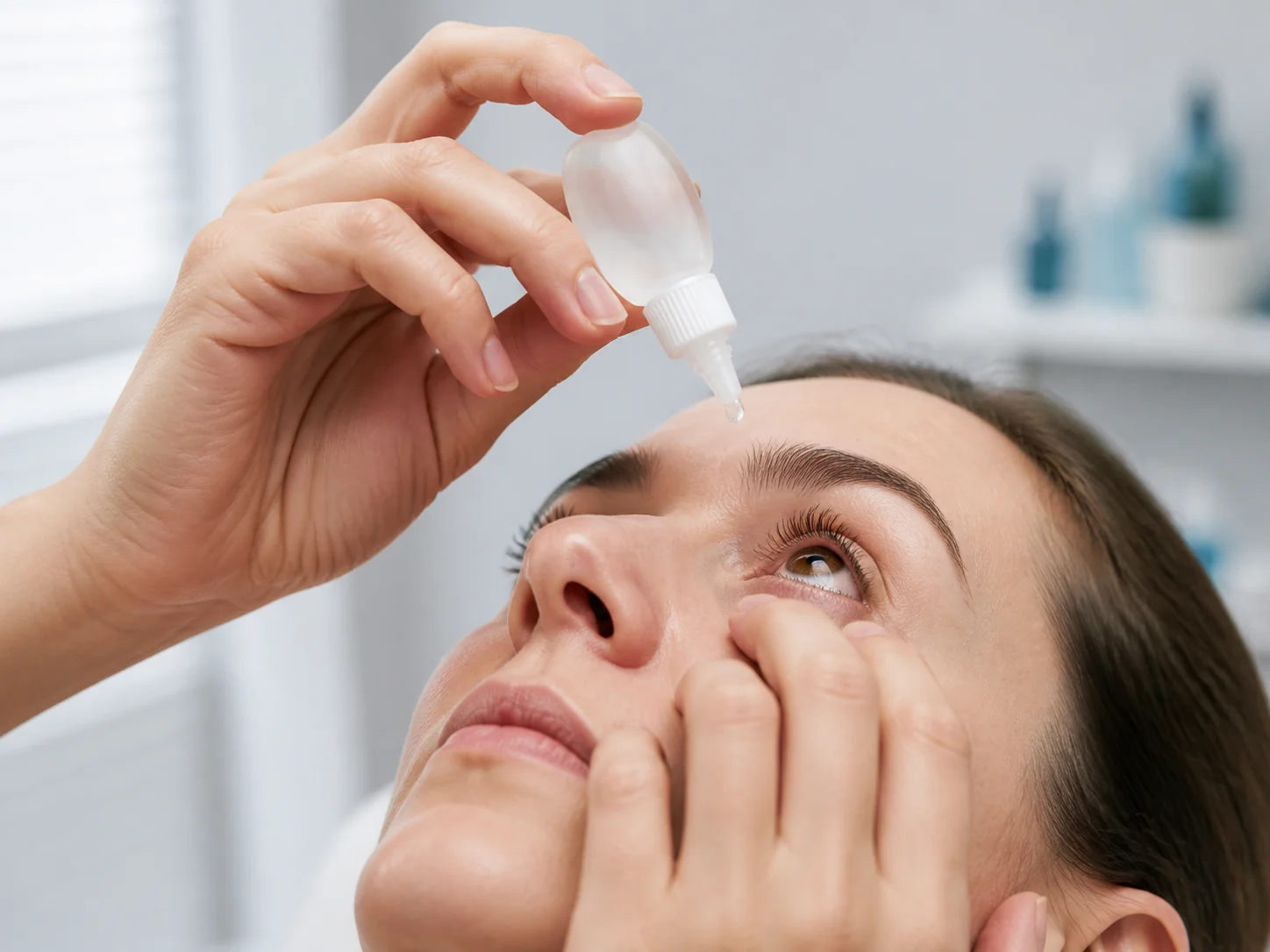
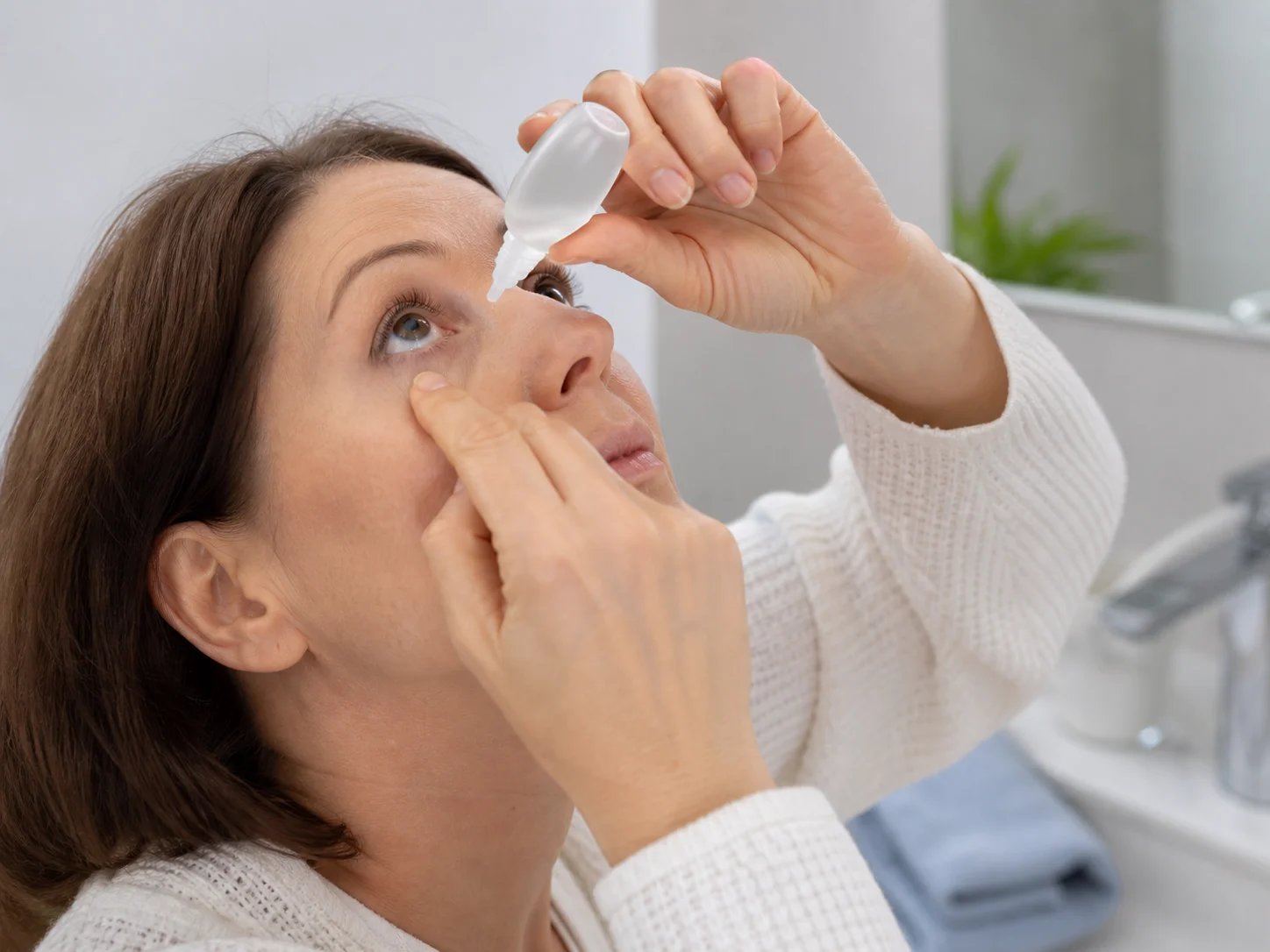
Application guide

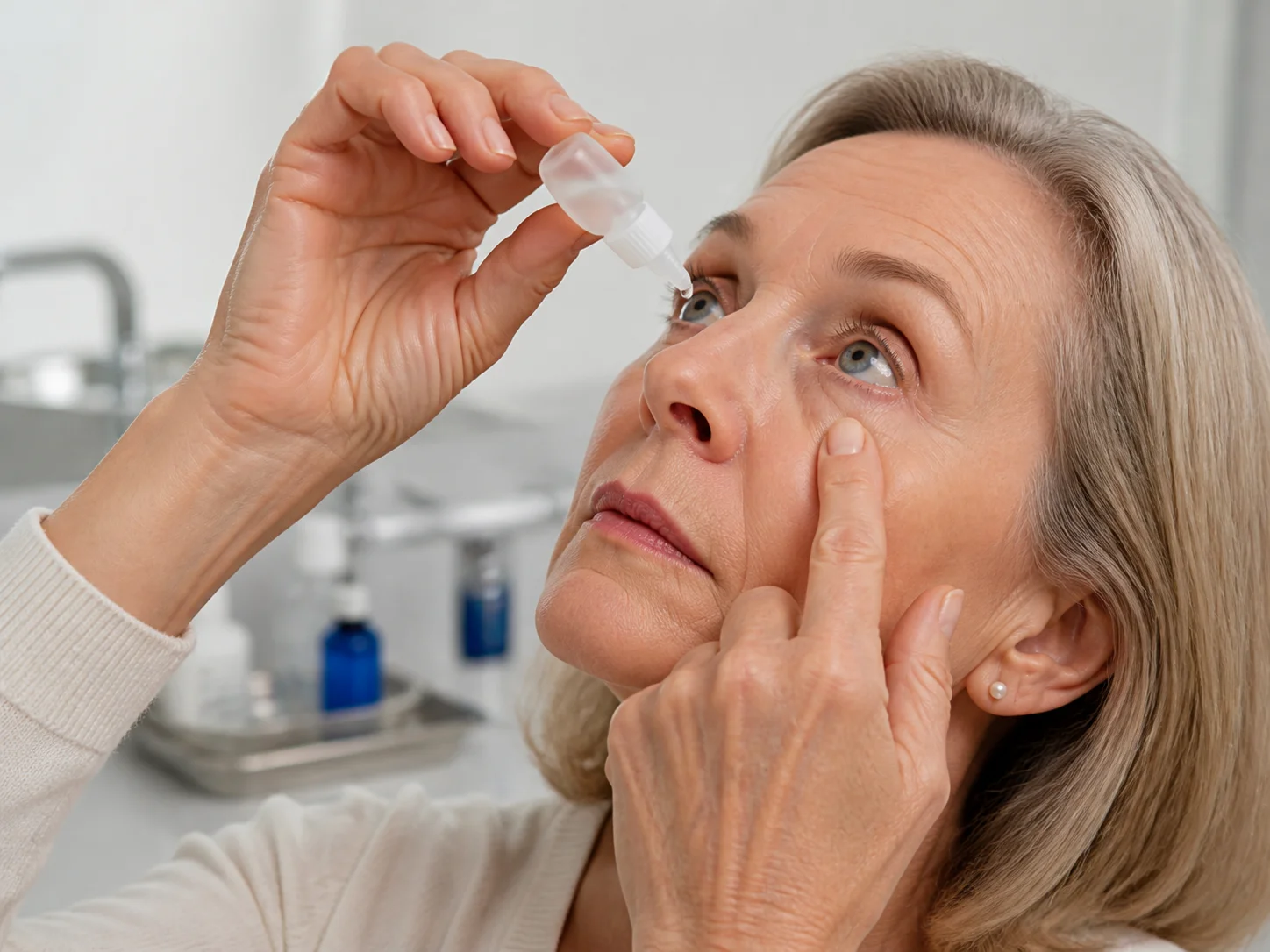
The tip must never touch the eye it is aimed at.

Ophthalmic packs are unusual in that the container is held above an open eye and a single drop is released without contact. Sterility, drop size and tip geometry all follow from that. These are development directions confirmed against ophthalmic requirements.

Eye Drop Bottle used for drops instilled by the patient in a self-administration setting

Self-administration

Drops instilled by the patient

For someone tilting their head back, pulling down a lower lid and squeezing a bottle they cannot see clearly at that moment. The bottle has to release one drop with modest pressure and stop, since a second uncontrolled drop is wasted product and an unsteady hand can bring the tip into contact with the eye.

  • Confirm one drop per gentle squeeze
  • Review tip clearance from the eye
  • Test with limited hand strength
Eye Drop Bottle used for a pack opened repeatedly over weeks in a sterility setting

Sterility

A pack opened repeatedly over weeks

Ophthalmic products are held to sterility requirements, and a multi-dose bottle is opened daily for the life of the treatment. Whether the formulation carries a preservative or the pack uses a filtering closure is a formulation and regulatory decision that determines the entire container-closure specification.

  • Establish the preservation route first
  • Confirm container-closure integrity
  • Follow ophthalmic requirements by market
Eye Drop Bottle used for why the body is usually not clear in a opaque bottles setting

Opaque bottles

Why the body is usually not clear

White opaque bottles dominate this category because many ophthalmic actives are light sensitive and because the wall hides any change in the liquid a patient might misread. Whichever material is used, its behavior with the formulation over shelf life has to be established rather than assumed.

  • Test the material against the formulation
  • Run stability over the stated shelf life
  • Confirm opacity meets the need

Applications describe development directions. Ocular suitability, sterility, dose, container-closure integrity and regulatory outcomes are confirmed for the selected program.

Common questions

Eye Drop Bottle questions

Ophthalmic packaging optimizes for one drop at a time. These questions follow from that.

Why does so much of the drop run down the face?

Because the conjunctival sac holds much less than a standard drop, so the surplus overflows or drains through the nasolacrimal duct. It is expected rather than a fault. Some products specify a finer tip deliberately to reduce that waste and limit systemic absorption, which makes tip choice a clinical decision rather than a manufacturing detail.

How serious is touching the tip to the eye?

It can contaminate the whole bottle. Contact with the eyelid or lashes carries organisms back into the container, and every subsequent drop passes through that. Tip length and shape are designed to make contact unlikely for a patient instilling drops unaided, so the instruction is as much a container requirement as a labeling one.

Why does the pack need overfill?

Because the labeled drop count has to survive priming, residual volume left in a bottle that cannot be squeezed dry, and drops lost to poor aim. On an expensive ophthalmic formulation the residual is a real cost, and it depends on base geometry and wall stiffness as much as on fill volume. Both are worth checking on samples.

How much squeeze force is acceptable?

That depends on who is using it. Glaucoma drops are largely used by older patients whose grip is limited, so a bottle that dispenses easily on a bench can be genuinely difficult at home. Set the force against the actual patient population.

Next step

Send us the Eye Drop Bottle brief.

Tell us the product, fill volume, closure preference and destination market. We will come back with the matching drawings, available configurations and a sample plan before anything is quoted.

  • 01Send the briefProduct, volume, closure and market
  • 02Get the optionsMatching drawings and configurations
  • 03Approve the sampleConfirm the pack before production