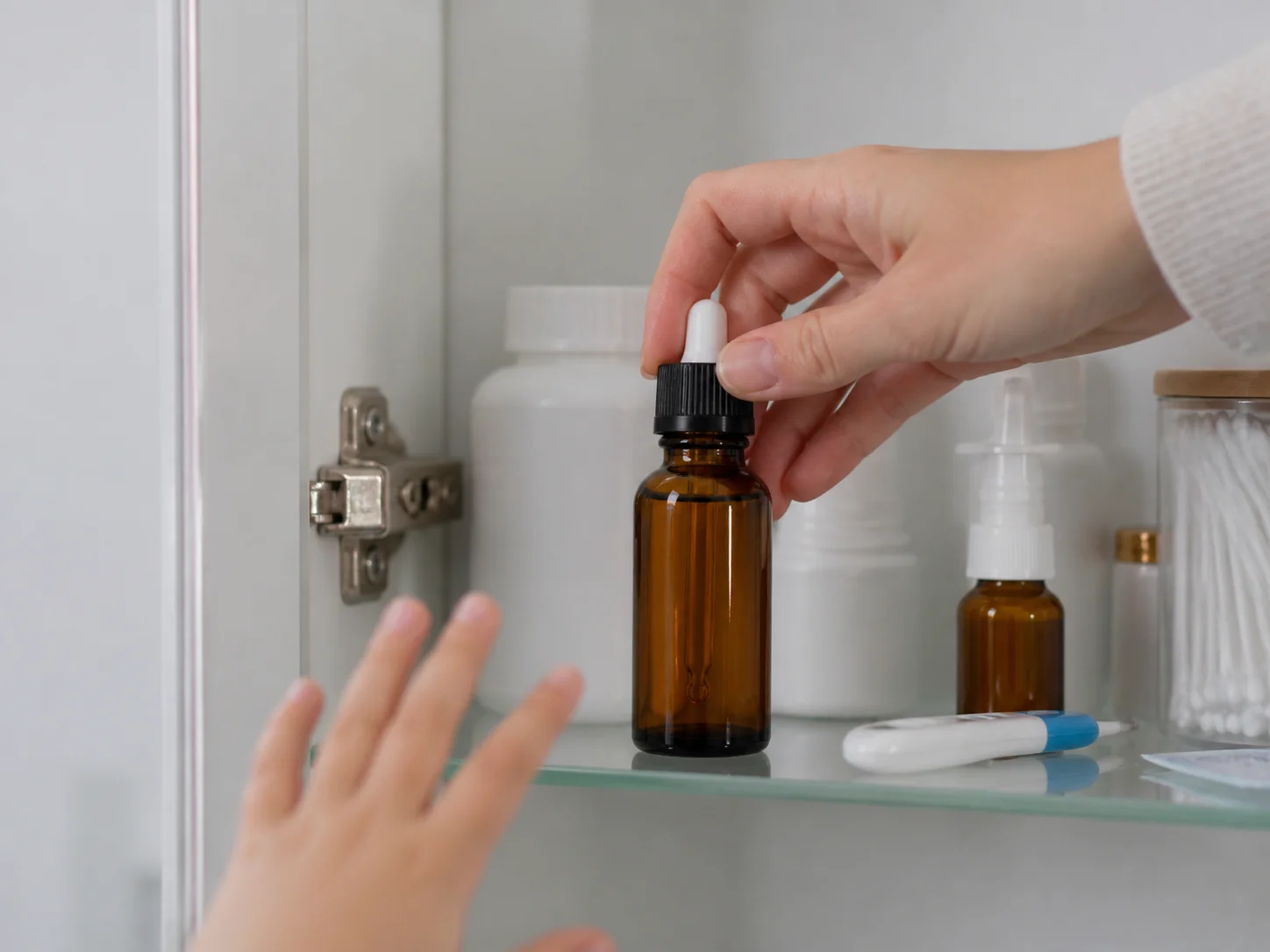
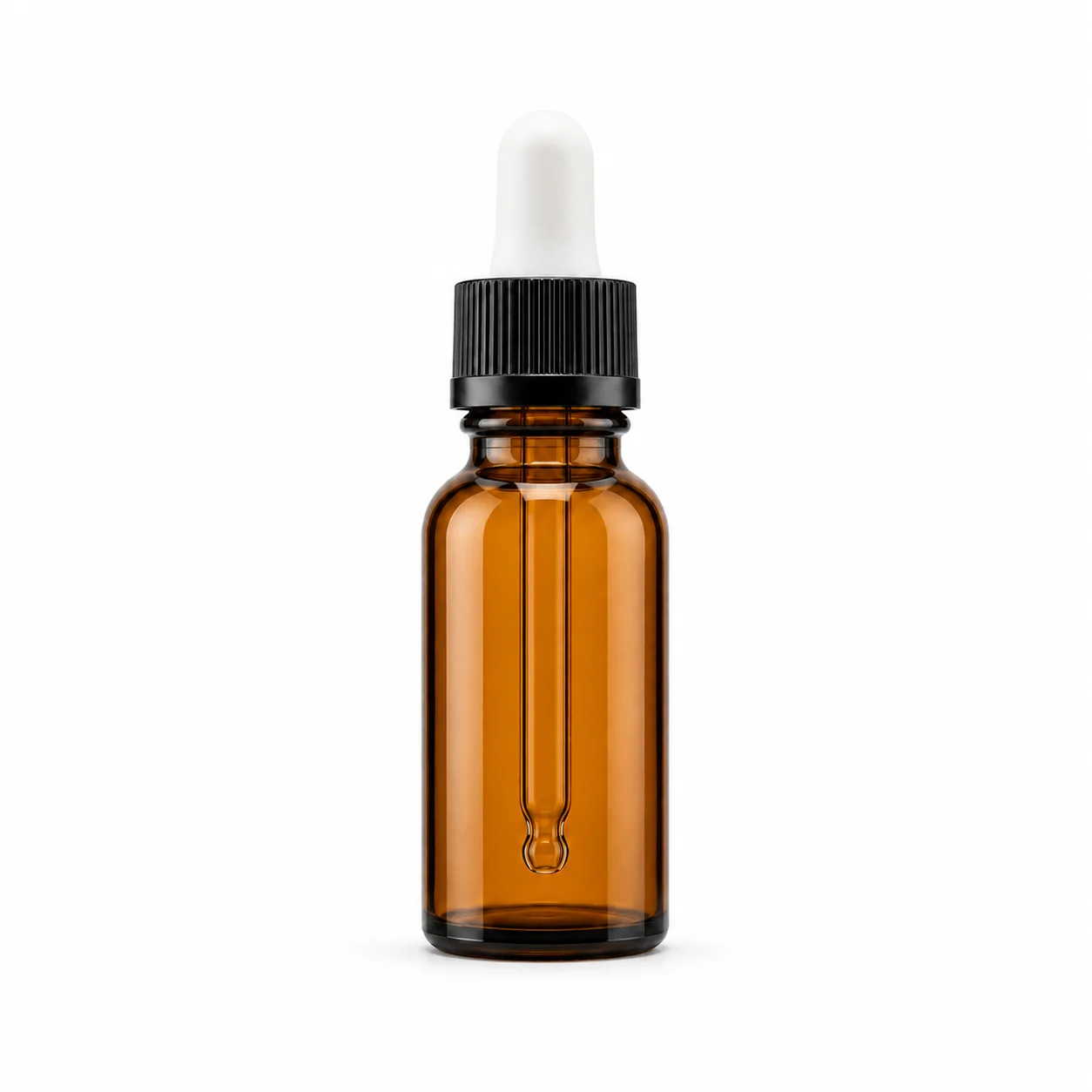
Amber bottle with a black ribbed collar and a glass pipette visible through the wall
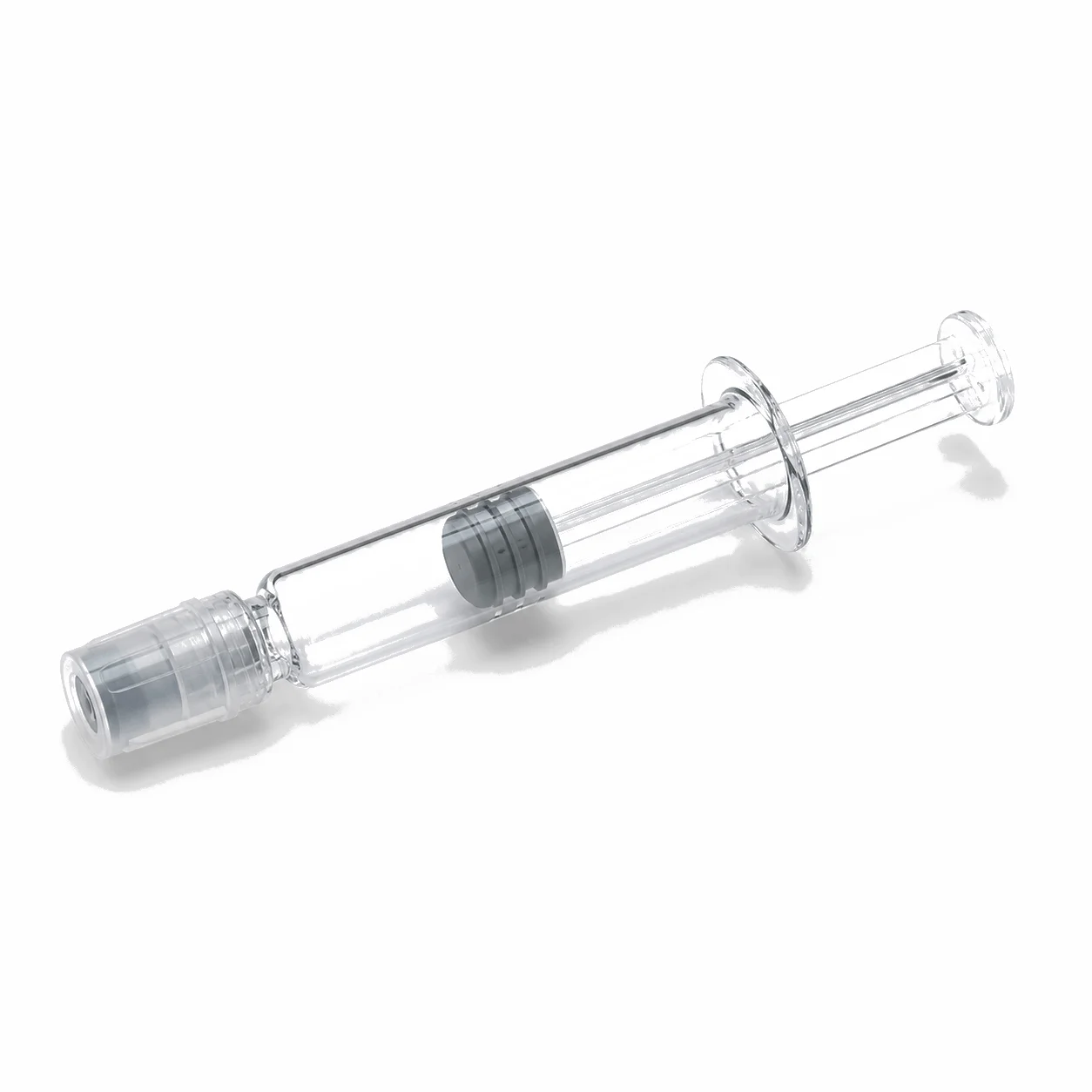
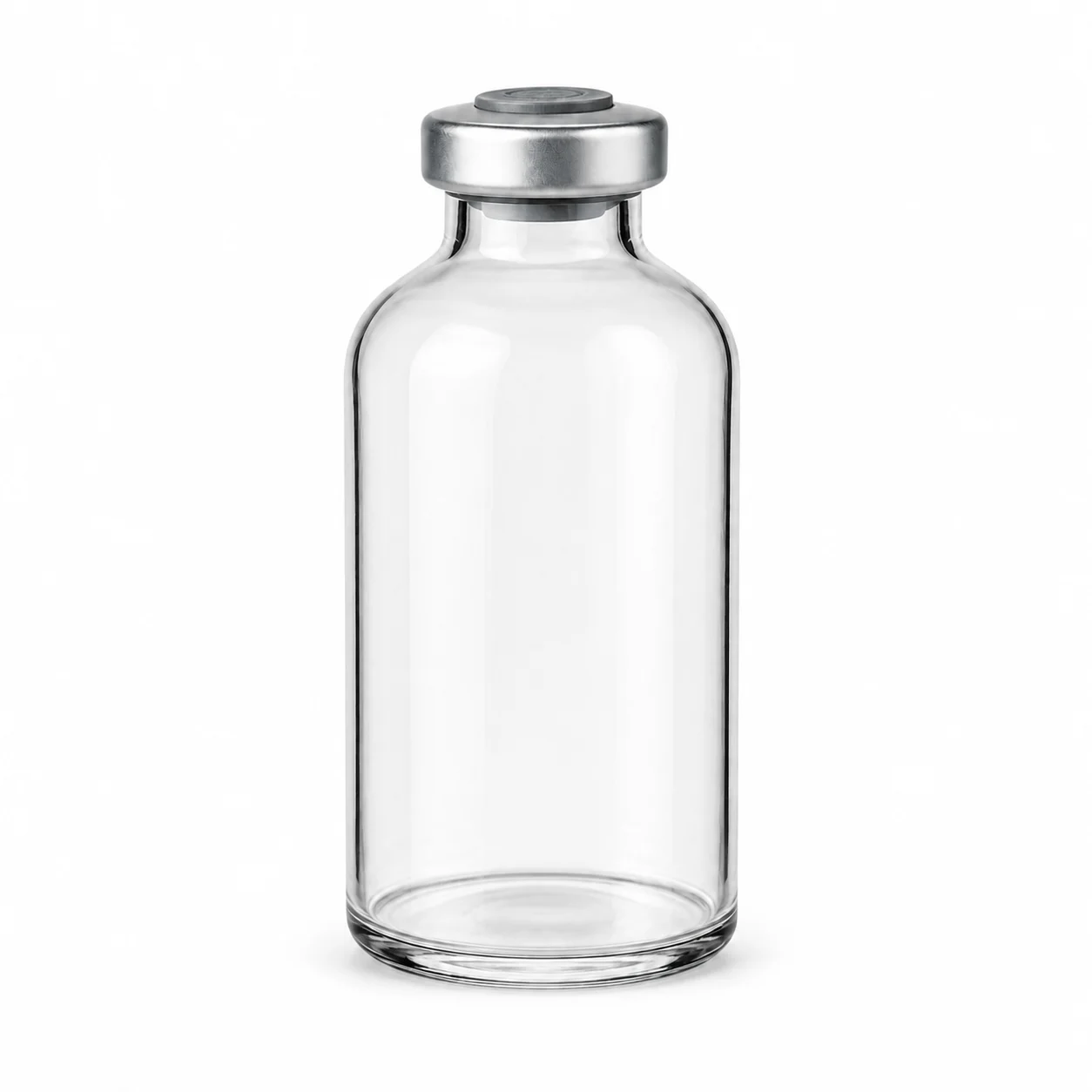
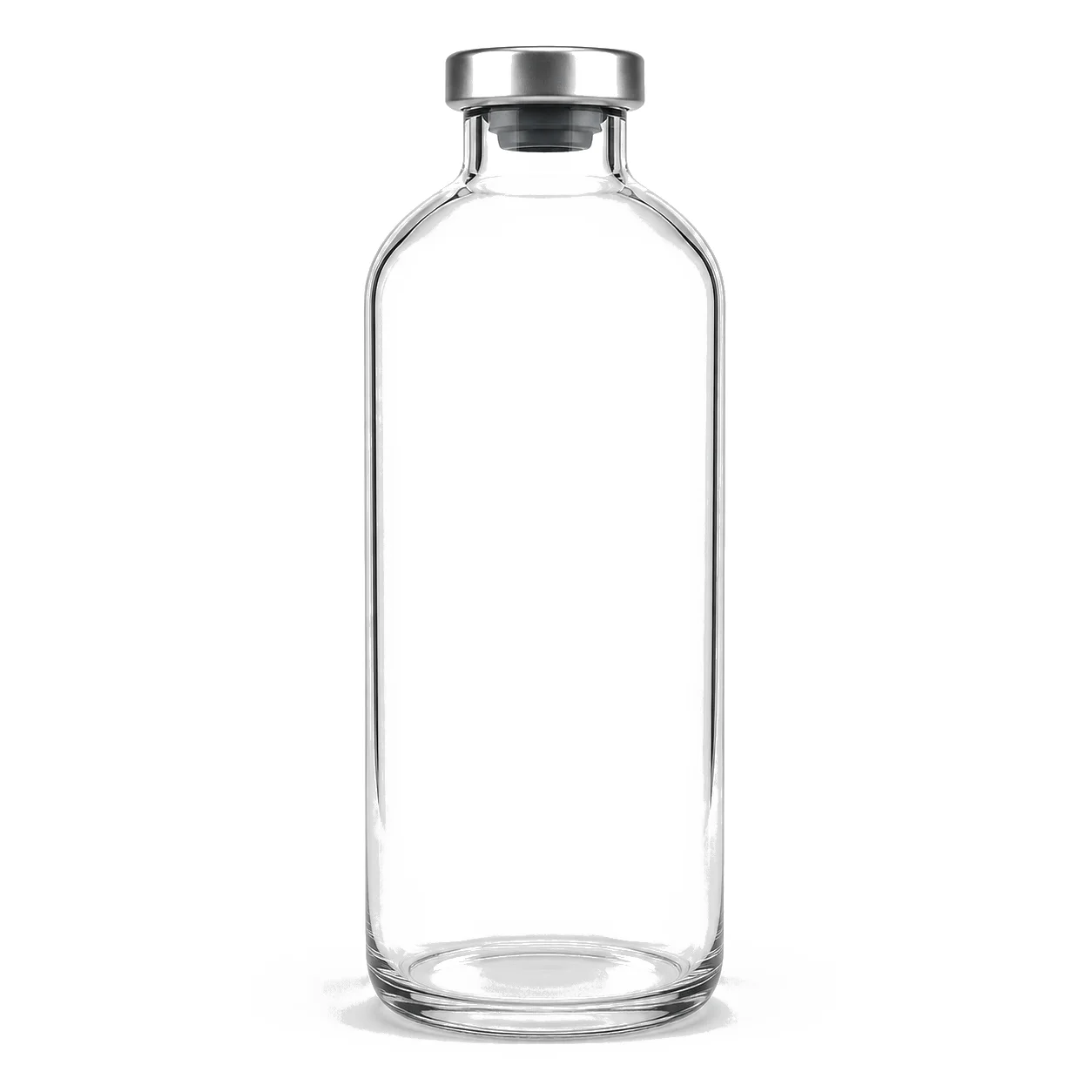
Shown configuration · bottle with dropper assembly / medicine, bulb, tamper band and label not shown

Oral liquid dosing

Pharmaceutical Dropper Bottle

A dropper bottle for oral medicines dosed in drops or fractions of a milliliter, closed by a graduated pipette assembly or a plug-in dropper insert.

Graduated pipette optionPlug insert alternativeAmber and flint bodies
Stock status
In stock
Lead time
2–3 weeks
FOB price / pc
$0.85 - $1.20
MOQ
2,000 pcs

Final availability, dimensions, materials, assembled components and commercial terms are confirmed against the selected drawing and approved sample.

Two ways to dose

Read a graduation or count drops

Drops vary by formulation

Viscosity and surface tension change them

Child resistance is separate

A dropper cap is not automatically CR

Pharmaceutical Dropper Bottle profile

Two dosing methods live in one container, and they are not equally reliable.

Graduated pipettes, drop counting & child resistance

Five things that decide how much medicine a child actually receives.

An oral dropper pack either asks a caregiver to draw liquid to a graduation on a pipette, or to count drops from a fixed orifice. The first is a measurement; the second is an estimate whose accuracy depends on the formulation. Choosing between them is the most consequential decision in the whole container specification.

01

A graduated pipette is a measuring device; drops are not

Fired graduations on a glass pipette let a caregiver draw a defined volume and read it. Counting drops instead relies on every drop being the same size, which depends on tip diameter, the formulation's surface tension and its temperature. For potent medicines the graduated route is the defensible one, and the drop route needs justification.

02

Drop size travels with the formulation

A syrup and an alcoholic solution form very different drops from the same tip, and a cold bottle from a refrigerator forms different drops again. Where dosing directions are written in drops, that relationship has been characterized for that formulation and that tip, and it does not survive a reformulation or a change of dropper supplier.

03

The bulb is the component that ages

Natural rubber softens against alcoholic vehicles and essential oils; nitrile resists them better; silicone stays flexible longest. Whatever is chosen, the bulb takes a compression set over months and the draw shortens, so a pack that measured accurately in month one can under-deliver by the end of a course without any visible change.

04

Child-resistant and dropper are two requirements

A dropper collar is not a child-resistant closure. Where a product requires child resistance, either the dropper assembly is built into a CR closure or the pack uses a CR cap over a separate dosing device. Discovering the requirement after the dropper is specified usually means changing the neck and the assembly together.

05

Tamper evidence has to survive the dropper

A pack that is opened and closed daily needs its tamper feature to be unmistakable on first opening and irrelevant afterwards, which is what a bridged band does well and a shrink sleeve does badly on a small dropper collar. It is a small detail that decides whether a pharmacist can confirm the pack was intact at dispensing.

06

Neck length sets how far the pipette reaches and how much is stranded

A long neck on a short bottle leaves a layer at the base the pipette cannot enter, and on an expensive formulation that residue is a real cost. Matching pipette length to internal depth, and checking it on filled samples, is what keeps the labeled dose count achievable to the end of the bottle.
Application guide

A dropper is how a dose gets to someone who cannot swallow a tablet.

Oral dropper bottles exist mainly for infants, the elderly and anyone measuring a liquid dose by drop or graduation. Accuracy at that scale is a component question, not a packaging preference. These are development directions confirmed with the actual formulation.

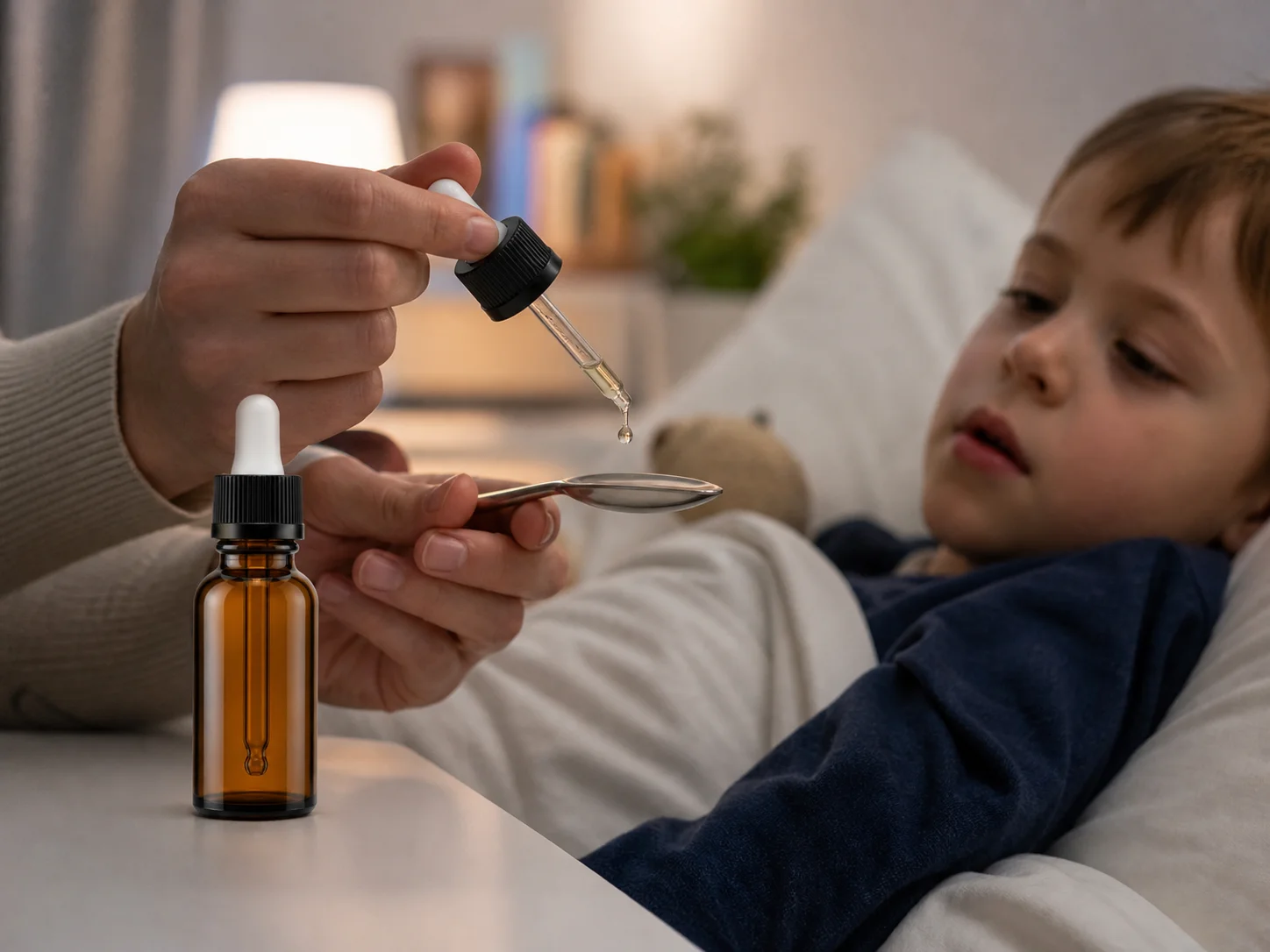
Pharmaceutical Dropper Bottle used for liquid medicines given by drop in a pediatric dosing setting

Pediatric dosing

Liquid medicines given by drop

For a parent measuring drops into a spoon or directly into a child's mouth, often at night and often anxious about getting it right. Drop volume has to stay consistent regardless of how hard the bulb is squeezed, and the graduation marks have to be readable in poor light.

  • Confirm drop volume repeats consistently
  • Test readability in dim light
  • Review the dose route with the formulator
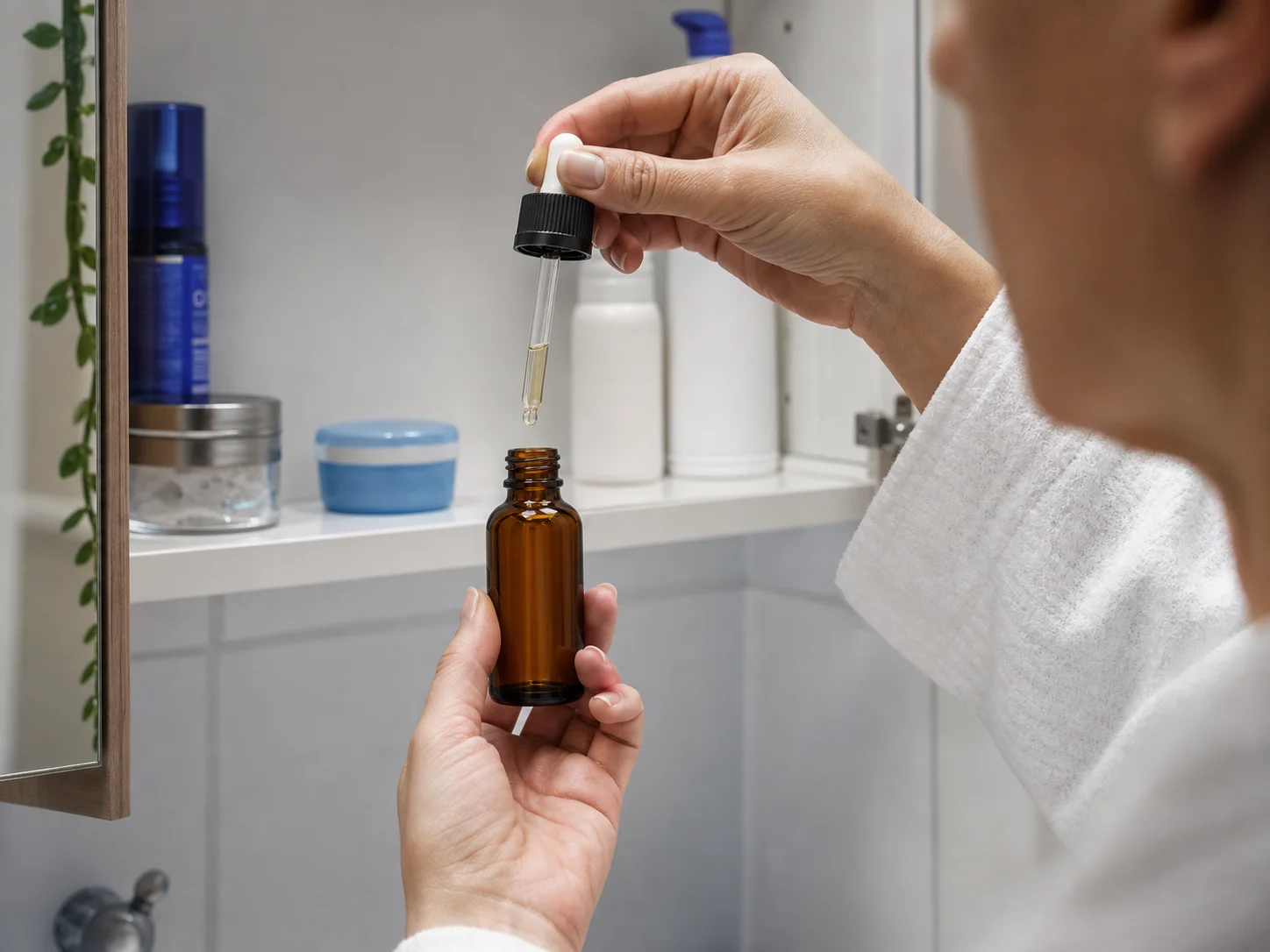
Pharmaceutical Dropper Bottle used for a bottle used slowly over a course in a medicine cabinets setting

Medicine cabinets

A bottle used slowly over a course

For drops a patient keeps in a bathroom cabinet and uses a few at a time over weeks, often past the point anyone remembers when it was opened. Many actives move under light across that period, which is why amber is the default, though what it contributes to a given formula is a stability question rather than a claim.

  • Test the formula behind amber
  • Confirm tint consistency between lots
  • Keep the claim tied to the data
Pharmaceutical Dropper Bottle used for closures on medicines kept at home in a child safety setting

Child safety

Closures on medicines kept at home

Liquid medicines sit in bathroom cabinets where children reach, which in many markets makes a child-resistant closure a legal requirement rather than an option. That requirement varies by market and by product, and it constrains the finish before anything else is chosen.

  • Confirm closure requirements per market
  • Check the finish suits a child-resistant cap
  • Balance safety against elderly opening

Applications describe development directions. Dose accuracy, drop volume, closure performance, safety and regulatory outcomes are confirmed for the selected program.

Common questions

Pharmaceutical Dropper Bottle questions

Dosing accuracy is the whole subject. These questions are where it is won or lost.

Graduated pipette or drop counting?

A graduated pipette is a measuring device: the caregiver draws to a fired mark and reads a volume. Counting drops assumes every drop is identical, which depends on tip diameter, surface tension and temperature. For a potent medicine the graduated route is the defensible one, and choosing drop counting instead needs a reason that survives scrutiny.

Why does the dose shrink over a course of treatment?

Usually the bulb. Elastomers take a compression set over months, so the draw shortens while everything looks unchanged. Natural rubber also softens against alcoholic vehicles and essential oils. Choosing the bulb material against the vehicle, and checking draw volume on aged units, catches a problem that otherwise reaches patients unnoticed.

What tamper evidence works on a dropper pack?

A bridged band on the collar. It is unmistakable on first opening and irrelevant afterwards, which suits a pack opened daily. Shrink sleeves perform poorly on the small diameter and irregular profile of a dropper collar. The point is that a pharmacist can confirm at dispensing that the pack was intact, which the band does reliably.

What does neck length change?

How far the pipette reaches and how much is stranded. A long neck on a short bottle leaves medicine the patient cannot draw, which matters when the label promises a number of doses. Set the pipette against the bottle's internal height.

Next step

Send us the Pharmaceutical Dropper Bottle brief.

Tell us the product, fill volume, closure preference and destination market. We will come back with the matching drawings, available configurations and a sample plan before anything is quoted.

  • 01Send the briefProduct, volume, closure and market
  • 02Get the optionsMatching drawings and configurations
  • 03Approve the sampleConfirm the pack before production